20 Illinois Dog Laws That Aren’t As Well Known As They Should Be

If you share your home with a dog in Illinois, you already handle the basics: food, walks, vet visits, and plenty of belly rubs. What often slips past good owners are the smaller state rules about vaccines, tethering, weather, and loose dogs.
None of it is scary, and most of it lines up with what caring owners already do. Think of this as a friendly rundown from someone who has read the fine print, so you can feel confident and prepared.
1. Rabies Shots Start at Four Months Old
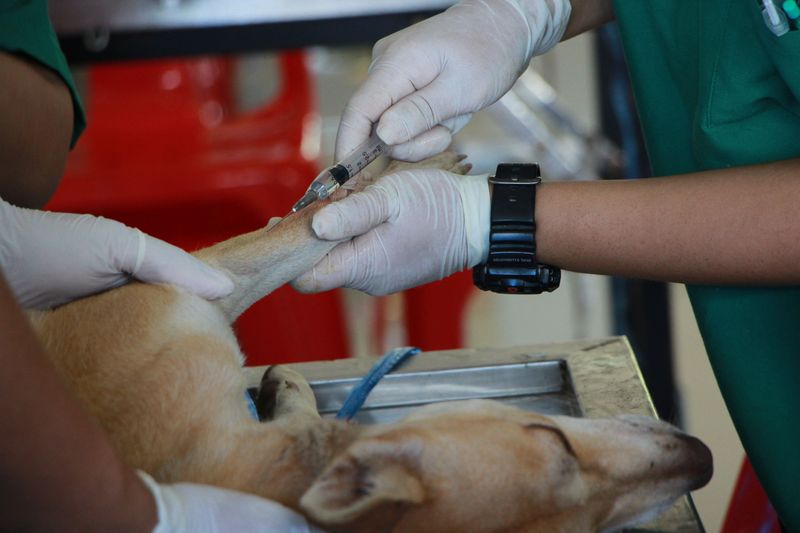
Puppies grow fast, and so does the vaccine clock. Illinois requires every dog four months of age or older to be vaccinated against rabies by a licensed veterinarian.
The shot protects your dog, your family, and your neighbors. It also gives you proof of compliance if questions ever come up.
Mark the date on your calendar around the four month mark. Ask your vet to log the certificate and tag number for your records too.
2. A Booster Follows Within the First Year

One shot does not finish the job. After the first rabies vaccination, dogs generally need a second one within a year.
From there, boosters follow the schedule approved for the specific vaccine used, usually every one to three years. Your veterinarian will tell you which product your dog received.
Keep the paperwork somewhere easy to find, like a folder with your dog’s other records. Groomers, boarding kennels, and trainers often ask for it.
3. Medical Exemptions Exist for Some Dogs

Not every dog handles a vaccine well. When a licensed veterinarian decides the shot would harm a dog’s health, a written exemption can be issued for up to one year.
Owners still pay the rabies tag fee, and the dog needs a yearly re-examination. Once health allows, vaccination is expected.
Talk openly with your vet if your dog has had reactions before. Exemptions are documented decisions, not casual requests.
4. Exempt Dogs Are Treated as Unvaccinated After a Bite
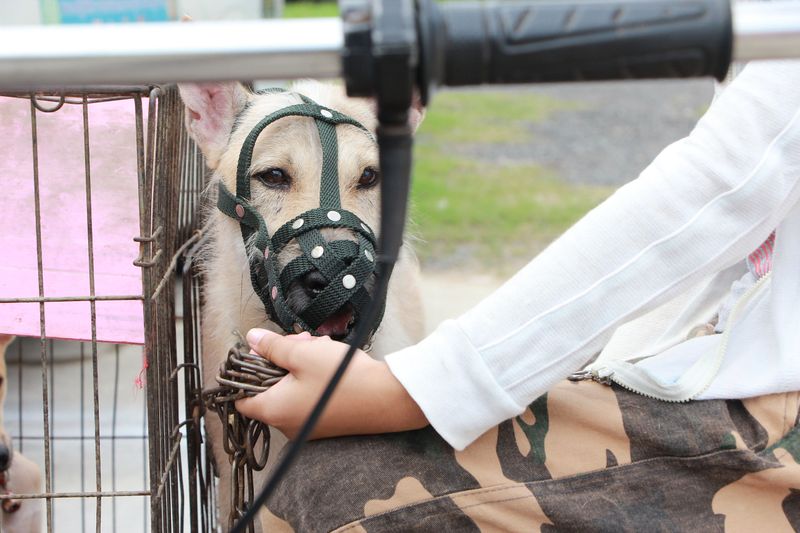
Here is the part many owners miss. A rabies exemption does not change how a bite incident is handled.
If an exempt dog bites a person, officials treat that dog as unvaccinated for bite-control purposes. The stricter protocols apply.
Knowing this in advance helps you plan. Owners of exempt dogs often use extra care with visitors, doorways, and crowded spaces, which keeps everyone comfortable and avoids a stressful process later.
5. Vet Exam Within 24 Hours of a Bite

Timing matters after a bite. Illinois generally requires the owner, or someone acting for them, to present the dog to a licensed veterinarian within 24 hours.
The veterinarian records the dog’s clinical condition right away. That documentation becomes part of the official record.
Save your vet’s after-hours number in your phone now. Acting quickly shows responsibility and usually makes the entire process smoother for you and the person involved.
6. Ten Days of Observation Is Standard

Bite cases usually come with a confinement period. Dogs are typically held at least 10 days from the bite date for rabies observation.
A licensed veterinarian must examine the dog before release. In certain situations, the administrator may shorten that window.
Confinement often happens at home when conditions allow, so ask animal control what your options are. Comfortable bedding and a steady routine help your dog settle during the wait.
7. Microchipping May Follow Confinement
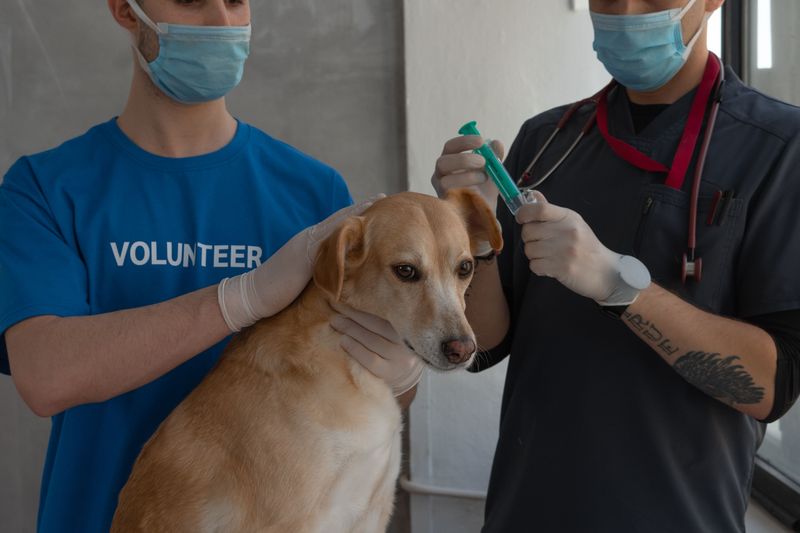
Once the observation period ends, there can be one more step. A dog that is not already microchipped must be chipped, at the owner’s expense.
The chip creates permanent identification tied to your contact details. It also helps shelters reunite lost dogs with families.
If your dog already has a chip, take two minutes to confirm the registration is current. Outdated phone numbers are the most common problem shelters report.
8. Reporting Rabies Symptoms Is an Owner Duty

Owners carry a reporting responsibility too. If a dog shows signs consistent with rabies, animal control must be notified and the animal confined for observation.
Warning signs can include sudden behavior changes, trouble swallowing, or unusual aggression or weakness.
Call your veterinarian first if you are unsure. Early reporting protects other pets and people in your neighborhood, and staff are used to answering these questions without judgment.
9. Basic Care Is Written Into State Law

Kindness is not just good manners in Illinois, it is a legal standard. The Humane Care for Animals Act requires adequate food, water, shelter, veterinary care, and humane treatment.
Shelter means real protection from weather, not just a corner of the yard.
Most owners already meet these standards without thinking about it. Falling short can bring penalties, so a quick seasonal check of your setup is time well spent.
10. Tether Weight Has a Clear Limit
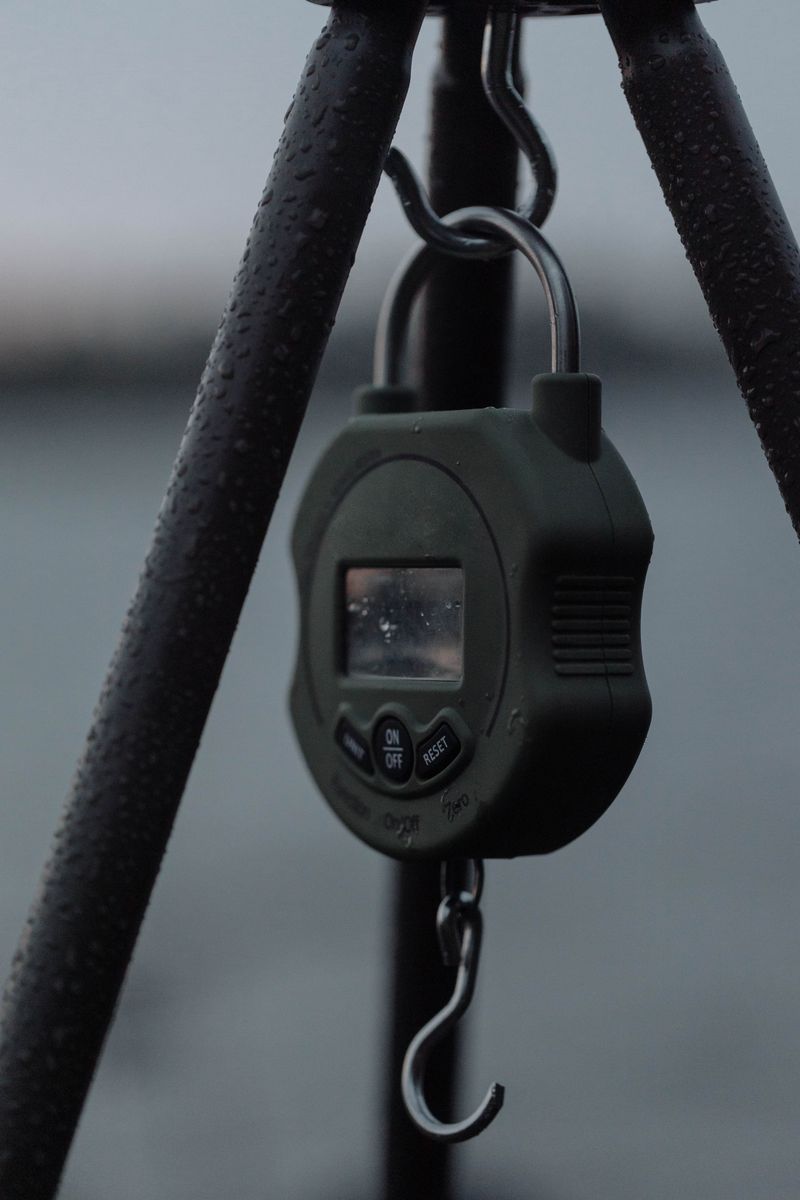
Weight rules surprise a lot of owners. An outdoor tether, including attachments, cannot exceed one-eighth of the dog’s body weight.
For a 40 pound dog, that means roughly five pounds at most. Heavy hardware drags on the neck and limits normal movement.
Weigh the tether on a bathroom scale if you are unsure. Lightweight cable lines made for dogs usually stay well under the limit.
11. Tow Chains and Log Chains Are Off Limits

Somewhere along the way, heavy chains became a backyard habit. Illinois specifically bans tow chains and log chains as dog tethers.
Equipment built for hauling vehicles or timber was never designed for a living animal. The bulk alone can strain a dog’s neck and shoulders.
Choose a tether sold for dogs, sized to your pet’s weight. Pet supply stores label these clearly, which takes the guesswork out of shopping.
12. Ten Feet Is the Minimum Length

Length rules exist so dogs can actually move. Outdoor tethers generally must measure at least 10 feet.
That distance lets a dog stretch, turn around, and step away from its resting spot. Short lines create frustration and tangles.
Longer is often better, as long as the line stays clear of fences and steps. A trolley style runner can give more freedom while keeping things neat.
13. Pinch, Prong, and Choke Collars Cannot Be Used for Tethering

Collar choice is regulated here. Illinois prohibits attaching a tether to pinch, prong, or choke-type collars.
Those tools tighten under pressure, which is a poor match for an unsupervised dog outdoors.
A properly fitted harness or a flat buckle collar is the right choice. Check the fit with the two finger rule, and inspect the hardware every few weeks for wear, especially after a rough Illinois winter.
14. Placement Must Keep Dogs Off Sidewalks and Roads
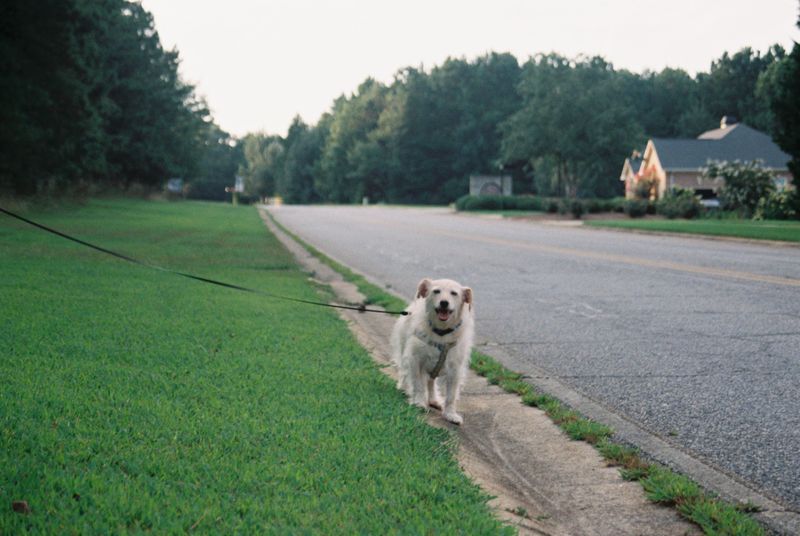
Where you anchor the tether matters as much as the tether itself. A dog cannot be positioned so it can reach a neighbor’s property, a public walkway, or a road.
Measure the full reach before leaving your dog outside. Include the tether length plus your dog’s body.
Pedestrians, mail carriers, and kids on bikes all benefit from that buffer. So does your dog, who stays safely away from traffic.
15. Extreme Heat and Cold Exposure Is Prohibited

Illinois weather swings hard in both directions. Leaving a dog exposed to dangerous heat or cold is unlawful.
That includes snow, temperatures at or below freezing, and periods covered by a weather advisory. Overheating and hypothermia can develop faster than people expect.
Bring dogs inside during advisories, shorten walks, and check pavement with your hand in summer. If it feels too hot for your palm, skip it.
16. Hot or Cold Cars Can Bring Criminal Charges
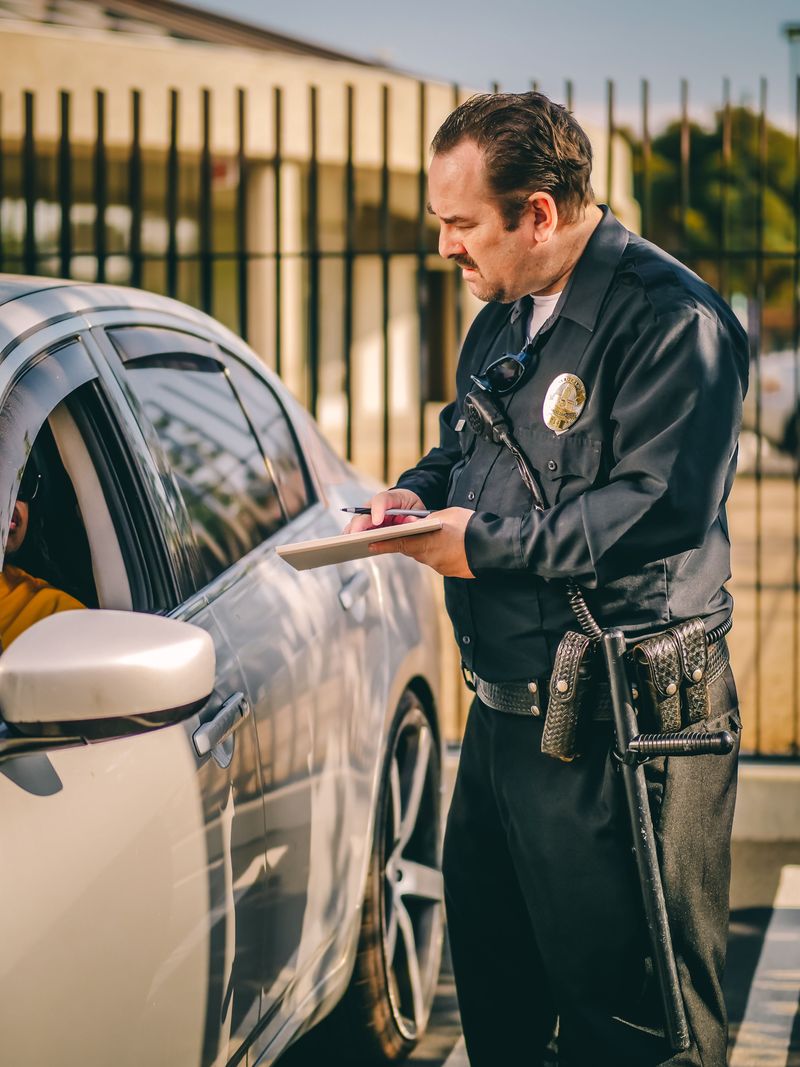
Quick errands turn risky inside a parked vehicle. Leaving a dog in a car during dangerously hot or cold conditions can be a criminal offense in Illinois.
Law enforcement may take temporary custody of the animal when conditions warrant.
Cracked windows do little in summer heat. When the forecast is extreme, leave your dog comfortable at home, or choose destinations where dogs are welcome inside.
17. Loose Dogs Can Be Picked Up and Impounded

A gate left open can turn into paperwork. Any dog found running at large in Illinois may be apprehended and impounded.
Owners can face a public safety fine when reclaiming their pet. Fees and local procedures vary by county and city.
Double-check latches, repair fence gaps, and keep ID tags readable. A current microchip registration is the fastest path home if your dog ever slips out.
18. Repeat Escapes Can Trigger a Sterilization Requirement

Second offenses carry more weight. A dog found running at large a second or later time must be sterilized within 30 days of being reclaimed, unless already altered.
Not following through can lead to impoundment.
The rule aims to reduce unplanned litters from roaming pets. If your dog is an escape artist, invest in fence repairs and supervised outdoor time before it becomes a repeat pattern.
19. Roaming in a Group of Four or More Raises Concerns

Numbers change how officials view a loose dog. One found unsupervised and running at large with three or more other dogs may be labeled potentially dangerous.
Dogs given that designation may be required to be spayed or neutered and microchipped.
Group roaming behavior is unpredictable, even among friendly pets. Keeping multi-dog households securely contained protects your pack and your neighbors alike.
20. Breed-Specific Vicious Dog Rules Are Not Allowed

Good news for owners of commonly misjudged breeds. Illinois does not allow vicious dog classifications to be based on breed.
Municipalities can still regulate dogs through leash rules, licensing, and nuisance ordinances. Those rules simply cannot single out a breed.
Behavior, not appearance, drives the legal standard. Since local requirements differ, a quick call to your city clerk or animal control clears up anything specific to your town.
Know the rules, enjoy the walks.