17 Maryland Brackish-Marsh Hazards Dog Owners Should Recognize On Eastern Shore Walks
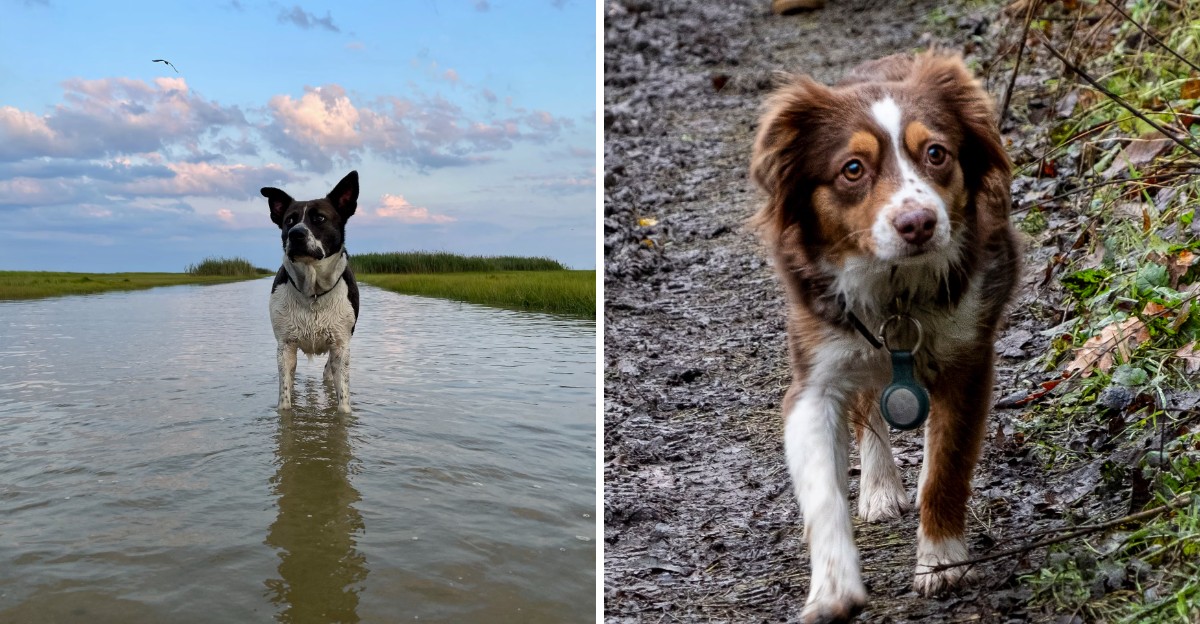
A marsh walk on Maryland’s Eastern Shore gives your dog plenty of fresh smells and room to explore. Between the grasses and tidal creeks, a few hidden hazards deserve your attention.
Most are easier to manage with a leash, fresh water, and a quick check afterward. Knowing what to watch for helps you enjoy the scenery while keeping your walking partner comfortable and safe.
1. Brackish Water Can Hide Sharp Hazards
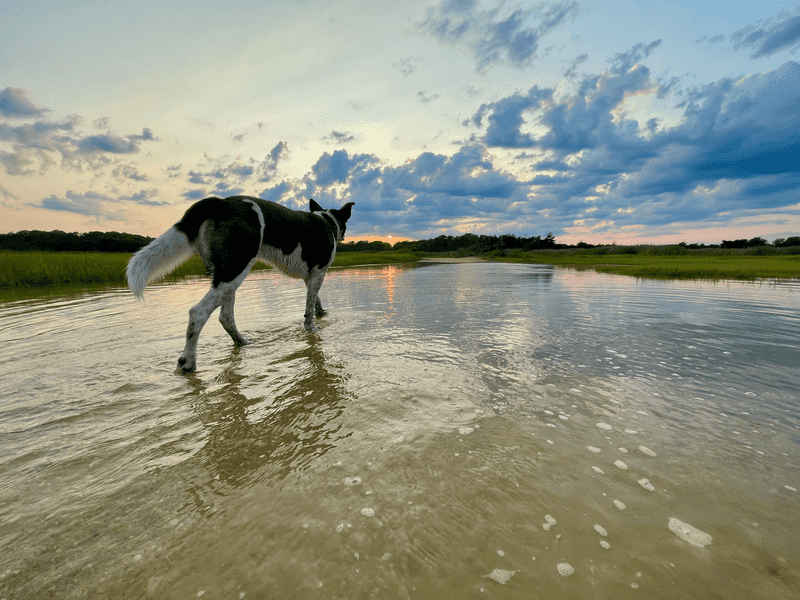
A cloudy creek can look inviting while hiding broken shells, sticks, or discarded fishing gear beneath its surface. Brackish water mixes fresh water with salt water, and visibility often changes with tides and weather.
Keep your dog out when you cannot clearly judge the bottom. Choose established paths instead of unknown shoreline entry points.
Carry fresh drinking water, discourage creek drinking, and move away from areas with visible litter or tangled line before exploring any farther.
2. Mud Can Trap An Excited Dog
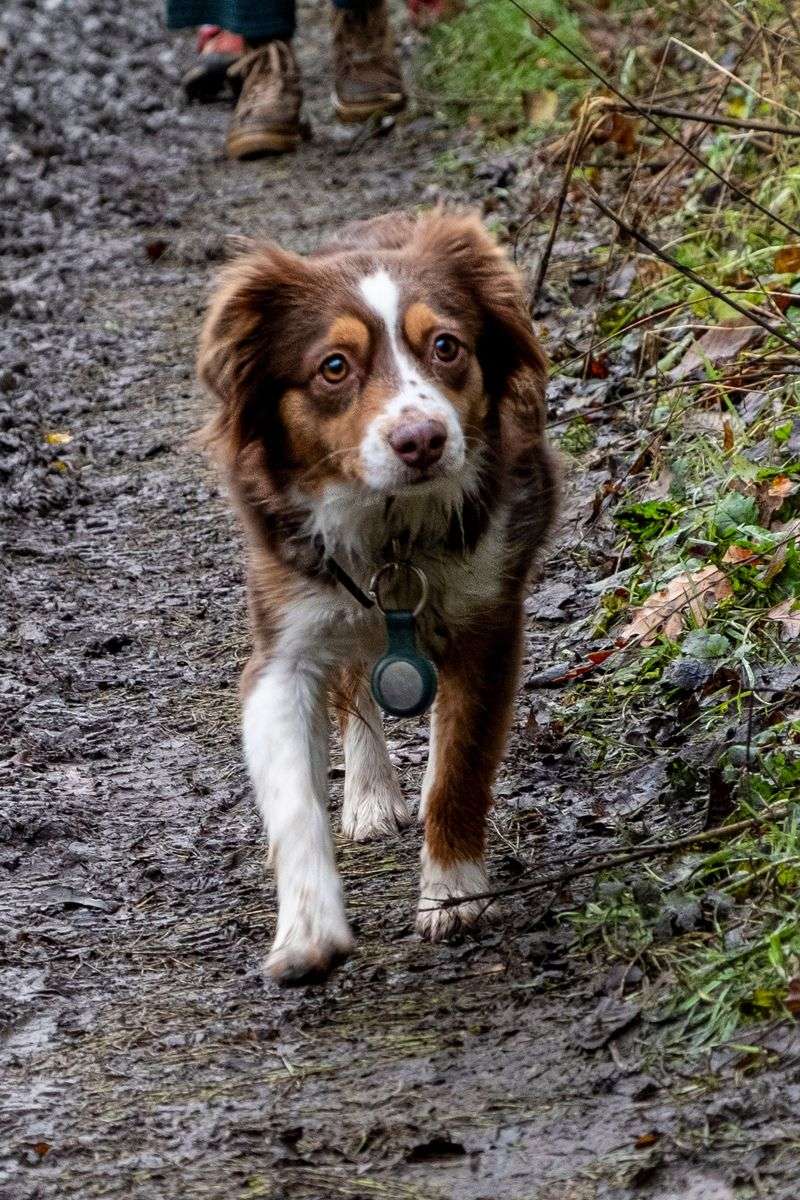
One enthusiastic leap can take your dog from solid trail to surprisingly deep mud. Marsh sediment may look firm on top but feel soft underneath, especially beside tidal creeks.
Stay on maintained trails and boardwalks, keeping your dog close near muddy edges. Avoid stepping into unknown mud yourself.
If your dog becomes stuck, remain on secure ground and seek help when needed. Do not yank the leash or enter unstable footing to attempt a risky rescue.
3. Tidal Channels Need Extra Caution
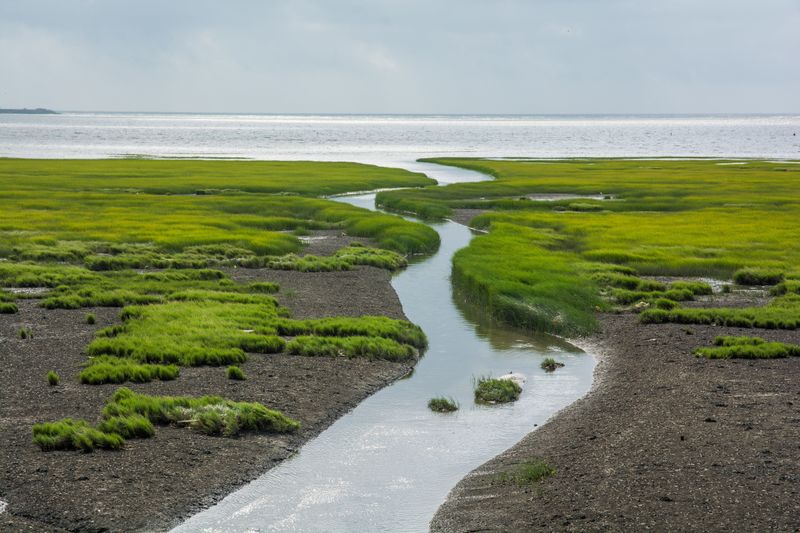
A narrow channel may carry more moving water than its quiet surroundings suggest. Changing tides can alter depth, current, and the amount of exposed shoreline during your walk.
Check local tide information before heading out, especially when routes pass low ground. Leave generous space between your dog and channel edges.
Never assume a crossing remains safe because it was shallow earlier. Turn around if water covers the trail, and choose another route rather than testing it.
4. Oyster Shells Can Cut Paws
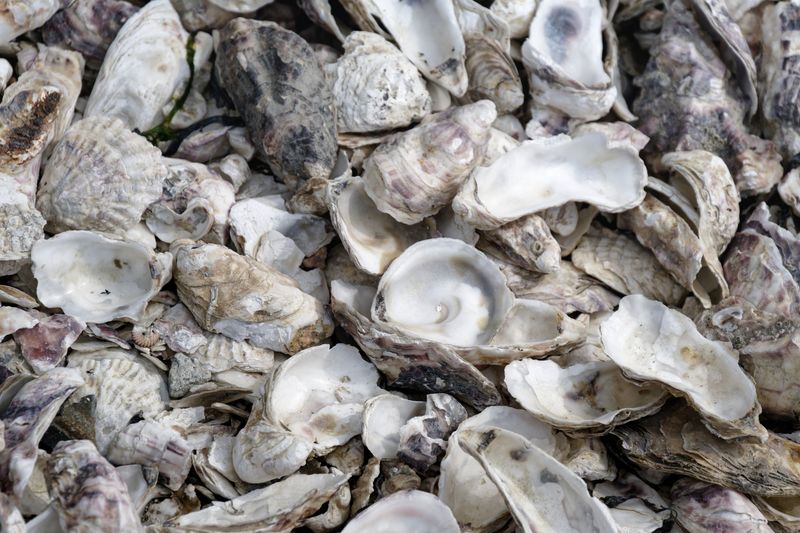
Shell-covered shorelines are worth admiring from a little distance when your companion has bare paws. Oyster shells can have sharp edges, including pieces partly buried in sand or mud.
Guide your dog around shell piles rather than across them. Properly fitted dog boots may help, but they cannot make every surface safe.
After accidental contact, inspect each paw gently. Rinse small debris away with clean water, and contact your veterinarian for bleeding, limping, or embedded fragments.
5. Crabs Can Pinch Curious Dogs
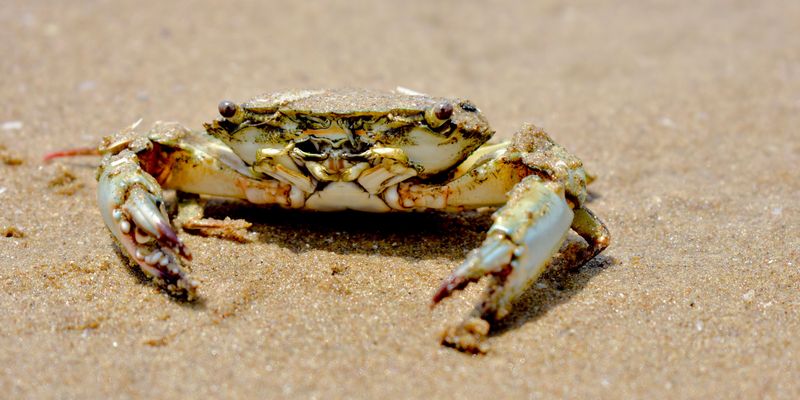
Your dog’s nose may notice a moving crab before you do. Blue crabs and other shoreline crabs can pinch when approached or handled, so curiosity needs a little guidance.
Call your dog back and give the crab room to move away. Keep pets from pawing at crabs or picking them up.
If a pinch happens, separate the animals without putting fingers near claws. Check your dog for injury, and ask your veterinarian about persistent discomfort afterward.
6. Salt Marsh Plants Can Hide Uneven Ground

Tall grass can turn a simple trail edge into a guessing game. Beneath marsh plants, small ditches, roots, holes, and slippery banks may be difficult to see.
Give your dog enough leash for comfortable walking without allowing wandering into dense growth. Watch footing where vegetation leans across narrow paths.
Boardwalks help protect both paws and fragile marsh habitat. If a route becomes overgrown, choose a clearer trail instead of pushing through plants toward an uncertain shoreline.
7. Stagnant Water Deserves A Wide Berth
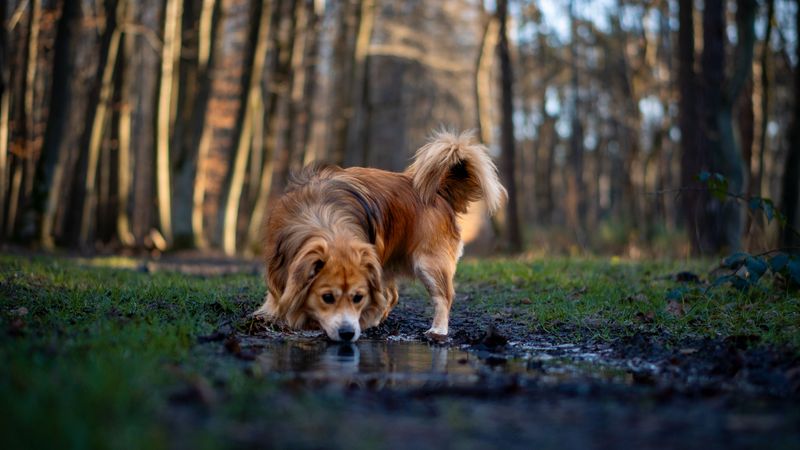
A puddle beside the trail is not a reliable drinking bowl. Standing water may contain germs, animal waste, or other contaminants that you cannot judge by appearance.
Offer fresh water regularly so your dog has less reason to sample puddles. Avoid letting pets drink from drainage ditches or isolated pools.
Ask your veterinarian whether leptospirosis vaccination fits your dog’s exposure. If your dog becomes unwell after marsh water contact, mention that exposure when calling for advice about next steps.
8. Algae Can Become A Water Hazard
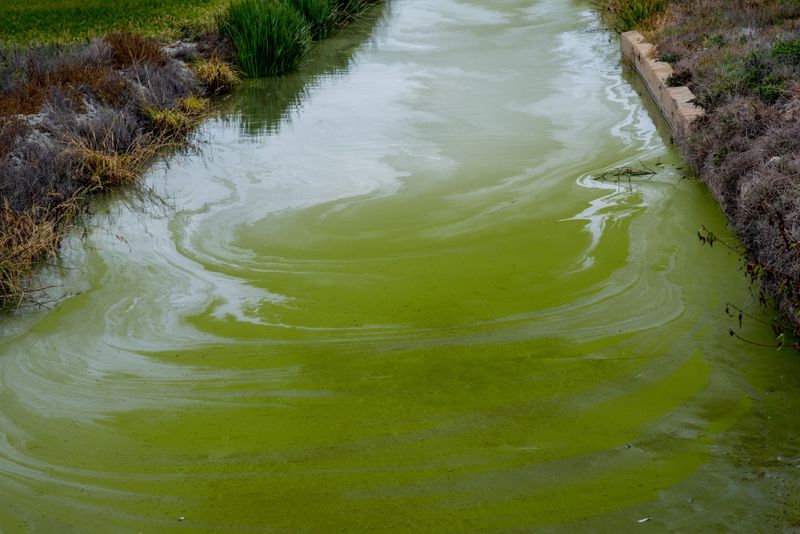
Green scum is a reason to pause, not a reliable way to judge water safety. Some harmful blooms produce toxins, and brackish waterways can also have water quality concerns.
Keep your dog away from discolored water, surface mats, and posted warning areas. Check current Maryland environmental advisories before visiting unfamiliar waterfront trails.
If exposure to potentially harmful algae is suspected, prevent licking and rinse with clean water. Contact a veterinarian promptly, even if your dog seems comfortable at first.
9. Wildlife Encounters Can Happen Quickly
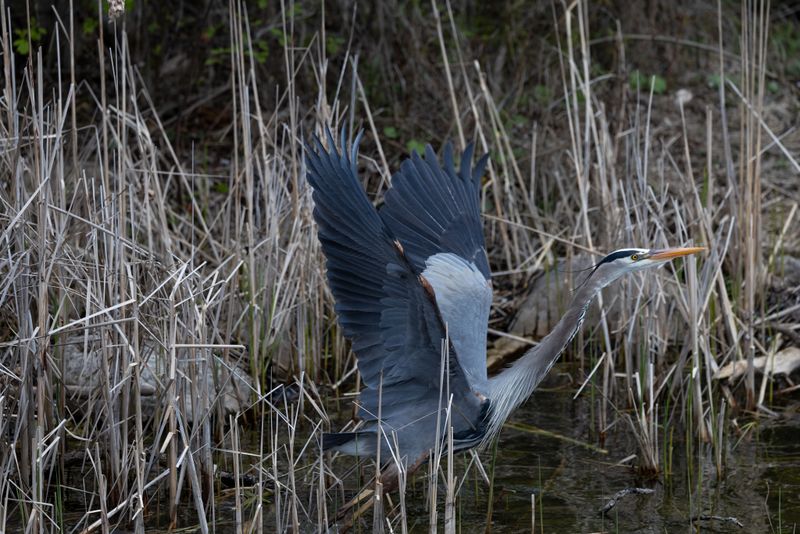
A bird lifting from the grass can instantly change your dog’s walking plans. Marshes shelter birds, mammals, and other wildlife that deserve space, especially near nests or young animals.
Watch your dog’s posture for sudden staring, pulling, or stiffening. Redirect attention with a familiar cue before excitement builds.
Never encourage chasing or allow close greetings with wild animals. If you find wildlife needing help, keep your dog away and contact a licensed wildlife rehabilitator for guidance.
10. Snapping Turtles Need Their Space
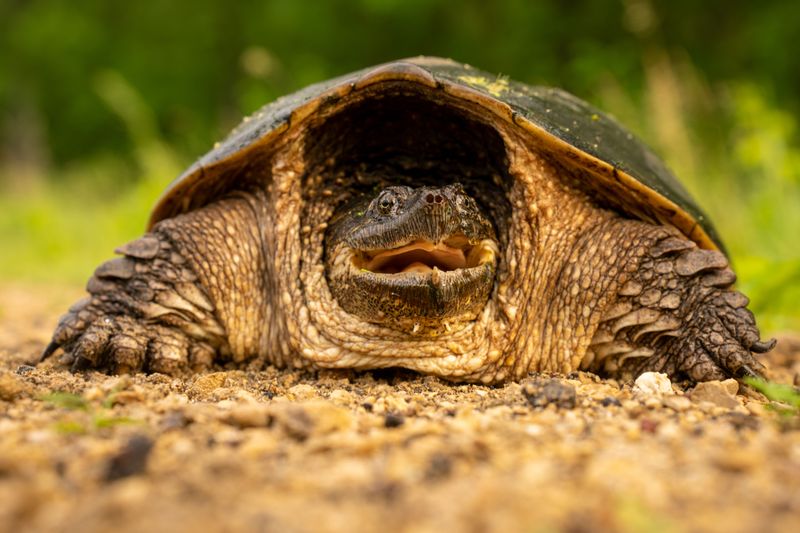
Sometimes the slowest trail visitor needs the widest passing space. Snapping turtles may appear near marsh edges or cross paths while moving between water and nesting areas.
Stop your dog well away and wait for a clear route. Do not allow sniffing, barking nearby, or pawing at the turtle.
Avoid handling it or lifting it by the tail. If its location creates an immediate concern, ask local wildlife authorities for guidance rather than attempting relocation yourself.
11. Snakes May Be Difficult To Spot
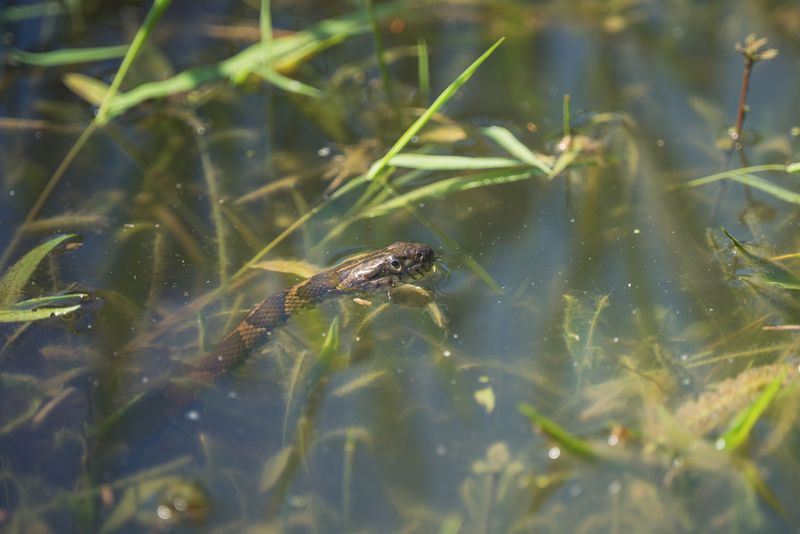
A still shape beside the reeds may blend into leaves and shadows. Snakes often avoid people, but a curious dog can bring its nose closer than either animal prefers.
Keep to open paths and give any snake plenty of room. Do not approach to identify, move, or photograph it closely.
After a suspected bite, keep your dog calm and contact a veterinarian immediately. Avoid home treatments, and never delay care while trying to capture the snake.
12. Mosquitoes Can Be Thick Near Marshes
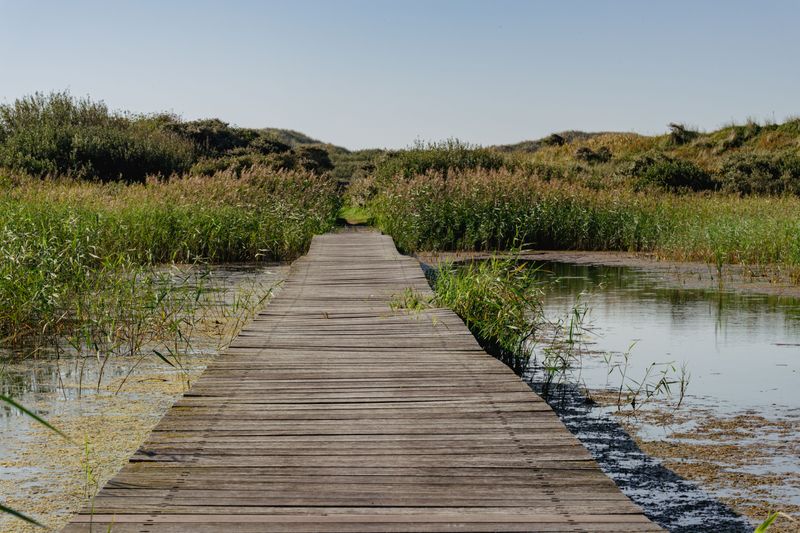
That familiar evening buzz can follow you along sheltered marsh paths. Mosquitoes breed in standing water, and their bites can bother dogs as well as people.
Ask your veterinarian about heartworm prevention and keep your dog’s recommended testing current. Certain mosquitoes can transmit heartworm, so protection matters beyond avoiding itchy bites.
Choose breezier routes when insects are active. Use only repellents specifically approved for your dog, following veterinary advice and label directions, rather than applying your own spray.
13. Ticks Can Hide In Marsh Vegetation
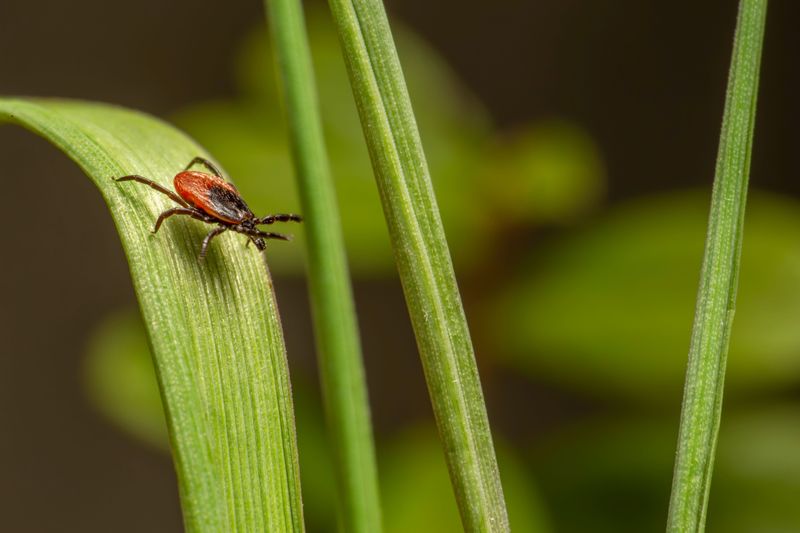
Brushy trail borders offer tiny hitchhikers a chance to catch a ride. Ticks can wait on vegetation around marshes, particularly where paths meet shrubs, woods, or taller grass.
Use veterinarian-recommended tick prevention and inspect your dog after each outing. Check ears, neck, armpits, groin, and between toes.
Remove attached ticks promptly with an appropriate tool, following veterinary guidance. Note the date and watch for changes in appetite, energy, or movement that warrant a call for advice.
14. Heat Can Build Up On Exposed Trails
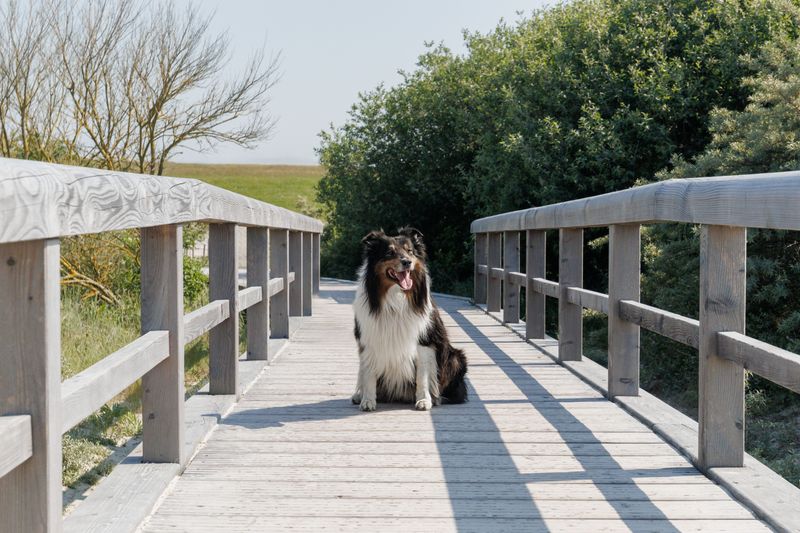
Wide marsh views often come with very little shade. Warm temperatures, humidity, and sun exposure can make an easy route harder for your dog than expected.
Walk during cooler hours and bring enough fresh water for frequent breaks. Shorten outings for dogs with breathing difficulties or other health concerns.
Heavy panting, weakness, or unusual drooling calls for stopping and veterinary advice. Move into shade and start cooling with water while arranging help, following your veterinarian’s instructions.
15. Leashes Help Around Water And Wildlife
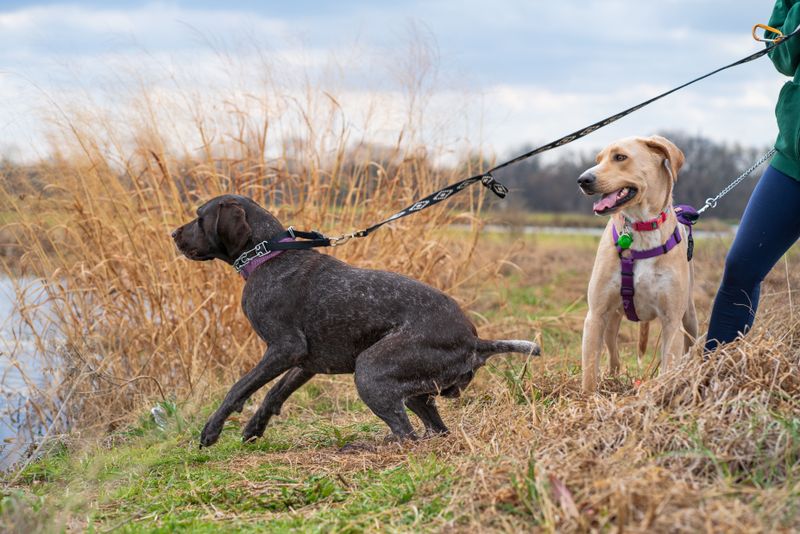
A leash gives you a useful safety margin when distractions appear. Near water, firm control helps prevent sudden jumps, wildlife chasing, and wandering onto unstable banks.
Choose a comfortable harness or collar and a leash you can manage easily. Keep extra length gathered near channels, narrow boardwalks, and other walkers.
Pet access and leash rules differ among parks, refuges, and local jurisdictions. Check the managing agency’s current rules before visiting, since some sensitive areas do not allow dogs.
16. Rinse Off Salt And Marsh Mud
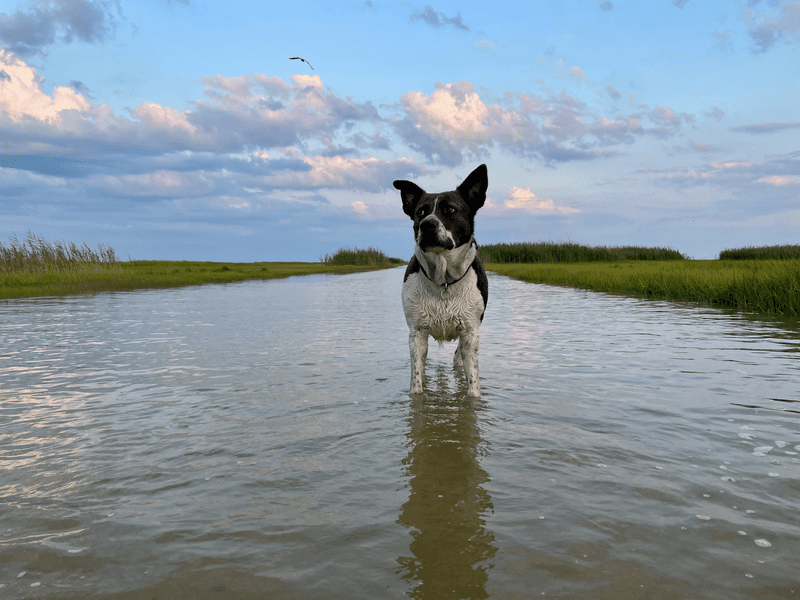
The walk may finish before the marsh leaves your dog’s coat. Salt, mud, and trapped grit can irritate skin or invite licking once you reach home.
Rinse dirty paws, legs, and belly with clean fresh water after shoreline contact. Avoid forcing water into ears, and dry your dog thoroughly afterward.
Check collars and harnesses for damp grit that could rub. Persistent redness, itching, or a new skin problem deserves veterinary guidance rather than repeated scrubbing at home.
17. Check Paws Carefully After The Walk
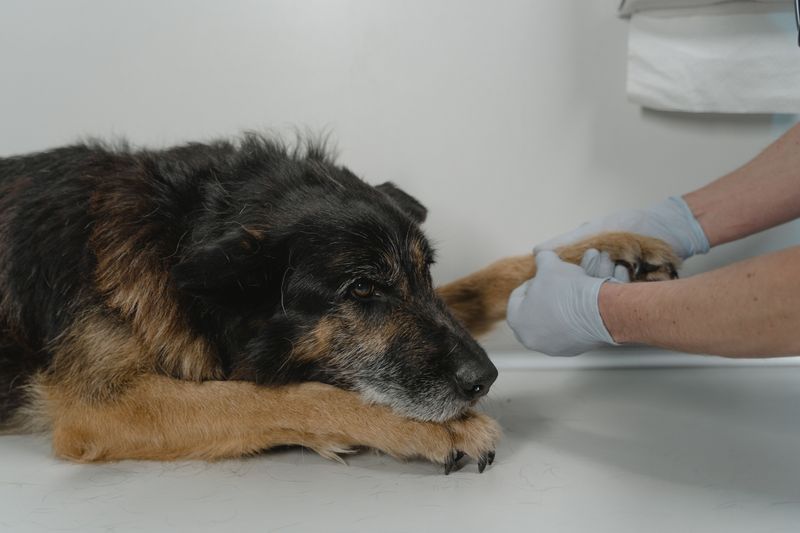
A quiet paw check makes a useful ending to any shoreline outing. Look between toes, around nails, and across pads for grit, shell pieces, swelling, or tender spots.
Use good light and handle each foot gently without forcing sore toes apart. Seek veterinary advice for embedded objects, ongoing bleeding, or limping.
Reward your dog for cooperating, then let it rest. Stay curious, keep close, and finish each marsh walk with clean paws and a calm check.