18 Missouri Dog Laws That Can Take Owners By Surprise

Most Missouri dog owners are doing everything right, yet a few state rules still catch people off guard. Some involve liability after a single incident.
Others cover rabies steps, park leashes, neglect definitions, and even county voting on dog licenses. None of it is scary once you understand how the pieces fit together.
Consider this a friendly walk through the rules that matter most, so you can enjoy your dog with fewer questions and far more confidence.
Liability Without a Single Prior Bite

Many owners assume the first bite is somehow forgiven. Missouri says otherwise.
Under RSMo 273.036, the state follows strict liability for dog bites.
An owner can be responsible for damages even with no history of aggression and no knowledge of any risk. The rule applies when the injured person was on public property, or lawfully on private property, and did not provoke the dog.
Good fencing, clear signage, and solid training all help.
Damage to Property and Livestock Counts Too

Bites are only part of the picture. That same strict liability statute also covers damage a dog causes to property or livestock.
If the other party shares some fault, the amount owed may be reduced proportionally. Separate provisions under RSMo 273.020 address dogs that harm sheep or other domestic animals, with possible recovery from a county dog license fund.
A livestock trespass statute adds further responsibility for owners in farming areas.
When a Second Unprovoked Bite Turns Criminal

Here is where the stakes rise. Missouri defines the offense of keeping a dangerous dog when a dog that previously bit a person or domestic animal without provocation bites again.
Penalties scale with the harm involved, beginning at a Class B misdemeanor and increasing from there. Serious injuries can raise the charge to a misdemeanor or felony level.
Proposed legislation has discussed broadening this rule, so watch for updates.
Serious First Incidents Can Trigger Immediate Seizure

A single serious event can change everything quickly. State law directs that a dog causing serious injury to a person must be seized right away by animal control or the county sheriff.
No prior bite record is needed for that step. The dog is then impounded for ten business days after the owner receives written notice.
Owners do have an appeal path, so responding promptly and getting legal guidance matters greatly.
Roaming Dogs Weaken Your Position in Disputes

Missouri has no statewide leash law, though many cities and towns do require leashes. There is also an animal trespass statute, RSMo 578.011, covering owners who knowingly fail to provide adequate control.
A first offense is an infraction, and later offenses become a Class C misdemeanor.
Records of repeated roaming can strengthen a property owner’s defense in a bite claim. Keeping your dog contained protects everyone, including you.
Rabies Exposure Means Confinement, Not Freedom

Wildlife encounters happen, especially near wooded Missouri property. State protocols are strict when rabies exposure is suspected.
Unvaccinated pets exposed to a known rabid animal face strict isolation for six months at an approved facility, with vaccination before release. Vaccinated dogs must be revaccinated right away and observed for forty five days under the owner’s control.
Letting an exposed dog roam is never an option. Call your veterinarian immediately.
Your Duties Once Exposure Happens
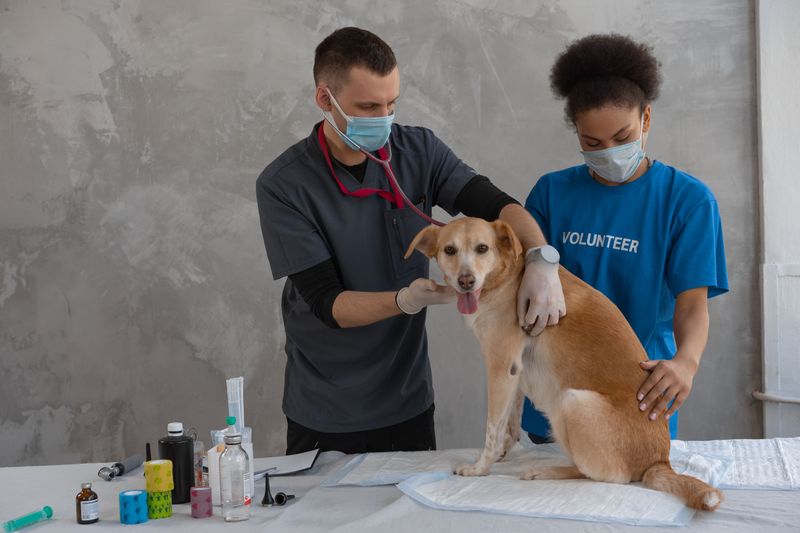
Owners carry real responsibilities after a possible rabies incident. If a dog suspected of rabies bites someone, a ten day quarantine and observation is required.
Vaccinated dogs exposed to rabies need prompt revaccination plus the observation period at home under strict control.
Missouri also requires current rabies vaccination for dogs and cats, given by a licensed veterinarian on an annual or triennial schedule. Keeping records handy makes these situations far simpler.
Bites That Break Skin Must Be Reported
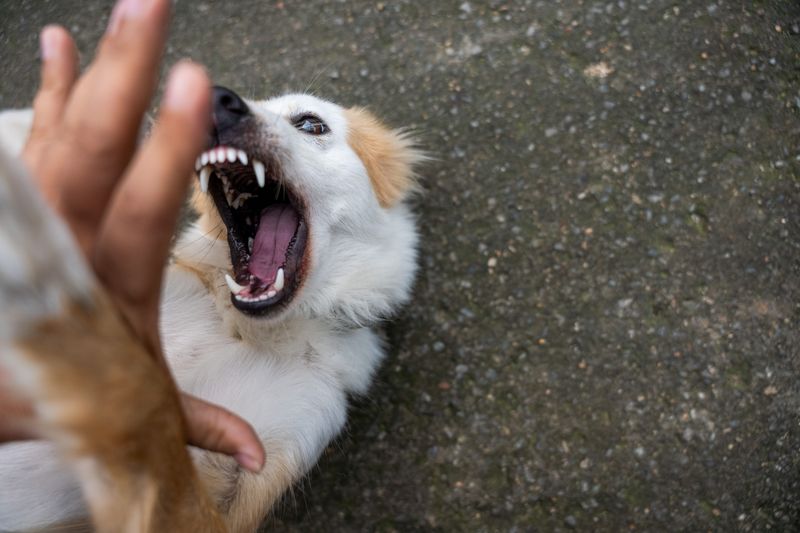
Reporting is not optional. Missouri treats mammalian bites that break the skin as reportable conditions.
Notification goes to the local public health authority or the Department of Health and Senior Services within twenty four hours of first knowledge.
That duty can apply to the person bitten, medical providers, and the animal’s owner. Prompt reports allow rabies monitoring and quick follow up.
Reporting early usually makes the process smoother for everyone.
Leaving a Dog Behind Without Care Is Neglect

Life changes such as moves and job losses can overwhelm anyone. Still, Missouri law is clear about abandonment.
Knowingly leaving an animal in any location without ensuring adequate care qualifies as animal neglect. A first conviction is a Class C misdemeanor, and later ones rise to a Class B misdemeanor.
Shelters, rescue groups, and rehoming services exist precisely for hard moments. Reaching out early protects your dog and yourself.
Adequate Care Has a Legal Definition

What counts as good enough is spelled out rather than left to opinion. Missouri statutes describe adequate care as sufficient food, clean water, and appropriate shelter.
Sanitary living conditions and necessary veterinary attention are included as well.
Falling short on those basics can support a neglect charge. Practically speaking, a shaded shelter, unfrozen water in winter, and regular checkups cover most of it.
Simple habits, real protection.
Impoundment When a Neglected Dog Is Found Off Property

Picture a thin, unattended dog found blocks from home. Animals discovered neglected or abandoned off the owner’s property may be impounded.
Public health or law enforcement officials can seek a warrant to enter private property to inspect, care for, or remove neglected animals. County commissions may also set their own rules for catching and impounding dogs.
Owners cited for abandonment can owe restitution covering care and impoundment costs.
Courts Can Decline to Return a Dog

A conviction for neglect or abuse changes custody questions entirely. If the court believes the animal would face further neglect, it will not go back to that owner.
The judge then decides where the animal goes instead.
Courts may also address other animals on the property and can bar the person from owning animals going forward. Understanding this outcome underscores why early help with care problems matters so much.
Taking Off Another Dog’s Tracking Collar

Hunters and rural owners know how valuable GPS collars are. Missouri protects them directly.
Removing an electronic collar or radio transmitting device from someone else’s dog, without permission and with intent to keep the owner from locating it, is a Class A misdemeanor.
Courts may also order restitution for the value of a dog lost as a result, along with lost breeding revenues. Found a collared dog?
Contact the owner instead.
Releasing Someone Else’s Confined Dog

Well meaning bystanders sometimes open gates they should leave alone. Under RSMo 578.029, intentionally releasing a lawfully confined animal belonging to another person, without consent, is a crime.
Coverage extends to animals kept for companionship, protection, recreation, exhibition, or education.
A first offense is a Class B misdemeanor, and a repeat offense can reach Class E felony territory. Worried about an animal’s welfare?
Call animal control rather than opening the latch.
Falsely Calling a Pet a Service Dog
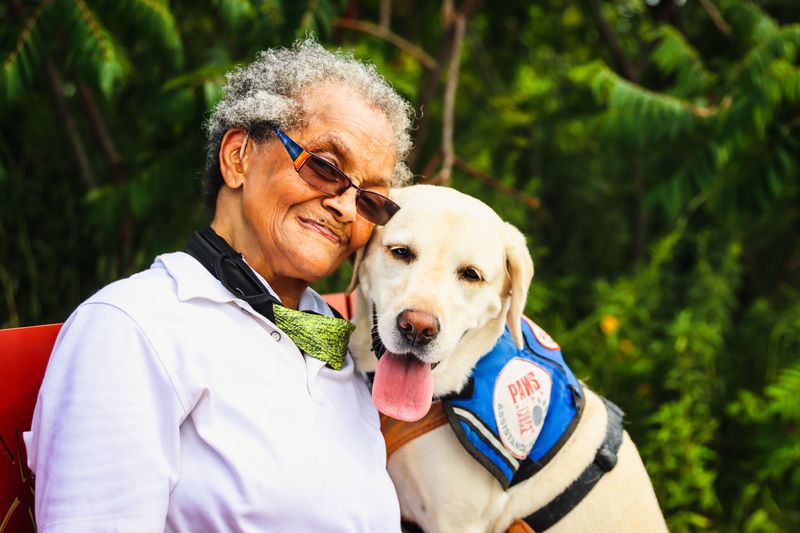
Vests sold online tempt plenty of people, yet Missouri treats this seriously. RSMo 209.204, effective in 2020, makes knowingly misrepresenting an animal as a service dog or assistance animal a misdemeanor.
Creating or supplying false documentation falls under the same rule, and later legislation strengthened penalties.
The goal is protecting access for handlers who genuinely depend on trained working dogs. Honesty here keeps those doors open for everyone.
Ten Foot Leash Limit in State Parks
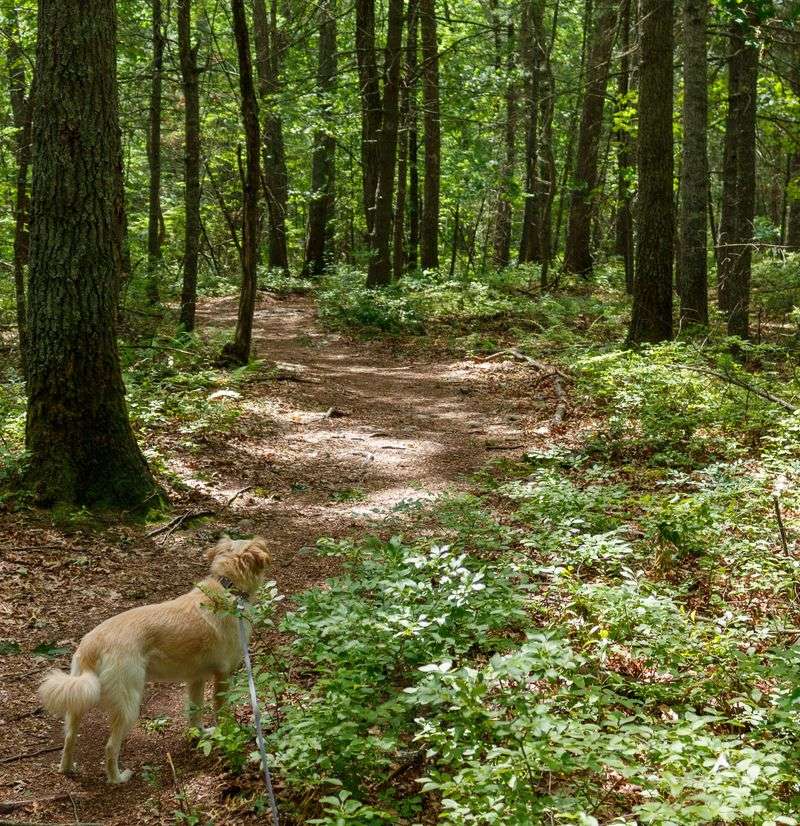
Planning a weekend at a Missouri state park? Pack a shorter leash than you might expect.
Pets must remain leashed on a lead no longer than ten feet and under the owner’s control at all times.
Retractable leashes extended beyond that limit will not satisfy the rule. The requirement keeps trails comfortable for other hikers and reduces wildlife encounters.
A sturdy six foot leash handles nearly every park situation nicely.
Park Areas Where Dogs Cannot Go
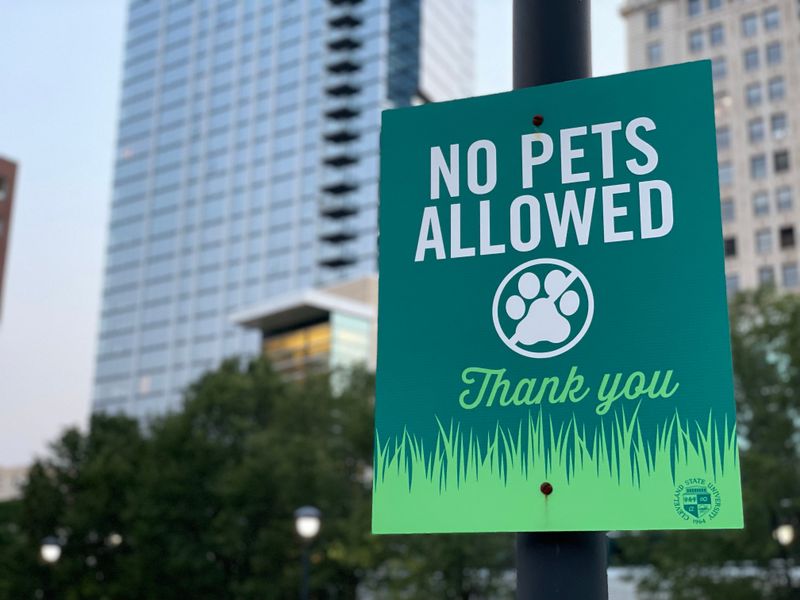
Leashing alone will not open every gate. Missouri state parks generally keep pets out of park and historic site buildings, public swimming areas and beaches, and waters set aside for fishing.
Service dogs are the exception to those restrictions.
Individual parks add their own limits too, such as trail closures to pets at certain shut ins. Checking the specific park page before you drive out saves real disappointment.
Licensing That Can Hinge on a County Vote

Few owners realize licensing rules can arrive by ballot. RSMo 273.170 lets a county commission put a dog license tax question to voters when one hundred or more voters petition for it.
A majority vote makes the license tax operative, and a similar process allows repeal.
Plenty of cities and counties, including St. Louis and Jefferson County, run their own registration rules tied to rabies proof. Check locally, since requirements vary.
Knowing these rules simply makes ownership calmer.