15 Summer Heat Mistakes That Put Arizona Dogs at Risk
Arizona summers are no joke, and your dog feels every degree of it. When temperatures regularly climb past 110 degrees Fahrenheit, even a short trip outside can turn dangerous fast.
Many well-meaning owners make small, easy-to-miss mistakes that put their dogs at serious risk. Knowing what those mistakes are, and how to avoid them, is one of the best things you can do for your four-legged companion this summer.
1. Leaving a Dog in a Parked Car, Even with the Windows Cracked
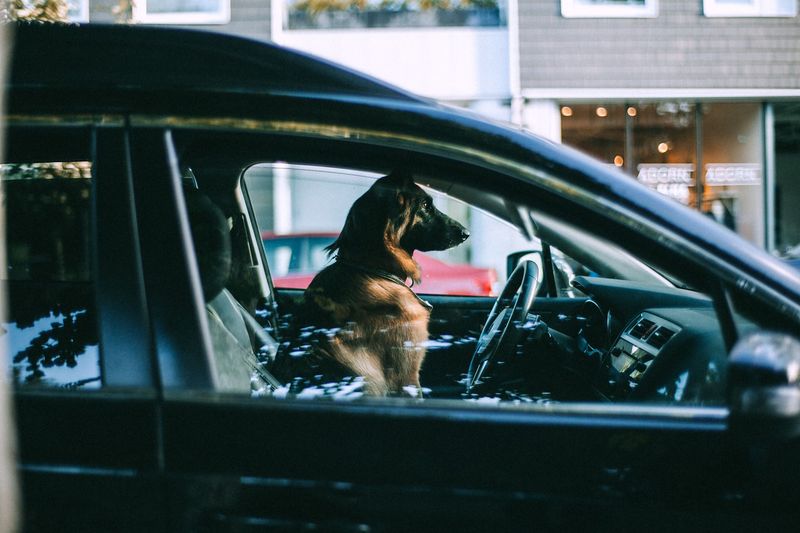
Arizona law, specifically HB 2494 passed in 2017, makes it illegal to leave an animal confined in a vehicle when doing so poses a risk of serious harm. Violators can face a Class 1 misdemeanor, up to six months in jail, and a $2,500 fine.
On a 90-degree day, a car’s interior can hit 109 degrees in just 10 minutes. Cracked windows make almost no difference.
A quick errand is never worth putting your dog’s safety at risk.
2. Walking a Dog on Sun-Heated Pavement
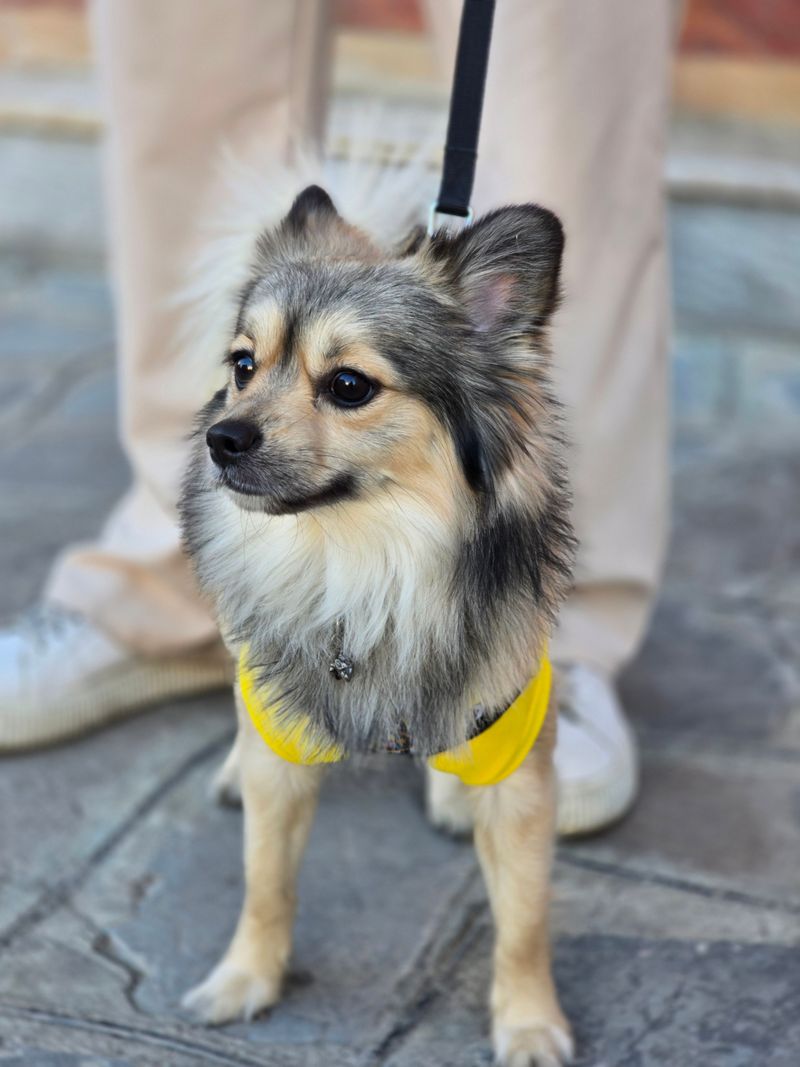
Asphalt in Arizona can reach 160 degrees Fahrenheit on a summer afternoon, even when air temperatures feel manageable. Paw pads are made of skin, not rubber, and they burn quickly on surfaces that hot.
Use the seven-second test: press the back of your hand on the pavement. If you cannot hold it there comfortably, the surface is too hot for your dog.
Stick to grass, dirt trails, or early-morning walks on cooler ground.
3. Exercising During the Hottest Part of the Day
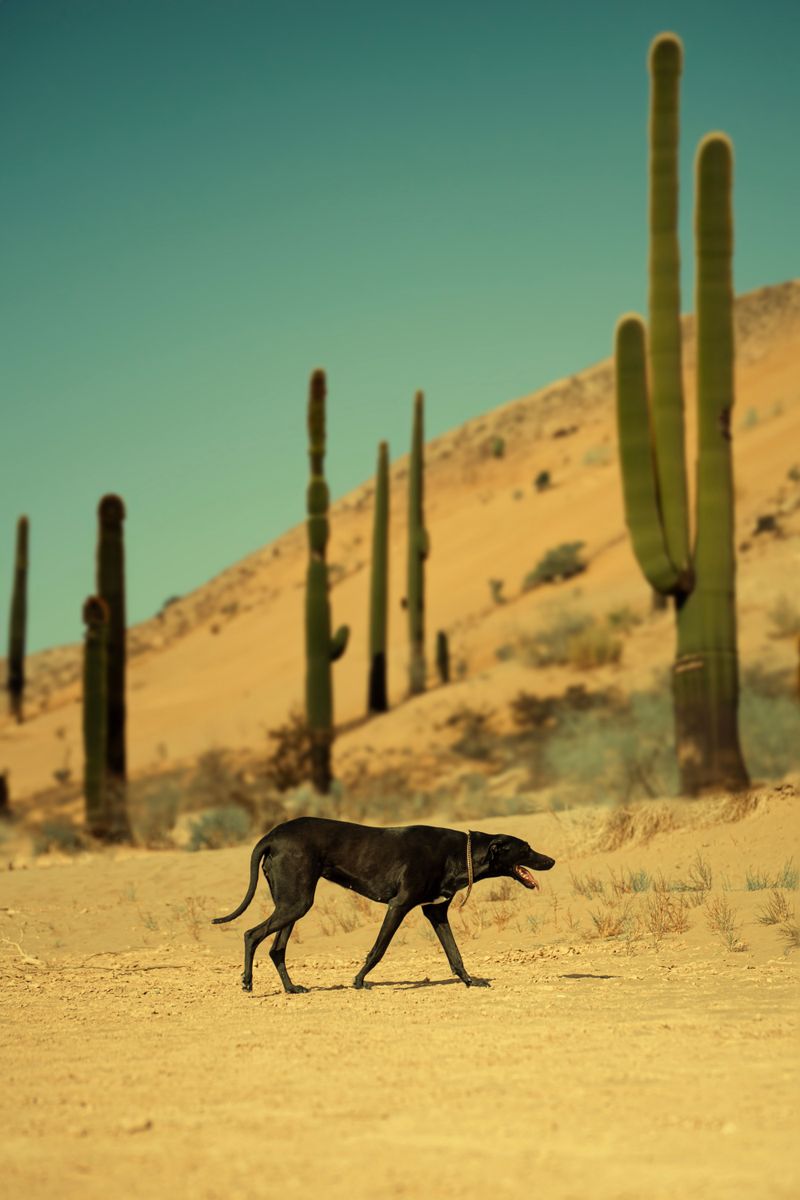
Between 10 AM and 6 PM, Arizona heat peaks and outdoor activity becomes genuinely risky for dogs. Their cooling system relies on panting, which loses effectiveness as air temperatures rise.
Phoenix city trails are legally closed to dogs when temperatures reach 100 degrees or higher.
Early mornings, before 8 AM, and late evenings, after 7:30 PM, are the safest windows. Keep sessions short, slow, and always shaded when possible.
4. Taking Long Walks Without Carrying Water
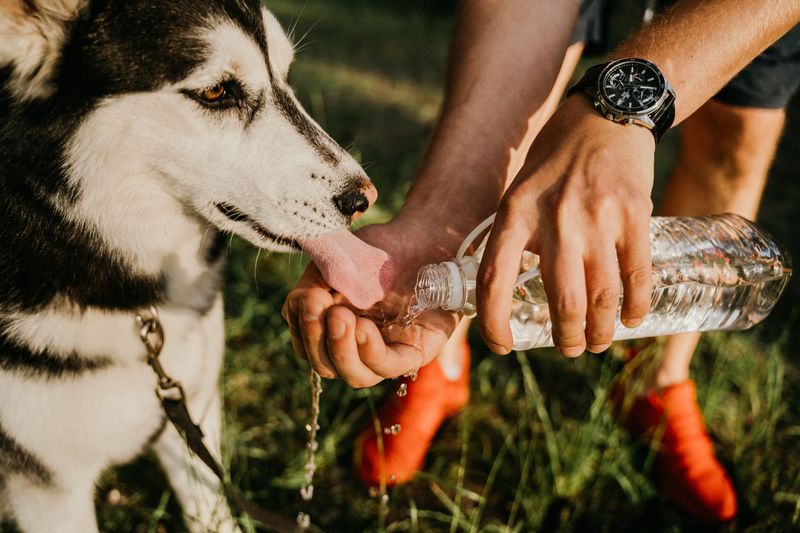
Dehydration sneaks up fast in the Arizona heat, especially during physical activity. Dogs lose fluids rapidly through panting, and waiting until your dog looks thirsty usually means dehydration has already started.
Offer water every 15 to 20 minutes during warm-weather walks. A portable collapsible bowl and a filled water bottle weigh almost nothing but can prevent a serious health crisis.
Make carrying water a non-negotiable habit before stepping out the door.
5. Leaving a Dog Outdoors Without Reliable Shade
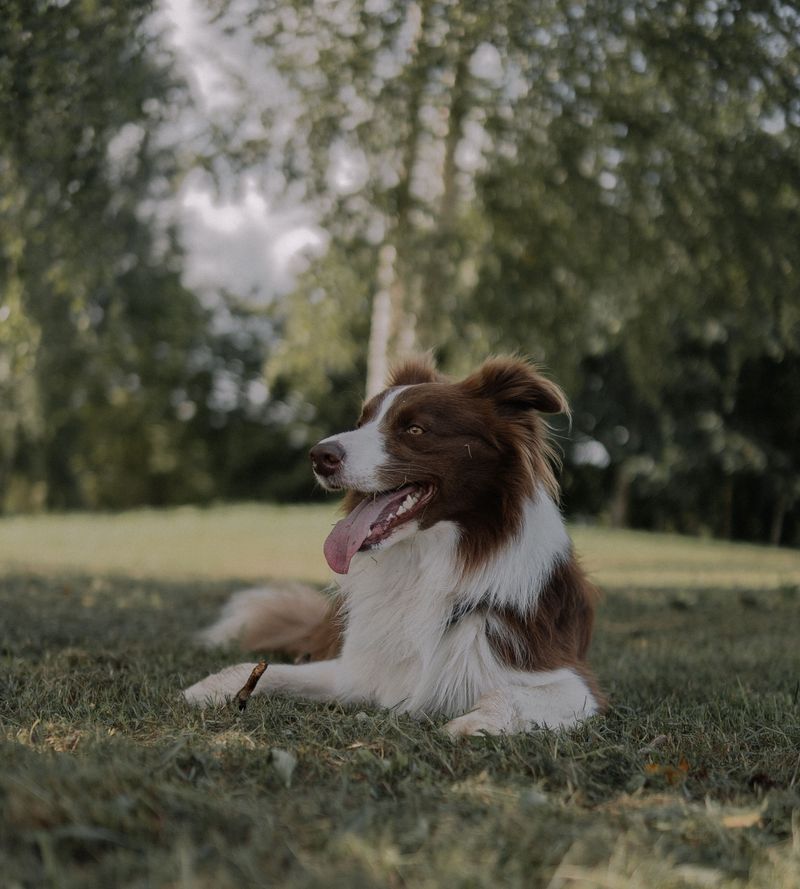
Direct sun exposure in Arizona’s triple-digit heat can lead to heatstroke in under 30 minutes, even when water is available. Phoenix’s Animal Cruelty Ordinance prohibits restraining dogs outdoors during temperatures above 100 degrees Fahrenheit or during heat advisories.
Reliable shade means good airflow, not just a roof overhead. Trees, shade sails, and retractable awnings work well.
Doghouses often trap hot air and make things worse. When in doubt, bring your dog inside.
6. Assuming a Shaded Patio or Yard Is Cool Enough
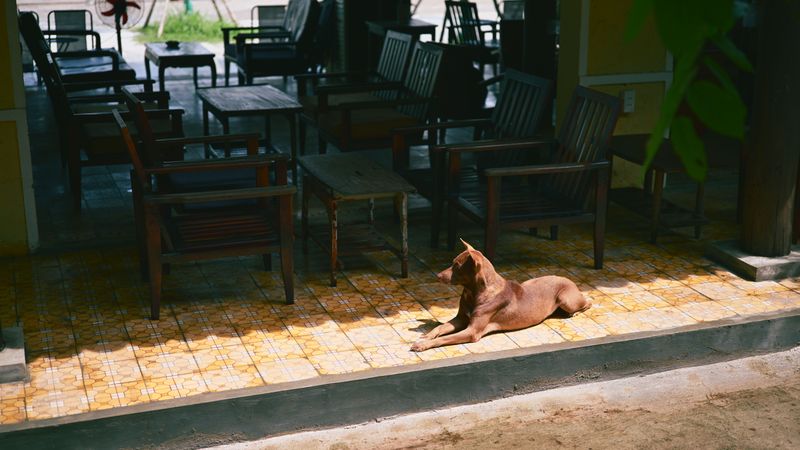
Shade blocks sunlight, but it does not lower the air temperature. In Arizona summers, shaded patios still sit in air that hovers well above 100 degrees Fahrenheit.
Concrete and artificial turf beneath that shade can still burn paw pads badly.
Enclosed patios often trap heat, making conditions worse than outdoors. The only reliable solution during peak summer is an air-conditioned indoor space.
Shade is helpful, but it is not a substitute for cool air.
7. Restricting Access to Fresh, Clean Water
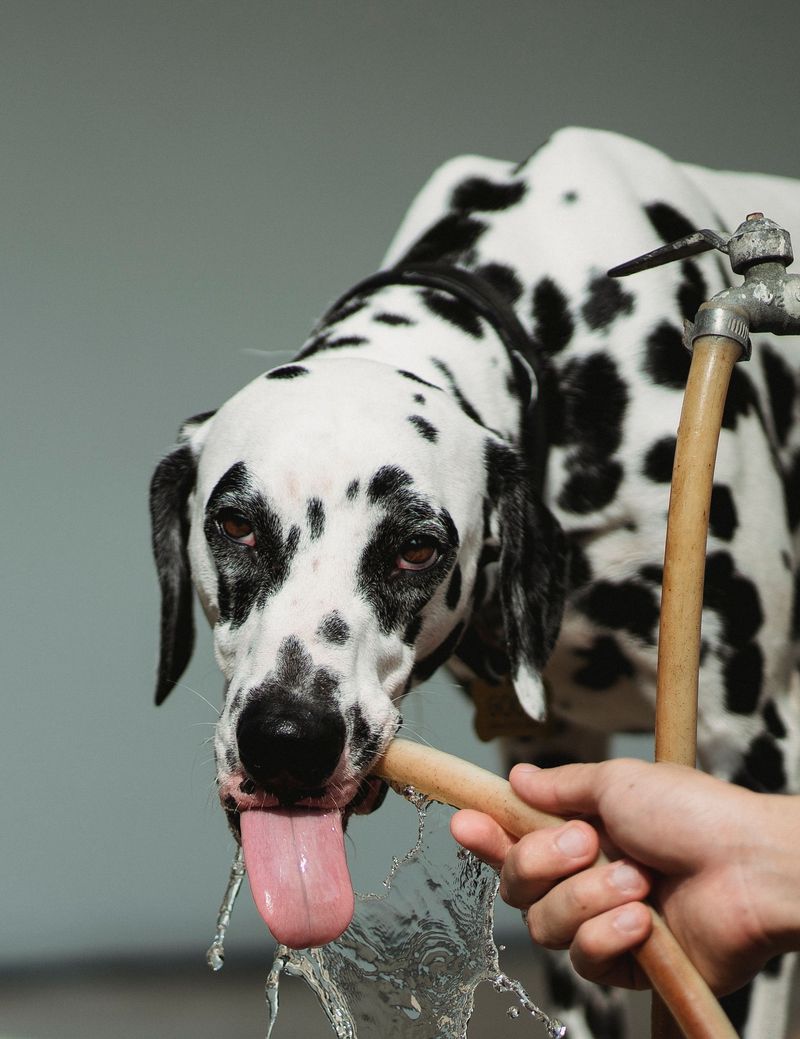
Water is how dogs manage body temperature, digestion, and organ function all at once. In Arizona’s heat, their needs increase substantially compared to cooler climates.
Deliberately limiting water, even for potty training, is dangerous and can push dogs toward unsafe sources like puddles or toilets.
Phoenix ordinances legally require outdoor dogs to have continuous water access. Provide multiple bowls, refill them often, and add ice cubes to keep the water cool throughout the day.
8. Overexercising Dogs That Are Not Heat-Acclimated
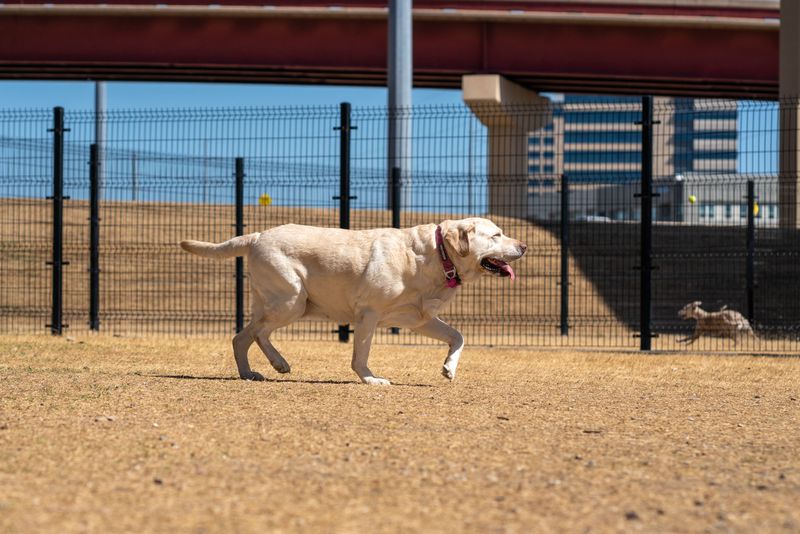
A dog that just moved to Arizona, or one returning to activity after time indoors, needs gradual adjustment before exercising in the heat. Jumping straight into long walks or active play in 100-plus-degree weather overwhelms their cooling system quickly.
Start with very short outings and build up slowly over one to two weeks. Flat-faced breeds, senior dogs, and overweight pets need even more time to adjust.
Watch closely for heavy panting, weakness, or stumbling, and head inside at the first sign.
9. Ignoring Excessive Panting, Drooling, Weakness, or Confusion
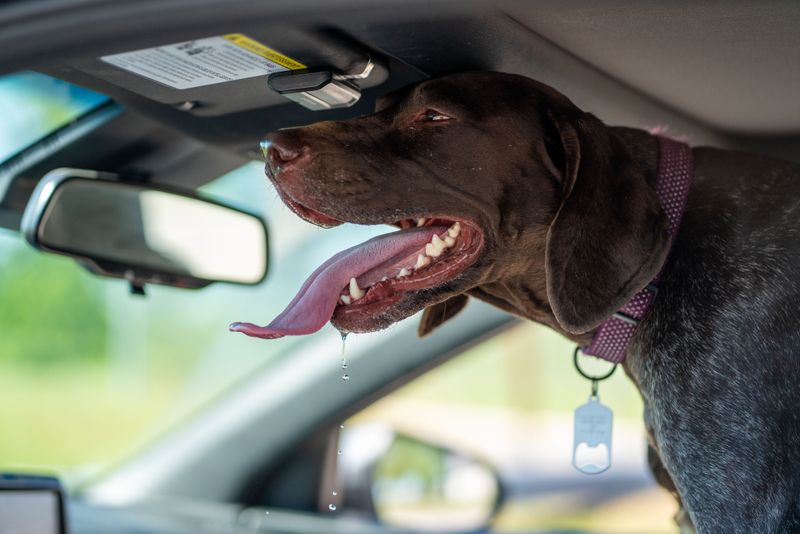
Heavy panting that does not ease up, thick drooling, sudden weakness, or a confused look are not things to wait out. These are early signs of heat stress, and they can escalate to heatstroke within minutes in extreme Arizona heat.
Move your dog to a cool, shaded, or air-conditioned space right away. Apply cool water to the belly, paws, and neck.
Contact a veterinarian immediately, even if symptoms seem to improve, because internal organ damage can continue without visible signs.
10. Shaving a Dog’s Coat Too Closely
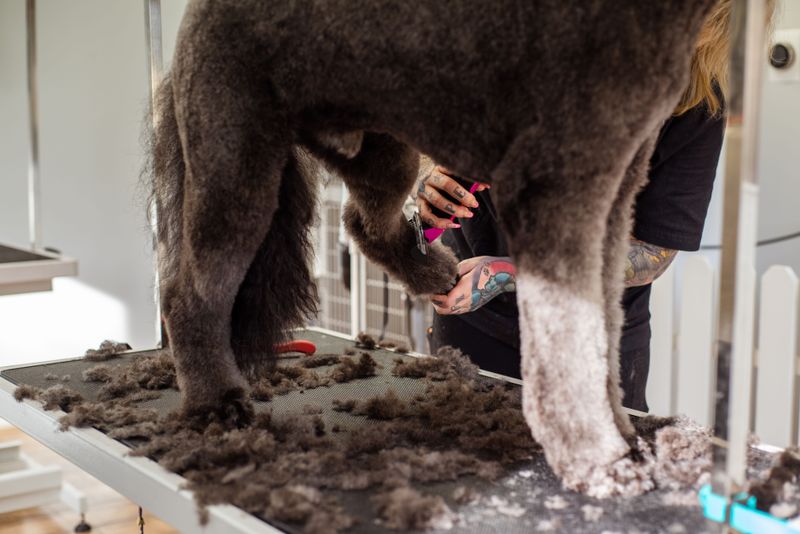
A dog’s coat is not just for warmth. For double-coated breeds like Huskies and Golden Retrievers, the fur traps an insulating air layer that actually helps keep them cooler in summer.
Shaving it off removes that protection and exposes sensitive skin directly to UV rays.
Sunburn, skin damage, and a condition called post-clipping alopecia, where fur grows back unevenly or not at all, are real risks. Regular brushing to remove loose undercoat improves airflow far more safely than a close shave.
11. Using Ice-Cold Water to Cool an Overheated Dog
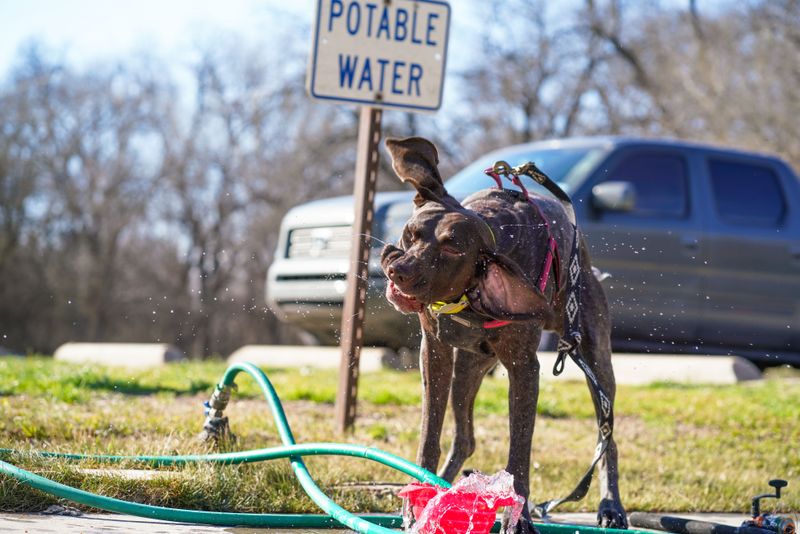
Reaching for ice water feels like the fastest fix, but very cold water can cause blood vessels near the skin to constrict, which may slow the release of heat from the body’s core. Overcooling also risks hypothermia if cooling continues past a safe point.
Cool or room-temperature water applied to the belly, paws, ears, and neck works effectively. Use a fan to boost evaporative cooling.
Always contact a veterinarian right away, regardless of which method you use at home.
12. Delaying Veterinary Care for Suspected Heatstroke
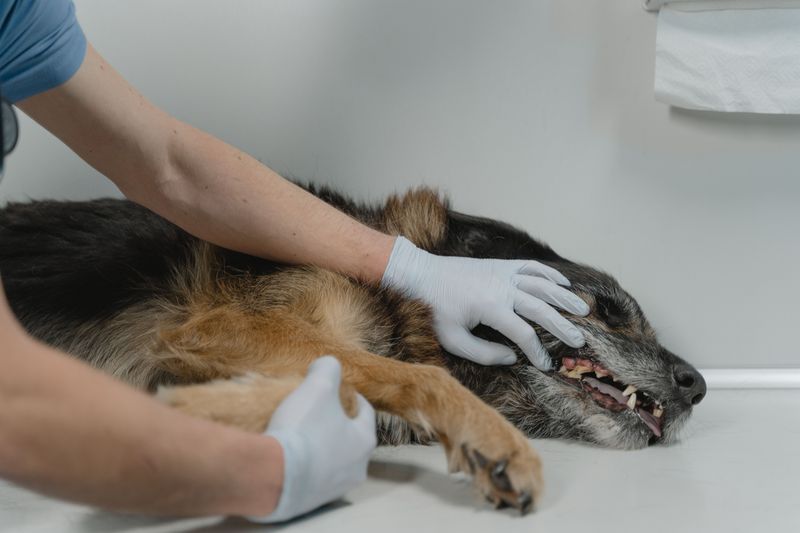
Heatstroke can damage the brain, kidneys, heart, and liver within a very short time. Studies show a mortality rate as high as 50 percent, with most deaths occurring within the first 24 hours.
Delays in reaching a vet, especially beyond 90 minutes, significantly worsen outcomes.
Begin cooling at home, but do not let that delay the drive to a clinic. Even if your dog seems to stabilize, hidden complications like kidney damage or abnormal blood clotting can develop 12 to 72 hours later.
Get professional care fast.
13. Taking Flat-Faced, Elderly, Overweight, or Sick Dogs Out in Extreme Heat
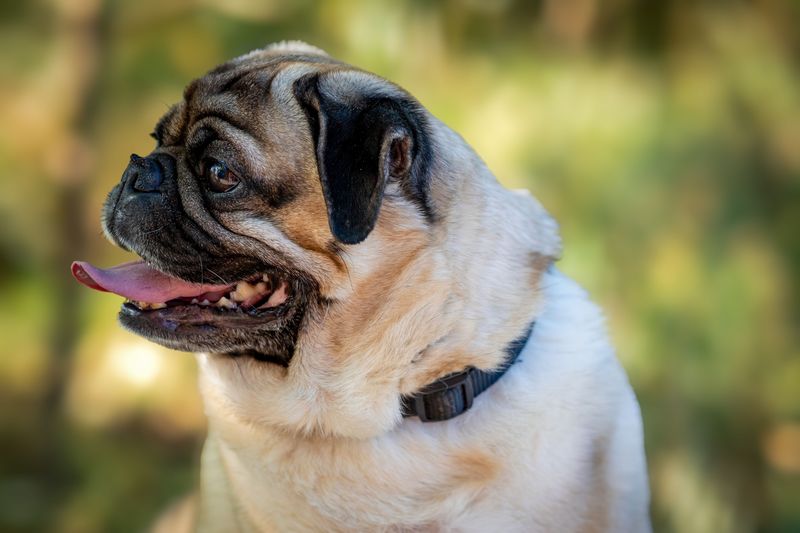
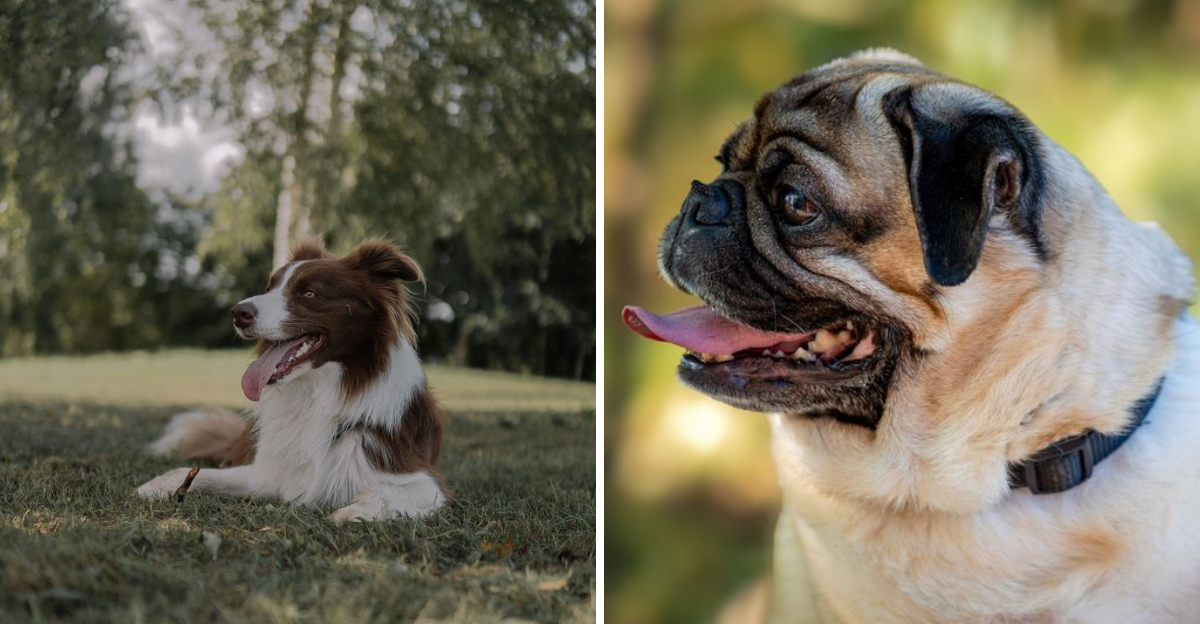
Flat-faced breeds like Pugs and French Bulldogs have shortened airways that make panting far less efficient, their primary tool for cooling down. Senior dogs, overweight pets, and those with heart or respiratory conditions face similar disadvantages when temperatures spike.
For these dogs, outdoor time in Arizona summer should be limited to brief, essential potty breaks during the coolest hours. Keep outings on cool surfaces, carry water, and never leave them in a parked car.
A veterinarian can offer tailored guidance for their specific needs.
14. Leaving Dogs in Garages, Sheds, or Enclosed Patios Without Cooling
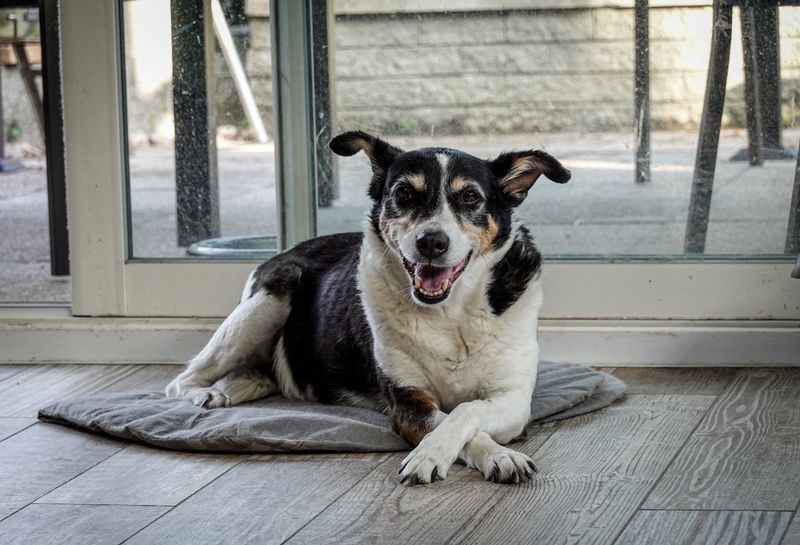
Garages and sheds may feel shaded, but they trap heat and can actually get hotter than the outdoor air. Concrete floors absorb and radiate heat, posing a real burn risk for paw pads.
These spaces also often store chemicals like antifreeze that are toxic to dogs.
An air-conditioned home is the only reliable option during Arizona summers. If brief outdoor access is needed, add a fan, a cooling mat, and fresh water.
Monitor closely and bring your dog inside at the first sign of overheating.
15. Assuming Pools, Sprinklers, or Wet Fur Prevent Overheating
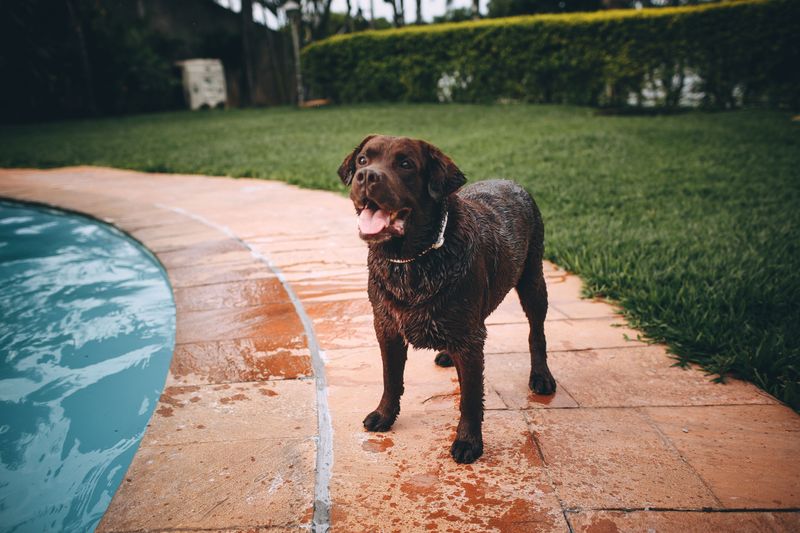
Water play helps, but it is not a complete solution. Dogs cool themselves mainly through panting, not through their skin.
In thick or double-coated breeds, wet fur can actually trap heat against the skin if the outer coat soaks but the undercoat stays dry.
Hot concrete around pools still burns paw pads. Overexcited dogs may push past their limits even while playing in water.
Always supervise water play, provide fresh drinking water separately, keep sessions short, and watch for panting that does not settle down.