What California State Park Rules Mean When You Travel With A Dog
California’s state parks are stunning, and sharing them with your dog can be one of the best parts of a road trip. The rules, though, are not always what people expect.
Some parks welcome leashed dogs almost everywhere, while others keep pets close to campgrounds and paved roads. Knowing the difference ahead of time saves you from turning around at a trailhead.
Here is a friendly walkthrough of what to expect, so you and your dog arrive prepared and relaxed.
The Six-Foot Leash Is the Baseline
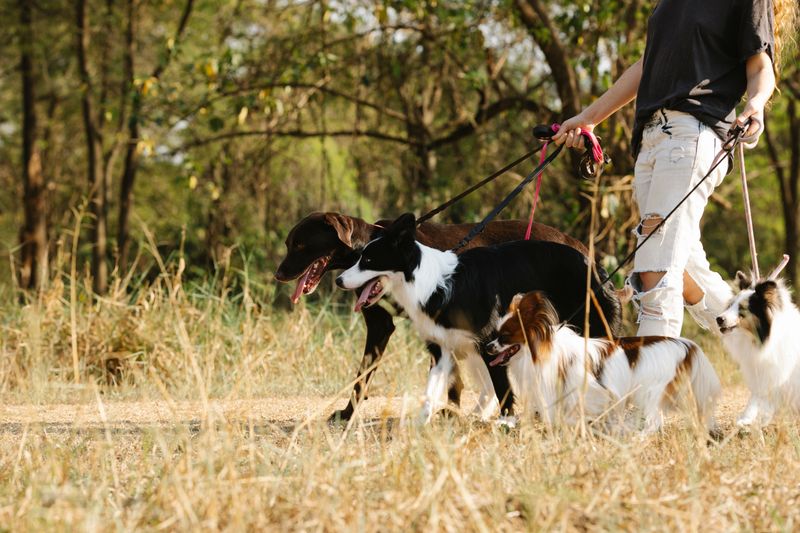
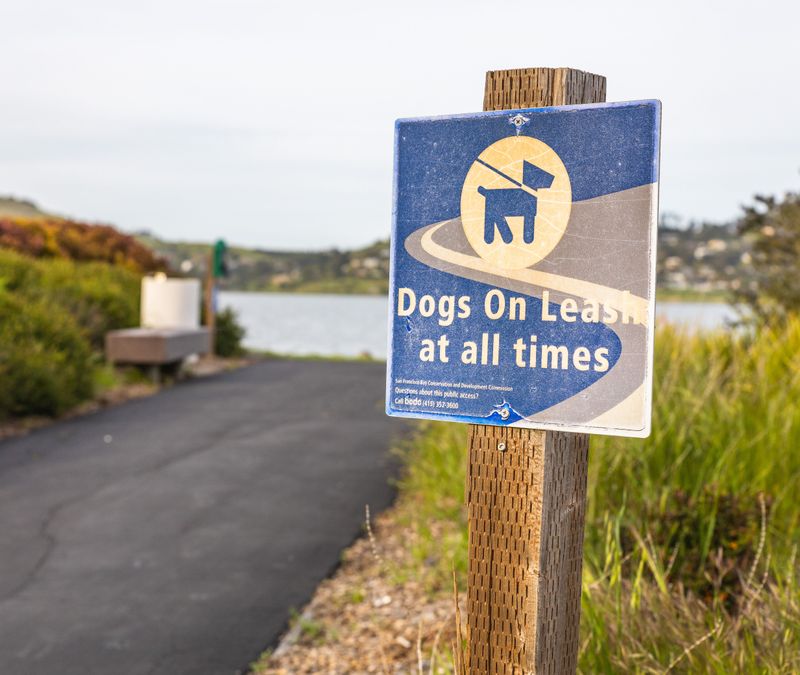
Park rangers rarely bend on this one. Across California State Parks, dogs must be on a leash no longer than six feet and under your immediate physical control.
Retractable leads that extend past that limit can put you out of compliance, even if your dog walks politely. A simple fixed-length leash keeps things easy.
Short leashes also help you steer your dog away from squirrels, snakes, and picnic tables that belong to someone else.
Free Roaming Is Off the Table
Plenty of dogs dream of racing across an open meadow. Inside state parks, that freedom is generally not allowed, with the rare exception of a designated dog park area.
Letting a dog chase wildlife is against the law and can bring penalties.
If your dog needs to burn energy, look for a nearby off-leash park in town before or after your visit. Long walks on approved roads work well too.
Park Entry Does Not Guarantee Trail Access
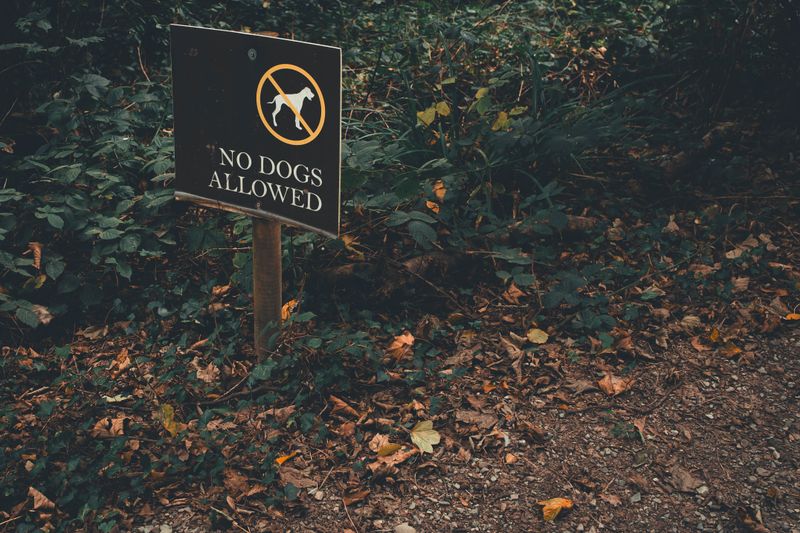
Here is the detail that surprises most visitors. A park can welcome dogs at the entrance station and still close its trails to them.
Many California State Parks allow dogs only on trails specifically marked as pet friendly. The goal is protecting fragile habitat and resident wildlife.
Read the signage at each trailhead, not just the park map. When wording seems unclear, ask a ranger before you set out.
Developed Zones Give You More Room
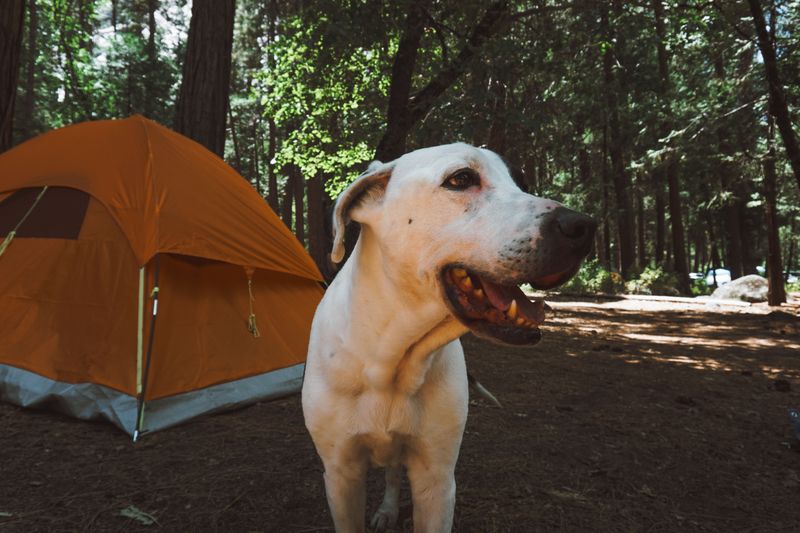
Paved roads, fire roads, campgrounds, and picnic areas tend to be the friendliest spots for pets. These developed zones already see heavy foot traffic, so a leashed dog fits right in.
Use them as your home base for walks, water breaks, and shade.
Many families find that a loop around the campground plus a fire road stroll gives their dog plenty of sniffing time without breaking any rules.
Backcountry Areas Usually Stay Pet Free
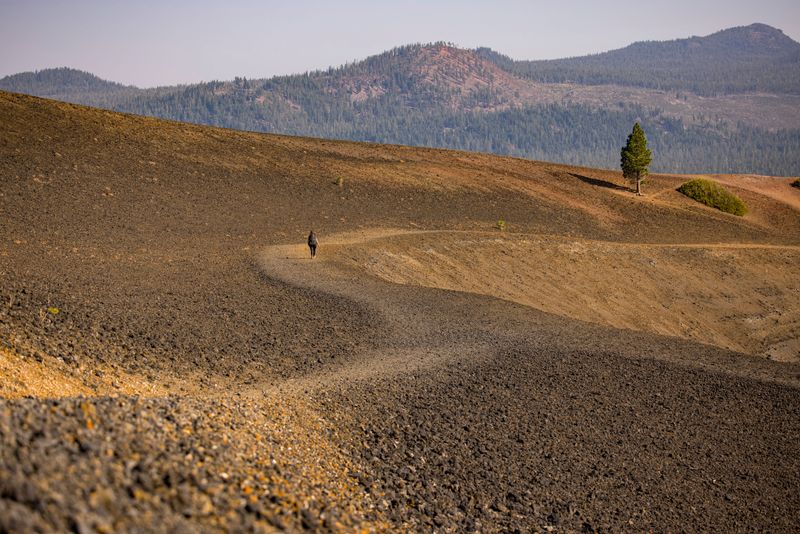
Wild, undeveloped stretches of parkland carry the tightest limits. Dogs are often restricted from backcountry areas because sensitive animals live and nest there.
Even a quiet leashed dog can change how wildlife behaves, and scent alone can push animals away from feeding spots.
Plan backcountry hikes for solo trips, and save the shared adventures for developed areas. Your dog will not mind trading distance for extra attention.
State Beaches Are Not Automatically Open
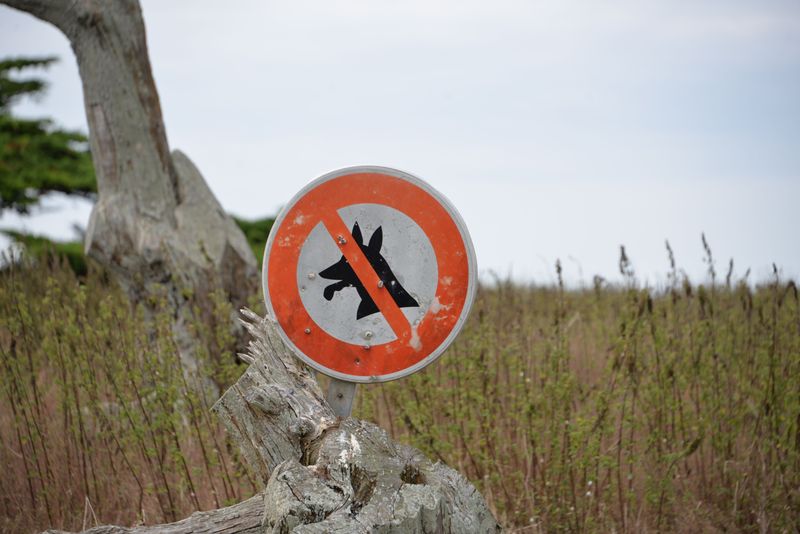
Sand and surf feel like the obvious dog destination, yet many California state beaches keep pets off the sand entirely.
Access varies from one beach to the next, so nothing should be assumed based on another visit.
Check the individual beach page on the state parks website before loading up the car. A five minute search saves a long drive and a disappointed pup waiting in the back seat.
Certain Beaches Do Say Yes to Leashed Dogs
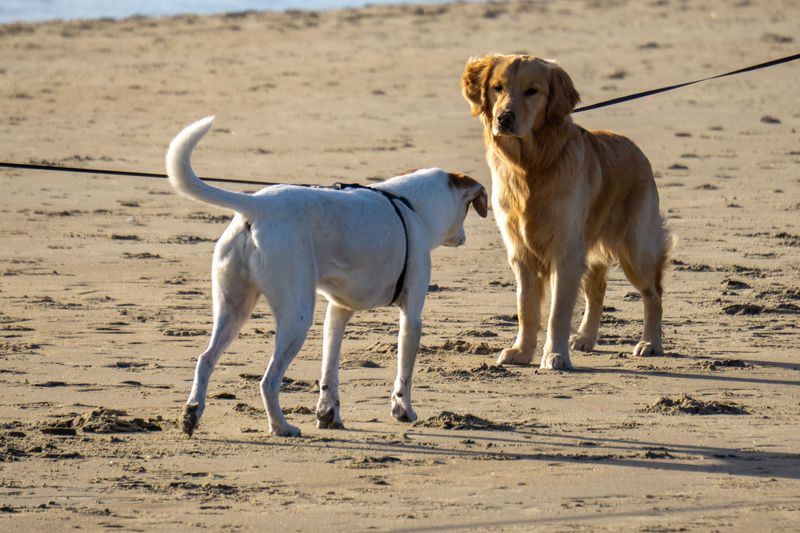
Good news for coastal travelers: some state beaches openly welcome leashed pets. Cardiff State Beach and Asilomar State Beach both allow dogs on leash.
San Elijo State Beach permits leashed dogs in a designated stretch south of Lifeguard Tower 16.
Rules can change, so confirm current details before you go. Bring fresh water, since salt water and hot sand tire dogs out faster than owners expect.
Two Beaches, One Park, Different Rules
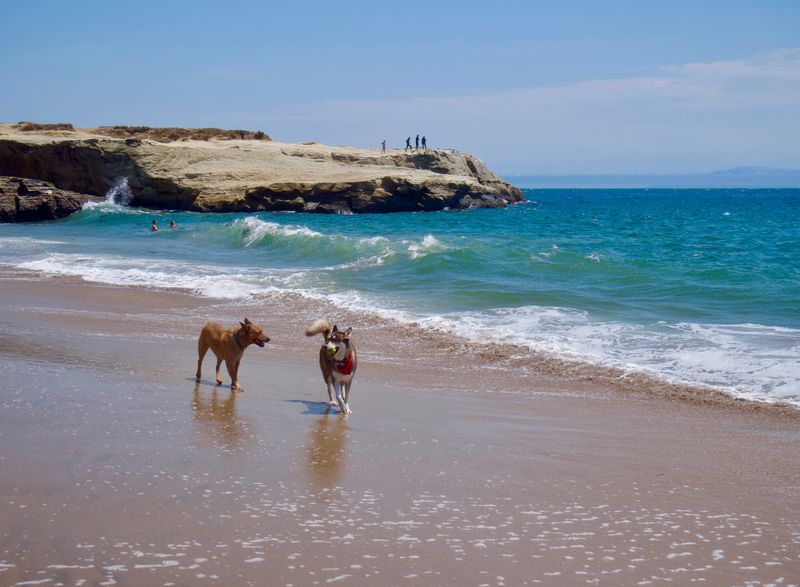
One park boundary can hold several beaches with completely separate pet policies. Sonoma Coast State Park spells out which beach areas allow leashed dogs and which do not.
Some spots add time-of-day limits or specific boundary markers.
Treat every beach as its own destination with its own posted rules. Snapping a photo of the sign gives you a quick reference later when questions come up.
Swimming Areas Come With Extra Limits
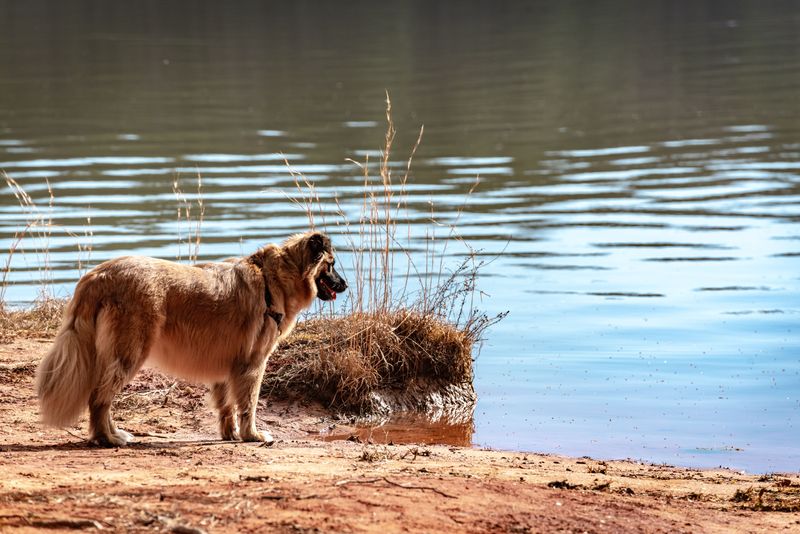
Water access tends to be where rules tighten most. Dogs are frequently barred from swimming areas, rivers, and lakes inside state parks.
Reservoirs that supply municipal drinking water often have the firmest restrictions of all.
Pack a collapsible bowl so your dog can cool off without entering the water. Shade and a damp towel work well on warm days when swimming is not an option.
Creeks, Forests, and Meadows May Be Closed
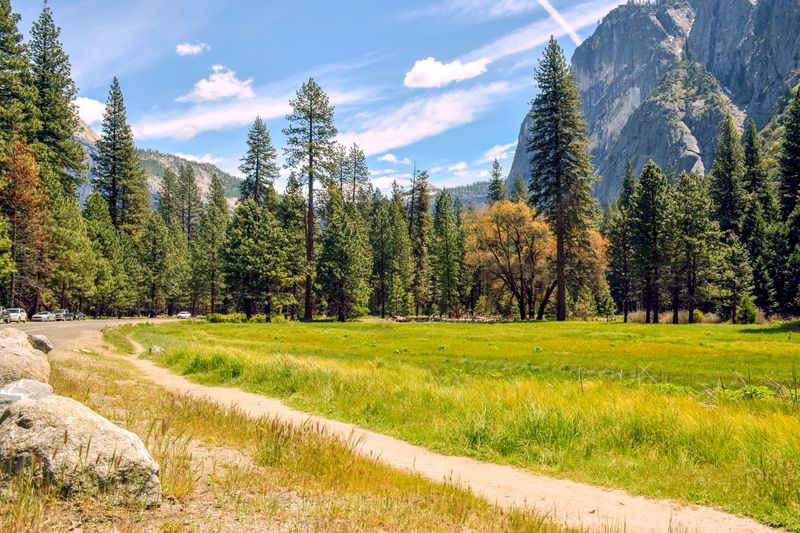
Soft ground and flowing water look inviting, but these habitats are exactly what park rules protect. Creeks, rivers, open forest, and meadows are often designated as pet free.
Nesting birds, amphibians, and fragile plants share those spaces.
Keeping your dog on approved surfaces protects those small residents and keeps paws away from burrs and stagnant water. Stick to marked routes and everyone stays comfortable.
Environmental Campsites Follow Their Own Playbook

Not every campsite counts as a standard campsite. Environmental campsites, the walk-in primitive kind, frequently do not permit dogs at all.
Their appeal comes from being tucked into quiet natural areas, which is precisely why pets are restricted.
When booking, look for pet policy notes on the specific site type rather than the park as a whole. Standard drive-in campgrounds are usually the safer reservation.
Nights Mean Sleeping Inside
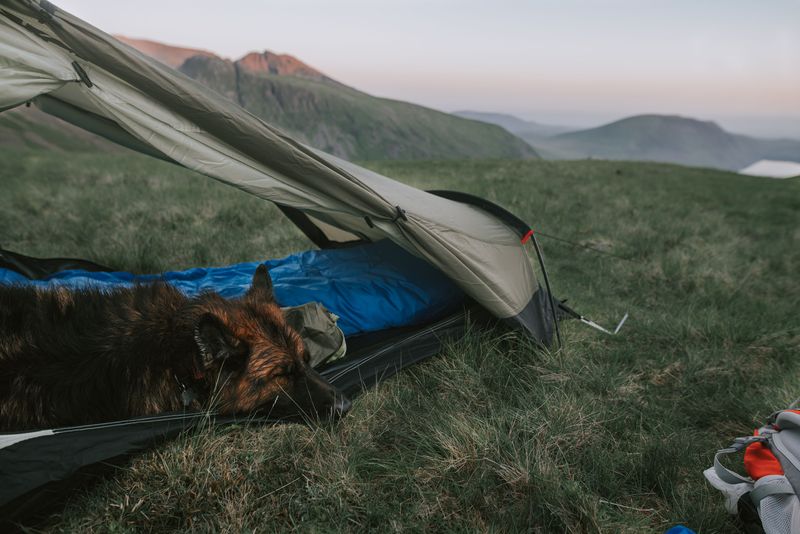
Once the sun sets, your dog needs to be tucked away. State park rules call for pets to stay inside a tent, camper, or enclosed vehicle overnight.
Leaving a dog tied outside is not allowed.
Bring a familiar bed or blanket so the tent smells like home. A tired dog after a day of walking usually settles in without much fuss.
Unattended Dogs Are Not Permitted
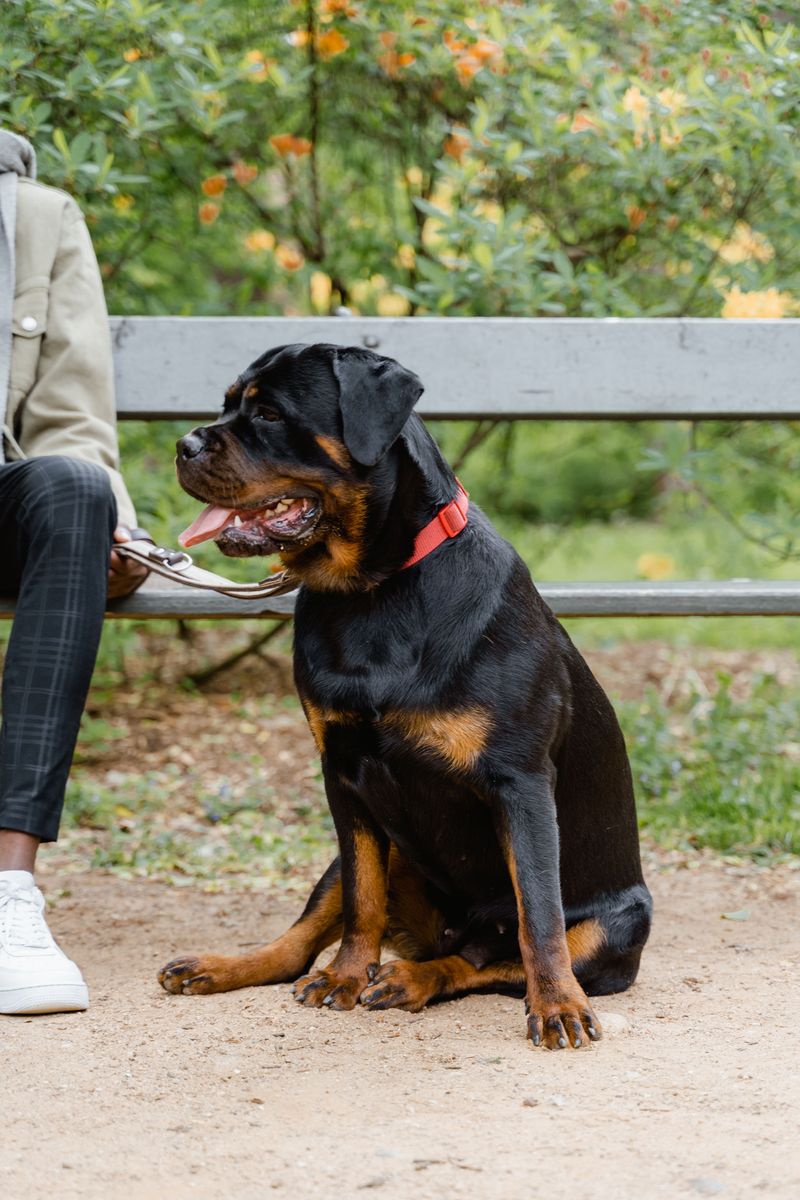
A quick trip to the visitor center can create a problem. Dogs cannot be left unattended in California State Parks, whether at a campsite or a day-use area.
That includes tying a leash to a table and walking off.
Plan visits so someone stays with your dog, or choose activities you can do together. Parks with pet friendly paved paths make this much easier to manage.
Buildings Stay Closed to Ordinary Pets
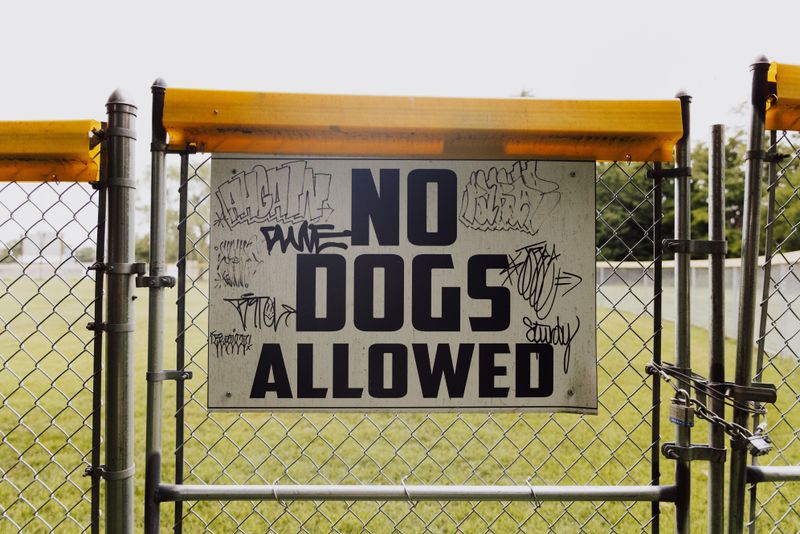
Visitor centers, museums, and park offices are generally off-limits to pets. Service animals are the exception under federal law.
If you want to browse exhibits, take turns with a travel companion while the other waits outside with your dog.
Shaded benches near entrances often make this simple. Interior spaces can also feel loud and cramped for dogs, so most are happier waiting outdoors anyway.
Winter Can Close Trails You Used in Summer
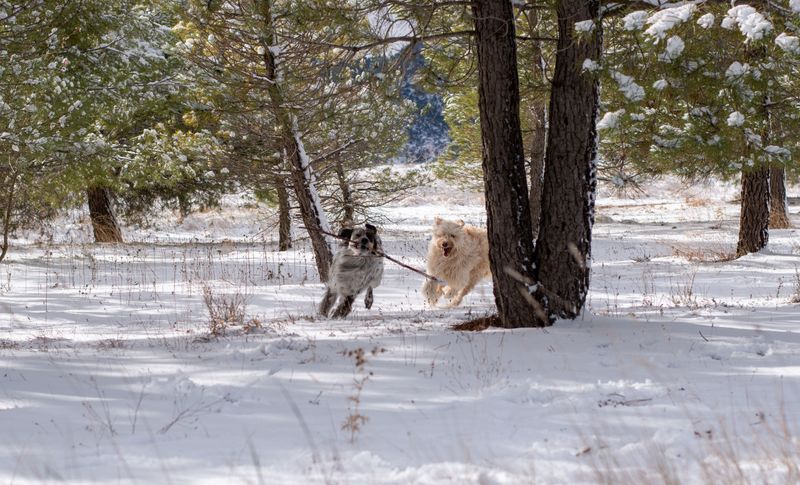
Seasons change access more than people realize. In the Sierra District, dogs are not allowed on designated ski trails while snow is present, generally from November 1 through May 1.
Other parks post their own seasonal notices tied to nesting or weather.
Check the park page close to your travel date. A route that welcomed your dog in August may be restricted in January.
Waste Cleanup Is Part of the Deal
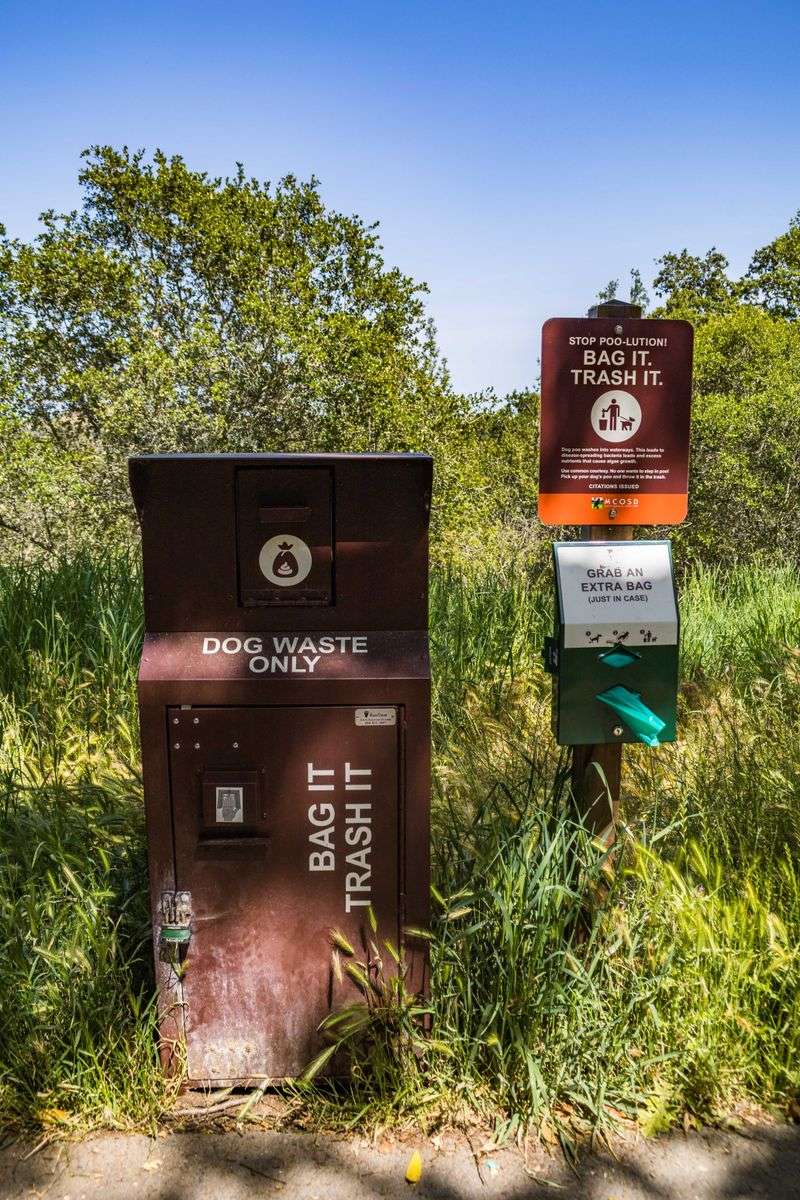
Carrying bags is not optional. Owners are responsible for picking up after their dogs and disposing of waste in proper receptacles.
Left behind, it affects water quality and other visitors’ experience.
Stash extra bags in your car, your pack, and your jacket pocket. Running out mid-walk is the most common reason people skip this step, and it is easy to prevent.
Disruptive Behavior Can End the Visit
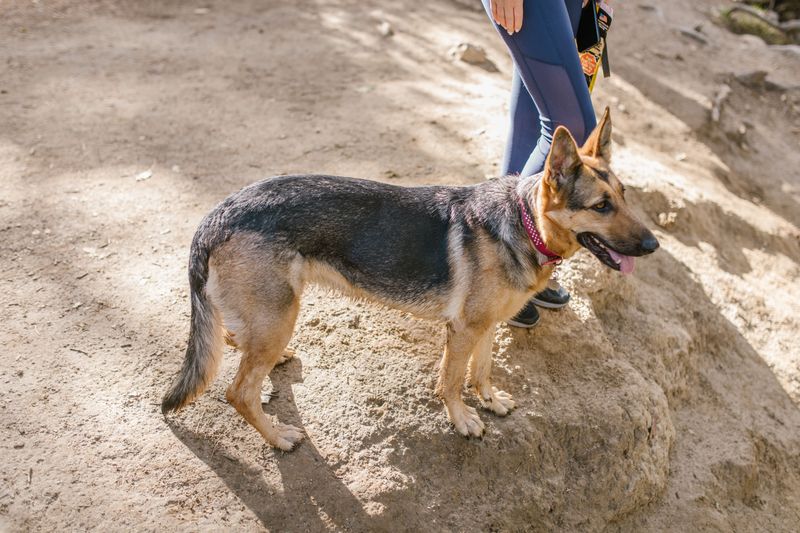
Park staff can ask you to take your dog home. Aggressive, excessively noisy, or disruptive dogs are not permitted, since other visitors and wildlife share the space.
Constant barking counts, especially in campgrounds after quiet hours.
If your dog gets overwhelmed by crowds, choose less busy parks or visit at quieter times. Short practice outings build confidence before a longer trip.
Keep Licensing and Vaccination Records Handy
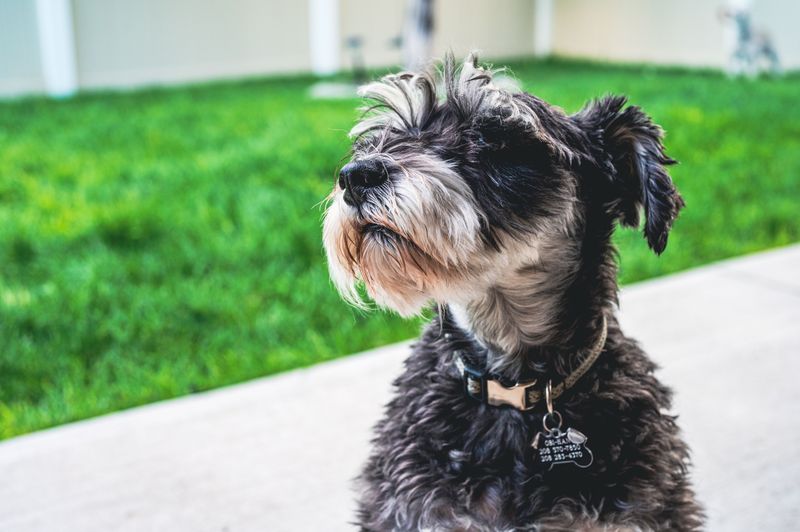
Documentation requests are uncommon but possible. Park authorities may ask for proof of current licensing and vaccinations, so carrying copies is smart.
All 58 California counties legally require dog licenses, and rules for fees and renewals vary locally.
Keep a photo of the rabies certificate and license tag on your phone. Your veterinarian or county animal services can confirm what your area requires.
Service Dogs Work Under Different Rules
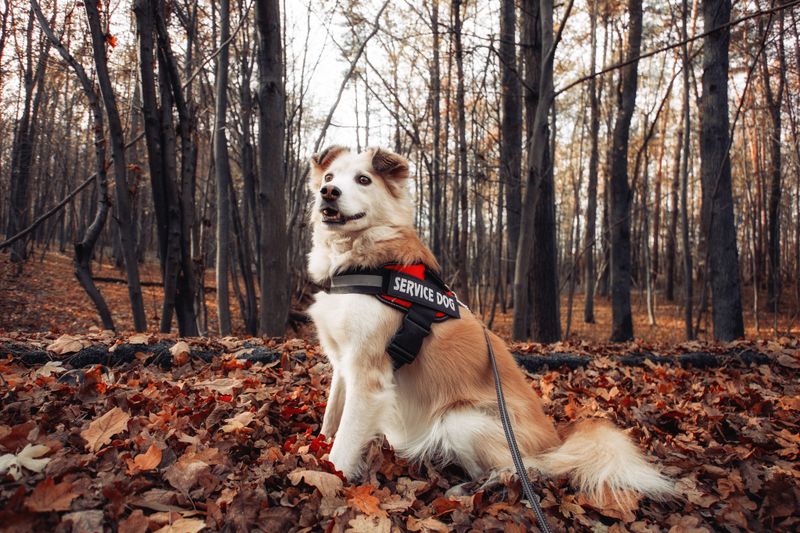
Recognized service animals under the Americans with Disabilities Act are not treated as pets. They may accompany their handlers in areas open to the public, including places where pets are restricted.
Misrepresenting a pet as a service animal is against the law in California.
Emotional support animals do not carry the same access rights. When unsure, contact the park directly for guidance before your trip.
Control Still Applies to Service Animals
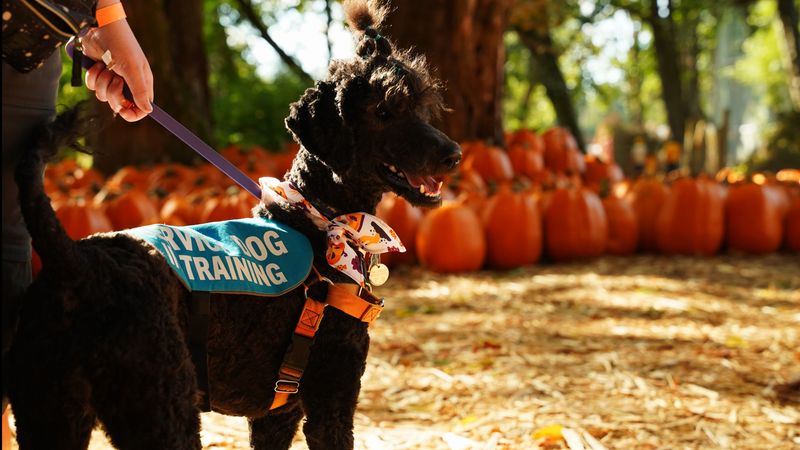
Broader access comes with clear expectations. Service dogs must stay under their handler’s control, typically by harness, leash, or tether.
They also need to be housebroken.
If a service animal becomes uncontrolled and the handler does not correct it, staff may request removal. Understanding this keeps expectations realistic and protects access for the many handlers who rely on their working partners daily.