15 Dog Breeds That Fit Washington’s Cool, Wet, Outdoorsy Lifestyle
Washington weather can turn a sunny walk into a muddy mission within minutes. The right dog needs energy, confidence, and a coat suited for cool, damp days.
Some breeds gladly tackle forest paths, mountain snow, chilly beaches, and backyard drizzle. Before grabbing the leash, discover which companions can handle the climate while matching your home, schedule, and favorite outdoor activities.
1. Labrador Retriever: The Puddle-Loving Trail Buddy
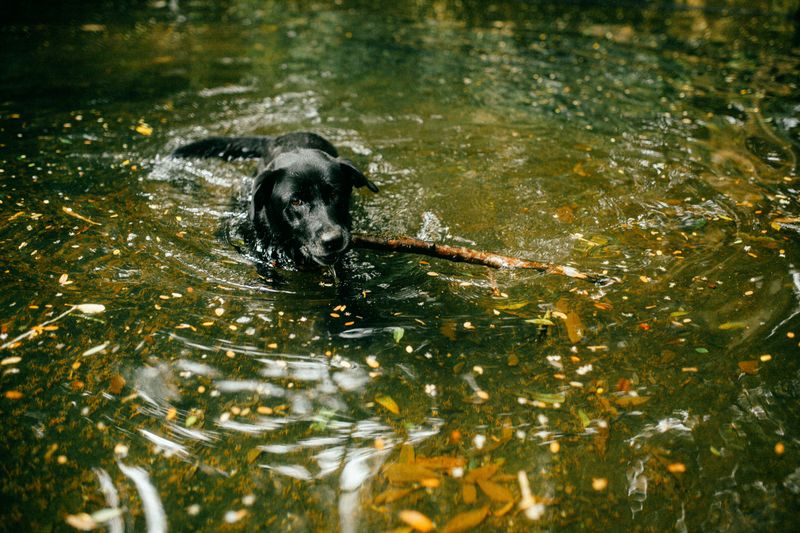
Rainy trail? A Labrador treats puddles like bonus features.
Bred to retrieve in cold water, Labs have dense, water-resistant double coats and strong swimming skills.
Washington families should provide daily walks, fetch, or safe swims. Their friendly energy needs training, especially around slippery docks and busy paths.
Dry their ears after outings, check for ticks, and brush weekly. With steady exercise, this cheerful retriever settles nicely after a soggy Northwest romp at home again indoors.
2. Golden Retriever: Sunshine Under Gray Skies
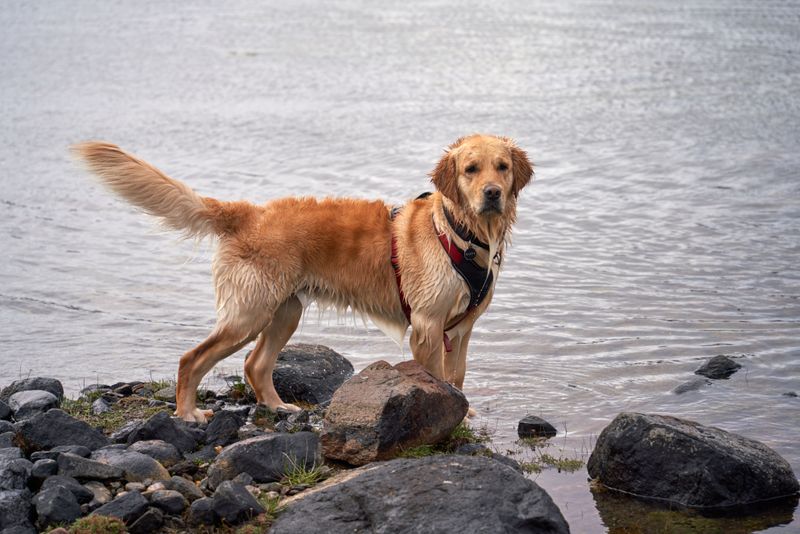
Gray clouds hardly dim a Golden Retriever’s sunny attitude. Its water-repellent double coat offers useful protection during drizzly walks and lakeside outings.
Goldens enjoy hiking, swimming, retrieving, and joining family activities. Regular training helps their enthusiasm remain polite near wildlife, cyclists, and other trail users.
That flowing coat collects burrs, mud, and moisture, so brushing matters. Towel the dog thoroughly, inspect its paws, and clean damp ears after every watery outing.
3. Portuguese Water Dog: Ready to Make a Splash
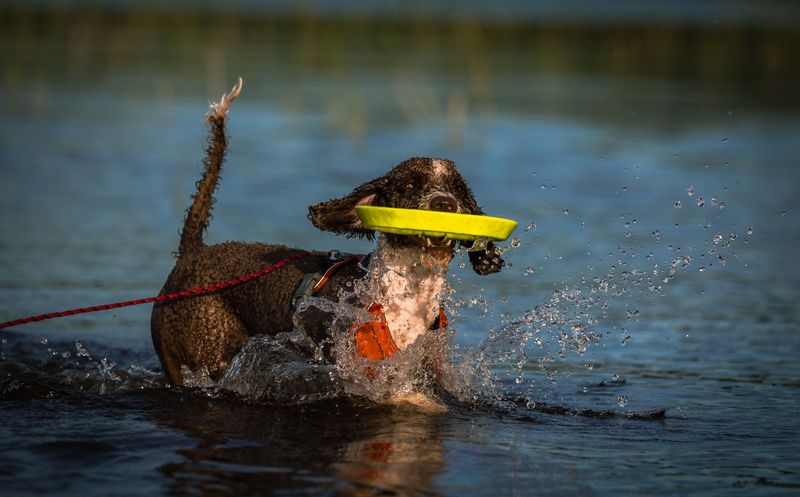
One glimpse of open water can switch this curly athlete into adventure mode. Portuguese Water Dogs once helped fishermen by carrying messages and retrieving gear.
The breed is energetic, clever, and well suited to swimming or active coastal walks. Its single coat sheds lightly, yet requires frequent brushing and professional trimming.
Cold rain still calls for careful drying afterward. Offer puzzle games, reward-based training, and daily exercise, because a bored water dog may invent mischievous household projects.
4. Irish Water Spaniel: A Curly-Coated Explorer
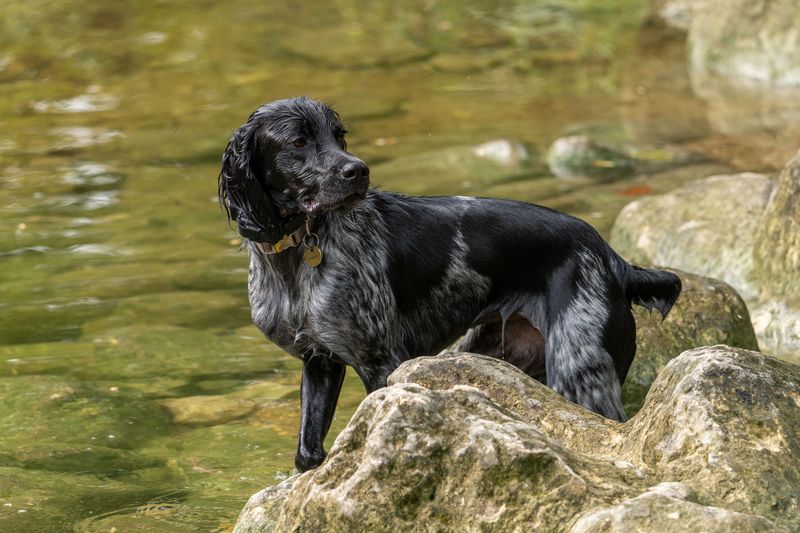
Springy curls and a whip-like tail give the Irish Water Spaniel unmistakable style. Beneath that quirky look sits a powerful swimmer built for retrieving waterfowl.
Cool Washington lakes and damp trails suit its active spirit. Early socialization is helpful, since some individuals act reserved around strangers or unfamiliar dogs.
Plan lively exercise, upbeat training, and secure swimming areas. Comb the coat several times weekly, remove forest debris, and dry the ears carefully to discourage moisture-related trouble.
5. Newfoundland: The Big-Hearted Water Helper
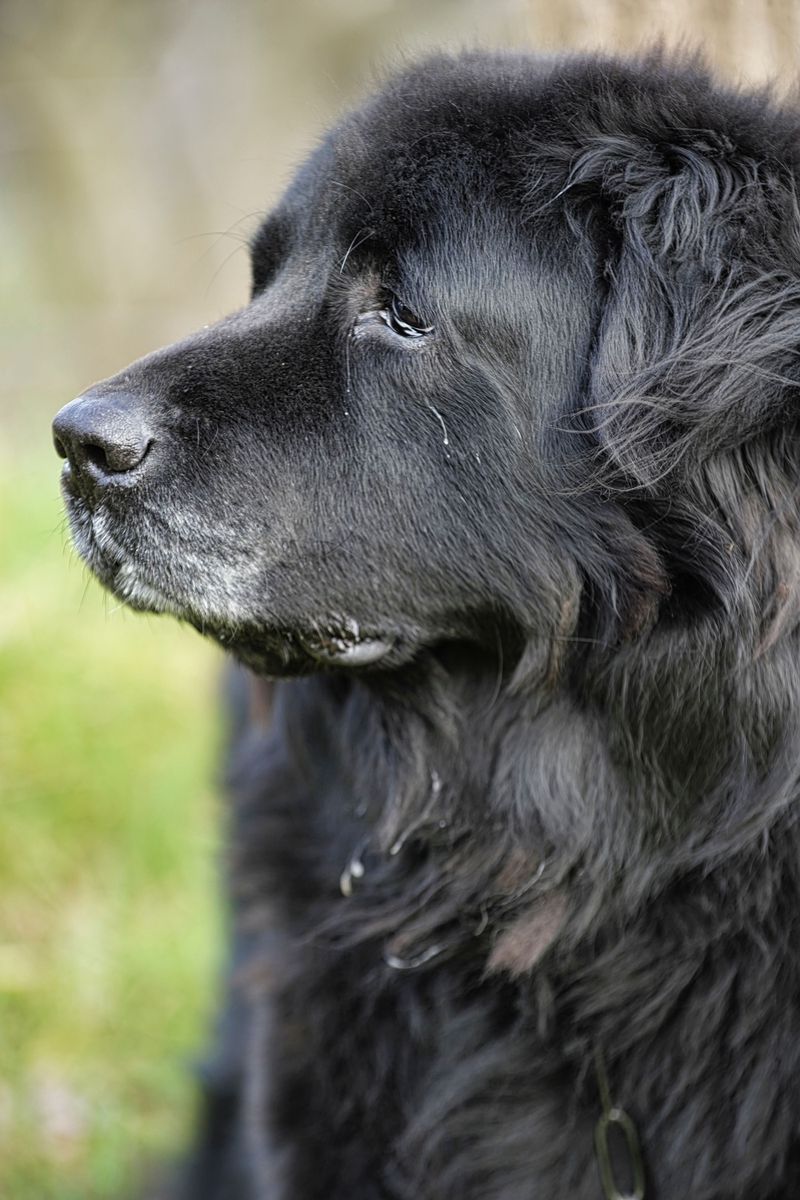
With paws like paddles, a Newfoundland looks prepared for serious water duty. The breed became famous for swimming strength, rescue instincts, and a calm temperament.
Washington’s cooler temperatures suit its heavy double coat better than hot weather. Gentle walks, controlled swims, and roomy resting areas usually beat long, speedy runs.
Owners need towels, sturdy grooming tools, and room for occasional drool. Watch joint health, avoid overexercising growing puppies, and rinse away sand after each beach visit.
6. Bernese Mountain Dog: Built for Chilly Weekends
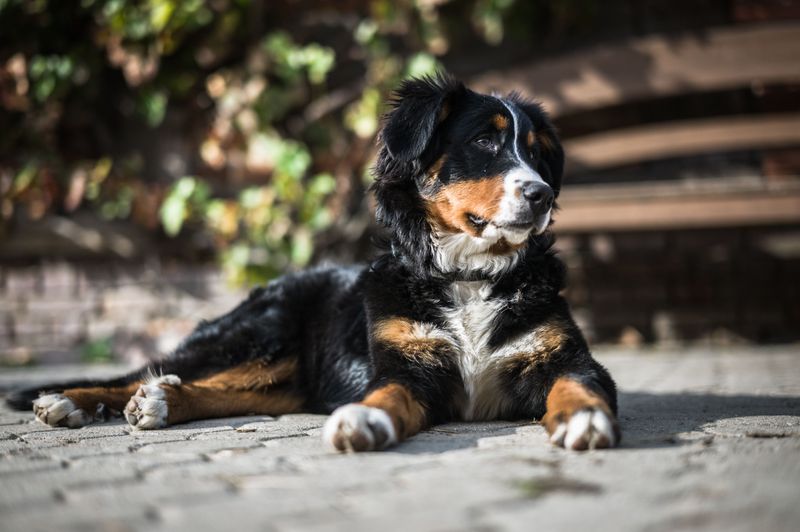
Cool mountain air puts extra bounce into a Bernese Mountain Dog’s step. Developed as a Swiss farm worker, this sturdy breed enjoys purposeful outdoor time.
Its thick coat handles chilly drizzle, although soaked fur needs thorough drying. Moderate hikes generally work better than intense distance running, especially during warmer months.
Choose routes with shade, water, and easy turnaround points. Regular brushing controls loose hair, while patient training supports polite manners for a powerful dog sharing narrow trails.
7. Siberian Husky: Snow-Day Energy Unleashed
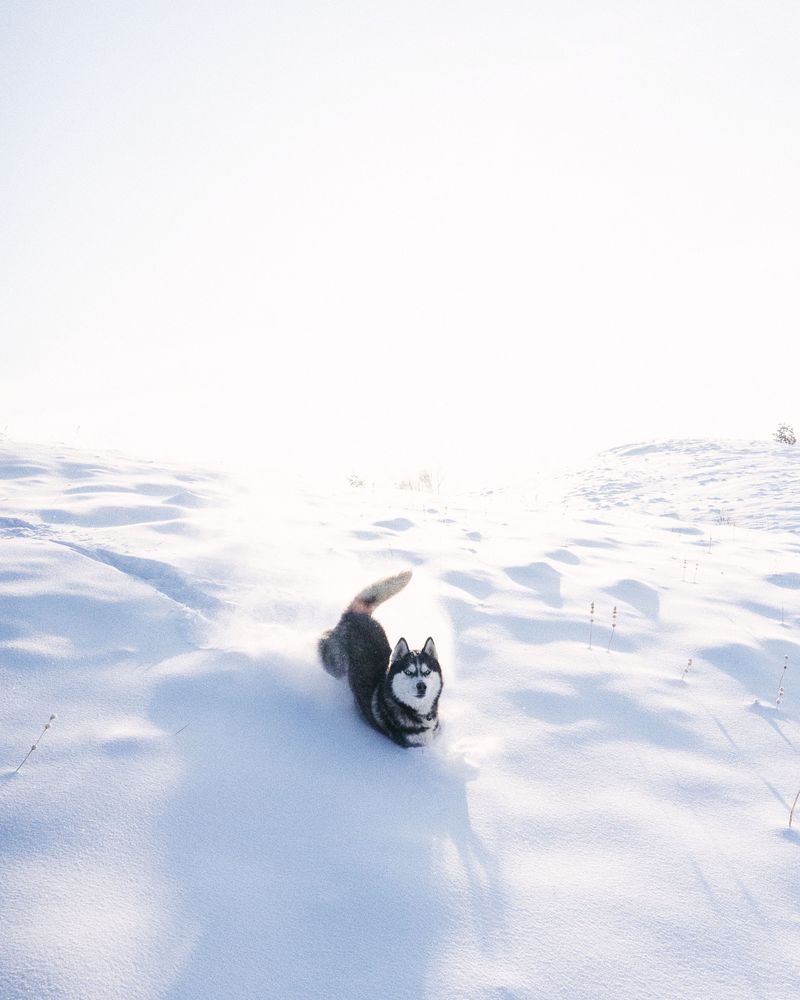
Fresh Cascade snow can make a Siberian Husky feel wonderfully at home. Bred for endurance, this northern athlete handles cold conditions with a protective double coat.
Rain alone will not satisfy its need for vigorous movement. Running, hiking, pulling sports, and structured games can channel energy before clever habits become household chaos.
Use secure fences and dependable leashes, since wandering instincts are common. During seasonal shedding, frequent brushing removes surprising amounts of soft undercoat from everywhere.
8. Alaskan Malamute: Power for Frosty Trails
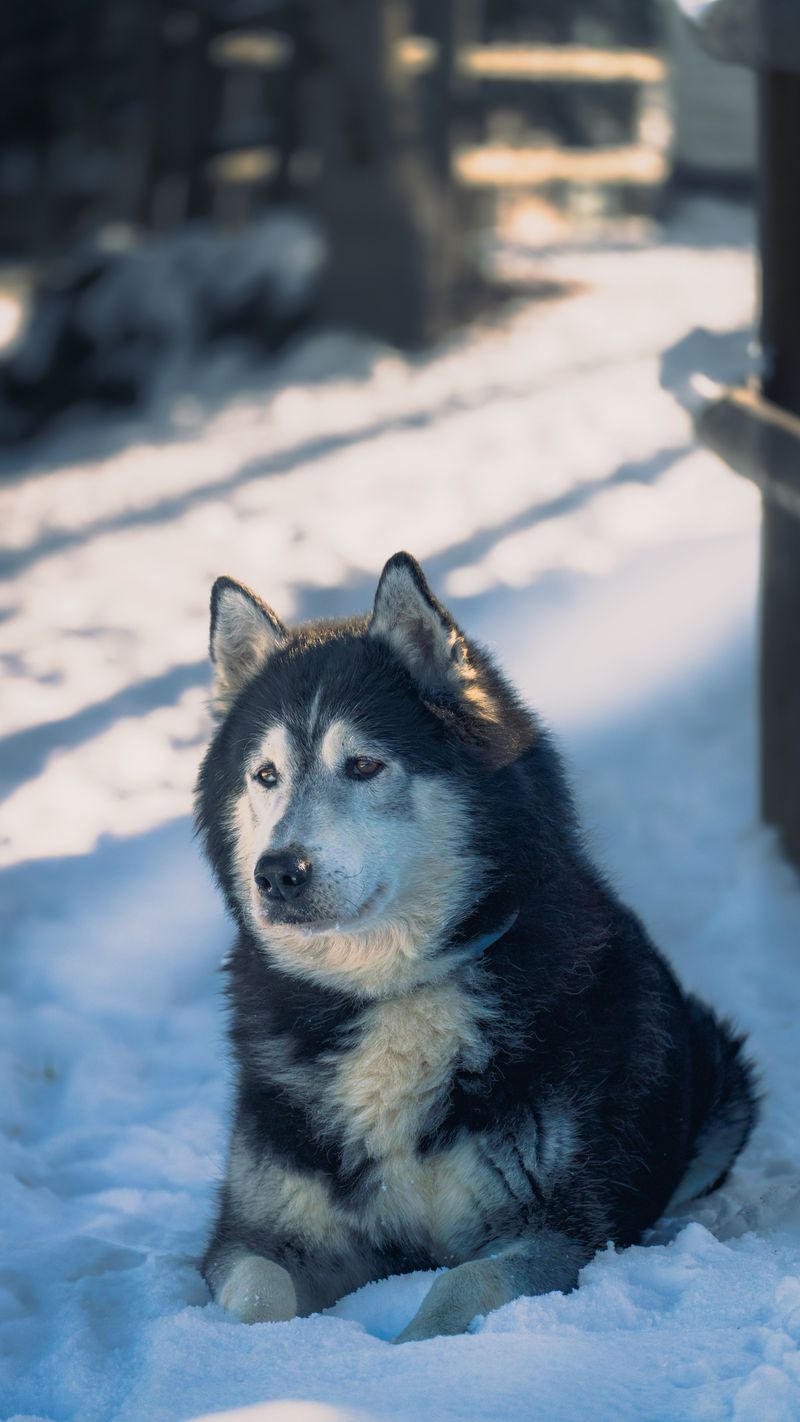
Raw power meets playful confidence whenever an Alaskan Malamute hits a frosty path. This ancient Arctic breed hauled heavy loads rather than racing quickly.
Washington winters fit its dense coat, but mild days may require shorter outings. Malamutes need experienced handling, early socialization, and activities that challenge both muscle and mind.
Keep one leashed around wildlife, and never trust a basic fence without inspection. Brush heavily during shedding seasons, provide cool shelter, and carry water on every hike.
9. Border Collie: Brains Meet Backcountry
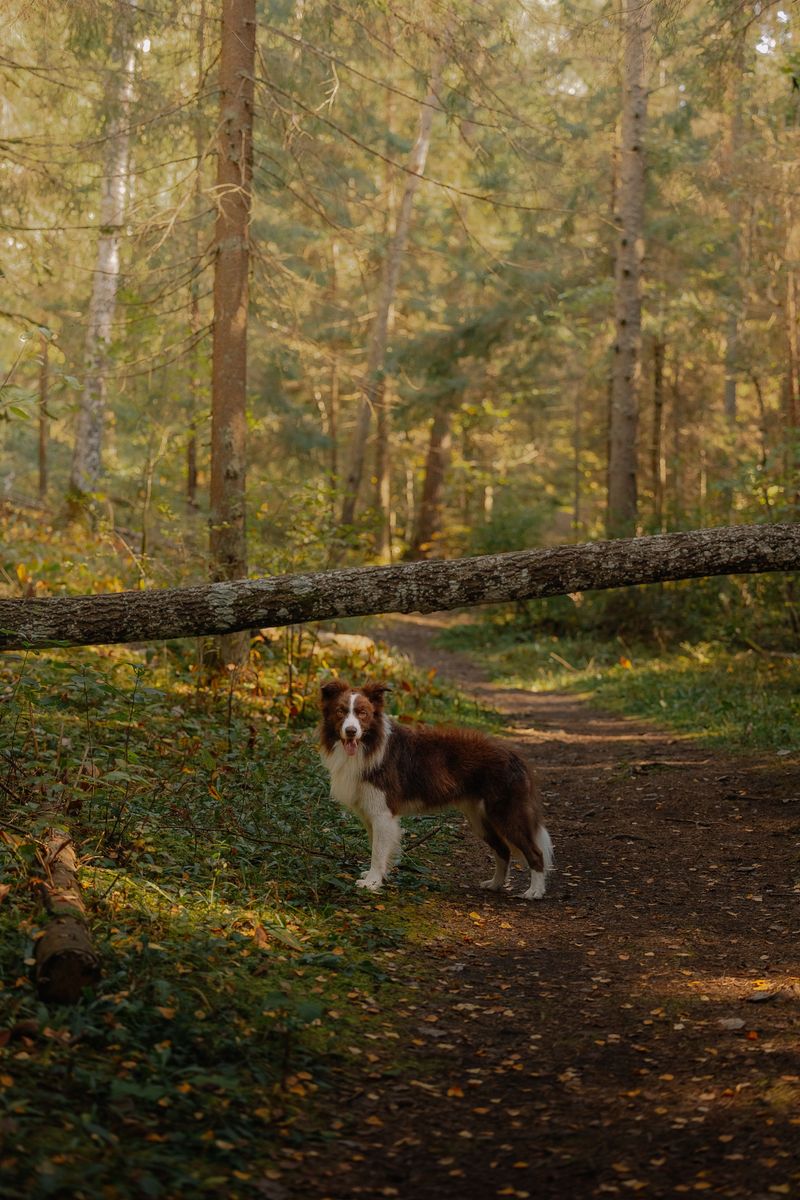
A twisting trail feels like an exciting puzzle to a quick-thinking Border Collie. Famous for herding skill, the breed learns cues and movement patterns remarkably fast.
Long walks are helpful, but mental work matters equally. Try scent games, agility, careful fetch sessions, or advanced training between Washington outings.
Rain-resistant coats vary between smooth and rough types, with both needing routine grooming. Teach calm breaks early, because endless activity can create an athlete that never relaxes.
10. Australian Shepherd: Colorful and Trail Clever
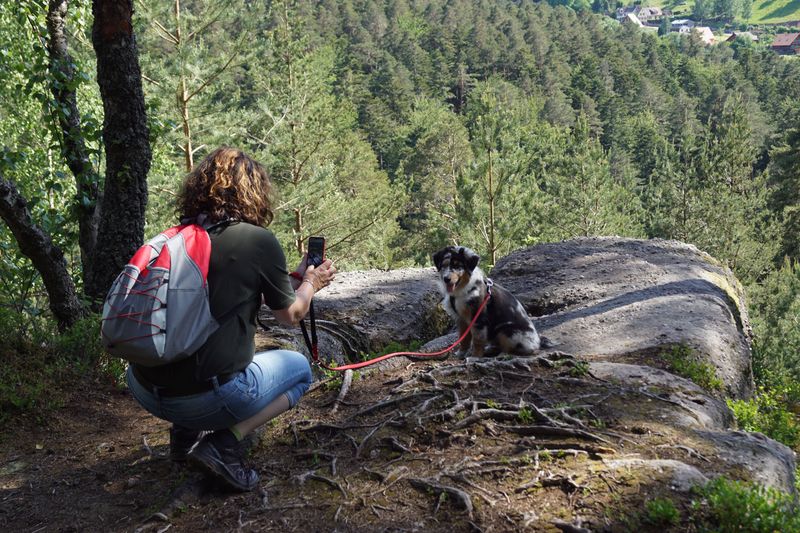
Watch an Australian Shepherd navigate roots, rocks, and turns with impressive focus. Despite its name, the breed developed mainly on ranches in the United States.
Aussies thrive with active owners who enjoy hiking, training, and dog sports. Their herding drive may target children, bicycles, or runners without thoughtful guidance.
The medium double coat offers protection during cool showers, yet gathers trail debris. Brush regularly, check feathered legs for burrs, and provide quiet recovery time after adventures.
11. Standard Poodle: The Elegant Outdoor Athlete
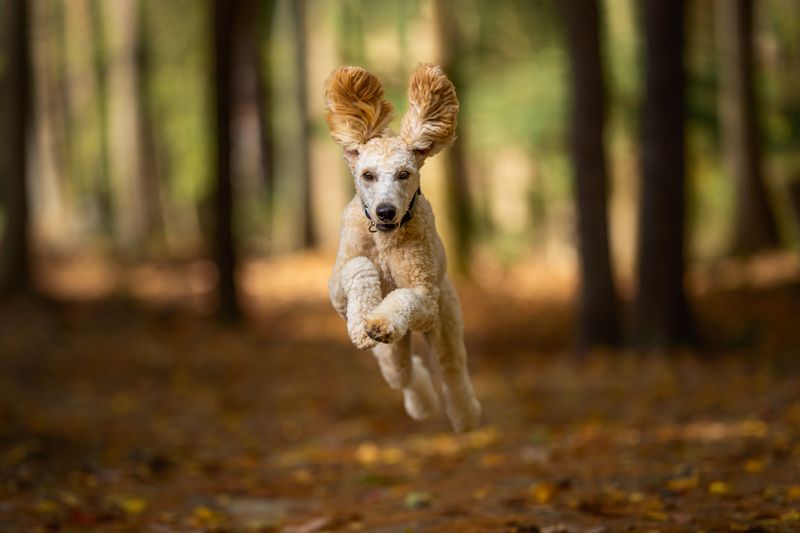
Fancy haircuts hide a capable sporting dog with stamina, intelligence, and swimming talent. Standard Poodles were developed as water retrievers, not decorative couch ornaments.
Their curly coats can suit wet outings, but they mat without consistent care. Many active owners choose shorter trims that simplify washing, brushing, and debris removal.
Offer brisk walks, safe swims, training challenges, and scent games. Dry the ear canals carefully, schedule regular grooming, and consider a warm layer after close clipping.
12. German Shepherd: A Steady Adventure Partner
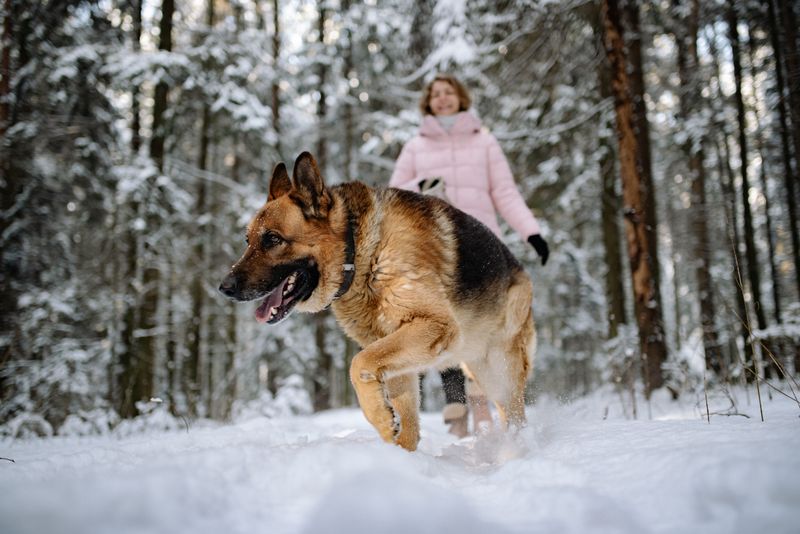
Confidence shows in every careful step when a well-trained German Shepherd explores unfamiliar ground. Intelligent and versatile, the breed enjoys jobs with clear expectations.
Daily exercise can include hiking, obedience practice, tracking, or structured play. Early socialization encourages calm responses around dogs, hikers, horses, and changing trail conditions.
Its double coat handles cool rain reasonably well, though muddy underfur needs brushing. Select responsible breeders who screen health, protect growing joints, and teach dependable leash skills early.
13. Rough Collie: Grace Among the Evergreens
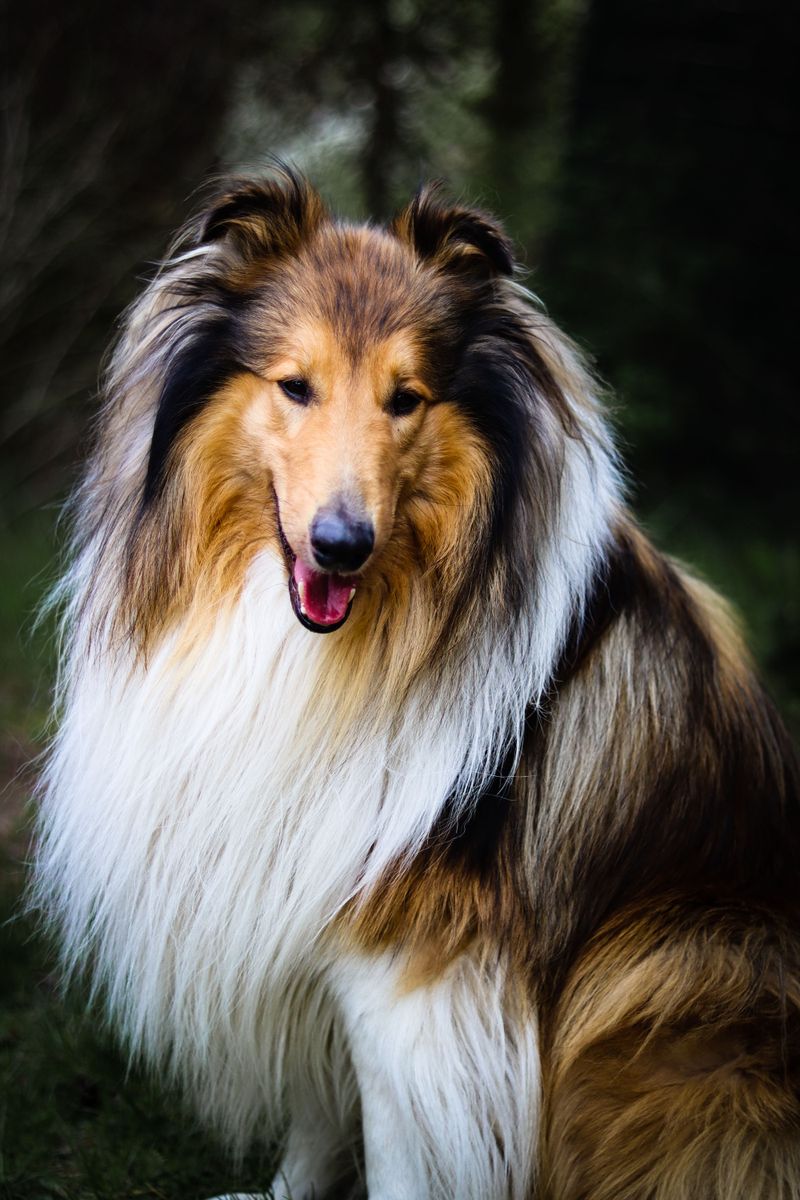
Flowing fur looks storybook beautiful against Washington’s deep green forests. Rough Collies are responsive herders that often prefer moderate adventures over nonstop, high-speed workouts.
Daily walks, gentle hikes, and training games keep them engaged. Their watchful personality may encourage barking, so reward quiet behavior before it becomes a neighborhood announcement.
That glamorous coat needs brushing down to the skin. Remove twigs promptly, dry the thick ruff, and inspect feathered feet after muddy woodland walks.
14. Shetland Sheepdog: Small Body, Big Trail Spirit
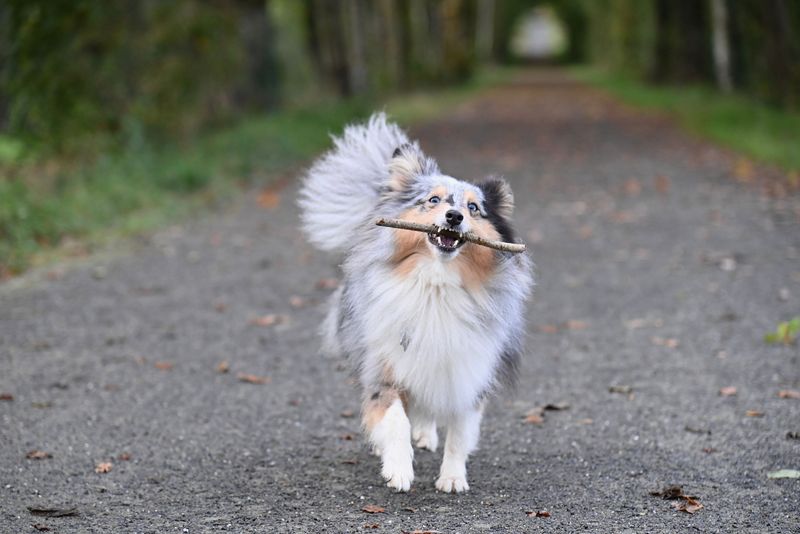
Small paws can cover surprising ground when a Shetland Sheepdog feels inspired. Shelties developed in the windy Shetland Islands, giving them useful comfort in cooler weather.
They learn quickly and enjoy agility, trick training, and manageable hikes. Sensitive hearing and watchful instincts can produce frequent barking without patient practice.
Use a secure leash, since sudden sounds may startle some dogs. Brush behind the ears and legs, dry the undercoat, and watch smaller bodies near rough water.
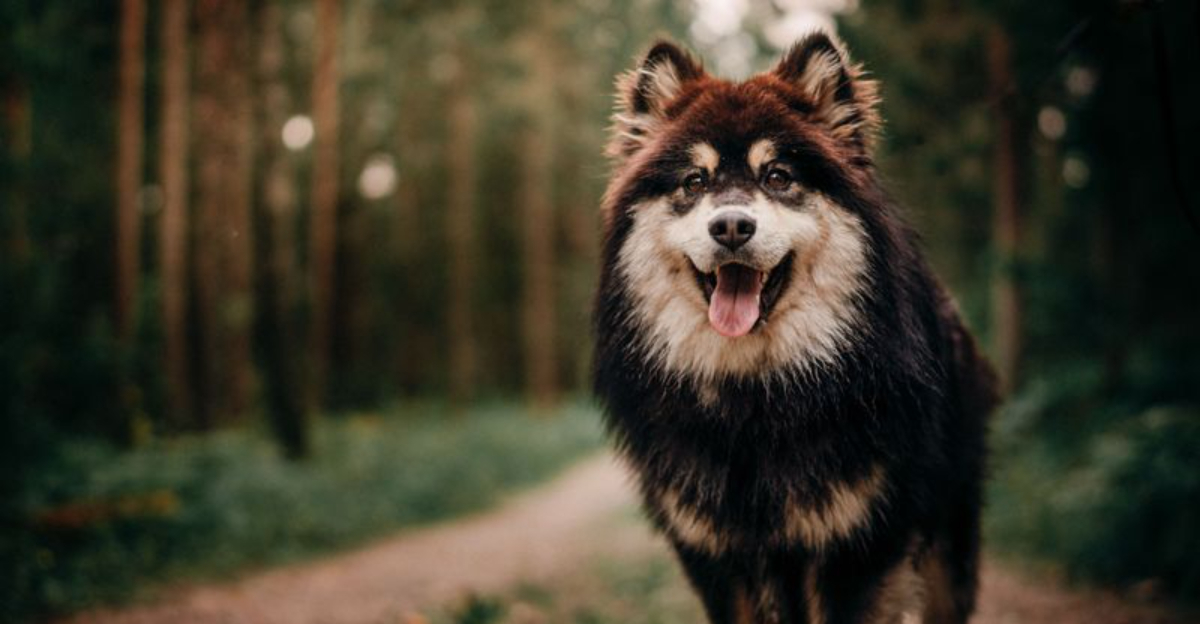
15. Finnish Lapphund: Northern Charm for Rainy Days
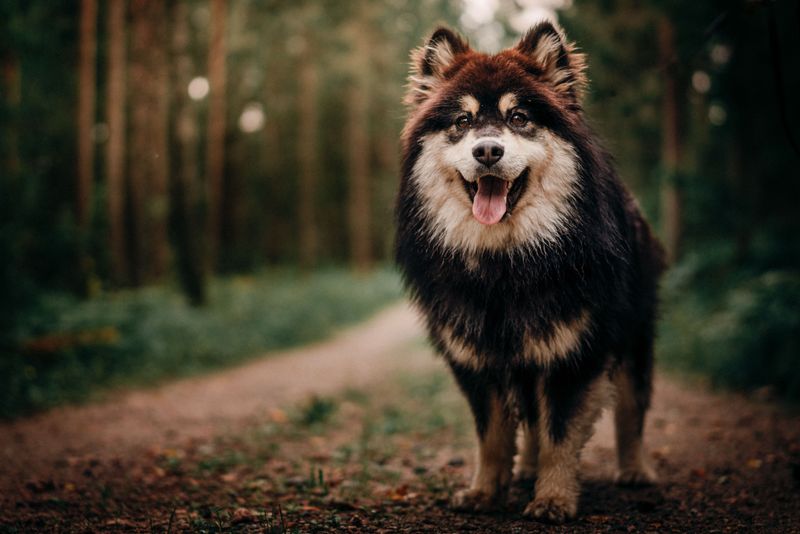
A cheerful Finnish Lapphund can make gloomy weather feel like a party. Originally used by Sámi people for reindeer herding, this breed is alert and agile.
Its thick double coat performs well in cold conditions, although summer heat requires caution. Walks, woodland outings, and positive training help satisfy its social working mind.
Expect major seasonal shedding and keep a sturdy brush nearby. Reliable recall takes practice, while early bark training keeps this talkative northern charmer considerate at home.