What Massachusetts Dog Owners Should Know About Ticks Before Hitting The Trails
Massachusetts trails are hard to beat, whether you love the Blue Hills, a Cape Cod sandy path, or a quiet town conservation loop. Ticks share those same woods, and they are a normal part of hiking here.
The good news is that a little know-how goes a long way. With steady prevention, quick checks, and a simple routine, you and your dog can enjoy the trail season with confidence.
Here is what local owners should keep in mind.
1. Ticks Live In Every Corner Of The State
From the Berkshires to the Cape, ticks are part of the Massachusetts landscape. Deer ticks, also called black-legged ticks, and American dog ticks show up statewide.
Lone star ticks have been reported on Cape Cod and the Islands, with sightings noted farther west as well. City parks are not exempt either.
Knowing they are everywhere helps you plan instead of worry. Treat every walk as a potential tick walk, no matter the zip code.
2. Peak Hiking Months Match Peak Tick Months
April through September is prime time for both hiking and ticks. That overlap is exactly why so many owners find one after a great outing.
Black-legged ticks stay busy through spring, summer, and fall. They can also become active on mild winter days when temperatures rise above freezing.
So a January thaw walk still counts. Plan checks year round rather than only during the warm stretch.
3. Walk The Middle Of The Path
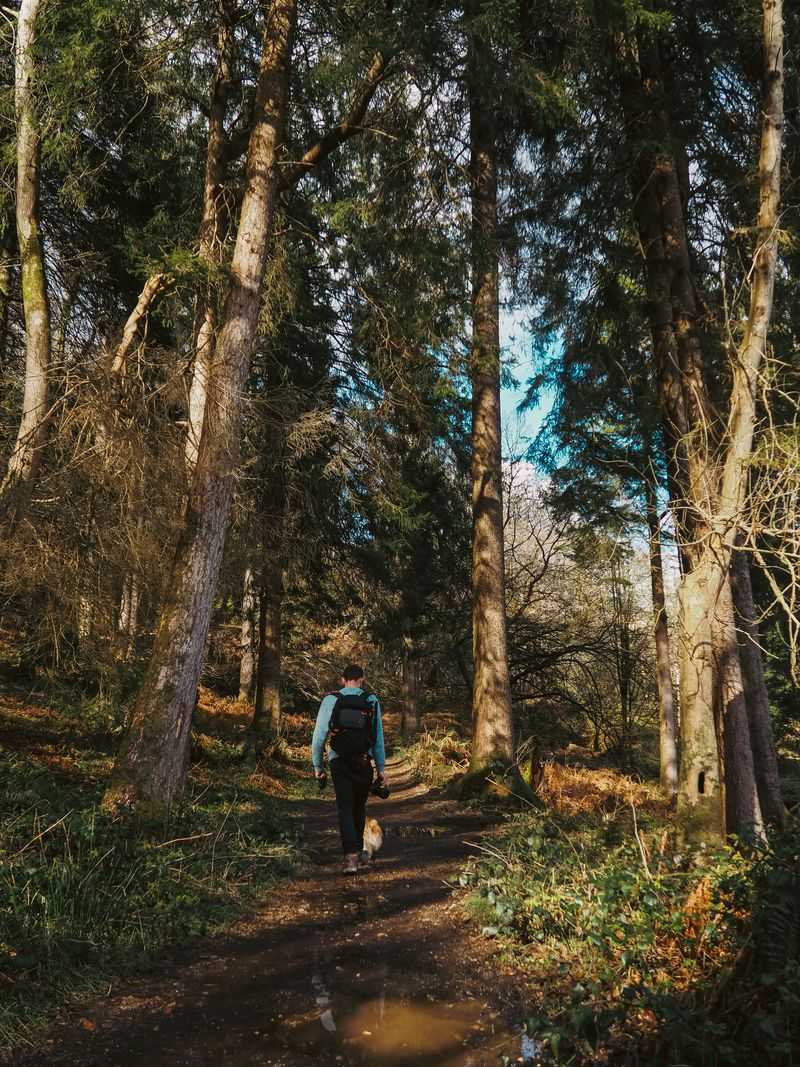
Trail edges are where ticks wait. Brush, tall grass, and leafy borders give them the perfect launching pad.
Keeping your dog toward the center of the path cuts down on contact. A shorter leash helps on narrow sections where the woods crowd in.
It sounds almost too simple, but it works. Skip the shortcut through the meadow and stick to the packed dirt whenever you can.
4. Questing, Not Jumping
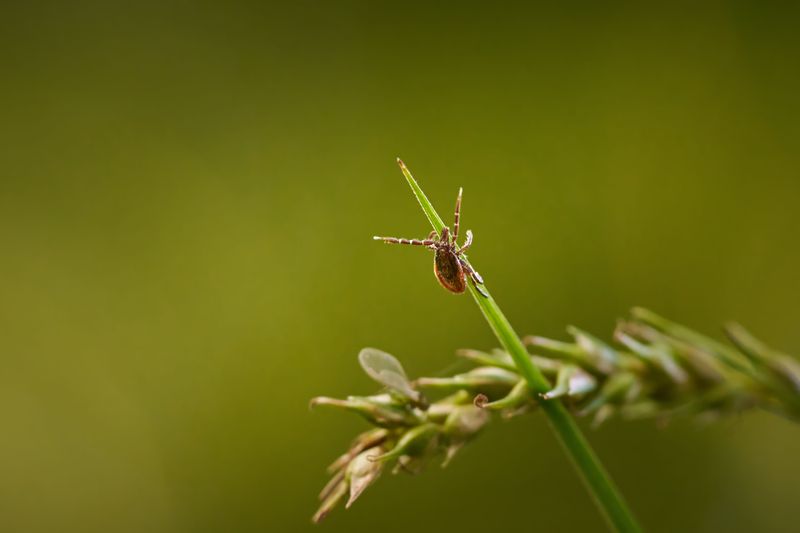
Here is a myth worth retiring: ticks cannot fly or leap onto your dog. They have no wings and no spring in their legs.
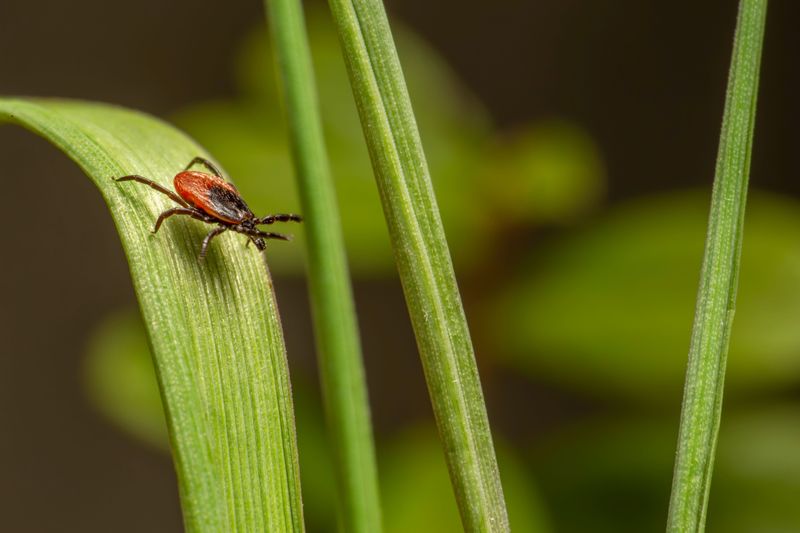
Instead they climb grass or low brush and stretch out their front legs. That waiting posture is called questing, and it works by simple contact.
Adult deer ticks may crawl a short distance toward warmth or movement. Avoiding brushy contact remains your best defense.
5. Prevention Starts With Your Veterinarian
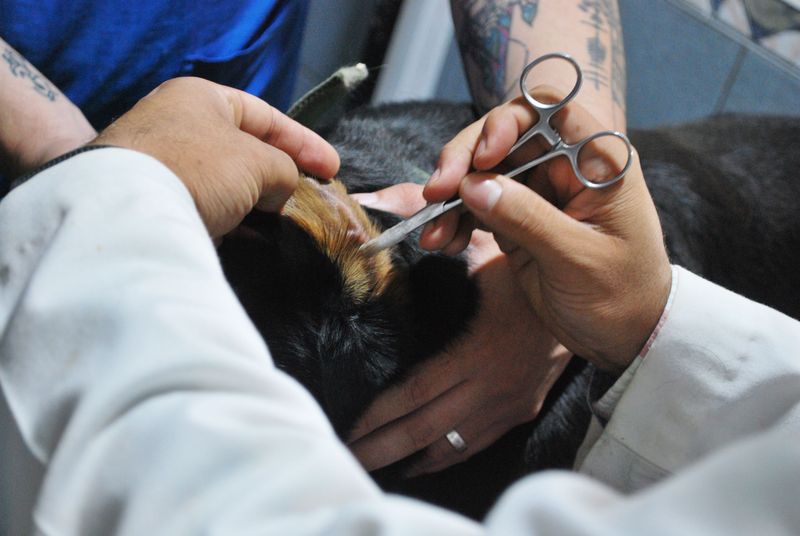
Ask your vet which tick preventive suits your dog. Options include monthly chewables, topical treatments, and longer-lasting products.
Choice depends on age, weight, health history, and how much time your dog spends outdoors. Some tick-borne illnesses have no canine vaccine, so prevention carries real weight.
Never use a product meant for another species or size. Follow the label schedule closely, since a missed dose leaves a gap in coverage.
6. Preventives Help, But They Are Not A Force Field
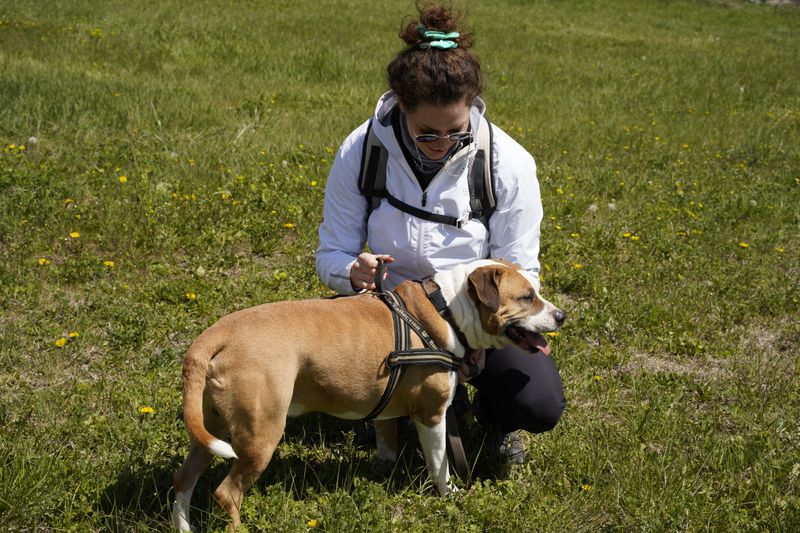
Plenty of owners assume a monthly dose ends the conversation. It does not.
Most products work after a tick attaches or contacts treated skin, so you may still find one on your dog. Coverage can also fade near the end of a dosing cycle.
Pair prevention with hands-on checks after every outing. Many vets also suggest annual screening for tick-borne diseases during the yearly exam.
7. Do The Check Before You Leave The Parking Lot
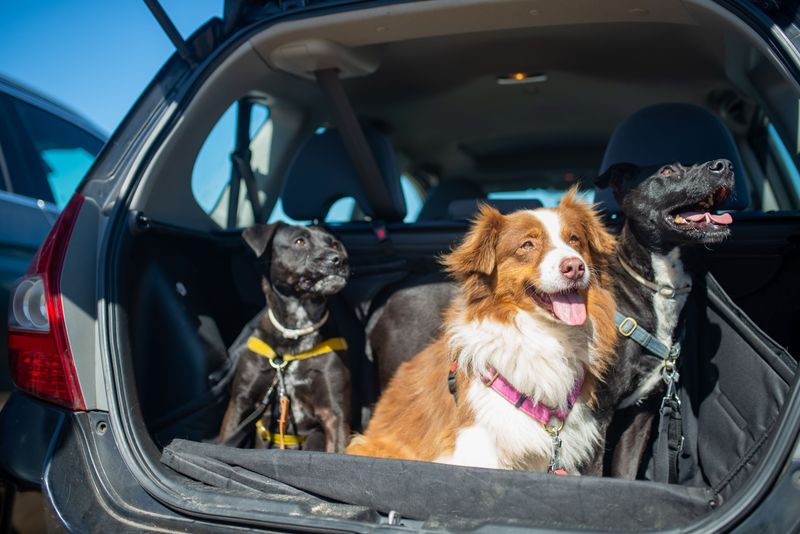
The tailgate of your car makes a fine exam table. Checking right after the hike catches crawlers before they settle in.
Run your fingers slowly through the coat, working against the direction of the hair. Good light helps enormously.
Ticks often wander for a while before attaching, so early searches pay off. A quick second pass at home covers anything you missed in the field.
8. Ears And Head Deserve Extra Time

Thin skin and warm folds make ear flaps a favorite landing spot. Look inside, behind, and along the outer rim.
Work across the muzzle, around the eyes, and under the chin too. Floppy-eared breeds need slower attention because hair hides everything.
Use your fingertips as much as your eyes. A tiny bump that was not there yesterday is worth a closer look under bright light.
9. Spread Those Toes And Peek

Paws take the brunt of trail contact, yet they get skipped constantly. Ticks tuck neatly between toes and around pads.
Lift each foot, spread the toes gently, and look at the webbing. Check the dewclaw area as well.
Dogs with furry feet need extra patience here. Make it part of the post-hike paw wipe, and your dog will get used to the handling quickly.
10. Collar Off For The Inspection

A collar is a perfect hiding place, dark and snug against the skin. Ticks slip underneath and stay unnoticed for days.
Unbuckle it, set it aside, and feel all the way around the neck. Give the collar itself a quick look before it goes back on.
Harnesses deserve the same treatment. Check under straps, buckles, and any padded sections that press against your dog.
11. Armpits, Groin, And Tail Base

Warm, sheltered spots attract ticks more than open flanks. Think armpits, the groin, under the back legs, and around the tail base.
These areas are also the easiest to rush past. Slow down and use both hands.
Belly skin is often thin and pale, which makes spotting easier. Many owners find this step goes smoothly with the dog lying on its side for a belly rub.
12. The Small Ones Count Most
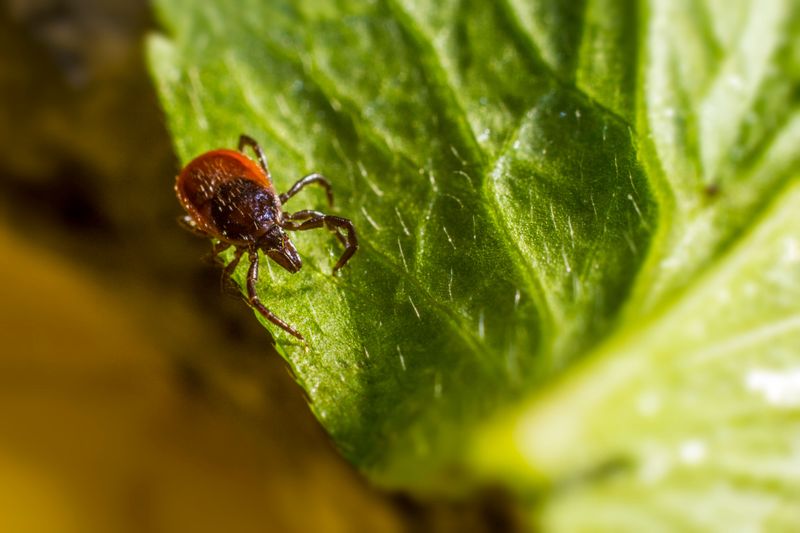
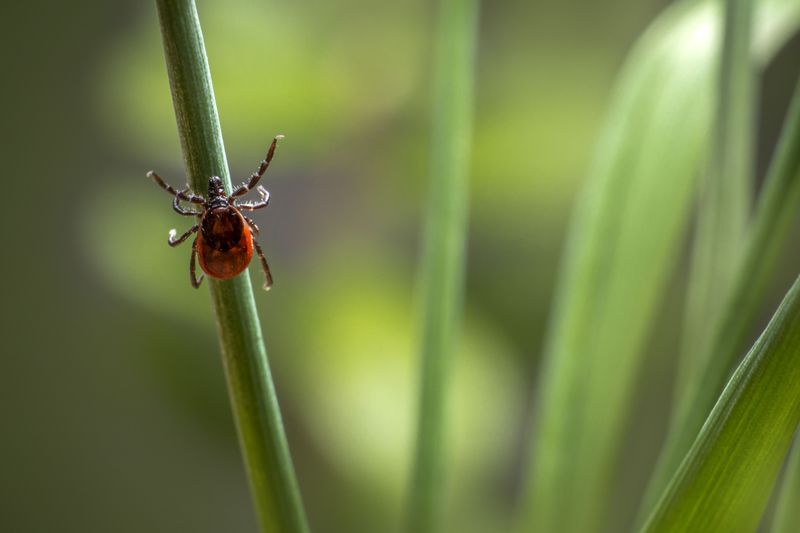
Nymph ticks can be about the size of a poppy seed. They are easy to mistake for a speck of dirt or a new freckle.
Despite their size, black-legged nymphs can transmit Lyme disease. That makes them the ones to watch during late spring and summer.
Any new dark dot that does not brush away deserves a second look. Reading glasses or a phone flashlight help more than you would expect.
13. Pack A Removal Tool In Your Kit

Fine-tipped tweezers weigh almost nothing and belong in every hiking pack. The CDC recommends them for removal.
Tick keys and twister-style hooks also work well and clip easily to a leash or bag. Toss in gloves, a small ziplock, and antiseptic wipes.
Having the tool with you means you can act on the spot. Waiting until you get home adds hours you do not need to give up.
14. Take It Off Sooner Rather Than Later

Speed matters more than technique drama. Grasp the tick close to the skin with fine-tipped tweezers and pull straight up with steady pressure.
Skip the folk remedies involving heat or petroleum jelly. Clean the spot afterward and wash your hands.
Lyme bacteria generally need roughly 24 to 48 hours of attachment to transmit. Other illnesses can move faster, so prompt removal is always the smart call.
15. Hitchhikers Come Home With You

Your dog can carry unattached ticks straight through the front door. Once inside, they may crawl off and find a person or a pet bed.
Toss hiking gear and dog bedding in a hot dryer for a cycle. Vacuum floors and rugs near the entryway now and then.
Brown dog ticks are unusual because they can complete their whole life cycle indoors. Regular cleaning keeps that from becoming an issue.
16. Give Yourself The Same Once-Over
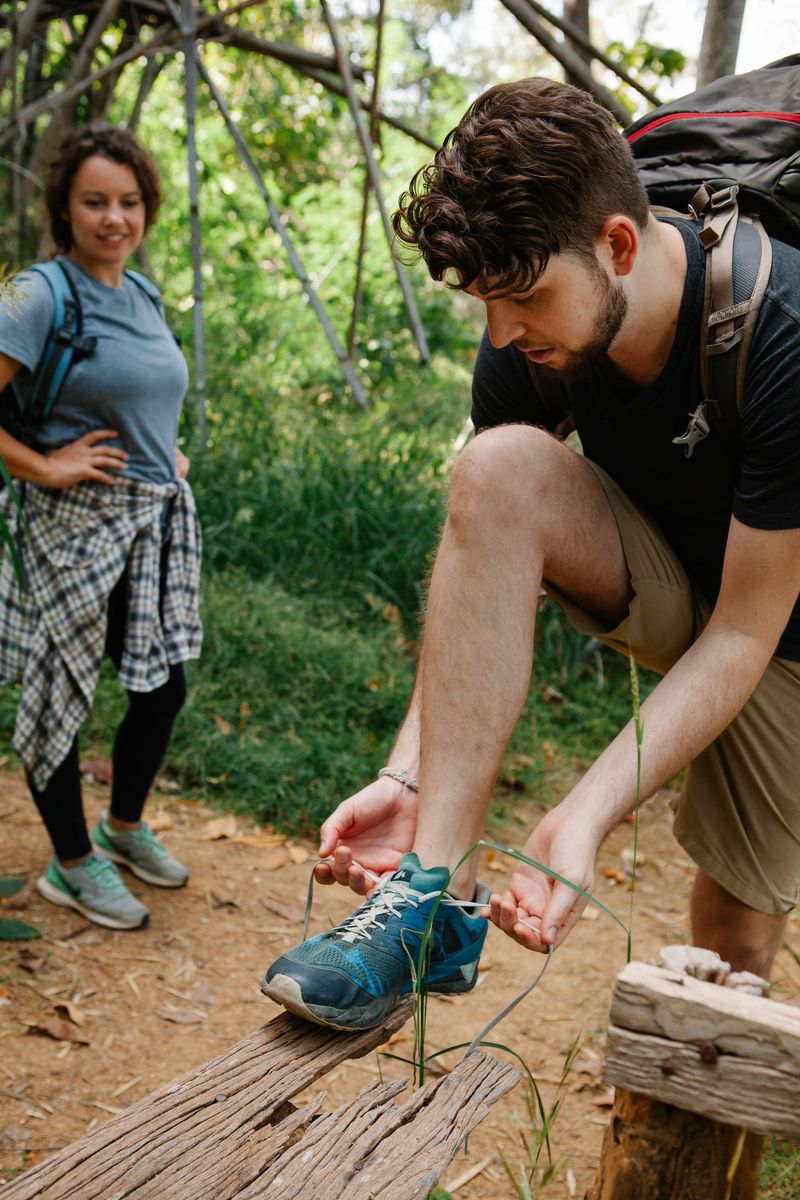
You walked the same trail, so you got the same exposure. Check behind your knees, around your waistband, under arms, along the hairline, and behind the ears.
Between the toes counts for humans too. A shower within a couple of hours helps rinse off anything not yet attached.
Tumble your hiking clothes on high heat before washing. Light-colored pants make spotting a crawler much easier on the trail.
17. Lyme Shares The Stage With Others
Lyme disease gets the headlines, but Massachusetts ticks carry more than one illness. Anaplasmosis, babesiosis, and ehrlichiosis appear here regularly.
Tularemia, Rocky Mountain spotted fever, Borrelia miyamotoi, and Powassan virus are also documented in the region. Lone star tick bites have been linked to alpha-gal syndrome, a red meat allergy in people.
Your vet can explain which ones matter most for dogs locally.
18. Keep An Eye On Things For A Few Weeks
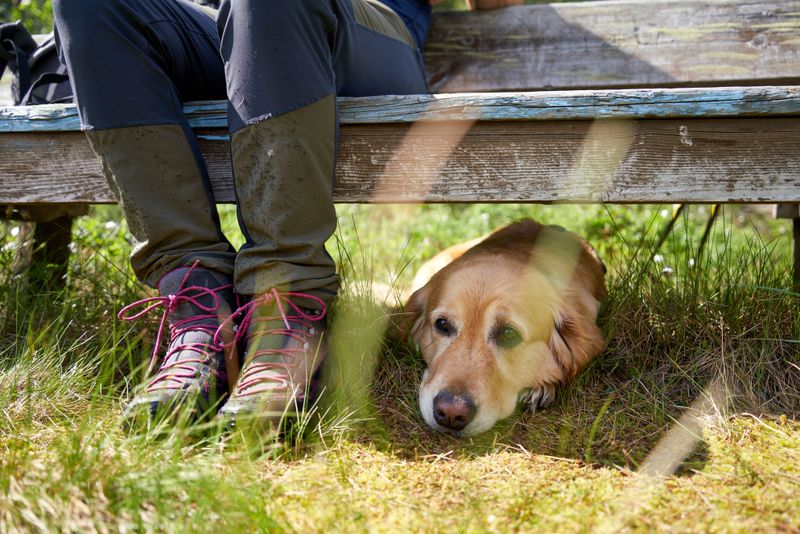
Found and removed a tick? Jot down the date and watch your dog for the next several weeks.
Signs of tick-borne illness often surface 7 to 21 days later, sometimes longer. Look for fever, low energy, reduced appetite, limping that shifts between legs, or swollen joints.
Stomach upset or unusual weakness also warrants a call. Reach out to your veterinarian promptly if anything seems off.
19. Your Backyard Counts Too
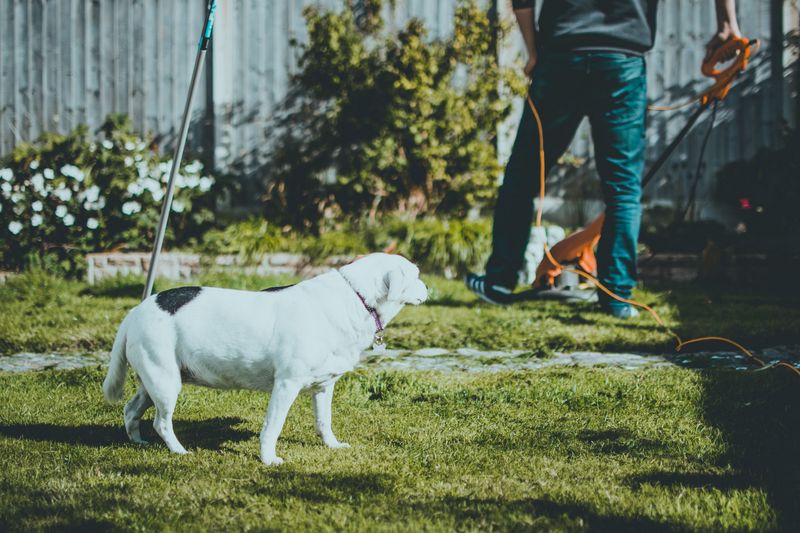
Plenty of tick encounters happen twenty steps from the back door. Leaf piles, garden beds, stone walls, and the lawn edge near woods all qualify as habitat.
Keep grass trimmed and clear leaf litter in fall. A gravel or mulch border between lawn and treeline creates a helpful buffer.
Neighborhood walks and dog parks deserve the same post-outing check as any mountain trail.
20. Make It A Habit, Not A Season

Ticks stay active whenever temperatures climb above freezing, including mild winter afternoons. Stopping preventives in November leaves a real gap.
Talk with your vet about year-round coverage and set a phone reminder for dosing day. Build the post-walk check into your routine like wiping muddy paws.
Once it becomes automatic, it takes two minutes. That small habit is what keeps Massachusetts trails feeling fun instead of fussy.