What Pennsylvania Law Says About Dogs Left Outside During Severe Weather
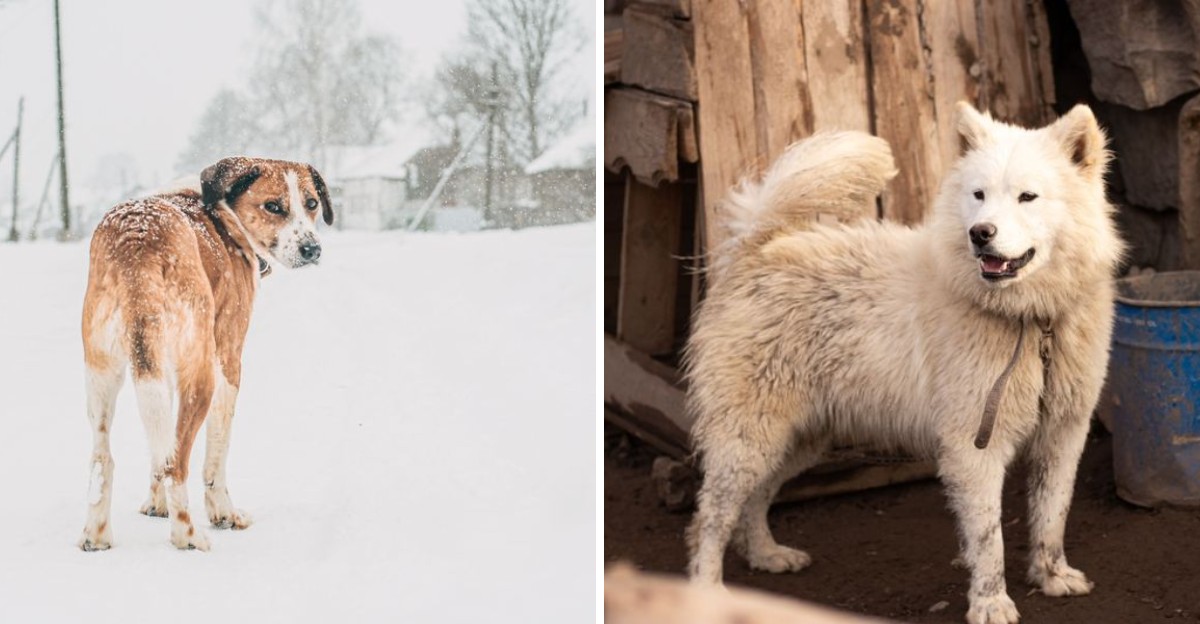
If your dog spends any time outside, Pennsylvania weather rules are worth knowing. Cold snaps, heat waves, freezing rain, and strong wind can turn an ordinary day into a safety issue fast.
State law sets real duties for food, water, shelter, and tethering, and some cities add stricter rules. Here is a calm, practical guide to what local dog owners should understand before the weather changes.
1. Pennsylvania’s Animal Protection Laws and Outdoor Dogs
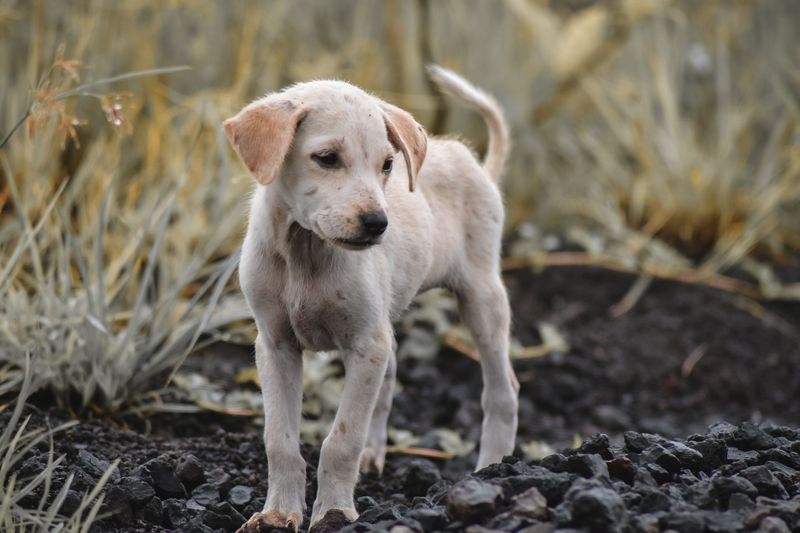
Pennsylvania dog owners should know the basic rule first: outdoor living never cancels daily care. Pennsylvania law requires people with a duty of care to provide necessary sustenance and potable water, clean and sanitary shelter, protection from the weather, and necessary veterinary care.
That means weather matters under the law, not just obvious injury. If a dog is exposed to conditions that threaten health or safety, authorities may treat the situation as neglect.
Local rules can add stricter standards in some Pennsylvania cities and counties.
2. What Counts as Dangerous Weather for a Dog
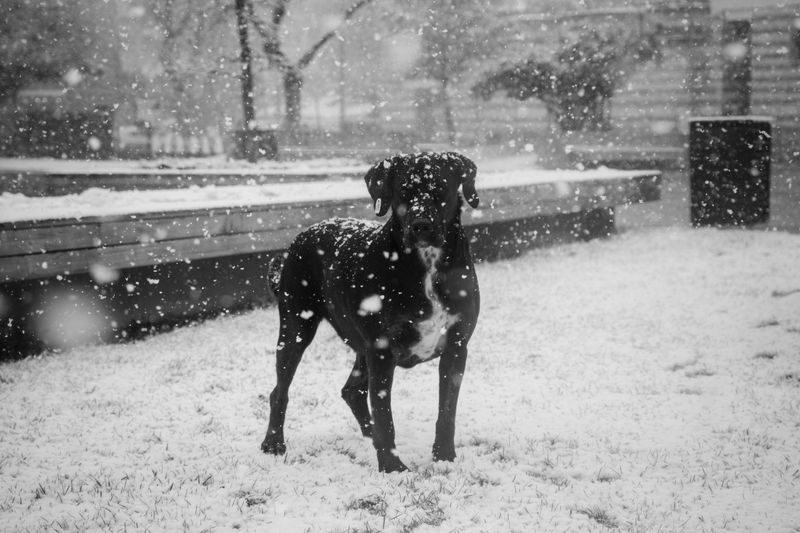
Weather danger is not always dramatic, and the thermometer gives a useful starting point. Pennsylvania law provides that tethering an unattended dog outdoors for more than 30 minutes at temperatures below 32 degrees or above 90 degrees creates a presumption of neglect.
Practical safety starts sooner for many pets, especially under 45 degrees, heavy storms, or blazing sun. Some cities also use Code Blue, Code Red, or Code Gray alerts.
Check local rules before weather turns rough in your town or county each season too.
3. Shelter Requirements for Dogs Kept Outside
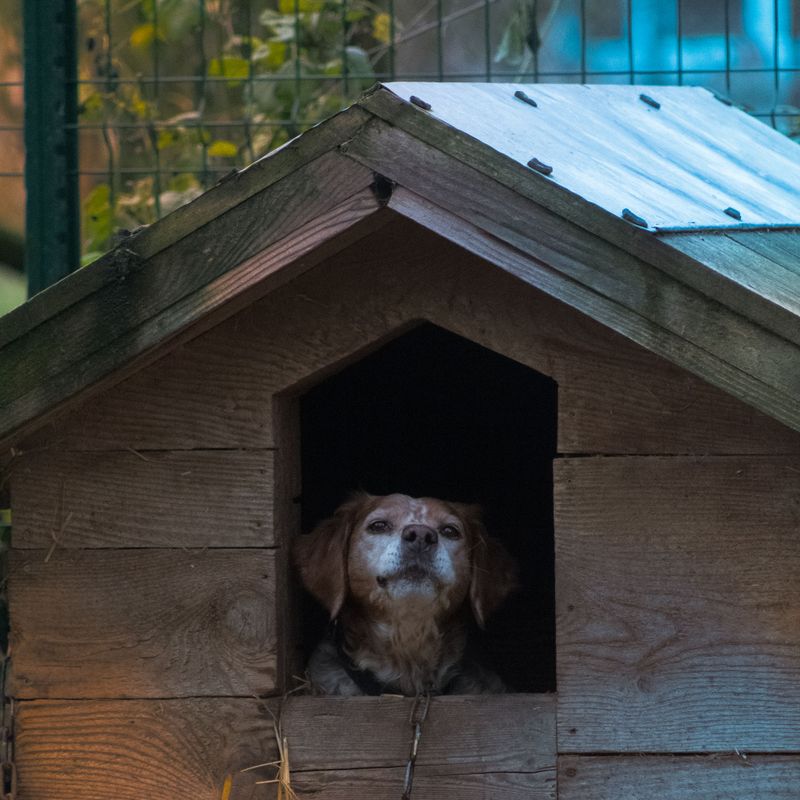
A doghouse alone does not automatically satisfy the law. Pennsylvania law requires access to clean and sanitary shelter and protection from the weather, with shelter sufficient to let the animal retain body heat and stay dry.
Good shelter should stay dry, block wind, and fit the dog well. In some places, a dog may still count as outside unless the shelter is truly weather-resistant and climate-controlled.
When in doubt, bring your dog indoors during storms, overnight cold, or summer heat waves.
4. How Cold Weather Can Put Dogs at Risk
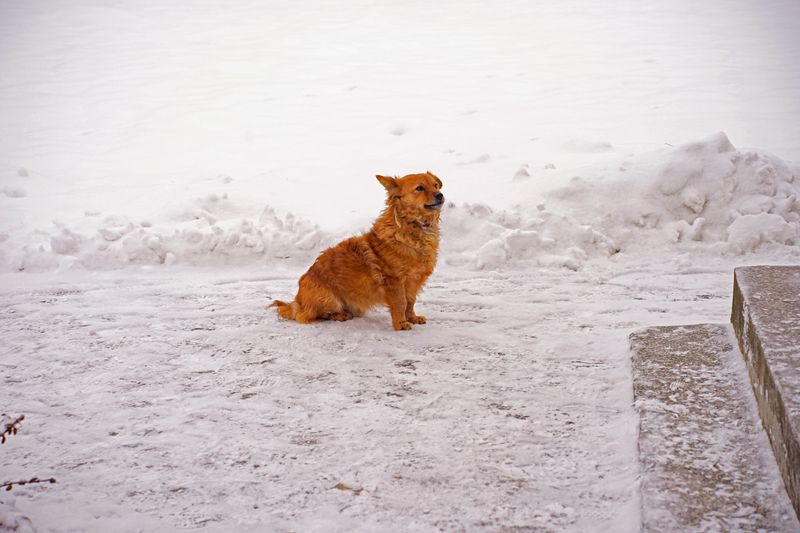
Cold can trouble a dog faster than many owners expect. Shivering, weakness, pale gums, slow movement, and confusion can signal a dangerous drop in body temperature.
Some dogs stop shivering as they worsen, which can fool worried families. Small breeds, thin coats, seniors, puppies, and sick dogs chill quickly.
Snowy ground and icy wind make exposure harder. If your dog seems slowed down or unsteady, head inside and call a veterinarian for prompt weather advice.
5. What Pennsylvania Law Says About Extreme Heat
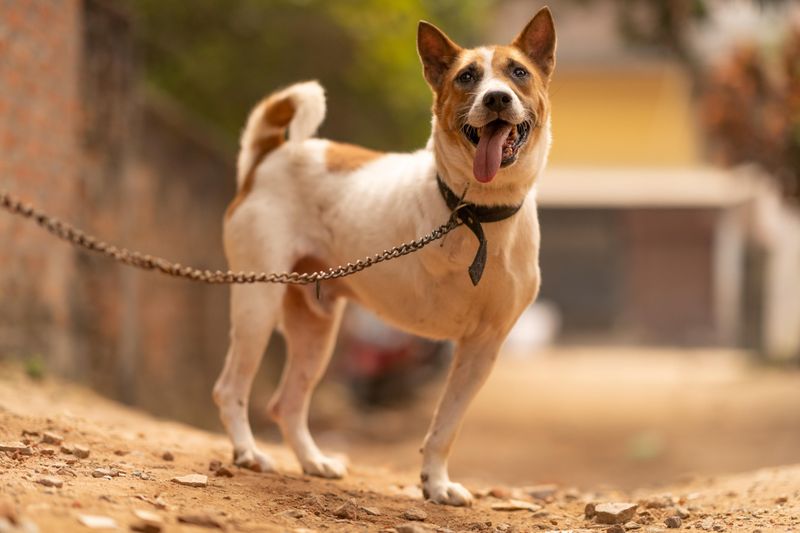
Summer can become a legal issue very quickly for tethered dogs. In Pennsylvania, leaving a tethered dog outside for more than 30 minutes is illegal at 90 degrees or hotter.
Shade and potable water are required during hot outdoor exposure. Heat also builds on porches, concrete, and yards with little airflow.
Panting hard, drooling thickly, or stumbling are warning signs. Move the dog to a cooler place and contact a veterinarian right away for safety.
6. Protection From Snow, Ice, Wind, and Rain
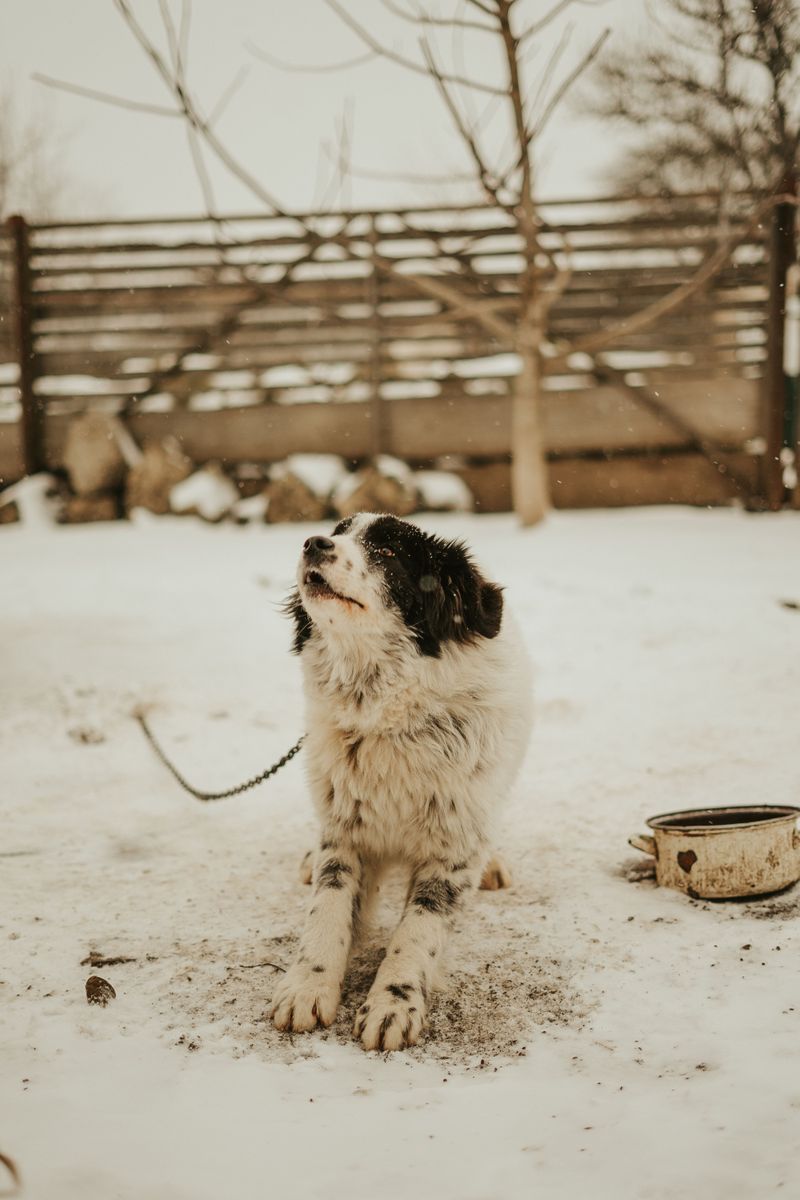
Bad winter weather is more than a snow measurement. Rain, sleet, wind, ice, and soaked ground can all lower body temperature and make outside time harder.
Pennsylvania law expects protection from conditions that threaten health or safety. A dry, draft-free shelter with bedding helps, but constant exposure is still risky.
Some local rules, including parts of Philadelphia, may require pets indoors during Code Gray alerts. Check your municipality before storms arrive or heavy freezing rain.
7. Access to Clean, Unfrozen Drinking Water
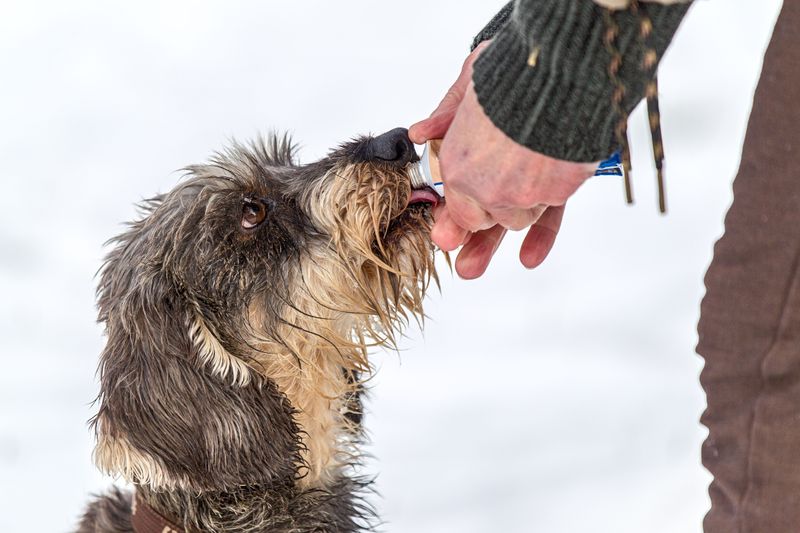
One overlooked winter problem sits right in the water bowl. Pennsylvania requires outdoor dogs to have potable drinking water at all times, which means it cannot stay frozen.
Check bowls often during cold snaps, and replace icy water promptly. Heated bowls can help when used safely.
Water should also stay clean, not muddy or contaminated. A thirsty dog may seem quiet, so do not assume everything is fine just because the bowl looks full outside.
8. Food and Water Requirements for Outdoor Dogs
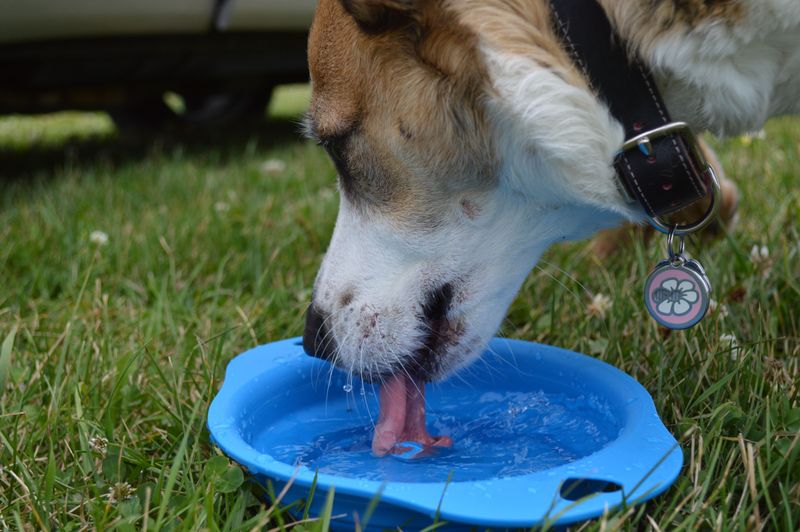
Basic care under Pennsylvania law includes both food and water, every day of the year. Outdoor dogs cannot be left with empty bowls, spoiled food, or long gaps between meals.
Edible food means more than scattering leftovers on the ground. It should be safe, clean, and enough for the dog’s needs.
Weather matters here too. Frozen food, tipped bowls, and dirty containers can turn a routine feeding setup into a legal problem for outdoor dogs.
9. Why Tethering Does Not Replace Proper Shelter
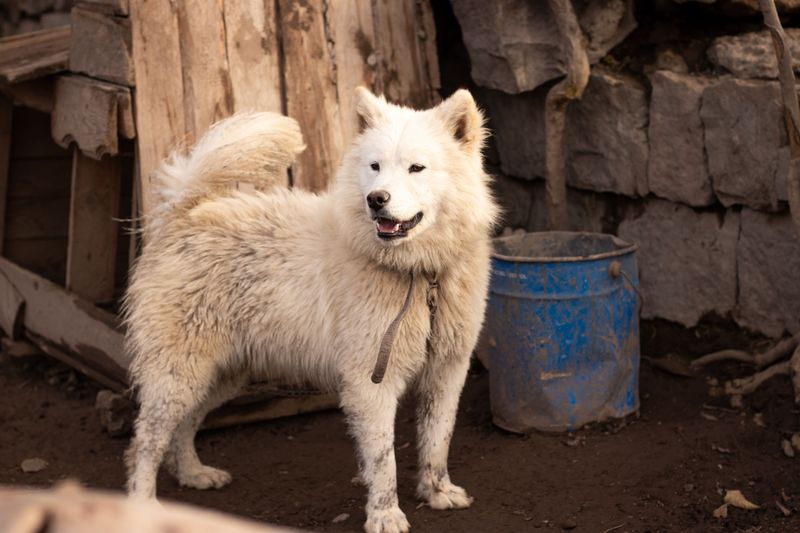
A tether can limit movement, but it does not replace the owner’s duties to provide necessary sustenance, potable water, clean and sanitary shelter, weather protection, and necessary veterinary care.
Even a nearby doghouse may not solve the problem. Some local ordinances still treat a tethered dog as outside unless the shelter is climate-controlled and weather-resistant.
Think of tethering as an extra restriction, not a substitute for indoor care during harsh weather for any dog.
10. Tethering Time and Equipment Rules
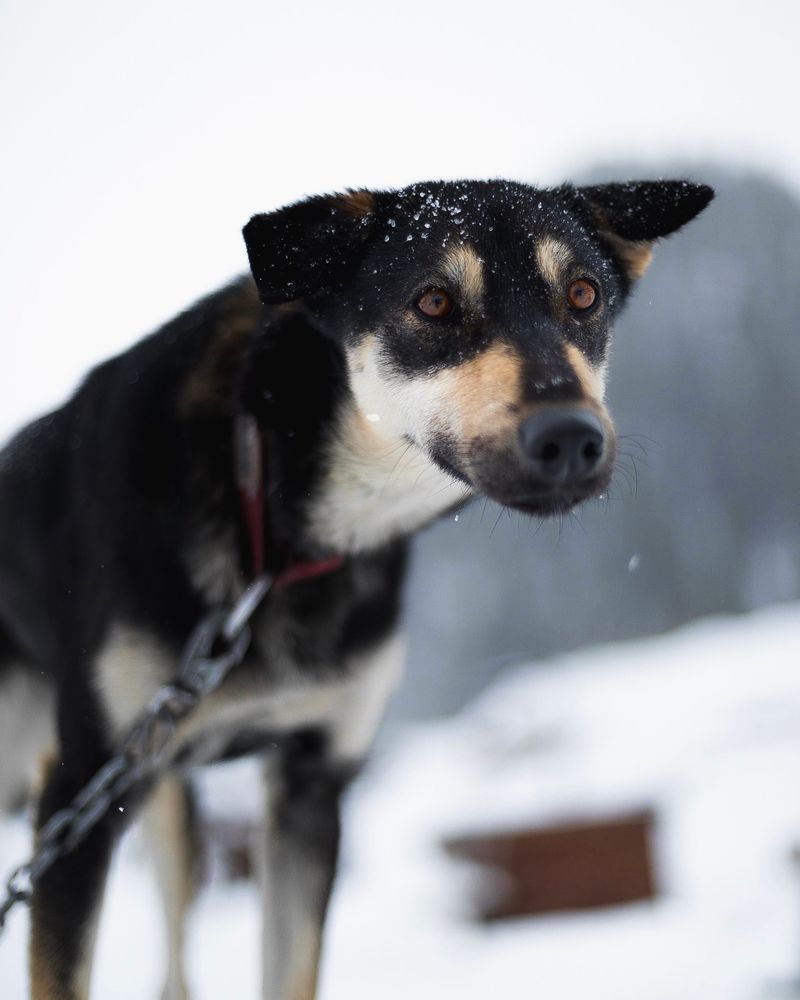
Tethering rules get more specific than many people realize. Pennsylvania generally limits tethering to nine hours in a 24-hour period, with a 30-minute cap during temperatures below 32 degrees or above 90 degrees.
The tether must suit the dog’s size and avoid choking. It should be at least three times the dog’s length, or 10 feet, whichever is greater.
It also must prevent tangling. Farm and training exceptions may apply, so confirm local enforcement details.
11. Signs a Dog Is Struggling in Severe Weather
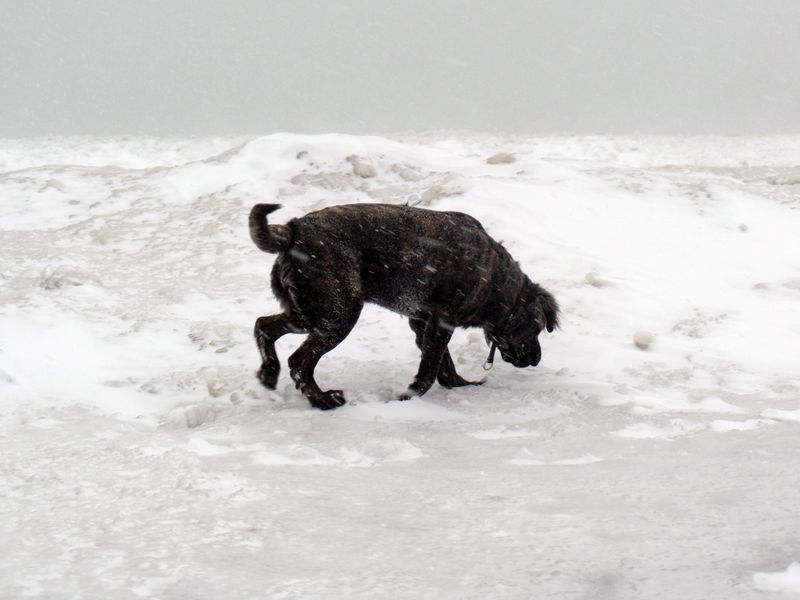
Dogs often show stress before a crisis becomes obvious. In cold weather, look for shivering, weakness, pale gums, slow walking, hiding, confusion, or unusual quietness.
Heat signs look different, and sometimes appear fast. Heavy panting, thick drool, bright red gums, restlessness, wobbling, vomiting, or collapse need quick action.
Move the dog to a safer place and call a veterinarian. Trust behavior changes, even when the weather seems manageable to you on paper or by forecast.
12. When Outdoor Exposure Can Become Neglect
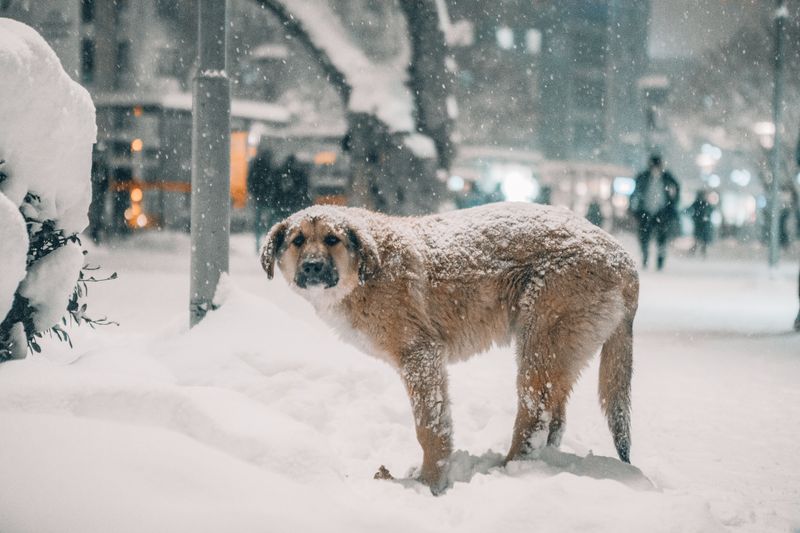
Sometimes the line between poor judgment and neglect is clearer than owners expect. If a dog lacks necessary food, water, clean shelter, or weather protection, Pennsylvania can treat that failure as neglect.
Time matters, but conditions matter too. A short period outside can still be unsafe when temperatures are extreme or shelter fails.
Repeatedly ignoring a dog’s needs may raise the seriousness of case. When weather threatens safety, bringing the dog inside is safest choice.
13. How Long a Dog Can Safely Remain Outside
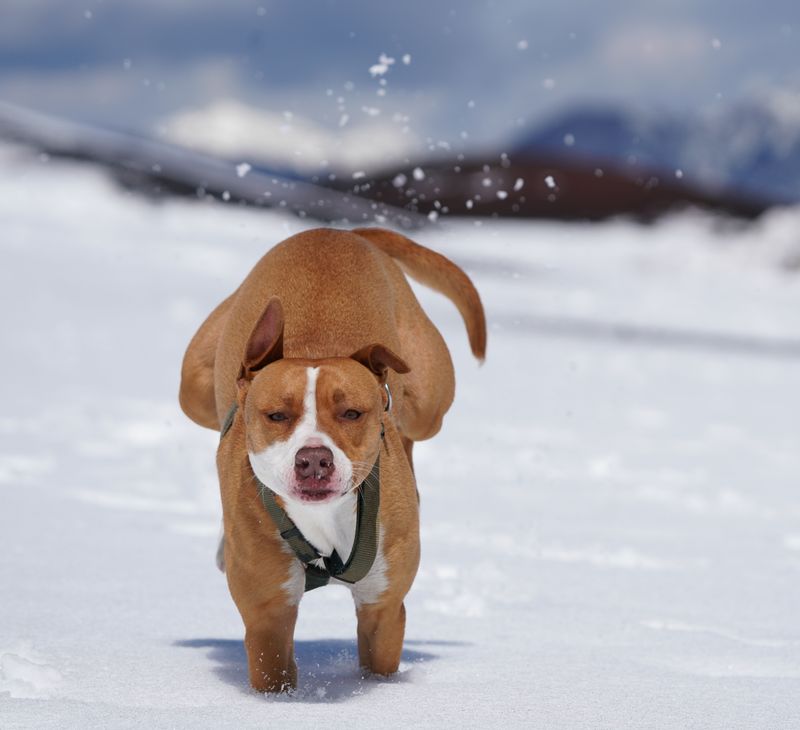
Every owner wants a simple number, but dogs do not follow one clock. Safe outdoor time depends on temperature, wind, moisture, breed, size, age, and health.
Below freezing, many dogs should only stay out 10 to 15 minutes with supervision. Thick-coated dogs may handle longer, but they still need close watching.
In extreme heat, tethered dogs face a 30-minute legal limit at 90 degrees or above. If your dog slows down, head inside right away.
14. Why Some Dogs Need Extra Weather Protection
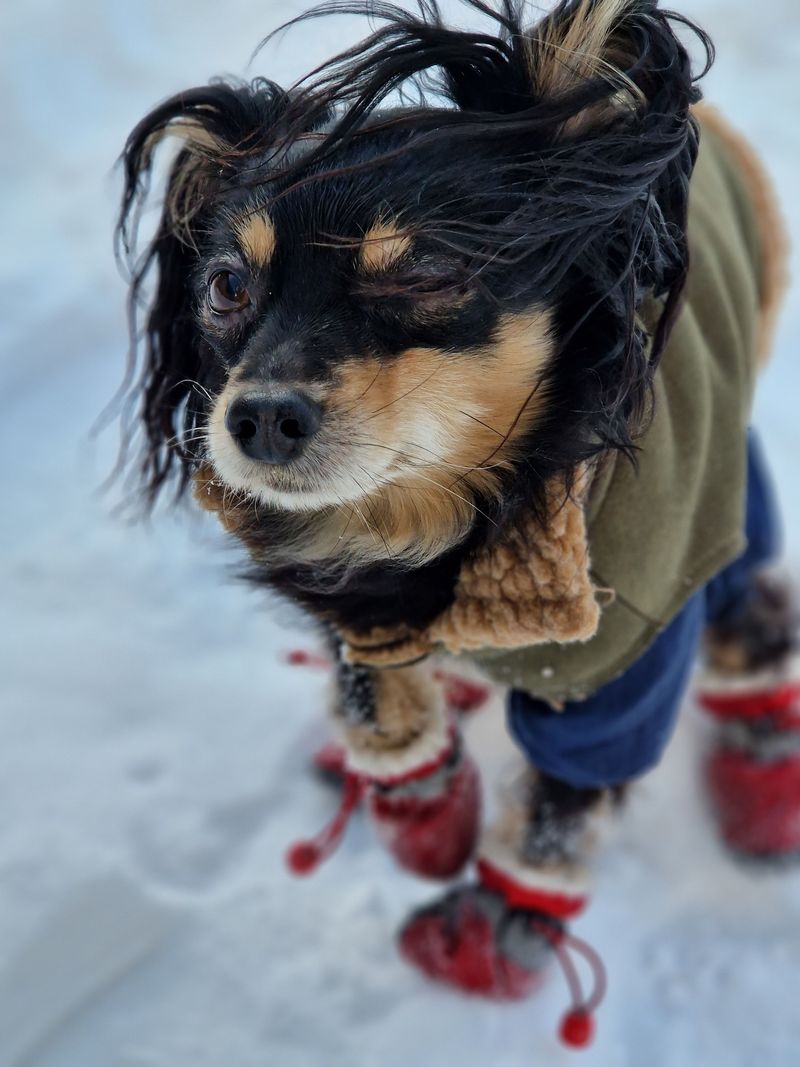
Not all dogs read weather the same way. Puppies, senior dogs, small breeds, thin-coated dogs, and pets with health problems usually need shorter trips and warmer or cooler spaces.
By contrast, thick-coated working breeds may tolerate cold better, though they still have limits. Flat-faced dogs often struggle sooner in heat.
Body size, coat type, fitness, and medical history all change the risk. When unsure, ask your veterinarian how weather affects your specific dog at home.
15. Local Code Blue, Code Red, and Code Gray Rules
Weather alerts can change what good care looks like in a hurry. Some Pennsylvania cities and counties use Code Blue, Code Red, or Code Gray notices during dangerous cold, heat, or heavy precipitation.
Those alerts may trigger stricter local expectations for pets outdoors. Philadelphia, for example, has rules tied to severe weather notices.
Because local ordinances vary, state law is only part of the picture. Check with municipality officials, police, or control officers before storm.
16. What Happens When a Dog Is Left in Dangerous Conditions
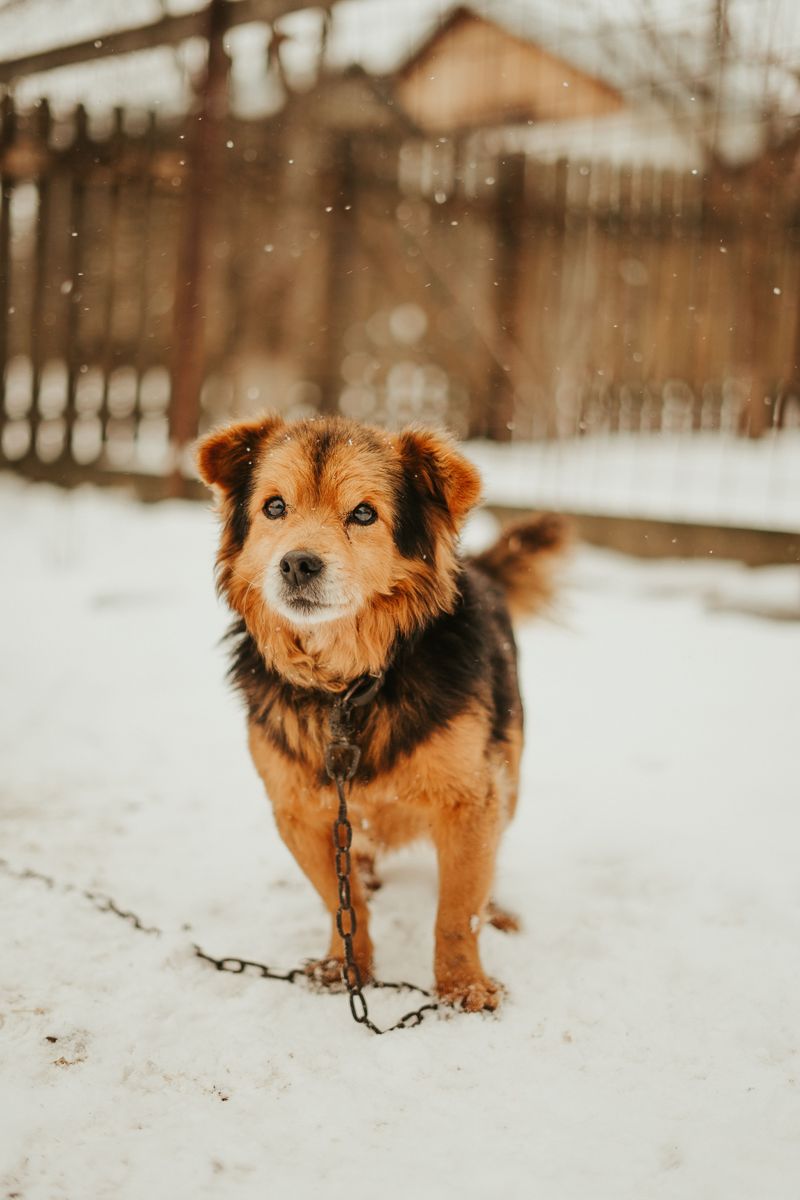
No owner plans for a legal mess, yet weather cases can lead there fast. Leaving a dog in dangerous conditions can bring fines, possible jail time, and loss of the animal after conviction.
Penalties depend on the facts and how the case is charged. Under Libre’s Law, serious neglect can rise above a simple summary matter.
Local penalties may also apply. Officers may step in to rescue animals from immediate danger, including heat emergencies outside.
17. Who to Contact About a Dog in Weather-Related Danger
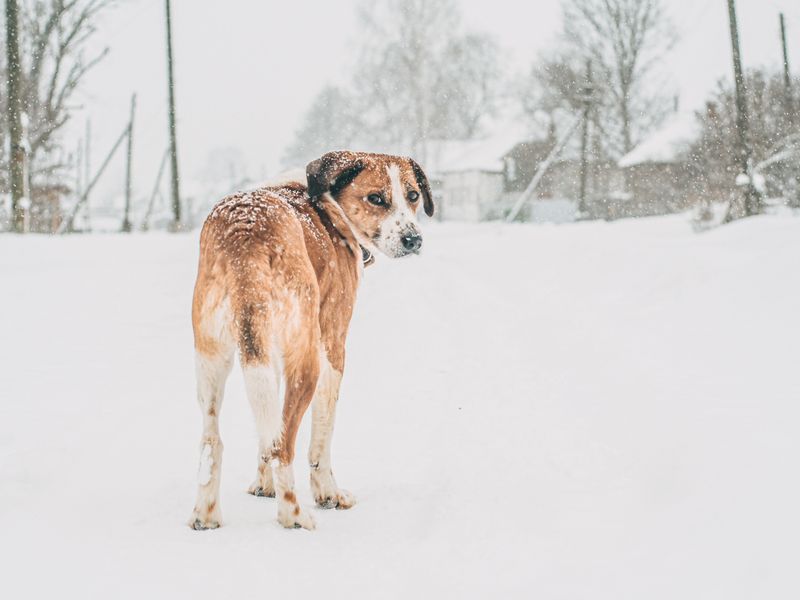
When a dog seems in immediate weather danger, do not wait and wonder. Call local police or 911 for urgent situations, especially if the animal appears unresponsive or trapped.
For non-emergency concerns, contact a Humane Society Police Officer, local animal control, or the PSPCA cruelty hotline at 866-601-SPCA. If local police are unavailable, Pennsylvania State Police may help.
Give the address, what you saw, and when you saw it so officers can respond more accurately.
18. Evidence That Can Help Document a Welfare Concern
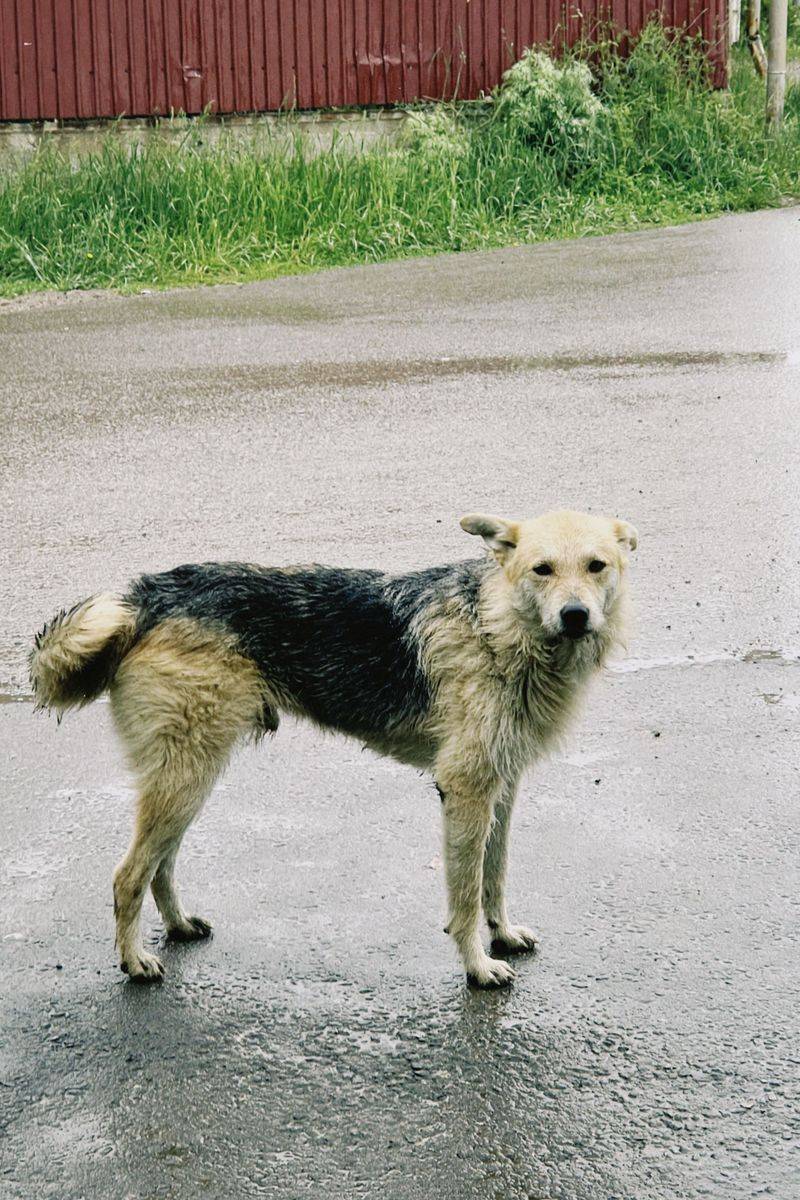
A careful report can help authorities act faster and with more confidence. Photos, times, dates, weather conditions, and the exact address all give useful detail.
Write down what you personally saw, not what neighbors guessed. Firsthand information is usually most helpful for an investigation.
Keep notes clear and factual, without exaggeration. If the problem continues, updated photos and time stamps can show a pattern.
One organized report often helps more than several scattered calls later.
19. Repeated Exposure to Severe Weather
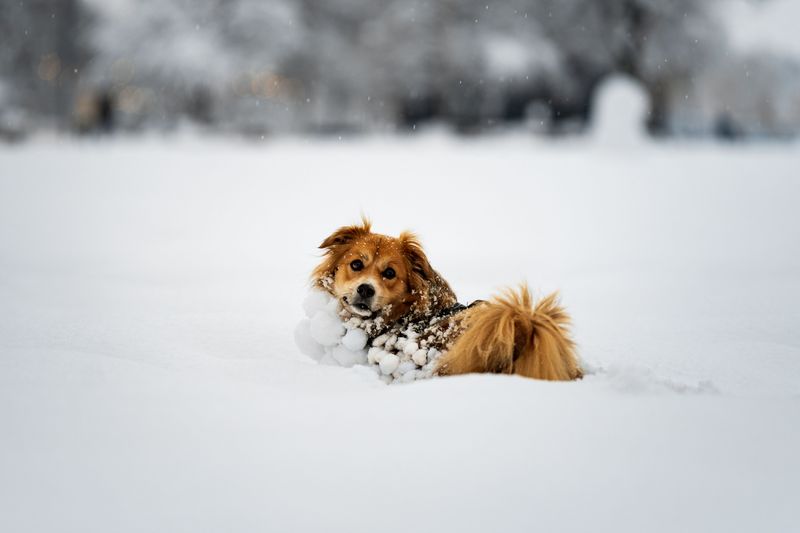
One bad weather mistake is serious, but repeated exposure tells a bigger story. If a dog is left out again and again in dangerous conditions, authorities may view it as neglect.
Patterns matter because they show the problem was not accidental. Repeated chaining, recurring lack of shelter, or exposure to freezing or sweltering weather can affect charges.
If you own the dog, change routines immediately. If you are reporting, keep a record of each incident.
20. How Owners Can Prepare Dogs Before a Severe Weather Event
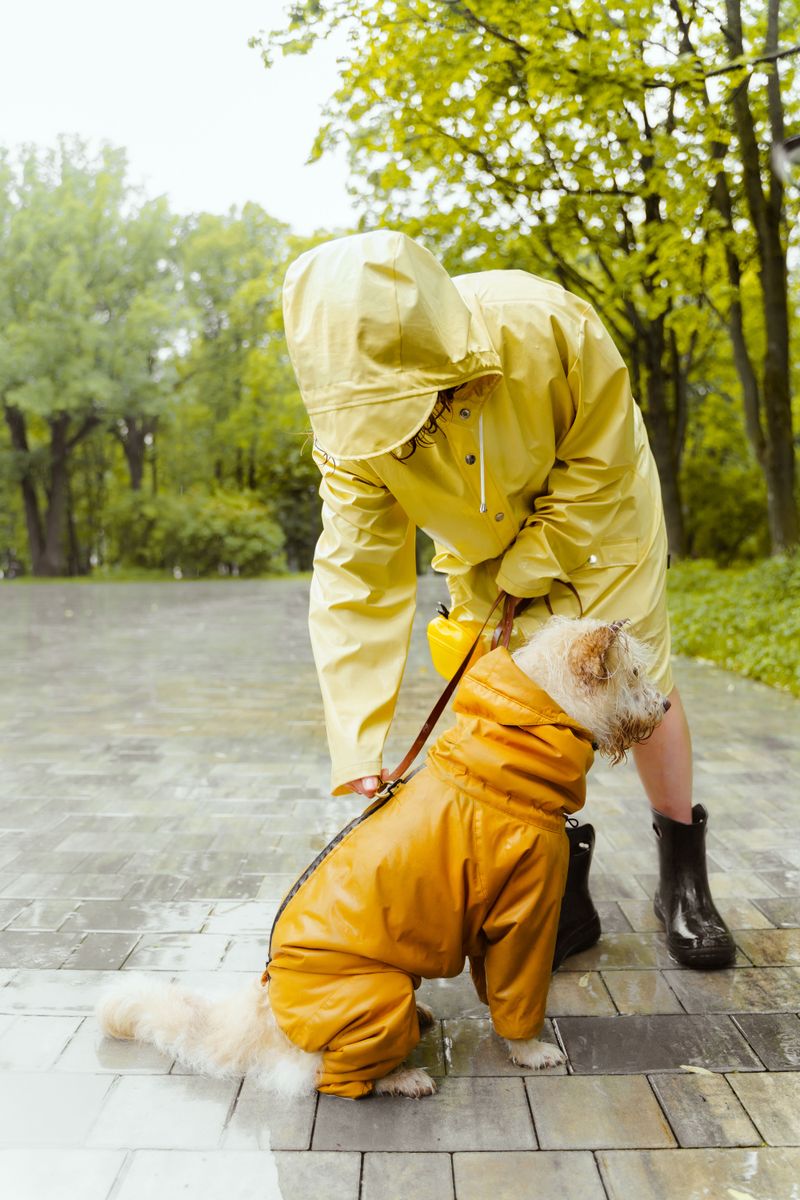
The best weather plan is usually the simplest one, bring your dog inside early. Before a storm or heat wave, check shelter, bedding, shade, water, food, and safe indoor space.
Keep leashes, towels, and any cold-weather gear ready near the door. Watch forecasts and local alerts, not just the current temperature.
A routine check can prevent legal trouble and keep your dog comfortable. When the weather turns rough, comfort and caution should lead every decision.