How Hurricane Evacuation Planning Changes When You Own A Dog In Louisiana
If you live anywhere from Lake Charles to New Orleans, you already know hurricane season shapes the summer calendar. Adding a dog to the mix changes almost every step of your plan, from where you sleep to how you pack.
The good news is that a little preparation now makes storm week far less stressful for both of you. Here is what local dog owners should sort out long before a name shows up on the forecast map.
Build a Pet-Specific Evacuation Plan Before Hurricane Season
Your family plan probably covers people first. Dogs need their own written version, ideally finished before June arrives.
Write down where you will go, who drives, and which crate rides where. Note your vet’s number, a backup contact, and your dog’s medications.
Keep a printed copy in the car, since phone service can fail.
Reviewing it each spring takes twenty minutes. That small habit removes most of the guesswork when a storm forms.
Know Your Parish’s Pet Evacuation Plan

Louisiana runs emergency response through parishes, not counties, and each one handles pets a little differently.
Some parishes may operate pickup points or assisted-evacuation services for residents without transportation, while others may coordinate with regional shelters or other emergency partners. Details change year to year, so confirm directly with your parish office of homeland security and emergency preparedness.
Signing up for local alert systems helps too. Many parishes text registered residents when pet-friendly transport opens.
Never Assume Your Dog Can Stay Home Safely
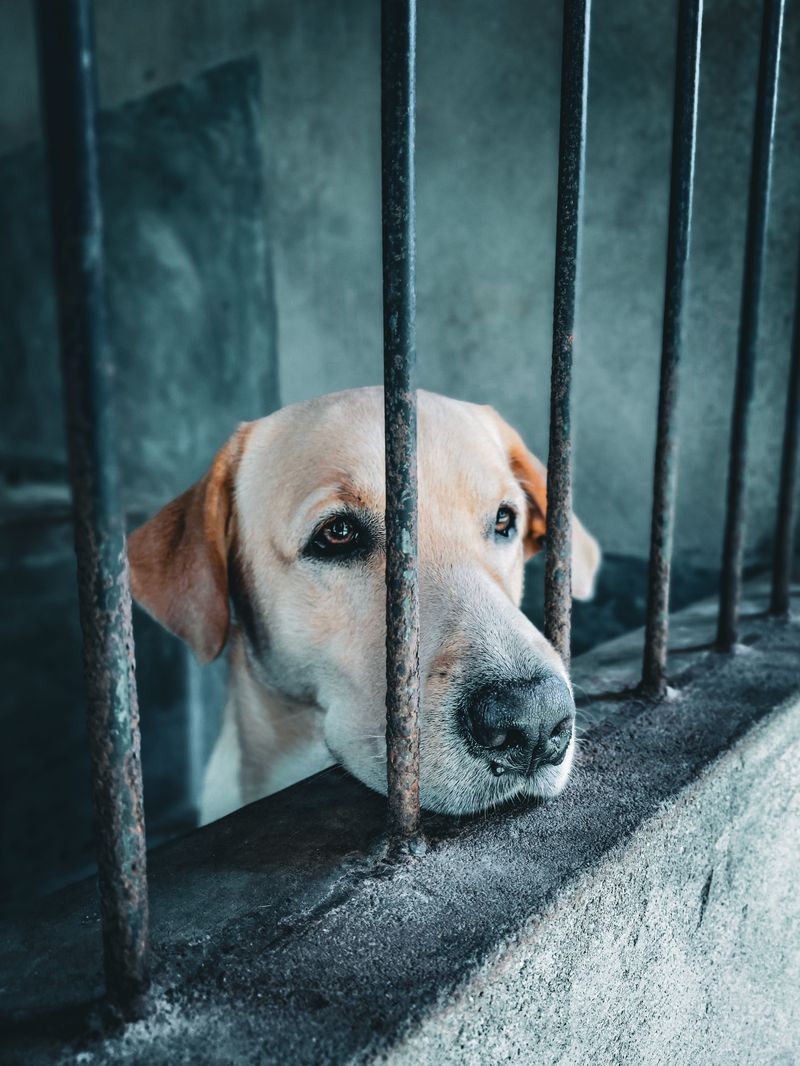
Leaving a dog behind with extra bowls of food sounds workable. In practice, flooding, heat, and long power outages make it unsafe.
Rescue crews may not reach neighborhoods quickly after a major storm. Federal emergency-planning requirements also provide for household pets and service animals during certain disasters.
The rule most emergency managers repeat is simple: if the area is unsafe for you, it is unsafe for your dog.
Choose Your Evacuation Destination in Advance
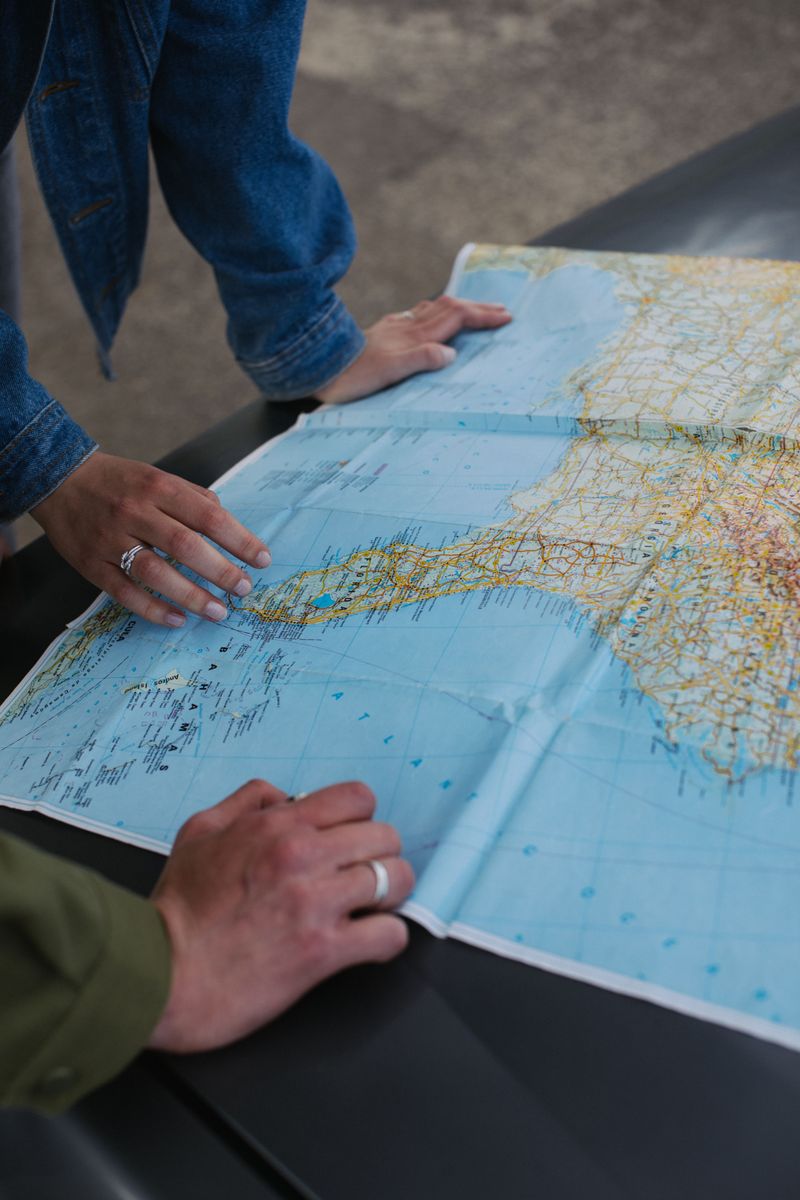
Deciding where to go while wind bands approach is the worst possible timing.
Pick two inland options now: a relative’s house, a friend north of I-10, or a booked hotel in Shreveport, Alexandria, or across the state line. Ask ahead whether dogs are genuinely welcome, including size and breed limits.
Storm traffic on I-10 and I-12 moves slowly. Knowing your endpoint lets you leave without a family debate in the driveway.
Plan More Than One Route Out of Louisiana

Contraflow can turn familiar highways into one-way rivers of traffic. Bridges close.
Low roads flood early.
Sketch a primary route and at least one alternate, using a mix of interstate and state highways as conditions allow. Mark potential rest stops with areas where your dog can stretch safely on leash.
Fuel matters more with a dog aboard, since idling keeps the air conditioning running. Keep the tank above half once a storm enters the Gulf.
Find Pet-Friendly Hotels Before You Need One
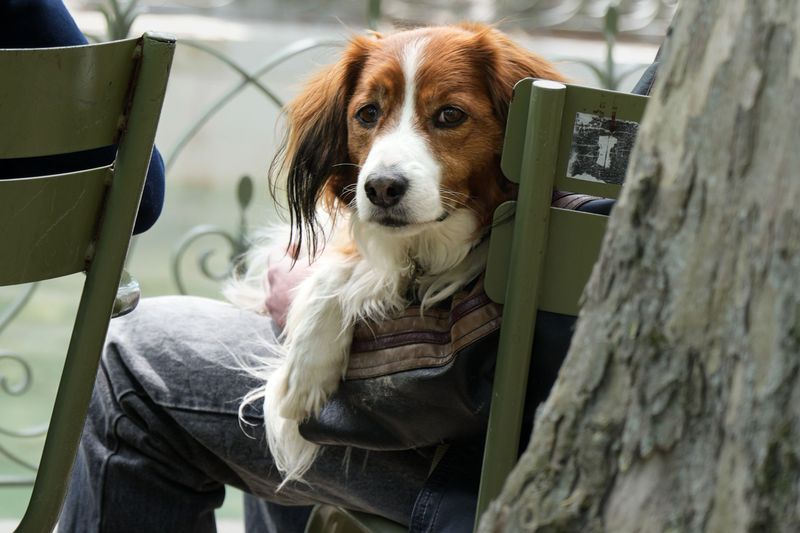
Rooms that accept dogs vanish first once a Gulf storm looks organized.
Build a list of pet-friendly hotels along each route, with phone numbers saved offline. Note fees, weight caps, and how many animals per room are allowed.
Some hotels may relax pet restrictions during declared emergencies, but policies vary by property. Call ahead rather than assuming a normally non-pet-friendly hotel will accept animals.
Booking a refundable room early costs nothing and buys real peace of mind.
Know Where Pet Shelters May Be Available
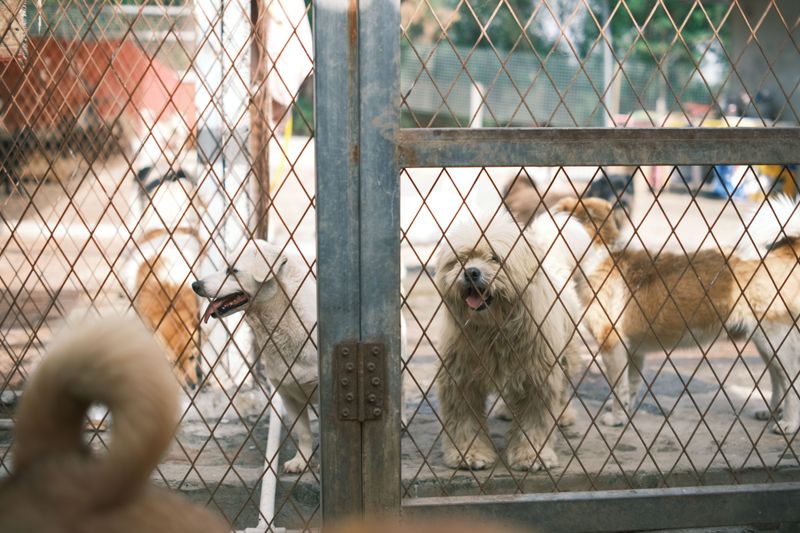
Louisiana has co-located shelters where people stay in one area and pets stay nearby in a managed space.
The state megashelter in Alexandria has handled pet sheltering in past events, and parish shelters sometimes do the same. Availability depends on the storm and the declaration.
Check the Louisiana Department of Health and your parish website for current shelter openings. Bring your own crate, food, and records, because supplies are rarely guaranteed.
Prepare a Dog Evacuation Kit
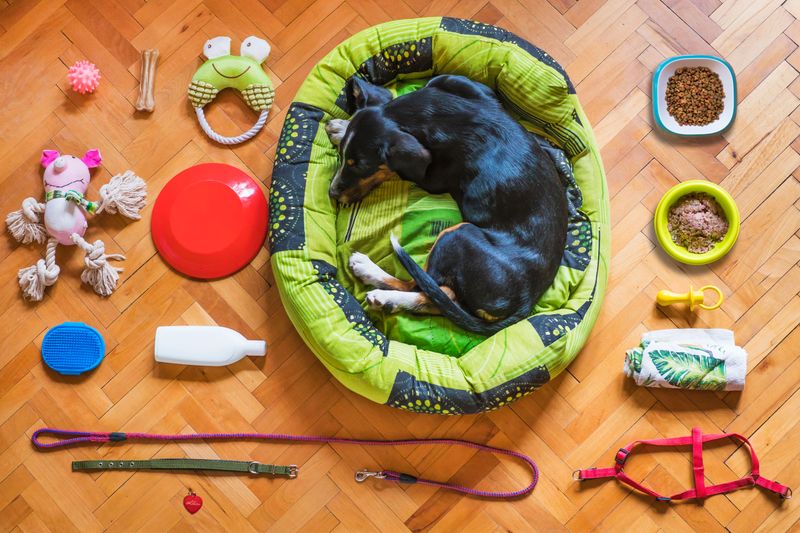
Think of it as a go-bag your dog would pack if thumbs were an option.
Use a sealed plastic bin: collapsible bowls, leash and spare leash, harness, waste bags, towels, a favorite toy, and cleaning wipes.
Add a flashlight, a manual can opener, and a blanket that smells like home. Familiar scents settle nervous dogs in strange rooms.
Store the bin near the door so loading takes one trip.
Pack Enough Food, Water, and Medicine

Keep at least several days of food, water, and medications ready, and follow local emergency-management guidance on how much to store for an extended evacuation.
Portion dry food into sealed bags so nothing spoils in humidity. Pack one gallon of water per day for a medium dog, plus extra for rinsing paws.
Refill prescriptions early in the season, since pharmacies and clinics may close. Ask your veterinarian about a written backup prescription.
Rotate stored food every few months to keep it fresh.
Keep Vaccination and Medical Records Ready

Shelters and boarding facilities may require proof of current vaccinations, especially rabies, before accepting a dog.
Keep paper copies in a waterproof sleeve and photograph everything for your phone and cloud storage. Include the rabies certificate, recent exam notes, and any medication list.
Add a current photo of you with your dog. That single image helps enormously if you are separated and need to prove ownership at a reunification point.
Make Sure Your Dog’s Identification Is Current
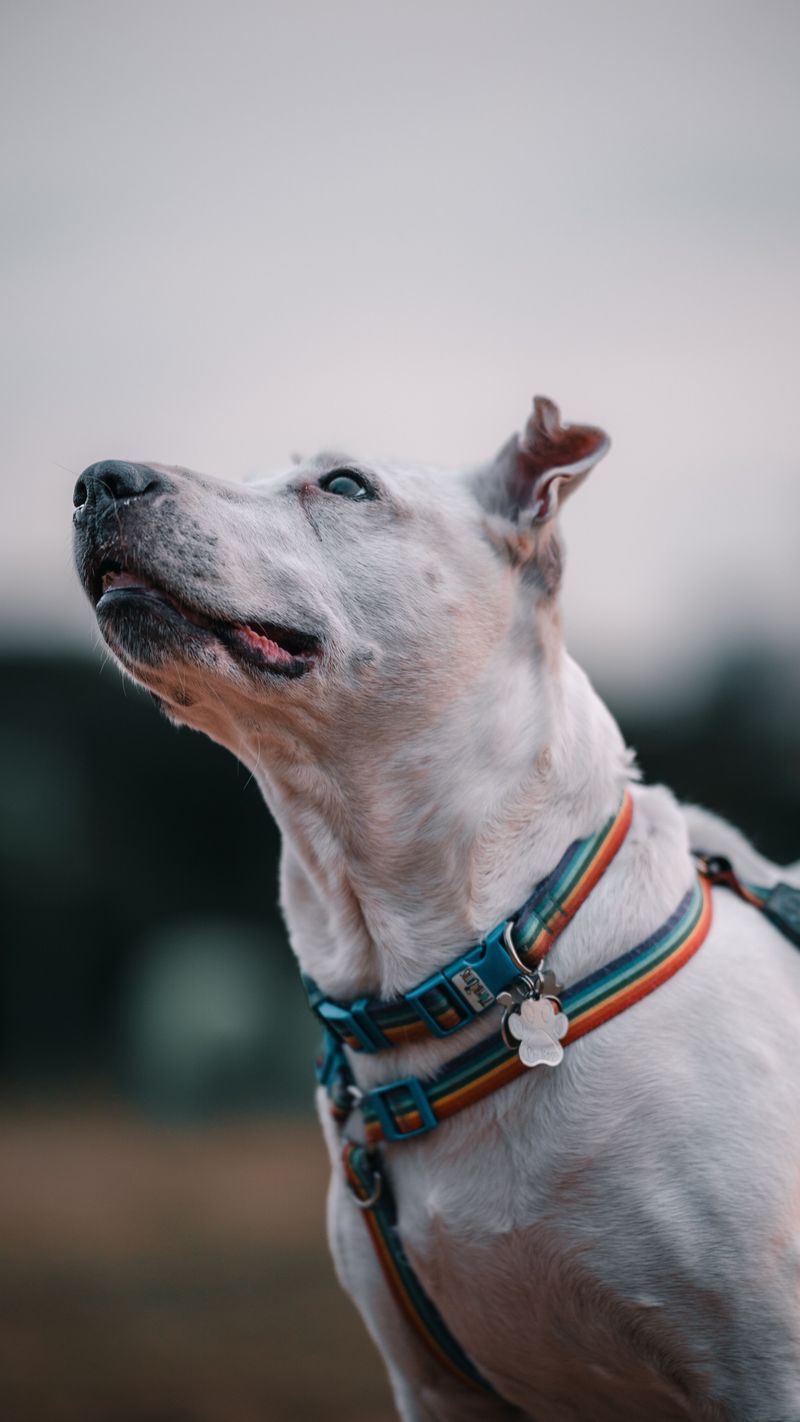
After major Gulf Coast storms, animal shelters and rescue organizations have reported taking in large numbers of displaced animals, including pets without readily available identification.
A microchip only works when the registry has your current phone number, so log in and update it. Pair the chip with a collar tag listing two numbers, including an out-of-state contact.
Some owners add a temporary tag with their evacuation destination. Louisiana requires rabies vaccination for dogs, and that tag doubles as useful identification.
Prepare for Evacuation Transportation
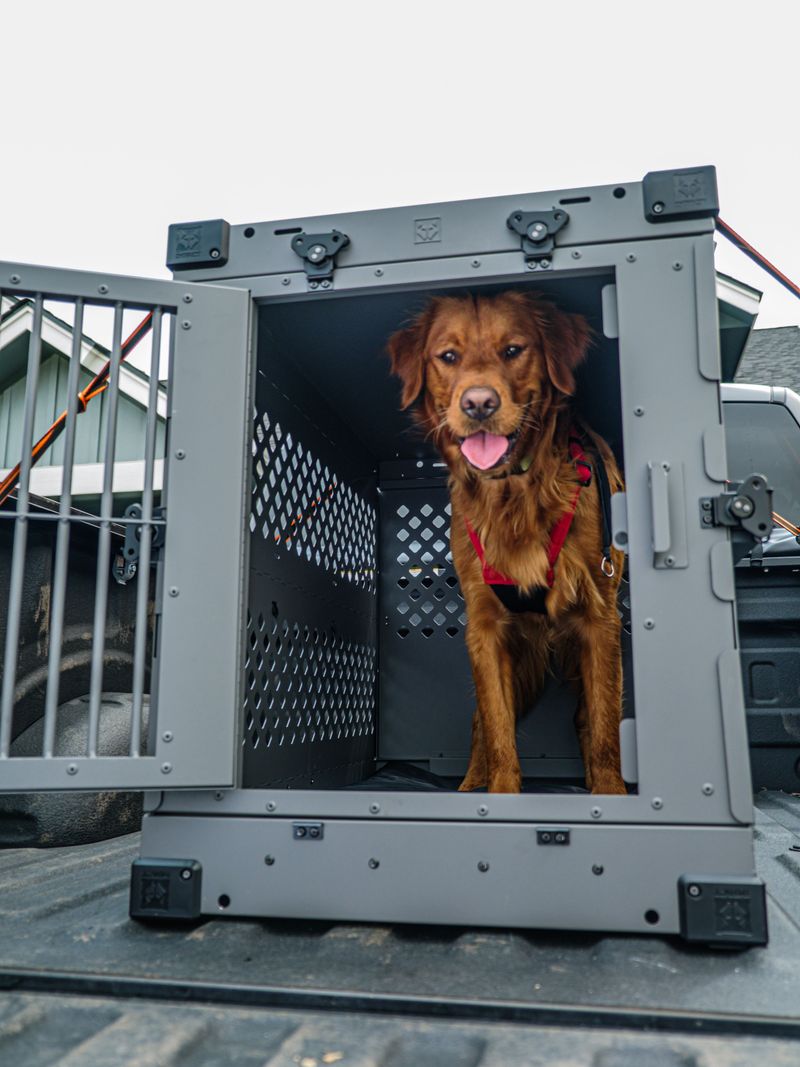
Space disappears fast once coolers, bags, and family members are inside the vehicle.
Measure your crate against your cargo area before storm season. If it will not fit, buy a collapsible model that does.
Riders without cars should ask their parish about assisted evacuation, where dogs typically must travel in carriers. Registration for those programs often happens well before hurricane season begins, so ask early.
Practice Getting Your Dog Into the Car or Crate
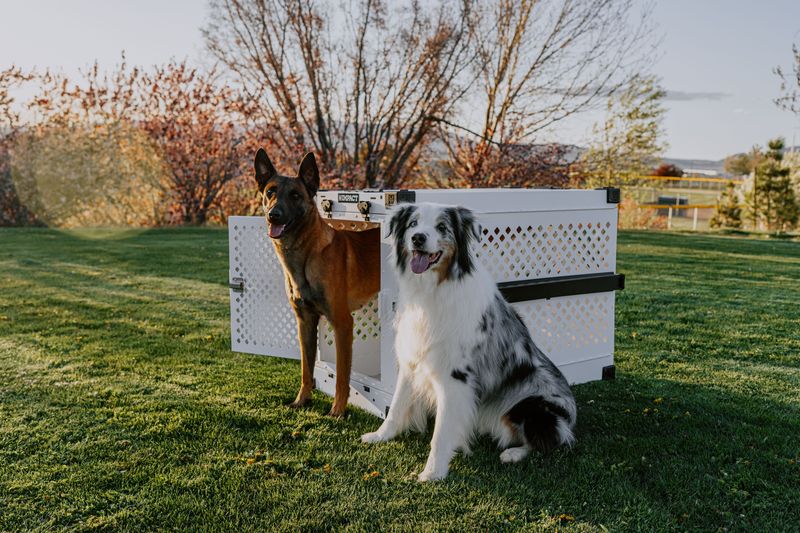
A dog who has never loved the crate will not suddenly cooperate during a rushed morning.
Spend a few evenings feeding meals inside the crate with the door open. Add short car rides that end somewhere pleasant, like a park.
Reward calm entry with treats and quiet praise. Ten minutes of practice a week builds a dog who loads quickly, which can save real time when the roads fill.
Keep Your Dog Secure During the Evacuation
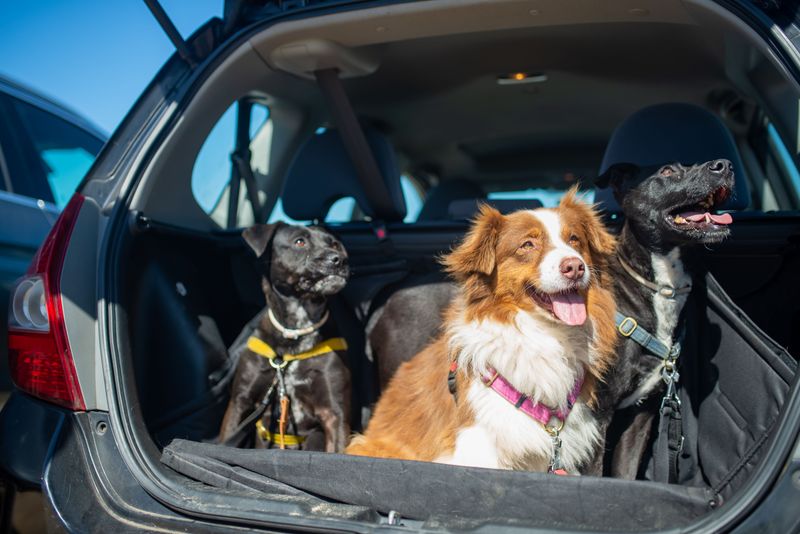
Long drives with sirens, wind, and unfamiliar stops can rattle even steady dogs.
Use a secured crate or a harness attached to the seat belt. Loose dogs distract drivers and can slip out at rest stops.
Keep the leash clipped before any door opens. Louisiana heat is unforgiving, so never leave your dog in a parked car, even briefly with windows cracked.
Have a Backup Caregiver
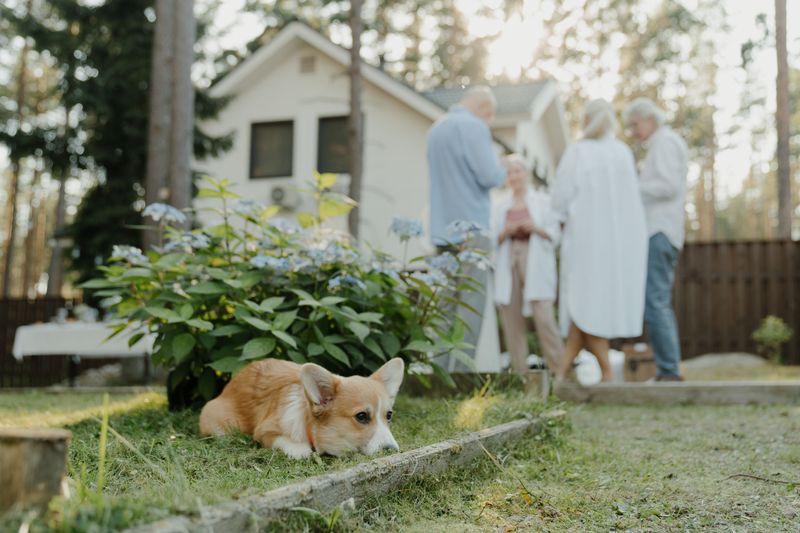
Work shifts, hospital stays, and closed bridges all happen during storms. Someone else may need to move your dog.
Arrange with a neighbor, relative, or friend who lives inland and knows your dog already. Give them a key, feeding instructions, and your vet’s contact details.
Confirm the arrangement each season rather than assuming it still holds. People move, and plans quietly expire without anyone noticing.
Prepare for Shelter Rules and Limited Space
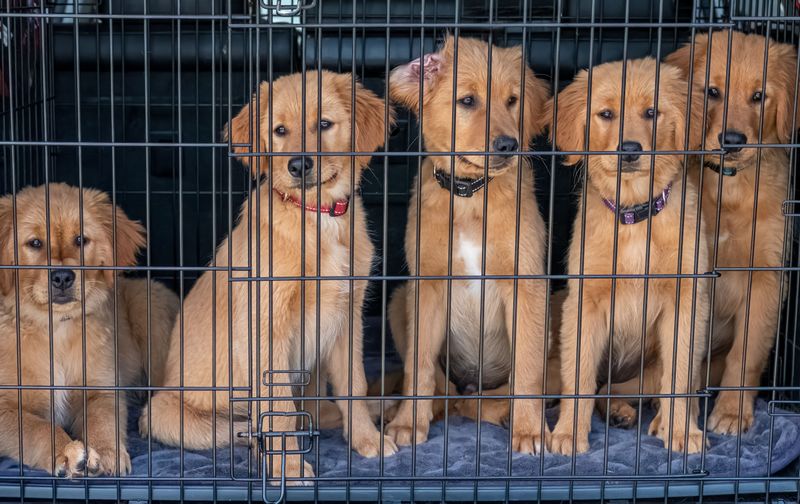
Shelter staff manage many animals at once, so structure keeps everyone comfortable.
Expect requirements like proof of rabies vaccination, a labeled crate, your own food, and leashes at all times. Some sites limit how many pets each household may bring.
Owners are usually asked to help with feeding and cleaning. Packing a quiet chew and a familiar blanket makes those long shelter hours easier for a restless dog.
Leave Early When Evacuation Is Ordered
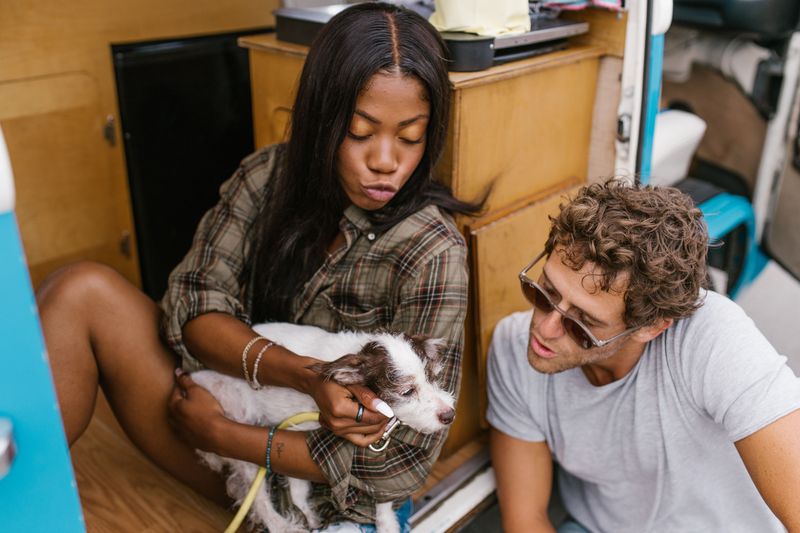
Timing is the single biggest advantage a dog owner has.
Leaving during the voluntary phase means shorter lines, open hotel rooms, and calmer traffic. Waiting for the mandatory order often means hours in gridlock with a panting passenger.
Louisiana officials often encourage residents to evacuate early when evacuation is advised. Follow current state and local instructions on timing and contraflow, and leave with enough time for your dog to travel comfortably.
Keep Your Dog Leashed After the Storm
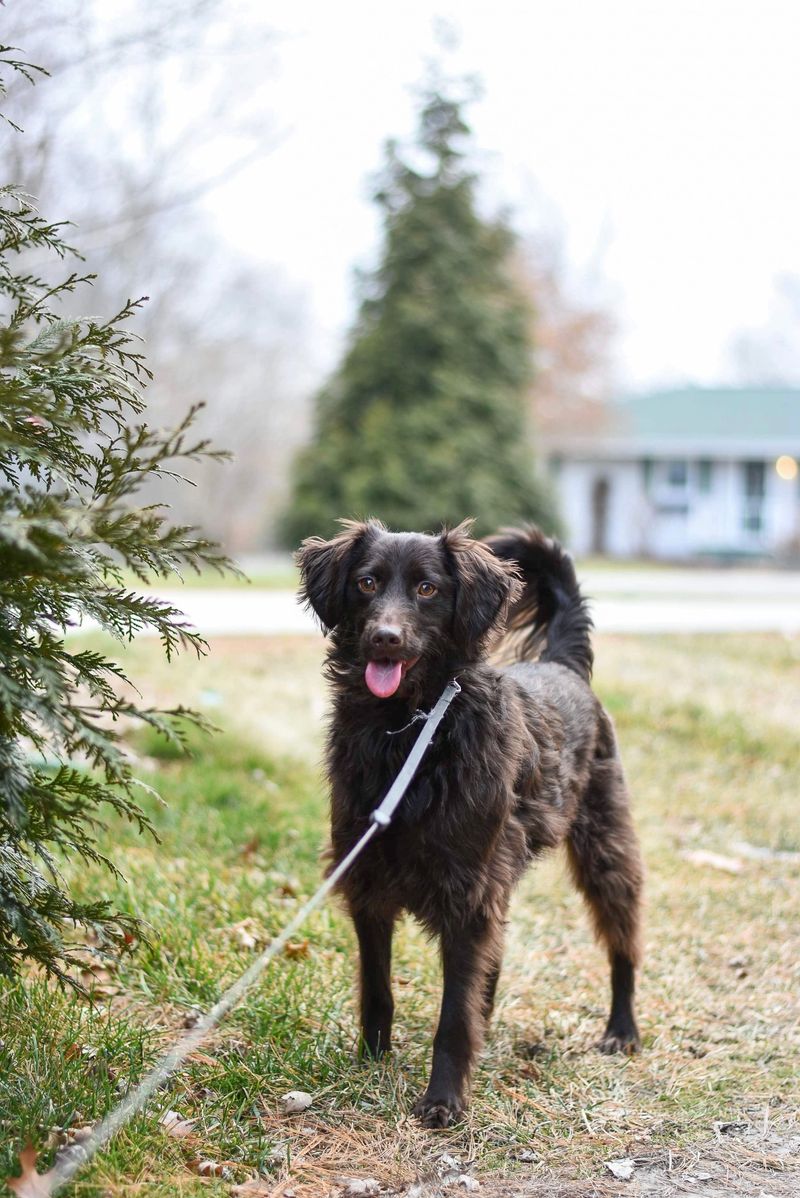
Coming home feels like relief, but the yard your dog remembers has changed.
Downed fences, sharp debris, standing water, and displaced wildlife all create hazards. Familiar scent markers wash away, so dogs disorient easily and wander.
Walk on leash until you have inspected the property in daylight. Rinse paws after contact with floodwater, and call your veterinarian if your dog seems unwell afterward.
Check Local Emergency Updates Throughout the Evacuation

Conditions shift hourly, and so do shelter openings and road closures.
Follow your parish emergency office, the Governor’s Office of Homeland Security, and trusted local broadcasters. A battery radio covers you when cell towers struggle.
Watch for reentry announcements, since returning too soon creates traffic problems for repair crews.
Preparation is what turns a stressful week into a manageable one. Plan calmly now, and your dog rides out the season beside you.