How To Plan Interisland Travel When You Own A Dog In Hawaii

Hawaii is the only rabies-free state in the country, and that single fact shapes almost everything about hopping between islands with a dog. Once your pup has cleared the state’s entry process, moving from Oahu to Maui or Kauai gets much simpler, but airlines, rental cars and hotels all keep their own rulebooks.
A little planning turns a stressful travel day into a smooth one. Here is how to map it out, step by step, so your dog lands happy.
Check Hawaii’s Pet Import Rules Before You Book

Hawaii guards its rabies-free status carefully, and the Animal Industry Division sets the terms. Dogs arriving from the mainland must clear the state program before they ever sniff island air.
Once your dog is legally in Hawaii, interisland trips are far easier. Still, read the current rules on the Department of Agriculture site first.
Book flights only after you confirm your dog’s paperwork status. Guessing here costs money and quarantine time.
Decide Which Islands Fit Your Dog Best
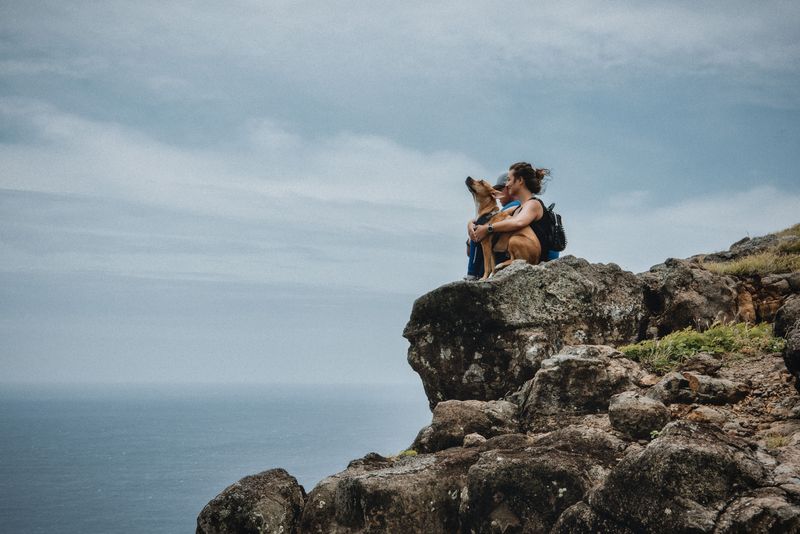
Not every island suits every pup. Oahu offers shady parks, sidewalks and plenty of veterinary clinics within a short drive.
Maui and Kauai lean quieter, with more open space and fewer crowds. Hawaii Island spans huge distances, so expect long car rides between towns.
Match the island to your dog’s stamina and temperament. A senior snoozer wants calm; a young sprinter wants room to romp.
Choose Flights With Your Dog’s Needs in Mind
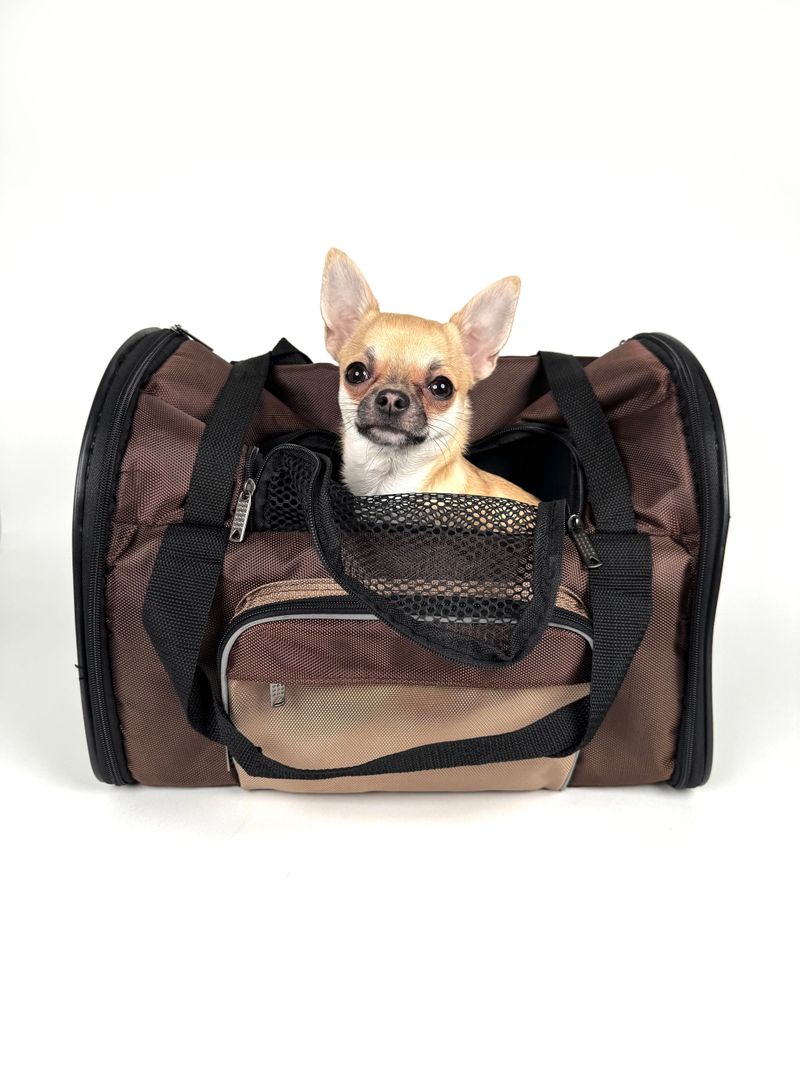
Interisland carriers each handle pets differently. Hawaiian Airlines allows small dogs to travel in the cabin on flights within Hawaiʻi, while larger dogs may be eligible for the temperature-controlled baggage compartment, subject to the airline’s current restrictions and availability.
Mokulele and smaller operators have tighter weight limits and fewer pet spots per flight. Call ahead, because online booking rarely covers pets fully.
Morning departures tend to run cooler and closer to schedule. Reserve your dog’s spot the moment you buy your own ticket.
Understand When a Health Certificate May Be Needed
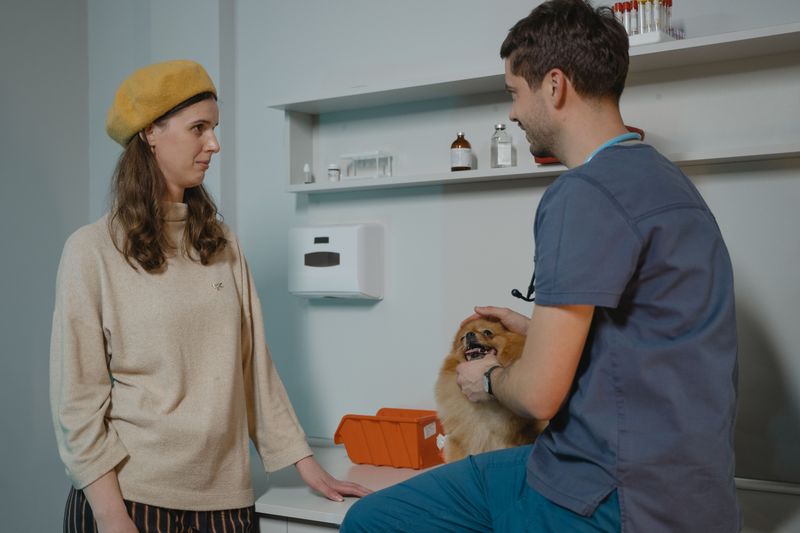
Paperwork sounds dull until an agent asks for it at the counter. Many airlines request a recent health certificate signed by a licensed veterinarian.
Timing matters, since Hawaiʻi’s animal-entry requirements generally call for a health certificate issued within 14 days of arrival, while individual airlines may impose their own deadlines. Check both requirements before scheduling the veterinary exam.
Keep a printed copy and a phone photo. Digital backups have saved plenty of travelers a frantic morning.
Plan Around Your Dog’s Vaccination Records

Records are your dog’s passport in Hawaii. Rabies vaccination dates, microchip numbers and the original entry approval should live in one folder.
Boarding facilities and doggy daycares on other islands usually ask for proof of current vaccines too. Bordetella often tops their list.
Snap clear photos of every page before you leave. Paper gets soggy fast in island humidity, and folders vanish.
Research Direct Interisland Flights
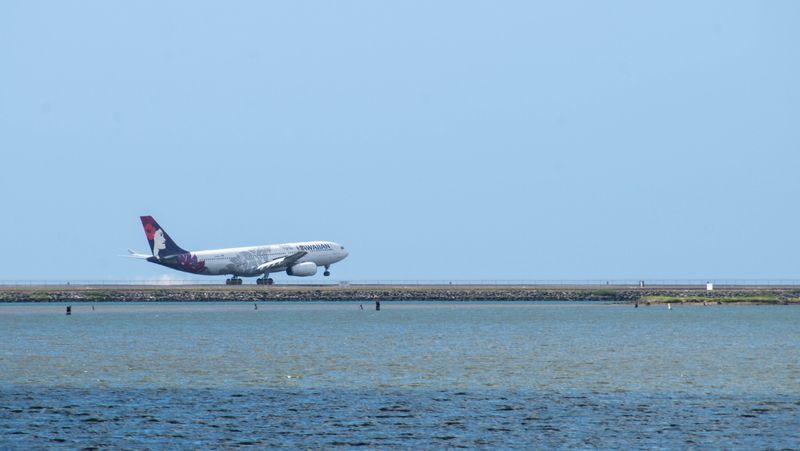
Connections multiply stress for dogs. A nonstop flight from Honolulu to Kahului is a short interisland trip, which can make the journey simpler for many dogs.
Layovers mean extra handling, extra noise and extra chances for delay. Skip them whenever the schedule allows.
Check whether your route uses a jet or a smaller prop aircraft. Cabin space and pet policies shift between the two.
Consider Your Dog’s Size and Carrier Rules

Measure twice, fly once. Most in-cabin carriers must slide under the seat, roughly seventeen by eleven by nine inches on interisland jets.
Your dog should stand, turn and lie down inside comfortably. Airline staff do check this at the gate.
Larger dogs typically travel as checked pets in hard kennels. Add absorbent bedding and label the crate with your phone number.
Build Extra Time Into Your Airport Schedule

Pet check-in rarely happens at the kiosk. Counters at Daniel K.
Inouye International in Honolulu often require an agent to verify documents in person.
Arrive at least two hours early, even for a short hop. Lines move slowly when paperwork is involved.
Use the spare minutes for a potty break and a walk. A tired dog settles faster once boarding starts.
Know the Rules for Rental Cars
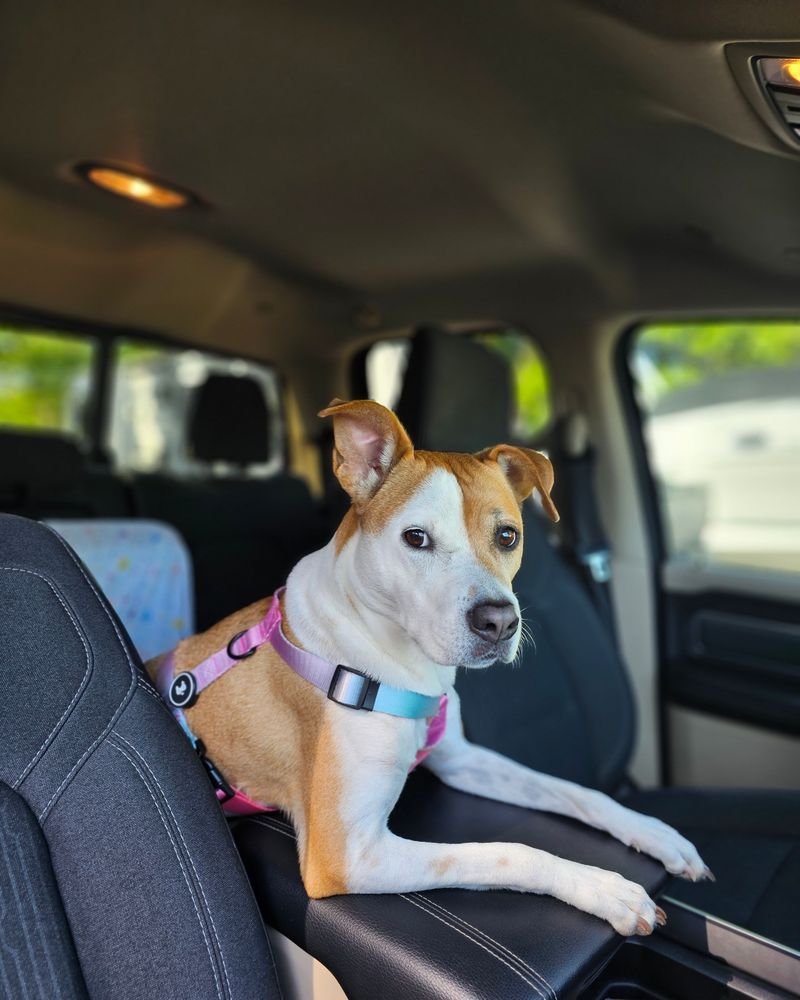
Rental companies in Hawaii generally allow dogs, but cleaning fees appear fast when fur does. Bring a seat cover and a lint roller.
Confirm the pet policy when you reserve, not at the counter. Policies vary by branch and by island.
A harness or crash-tested restraint keeps everyone safer on winding roads like the route toward Hana.
Pick Dog-Friendly Places to Stay

Resorts and rentals differ wildly here. Some Hawaiʻi properties welcome pets, while others restrict ordinary pets and accommodate service animals under applicable disability-access laws.
Vacation rentals with fenced yards often beat hotels for comfort. Message the host directly and ask about weight limits.
Get written confirmation in your booking. Arriving with a dog and no approval makes for a very long evening.
Research Dog-Friendly Beaches and Parks
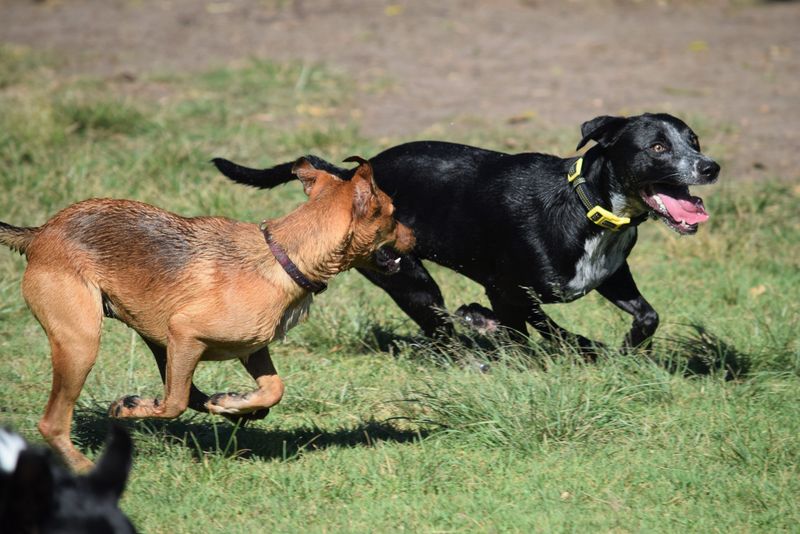
Leash laws rule the islands, and many beaches restrict dogs entirely. Do your homework before packing the frisbee.
Check current county rules before visiting a beach or park with your dog. Dog-access policies can vary by location, and official park listings do not by themselves establish that Kekaha Beach Park permits dogs in designated areas.
County websites list current rules best. Signs change, and a quick check saves you an awkward conversation with an officer.
Plan for Hawaii’s Heat and Humidity
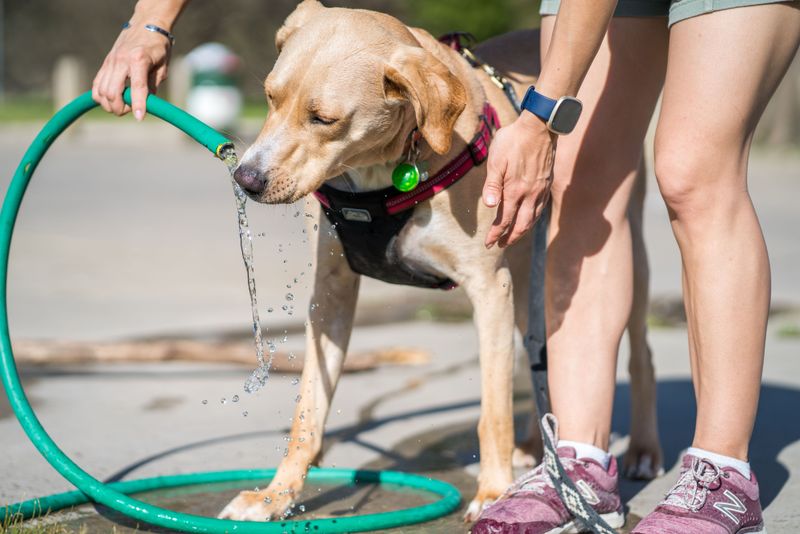
Island sun works quickly on a furry body. Pavement in Kona can scorch paw pads by mid-morning, so test it with your hand.
Walk early or after sunset when the trade winds cool things down. Carry a collapsible bowl everywhere.
Flat-faced breeds struggle most in humidity. Watch for heavy panting and head indoors before your pup overheats.
Keep Island-Hopping Days Simple
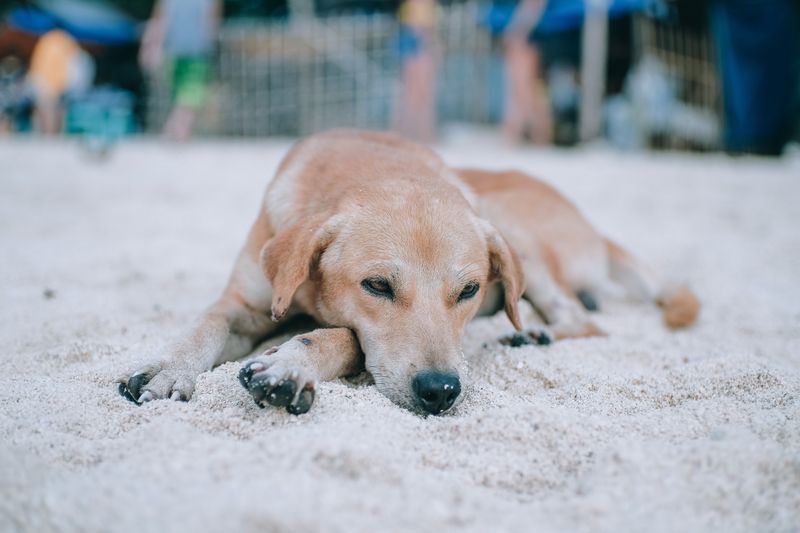
Cramming three activities into a travel day rarely ends well. Fly, settle in, then explore tomorrow.
Dogs read our energy, so a rushed schedule makes them jumpy. One flight per day is plenty.
Plan a quiet arrival routine: unpack the bed, offer water, take a short stroll. Familiar patterns tell your dog everything is fine.
Prepare a Familiar Travel Kit
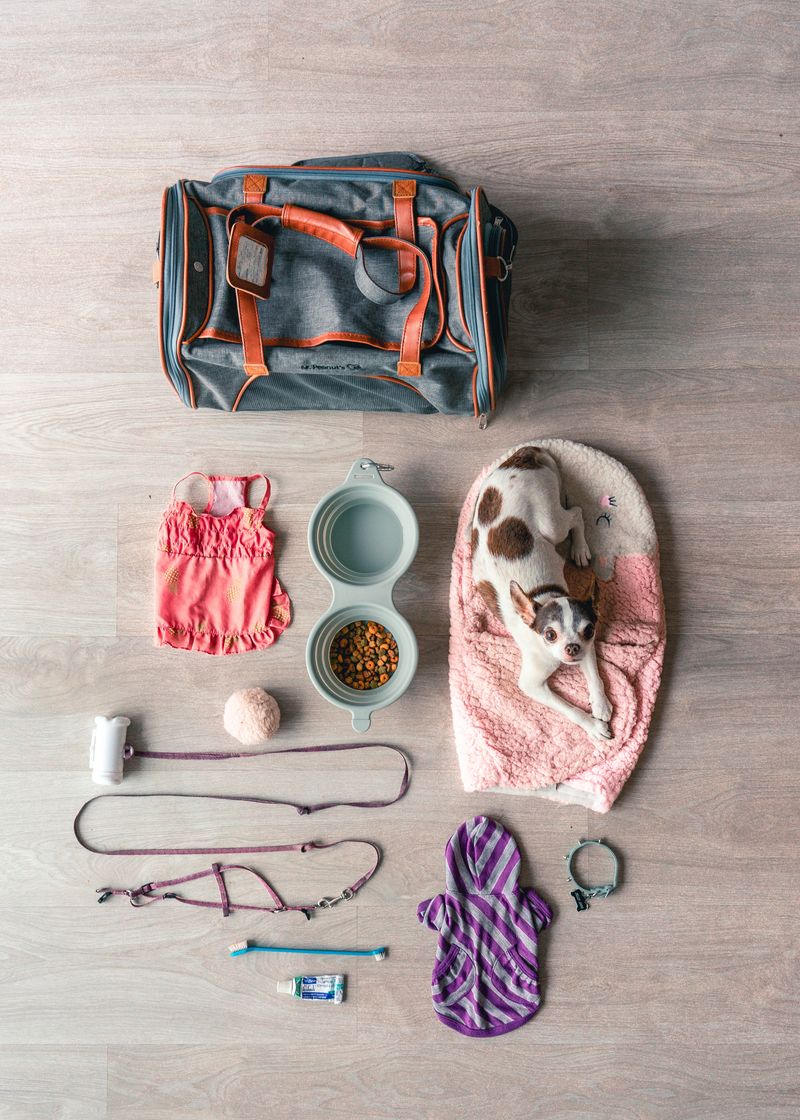
Comfort travels in a tote bag. Pack the same food, the same treats and a blanket that smells like home.
Add poop bags, a spare leash, wipes and any medications in original containers. Island stores may not carry your brand.
Toss in one beloved chew toy. A familiar squeak works wonders in an unfamiliar condo at bedtime.
Locate a Veterinarian on Each Island
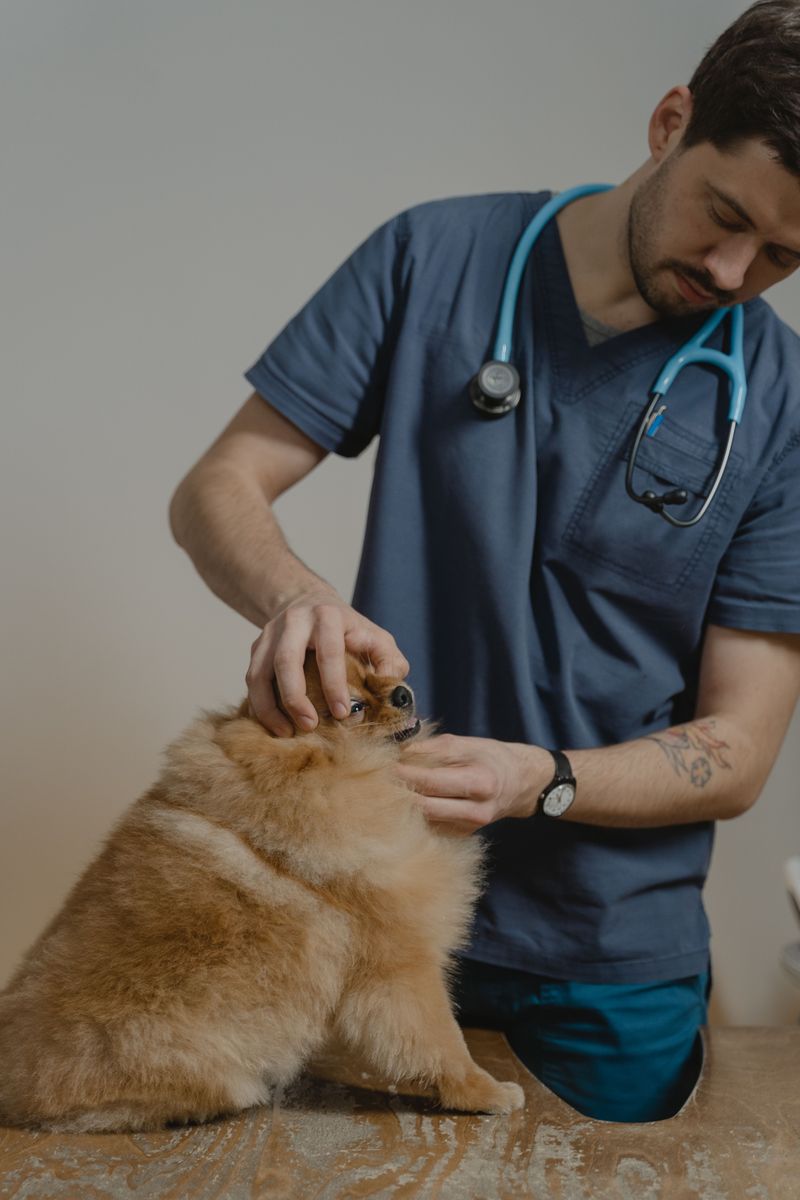
Emergencies never check the calendar. Before landing, save the address of one clinic near your lodging on every island you visit.
Maui has clinics clustered around Kahului and Kihei, while Kauai options concentrate near Lihue. Rural areas can mean a long drive.
Note after-hours numbers too. Knowing where to go beats searching online during a stressful moment.
Have a Backup Plan for Delays
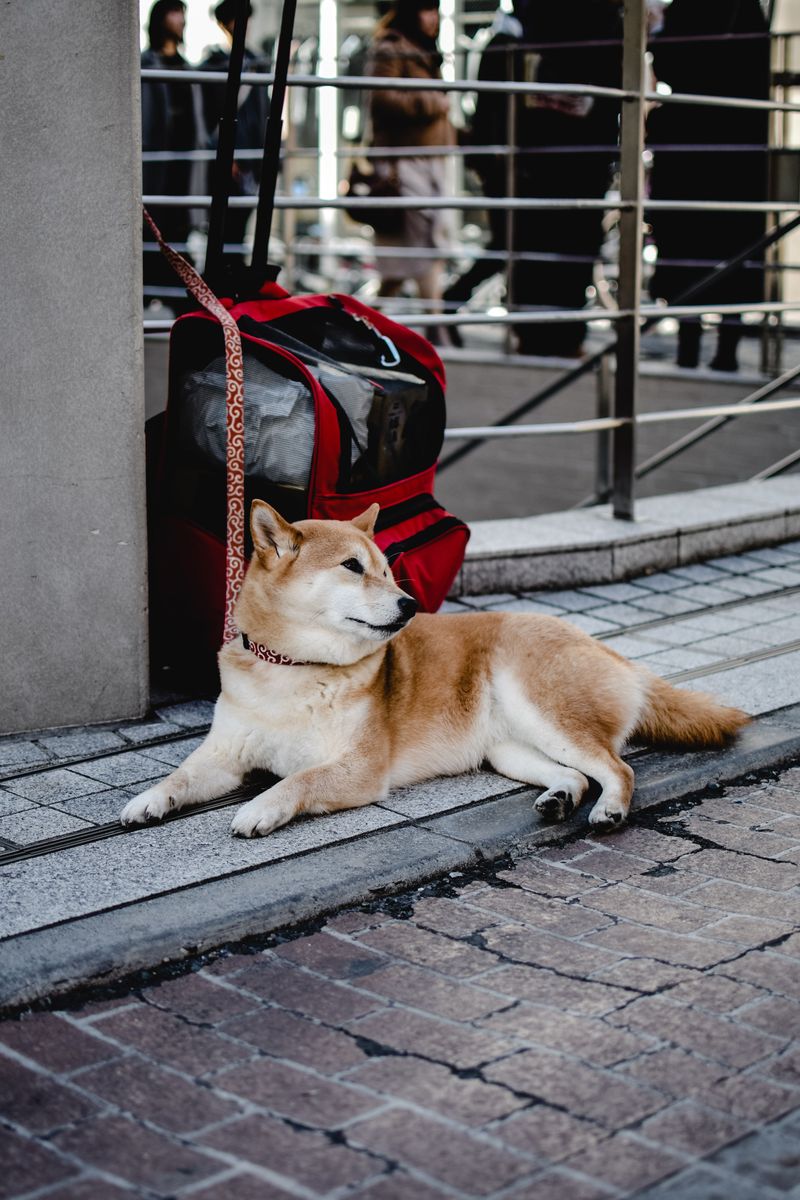
Weather can disrupt interisland flights, so build some flexibility into your plans. Strong winds, heavy rain and other weather conditions can affect operations.
Keep an extra day of food, water and medication in your carry-on. Checked bags sometimes wander off alone.
Identify a pet-friendly hotel near each airport ahead of time. Should plans slide, you will already know where to sleep.