What Michigan Dog Owners Should Know About Dogs And Wildlife In State Parks
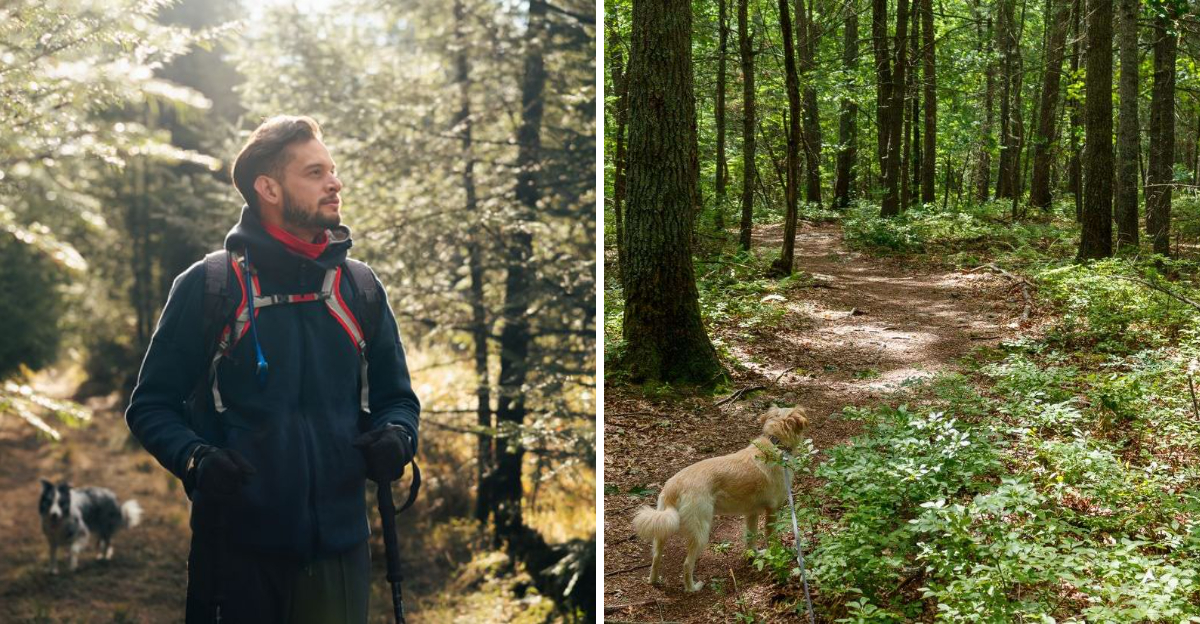
Michigan state parks give dogs some of the best walking in the Midwest, from dune trails to quiet northern forests. Those same paths belong to deer, coyotes, porcupines, and plenty of smaller neighbors.
Knowing how to share the space keeps your dog comfortable and lets wildlife carry on undisturbed. Here is the practical, local knowledge every Michigan dog owner can use before the next trailhead, campsite, or shoreline outing.
Know Which Wildlife Your Dog May Encounter
Michigan trails hold more neighbors than most owners expect. White-tailed deer, coyotes, raccoons, skunks, and porcupines share these woods.
Black bears roam northern counties and much of the Upper Peninsula.
The shy eastern massasauga rattlesnake lives in some wetlands, though sightings stay rare. Learning which species live near your favorite park helps you plan ahead.
Park staff and the Michigan DNR website post local wildlife notes. A little homework makes every walk calmer.
Keep Your Dog on a Leash
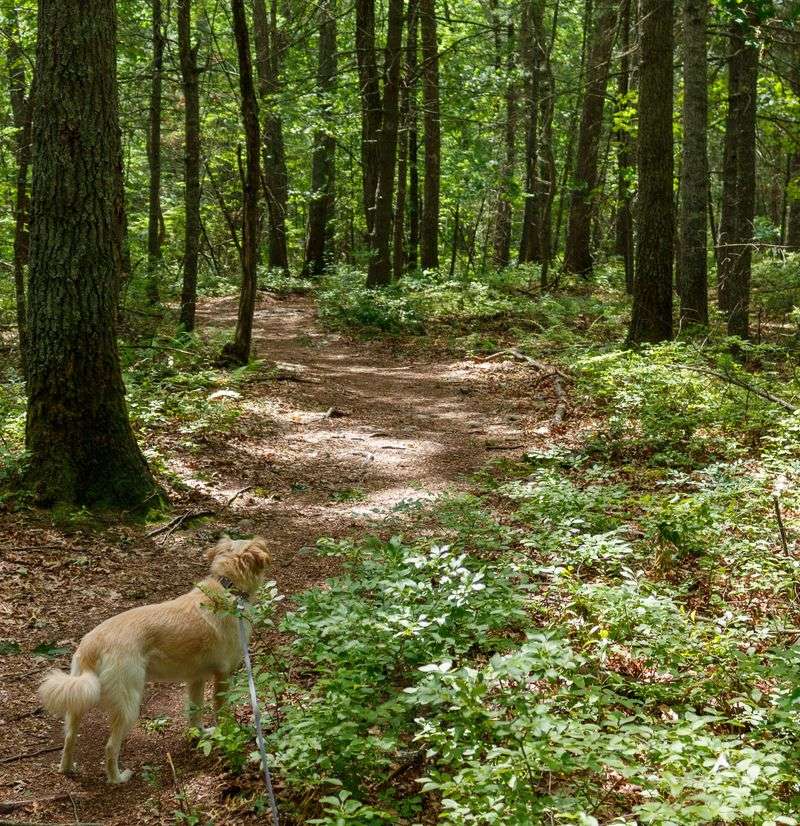
Leash rules in Michigan state parks are simple and firm. Pets must stay on a leash no longer than six feet.
Rangers enforce that rule on trails, in campgrounds, and in day-use areas.
Beyond the regulation, the leash is your best safety tool. It keeps your dog out of reach of startled animals.
It also stops fast chases that end far from the trail. Clip it on before you leave the car.
Give Deer Plenty of Space
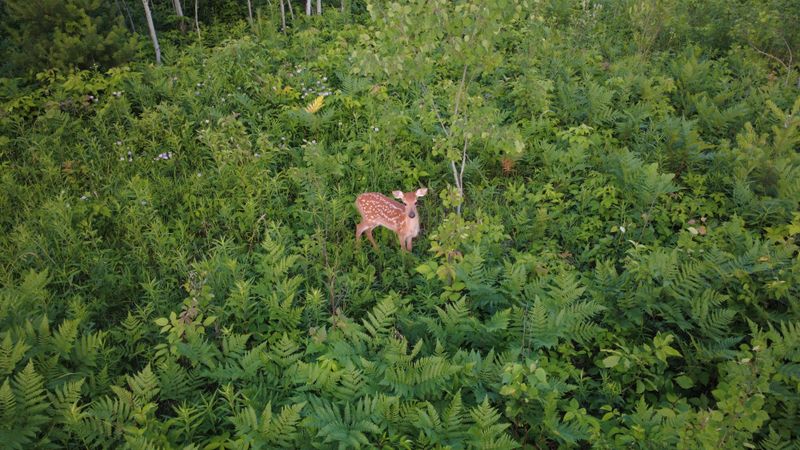
Deer look calm, but a doe with fawns nearby can be protective. Hooves and antlers give them serious defense.
Autumn brings the rut, when bucks act bolder than usual.
Step off the trail, shorten your leash, and let deer move along. Avoid letting your dog bark or lunge.
Most encounters end quietly when you stay still and give them room. Deer often freeze first, then choose their own exit route.
Patience costs you a minute.
Watch for Coyotes
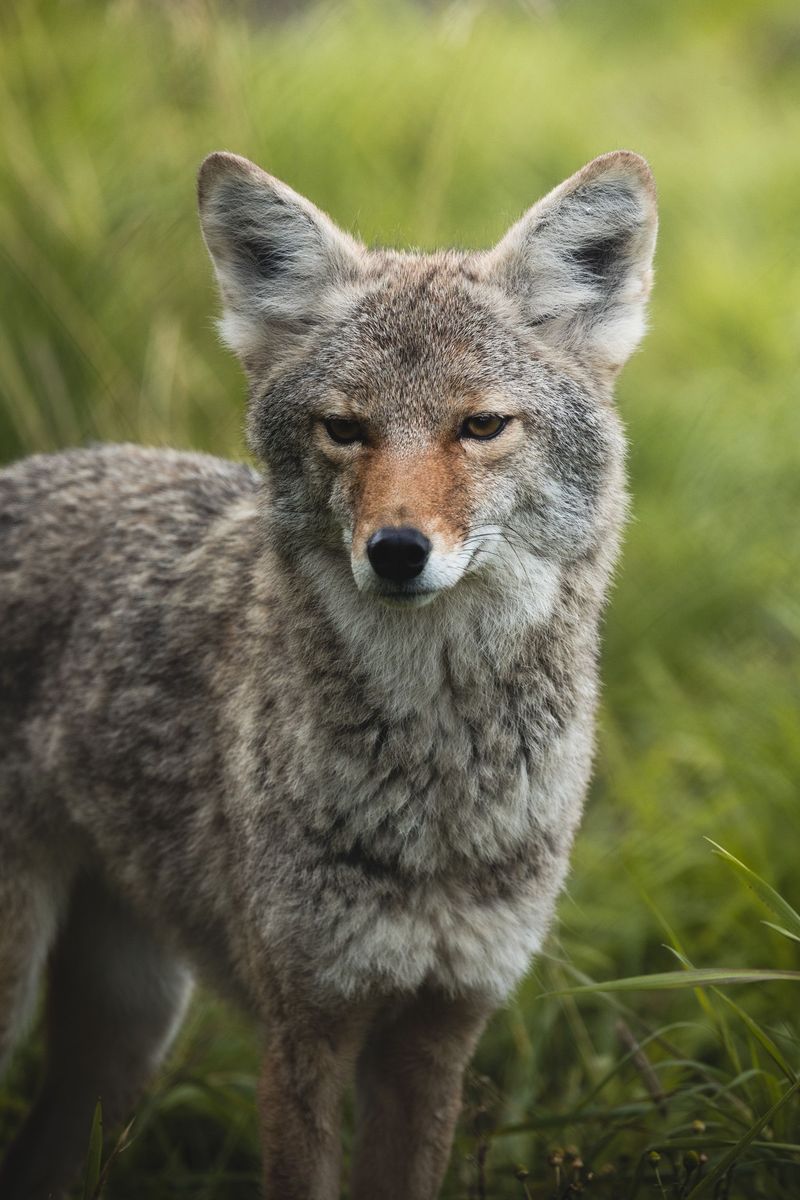
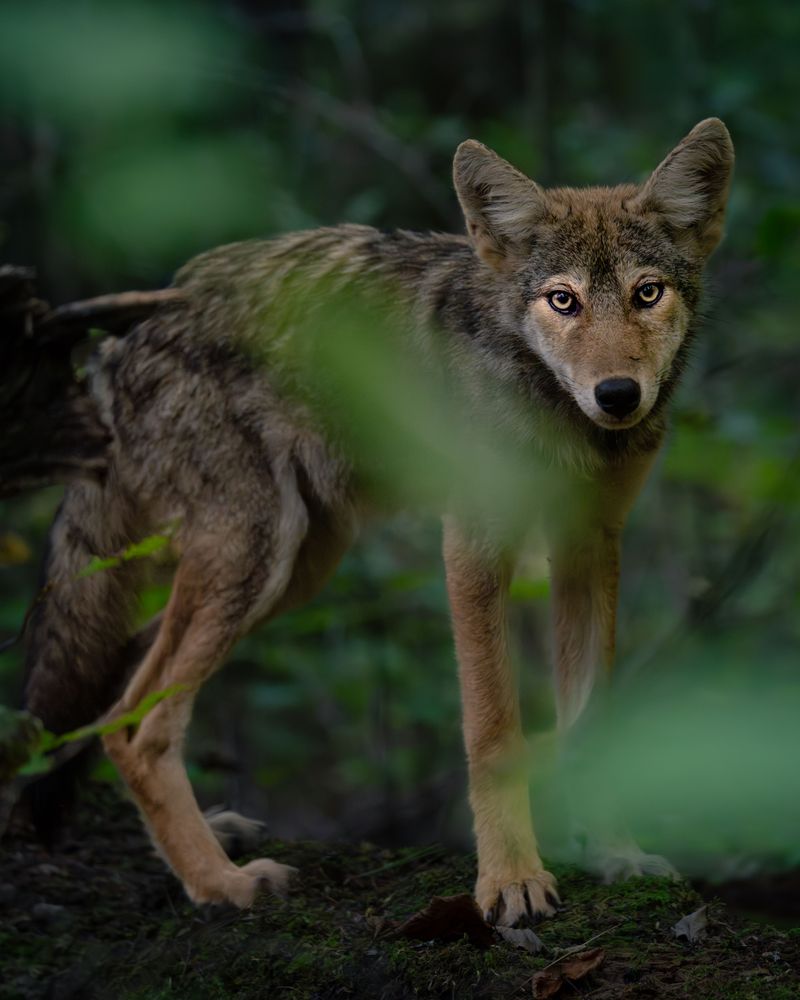
Coyotes live in every Michigan county, cities included. They stay busiest around dawn and dusk.
Late winter and spring bring more activity, since that is pup season.
If one appears, keep your dog close and leave calmly. Making noise, waving your arms, and looking large usually encourages one to move off.
Never let your dog investigate. Small dogs should be lifted and carried.
Walk away, do not run. Report bold behavior to park staff.
Be Careful Around Porcupines
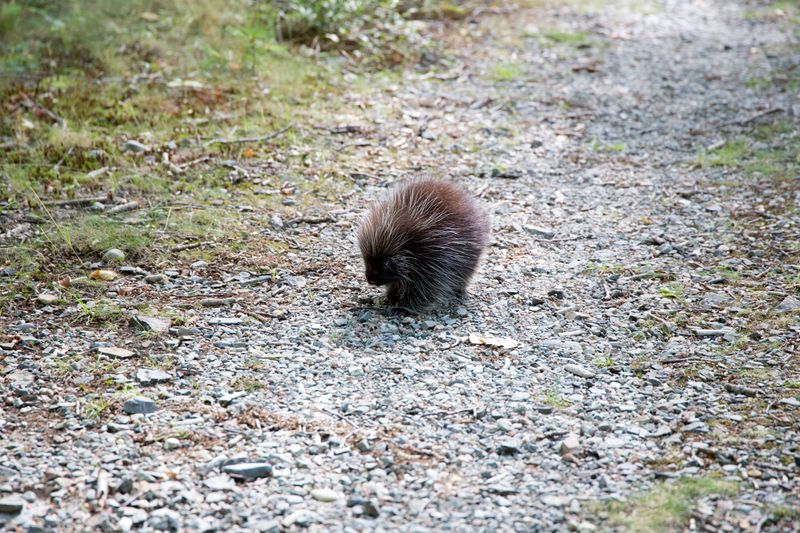
Porcupines never chase anything. They amble, climb, and rely on quills for defense.
A curious muzzle is all it takes for trouble.
Quills have tiny barbs that make removal painful and tricky. Skip home remedies with pliers.
Head to a veterinarian, who can sedate your dog and remove them properly. On northern trails, keep dogs leashed at dusk, when porcupines start moving.
Prevention beats a late-night clinic visit.
Never Let Your Dog Chase Wildlife
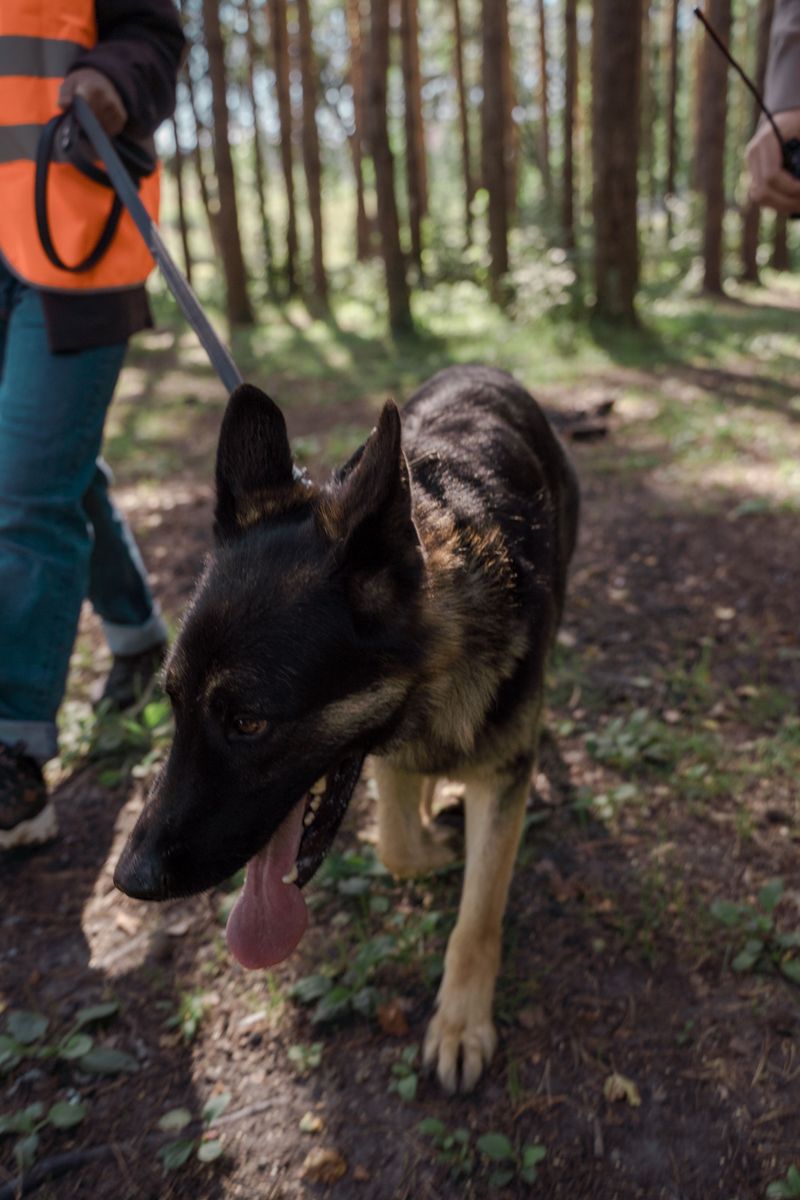
A chase can start in a heartbeat and end a mile away. Dogs lose track of direction, roads, and drop-offs when instinct takes over.
Wildlife burns precious energy escaping, especially in winter. Michigan rules prohibit allowing dogs to pursue or harass wildlife such as deer.
Practice a strong recall at home, but rely on the leash outdoors. Instinct beats training on a fresh scent more often than owners expect.
Do Not Approach Baby Animals
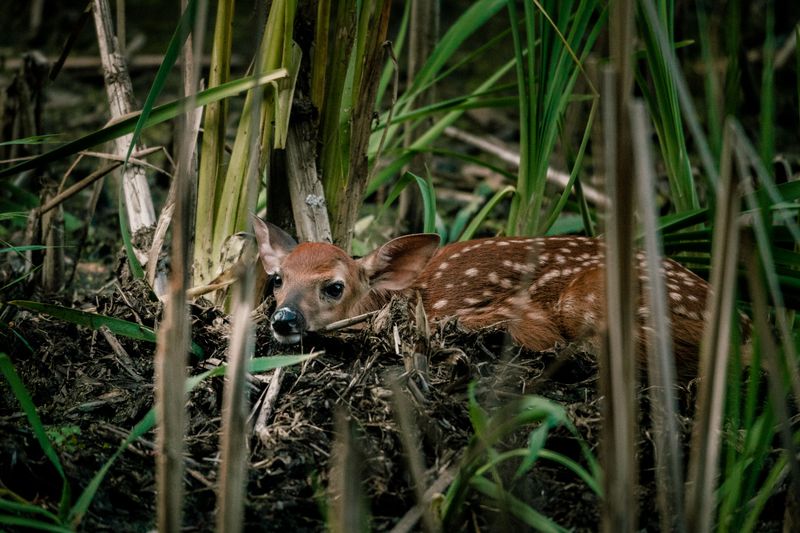
Spring and early summer fill parks with young animals. A fawn resting alone in tall grass is usually fine.
Its mother is nearby and will return.
Steer your dog wide and keep moving. Avoid lingering near the fawn, since the mother may not return while people or dogs are present.
Shoreline parks also protect nesting birds, so obey posted closures. Piping plovers nest on some Great Lakes beaches where dogs are restricted.
Watch the Trail Ahead
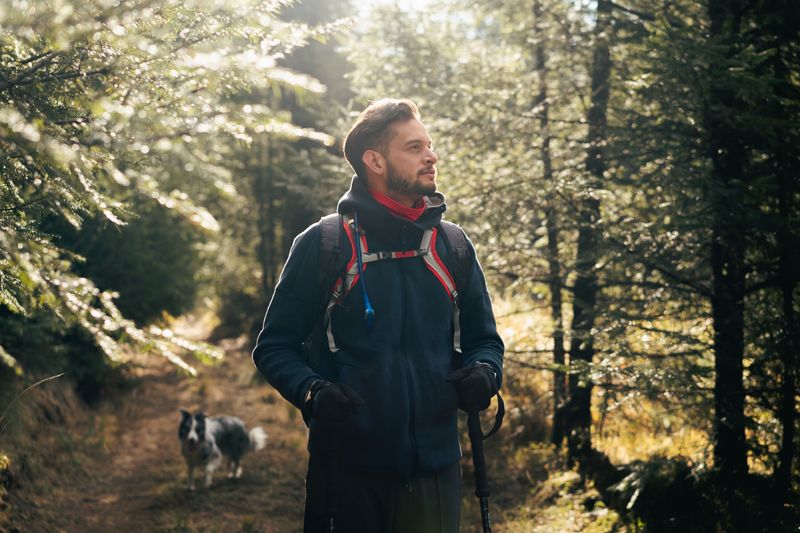
Eyes up beats eyes down on Michigan trails. Scanning ten or twenty steps ahead gives you time to react.
You might spot a skunk crossing, a turkey brood, or a snake sunning on warm sand. Massasauga rattlesnakes are shy and rarely seen, but they do live in wet meadows.
Simply steer around and continue. Early warning turns a surprise into a nonevent.
Leave earbuds out so you can hear rustling too.
Keep Your Dog Away From Wildlife Dens
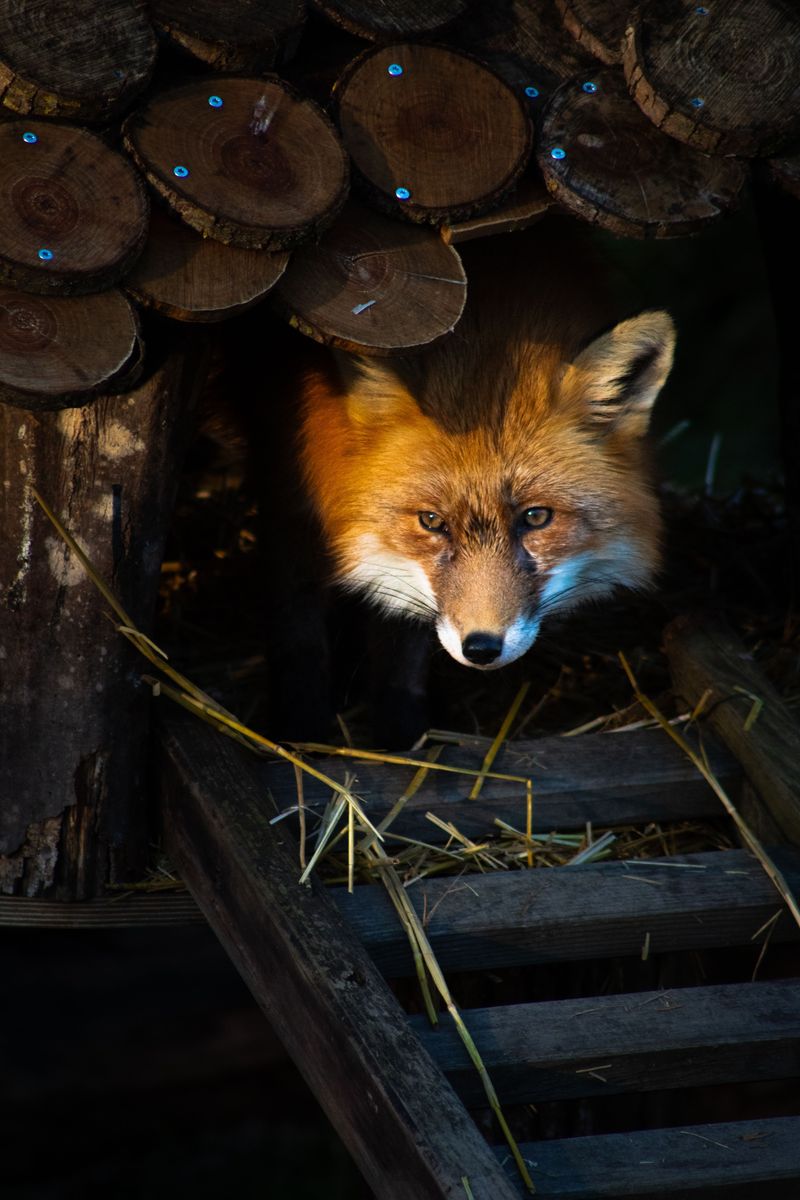
Burrows under stumps, rock piles, and brush heaps are somebody’s front door. Foxes, skunks, groundhogs, and raccoons all raise families in them.
A dog nosing inside meets a resident with no exit. Keep your dog on the trail and away from holes.
Dens can also hold fleas, ticks, and parasites. If your dog fixates on a burrow, redirect with a treat and walk on.
Be Extra Careful Around Water

Michigan water looks inviting, but not every shoreline suits a dog. Pets are not allowed on designated swimming beaches in state parks.
Some parks offer separate pet-friendly stretches, so check the map.
Skip stagnant ponds with green scum, which can carry harmful algae in late summer. Standing water may also carry leptospirosis, so ask your veterinarian about that vaccine.
Nesting swans and geese defend their space firmly.
Never Feed Wild Animals and Let Them Stay Wild
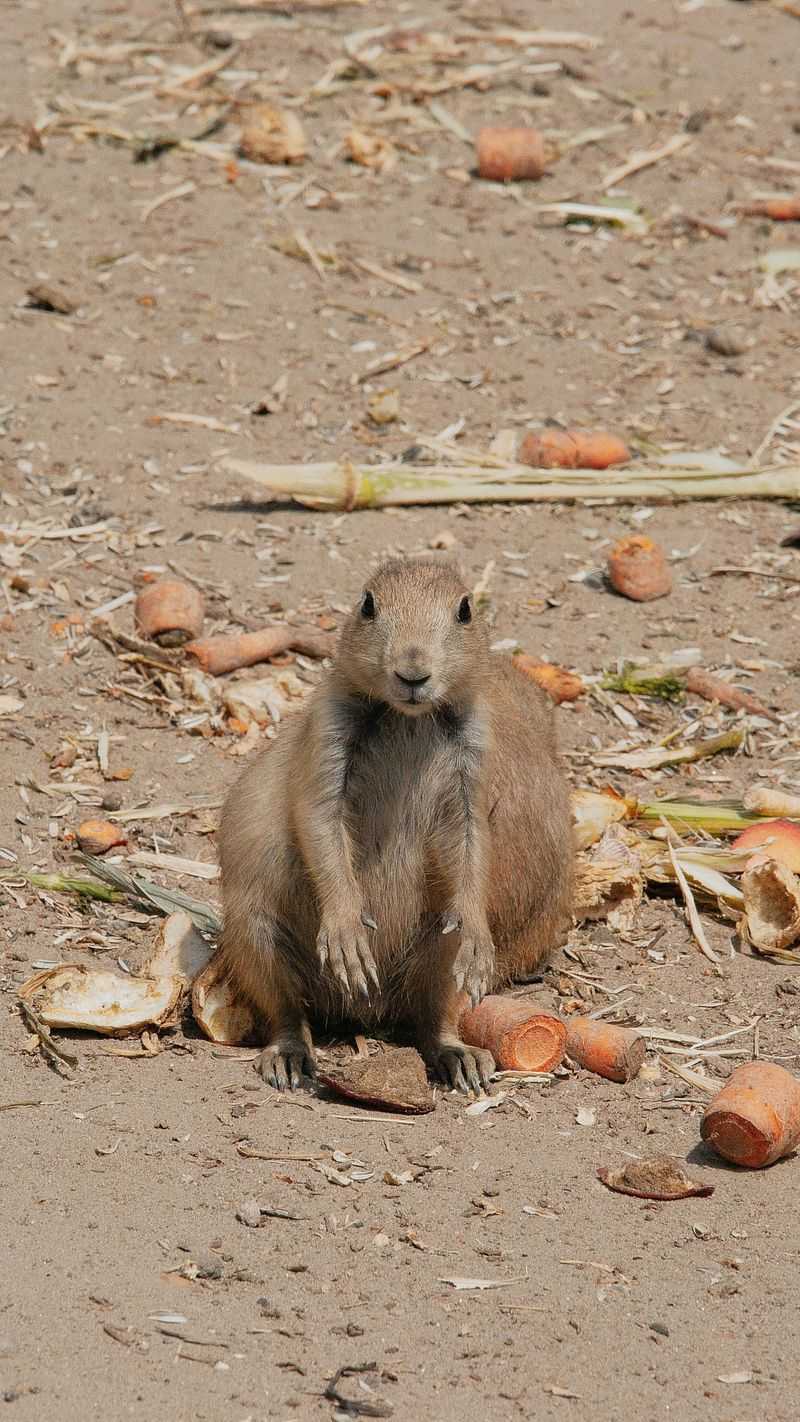
Tossing crumbs to a chipmunk feels harmless. Fed animals lose their caution and start approaching people and dogs.
That habit creates conflicts that end badly for the animal.
Michigan state parks prohibit visitors from feeding wildlife, so keep food and treats secured rather than offering them to animals. Pack out every scrap.
Keeping wildlife wild protects your dog, other visitors, and the animals themselves. Watch from a distance and let them keep their natural routines.
Protect Your Dog Around Campsites
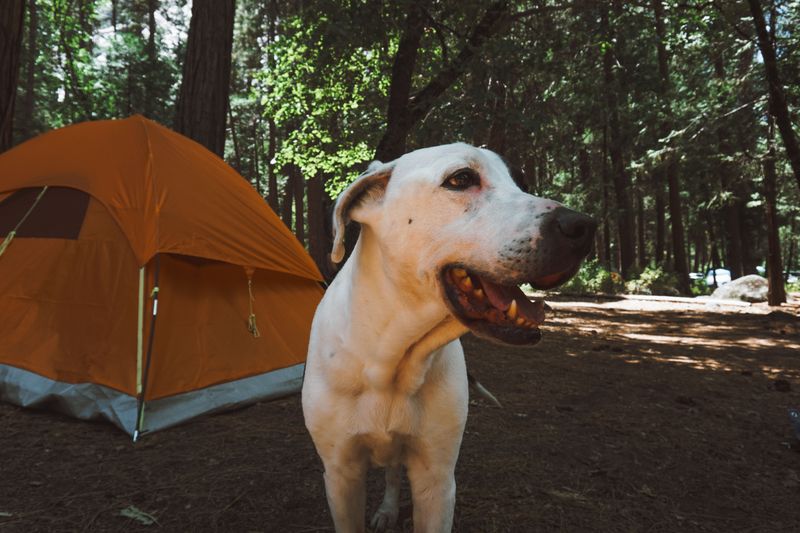
Campgrounds attract raccoons, skunks, and the occasional bear in northern parks. Store food in your vehicle and lock the cooler.
Wash dishes and pick up dropped kibble before dark.
Michigan rules say pets cannot be left unattended at a campsite. Keep your dog leashed and inside your site.
At night, bring your dog into the tent or camper, where everyone rests easier. A tidy site is a quiet site.
Know What to Do During a Wildlife Encounter
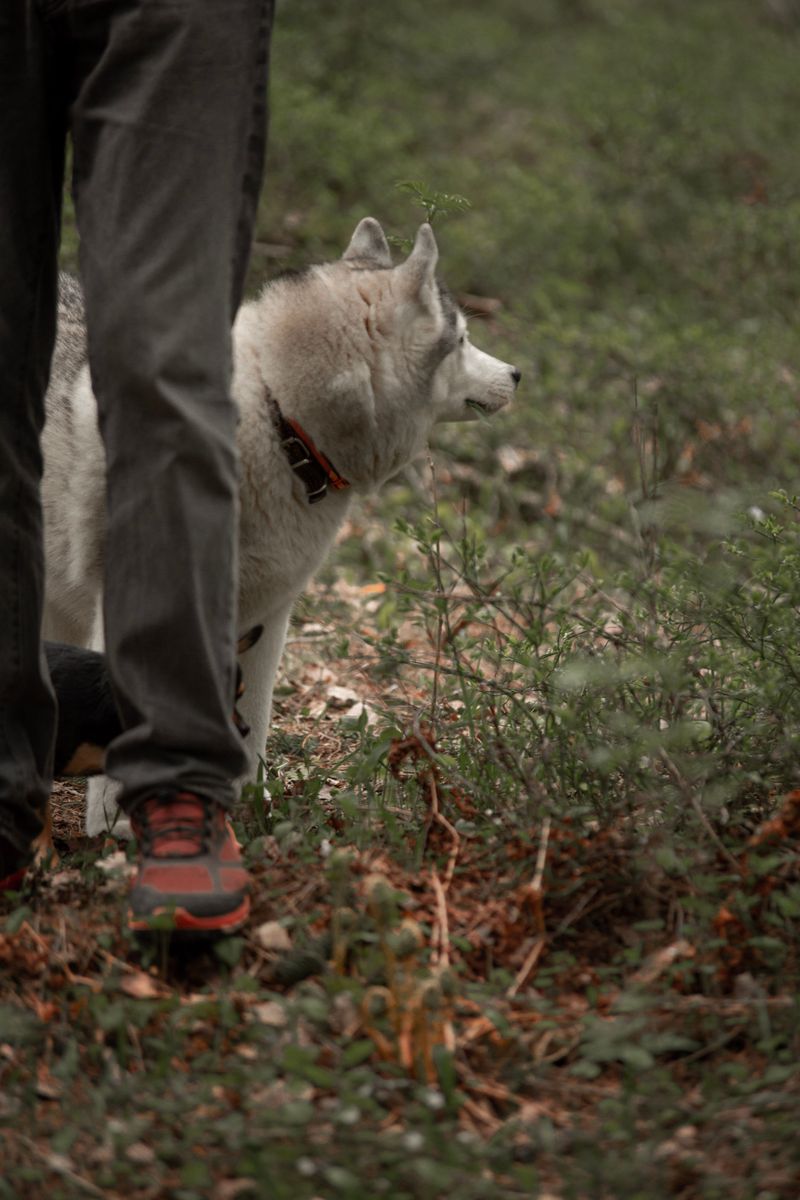
Calm handling matters more than any gadget in your pack. Shorten the leash, turn your body sideways, and back away slowly.
Running invites a chase, so keep your pace steady.
For bears in northern Michigan, stand tall, speak firmly, and give the animal an exit. Never step between an animal and its young.
Once you have distance, leave the area and report the sighting to park staff.
Check Your Dog After a Hike
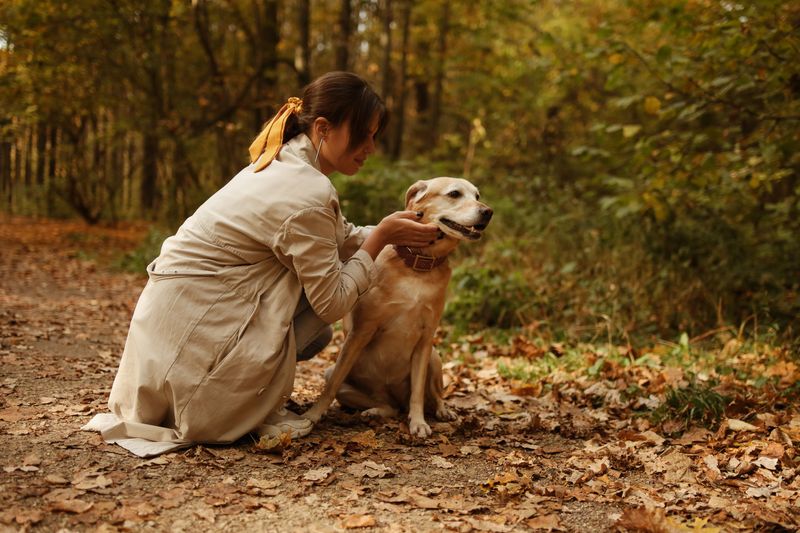
The five minutes after a hike are worth the effort. Run your hands over ears, armpits, groin, and between the toes.
Blacklegged ticks are common in Michigan and can spread Lyme disease. Remove any tick promptly with fine tweezers, pulling straight out.
Look for burrs, scrapes, and tender paw pads too. Talk with your veterinarian about tick and heartworm prevention that fits your season.
Pay Attention During Active Wildlife Seasons
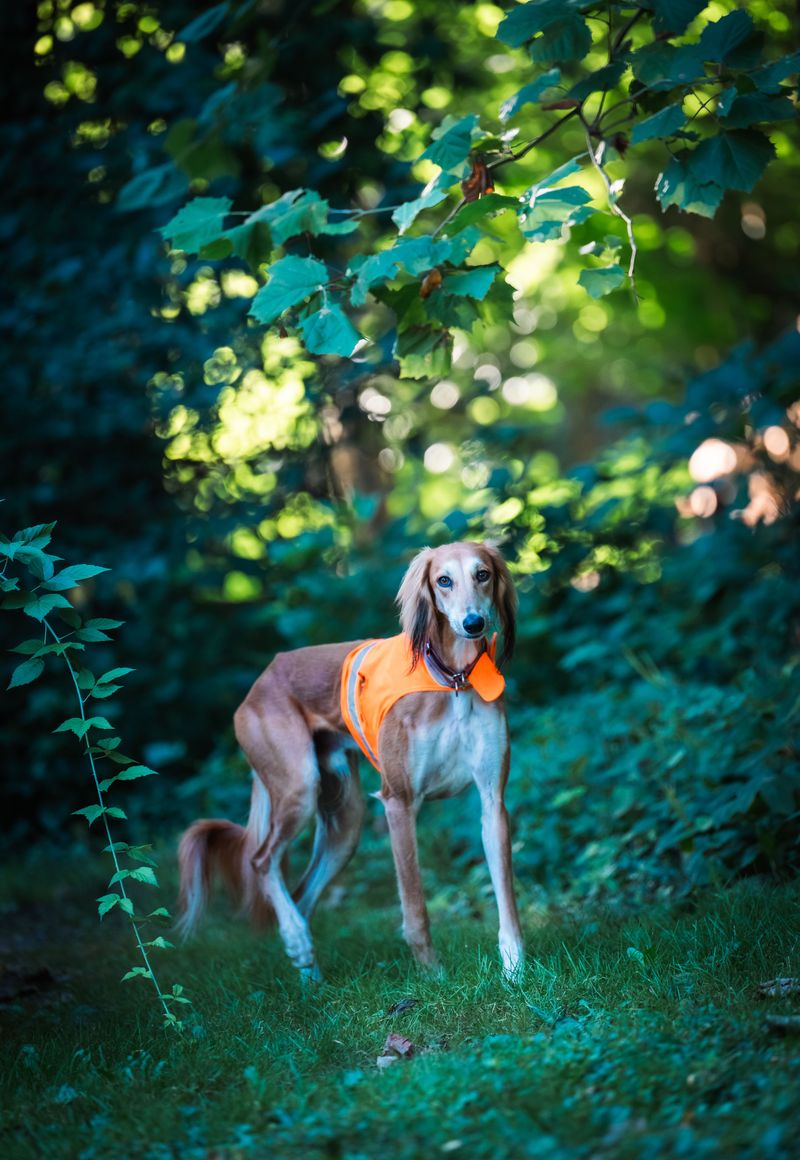
Seasons change animal behavior, and smart owners adjust with them. Spring brings newborns and protective mothers.
Autumn brings the deer rut and busy hunting seasons in parks that allow it.
If you visit a park during hunting season, check current DNR regulations and consider wearing hunter orange for visibility. Winter travel is costly for deer, so avoid pushing them through deep snow.
Check DNR postings before you visit, since seasons and closures shift yearly.
Follow Michigan State Park Pet Rules
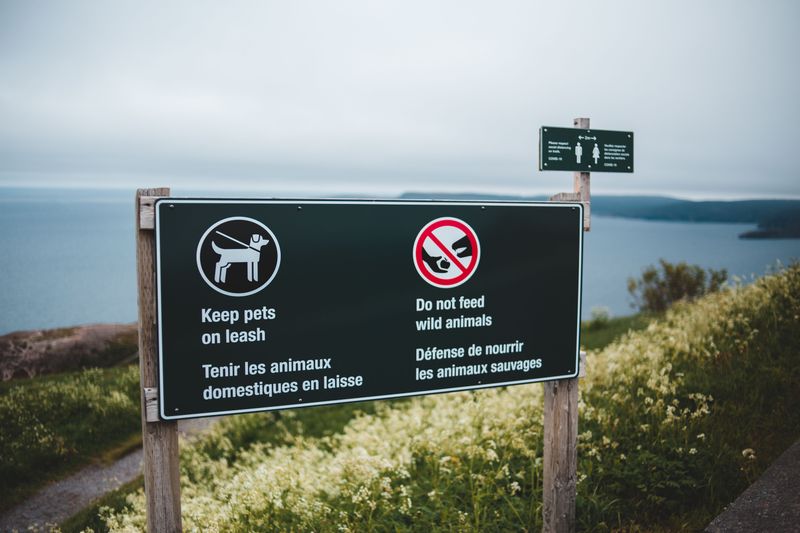
State park rules are short and easy to follow. Pets need a leash six feet or shorter everywhere in the park.
Buildings, lodges, shelters, and designated swim beaches are off limits to pets.
Always pick up waste and carry extra bags. Michigan law requires rabies vaccination for dogs, so keep proof handy.
Rules vary a little by park, so scan the posted signs at the entrance.
Choose Trails That Fit Your Dog’s Temperament
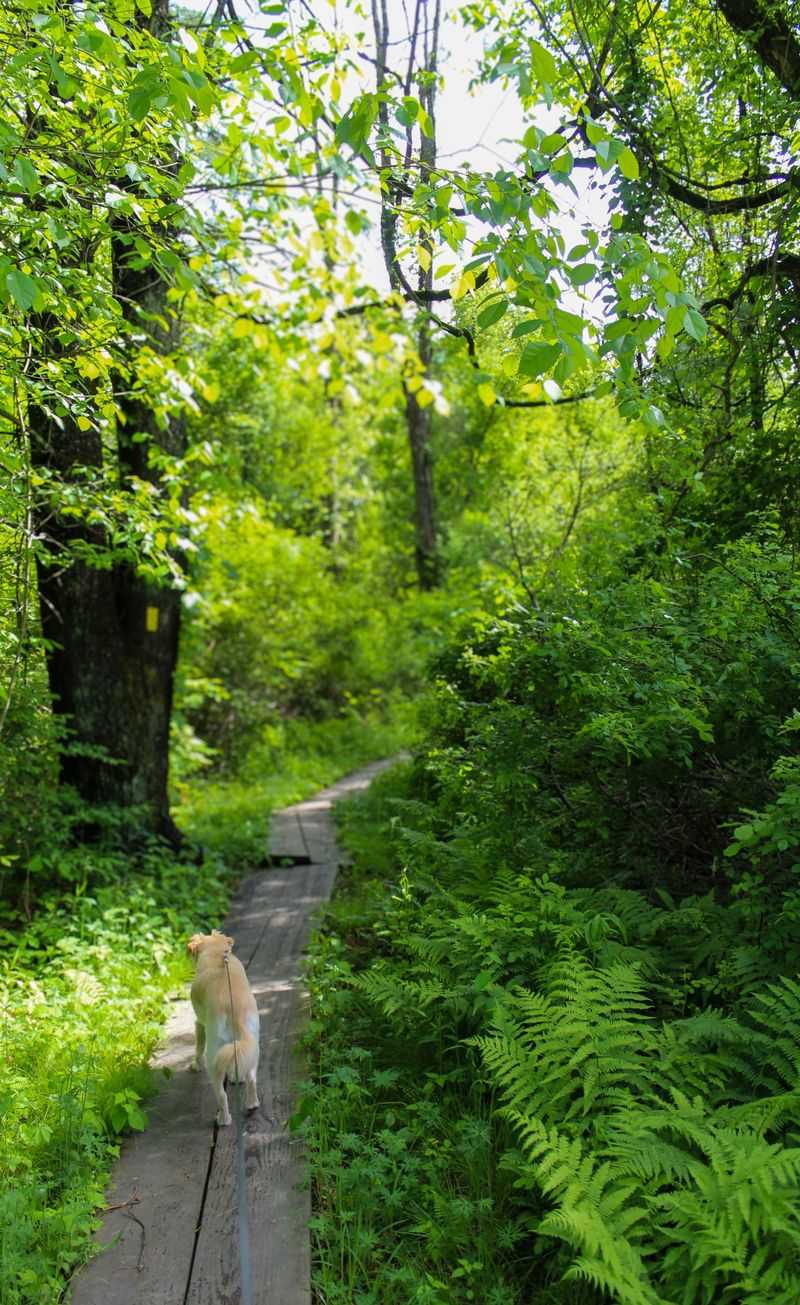
Not every dog belongs on every path. A high-prey-drive terrier may struggle on a trail full of squirrels and rabbits.
A senior dog may prefer a short, flat loop near the parking area.
Match distance, terrain, and crowd level to your dog’s real personality, not the one you wish for.
Success on an easy trail builds confidence for both ends of the leash. Michigan parks reward prepared owners with calm, happy miles.