15 Colorado Places Where Rattlesnakes Can Turn A Dog Walk Into A Risk
If you hike with your dog in Colorado, rattlesnakes are simply part of the landscape. They are not out to cause trouble, and most encounters end quietly when people give them room.
Still, a little local knowledge goes a long way, especially from spring through early fall. Here are 15 spots where prairie rattlesnakes are commonly reported, plus calm, practical steps that keep your walks fun, steady, and worry free.
1. Garden of the Gods, Colorado Springs
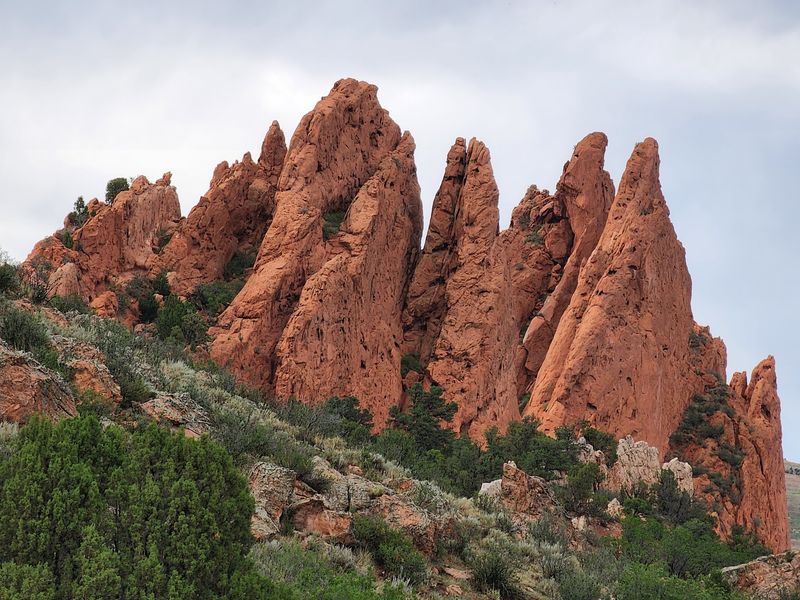
Those towering red rocks draw huge crowds, and warm sandstone appeals to snakes too. Prairie rattlesnakes are active here roughly from April through October.
A visitor was bitten in the park during an April outing, a reminder that early season matters.
Stick to the paved and marked trails with your dog on a short leash. Skip the tall grass and rocky edges.
Scan ahead, walk at a relaxed pace, and enjoy the views.
2. Eldorado Canyon State Park, Eldorado Springs
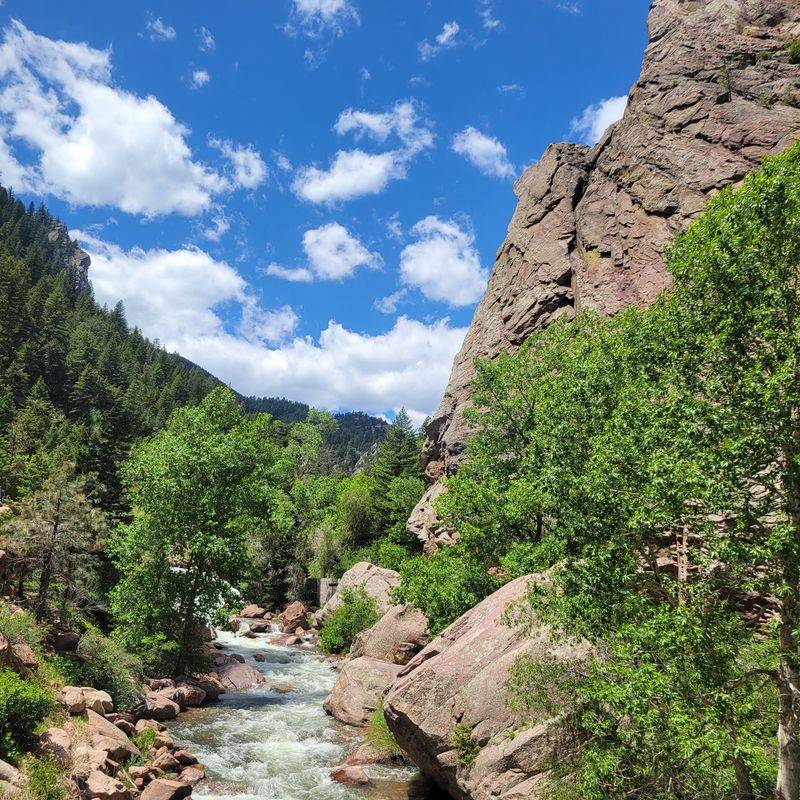
Climbers love the canyon walls, and dogs love the creekside smells. Rattlesnakes live throughout this park, especially near sunny rock slabs.
Leash rules exist for wildlife protection and for your dog’s benefit. A leash gives you control when something rustles nearby.
Keep to designated trails instead of cutting between boulders. If you hear a buzzing rattle, back away slowly and continue in another direction.
Calm distance solves nearly every encounter.
3. Castlewood Canyon State Park, Franktown
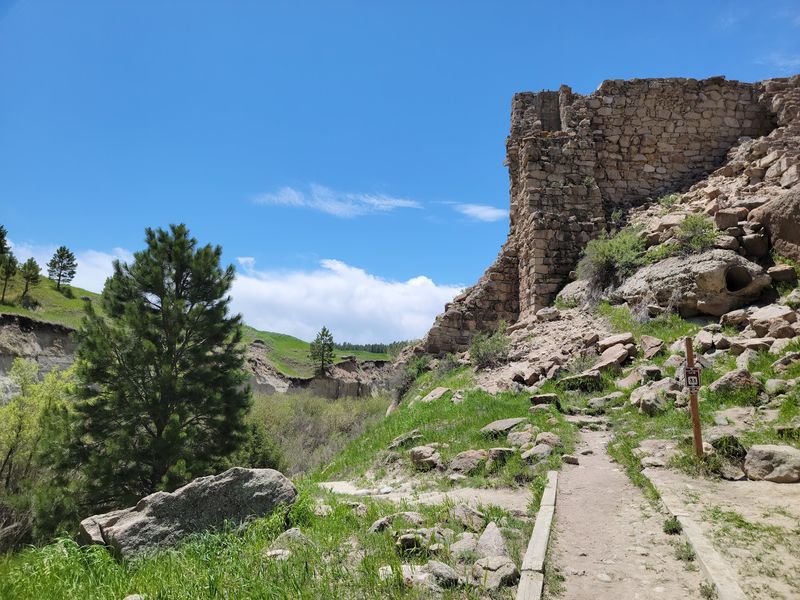
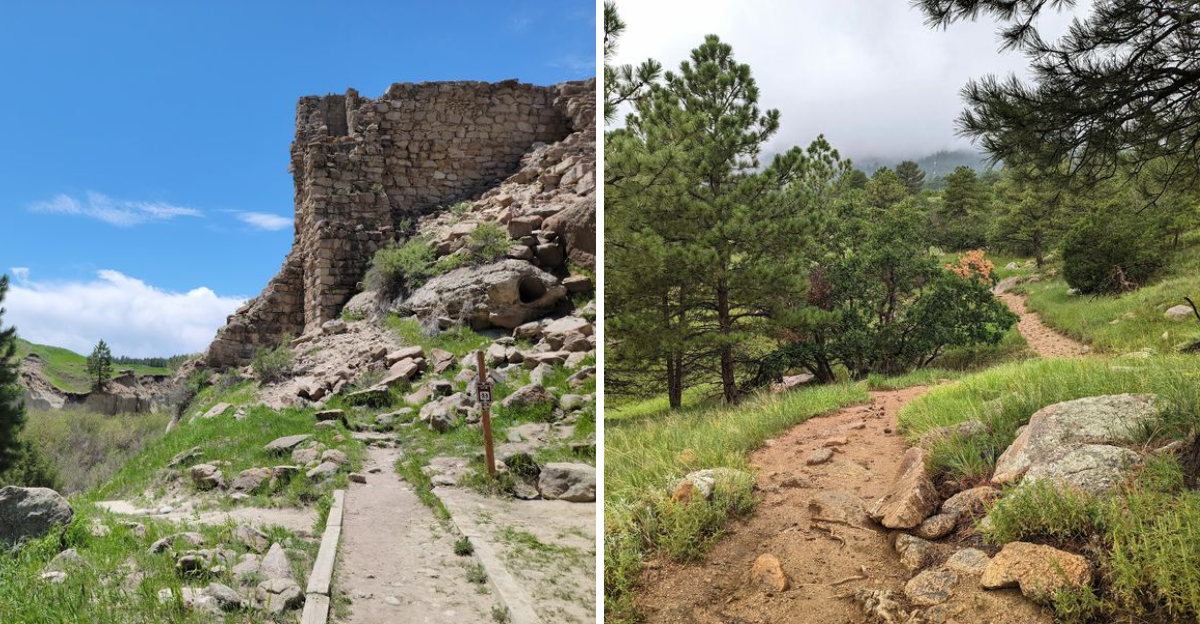
Old dam ruins and a deep canyon give this park a storybook feel. Rocky ledges and grassy flats here also suit rattlesnakes nicely.
Leash your dog and keep the slack short on narrow sections.
Watch where paws land when stepping over logs, rocks, or shaded gaps. Snakes rest in cool pockets on hot afternoons.
Slowing down at blind corners is the easiest habit to build, and it works everywhere.
4. Cheyenne Mountain State Park, Colorado Springs
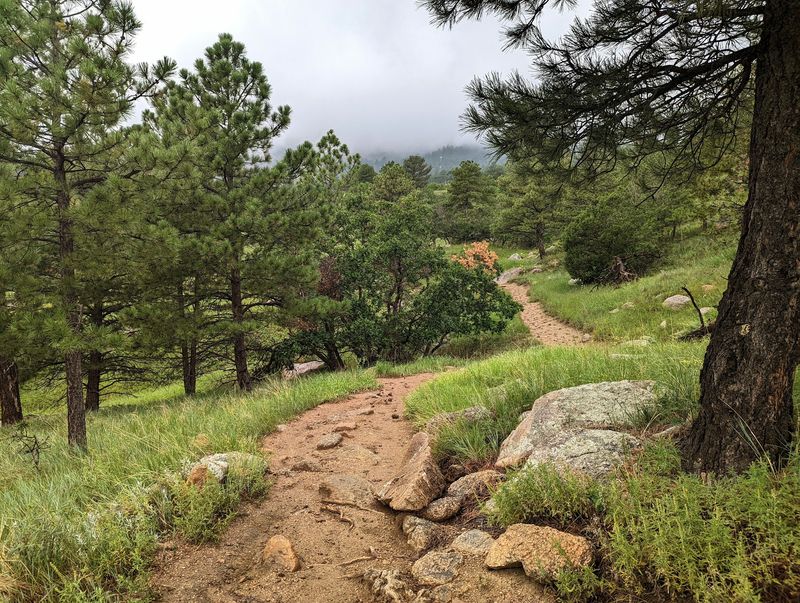
Miles of well built trails wind below the mountain, with big city views. Prairie rattlesnakes are known to occur here.
Warm surfaces attract them, so trail edges and flat rocks deserve a second glance.
Dogs are allowed only on designated dog trails and must be kept on a six-foot or shorter handheld leash. Stay on those permitted trails and watch carefully around sunny rocks, grassy edges, and other areas where snakes may be present.
Steady awareness beats worry every time.
5. Horsetooth Mountain Open Space, Fort Collins
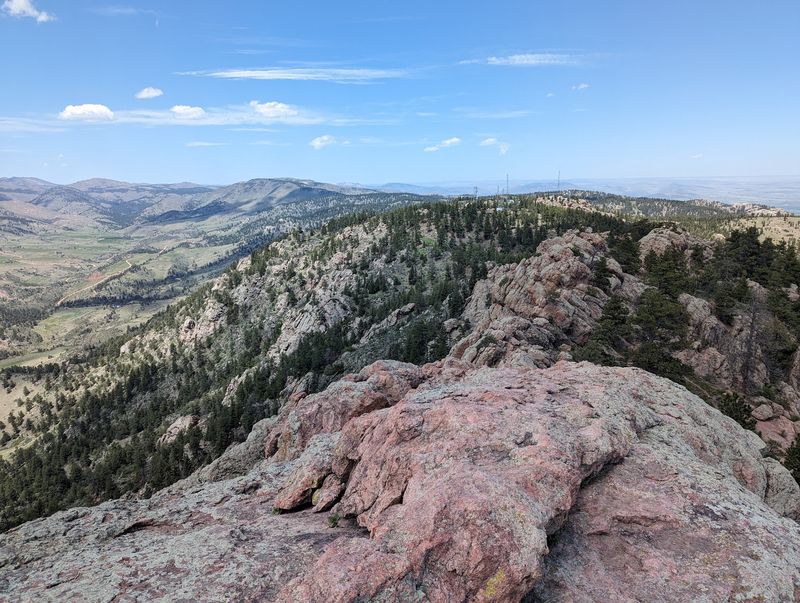
Weekend crowds pour into this foothills favorite, and so does wildlife. Rattlesnakes are common across Front Range natural areas, including here.
Boots that rise above the ankle add protection for you, though your dog needs your attention most.
Leash up, stay on established trails, and listen carefully during quiet stretches. A rattle is a warning, not a challenge.
Step back, give wide clearance, and let the snake move along.
6. Horsetooth Reservoir, Fort Collins
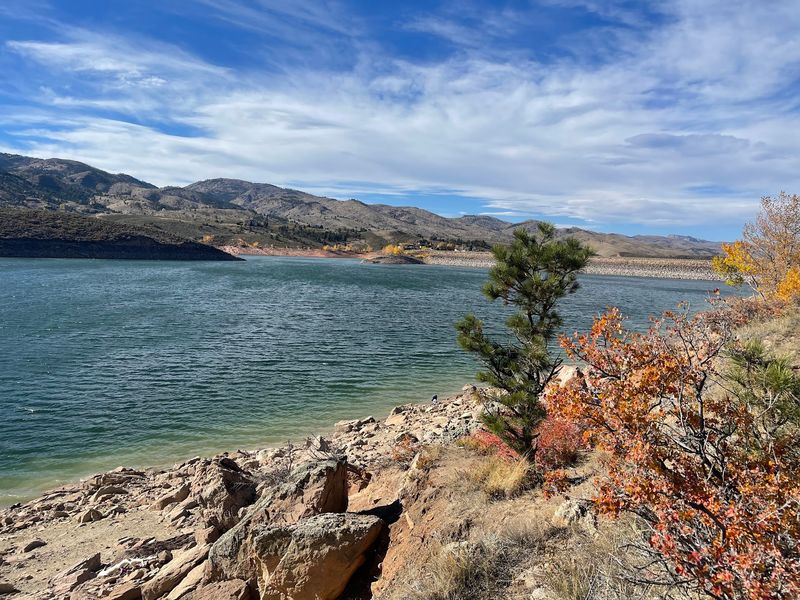
Boating, swimming, and shoreline strolls make this reservoir a summer magnet. The drier slopes around the water hold plenty of rattlesnake habitat.
Dogs exploring loose rocks and brush can startle a resting snake without meaning to.
Keeping the leash on near shorelines and scrubby banks solves that problem quickly. Choose open ground for breaks rather than boulder piles.
After the outing, check your dog over during the usual towel dry.
7. Devil’s Backbone Open Space, Loveland
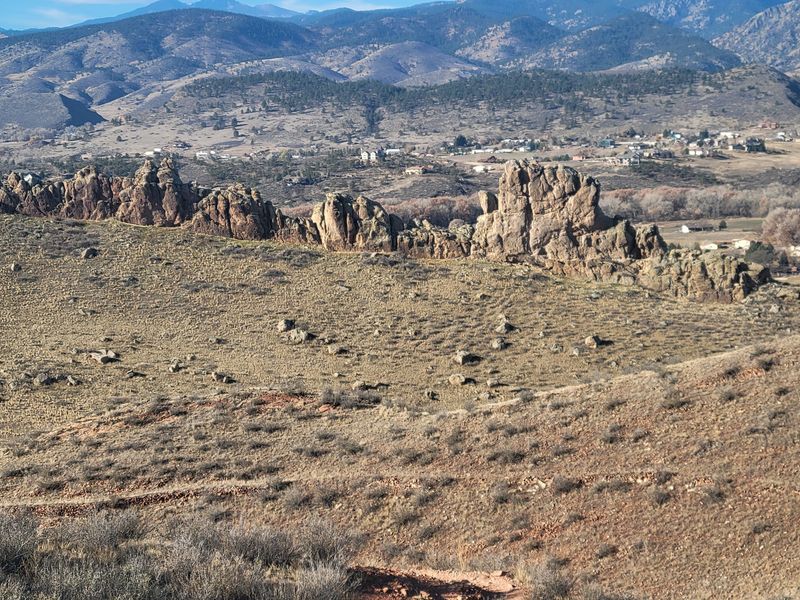
That jagged rock fin is instantly recognizable, and the trails below stay busy year round. Rangers report rattlesnakes regularly, including small young ones near Keyhole Trail.
Little snakes blend into dust and gravel, so a slow scan helps.
Larimer County staff plan trail routes to steer people away from known den areas. Follow their guidance: dogs leashed, feet on trail.
Simple compliance keeps the system working for everyone.
8. Deer Creek Canyon Park, Littleton
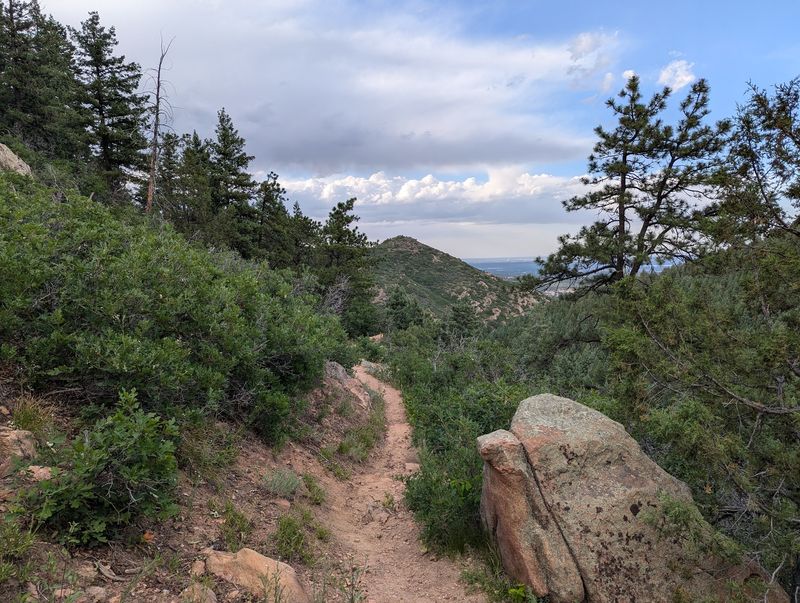
Switchbacks climb quickly here, and mountain bikers share the tread. Jefferson County trails, including this one, have resident rattlesnakes.
Leashing is a park requirement, and it doubles as smart snake sense.
Short leashes keep your dog from nosing into brush along blind curves. Yield spots often sit right beside tall grass, so pause on open ground instead.
Small choices like that lower the odds of a surprise meeting.
9. Mount Falcon Park, Morrison
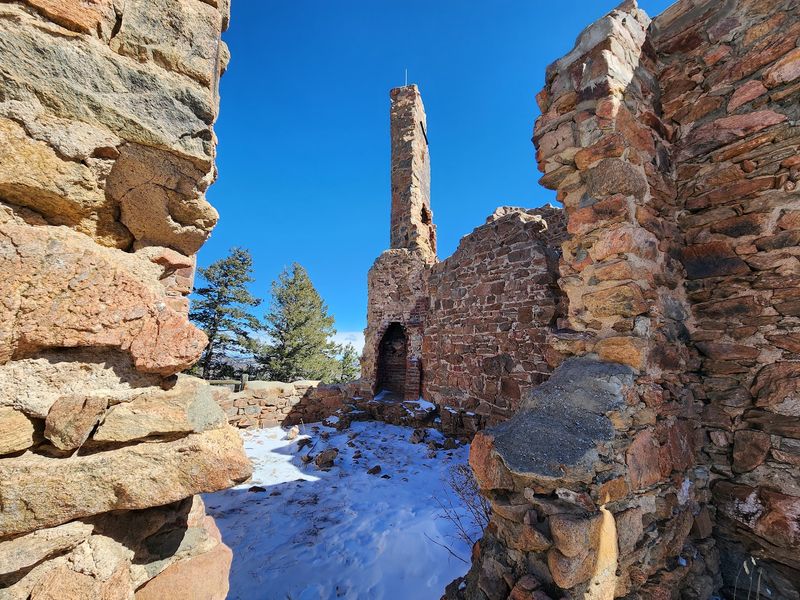
Stone ruins and sweeping overlooks give this park a touch of history. Open spaces around Morrison include rattlesnake country, especially at lower elevations.
Rock walls, foundations, and brush piles all offer shelter that snakes appreciate.
Keep your dog leashed and away from crumbling structures. Photos are better taken from a few steps back anyway.
Warm afternoons in spring and fall call for extra attention along sunlit edges.
10. Ute Valley Park, Colorado Springs
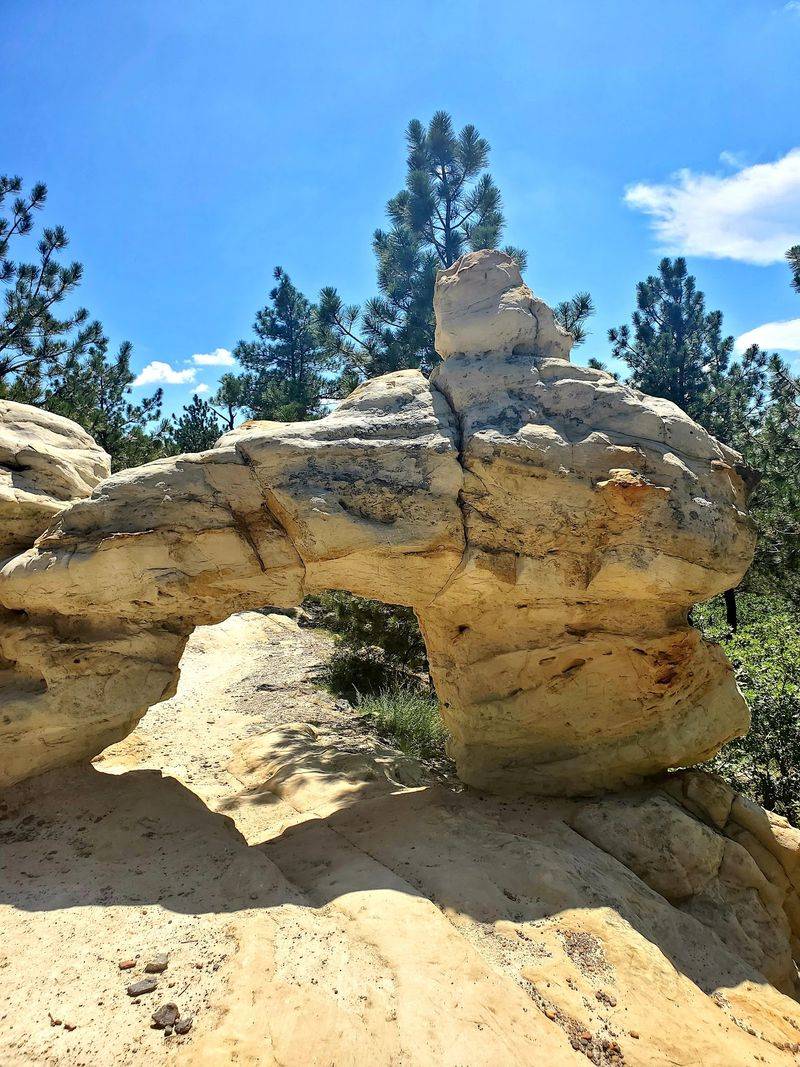
Neighborhood streets sit just minutes away, yet this urban wildland feels genuinely wild. Rattlesnakes live here, and a visitor was bitten in the park.
City ordinance in Colorado Springs requires dogs to be leashed.
That rule stops dogs from poking into burrows or stepping on a resting snake. Choose main trails, skip social paths through the brush, and treat every rock ledge as occupied space.
11. Pulpit Rock Park, Colorado Springs
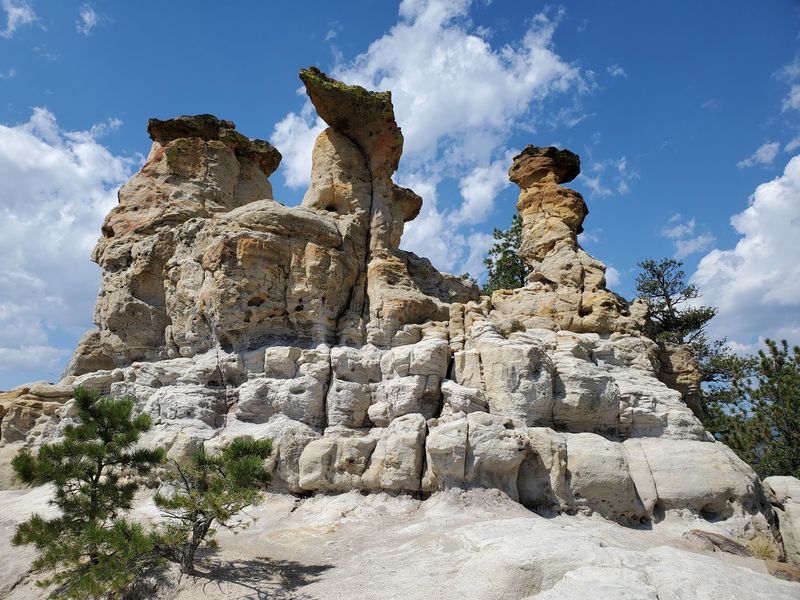
Locals climb these bluffs for sunset views over the city. Prairie rattlesnakes occupy Pulpit Rock Open Space from April into October.
Loose, sandy ground and grassy pockets make ideal resting spots.
Bring a leash, a water bottle, and unhurried attention. Off trail shortcuts up the slopes are exactly where surprises happen.
If you spot a snake, stop, shorten the leash, and calmly retrace a few steps.
12. Golden Gate Canyon State Park, Golden
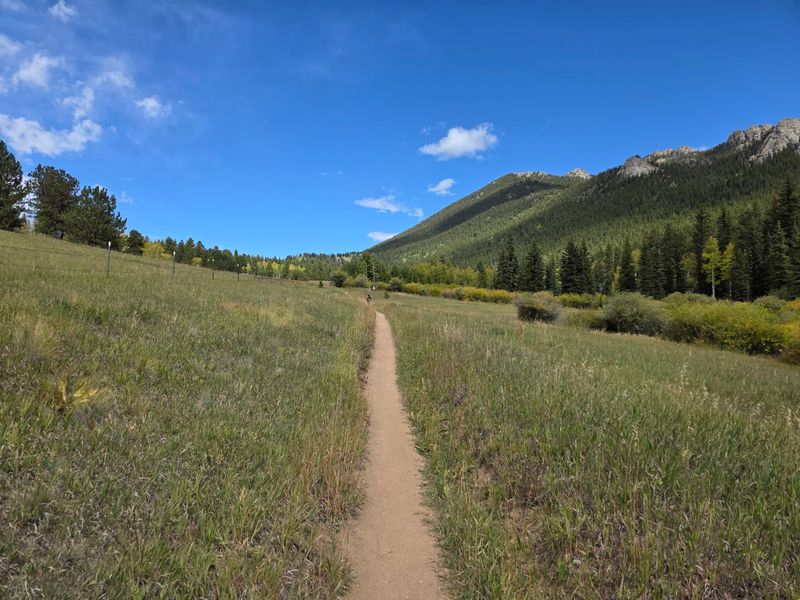
Higher elevation forest feels a world away from the prairie, yet snakes can still occur in suitable habitat. Colorado Parks and Wildlife lists prairie rattlesnakes as a species that could occur in Golden Gate Canyon State Park, although it considers them less likely to be present than several other reptiles.
Sunny meadow edges and south facing rock slopes warm up fast.
Keep your dog close and leashed, and stay on designated trails. Give any snake plenty of room if you encounter one.
Cooler shaded forest sections are generally quieter ground.
13. Reservoir Ridge Natural Area, Fort Collins
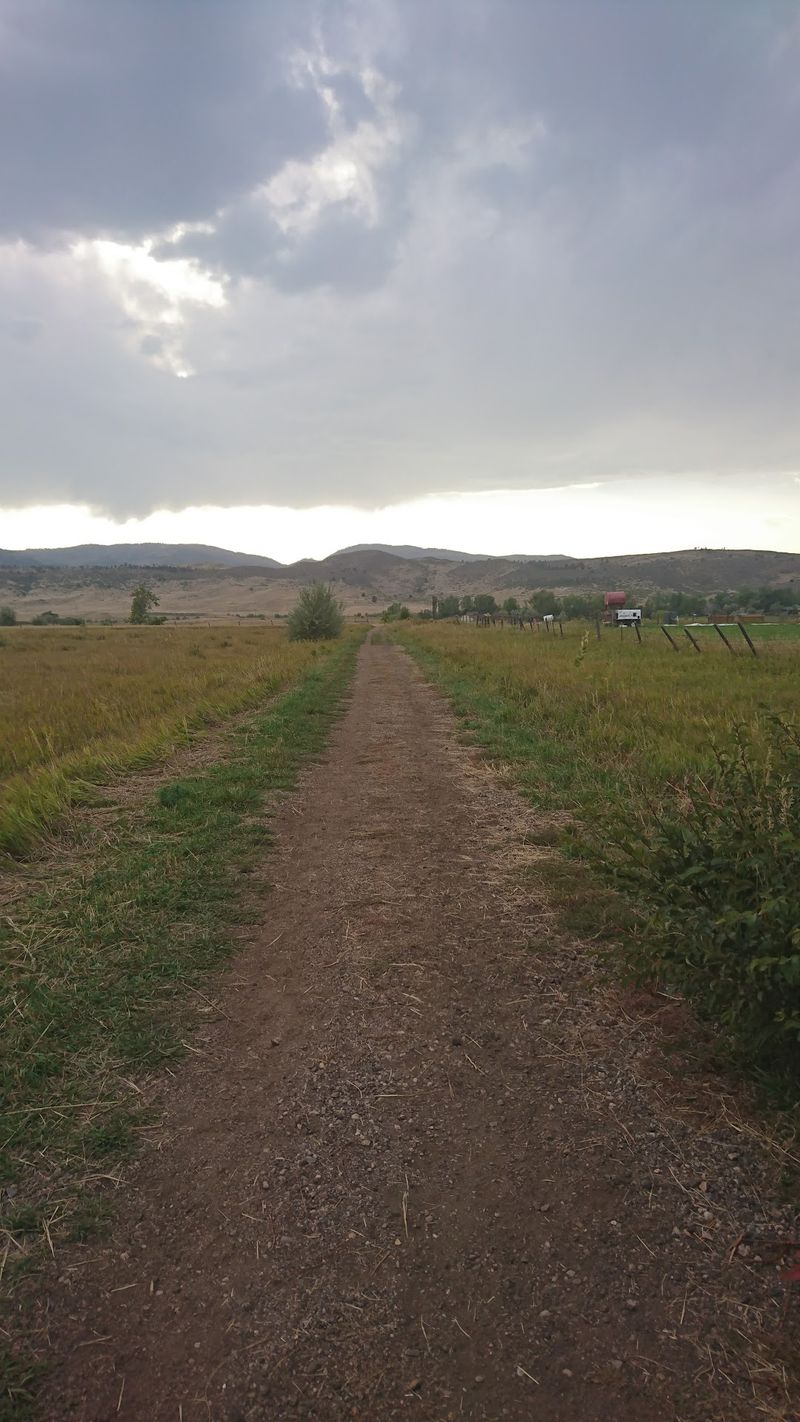
Rolling grassland ridges here catch morning light beautifully. Reservoir Ridge is among the Fort Collins natural areas where rattlesnakes live.
Leashing dogs is required by city rules in natural areas.
Walking near the center of wide trails keeps paws out of tall grass. An emergency telephone sits on the west side of the natural area, useful to know before you set out.
Note the location as you pass.
14. Ron Stewart Preserve at Rabbit Mountain Open Space, Longmont
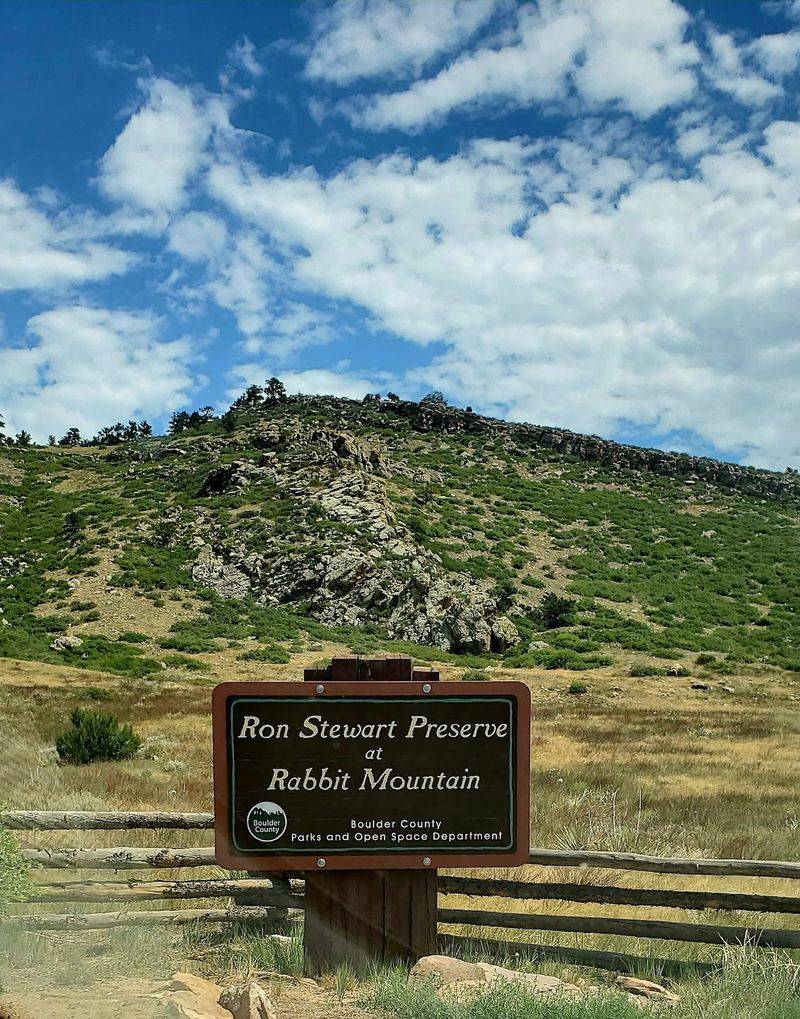
Sunny, exposed hills northeast of Longmont warm quickly in spring. Boulder County posts rattlesnake warning signs at many trailheads, including this preserve.
Activity typically runs from spring through early fall.
Read the signs, leash your dog, and stay on the main tread. Grass alongside the path is where snakes rest unseen.
Early morning outings tend to be cooler, calmer, and easier on everyone’s paws.
15. Rattlesnake Gulch Trail, Eldorado Springs
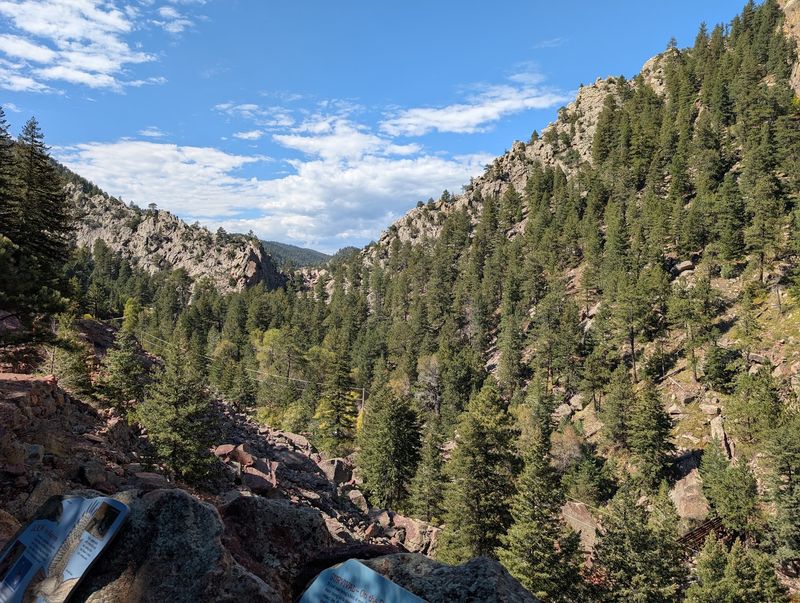
The name says plenty, and it earns it honestly. Rattlesnake Gulch Trail climbs through Eldorado Canyon State Park toward the historic Crags Hotel ruins and wide canyon views.
Expect rattlesnake habitat in the park during warm weather.
Keep your dog leashed and on the designated trail. If you spot a snake, give it plenty of room and wait rather than squeezing past.
Patience costs a minute and settles the situation.
Stay steady, stay curious, and Colorado stays welcoming.