18 Virginia Outdoor Mistakes That Can Put Dogs In Trouble
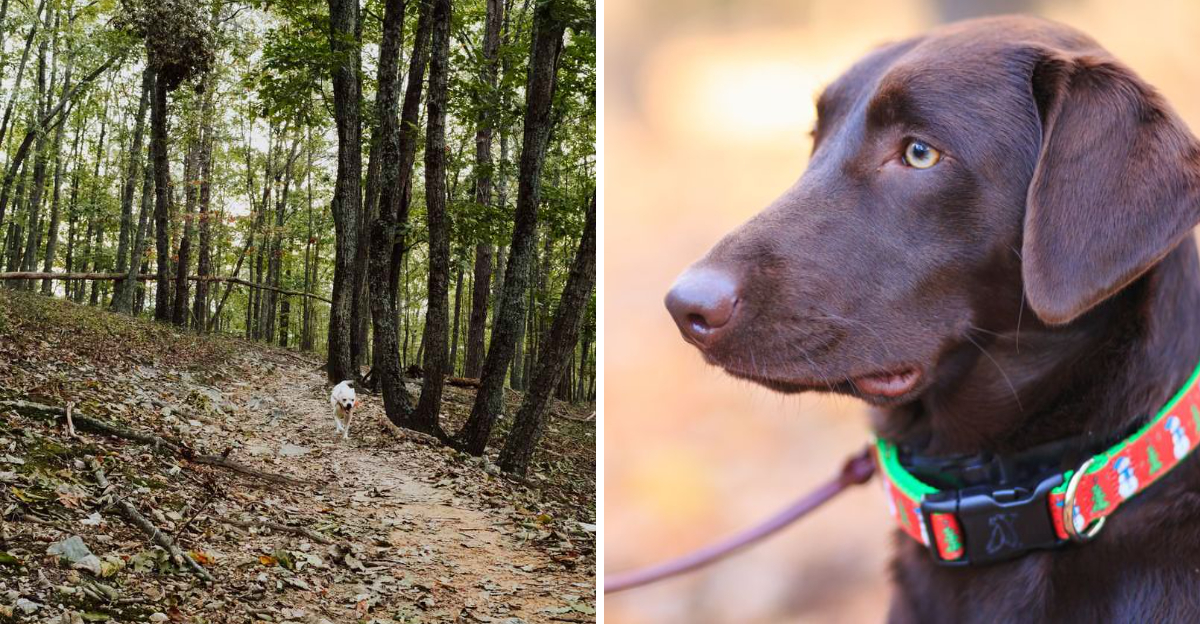
Virginia gives dog owners a lot to love: Blue Ridge trails, quiet rivers, state parks, and long green summers. Most trouble outdoors comes from small, honest oversights rather than bad choices.
A missed leash rule, a scummy pond, a skipped tick check, and suddenly a fun day turns stressful. Here are 18 common mistakes local owners run into, plus simple ways to stay ahead of them.
Read it once, and your next adventure gets easier.
1. Hiking Where Paws Are Not Welcome
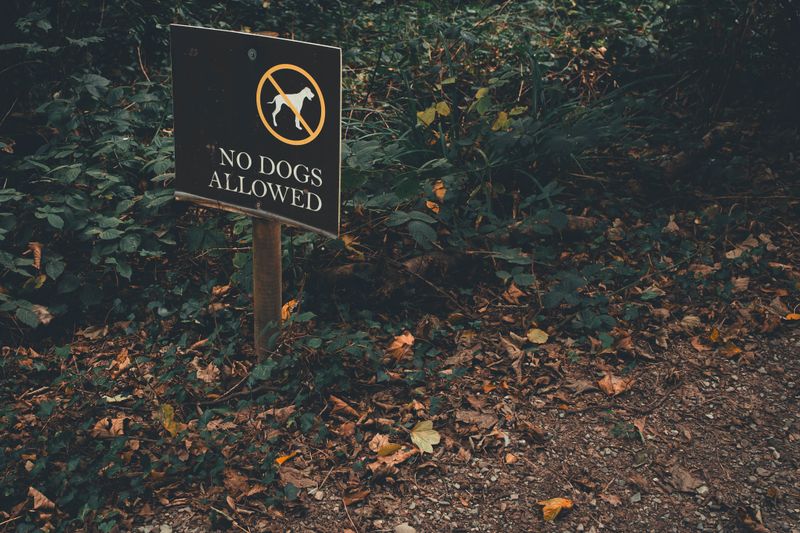
Not every beautiful path allows dogs. Several National Park Service wilderness areas in Virginia keep trails pet-free, and state parks close swim areas, bathhouses, and visitor centers to animals.
Showing up unaware means turning around, or risking a citation and an unhappy ranger conversation.
A quick look at the park website saves the drive. Rangers post pet rules clearly, and staff will happily answer questions by phone before your visit.
2. When Curiosity Meets a Black Bear
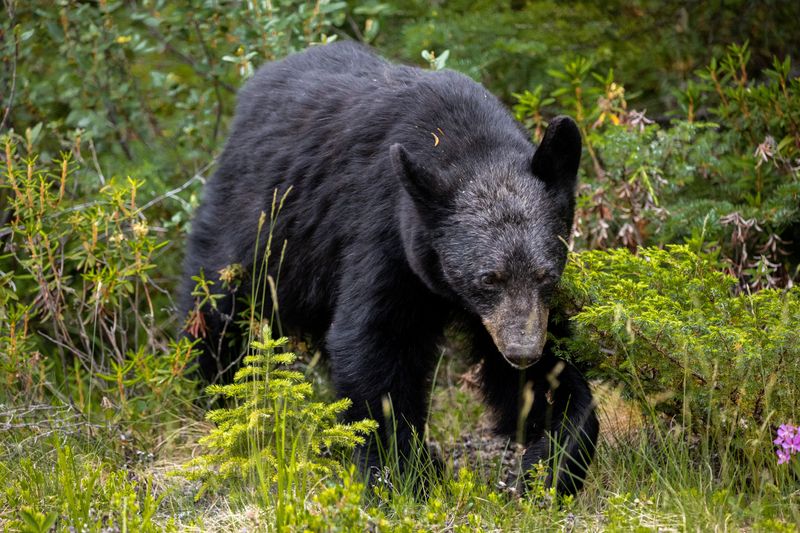
Black bears live throughout Virginia’s mountains and increasingly in suburban edges. A dog that barks or gives chase can bring an upset bear right back toward you.
Keep your dog leashed and close, then calmly walk away without running. Speak in a steady voice so the bear knows you are human.
Never let a dog corner a bear or come between one and her cubs.
3. Missing the Clues of a Bear Den
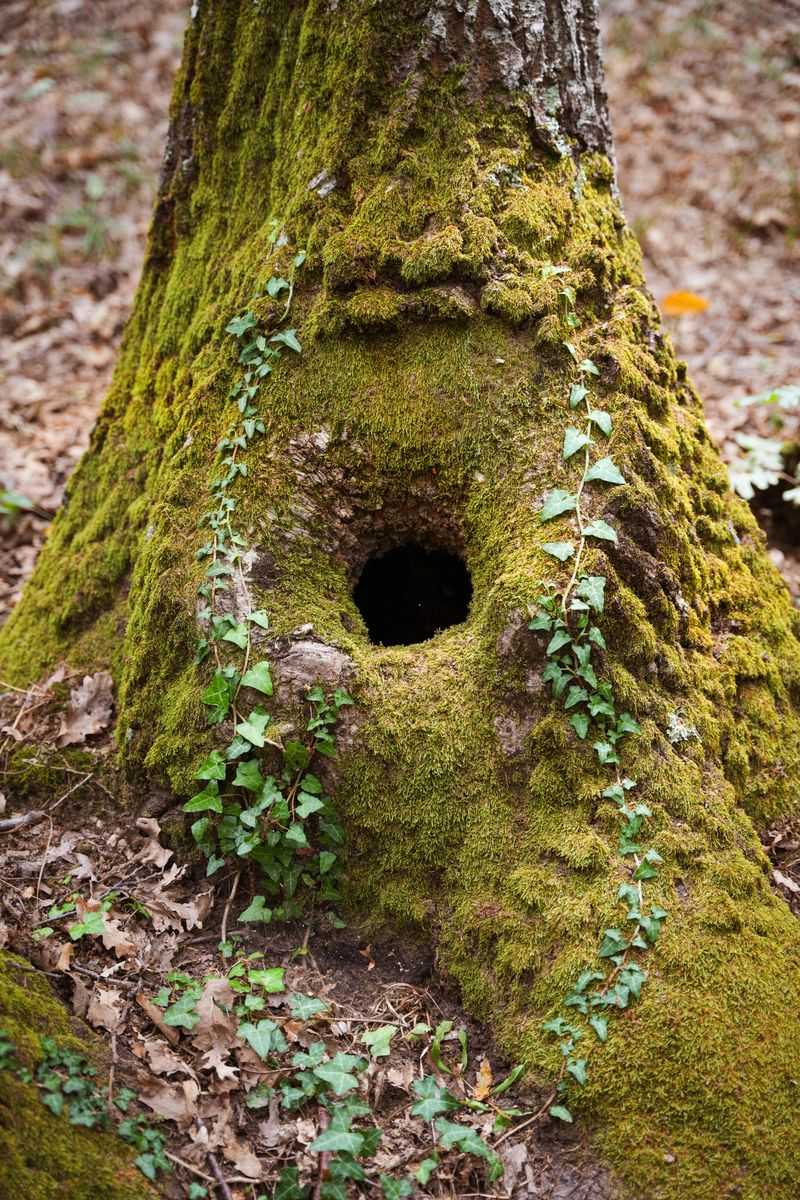
Dens are easy to walk past without noticing. Look for hollow logs, rock overhangs, brush piles, torn bark, or fresh claw marks on trees.
Strong musky smells and matted vegetation are other hints. Dogs often notice long before people do, and sudden intense sniffing deserves attention.
If your dog locks onto a hole or crevice, shorten the leash and leave the area quietly. Report active dens to park staff.
4. Treating an E-Collar Like a Legal Leash
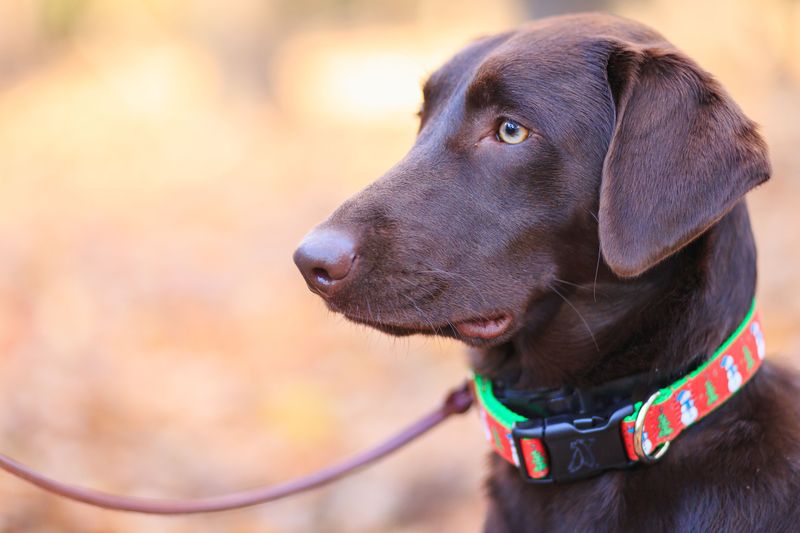
Training tools can help with recall, but they are not a substitute for physical restraint where one is required. Virginia State Parks, developed recreation areas in national forests, and most National Park Service sites require a leash of six feet or less.
Some localities differ. Charlottesville allows immediate voice control in certain situations, while Hampton states plainly that voice commands are not enough on public property.
Confirm local ordinances first.
5. Kibble Left Out After Supper
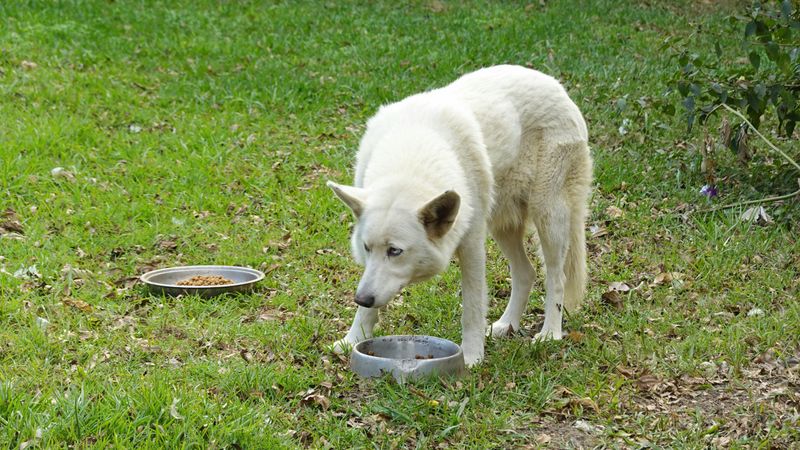
Wildlife has an excellent nose. A half-finished bowl of kibble, greasy scraps, or crumbs under the picnic table invites raccoons, bears, and skunks straight into camp.
Feed your dog measured meals, then pick up the bowl right away. Store food in sealed containers, your vehicle, or provided bear boxes.
Rinse bowls and pack out trash. A clean site keeps your dog calmer and your night much quieter.
6. Nose-to-Nose With a Snake
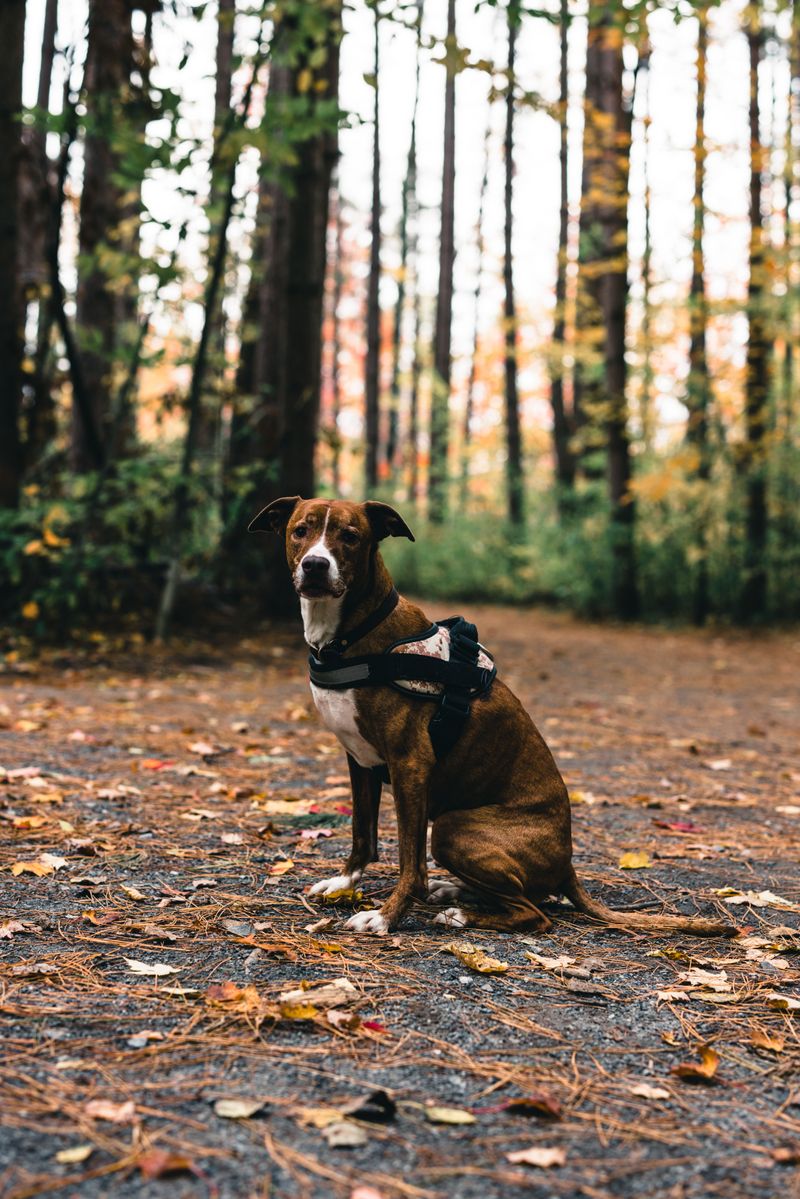
Virginia has three venomous species: the copperhead, timber rattlesnake, and eastern cottonmouth. Copperheads blend into leaf litter almost perfectly.
Dogs tend to investigate with their face, which is exactly the wrong approach. Keep to the center of trails, use a short leash near rocks and logs, and steer around brush piles.
If your dog is bitten, stay calm, limit movement, and get to a veterinarian promptly.
7. The Convenient Puddle Drink
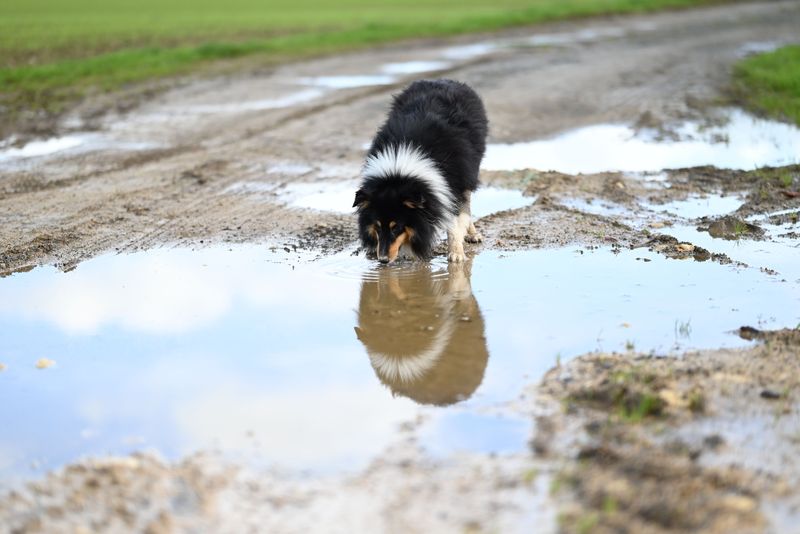
Standing water looks like a free refill to a thirsty dog. Ponds, slow creeks, and roadside puddles can carry giardia, leptospirosis bacteria, and farm runoff.
Stomach upset a day or two later is common. Bring more water than you think you need, plus a collapsible bowl, and offer sips often.
Frequent breaks reduce the urge to gulp from whatever is nearby. Ask your vet about leptospirosis vaccination.
8. Green Scum Is a Hard No
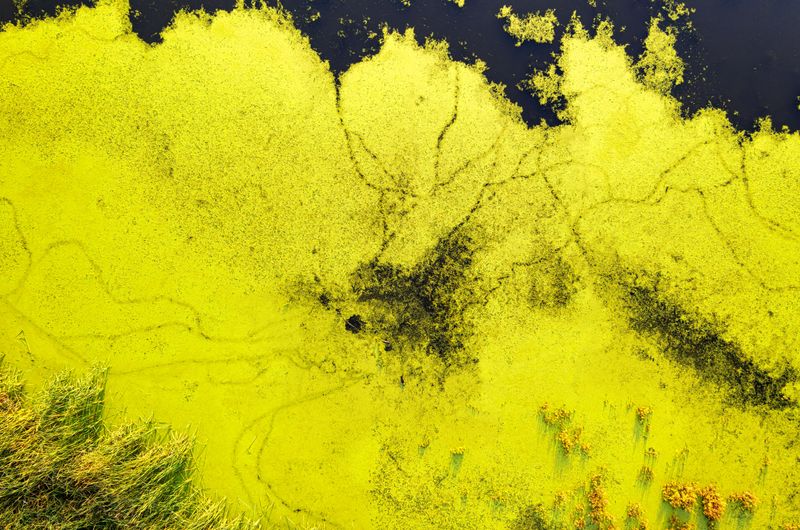
Blue-green algae blooms show up in warm, still Virginia waters, especially late summer. Water may look like spilled paint, pea soup, or floating mats, and often smells unpleasant.
Some blooms produce toxins that make dogs very sick quickly. Skip swimming, wading, and drinking anywhere the water looks off.
Virginia health officials post advisories for lakes and rivers each season, so check current notices before you load up the car.
9. Skipping the Rinse After a Questionable Swim
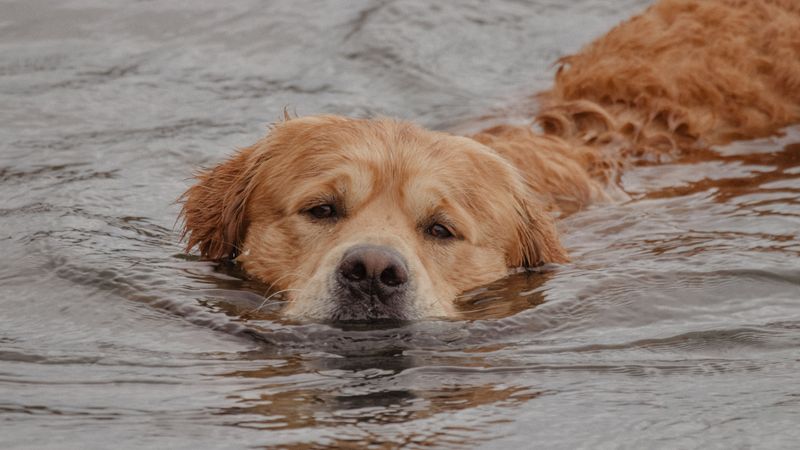
Here is a small habit with a big payoff: rinse first, cuddle later. Dogs groom themselves, so anything on the coat heads straight to the mouth.
Keep a jug of clean water in the car and wash off thoroughly, especially the paws, belly, and face.
Watch for vomiting, weakness, drooling, or stumbling afterward. Call a veterinarian right away if anything seems wrong, and mention the water exposure.
10. Swimming Too Soon After a Downpour
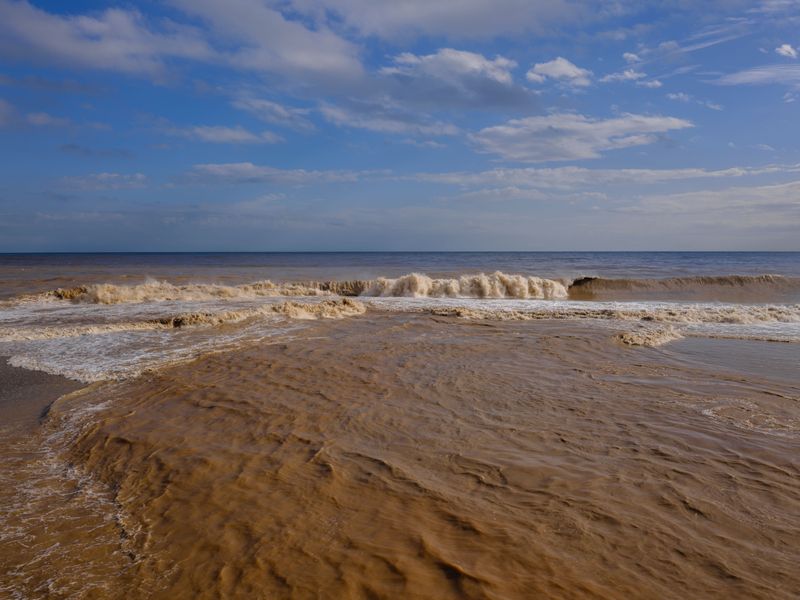
Heavy Virginia rain washes fertilizer, livestock waste, and street runoff into creeks and rivers. Bacteria levels climb, and water clarity drops fast.
Many localities advise waiting a couple of days after significant rainfall before recreational contact.
Storms also raise water levels and hide debris under the surface. Give the river time to settle, then check local water quality updates.
Your dog will not mind a land walk instead.
11. Turning a Trail Into a Free-For-All
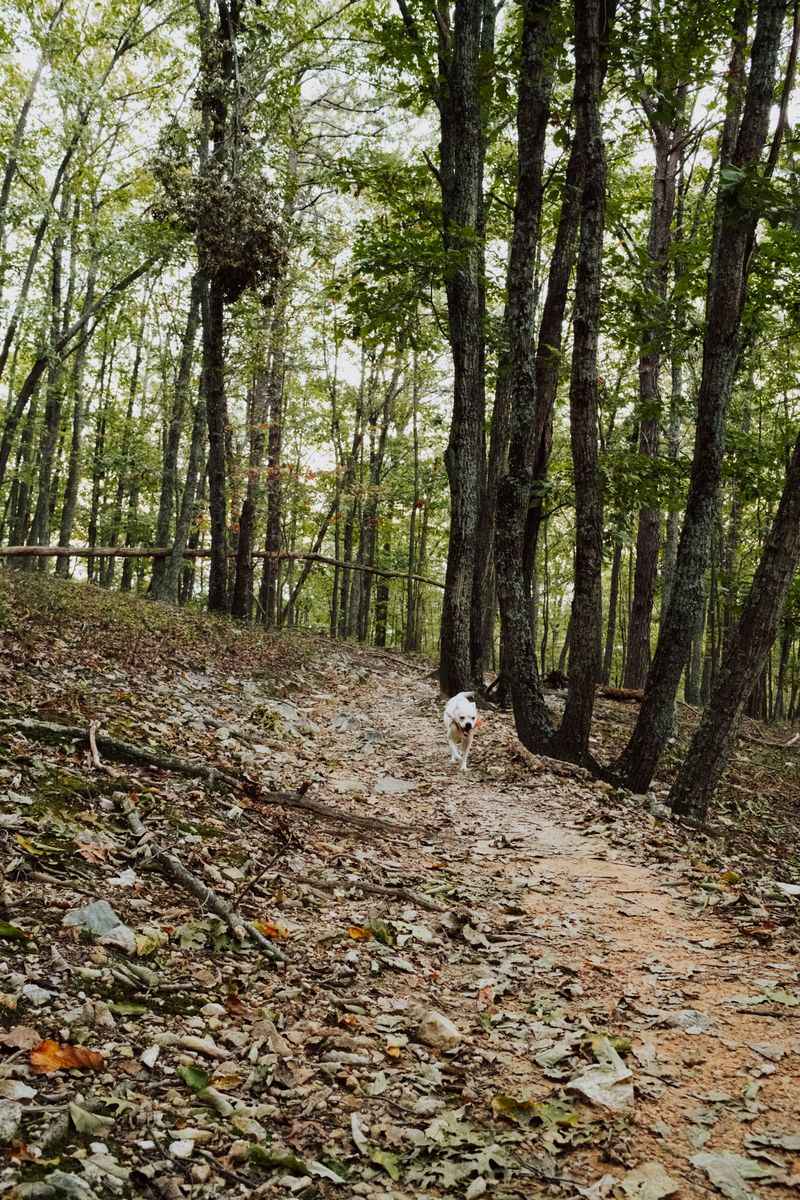
Trails feel wide open, so it is tempting to unclip and let your dog explore. Virginia Code section 3.2-6538 makes it unlawful for a dog to run at large, meaning off your property and not under immediate control.
State parks go further, requiring a leash no longer than six feet. Many counties and cities add their own rules.
Check the specific park or locality before you go, since regulations genuinely vary.
12. Underestimating Fast Water
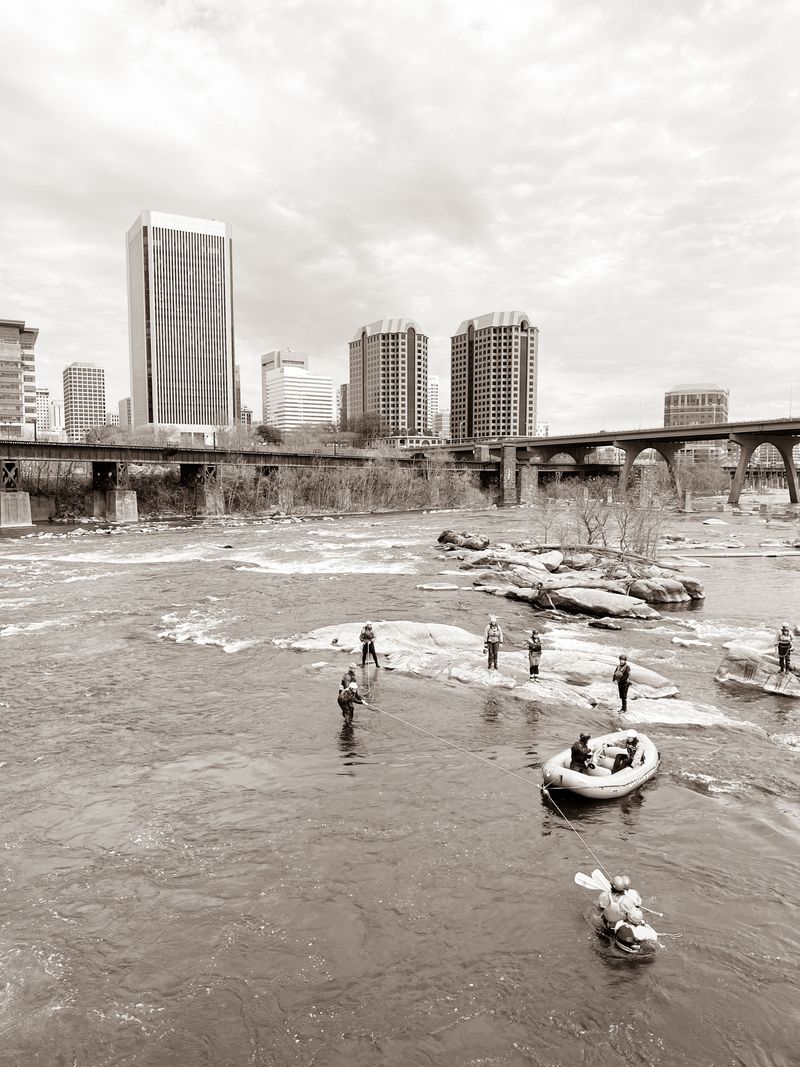
Even strong swimmers tire in current. Virginia rivers like the James and the Shenandoah hide undertows, slick rocks, and sudden drop-offs beneath calm-looking surfaces.
Choose shallow, slow-moving spots with easy exits, and fit a well-sized canine life vest with a grab handle.
Stay upstream of your dog when possible. Skip river play entirely when levels run high, and never toss toys into moving water.
13. Heading Out Without Tick Protection
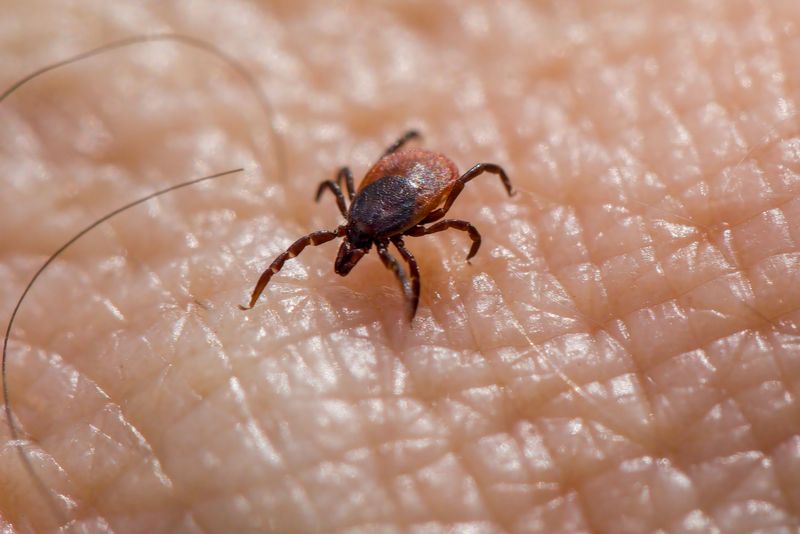
Virginia is prime tick country, home to blacklegged, American dog, and lone star ticks. Lyme disease and ehrlichiosis both occur here.
Year-round prevention works best, since mild winter days keep ticks active. Talk with your veterinarian about chewables, topicals, or collars suited to your dog’s weight and health.
Apply products on schedule, not just before big trips. Consistency is what actually keeps the numbers down over a season.
14. Forgetting the Once-Over at Home
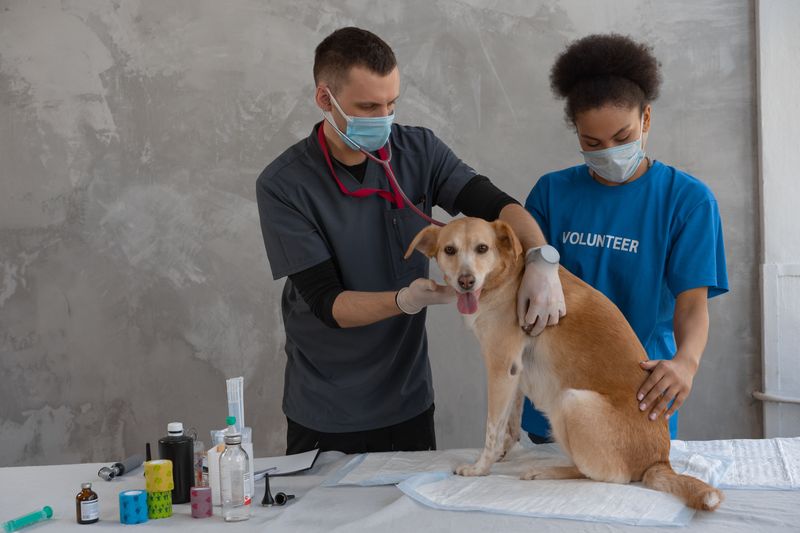
Preventives reduce risk, but they do not create a force field. Give your dog a hands-on check within a few hours of every hike.
Run fingers along the ears, under the collar, between toes, in armpits, and around the tail.
Remove any tick with fine tweezers, pulling straight out near the skin. Clean the spot, note the date, and watch for limping, fever, or low energy.
15. Treating a Humid Virginia Afternoon Like Any Other Day
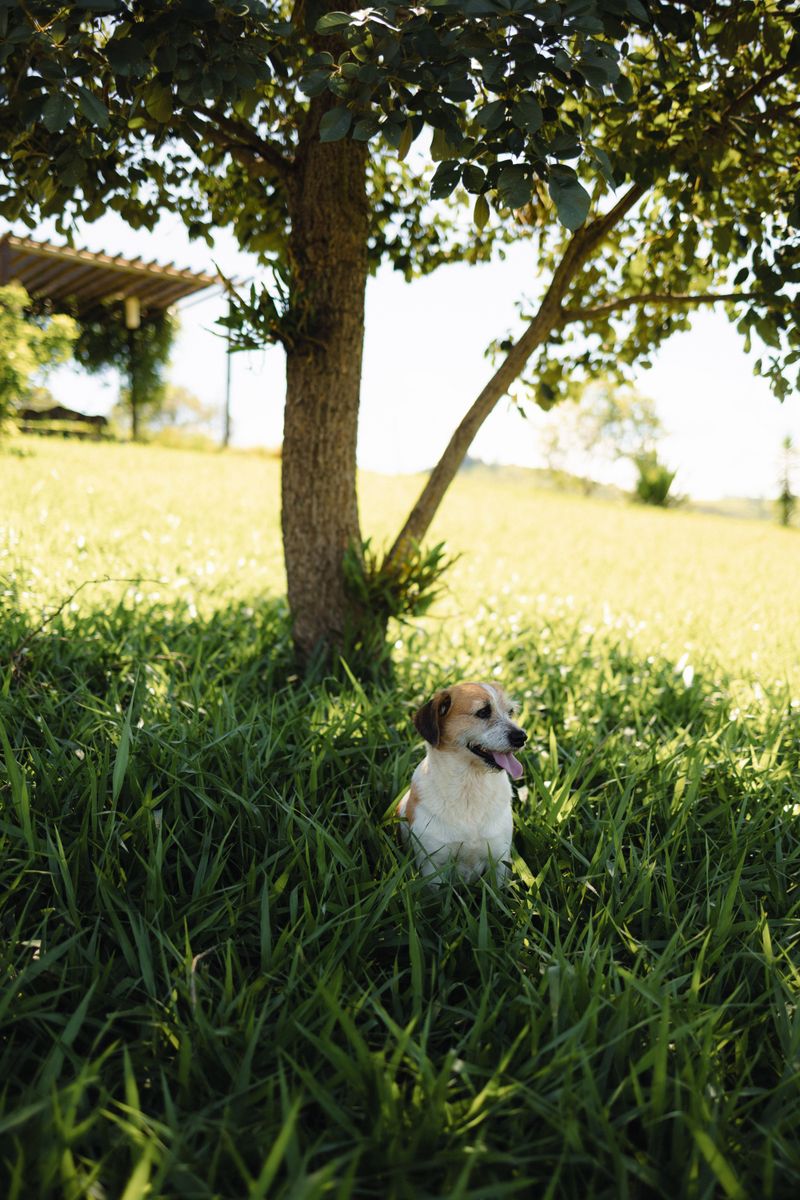
Summer humidity here makes 85 degrees feel far worse for a dog. Panting cools less efficiently when the air is already heavy with moisture.
Walk early morning or after sunset, carry water, and rest in shade often. Heavy panting, bright red gums, wobbliness, or thick drool mean stop immediately and cool down.
Flat-faced breeds, seniors, and heavy-coated dogs need extra caution and shorter outings.
16. Hot Pavement Under Soft Paws
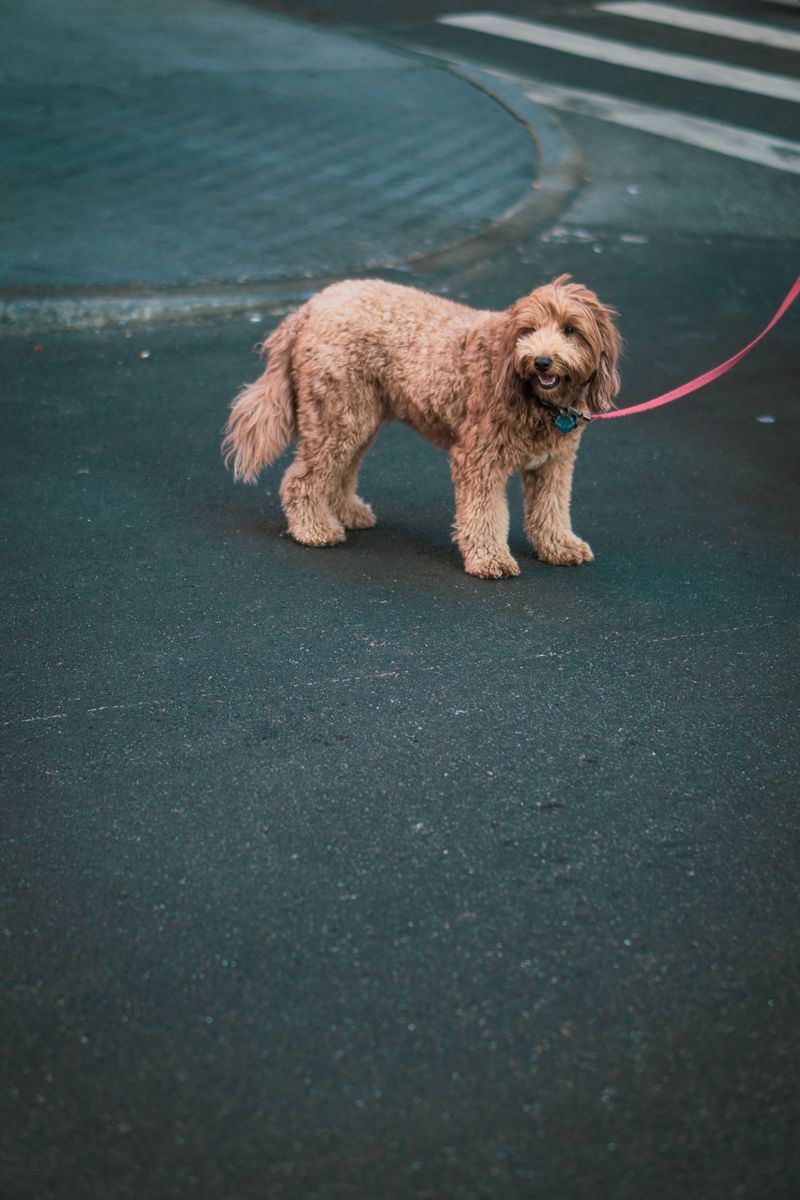
Asphalt can run dozens of degrees hotter than the air, and beach sand at Virginia Beach heats up just as fiercely.
Try the seven-second test: press the back of your hand to the surface, and if you cannot hold it comfortably, neither can your dog.
Stick to grass, dirt, or shaded paths. Booties or paw wax help, and evening walks solve most of the problem.
17. Letting Wildlife Encounters Get Personal
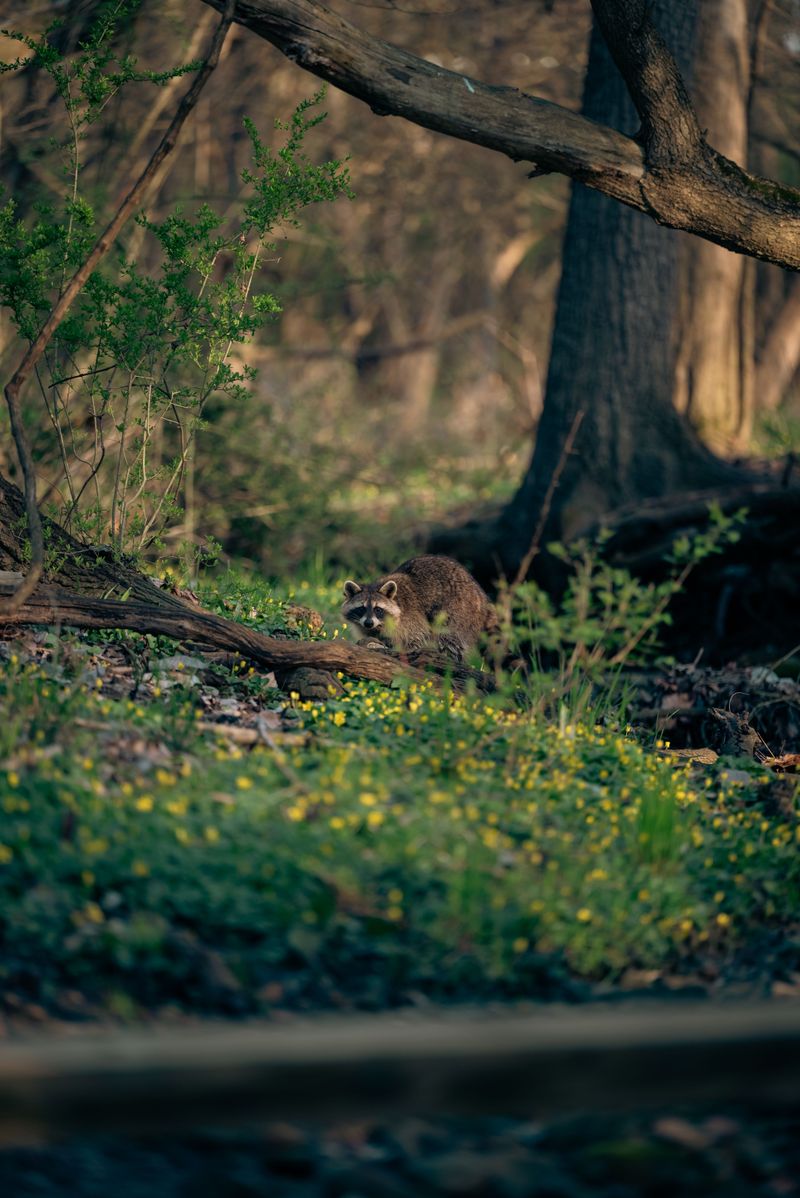
Raccoons, foxes, and skunks are common across Virginia, and all mammals can carry rabies. Even a brief scuffle can mean quarantine paperwork and booster shots.
Keep rabies vaccination current, since proof is recommended at state parks and required by many localities.
Leash up at dawn and dusk when wildlife moves most. If contact happens, call your veterinarian and local animal control for guidance.
18. Stepping Away and Leaving Your Dog Behind
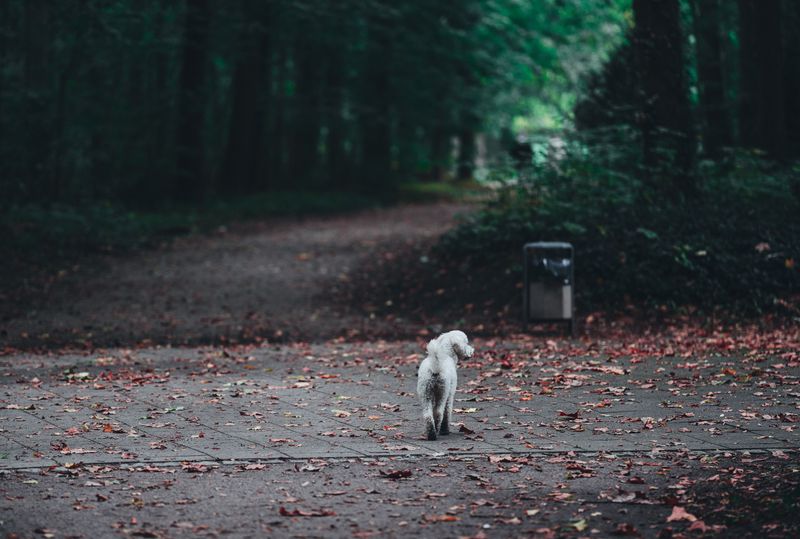
Quick errands stretch longer than planned. Virginia State Parks state that leaving a pet unattended, or allowing it to become a nuisance, can end your stay without a refund, plus billing for damages.
Beyond the rules, an alone dog may bark, tangle a lead, overheat, or attract wildlife.
Bring your dog along or take turns with a companion. Supervision is the simplest protection there is.
Plan ahead, and enjoy Virginia together.