What Utah Dog Owners Should Know About Rattlesnakes In Canyon Country
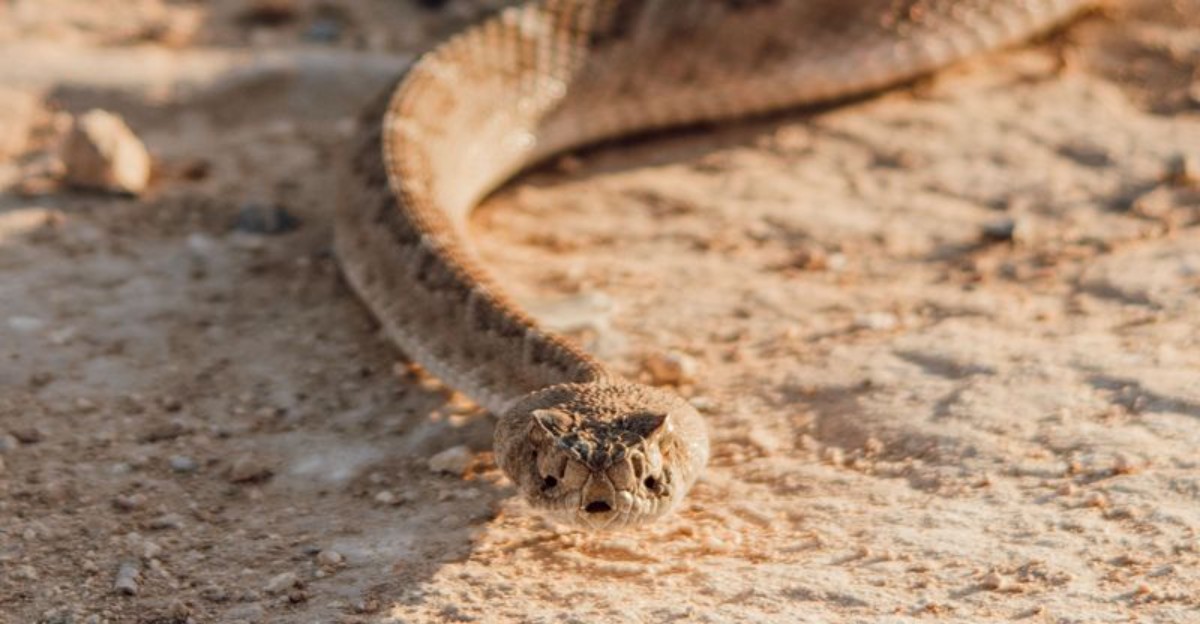
If your weekends involve red rock, sandy washes, and a happy dog pulling toward the next bend, rattlesnakes are worth understanding. The good news is that most encounters end quietly, with both parties going their separate ways.
A little knowledge about where snakes rest, how they warn, and what to do after a suspected bite goes a long way. Here is what local dog owners should keep in mind before the next canyon walk.
Rattlesnakes Are Native To Utah Canyon Country
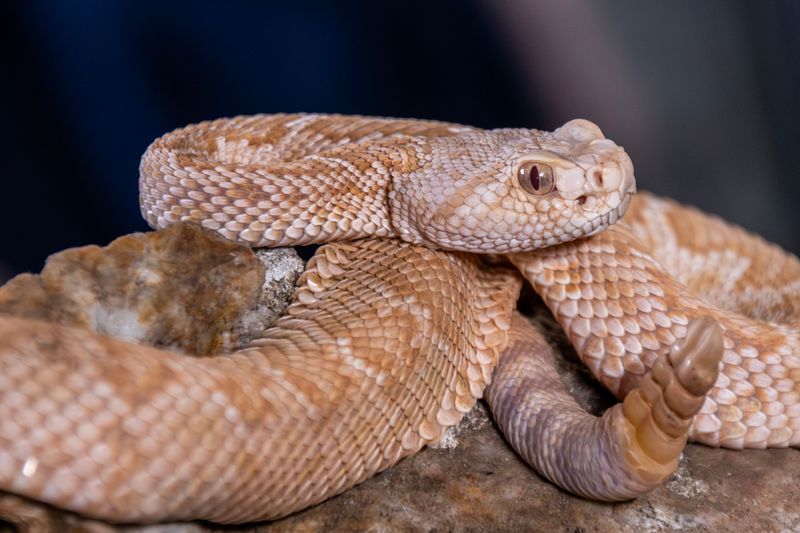
Long before trailheads and dog parks, rattlesnakes lived in Utah’s slickrock and sagebrush. Several species call the state home, including the Great Basin and midget faded rattlesnake.
They help control rodents, and Utah regulations place restrictions on collecting and possessing rattlesnakes.
Seeing one is not a sign of danger, just a sign of healthy desert. Your job is simple: give it room and keep your dog close.
Confirm current rules with the Utah Division of Wildlife Resources.
Know Where Rattlesnakes Like To Hide
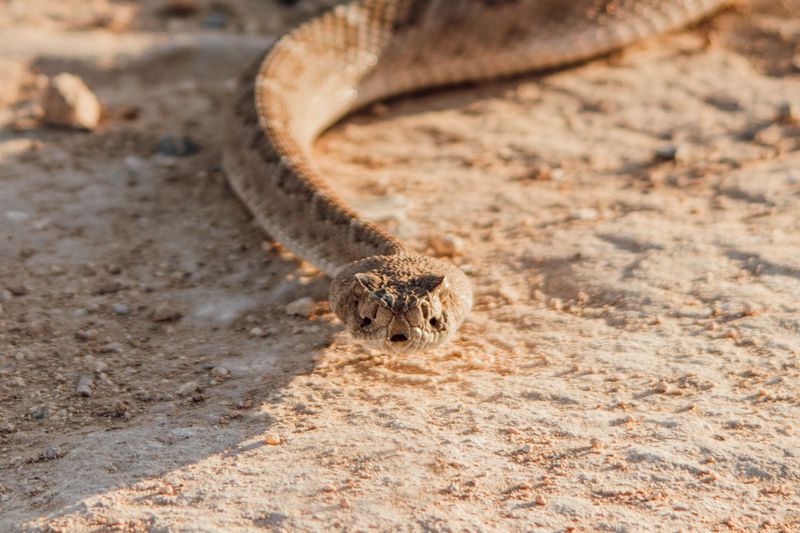
Shade is a rattlesnake’s favorite address. Look for them tucked under rock ledges, beside downed logs, near shrub bases, and along cool canyon walls.
Woodpiles, trail edges, and old fire rings also make comfortable resting spots.
Scan a few steps ahead as you walk, especially where sunlight and shadow meet. If your dog suddenly fixates on a shady gap, call them back before they lean in for a closer sniff.
Curiosity moves faster than caution.
Watch Warm, Rocky Trails
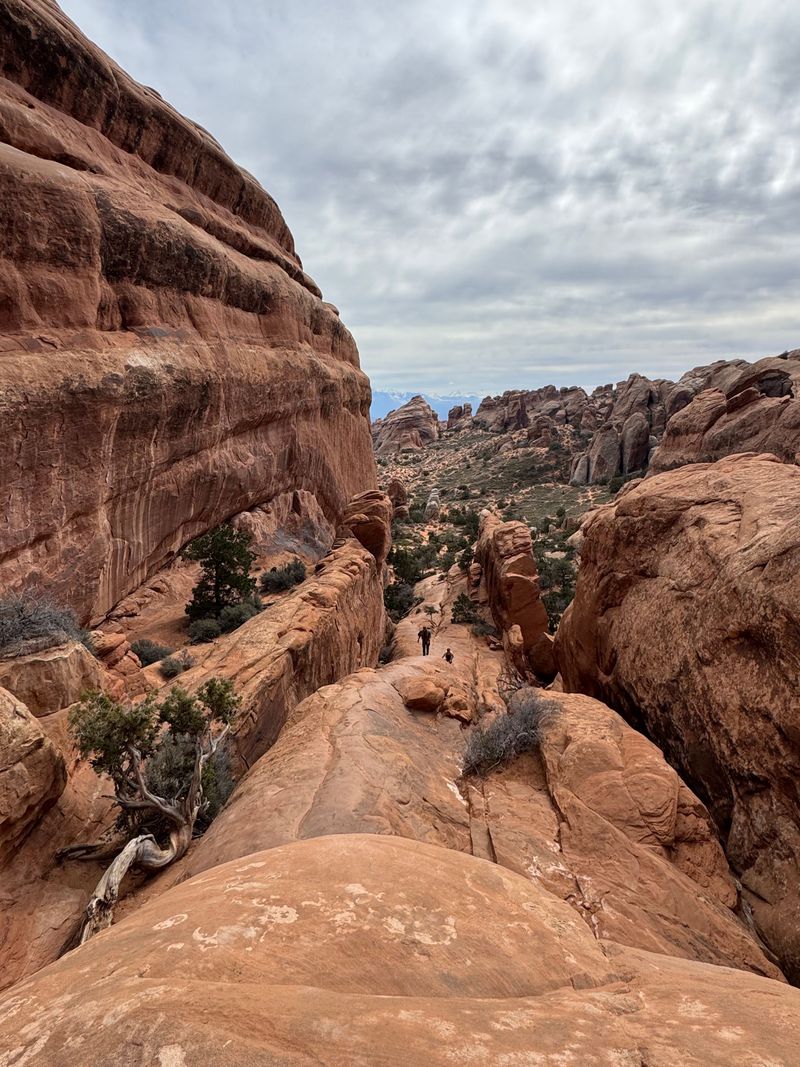
Slickrock holds heat like a stovetop, and that warmth attracts basking snakes. Morning and late afternoon are prime sunning times on exposed ledges and stone benches.
Keep your eyes on the path when you scramble over boulders or step across ledges. Encourage your dog to walk behind you on narrow rock sections.
That way you spot the surprise first, and your dog follows your lead. Reaching blindly into rock cracks invites trouble too.
Keep Your Dog On A Short Leash
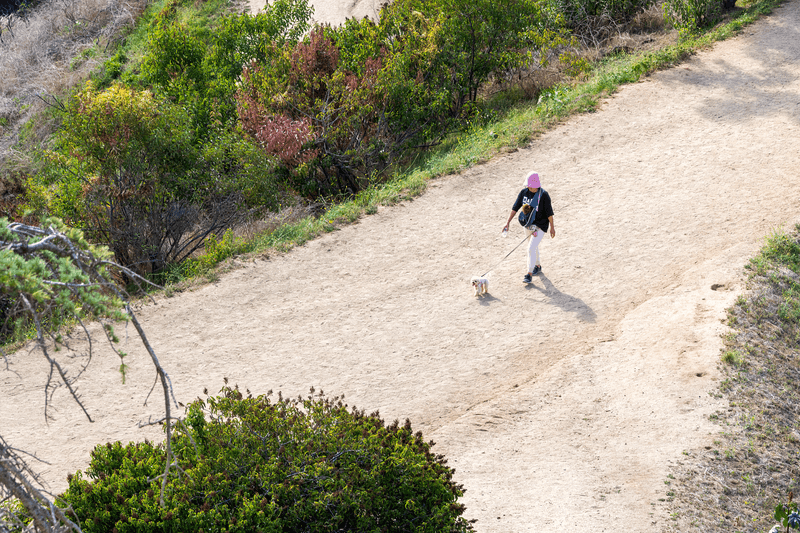
A six foot leash is one of the best snake safety tools you own. Short lines keep your dog on the trail and out of blind edges.
Retractable leashes give too much slack for quick reactions. Many Utah trails require leashes, and pet access is restricted in national parks such as Zion, Arches, and Canyonlands.
Check the managing agency’s rules before you go, since they differ by park, county, and city. Leash training pays off here.
Let Snakes Have An Escape Route
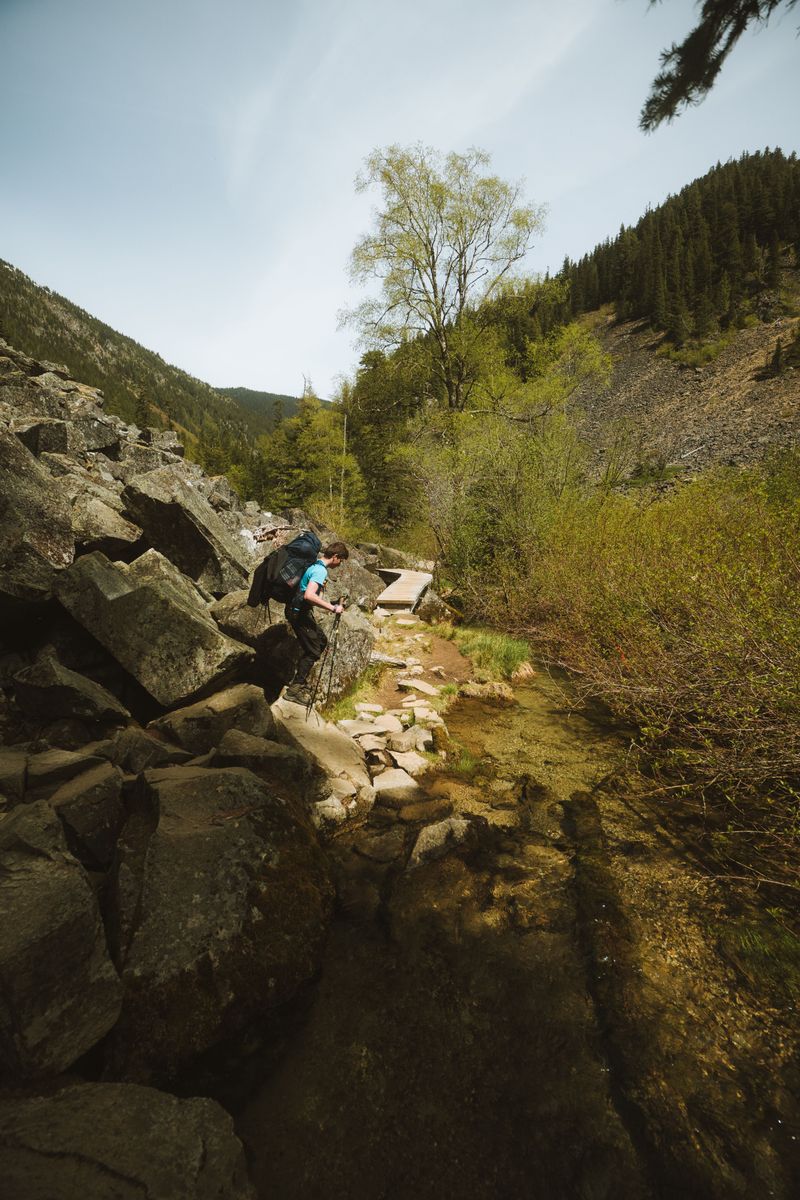
Cornered animals defend themselves, and snakes are no different. When you spot one, stop, shorten the leash, and back away slowly along the way you came.
Do not circle around for photos or try to shoo it off the trail. Give the snake at least several body lengths of space.
Most will slide into cover once nobody is crowding them. Waiting a minute or two often solves the situation quietly.
Patience beats pressure out here.
Learn To Recognize A Rattlesnake Warning
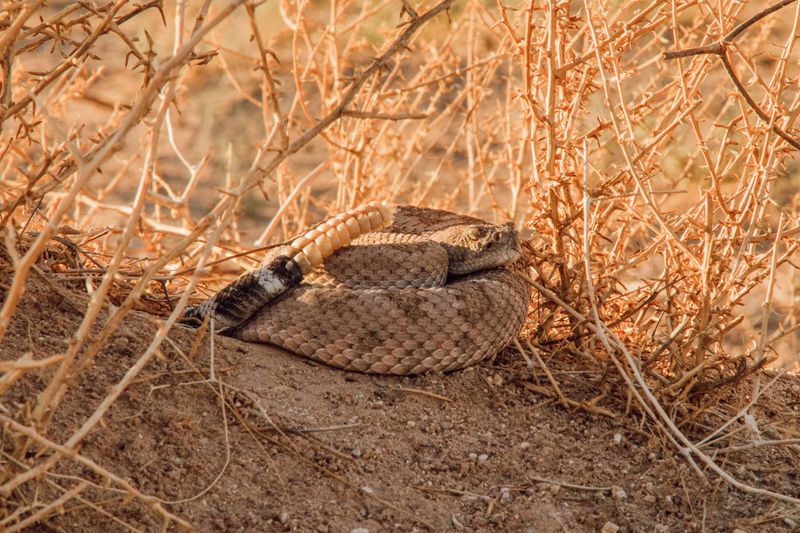
That dry buzzing sound is a request, not a threat: please step back. It can resemble a sprinkler, a cicada, or dry leaves shaking in wind.
Snakes do not always rattle, though, so never rely on sound alone. Other clues include a coiled posture, a raised head, and a thick, blunt tail tip.
Teach everyone in your group to freeze first, then locate the source. Hiking quietly gives you extra warning time.
Keep Your Dog From Investigating Holes
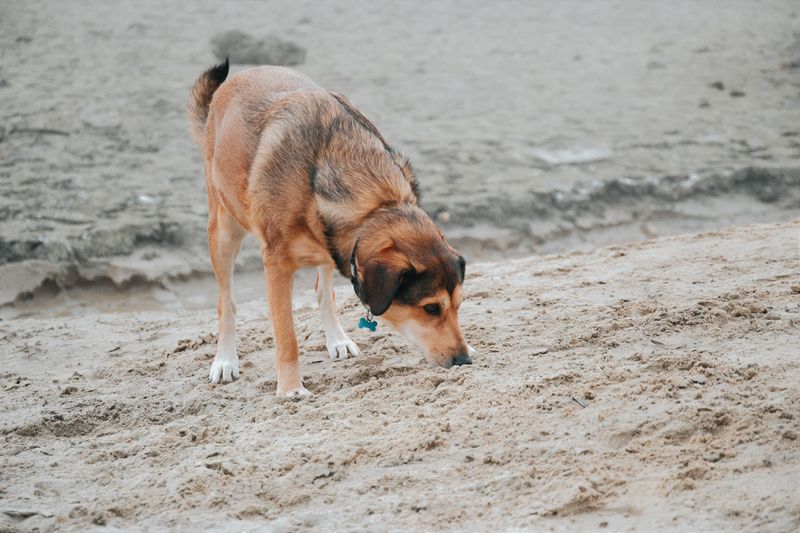
Rodent burrows are basically desert apartment buildings, and snakes sometimes borrow a room. Terriers and other diggers find these openings irresistible.
Redirect your dog with a treat or a cheerful cue before the nose goes in. Practice a solid leave it cue at home, where distractions are low.
Rock crevices, hollow logs, and gaps under boulders deserve the same snouts off rule. Curious noses simply cannot see what waits inside.
Avoid Letting Dogs Wander Through Tall Brush
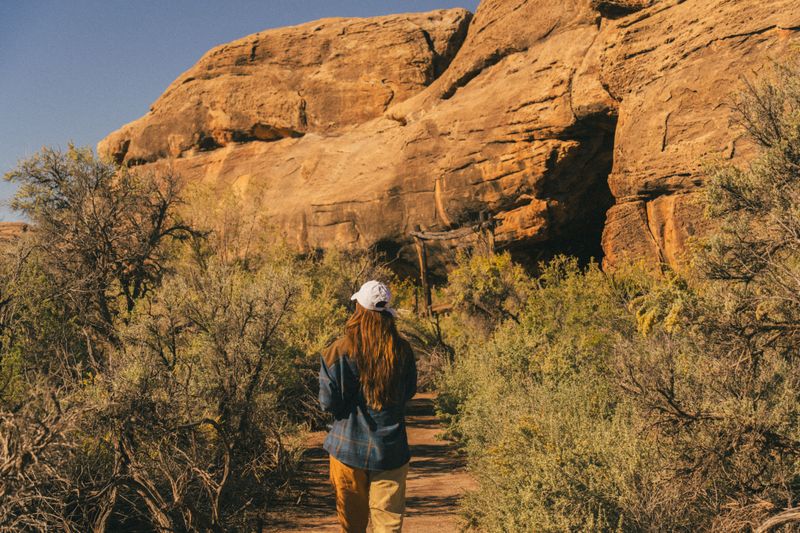
Sagebrush and rabbitbrush hide more than lizards. Thick vegetation blocks your view, and it blocks your dog’s view too.
Stay on established paths and skip shortcuts through dense cover. Dry washes and grassy creek edges also deserve caution, since they hold prey and shade.
If your dog needs a bathroom break, choose an open, clear spot beside the trail. Fewer surprises means a calmer walk for both of you.
Trail edges reward a visual scan.
Be Extra Alert During Warm Weather
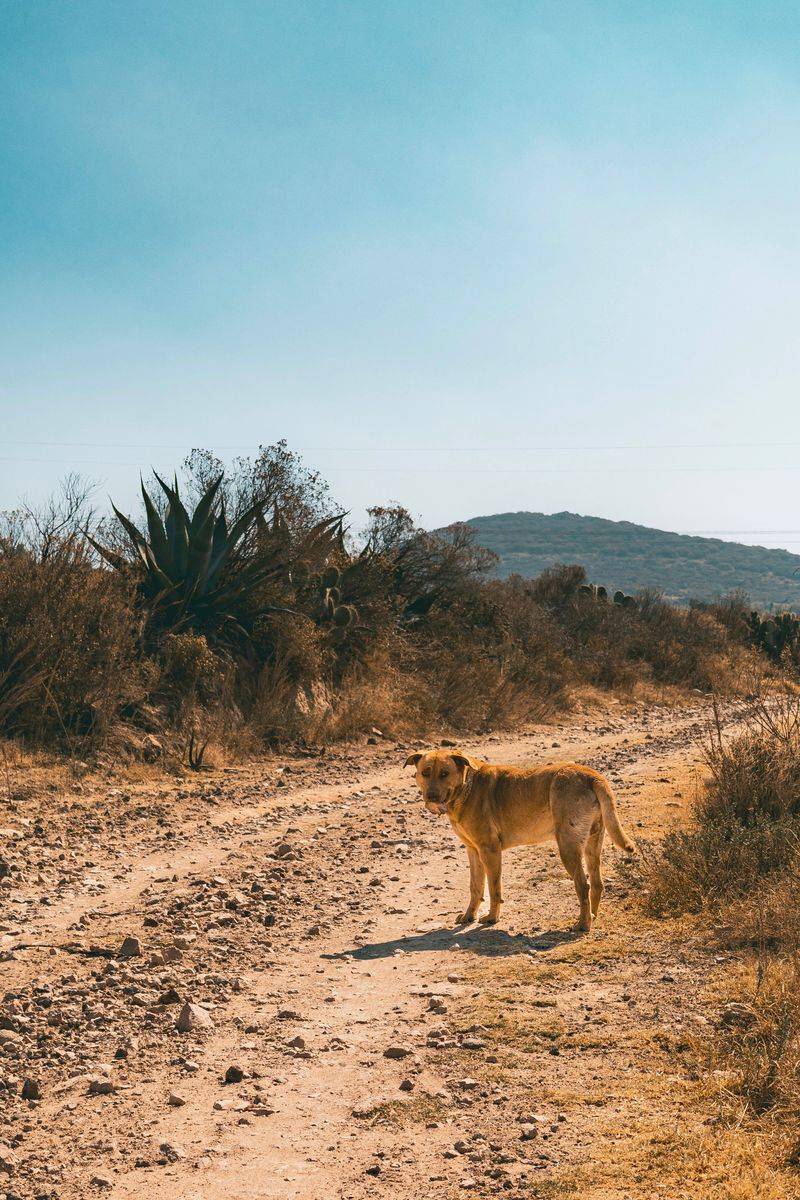
Snake activity in Utah usually picks up from spring through fall. Warm days bring them out, and hot afternoons often push them into shade.
Because of that, dawn and dusk hikes can overlap with their movement. Bring a headlamp for early or late outings and light the ground ahead.
Cooler months quiet things down, though a mild winter afternoon can still coax a snake onto sunny rock. Awareness matters most whenever temperatures climb.
Carry Water For Both Of You
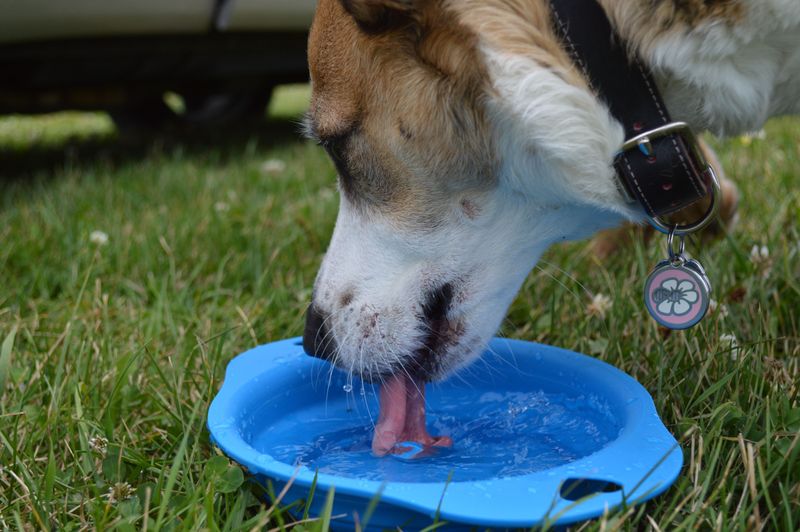
Desert heat sneaks up on dogs faster than most owners expect. A well hydrated dog stays more responsive, and responsiveness keeps them out of trouble.
Pack roughly one ounce per pound of body weight for a day hike, then add extra. Offer water at every shade stop, using a collapsible bowl.
Overheated dogs pant hard, slow down, and stop listening. That is when they stumble into places you would rather avoid.
Shade breaks help everyone.
Know The Signs Of A Possible Bite
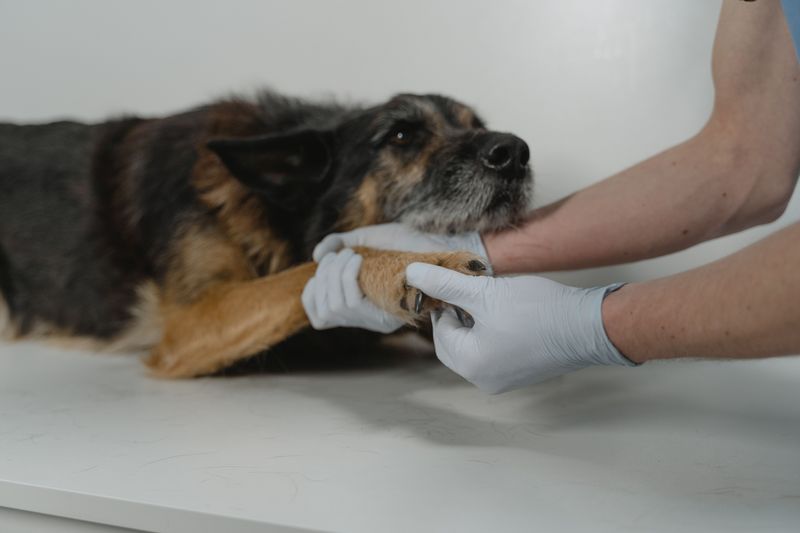
Not every yelp on the trail means a snake, but certain signs deserve attention. Common ones include sudden swelling on the face or a leg, puncture marks, drooling, and limping.
Your dog may also seem restless, weak, or unusually quiet. Pale gums and rapid breathing are additional red flags.
Because reactions vary by dog and by species, treat any suspected bite as urgent and contact a veterinarian right away. Quick observation gives your vet useful details.
Act Fast And Keep Your Dog Calm
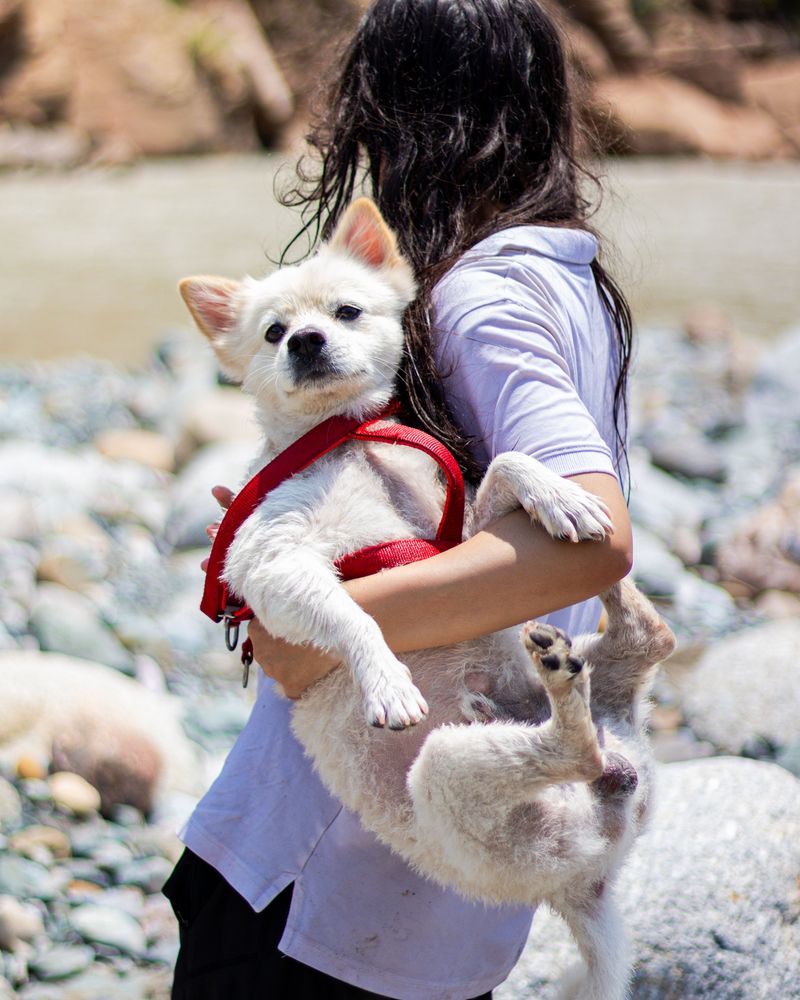
Do not wait to see whether symptoms improve. Keep your dog quiet and limit activity while heading for veterinary care immediately, and call ahead so the clinic can prepare.
Carry a smaller dog if you can do so safely, and keep a larger dog moving as little as practical. Avoid jogging back to the car or encouraging unnecessary activity.
Do not use ice, tourniquets, cutting, or suction devices, and do not give medication unless directed by a veterinarian. Veterinary guidance recommends limiting first aid to keeping the animal quiet and getting prompt professional treatment.
Ask whether antivenom is available at the clinic or nearby.
Do Not Try To Handle The Snake
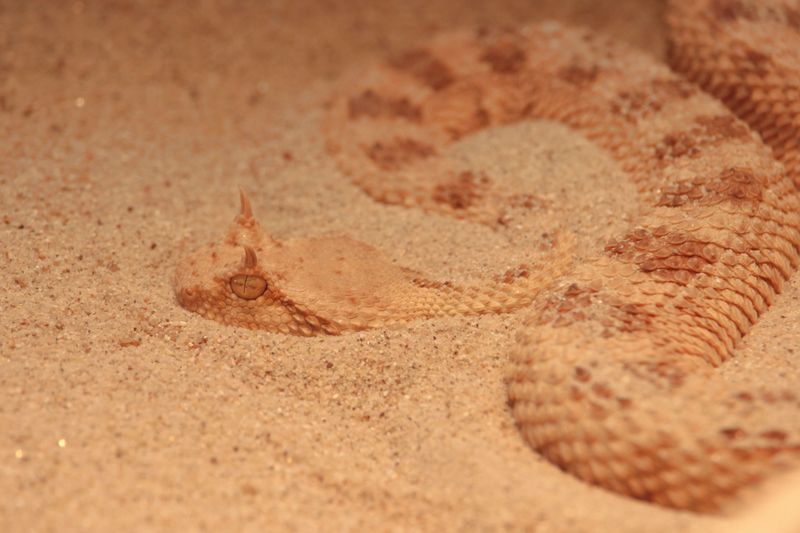
Attempting to move or capture a snake raises risk for everyone, including you. Utah wildlife rules protect rattlesnakes, and harassing or collecting them is generally not allowed without a permit.
Instead, note the location and report it if the site manages nuisance wildlife. Home or campground sightings can go to local animal control or a licensed removal service.
Do not bring the snake to the clinic. Photos from a safe distance suffice.
Confirm details with state officials.
Consider Rattlesnake Avoidance Training
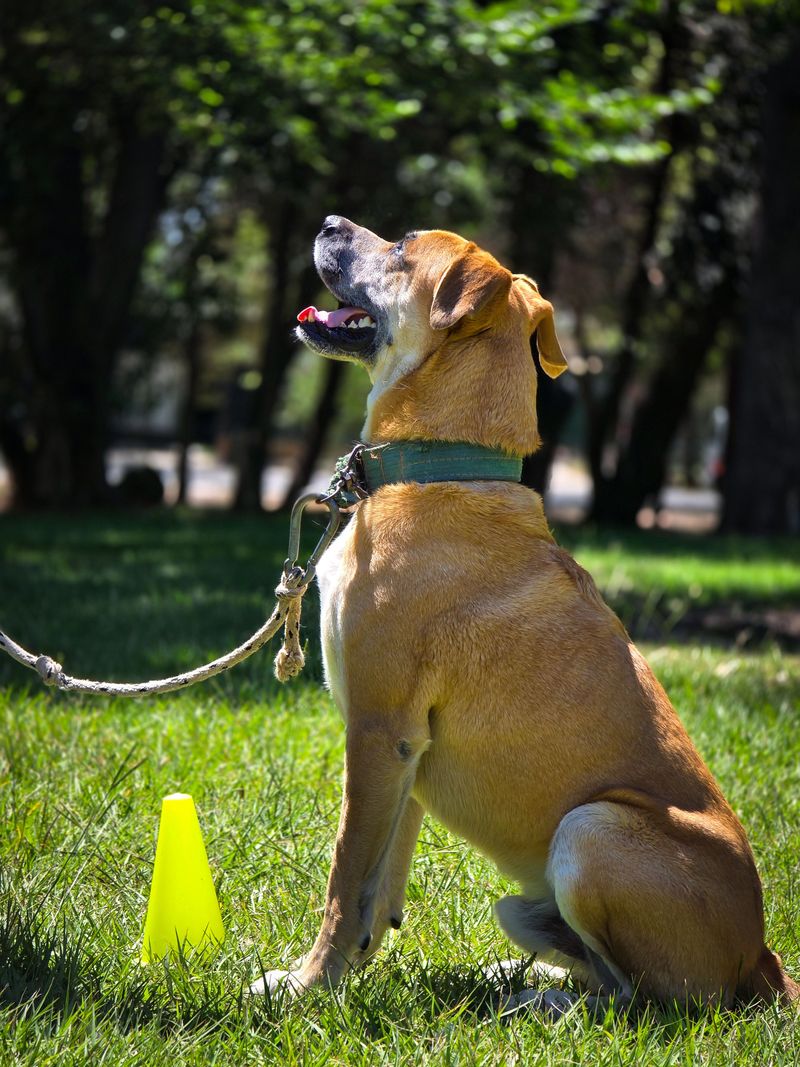
Some Utah trainers offer snake avoidance classes that teach dogs to move away from scent and sound. Methods differ, and certain programs use aversive tools that not everyone chooses.
Ask about techniques, credentials, and follow up sessions before signing up. Reward based options exist too, focusing on recall and disengagement.
Talk with your veterinarian about the rattlesnake vaccine as well, since evidence is limited. No training replaces a leash and attentive eyes.
Check Trail Conditions And Give A Pre-Hike Once-Over
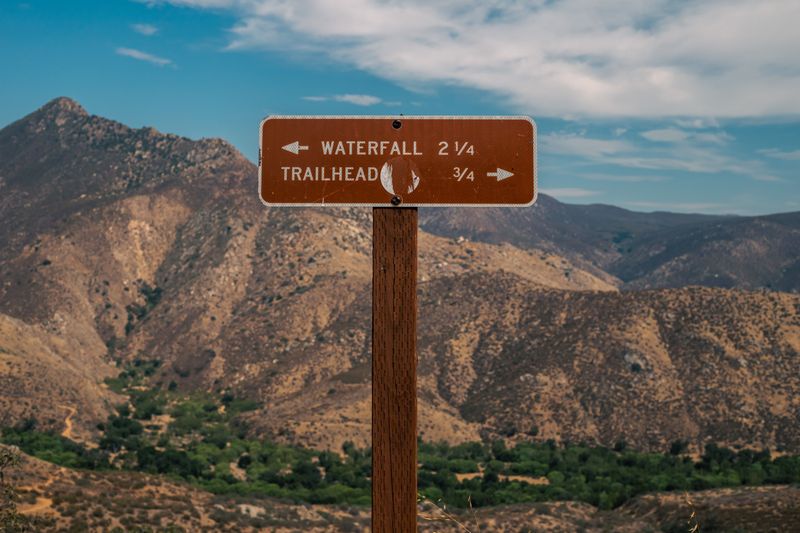
Five minutes of planning smooths out a whole day. Look up trail reports, dog rules, heat forecasts, and recent wildlife notices from the managing agency.
Then give your dog a quick once over: paws, nails, collar fit, and ID tag. Save the nearest emergency clinic number in your phone before you lose signal.
Pack water, a spare leash, and a small first aid kit. Preparedness turns worry into simple routine, and canyon walks stay joyful.