How Hurricane Season Changes Dog Emergency Planning Along Alabama’s Coast
If you live near Mobile Bay, Gulf Shores, or anywhere along Alabama’s coast, hurricane season shapes how you plan the whole summer. Your dog depends on you to think a few steps ahead, long before a storm has a name.
The good news is that preparation is simple once you break it into small pieces. Here are the practical steps coastal dog owners can take now, so evacuation day feels organized instead of rushed.
1. Know Your Evacuation Zone
Coastal evacuation zones and storm-surge maps can help you understand when local officials may recommend or require evacuation. Mobile and Baldwin County emergency management agencies publish evacuation information online.
Look yours up on a calm day, then write it on your fridge. People living in manufactured or mobile homes should also make an early plan for moving to a sturdier shelter when severe weather threatens.
Knowing your number ahead of time means you never waste minutes searching while your dog waits by the door.
2. Choose A Safe Destination Inland
Picking where you are going beats driving north and hoping. Friends or relatives inland often make the easiest option, especially for dogs who dislike strangers.
Keep in mind that household pets may need to be housed in a separate pet shelter or another location at Red Cross shelters, while service animals are always permitted.
Line up two or three backup destinations, since one may be closed or full. Call ahead during quiet weeks so nobody feels surprised when you phone during a watch.
3. Build A Dog Evacuation Kit
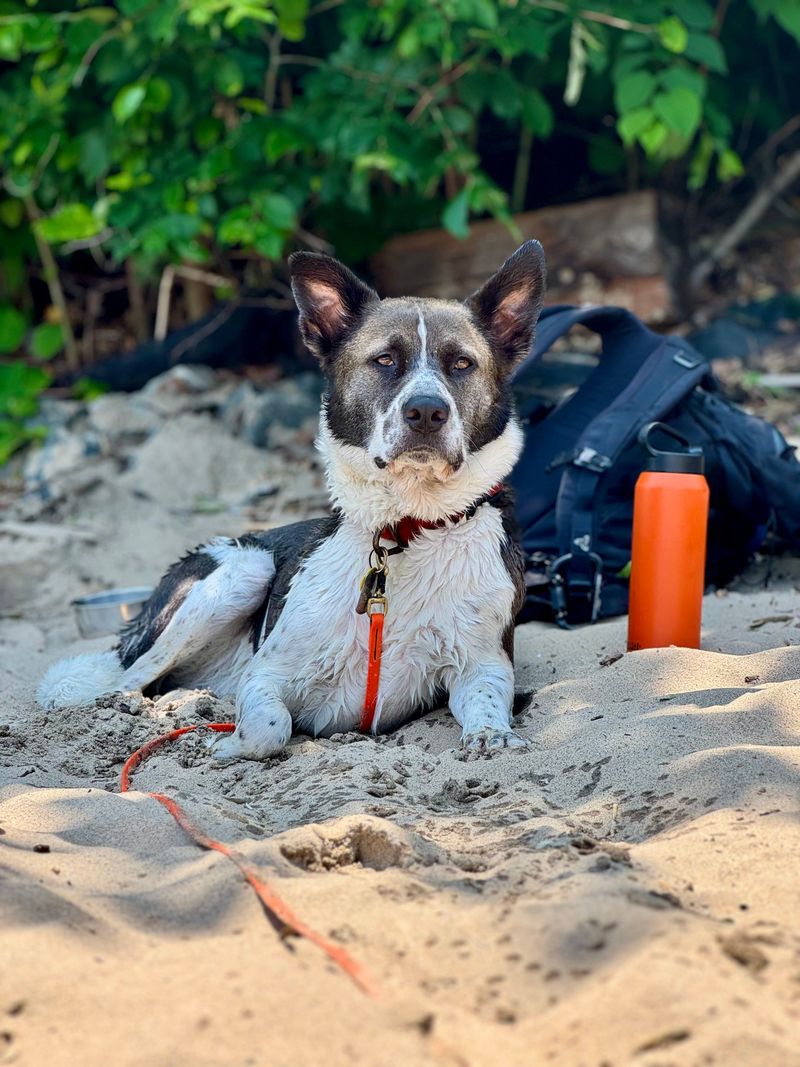
Think of it as your dog’s own go-bag, stored apart from the family supplies. Pack seven days of food, though many owners stretch it to ten.
Add bowls, waste bags, paper towels, a blanket, and a favorite toy for comfort.
Use a waterproof bin or backpack, and rotate food and water every couple of months. A manual can opener matters if you feed canned meals.
4. Update Your Dog’s Identification
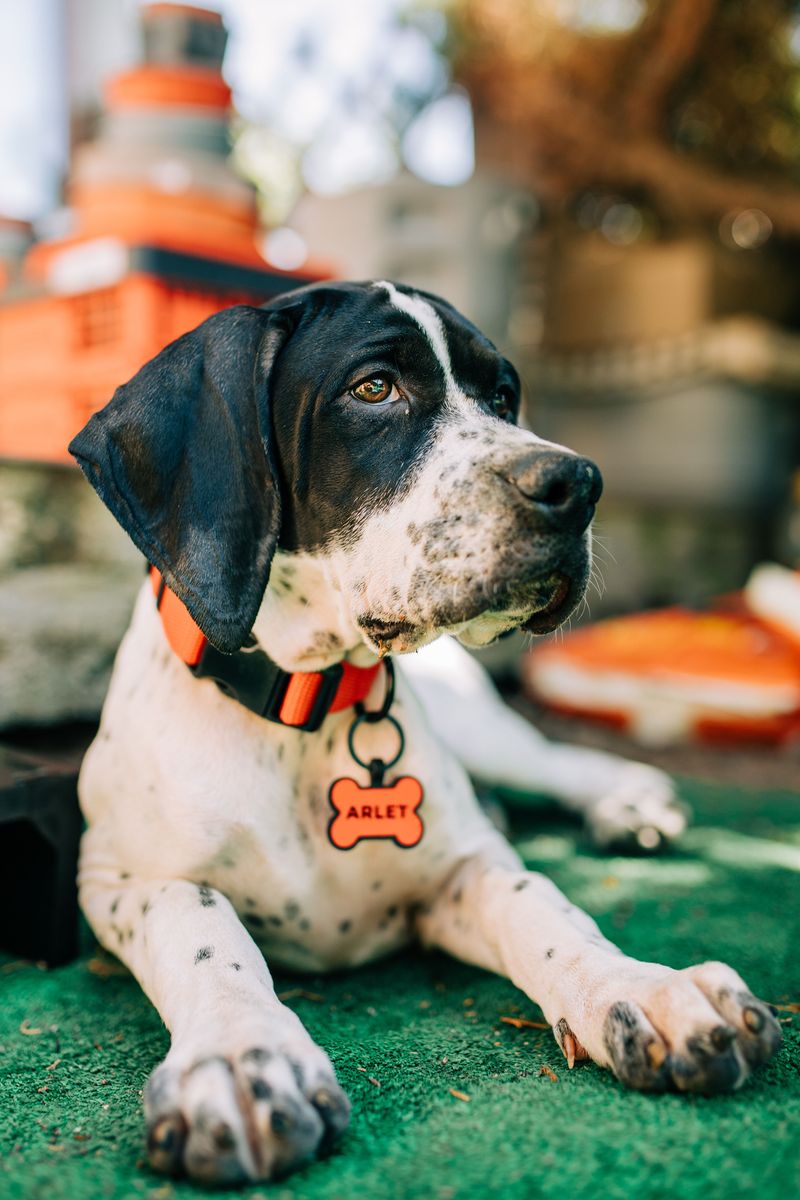
Tags do the fastest work when a dog slips a gate during a storm. Make sure yours show your name, address, and a working phone number.
Add a temporary tag with an out-of-state contact, since local service can go down after a hurricane.
Microchips give backup that cannot fall off, but only if the registry has your current number. Log in once a year and confirm the details.
5. Keep Leashes And Carriers Ready
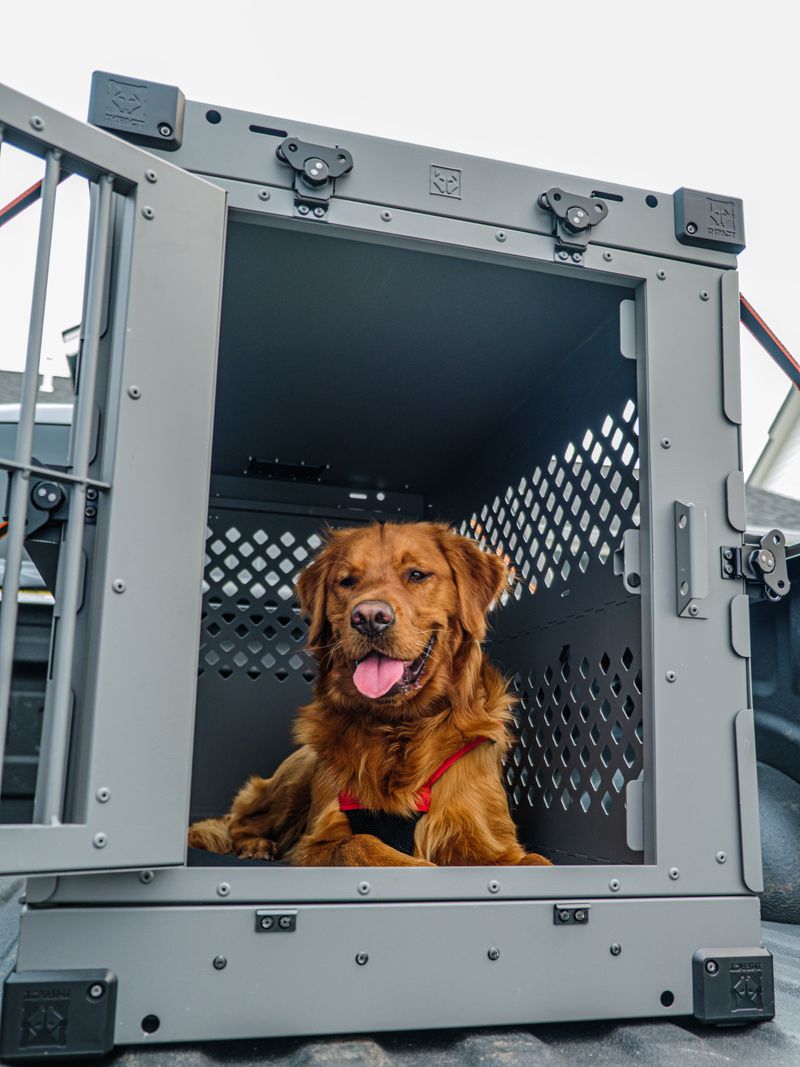
Storm noise makes even calm dogs bolt, so gear near the door earns its keep. A well-fitted harness holds better than a collar on a frightened dog.
Choose a sturdy non-retractable leash for real control around debris.
Give each dog a crate roomy enough to stand, turn, and lie down. Toss in a spare collar, tag, and leash, because backups disappear when you need them.
6. Save Your Dog’s Veterinary Records
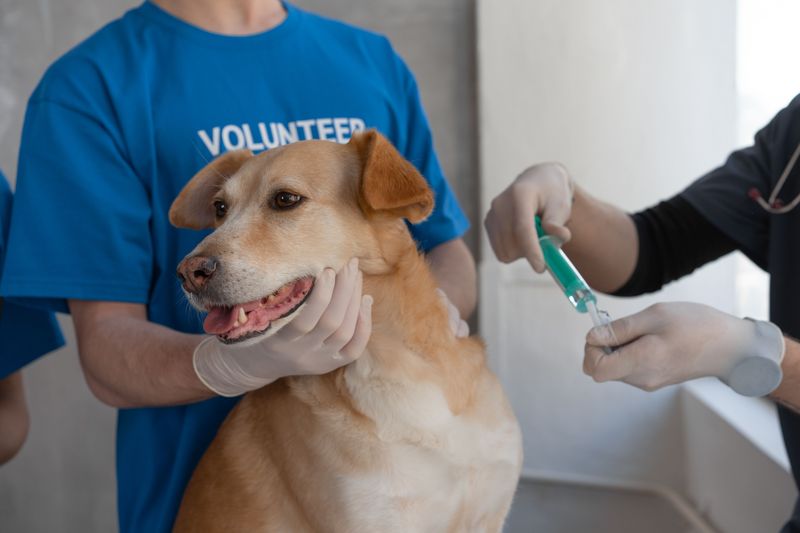
Paperwork sounds boring until a shelter asks for proof of vaccinations at intake. Most boarding kennels and pet shelters require current records before accepting your dog.
Print copies, slide them into a waterproof bag, and keep a photo of each page on your phone.
Store your veterinarian’s phone number with them. Some clinic apps also hold vaccine history, which helps when paper gets soaked or misplaced.
7. Check Pet-Friendly Hotels Along Your Route

Rooms that welcome dogs fill quickly once a storm turns toward the Gulf. Build a short list of hotels along your inland route, then phone each one.
Ask about weight limits, breed rules, extra fees, and how many pets per room.
Tentative reservations can be useful, but cancellation policies vary by property. Save the numbers in your phone under a folder you can find fast.
8. Know Local Pet Shelter Options
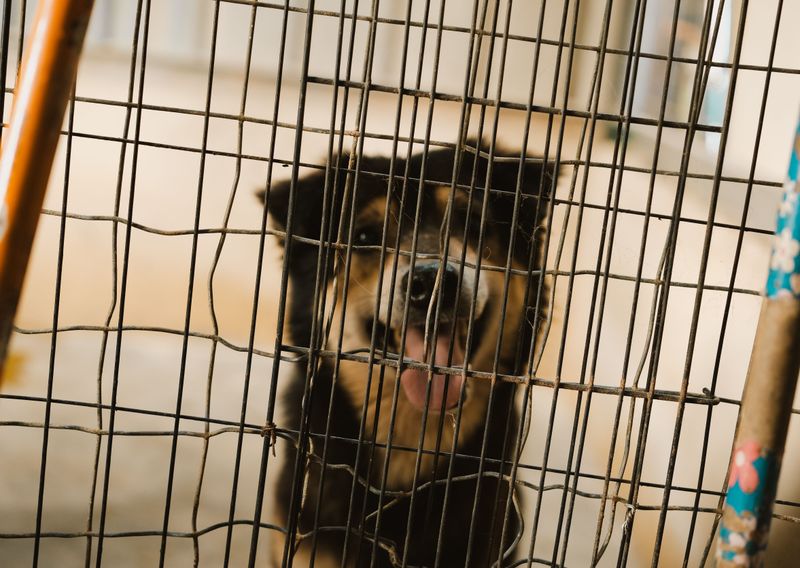
Public sheltering rules differ between counties, so learn yours early. Baldwin County runs a pet-friendly plan at the Baldwin County Coliseum for cats and dogs.
Owners must be evacuees there, bring crates and supplies, and show vaccination proof.
In Mobile County, pet owners should identify available animal-sheltering options before an evacuation because regular public shelters may not accept household pets. Confirm current arrangements with Mobile County Emergency Management and local animal services before the season starts.
9. Prepare For Power Outages
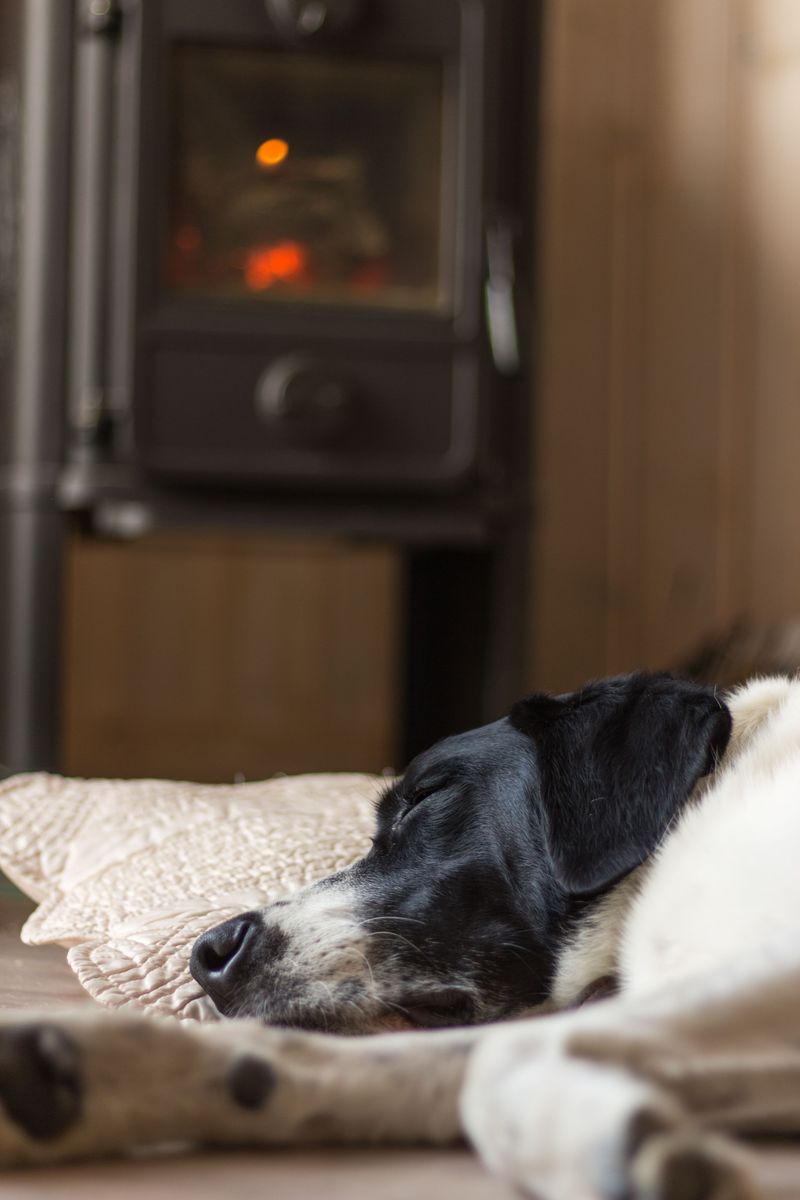
Lost power in August turns a comfortable house warm within hours. Stock flashlights, a battery-powered NOAA weather radio, and plenty of spare batteries.
Run generators outdoors only, at least twenty feet from doors, windows, and vents.
Carbon monoxide detectors with battery backup belong in every home using alternate fuel. A battery fan and a cool tile floor help your dog rest while you wait for crews.
10. Store Extra Drinking Water
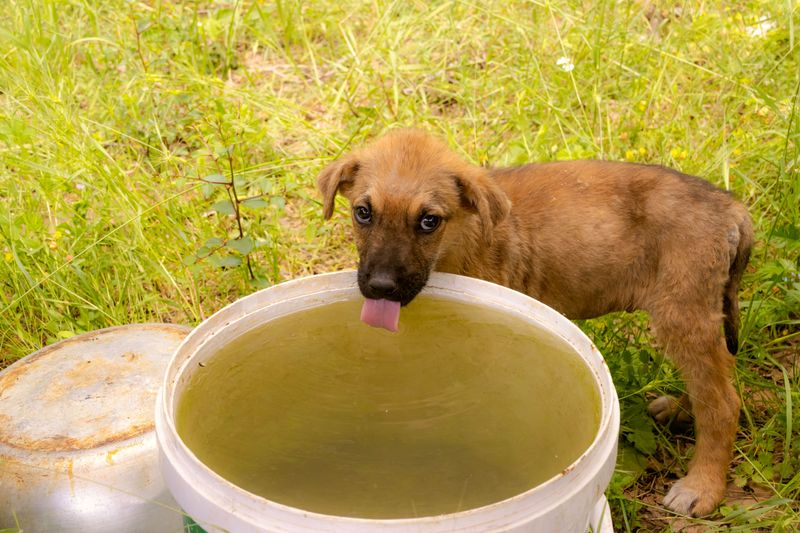
Store enough drinking water for your household and pets to cover at least several days of an emergency, following local emergency-preparedness guidance.
Aim for a generous supply, since extra water is useful if evacuation or utility disruptions last longer than expected.
Keep containers in a cool, dark spot and rotate them roughly every two months. Label a few clearly for pets, so nobody grabs them for cleaning during cleanup.
11. Protect Food And Medications From Floodwater
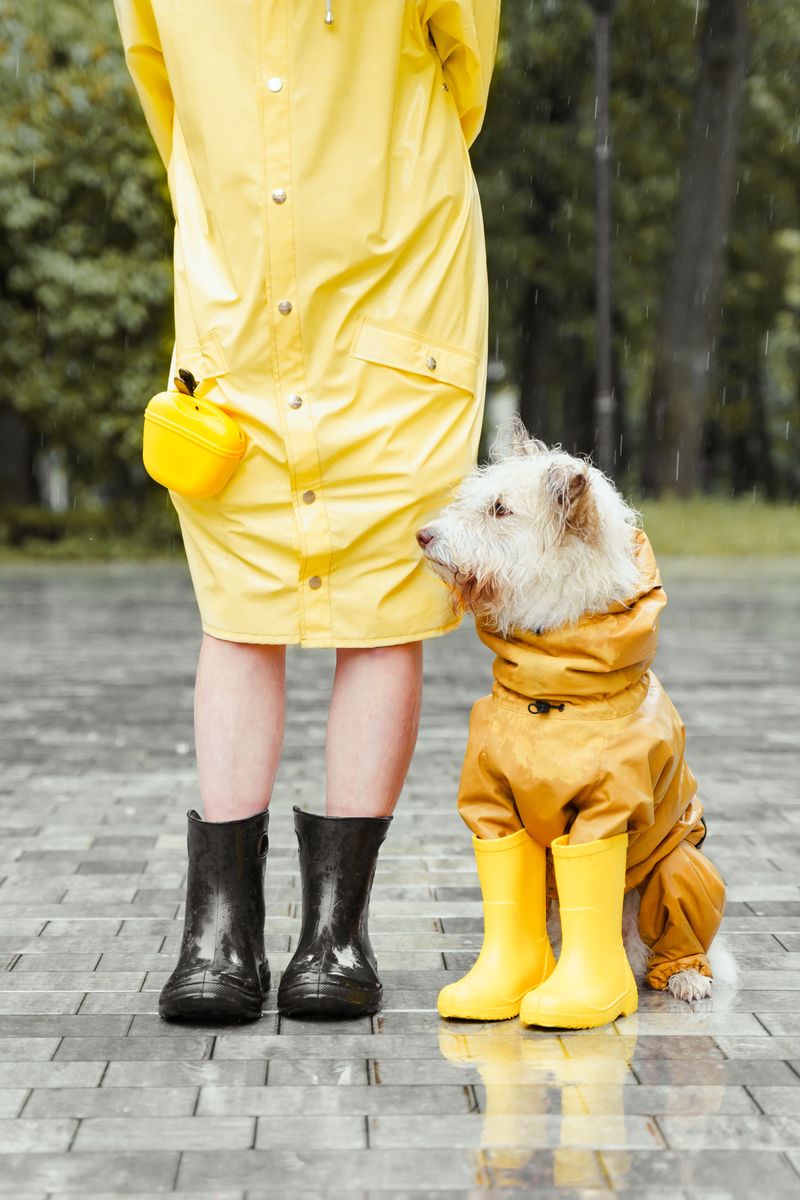
Flooding rarely gives warning, and wet kibble spoils fast. Airtight, waterproof containers keep meals safe and pills usable if water reaches your storage area.
Store medications in labeled, childproof bottles with dosing instructions attached.
Keep an adequate supply of your dog’s prescription medications for an emergency and ask your veterinarian how much to keep on hand. Place medications and food on a high shelf or in a waterproof container rather than on the garage floor.
12. Expect Coastal Roads To Become Hazardous
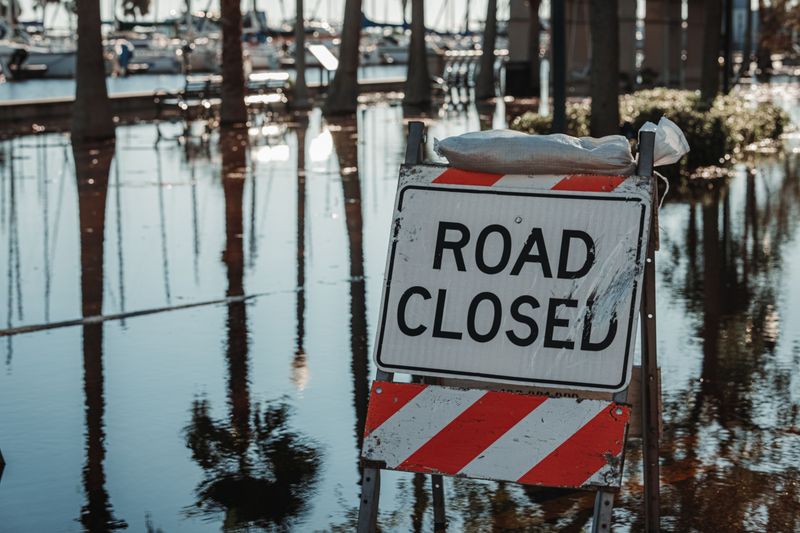
Wind, rain, and standing water change familiar roads quickly. ALDOT publishes hurricane evacuation routes, and ALGOtraffic.com shows real-time closures.
Map two alternates before you leave, because a single blocked bridge changes everything.
Never drive through water covering the road. Even relatively shallow moving water can sweep a person off balance, while deeper moving water can carry vehicles.
Turn around instead.
13. Plan For Evacuation Traffic And Delays
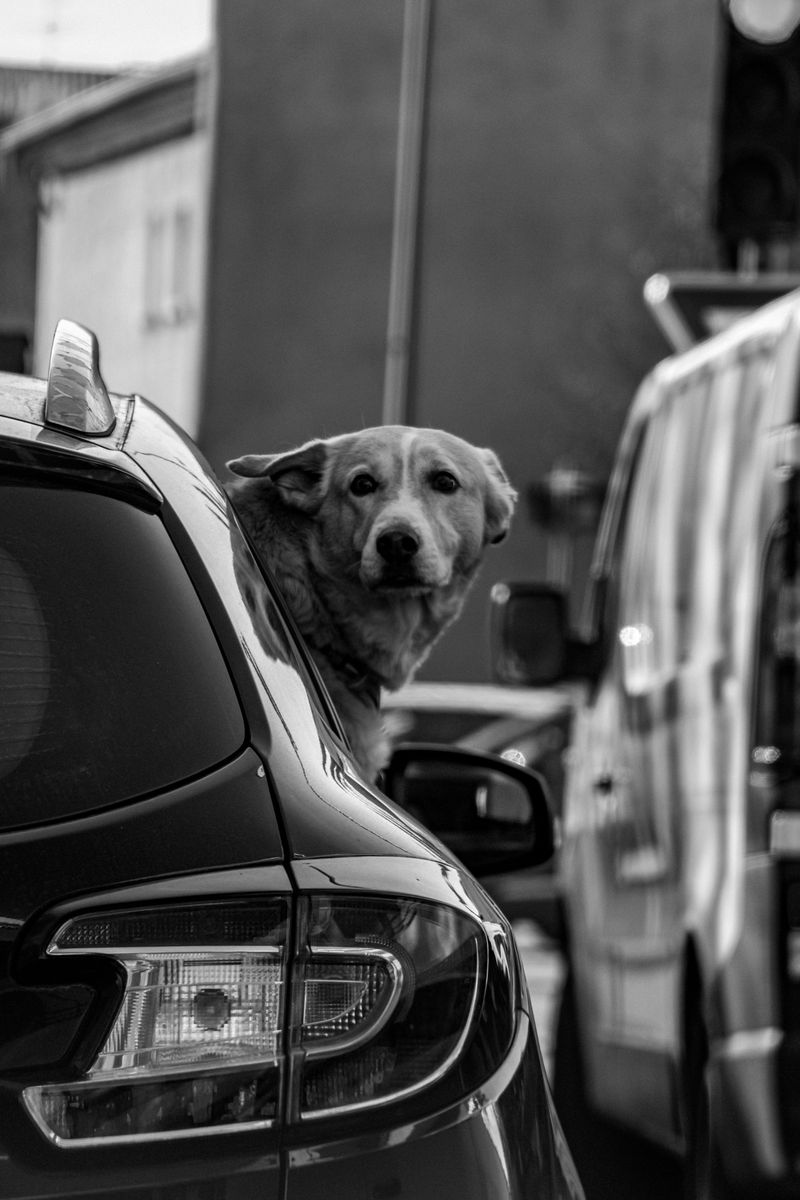
Leaving early can make evacuation easier for you and your dog. Follow official evacuation orders and leave before hazardous conditions make travel difficult.
Fill your gas tank days ahead, since stations run short as demand spikes.
Pack a car kit with water, snacks, a phone charger, first-aid items, and paper maps. Plan potty breaks, because slow traffic stretches short trips into long ones.
14. Keep Dogs Away From Floodwater
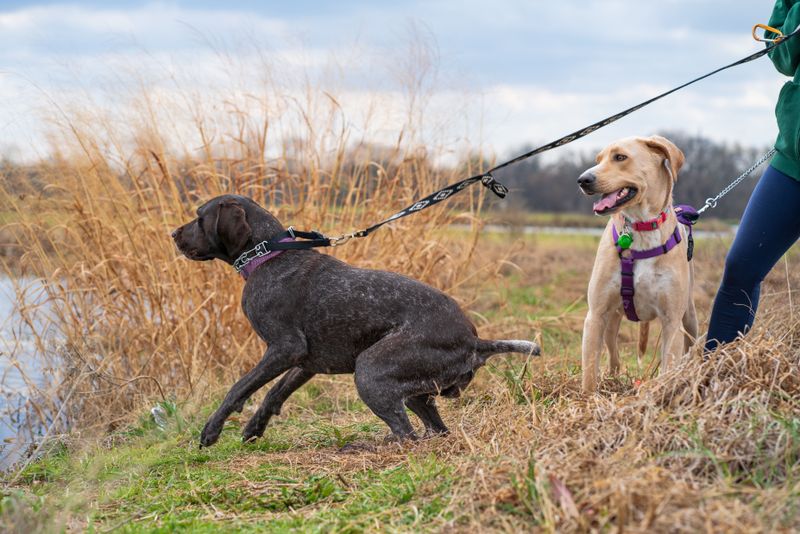
Murky water hides more than it shows. Sharp debris, downed lines, and contaminants can all sit below the surface, so no wading, swimming, or drinking.
Keep walks short and leashed until yards drain and crews clear the area.
Storms also push wildlife into neighborhoods, including snakes. Scan the yard before letting your dog out, and rinse paws with clean water after any damp walk.
15. Prepare For Heat And Humidity
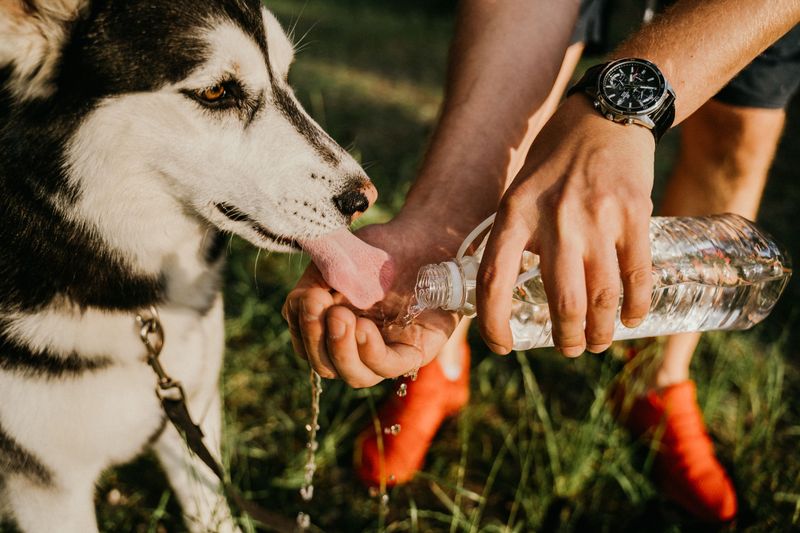
Gulf Coast heat is the quiet challenge of storm season. Dogs dehydrate faster than people, especially in thick humidity after power fails.
Set out several bowls in shaded, cool spots and refill them often.
Watch for heavy panting, drooling, a racing heartbeat, or unusual weakness, and call your veterinarian with concerns. Skip midday walks, and never leave your dog waiting inside a parked car.
16. Bring Outdoor Supplies Inside
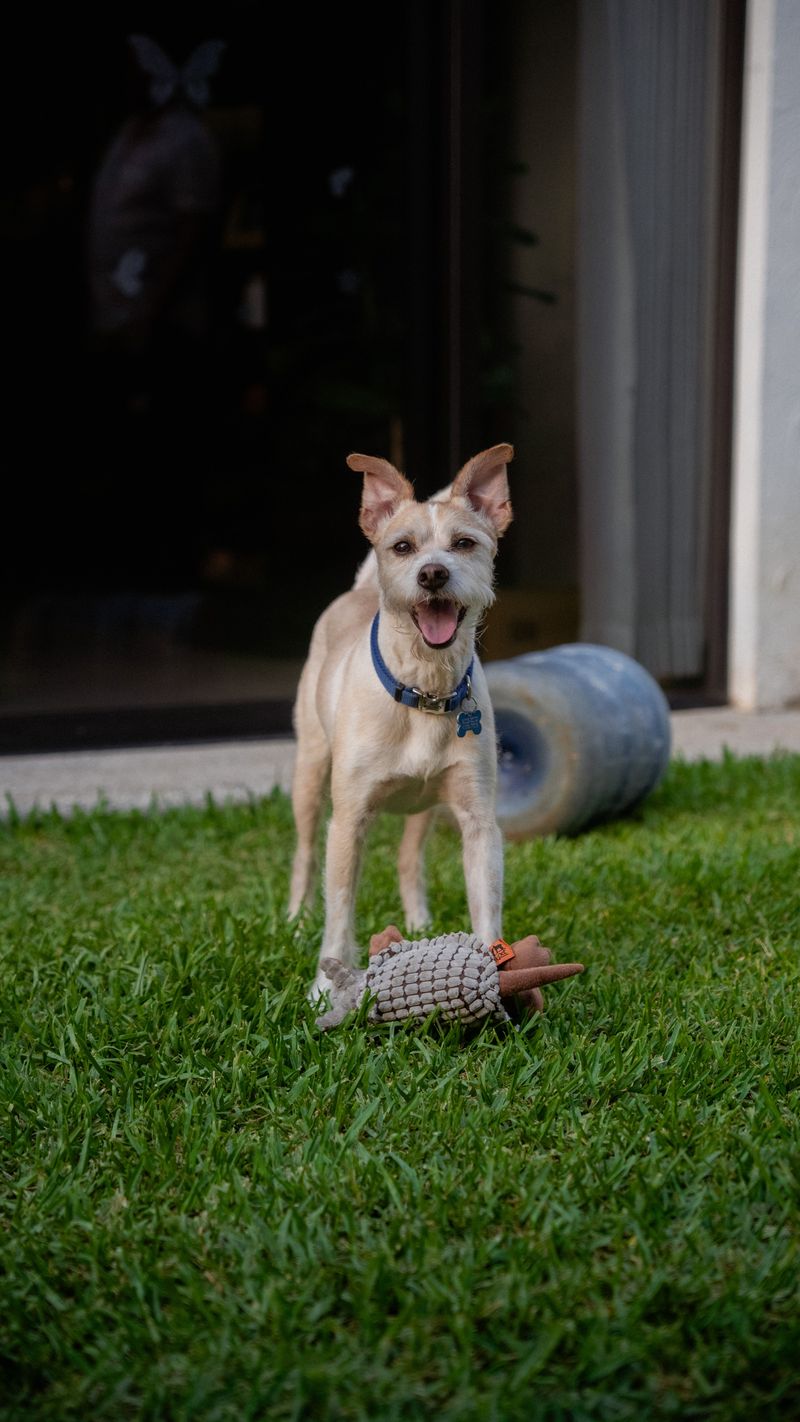
Anything loose in the yard becomes a flying object in strong wind. Patio chairs, grills, trash cans, planters, and dog toys all belong indoors before landfall.
Take down outdoor kennels and store them in the garage.
Pull your dogs inside at the first sign of the storm, not once the rain starts. Even a fenced yard offers little protection when gusts pick up.
17. Practice Leaving Home With Your Dog
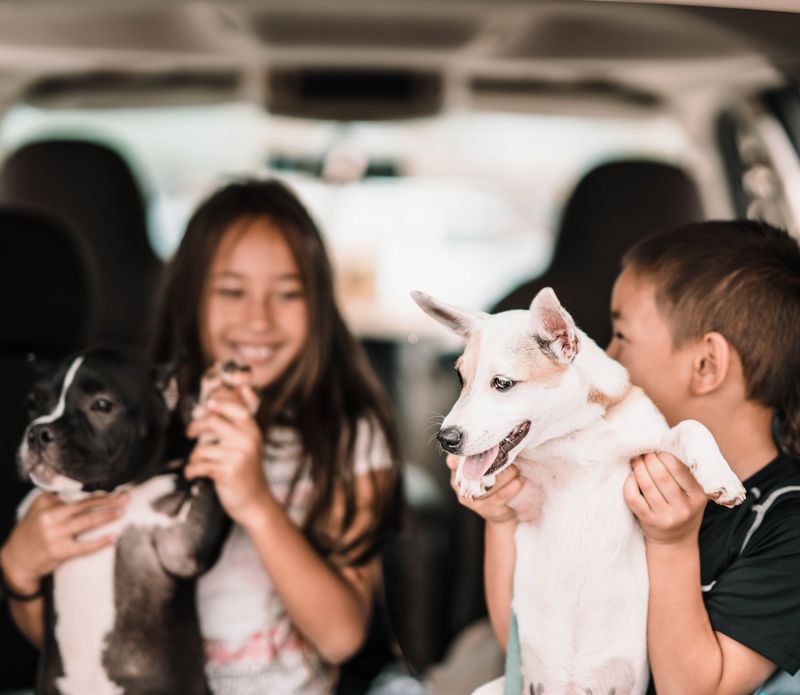
Rehearsal turns chaos into routine. Run a short drill where everyone grabs their assigned items and loads the dog into the car.
Time it once, then trim the steps that slow you down.
Short practice rides help crate-shy dogs relax before the real thing. Owners often notice something missing during a drill, like a spare leash, which is exactly the point of trying it.
18. Keep Emergency Contacts Together
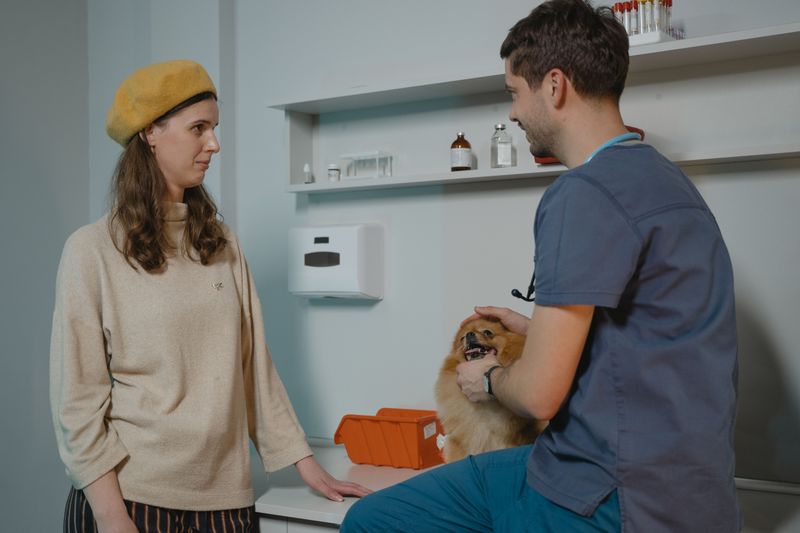
One page can save an hour of frantic searching. List your veterinarian, an emergency animal clinic, your county EMA, local shelters, and an out-of-state friend.
Add your dog’s microchip number and a recent photo of the two of you together.
Keep the printed copy in a waterproof sleeve and a photo of it on your phone. Preparation is quiet work, and it pays off beautifully.