15 Dog Breeds Better Suited To Mississippi’s Hot, Humid Climate
Mississippi summers do something sneaky to dogs. Panting is a dog’s built-in air conditioner, and thick, soupy humidity turns that system down to a whisper.
That is why coat type, muzzle length, and body build matter so much between Tupelo and the Gulf Coast. Some dogs shrug off a July afternoon with a shady nap and a water bowl.
Others need a cooling vest and a sunrise walk. Here are 15 breeds that handle Magnolia State weather with a little smart planning.
1. Chihuahua
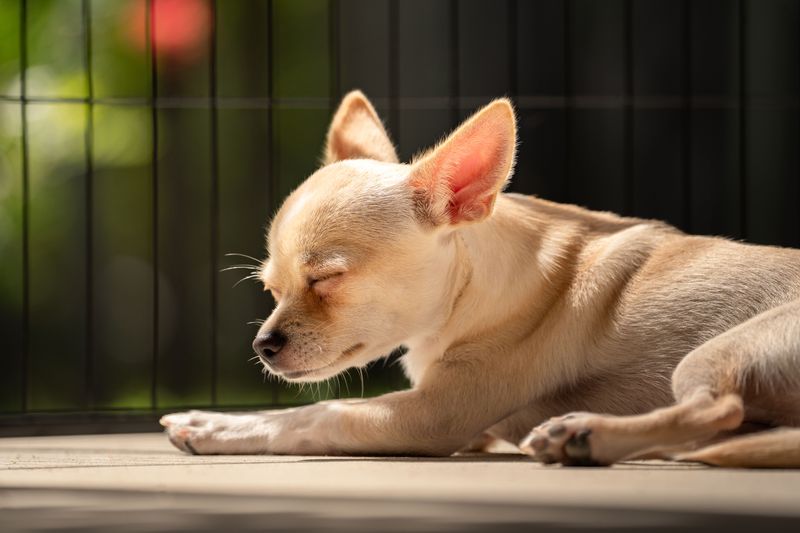
Tiny body, giant opinions. Originating in Mexico, the Chihuahua’s small size and short or long coat can make it relatively adaptable to warm weather, but it still needs careful protection from Mississippi’s heat and humidity.
Short walks satisfy most of them, which fits Mississippi mornings perfectly. Skip the noon sidewalk entirely.
Watch for dehydration, since little dogs empty their tanks fast. Keep water within paw’s reach indoors and out.
Above 85 degrees, an air-conditioned nap beats any errand. They will happily agree.
2. Italian Greyhound
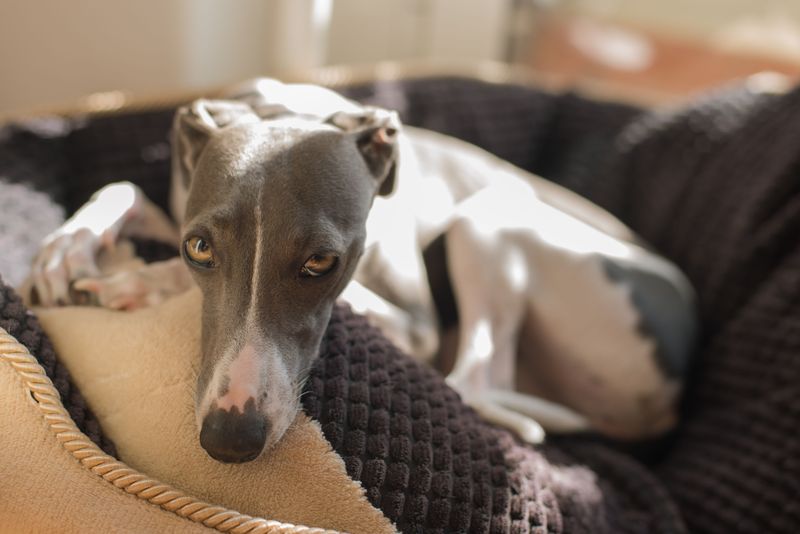
Find the warmest sunbeam in the house and you will find one of these curled inside it. Fine skin and a whisper-thin coat make Italian Greyhounds natural sun-seekers.
Their exercise needs stay moderate, so a brisk dawn stroll and a zoomie session indoors work well.
Sunburn is real on thin coats, so shade matters. Pet-safe sunscreen helps on exposed pink spots.
Save hard running for evening.
3. Whippet
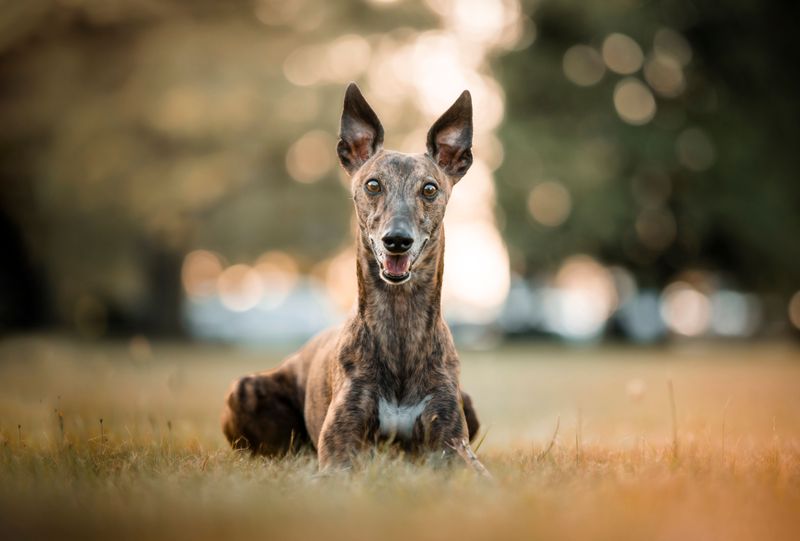
Sprinters, not marathoners. A Whippet gives you 30 glorious seconds of speed, then requests the couch.
That burst style actually suits humid climates, because short efforts beat long slogs. Still, thin coats and low body fat offer no shield from heatstroke.
Keep vigorous play to cooler parts of the day, especially during Mississippi’s hottest weather. A cooling vest may provide additional comfort, but it should not replace shade, water, and access to air conditioning.
Indoors with the AC is their happy place.
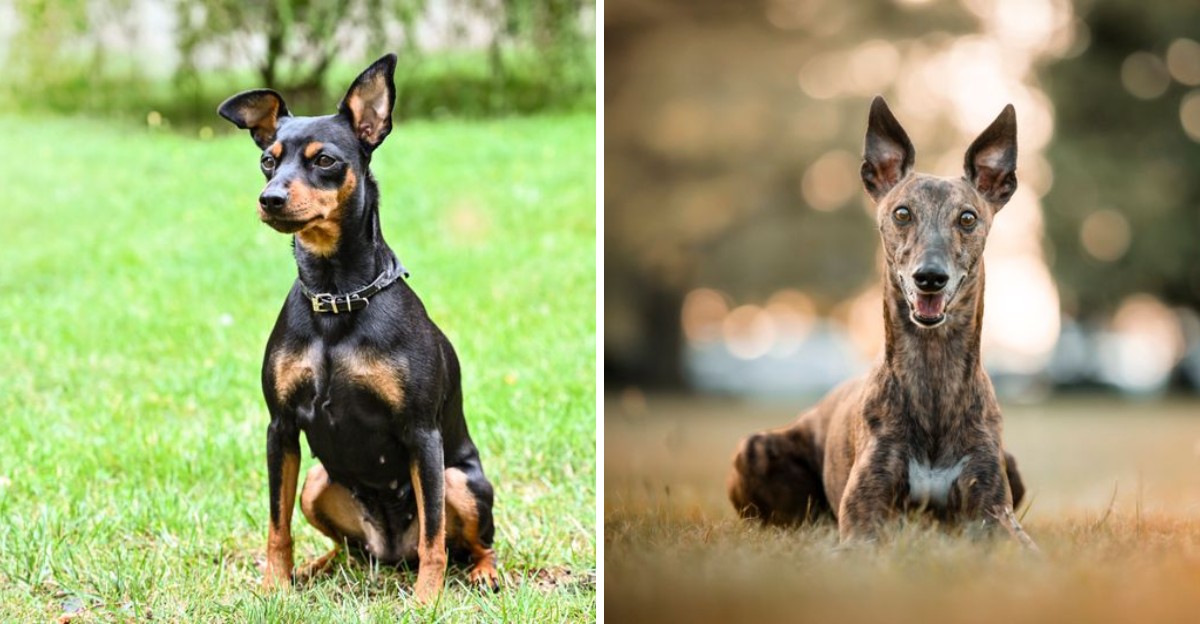
4. Miniature Pinscher
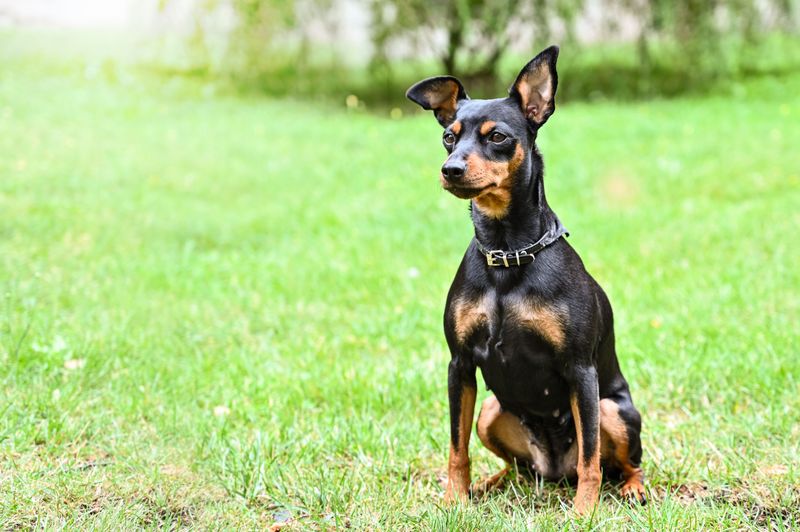
The hackney-stepping showoff of the toy group. Min Pins wear one thin coat with no fluffy undercoat, so heat moves off them quickly.
Two catches exist. Dark fur soaks up sun, and their belly rides close to scorching pavement.
Use the five-second hand test before every walk. If it stings you, it burns them.
They also never quit on their own, so you become the timekeeper.
5. Beagle
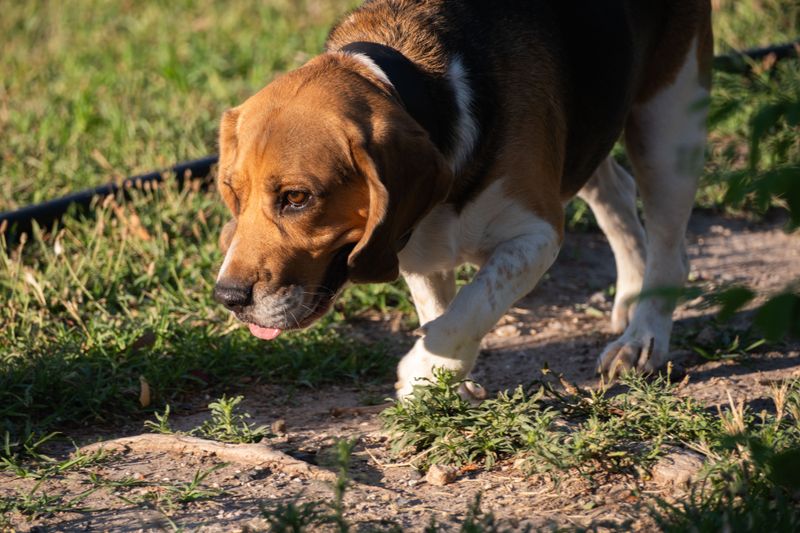
Nose down, tail up, brain switched off. Beagles will track a scent straight past their own limits, which is the tricky part.
Their smooth double coat does not make panting less efficient, although the coat can affect how readily they lose heat to the environment. Humidity can make cooling more difficult for dogs.
Keep walks to cooler parts of the day and watch closely for excessive panting, weakness, or other signs of heat stress.
6. Rat Terrier
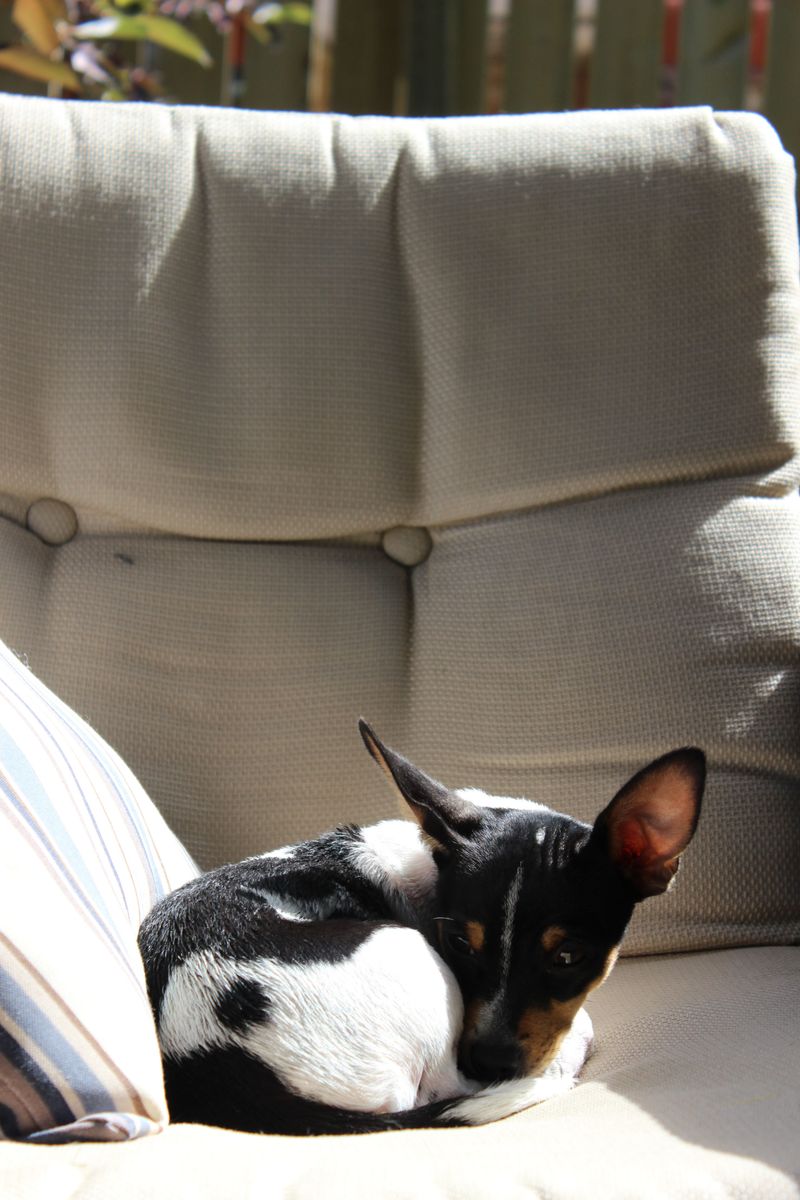
Rat Terriers were developed in the United States as versatile farm and hunting dogs. Their short coat can be practical in warm weather, but they still need shade, water, and breaks during Mississippi’s hot, humid conditions.
A short single coat plus a long muzzle means cooling works properly, unlike flat-faced breeds.
They need 45 to 60 minutes daily, though, and that prey drive says sprint until stopped. You call the breaks.
White patches burn easily, so pet-safe sunscreen and shade both belong on the packing list.
7. Toy Fox Terrier
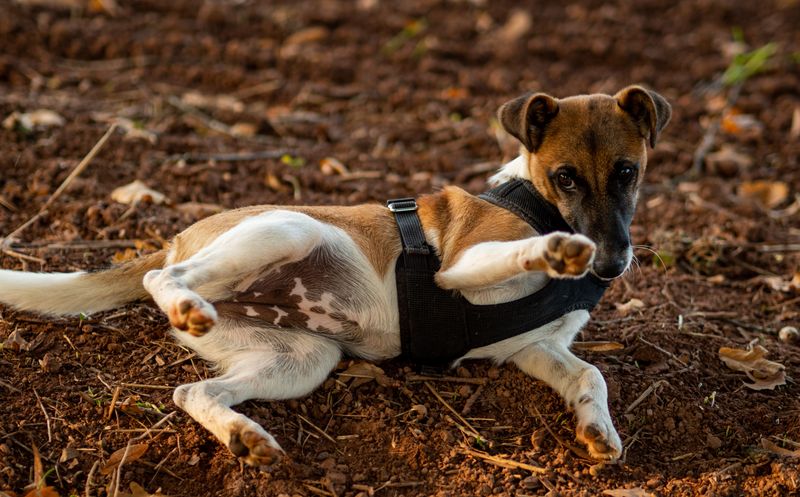
Pound for pound, few dogs pack more spring. The Toy Fox Terrier wears a satiny, whisper-short coat that suits mild warmth nicely.
Honest caveat: they manage heat only fairly well, and older or unwell dogs handle it worse.
An hour of daily activity keeps them content, best split into cool-hour bursts.
Indoor fetch down a hallway counts. Their stamina outlasts your throwing arm every single time.
8. Basenji
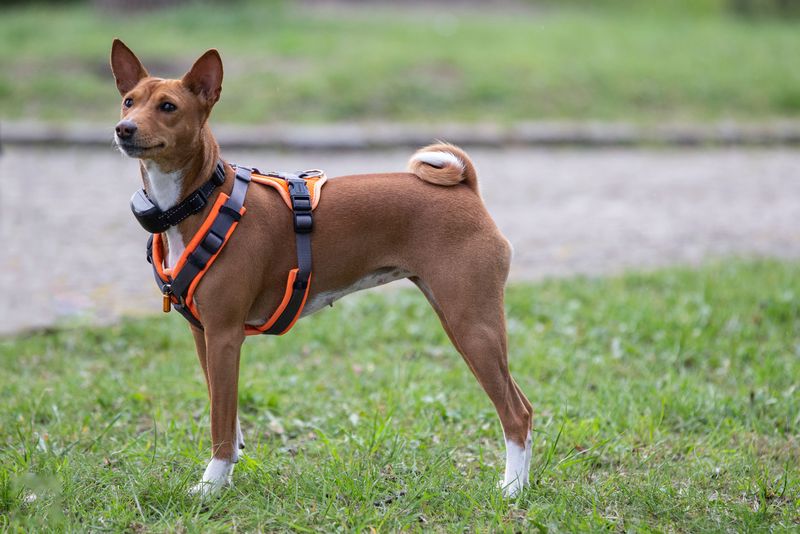
Central Africa built this dog for heat and humidity, and the design holds up.
Those big upright ears, a fine single-layer coat, and a lean frame all help dump warmth fast. Basenjis rarely bark, offering a yodel instead.
High energy still needs an outlet, so plan runs for cooler hours. Even a desert-adapted athlete overheats without shade or water.
Hot pavement burns Basenji paws exactly like any other dog’s.
9. Greyhound
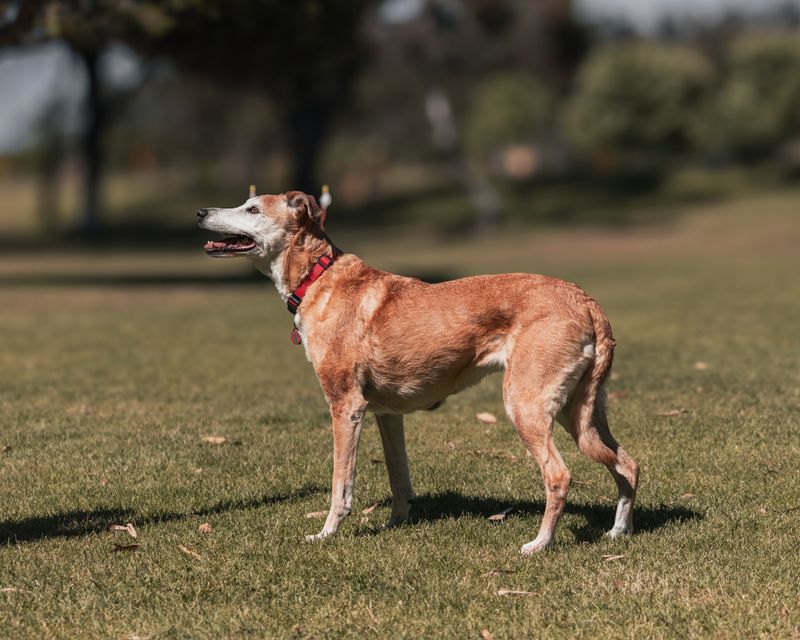
Forty-five miles per hour, then eighteen hours of napping. Greyhounds are famously the couch potatoes of the sighthound world.
Their thin, fine coat lets air move freely, and very low body fat speeds cooling.
Short bursts of running satisfy them, which fits a humid climate beautifully. Save those sprints for evening, not the 3 p.m. sun.
Give shade, water, and a soft spot indoors. They ask for little else.
10. Dachshund
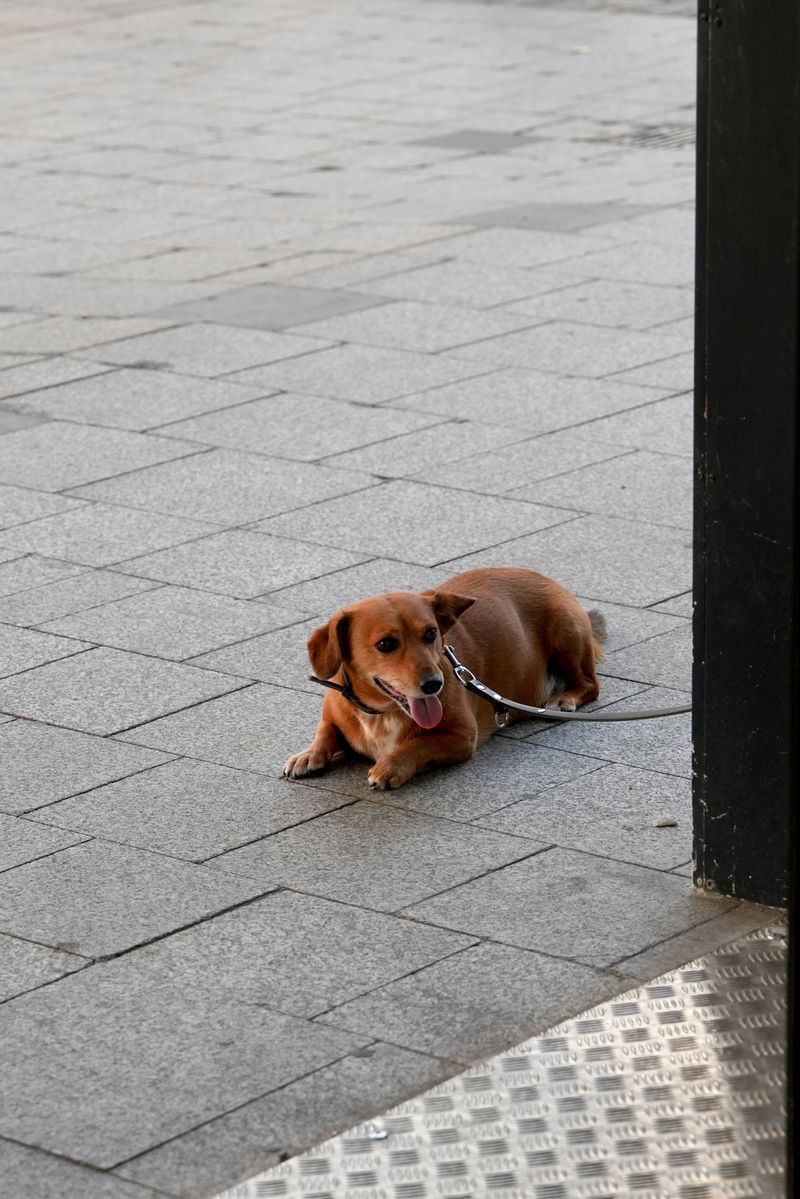
Low riders face a heat problem most owners miss. A Dachshund’s belly hovers inches above pavement that can roast in Mississippi sun.
They tolerate warmth better than many dogs, yet humidity blunts panting and trouble arrives quickly.
Test the ground with your hand for five seconds first. Carry water on every outing.
Cooling vests help between 79 and 86 degrees. Above 95, stay inside and play indoors.
11. French Bulldog
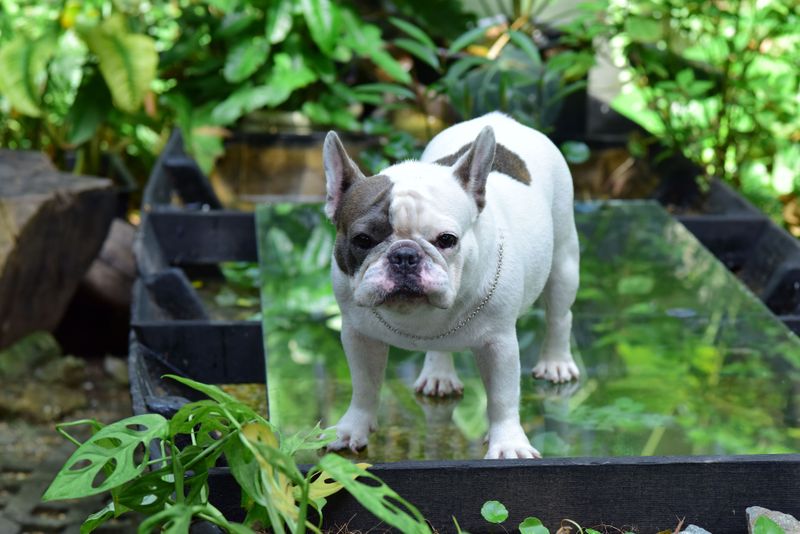
Big ears, bigger personality, smallest airway in the bunch. Frenchies pant through a shortened muzzle, so cooling is genuinely hard work.
French Bulldogs can be particularly vulnerable to heat because of their shortened airways. As temperatures and humidity rise, keep outdoor activity brief, provide shade and water, and watch closely for signs of overheating.
Air conditioning, a cooling mat, and constant water are non-negotiable. Their build also makes swimming unsafe without a life vest.
Indoor games keep this clown happily entertained.
12. Boston Terrier
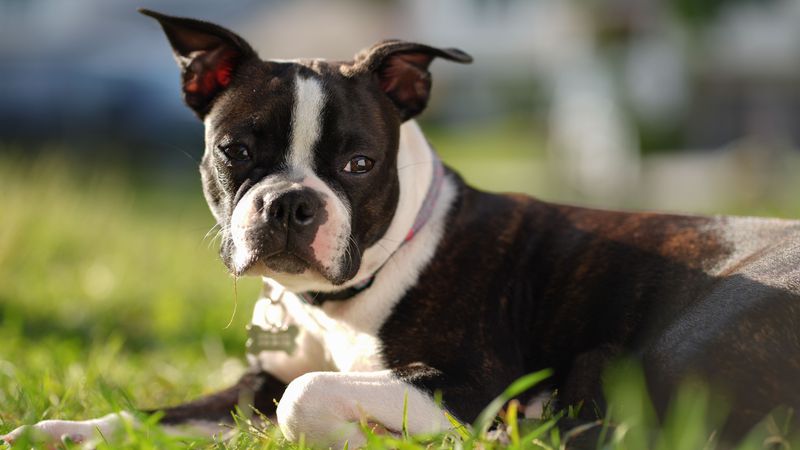
The tuxedo-wearing gentleman of the group comes with a short muzzle, and that matters here.
Boston Terriers overheat faster than most, and humid air makes their panting even less useful.
Give Boston Terriers regular daily exercise, but schedule more strenuous activity during the coolest parts of the day in hot, humid weather. Keep midday outings brief and avoid strenuous exercise when conditions are especially hot.
Keep rooms cool and airy, offer a chilled resting spot, and a shallow kiddie pool is pure bliss.
13. Doberman Pinscher
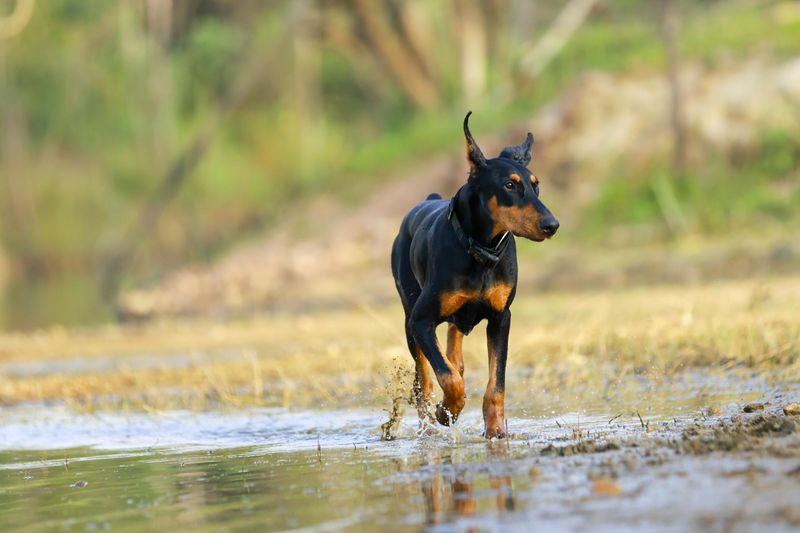
Long snout, sleek coat, serious engine. Dobermans breathe efficiently, which helps enormously in Southern summers.
The complication is temperament. They push hard and rarely admit fatigue, while dark fur absorbs plenty of sun.
Thin skin and low fat mean little insulation from radiant heat.
Swimming is the ideal hot-weather workout for them. Otherwise run at dawn, test pavement first, and build in shaded water breaks.
14. Vizsla
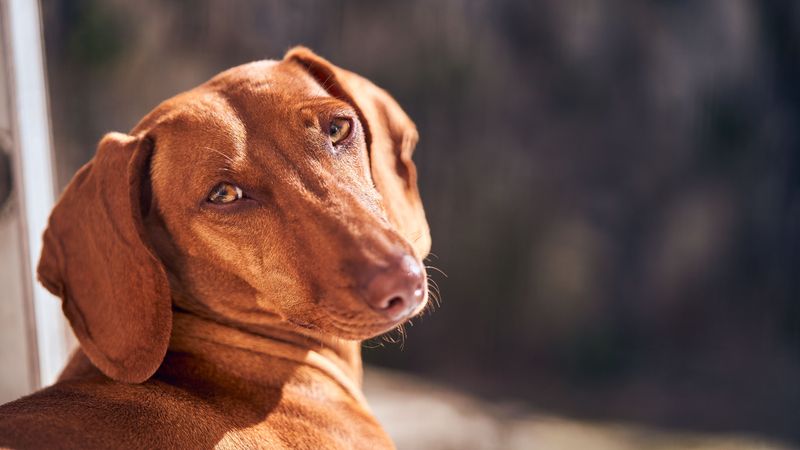
Hungarian plains under a blazing sun shaped this velcro dog. A very short, single-layer rust coat offers almost no insulation, so heat escapes easily.
Comfort sits around 65 to 82 degrees. Past 84, cut workout intensity sharply.
Vizslas will not self-regulate, so hydration falls to you. A 50-pound dog may drink well over half a gallon daily in heat.
Cooling mats and a good fan finish the setup nicely.
15. American Staffordshire Terrier
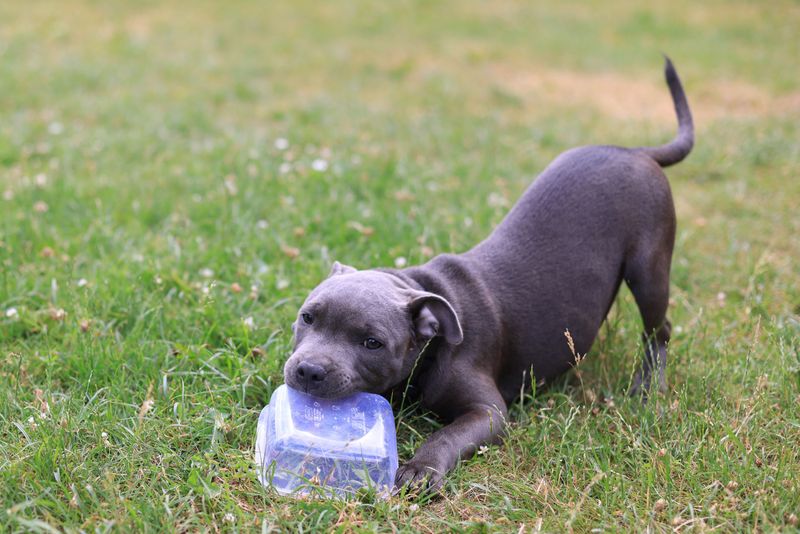
All muscle, all heart, and a shortish nose that deserves respect in July.
That athletic build generates real internal heat during work, and Bulldog ancestry adds overheating risk.
Their short, stiff coat needs almost no grooming, which is one less summer chore.
Plan 60 to 90 minutes of exercise across the cool bookends of the day. Fresh water, deep shade, and never a parked car.
They nap magnificently afterward.