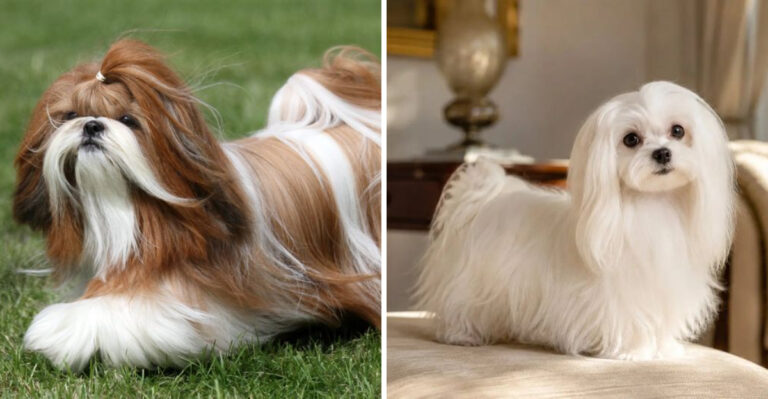
18 Hiking Companion Breeds Suited To Utah’s Dry Climate And Elevation Changes
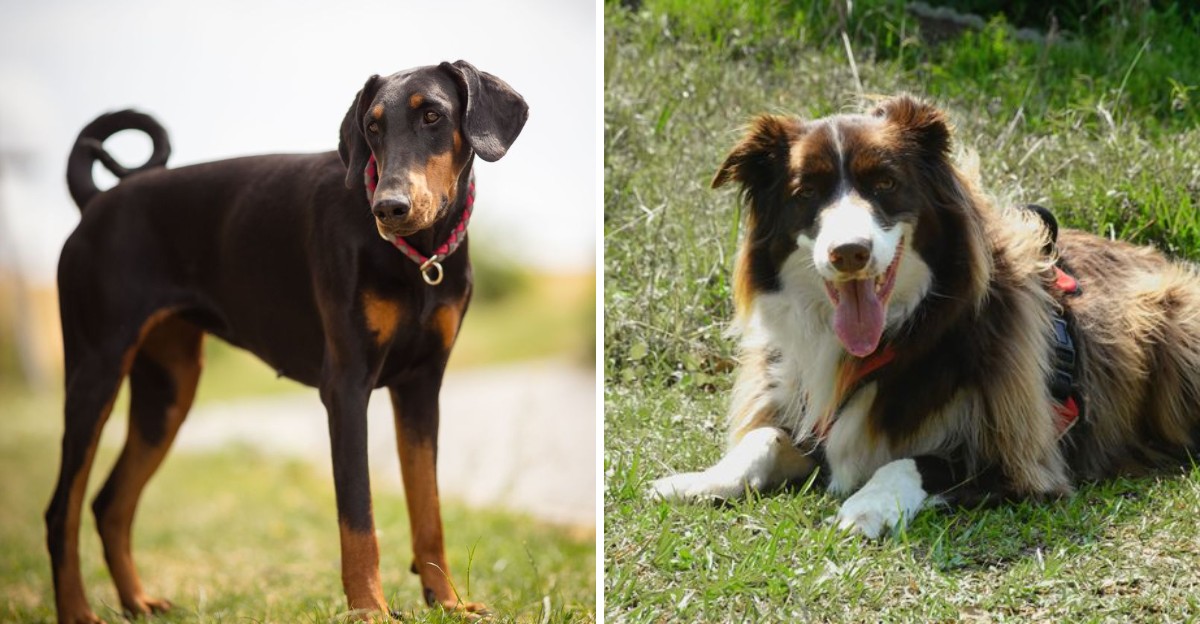
Utah asks a lot from a trail dog. Red rock heat in the morning, pine-shaded switchbacks by lunch, and thin air above 9,000 feet by dinner.
Some dogs wilt under those swings. Others seem built for them, with coats, lungs, and paws that shrug off sun, sandstone, and steep grades.
The breeds below handle that mix with style, though every one of them still needs water, shade, and a smart start time. Lace up.
1. Australian Cattle Dog
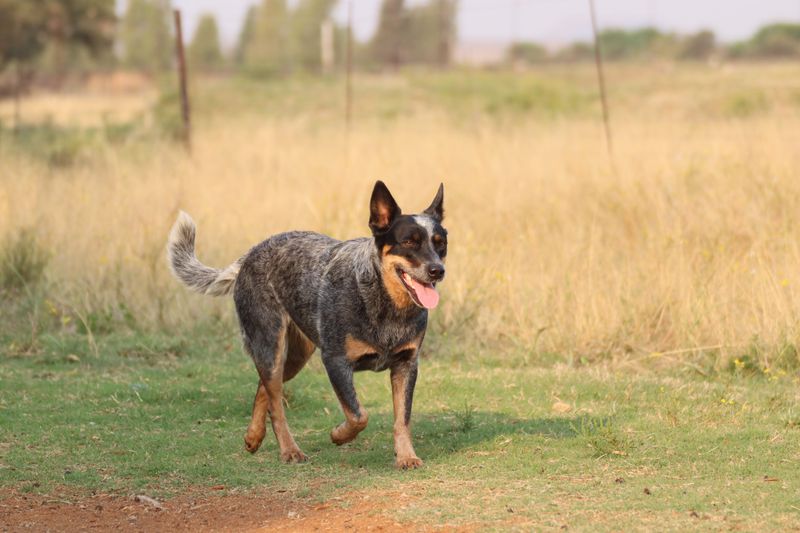
Bred alongside Dingoes for grit, this compact powerhouse laughs at long days. The dense double coat blocks UV rays and buffers both heat and chill.
Owners regularly log 15-mile outings with 3,000 feet of climbing. Stamina is rarely the issue here.
Still, heelers prefer cooler air. Start before sunrise on slickrock, plan shade stops, and carry more water than you think you need.
2. German Shorthaired Pointer
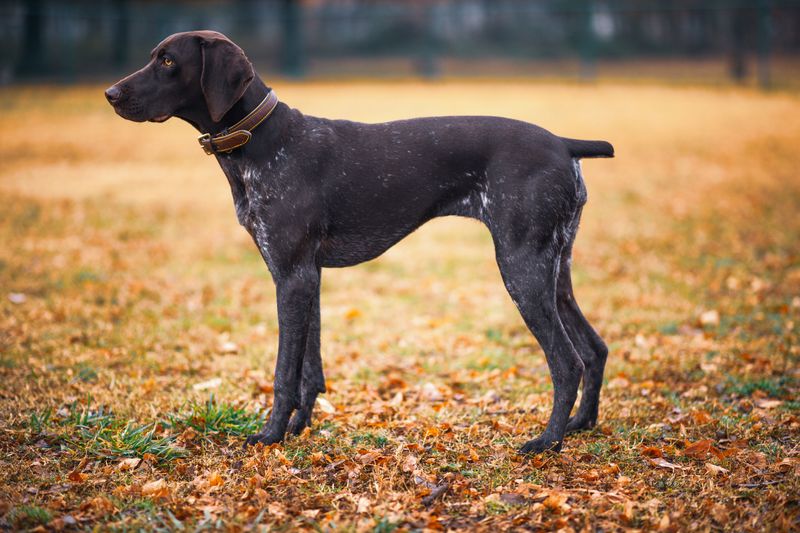
Few breeds cover ground like a GSP. An hour of hard exercise is the daily minimum, and trails scratch that itch beautifully.
Heat tolerance is decent, especially when a creek or lake is nearby for cooling.
The catch: these dogs never say when. They will push past sensible limits on a hot slope.
Hike early, build up slowly, and let cool water do half the work.
3. Vizsla
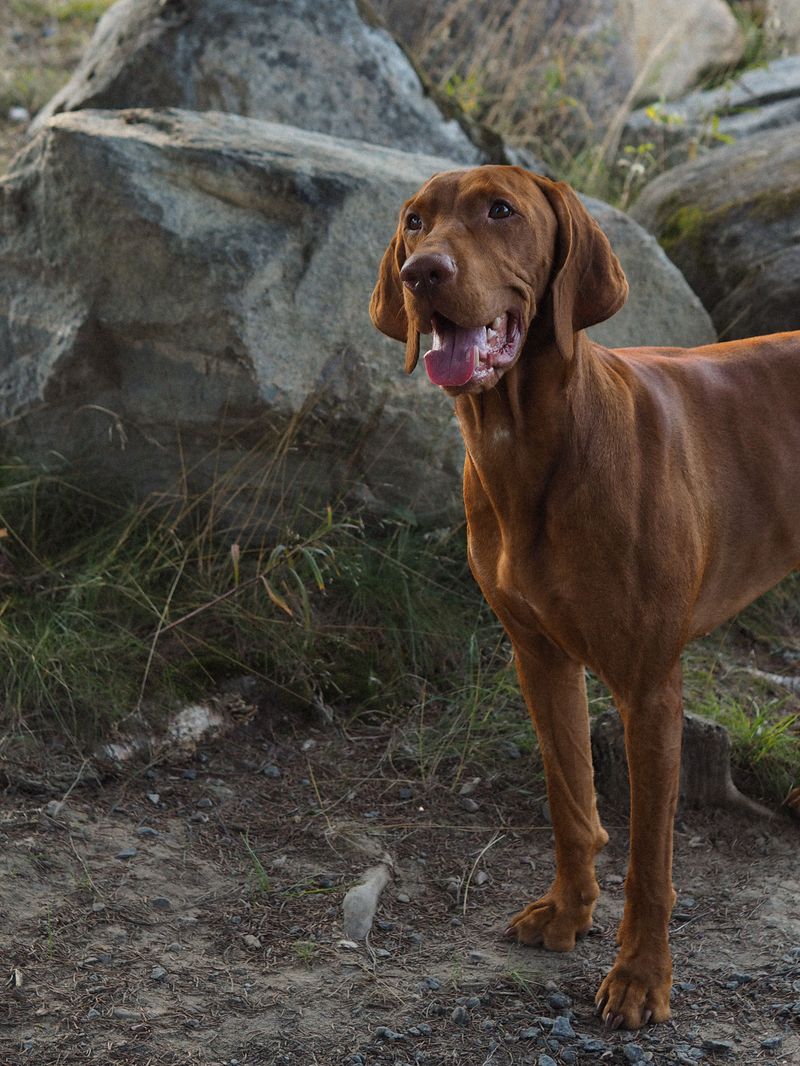
Golden-rust and glossy, the Vizsla was shaped in Hungary for warm-weather work. That short single coat sheds surface heat well.
Three to four running miles or a five-mile hike suits them nicely in fair weather.
Sweet spot temperatures sit between 65 and 82 degrees. Above 84, dial it back.
Above 90, skip the hard stuff.
Offer roughly one ounce of water per pound daily when it is warm.
4. Rhodesian Ridgeback
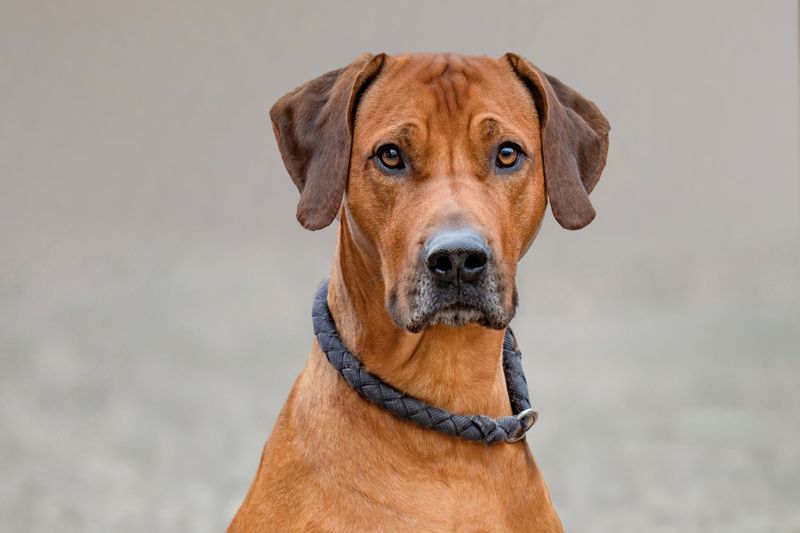
That signature ridge came from Africa, and so did the endurance. Ridgebacks were built for bush country and swinging temperatures.
Ten miles barely registers. Many keep rolling long past it, happy on mixed rock and dirt.
Their short coat handles warmth, though darker dogs soak up sun fast, and plenty dislike anything above 88 degrees.
One to two hours of moderate movement keeps them content between big adventures.
5. Australian Shepherd
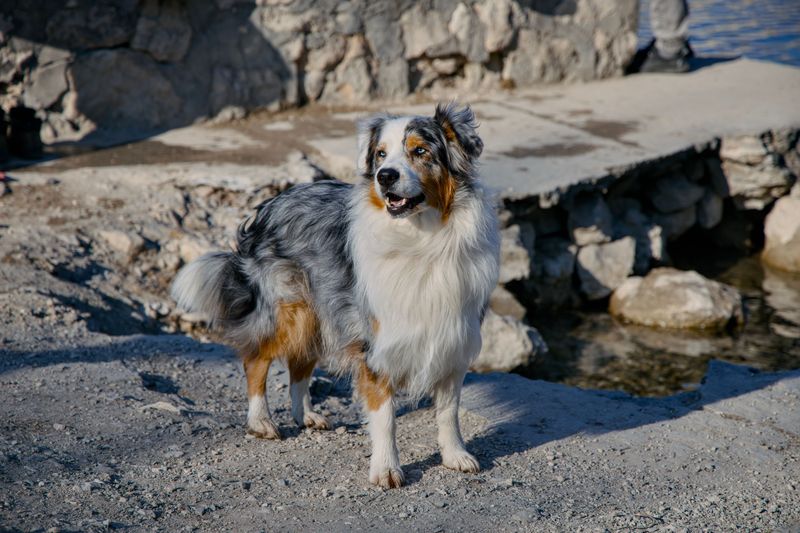
Brains, bounce, and a water-resistant double coat: the Aussie package works well at altitude.
Fifteen-mile days are common, and conditioned adults have logged 15 to 25.
That thicker coat insulates against cold and heat, but it can feel heavy on a scorching afternoon.
Choose morning or evening starts in dry heat, pack shade breaks, and brush out the loose undercoat so air moves freely through it.
6. Border Collie
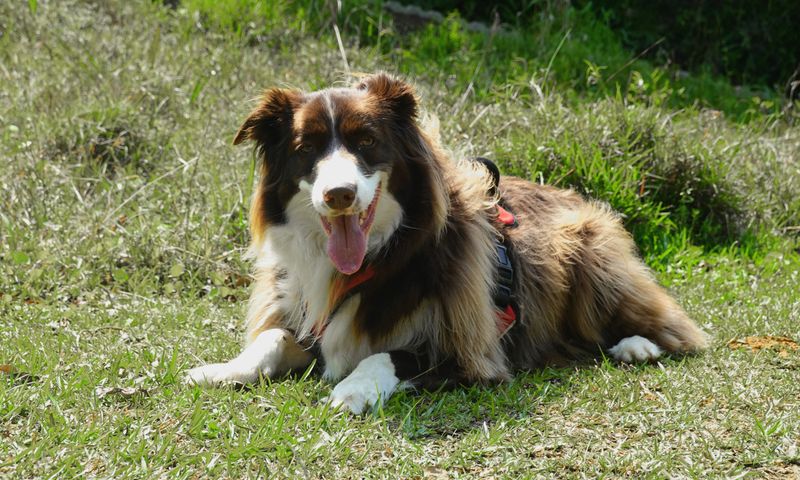
The thinking dog’s trail partner. Border Collies read terrain, pace, and your mood before you finish tying your boots.
Long-distance running and 10-mile summit pushes fit them well.
Their drive is also the risk. They will work straight past safe limits, and heatstroke becomes real above 92 degrees.
Book early mornings or late evenings, test pavement with your palm, and force rest stops they would never choose.
7. Brittany
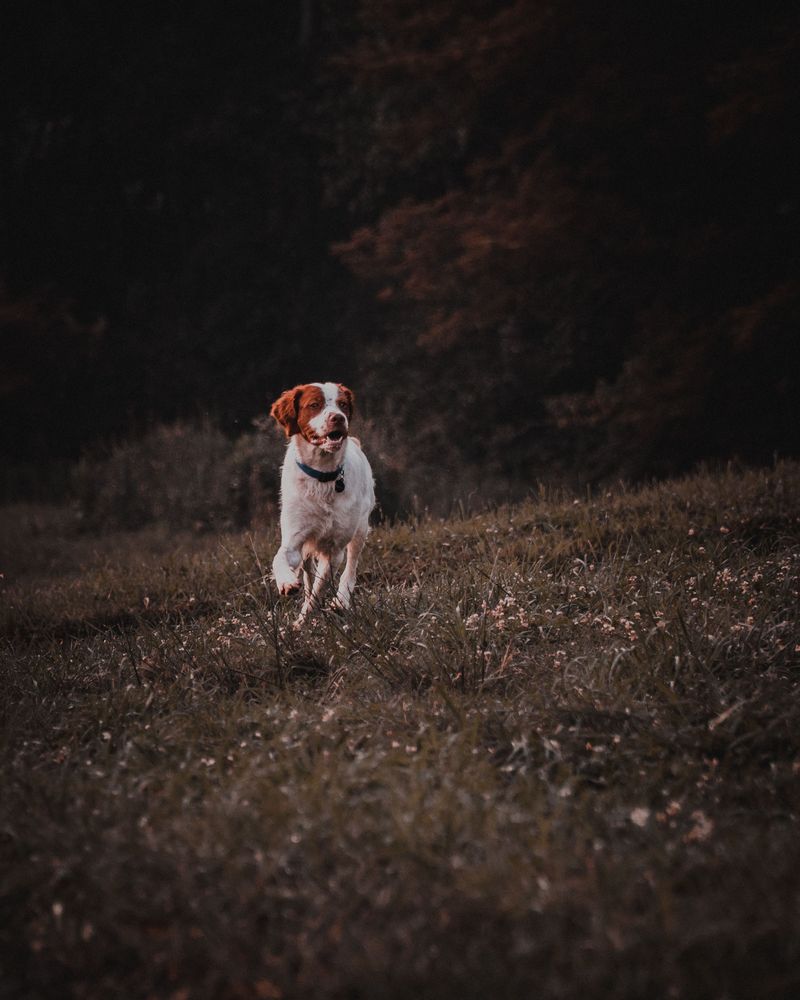
Small enough to lift over a boulder, tireless enough to make you regret it. Brittanys bring cheerful hustle to every mile.
Sixty to ninety minutes of daily activity is the baseline, and hiking counts double.
Their enthusiasm can tip into overheating, so save the big efforts for cool hours.
Wetting the coat helps in dry air. Favor dirt or grass, since hot rock stings sensitive pads.
8. Weimaraner
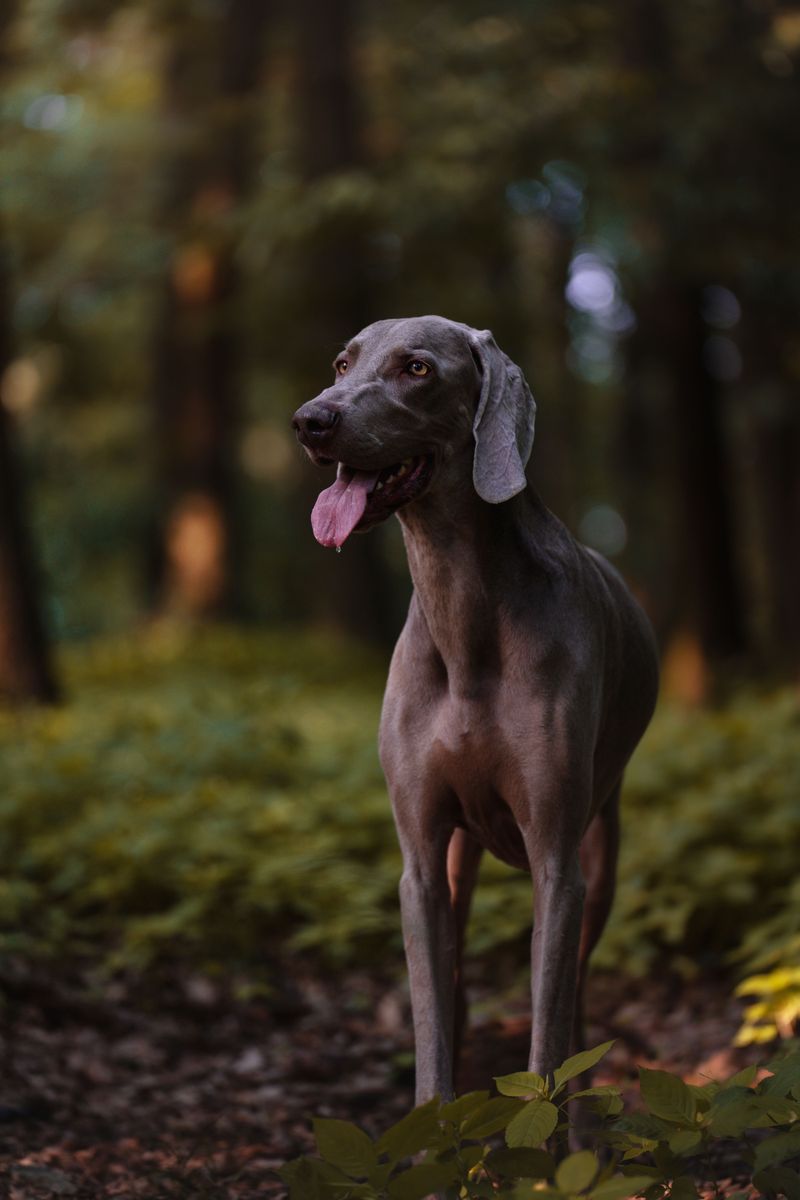
Silver coat, amber eyes, and a nickname to match: the Grey Ghost.
Rugged endurance defines them. One to two hours of vigorous work daily is standard, and most would rather run than stroll.
That sleek short coat helps them stay cooler on warm climbs.
Extremes still hurt, so avoid hard efforts in blazing sun. Feed the mind too, because a bored Weimaraner redecorates your living room.
9. Dalmatian
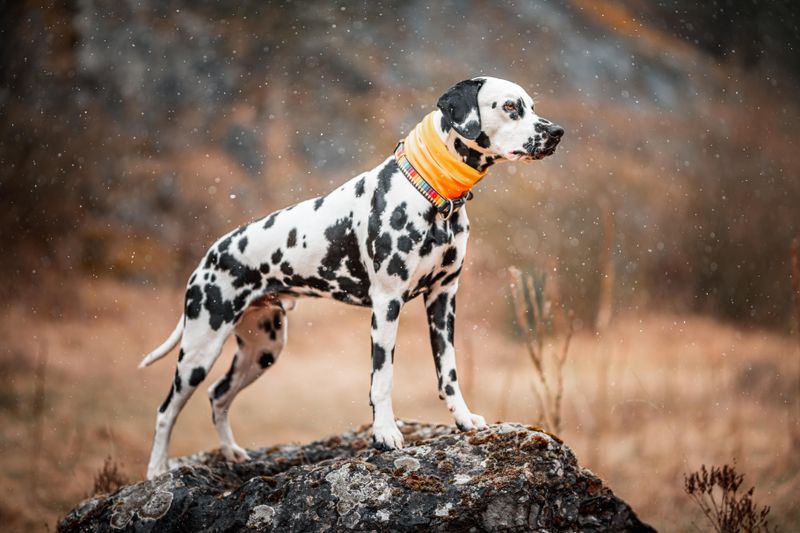
Spots aside, this is a distance athlete. Coach dogs once trotted beside carriages for hours without fading.
That moderate, steady pace translates perfectly to long trails and jogging routes.
Plan on 90 to 120 minutes of real exercise each day.
Short coats give them solid warm-weather tolerance, though extreme heat still calls for restraint. Cooler hours, fresh water, shade, and airflow keep the spotted engine humming.
10. German Wirehaired Pointer
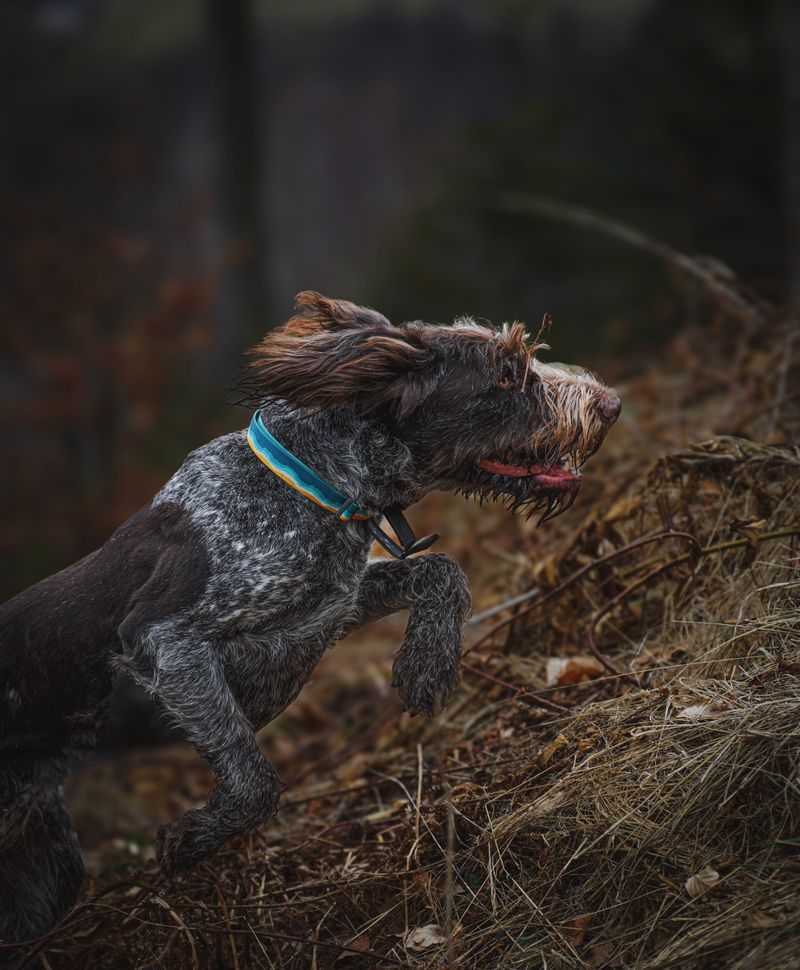
Those scruffy eyebrows hide serious engineering. The wiry outer coat repels water, blocks weather, and shrugs off thorny brush.
It even thins in summer to help prevent overheating.
Underneath sits a muscular 50 to 70 pound frame made for backcountry miles.
There is no off-switch, so you manage the pace on warm days. Lakes, rivers, and irrigation ditches become their favorite cooling stations.
11. Belgian Malinois
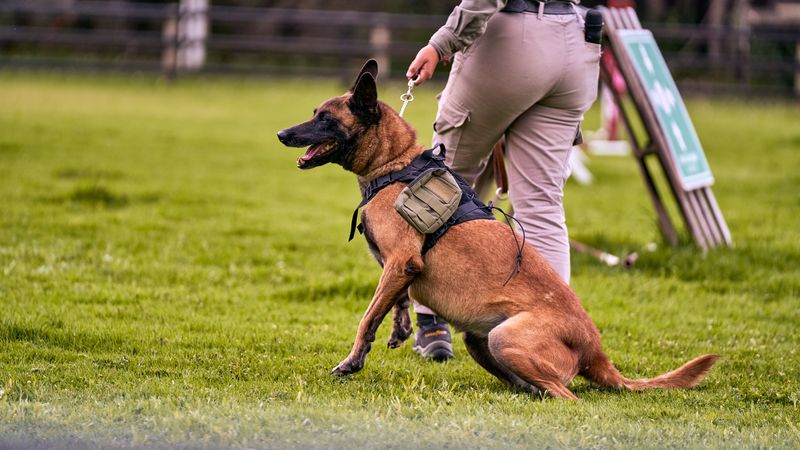
Multi-day trek? The Malinois is already at the trailhead, staring at you.
Handlers report 9-mile peaks at 9,200 feet, plus happy scrambling over snow and rock.
Two-plus hours of aerobic work daily is the floor, and mental puzzles matter just as much.
Heat tolerance runs fairly high, but dry Utah air cracks paw pads. Leather booties or a good pad balm earn their keep fast.
12. Labrador Retriever
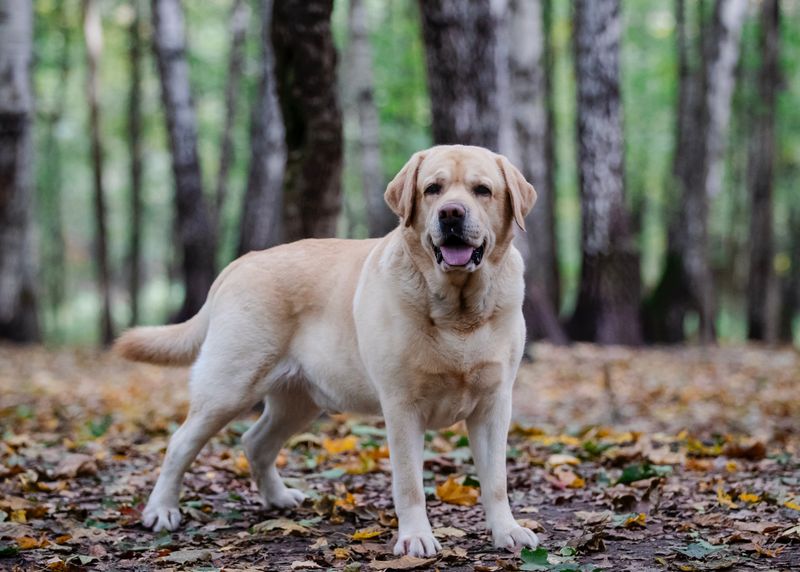
America’s favorite dog loves a trail, sometimes too much.
That dense double coat is brilliant in cold water and stubborn in dry heat, and Labs rarely quit on their own.
Happiest between 60 and 75 degrees. Above 80 gets risky, and above 88 means stay home with a chew.
Dark coats absorb more sun. Hike early, carry water constantly, and remember warm lakes are not reliable cooling.
13. Standard Poodle
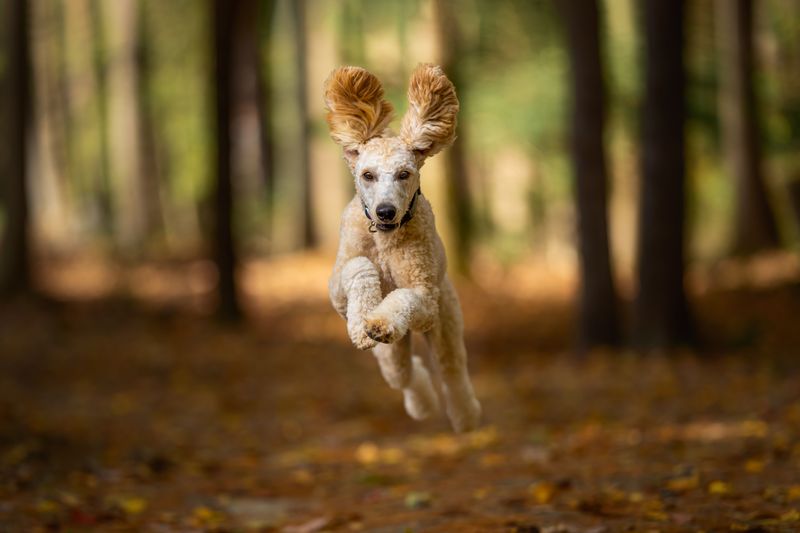
Underestimate the poodle and the poodle will out-hike you.
A square build, strong topline, and muscular rear create an efficient endurance trot that eats distance without waste.
Boulder fields and mountain scrambles suit them. Five-mile runs and 10-mile hikes are routine, with conditioned dogs handling far more.
They warm up quickly in direct sun, even on mild days, so keep the clip practical and the breaks regular.
14. Redbone Coonhound
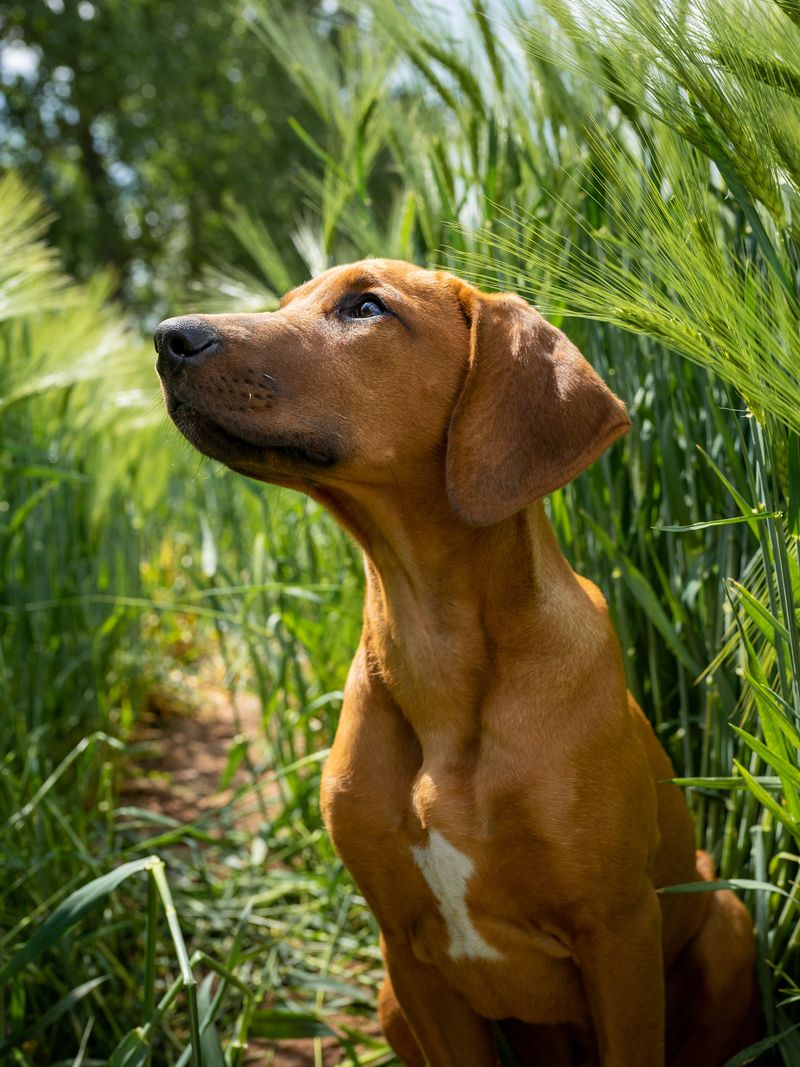
Deep red coat, velvet ears, nose permanently switched on.
Redbones were bred to work swamps and mountains alike, handling rough footing with easy resilience.
Stamina supports one to two hours of steady activity, and they love a long rambling route.
Heat responses vary widely. Plenty of individuals pant hard once the high 70s arrive, so watch closely, hydrate often, and keep that nose on a leash.
15. Doberman Pinscher
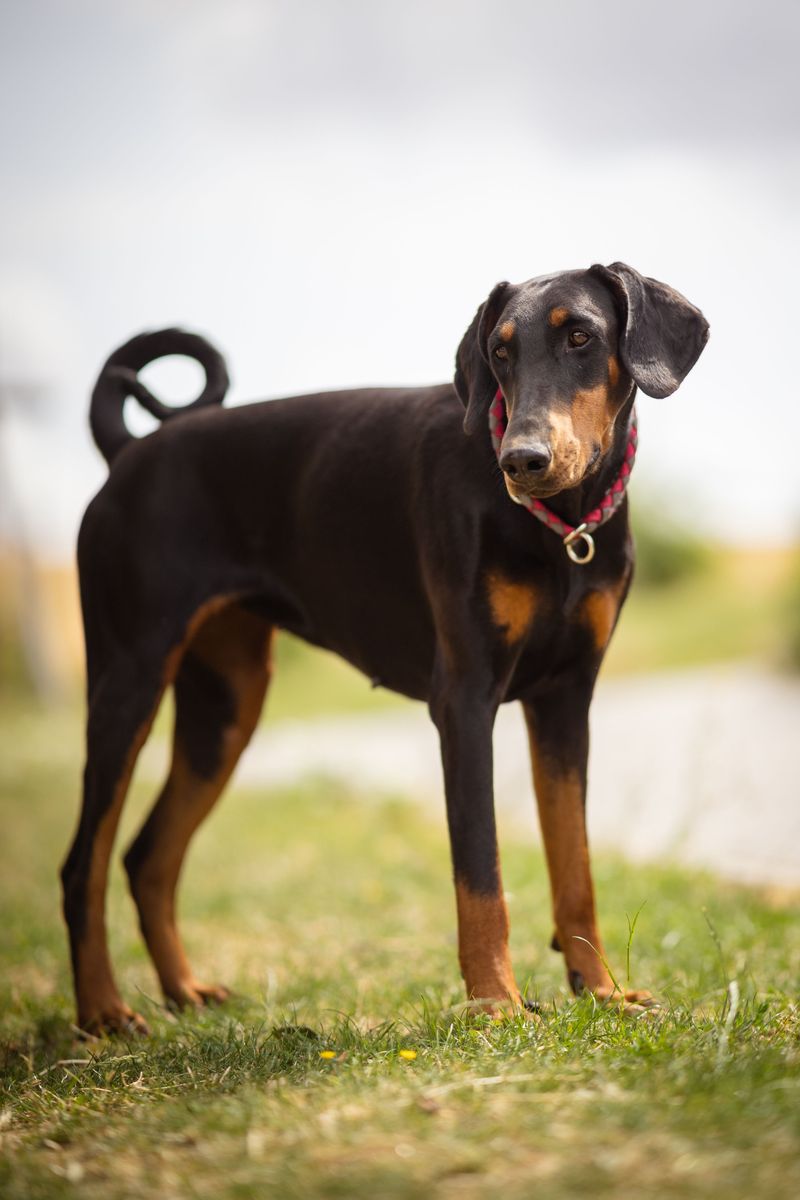
Elegance with an engine. Dobermans want one to two hours of hard exercise, and hiking suits them beautifully.
That single-layer coat helps regulate temperature, yet dark color pulls in sun and low body fat offers little buffer.
Hot climates are not their friend. Keep them indoors above 86 degrees and stick to dawn or dusk.
Build trail stamina gradually, and shield those paws on rocky, sun-baked ground.
16. English Springer Spaniel
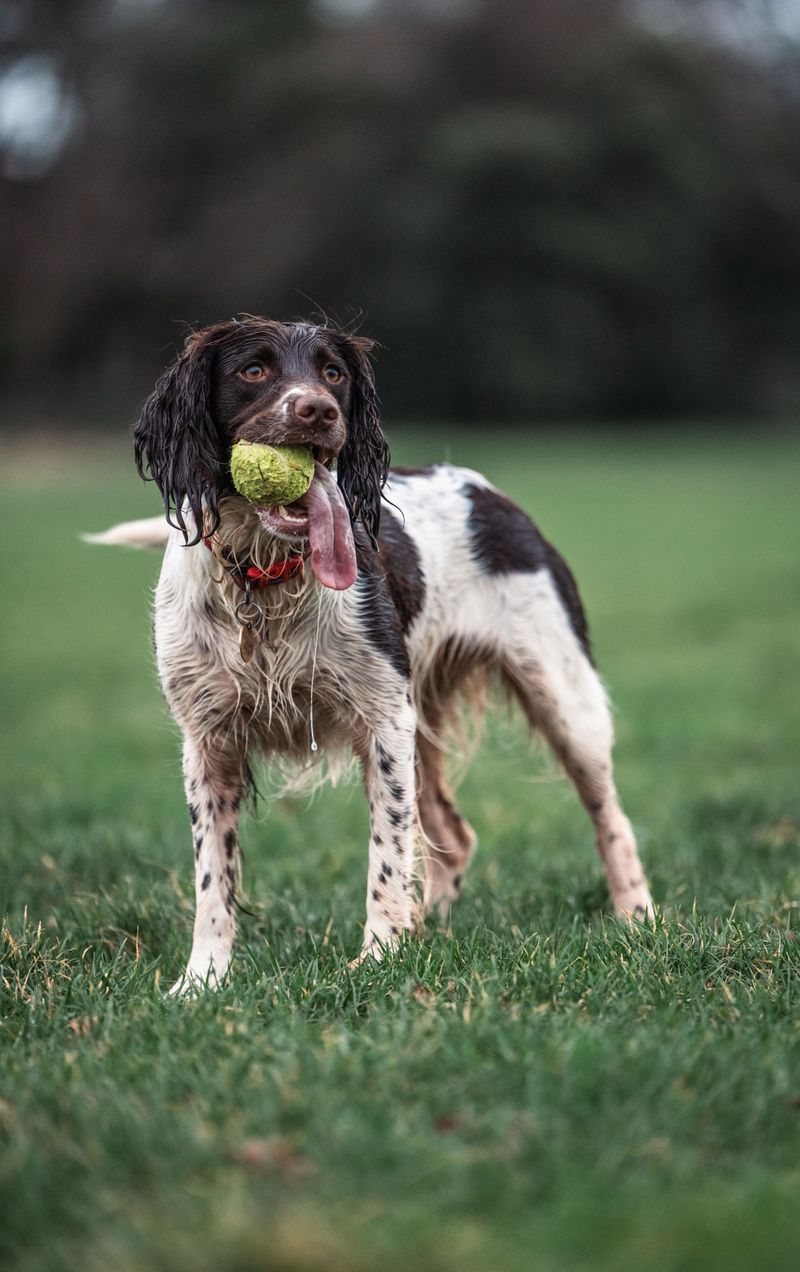
Bouncy, affectionate, and endlessly curious about what is under that log.
Springers bring real endurance and agility, thriving on one to two hours of daily movement with scent games mixed in.
Their medium double coat repels water and handles varied country, and warm weather tolerance rates well.
Watch for overheating during hard efforts anyway. Go easy with puppies, since growing joints deserve gentler miles.
17. American Foxhound
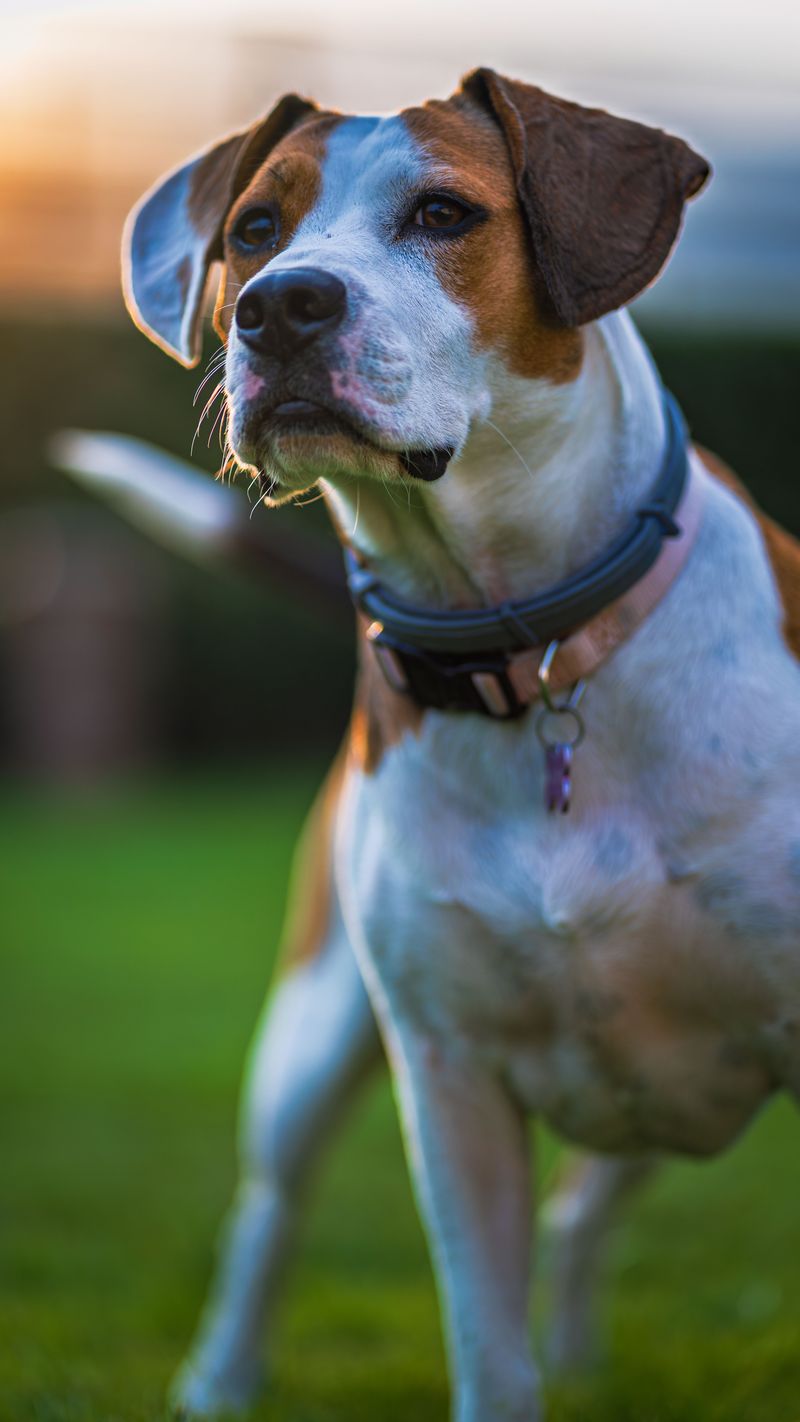
Lean, rangy, and wired for all-day pursuit across rough American country.
Foxhounds trail scent for miles and manage heat capably when given real cooldown time.
Sustained aerobic work is the goal, not a lap around the block.
In warm conditions, choose cooler hours, pack extra water, and watch for heavy panting. That nose overrules recall completely, so a secure leash is non-negotiable on open terrain.
18. Basenji
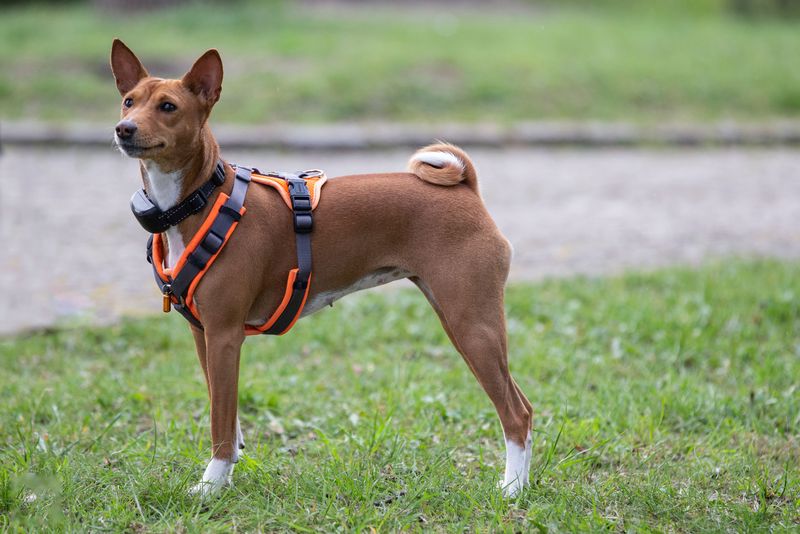
Central Africa gave us a desert specialist with a curled tail and zero interest in barking.
Short sleek coat, light frame, efficient stride: heat management comes standard, and those tall ears help shed warmth.
Five-mile runs and long hikes fit their stamina nicely.
Independence and prey drive mean leashes always. Cold weather is their weakness, so save Basenjis for red rock, not winter summits.