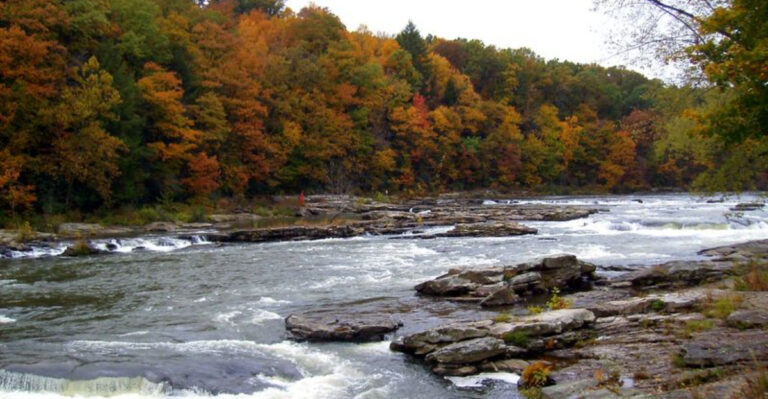
What Michigan Dog Owners Should Know About Leash Rules In State Parks
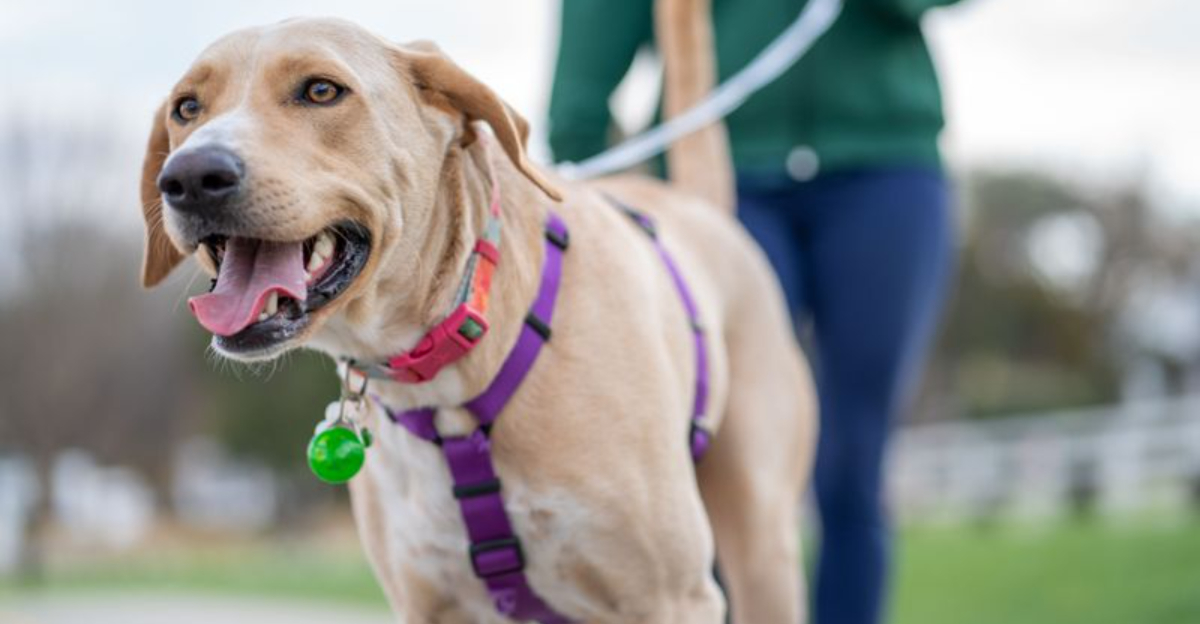
Michigan state parks are made for wandering, and dogs love them just as much as we do. Still, the rules around leashes, beaches, and campsites catch plenty of good owners off guard.
Knowing what the state expects makes every visit smoother, safer, and far less stressful for you and your dog.
Here is a friendly walkthrough of the leash rules, posted exceptions, and small habits that keep your trip easy from the first trailhead to the last campfire.
1. Six Feet Is the Magic Number
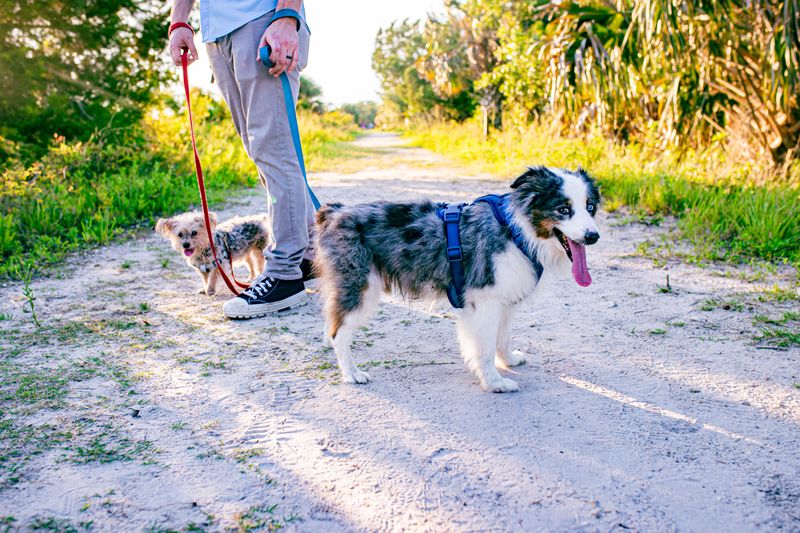
Every Michigan state park visit starts with one simple measurement. Dogs must be on a leash no longer than six feet, and that applies statewide in public spaces.
Longer lines, ropes, or tie-outs used as walking leads do not meet the standard. Measure your leash at home before you pack it.
A standard six-foot lead is easy to find and easy to handle. It keeps your dog close on narrow trails and crowded boardwalks.
2. Immediate Control Means More Than Holding the Handle
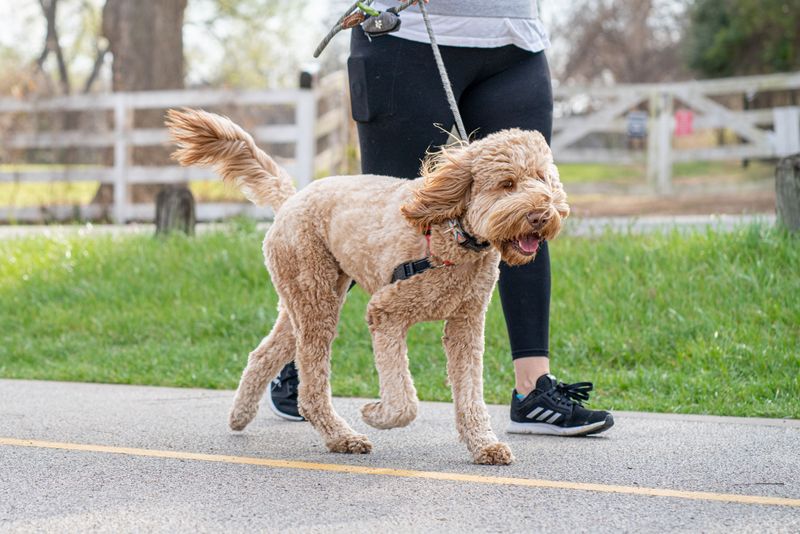
Holding a leash is only half of what the rule asks. Owners must keep dogs under immediate control at all times inside state parks.
Control means your dog responds to you, stays near you, and does not lunge toward strangers or bikes.
Practicing a solid heel and a reliable recall at home pays off here. A calm dog on a short lead is far easier to manage around busy trailheads and picnic areas.
3. Off-Leash Roaming Is Off the Table
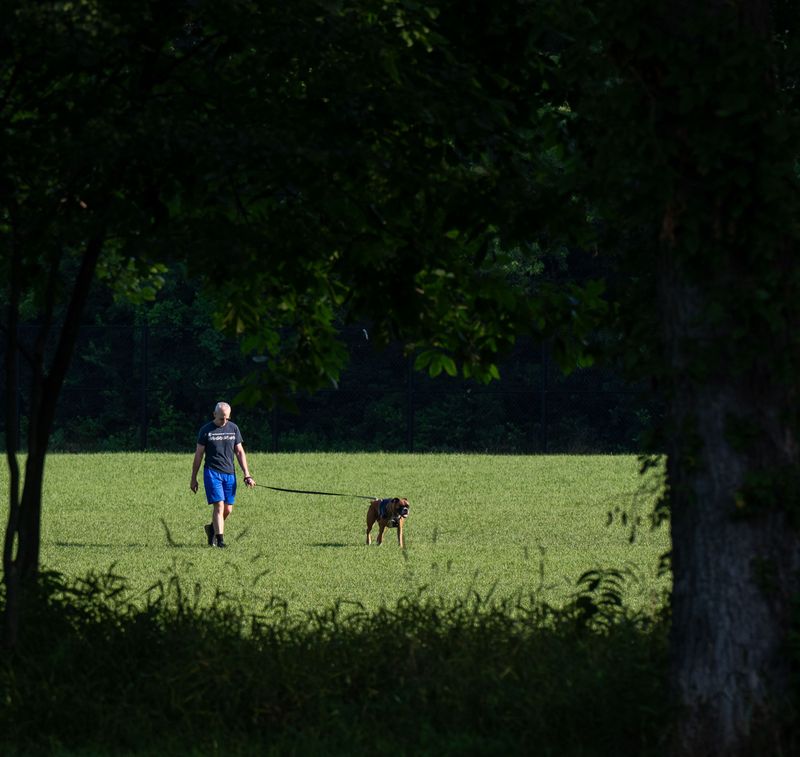
Open meadows can tempt any owner to unclip and let a dog stretch out. In regular state park areas, that is not allowed.
Dogs running loose, sometimes described as running at large, violate state law and park rules.
Even friendly dogs can startle other visitors or slip out of sight quickly. Keeping the leash clipped protects your dog from traffic, water hazards, and unexpected encounters with other animals.
4. Retractable Leashes Come With a Catch
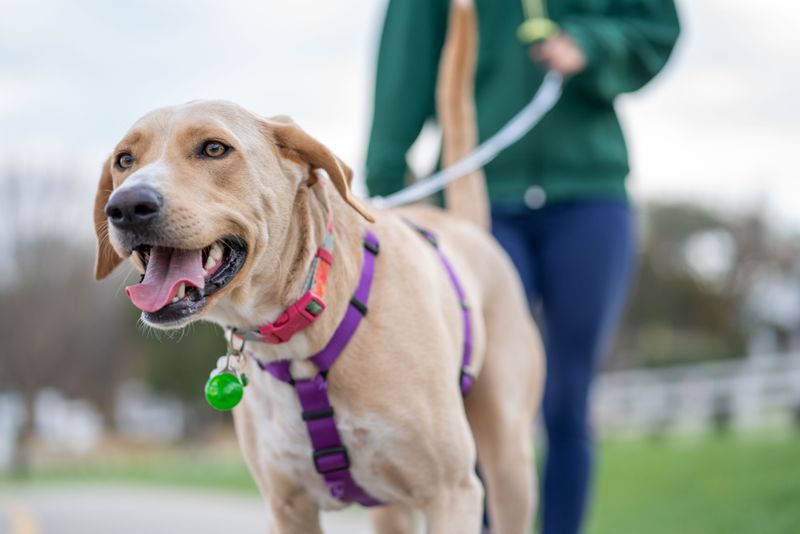
Plenty of owners bring retractable leashes, and they are not banned outright. The catch is simple: the dog still has to stay within six feet of you.
Letting the line extend to fifteen or twenty feet puts you out of compliance.
Lock the mechanism short before you leave the parking lot. Many owners find a fixed lead easier, since there is no cord to reset every few minutes on a busy path.
5. Individual Parks Can Tighten the Rules
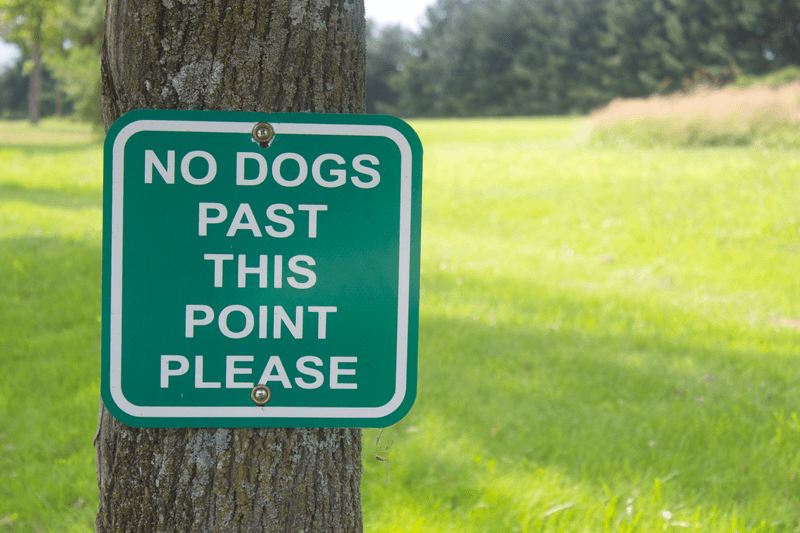
Statewide policy is the floor, not the ceiling. A single park can post rules that are stricter than the general pet policy.
Signs at trailheads, beach entrances, and campground offices carry real weight.
Give the kiosk a quick read before you head out. Two minutes of sign checking saves you from turning around later, and staff at the contact station are happy to explain anything that seems unclear.
6. Designated Swim Beaches Are a No-Dog Zone
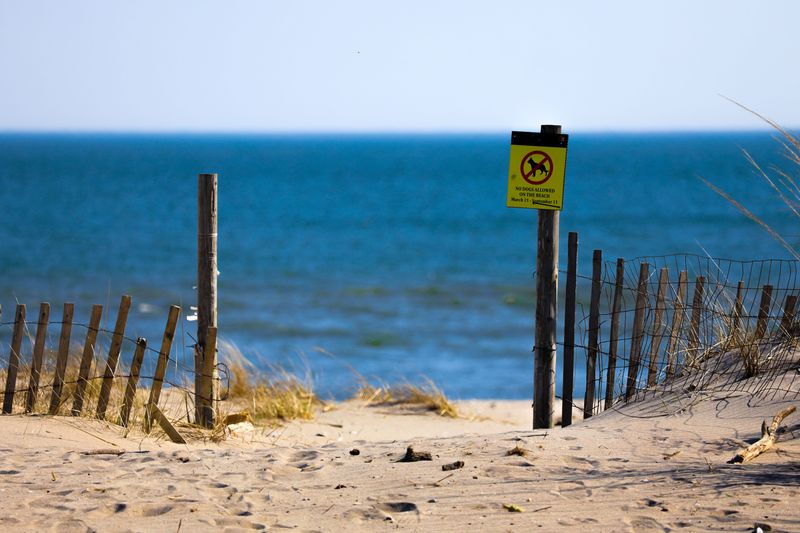
Sandy stretches full of swimmers look inviting, but designated swimming and bathing beaches are closed to dogs.
The restriction protects water quality and keeps crowded swim zones comfortable for everyone.
Look for the posted boundary markers before you set down a towel. If your dog is with you, plan around the swim area entirely and find a pet-friendly shoreline section instead.
7. Other Shorelines May Welcome Your Dog
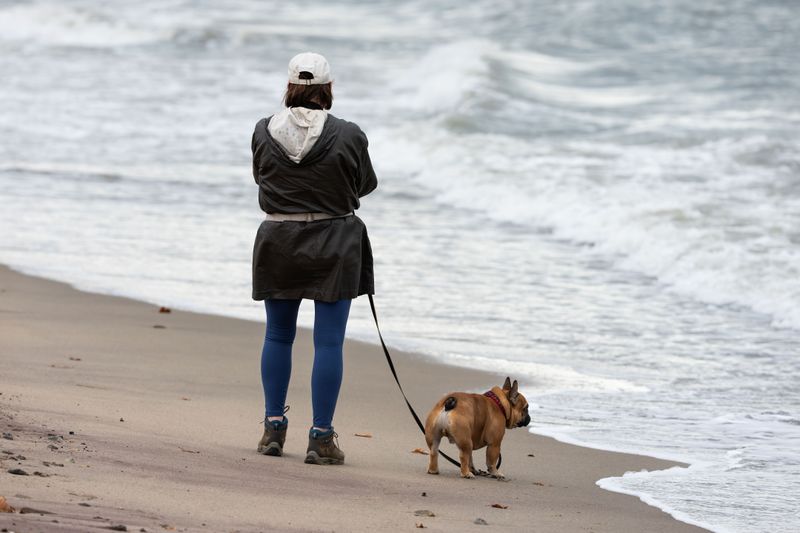
Good news for water-loving pups: many parks allow dogs along shoreline areas outside the designated swim beach.
If a stretch is not posted as restricted, it is generally open to leashed pets.
Some parks even set aside pet-friendly beach sections. Call the park office ahead of a long drive, since shoreline boundaries shift with nesting seasons and seasonal signage changes from year to year.
8. The Leash Stays On in the Water
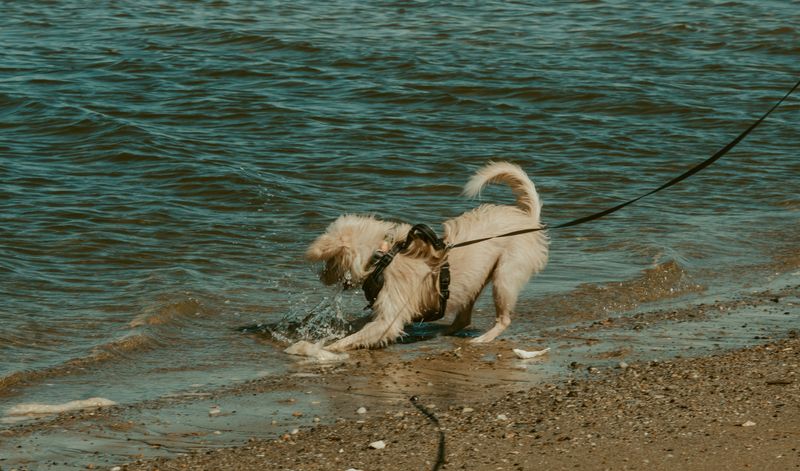
Wading and splashing are welcome in permitted areas, with one condition. The six-foot leash rule does not pause at the waterline.
Your dog must stay leashed while in the water.
A waterproof biothane lead is a smart pick, since nylon holds moisture and sand. Keeping hold of the handle also helps in Great Lakes conditions, where currents and drop-offs can surprise even strong swimmers.
9. Protected Habitat Areas Stay Pet-Free
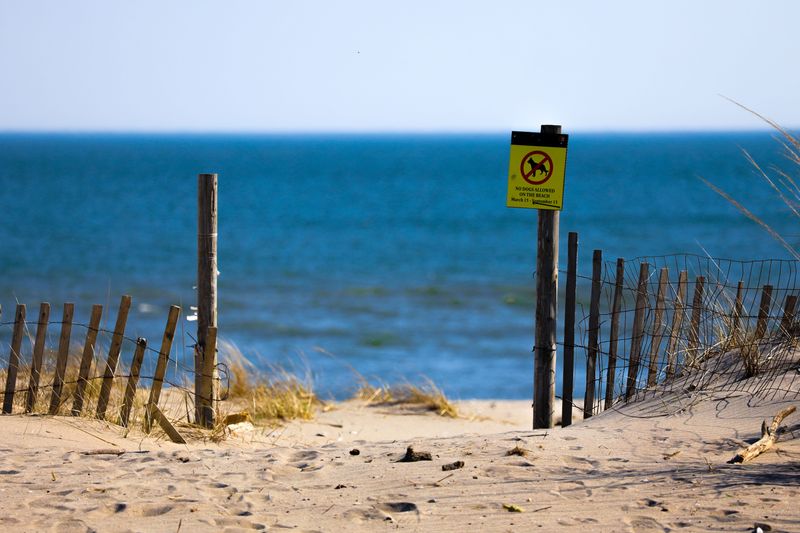
Certain dunes and shoreline sections are set aside for sensitive wildlife, including nesting piping plovers.
Pets are prohibited in those habitat zones and any other signed restricted area.
Roped fencing and small posted signs usually mark the edges. Respecting those boundaries helps fragile nesting sites recover, and it keeps your dog clear of areas where rangers actively monitor for disturbances.
10. Wildlife Encounters Are Best Avoided
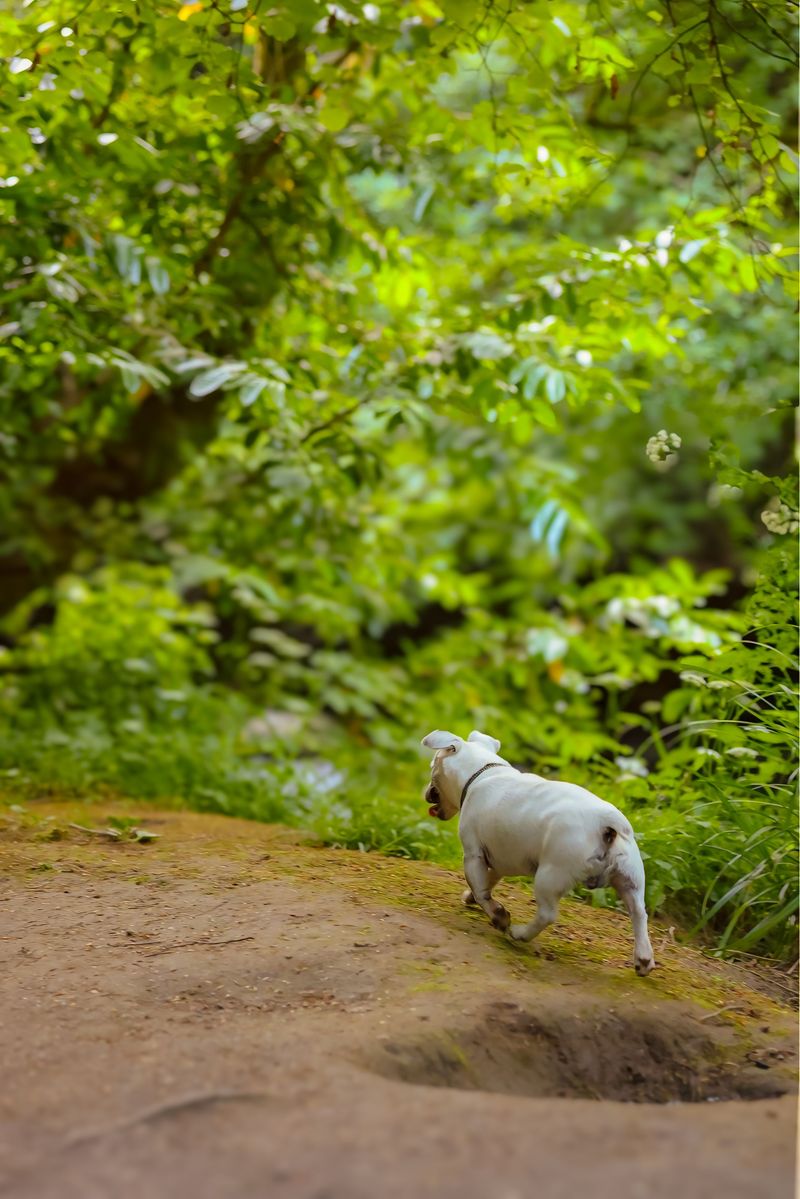
Deer, turkeys, and raccoons all show up along Michigan trails. Dogs should be kept away from wild animals and never allowed to interact with them.
Chasing stresses wildlife and can lead to injuries or unexpected contact with parasites.
Shorten the leash when you spot movement in the brush and calmly walk on. A pocketful of high-value treats makes redirecting your dog much easier in those moments.
11. Campgrounds Welcome Pets, With Conditions
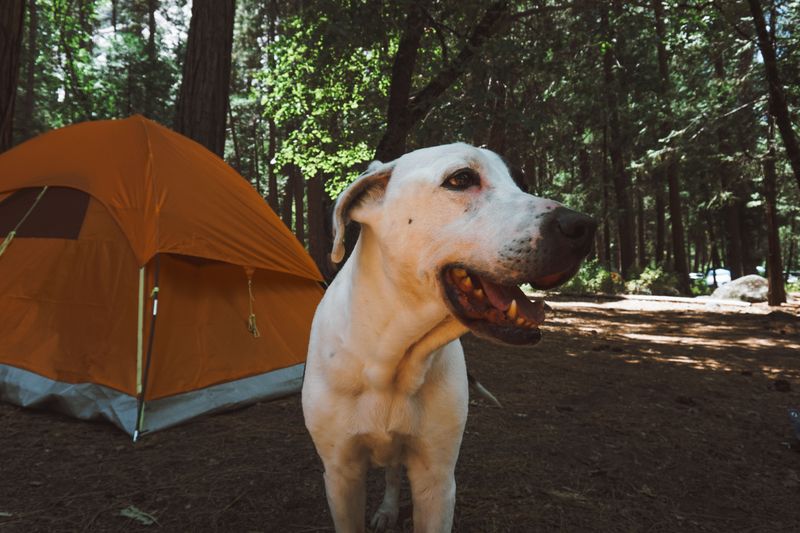
Bringing your dog camping is entirely doable at Michigan state park campgrounds. Pets are welcome, and the six-foot leash rule still applies at the site.
A tie-out longer than six feet does not replace supervised leash time.
Set up a shaded spot with water and a mat so your dog settles quickly. Some parks also rent pet-friendly cabins or yurts for an extra fee.
12. Never Leave Your Dog Behind at the Site
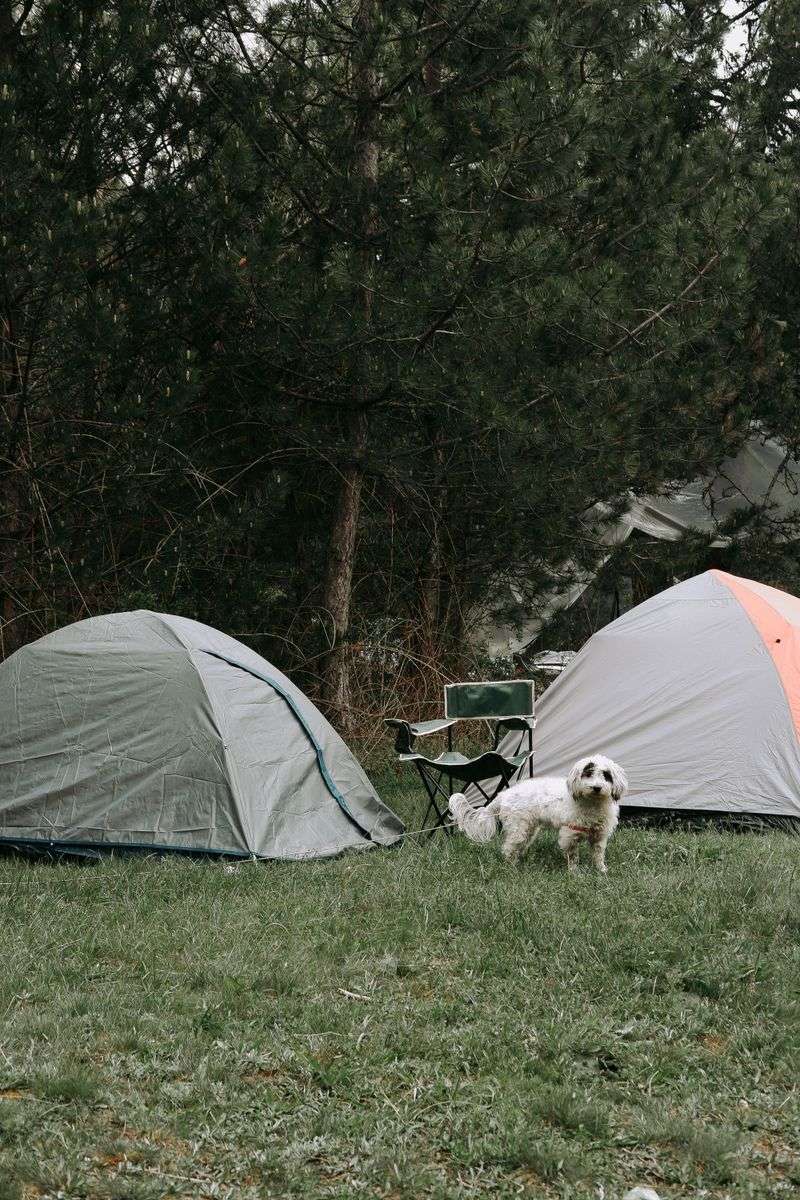
Running to the beach or the camp store without your dog is not an option. Dogs cannot be left unattended at campsites, inside campers, or in vehicles.
Parked cars heat up fast in Michigan summers, even with windows cracked.
Plan activities your dog can join, or trade off supervision with a travel partner. Knowing this ahead of time makes trip planning much simpler for everyone.
13. Barking and Disturbances Carry Consequences
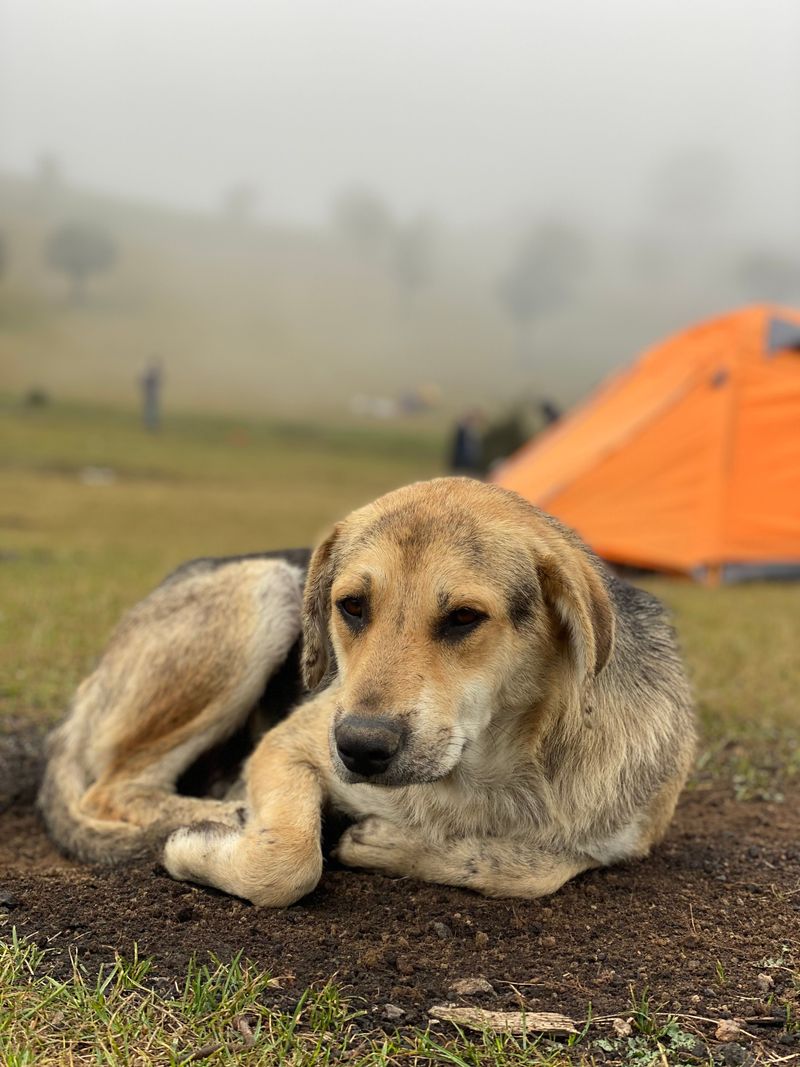
Quiet hours matter more in a campground than almost anywhere else. Excessive barking or other nuisance behavior can lead to removal from the park or loss of a camping permit.
Neighbors are close, and sound carries across open loops.
Bring familiar bedding and a favorite chew to help your dog settle. A tired dog after a long hike is usually a quiet one at night.
14. DNR Staff Can Ask a Dog to Leave
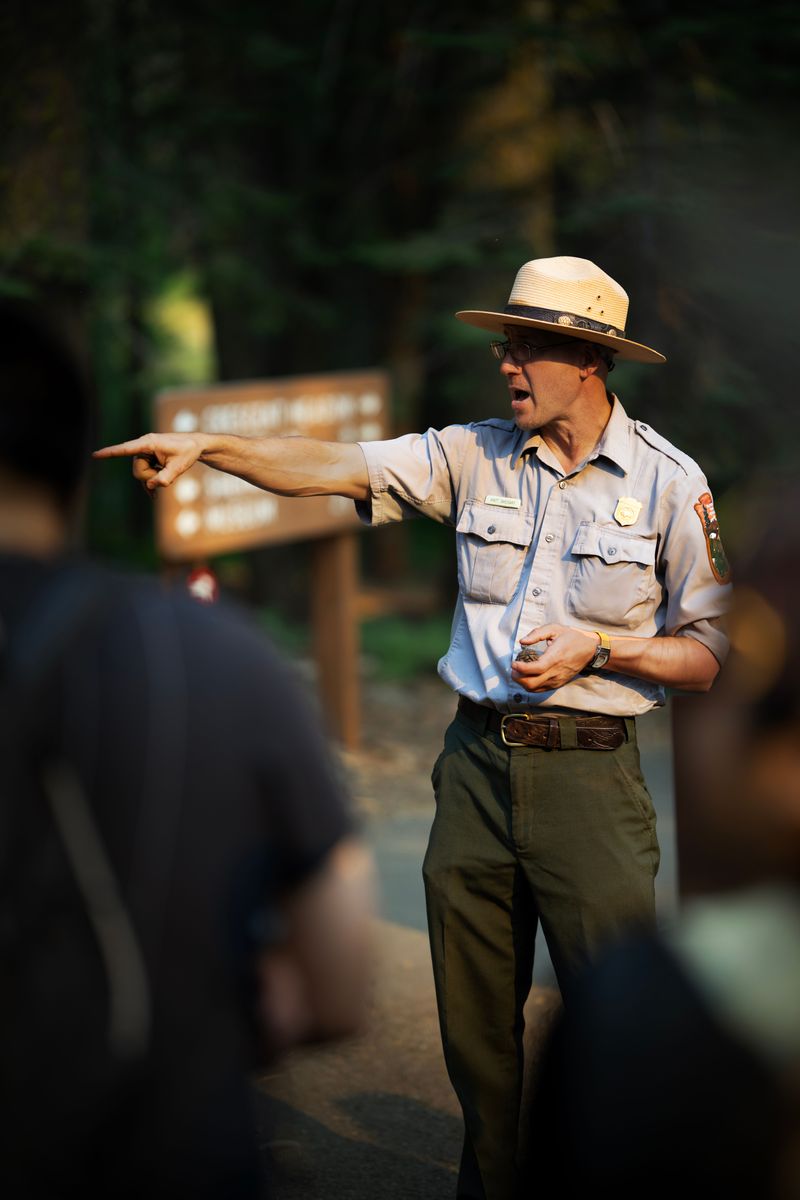
Enforcement is real, though rarely dramatic. The Michigan Department of Natural Resources may remove a dog that is loose, unattended, uncontrolled, or causing a disturbance.
Leash law violations can also result in citations or fines.
Most rangers start with a friendly reminder. Following posted rules from the start keeps those conversations short and lets you get back to enjoying the trail.
15. Buildings Are Generally Off Limits
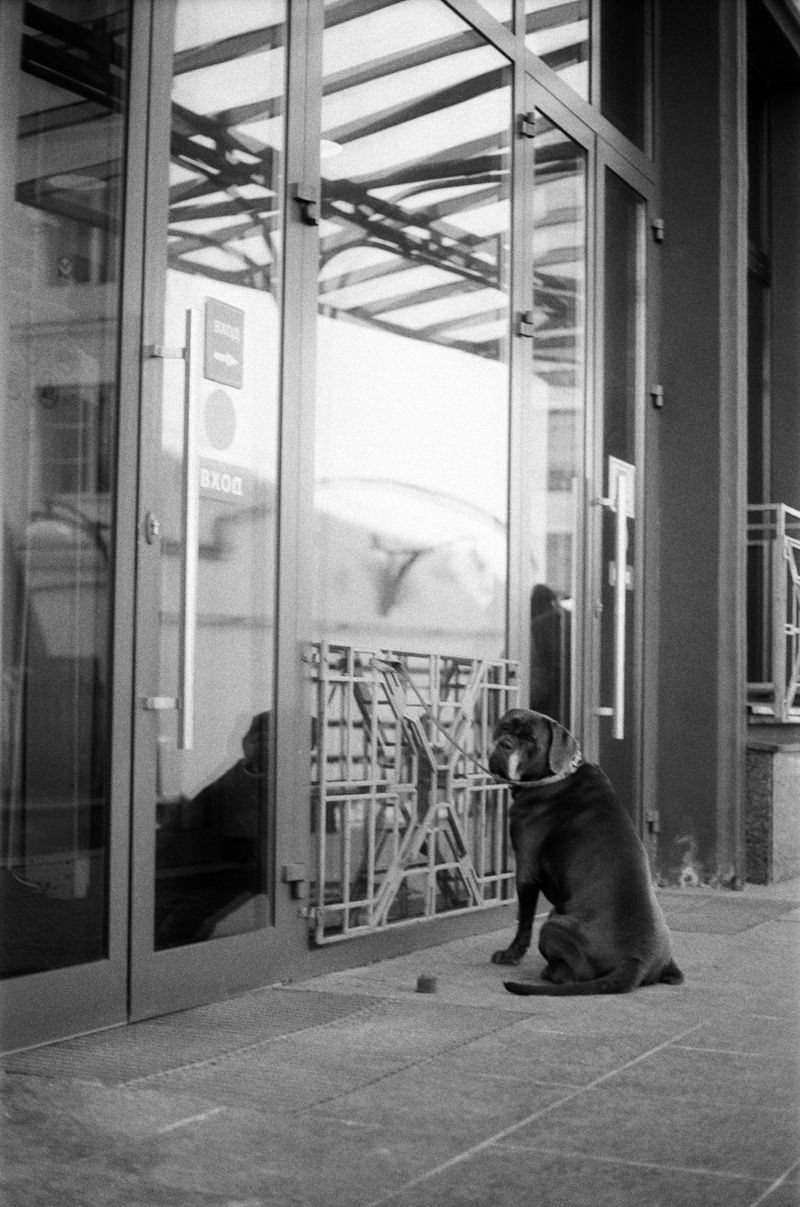
Park buildings follow their own standard. Dogs are generally not allowed inside state park structures, including offices, restrooms, and shower buildings.
Health rules and shared spaces drive that policy.
Bring a travel partner who can hold the leash outside, or use the tie ring near the door if one exists. Planning bathroom stops around your dog saves a lot of awkward juggling mid-trip.
16. Service Animals Have Full Access
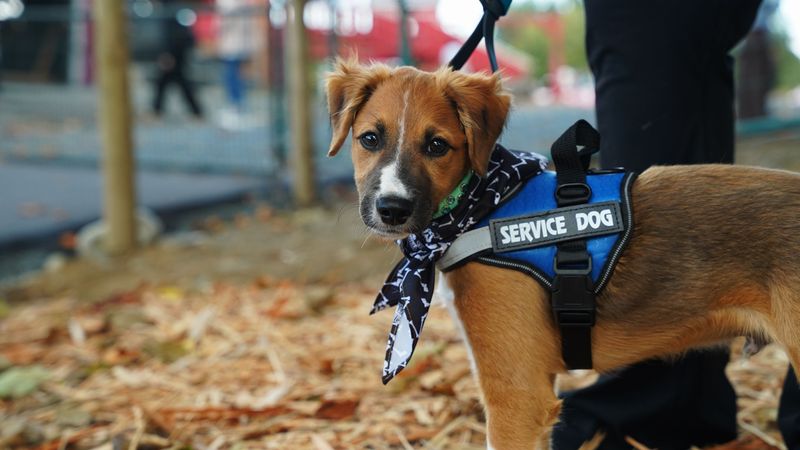
Handlers can relax about this one. Service animals are exempt from building restrictions and may accompany their handlers into state park buildings.
The exemption exists because service animals perform trained tasks for a person with a disability.
Emotional support animals and pets do not fall under the same allowance. If you have questions about access at a specific facility, park staff can walk you through the details.
17. Cleaning Up Is Part of the Deal
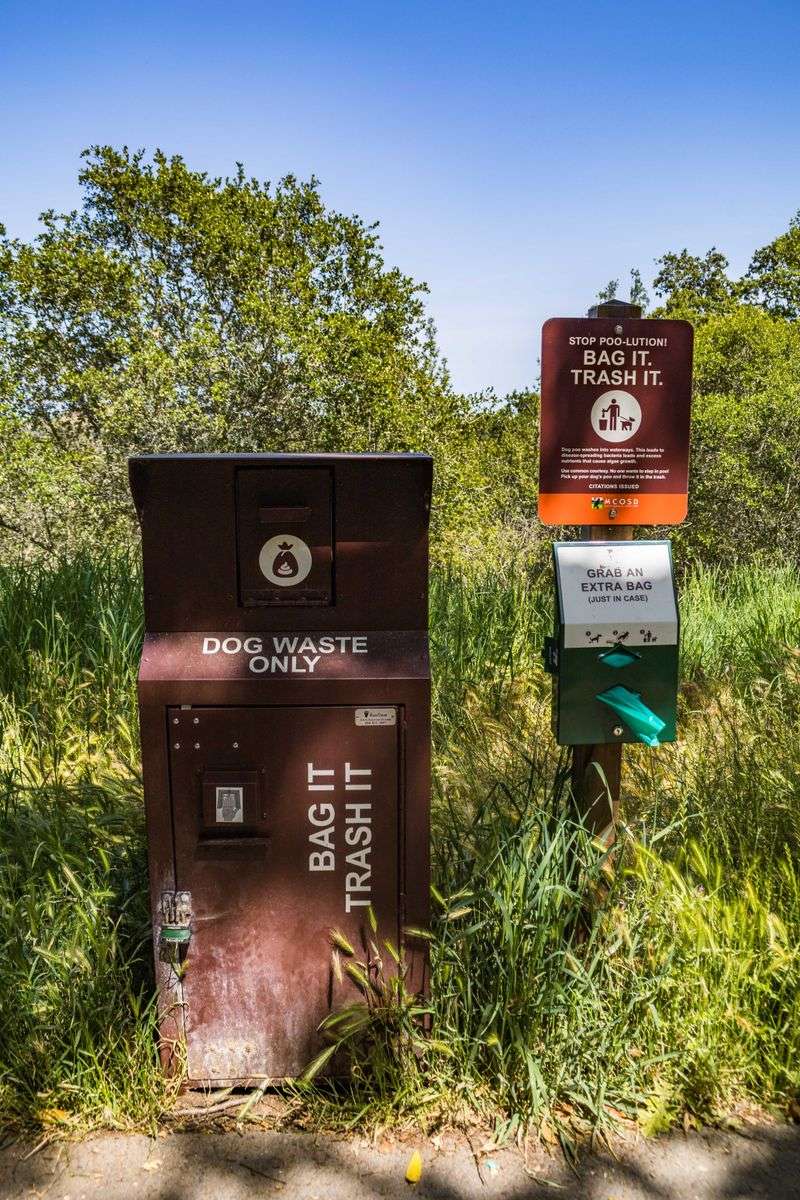
Nobody enjoys this part, but it matters. Owners must clean up dog waste and place it in a proper trash receptacle.
Waste left behind affects water quality, trail conditions, and everyone who walks after you.
Bagged waste tossed into the woods still counts as litter. Tie it off, carry it out, and drop it in the nearest bin at the trailhead or campground loop.
18. Pack the Bags Before You Pack the Snacks

A forgotten roll of waste bags turns a good hike into an awkward one. Carrying bags is expected any time you bring a dog into a state park.
Clip a dispenser directly to the leash handle so it travels with you automatically.
Stash a backup roll in the glove box and another in your daypack. Two extras weigh almost nothing and solve the problem permanently.
19. Hunting Dogs Follow Different Rules
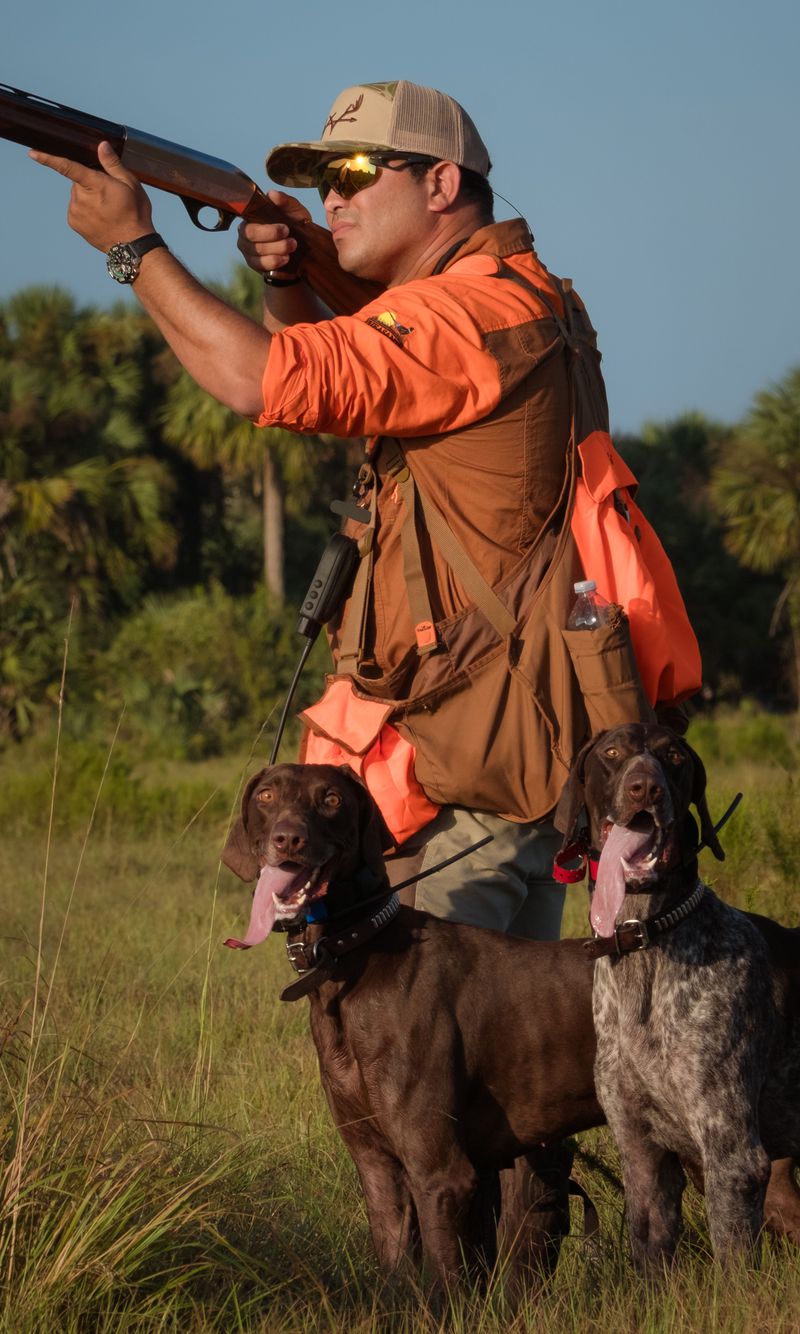
Sporting dog owners get a specific allowance. Dogs used for hunting, field trials, or hunting training may be exempt from leash requirements on state land open to those activities.
The exemption is tied to the activity and the location, not to the breed.
Regular recreational visits still require a leash. Check current DNR hunting regulations and the specific land designation before heading out with your dog.
20. Leash-Free Zones Are the Exception, Not the Norm
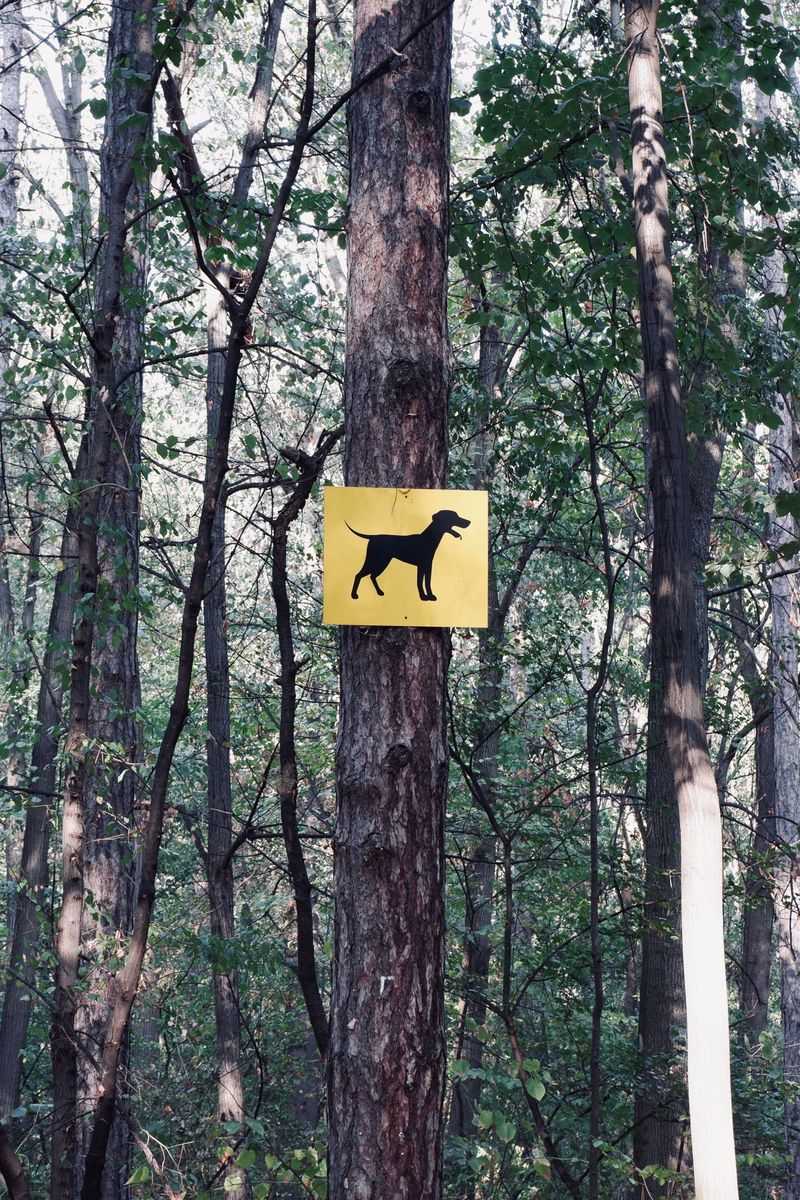
Designated leash-free areas do exist, and they are the one clear exception to the six-foot rule.
Outside those marked boundaries, your dog stays leashed everywhere else in the park.
Some parks also offer dog swim areas or pet beaches. Confirm locations on the park page or with staff before you arrive, since designations change and not every park offers one.
Learn the rules once, and every Michigan trail feels easier.