18 Michigan Dog Records Cottage Owners Should Keep In Both Places

Splitting time between a year-round home and a Michigan cottage means your dog’s paperwork tends to scatter. One folder sits by the kitchen phone downstate, and the other is somewhere near the lake.
Keeping duplicate copies in both spots saves you stress during a vet visit, a license renewal, or a surprise weekend detour. Here are the records worth copying twice, plus simple reasons each one matters when you are far from your regular clinic.
1. Current Rabies Vaccination Certificate
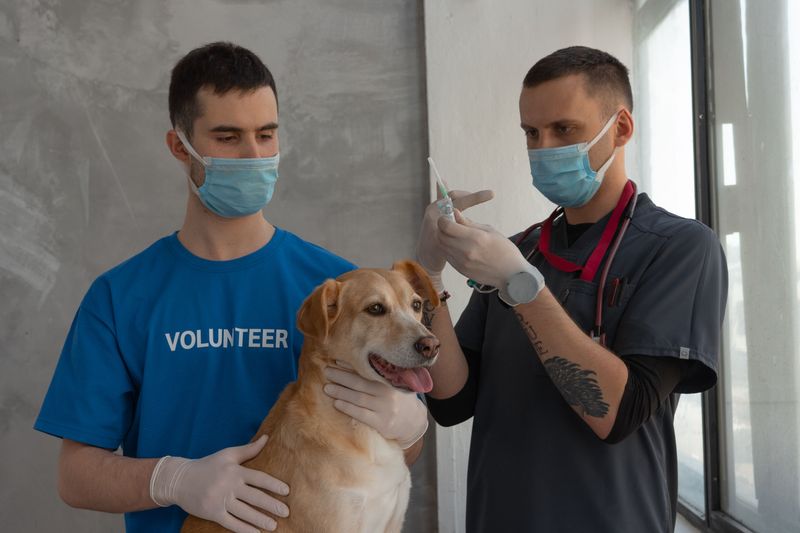
Michigan law requires dogs four months and older to be vaccinated against rabies by an accredited veterinarian. The certificate your vet issues lists the vaccine expiration month and year.
First shots are often one-year vaccines, with a three-year option once a booster is given on time. A booster is due one year after the first dose.
Keep an original at home and a clear copy at the cottage.
2. Current Michigan Dog License Record
Under Michigan’s Dog Law of 1919, dogs four months and older must be licensed in the county where they live. New dogs generally need licensing within 30 days.
Renewals are usually annual, often due by March 1, though deadlines and fees vary by county.
Proof of rabies vaccination is always required. Store the receipt and tag number in both folders.
3. Complete Vaccination History

Boarding kennels, groomers, and daycares near lake towns often ask for more than rabies proof. A full history covers the distemper combination vaccine, which protects against distemper, hepatitis, leptospirosis, parainfluenza, and parvovirus.
Bordetella, for kennel cough, is commonly required before boarding stays.
Vets frequently recommend Lyme protection for dogs roaming wooded, tick-heavy areas. Ask your veterinarian what fits your dog’s routine and travel habits.
4. Veterinarian Contact Information
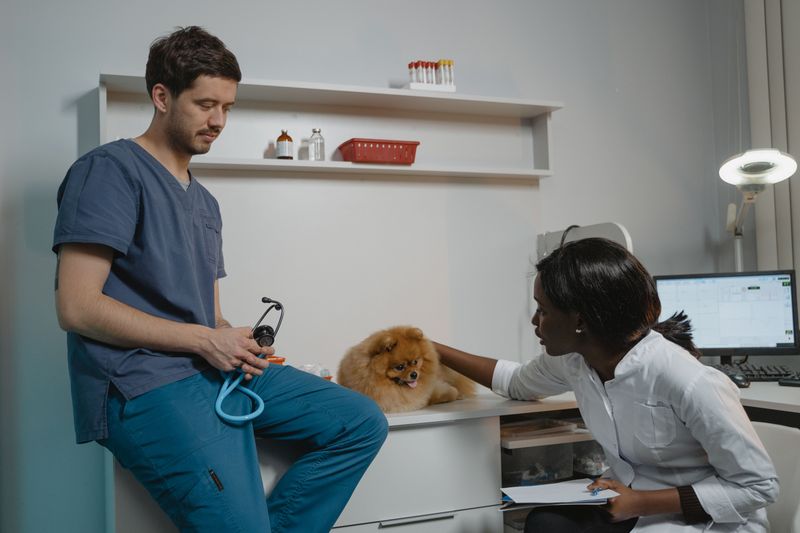
Phone numbers are easy to remember until the moment you need them. Write down your clinic’s name, address, and main line, plus any after-hours emergency number they recommend.
Add the nearest emergency hospital to the cottage, since your regular vet may be hours away.
Tape one card inside a cupboard door and save the same details in your phone contacts.
5. Recent Veterinary Medical Records
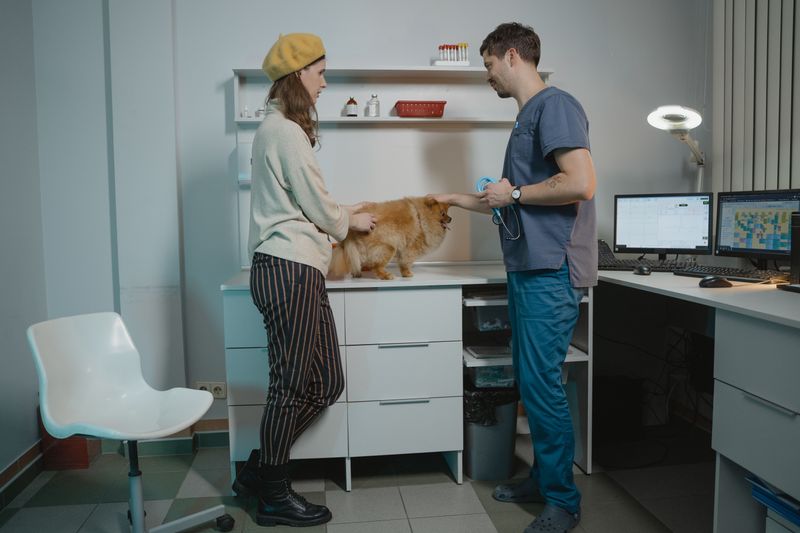
Michigan veterinarians must keep patient records for at least seven years after the last service. You have the right to request copies of your dog’s file.
Those records stay confidential and are not released without your consent, except where law or public health requires it.
Having your own set helps a new clinic understand test results quickly, especially during an unplanned visit up north.
6. Current Medication List With Doses and Schedules

Picture handing a neighbor your dog’s care plan on a Friday afternoon. A single page listing each medication, strength, dose, and timing removes all guesswork.
Note whether pills go with food and what to do if a dose is missed.
Update the sheet whenever your veterinarian adjusts anything, then replace the copy in your cottage folder so both versions match exactly.
7. Prescription Copies for Ongoing Medications

Refills get complicated when you are 200 miles from your usual pharmacy. Copies of written prescriptions show the prescribing veterinarian, drug name, strength, and refill count.
That detail lets a local pharmacy or clinic verify information faster.
Medical records usually list medications too, but the prescription itself is cleaner proof. Snap photos of each label and keep prints in both folders for backup.
8. Allergy and Medication-Reaction Information

Some dogs react to a food protein, a flea product, or a specific antibiotic. Writing those details down protects your dog when someone unfamiliar is treating or feeding them.
List the substance, what happened, and roughly when it occurred.
Include environmental triggers like certain grasses if your vet has noted them. Clinics use that page to choose safer options right from the start.
9. Chronic Medical Condition Summary
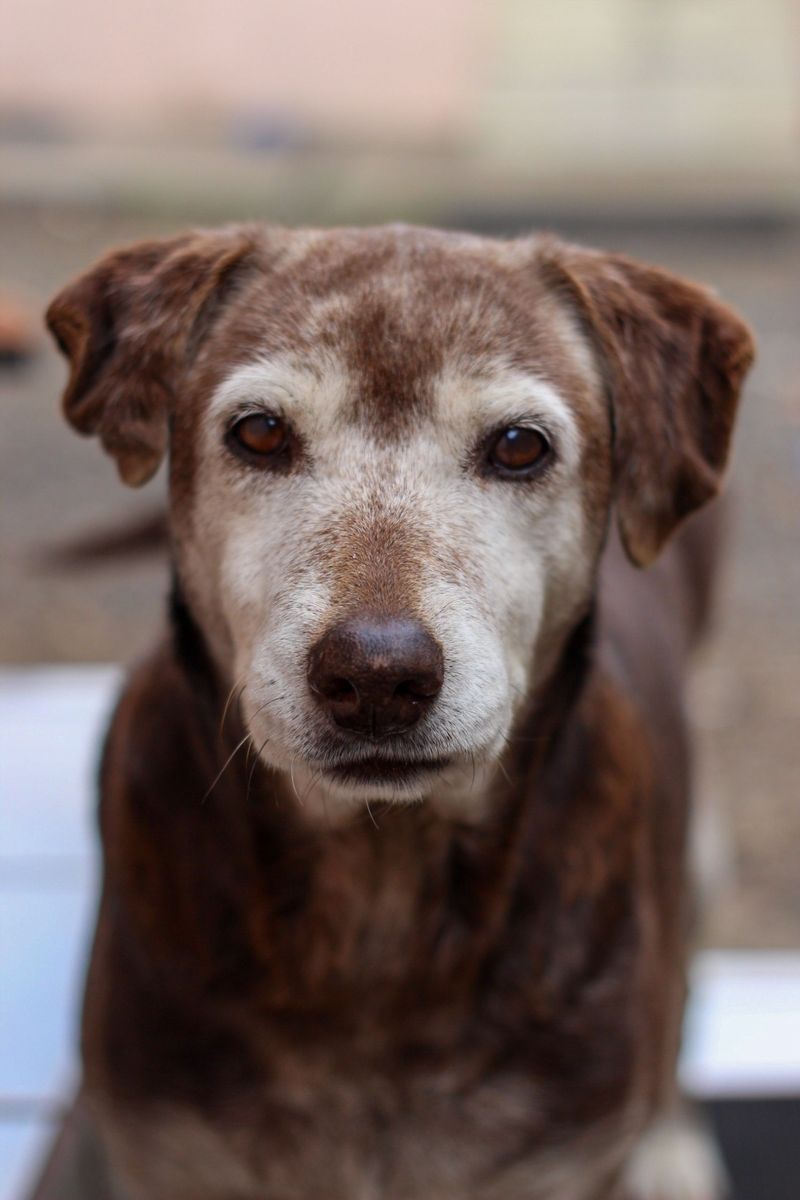
Dogs managing diabetes, heart concerns, or arthritis do best with consistency. One tidy page should name the diagnosis, the current treatment plan, and anything a caregiver must watch for.
Add specialist contact details if your dog sees one.
Keep the wording plain so a pet sitter understands it instantly. Review the summary every few months and refresh both copies after any change in care.
10. Microchip Number and Registry Information
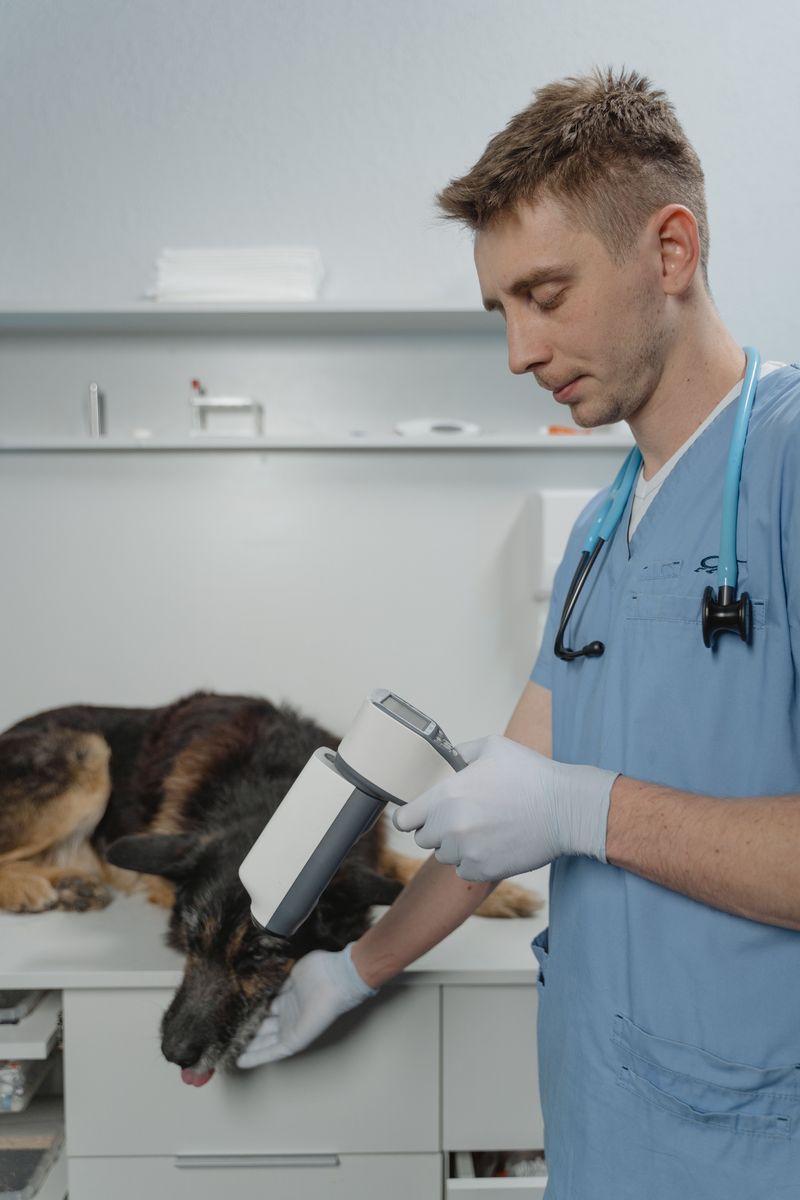
A chip only works if the registry has current contact details. Michigan has no statewide microchip requirement, but some local ordinances do require chipping for dogs over four months.
Eastpointe is one example, so check your municipality.
Microchips are also required for dogs entering the United States from Canada. Record the chip number, registry name, and login so updates are simple.
11. Spay or Neuter Documentation

Counties commonly charge lower license fees for altered dogs, and they may ask for proof. Your surgical record or a vet letter does the job.
Local rules differ: Eastpointe, for instance, limits unaltered dogs per household and sets an age for alteration.
Shelters in Michigan also use alteration contracts for adopted dogs. Keeping the paperwork handy prevents delays at renewal time.
12. Recent Clear Photos of the Dog

Nothing helps a search more than a good photo. Take full-body shots from each side, plus close-ups of markings, ear shape, or an unusual tail curl.
Natural daylight works best, and a plain background keeps details visible.
Refresh the set seasonally, since coats change with grooming. Store prints at both properties and keep the same images saved in a phone album.
13. Photo of the Owner With the Dog for Identification

Proof of ownership sounds unnecessary until someone asks for it. A clear picture of you together, faces visible, settles questions quickly at a shelter or animal control office.
Take one each year so it stays current.
Pair it with your license and chip records for a strong set. Print a copy for the cottage folder and email one to yourself as insurance.
14. Emergency Contact and Temporary Caregiver Information

Cottage weekends can shift without warning, so name two or three people willing to step in. List phone numbers, who has a key, and where leashes, food, and crates are stored.
Mention any gate codes or tricky door locks.
Give each contact a copy so nobody is guessing. Peace of mind comes from knowing someone nearby already understands the plan.
15. Feeding Schedule and Dietary Restrictions
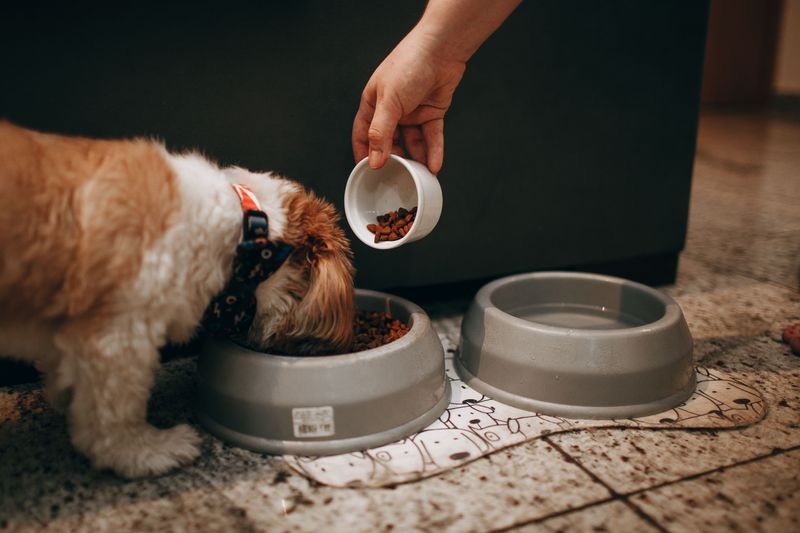
Stomachs appreciate routine, especially after a long drive north. Write down the brand, the exact amount per meal, and the times you feed.
Include treats that are allowed and foods your dog should never receive.
Note supplements and whether meals are soaked or served dry. A sitter following your sheet keeps digestion steady, and that means fewer middle-of-the-night trips outside.
16. Behavioral Notes on Fears, Triggers, and Handling

Fireworks over the bay, boat motors, and unfamiliar visitors affect dogs differently. Jot down what unsettles yours and what helps them settle again.
Include leash habits, how they greet other dogs, and any handling they dislike, such as paw touching.
Caregivers read those notes and avoid trouble before it starts. Honest details protect your dog and everyone sharing the lake with you.
17. Pet Insurance Policy and Claim Details

Coverage helps most when you can reach it fast. Keep the policy number, provider phone line, and claim instructions together in one place.
Note what documentation the company wants, such as itemized invoices or medical notes.
Many providers allow claims through an app, so save your login somewhere secure. Both folders should hold the same page, since clinics differ up north.
18. Interstate Health Certificate and Travel Paperwork
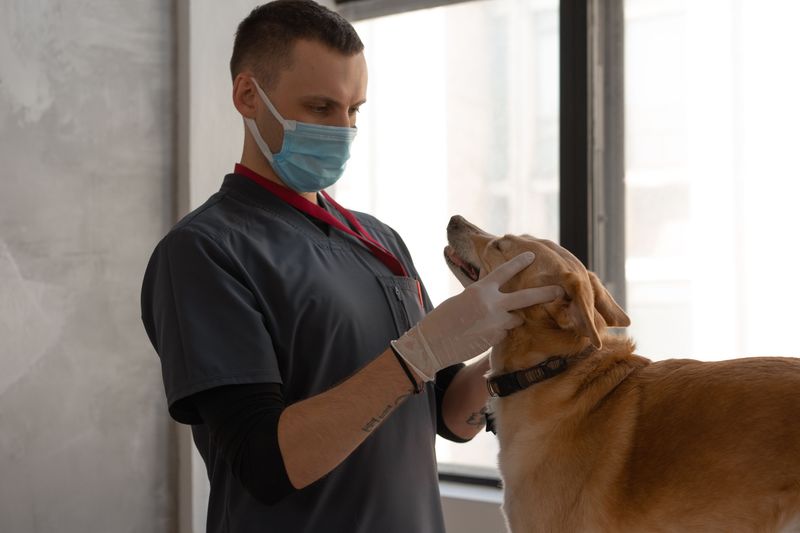
Crossing state lines with a dog often calls for a Certificate of Veterinary Inspection from a USDA-accredited veterinarian in the origin state. It confirms no signs of communicable disease and current rabies vaccination for dogs twelve weeks and older.
These certificates are typically valid about 30 days.
International trips need additional endorsement, and airlines add their own rules. Confirm requirements before you book.
Safe travels, and keep those folders stocked.