19 Records California Dog Owners Should Update When They Change Counties Or Cities

Moving across town or across the state comes with a long checklist, and your dog belongs on it. California licensing rules, vaccination records, and pet policies shift from one city or county to the next.
A few quick updates keep your pup legally covered and easy to reach if the leash ever slips. Think of this as a friendly walkthrough from someone who has handled the paperwork before.
Take it one item at a time, and you will be set.
1. Local Dog License or Registration
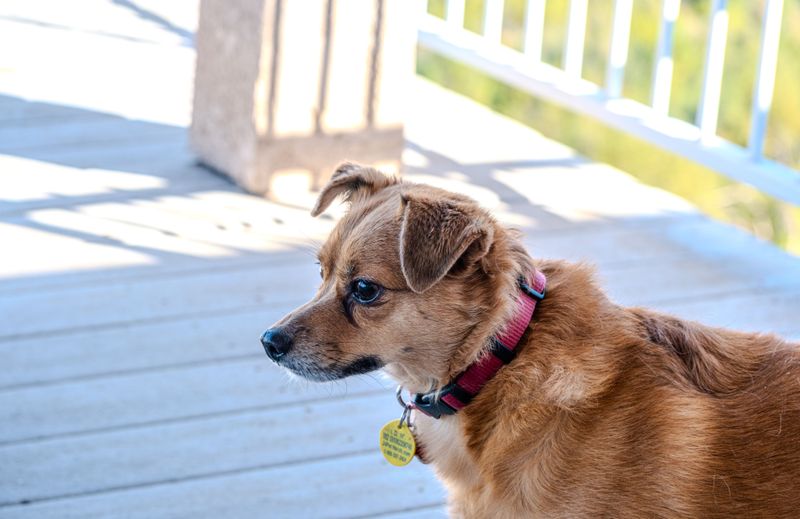
Every dog over four months old in California needs a license. The rule is statewide, but fees and steps vary by city and county.
After a move, you usually have around 30 days to license your dog in the new jurisdiction. Some agencies transfer an existing license and honor the time remaining, sometimes for a small fee.
Call your new animal services office first. One phone call often saves a second trip and a late charge.
2. Owner Address on the Dog Licensing Account

Picture a neighbor finding your dog two streets over. Animal services will look up the address tied to that license tag.
Most California jurisdictions ask you to report an address change within 30 days. An outdated record slows everything down at the worst possible moment.
Update it the same week you unpack. It takes minutes online or by phone, and it is one of the strongest tools for a fast reunion.
3. Owner Phone Number and Email on the Licensing Account

Phone numbers change more often than people expect. New job, new carrier, new number, and suddenly the license file is a dead end.
Rules focus on address updates, but contact details matter just as much. Animal services needs a working number and email to reach you quickly.
Add a second contact if the agency allows it, maybe a partner or a nearby relative. Backup numbers keep the chain of communication open.
4. Rabies Vaccination Certificate Information
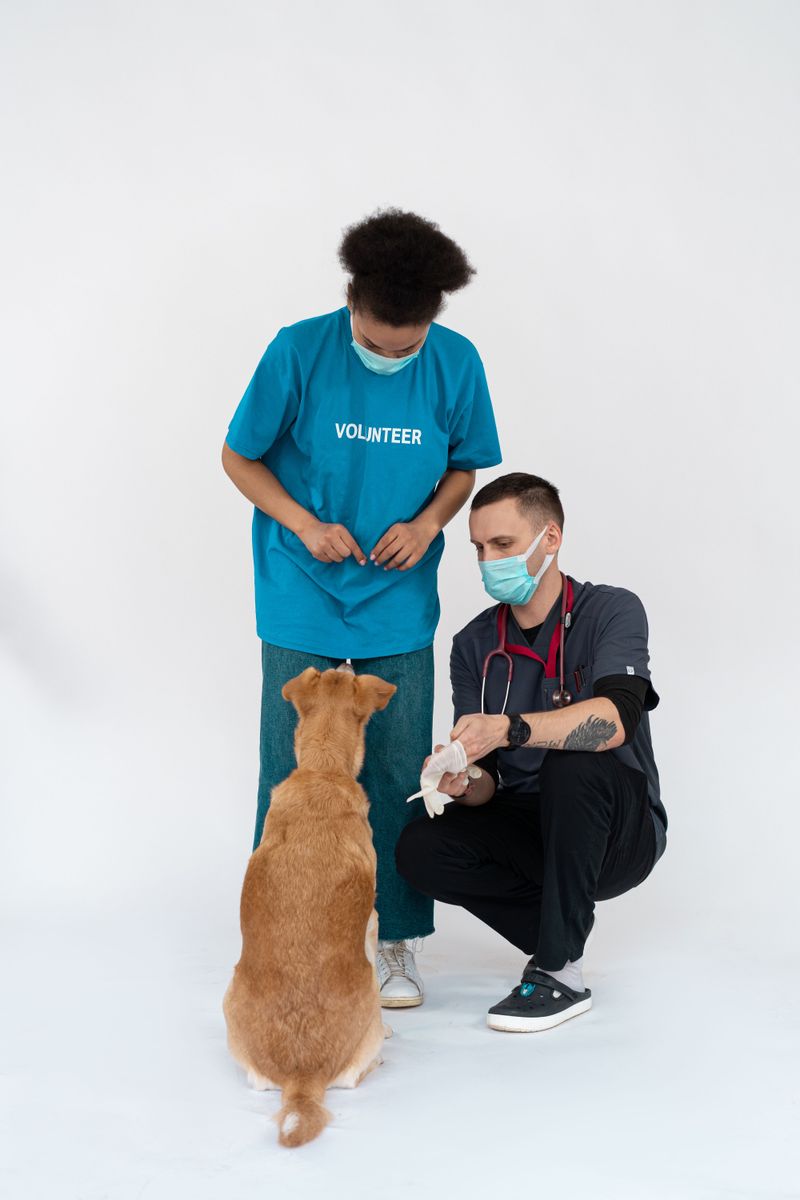
California requires rabies vaccination for dogs over four months old. A licensed veterinarian must give the shot.
First doses are typically good for 12 months. Boosters may last one or three years, depending on the vaccine label.
Your new licensing office will ask for the signed certificate, so keep a digital copy on your phone. Local agencies may add their own vaccination requirements, so confirm before your appointment.
5. Spay or Neuter Certificate on File
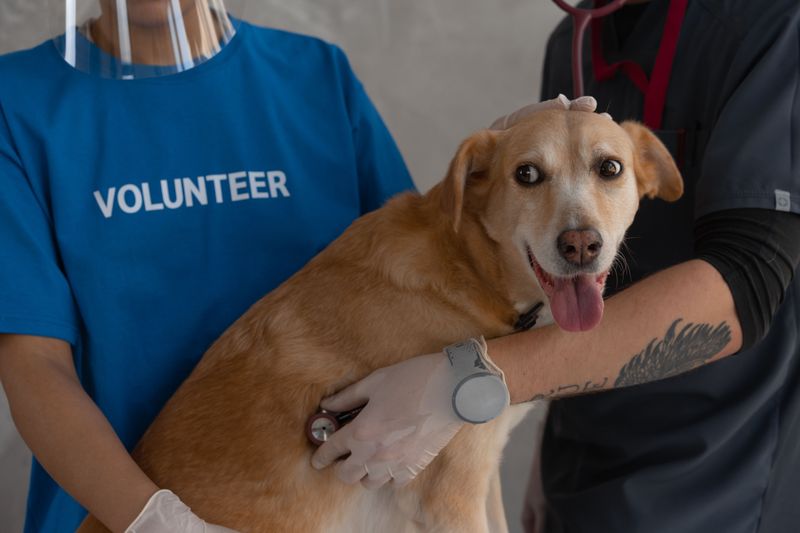
Here is a small win most movers miss: altered dogs usually qualify for a lower license fee in California cities and counties.
To get that discount, you generally submit a copy of the spay or neuter certificate from your veterinarian. It is normally a one-time submission with your first application.
Ask your old clinic to email the document before you leave town. Having it ready keeps your new registration cheaper and simpler.
6. Microchip Registry Contact Information

A microchip only works if the registry has current details. The chip itself never changes, but your phone and address do.
Log into the manufacturer’s registry after your move and enter the new information. Microchipping is not required for dogs entering California, though it is widely recommended.
Not sure which company holds your chip? Any veterinarian or shelter can scan the number and point you to the right registry.
7. Dog Identification Tag

Three tags usually ride on a California collar: rabies, local license, and a personal ID tag with your details.
The engraved tag is the fastest path home. Whoever finds your dog can simply read it and call.
Order a replacement tag as soon as your number or address changes. Cheap, quick, and endlessly useful, especially during those first confusing weeks in an unfamiliar neighborhood.
8. Primary Veterinarian Records
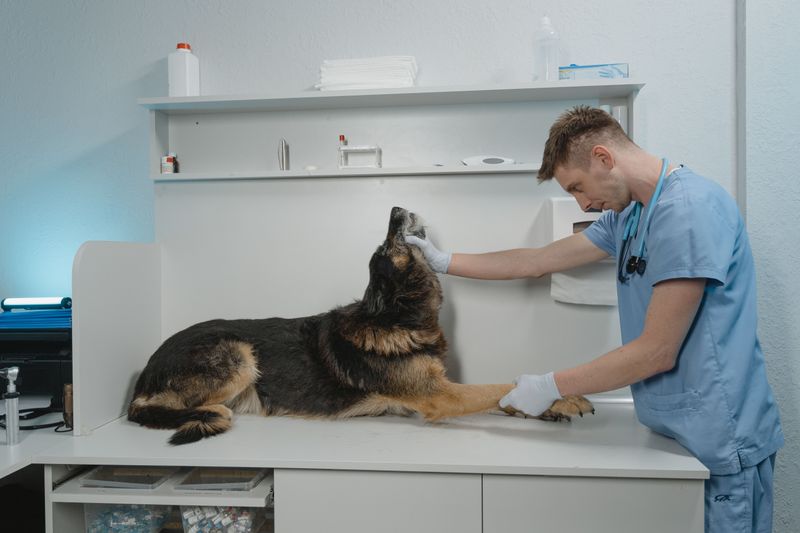
Your dog’s history tells a new clinic what normal looks like. Past diagnoses, treatments, and sensitivities all matter.
Clinics must provide records on request, and summaries are often ready within about five days. A small copying fee is possible.
Digital transfers keep everything legible and complete. Either request the file yourself or let the new veterinary office ask on your behalf.
9. Veterinary Prescription and Medication Records
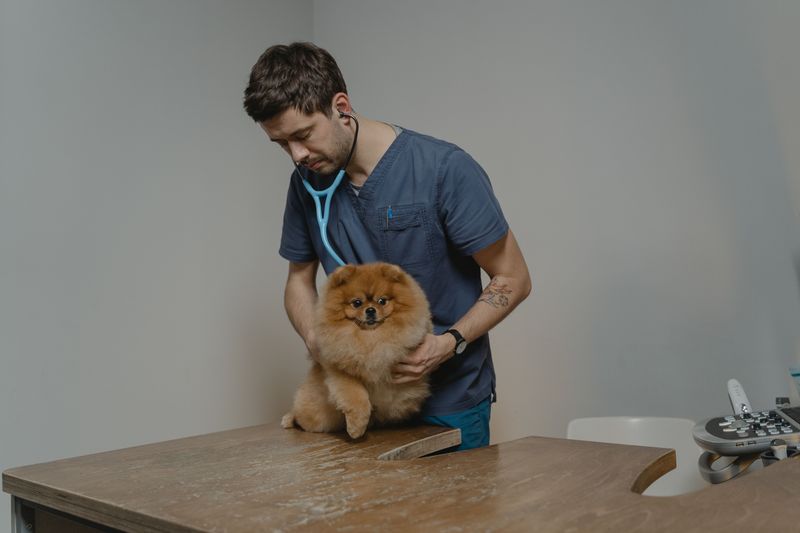
Refills get complicated when your regular clinic is suddenly hours away. Plan ahead instead.
Ask your current veterinarian for an extra supply and written authorization to refill elsewhere. Records should list strength, dosage, route, quantity, and frequency.
That paperwork lets a new practice continue treatment without guesswork. For dogs on daily medication, this single step prevents a stressful gap while you settle in.
10. Pet Insurance Policy

Pet insurance follows your address, so tell your provider where you landed. Premiums and network clinics can shift by region.
Use the update as a reason to reread your coverage. Deductibles, limits, and excluded conditions deserve a second look.
Keep in mind this policy handles unexpected veterinary bills for illness or injury. Liability for someone else’s injuries falls under a completely separate policy.
11. Homeowners or Renters Insurance Records Covering the Dog

Liability coverage inside a homeowners or renters policy may help if your dog injures someone or damages property. Protection often extends to common areas and parks.
California holds dog owners strictly liable for bite injuries, so this matters. Tell your insurer about your dog when you move.
Some policies list breed restrictions or exclude dogs with a history of aggressive behavior. Confirm details before renewal.
12. Rental Lease or Pet Addendum
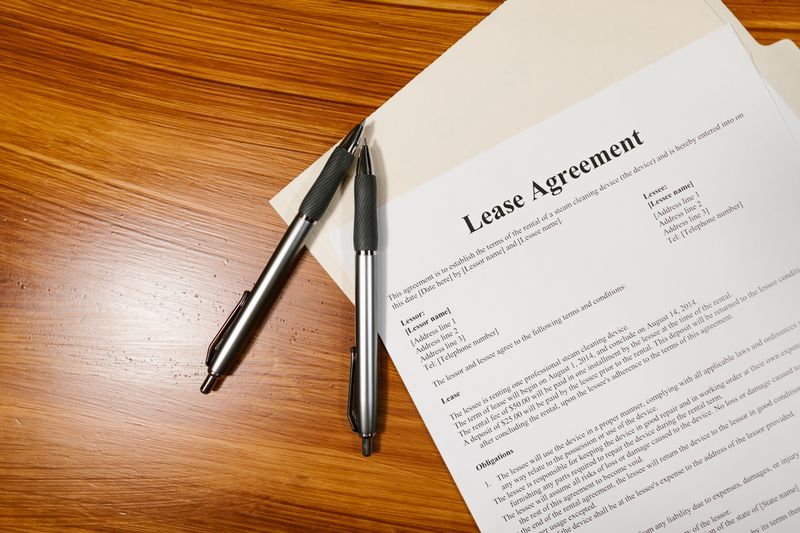
Landlords and pet-friendly communities commonly ask for current vaccination records before approving a dog. Some cap the number of pets or restrict certain breeds.
Read the pet addendum closely before signing anything. Deposits, weight limits, and yard rules hide in the fine print.
Emotional support animal handlers generally receive accommodation even in no-pet buildings, though a qualified health professional’s letter and vaccination proof may be requested.
13. HOA or Condominium Pet Registration

Association rules can be stricter than any city ordinance. Limits on the number of animals are common.
If your new home sits inside an HOA or condo community, request the governing documents and the pet registration form early.
Some boards want vaccination proof, a photo, or a registered tag. Handling it before move-in day keeps neighbor conversations friendly and your dog fully welcome.
14. Unaltered-Dog or Breeding Permit, if Required Locally

California issues no single statewide breeder license. Requirements sit with counties and cities instead.
Breeders often need a kennel permit from local animal control, and some cities add a business license. Los Angeles County, for example, typically requires a breeding permit plus an intact license.
Permits frequently limit litters per female within 12 months. San Luis Obispo County uses a Hobby Breeder permit for certain sales.
Confirm locally.
15. Kennel or Multiple-Dog Permit, if Applicable

No statewide cap exists on dogs per household. Cities and counties set their own numbers, often three or four.
Exceeding the local limit usually means applying for a kennel license or multiple-animal permit. Zoning approval, site inspections, and annual renewals may apply.
San Luis Obispo County permits up to six animals with a fee and inspection. Butte County requires kennel licensing beyond five dogs in unincorporated areas.
16. Dangerous or Vicious Dog Registration and Related Orders
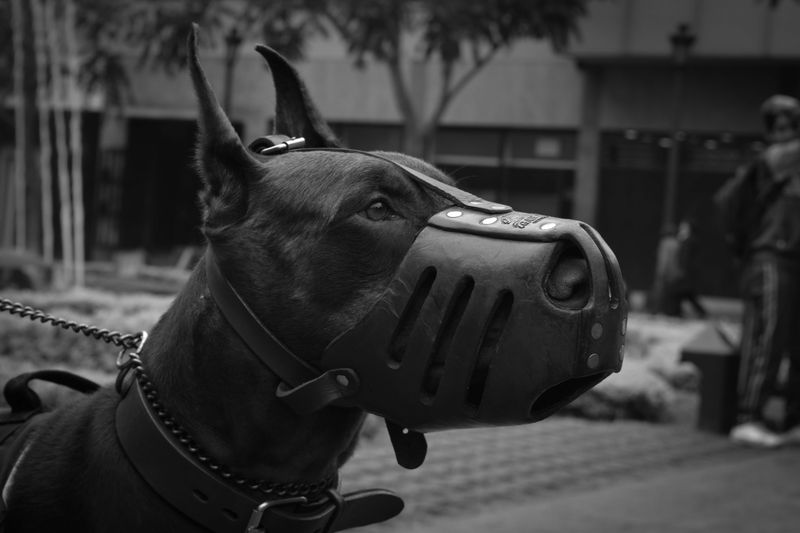
A prior court or agency determination does not disappear when you cross a county line. Registration and any related orders must be updated with the new jurisdiction.
Local authorities need to know about the classification, along with any conditions attached to it.
California holds owners strictly liable for bite injuries. Many insurers also exclude coverage for dogs with a documented history of aggressive behavior, so review your policy.
17. Service or Assistance-Dog Licensing Records
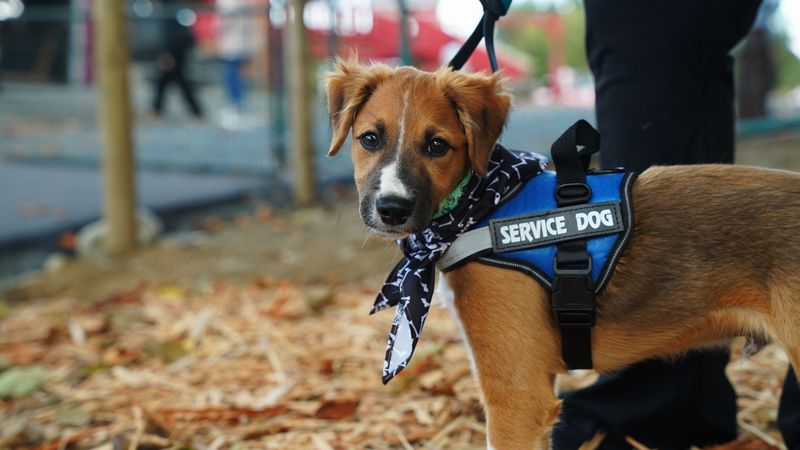
Neither federal nor California law requires certification or registration for service animals. Handlers still follow local licensing and vaccination rules.
Optional identification items, like vests or cards, can reduce questions in housing settings. They carry no legal weight.
For emotional support animals, AB 468 requires a letter from a licensed mental health professional with at least a 30-day client relationship. Service and support animals generally do not count toward pet limits.
18. Boarding, Daycare, or Grooming Emergency-Contact Records

Your groomer and boarding facility still have your old number on file. Fix that early.
Staff need to reach you or a designated local contact immediately if something comes up during a stay.
Most facilities also require current vaccination certificates, so send updated paperwork at the same time. Adding a nearby friend as a backup contact is smart while you are still building local connections.
19. Pet Emergency and Evacuation Records
Assembly Bill 478 strengthened pet planning requirements for California cities and counties, including rescue procedures during evacuation orders. Your household plan should match.
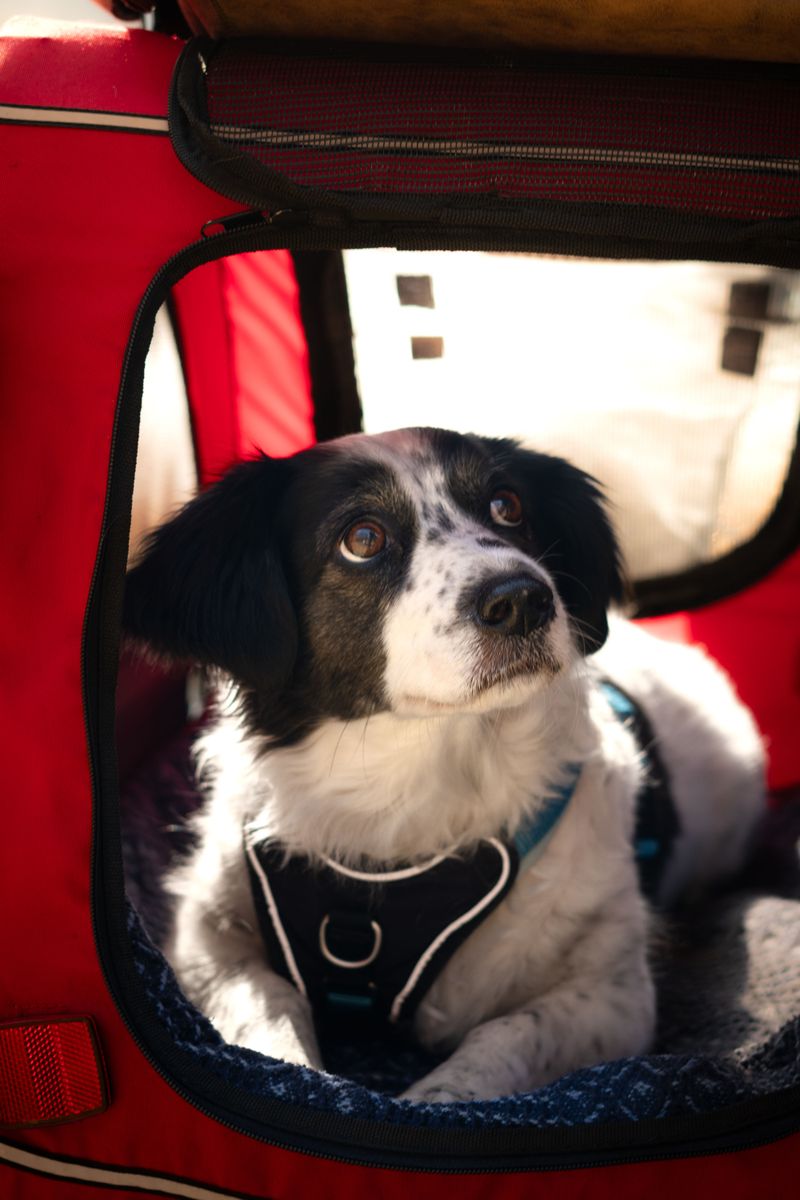
Build a kit per dog: three days of food and water minimum, medications, records, bowls, a carrier, bedding, spare leash, and collar with current ID. Two weeks is better.
Write down feeding schedules, medical needs, your veterinarian, and backup caregivers. Research pet-friendly evacuation options nearby.