What To Know Before Bringing A Rural Rescue Dog Into A New York Apartment
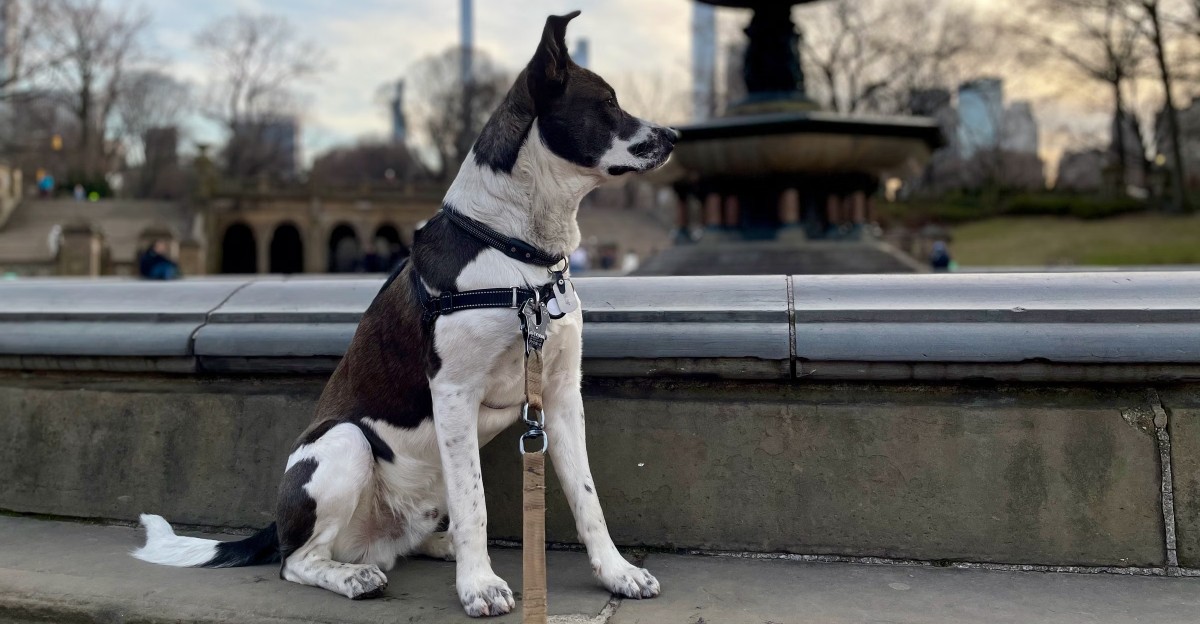
Bringing home a rescue dog from the countryside is an exciting step. Yet New York City feels very different to a dog raised near fields and quiet roads.
With some planning, your new friend can settle in and feel safe. Here is what every city owner should know before that first walk down the block.
1. Know the Sounds That Startle

Sirens wail, jackhammers pound, and subway grates rumble beneath your feet. To a country dog, these sounds can be truly alarming.
Watch for signs of worry, such as a tucked tail, flattened ears, pacing, or heavy panting. Some dogs freeze in place.
Others try to pull toward home.
Start walks on quieter side streets during calmer hours. Early mornings often work well.
Slowly add busier routes as your dog grows braver.
2. Ask the Rescue Plenty of Questions
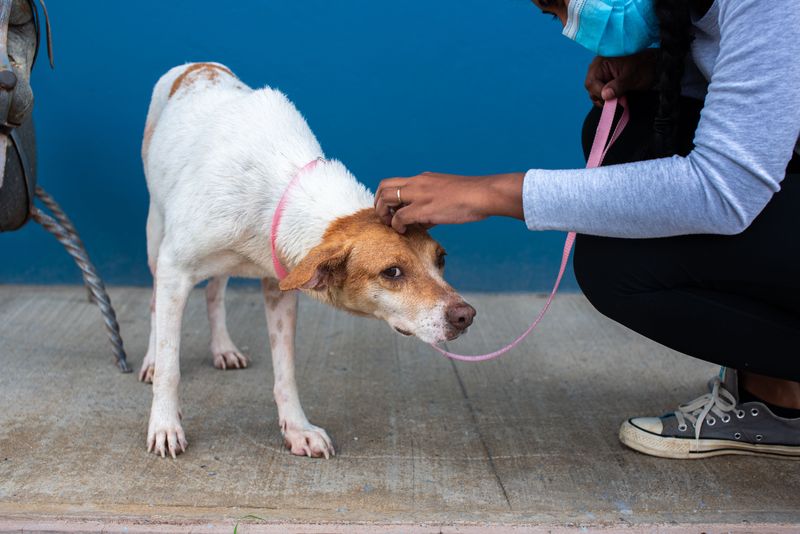
Good rescues welcome curious adopters. Before signing anything, ask about the dog’s history and daily life so far.
Find out how the dog reacts to strangers, other dogs, kids, and loud noises. Ask whether it has lived indoors or mostly outside.
Learn about any known fears, guarding habits, or anxiety.
Honest answers help you decide if city apartment life fits this particular dog. A great match matters more than a quick yes.
3. Check Your Building Rules First

Falling in love with a dog your lease forbids is heartbreaking. So read your lease and building rules before adopting.
Many NYC buildings limit breeds, size, or weight. NYCHA, for example, has a 25-pound limit and restricts certain breeds.
Co-ops and condos often set their own policies too.
Some landlords charge pet deposits or monthly pet fees. Get approval in writing when possible.
Clear communication now prevents stressful surprises later.
4. Match Energy to Your Space

A farm-raised herding mix may have energy to spare. A senior hound might nap most of the day.
Both can live in apartments, but needs differ.
Square footage matters less than routine, exercise, and mental work. High-energy dogs need long walks and real activity daily.
Without it, chewing and restlessness often follow.
Be honest about your schedule. Choose a dog whose energy level fits the time you can truly give.
5. Expect a Big Culture Shock
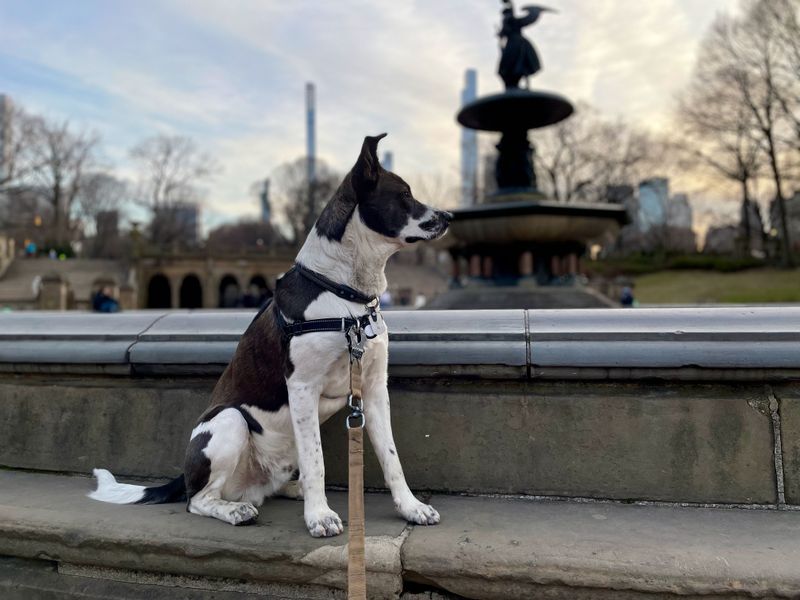
Picture going from crickets at night to car horns at dawn. Rural rescue dogs often face that exact leap.
The change can feel sudden and confusing.
Country life usually means wide spaces, few people, and calm routines. New York offers crowds, tight hallways, and constant motion.
Many dogs need time before they relax.
Go in expecting some nervous moments. A patient mindset helps you respond kindly instead of feeling discouraged during the early days together.
6. Make Elevators Feel Ordinary
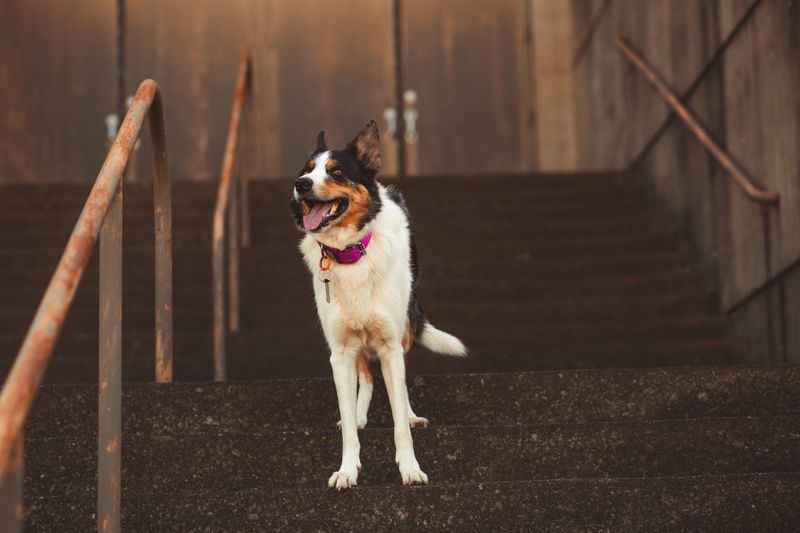
Most country dogs have never ridden in a moving metal box. Elevators, stairwells, and busy lobbies can feel strange at first.
Practice a simple routine. Wait away from the doors, let people exit, then step in together on cue.
Stand calmly in a corner and reward quiet behavior.
If the elevator feels too scary, try stairs for a while. Short, happy visits to shared spaces build comfort step by step.
7. Plan for Potty Setbacks

Here is a common surprise: a house-trained dog has accidents in its new home. Stress and change can scramble old habits quickly.
Treat your dog like a beginner for a few weeks. Take frequent trips outside and praise successes warmly.
Clean accidents with an enzyme cleaner to remove lingering smells.
Never scold after the fact. Dogs do not connect punishment with earlier mistakes.
Calm consistency teaches much faster than frustration ever could.
8. Build a Predictable Daily Rhythm
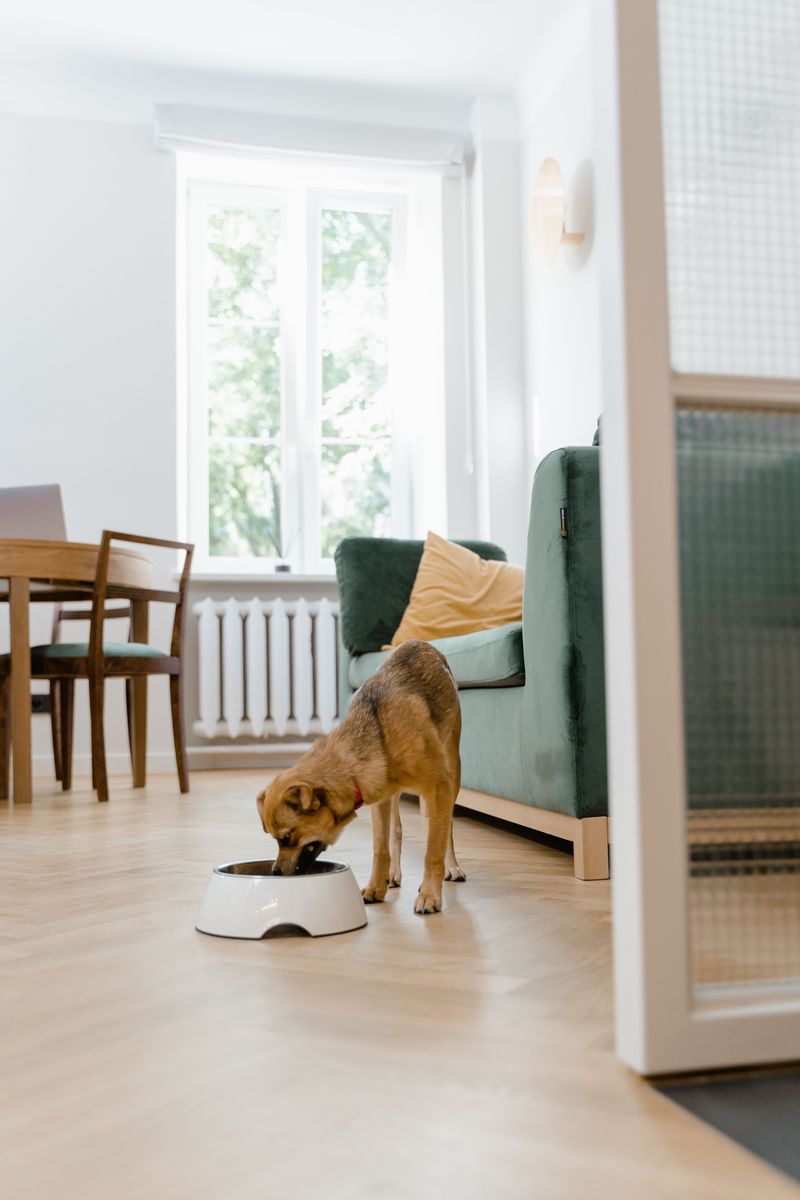
Dogs love knowing what comes next. A steady schedule tells your new pup that this strange place has order.
Feed meals at the same times each day. Plan bathroom breaks after waking, eating, playing, and before bed.
Keep walk times and bedtime fairly consistent too.
This rhythm lowers anxiety and speeds up house training. After a few weeks, many owners notice a calmer, more settled companion waiting by the door.
9. Help Grass-Lovers Accept Pavement

A dog raised on dirt and grass may refuse to go on concrete. Some will hold it for hours, which is uncomfortable.
Start with tree beds or small green patches on quiet blocks. Choose the same spot each time so familiar scents help.
Reward right after your dog finishes.
Indoor pads can serve as a short bridge. Remember NYC requires you to pick up after your dog, so carry bags.
10. Gear Up Against Escapes
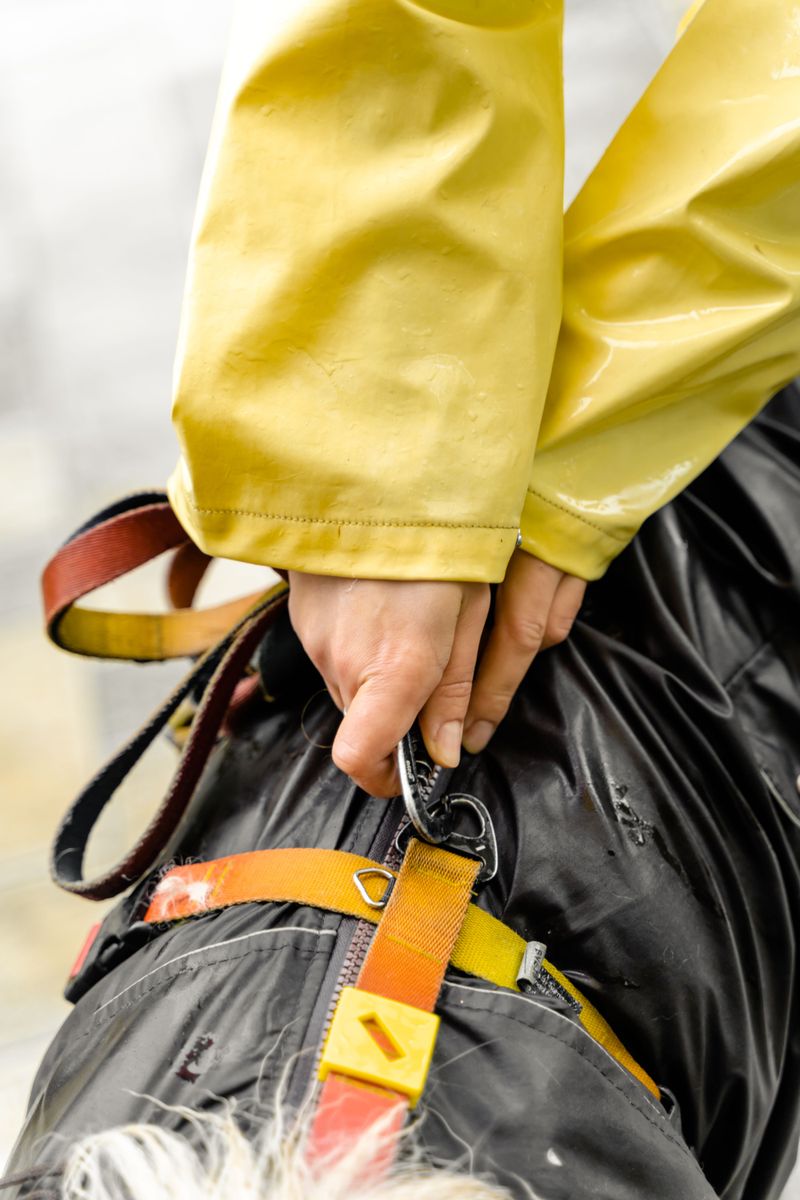
A frightened dog can slip a loose collar in seconds. On city streets, that risk calls for sturdy equipment.
Choose a well-fitted harness, ideally an escape-resistant style, and a strong leash. Skip retractable leashes near traffic.
Add ID tags with your current phone number.
Confirm the microchip is registered in your name with updated contact details. Many rescues register chips to themselves, so double-check.
These small steps offer big peace of mind.
11. Read Reactive Body Language
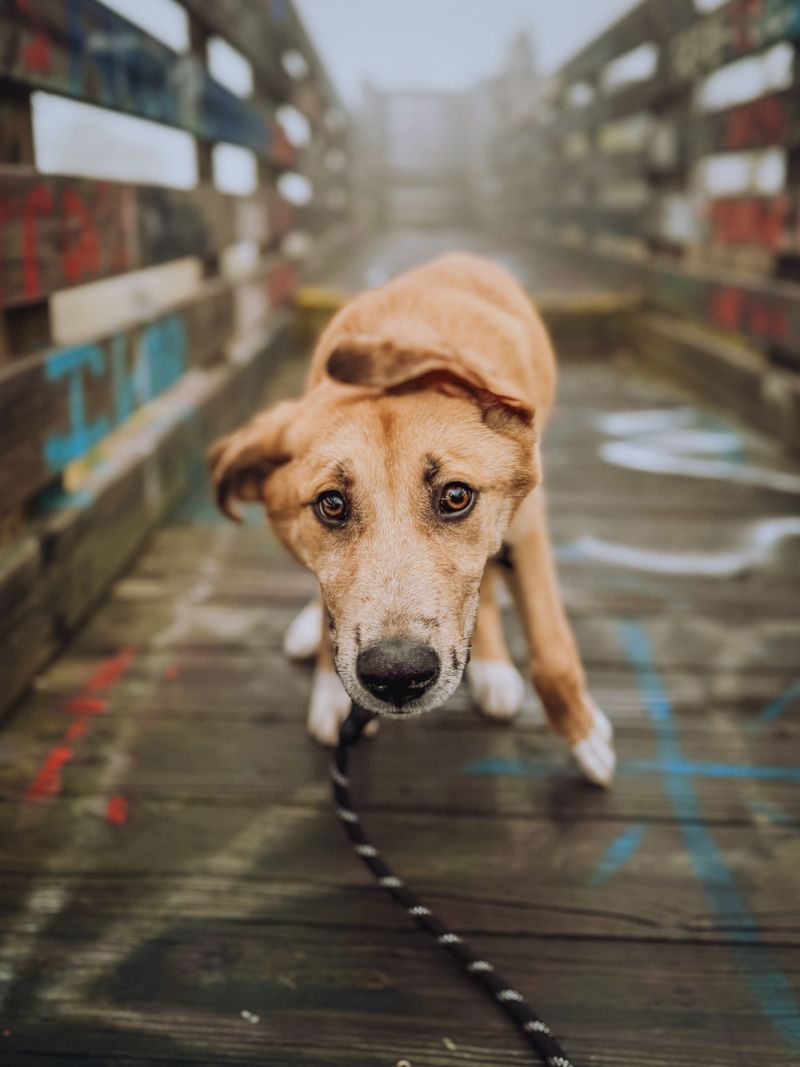
Bikes whiz by. A scooter hums past.
A delivery worker rushes toward your door. Every one can unsettle a nervous newcomer.
Reactivity usually comes from fear or frustration, not a wish to be in charge. Look for stiff posture, staring, lip licking, or sudden lunging.
Create space whenever you can. Cross the street, step between parked cars, or turn around.
Distance helps your dog stay calm enough to learn.
12. Give It Weeks, Even Months
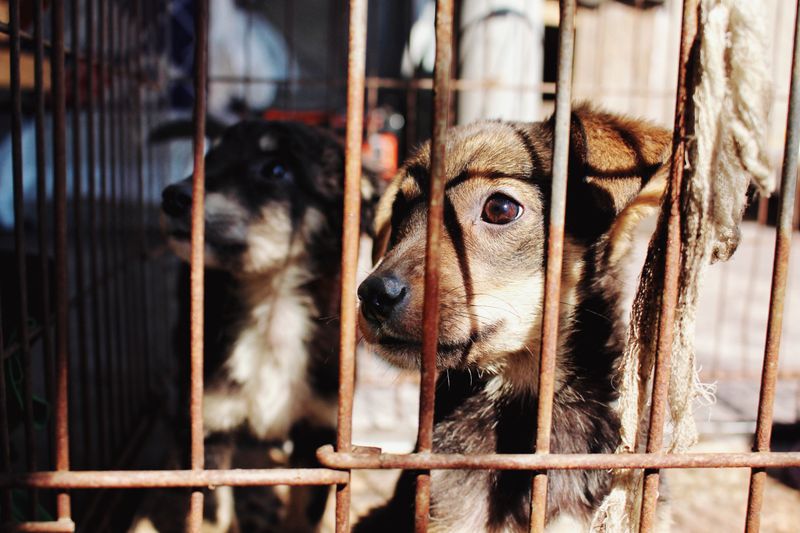
Many rescue groups share the 3-3-3 guideline. Expect roughly three days of overwhelm, three weeks of learning, and three months to feel at home.
Every dog is different, so treat this as a loose guide. Some bloom quickly while others need longer.
Resist showing off your pup to every friend right away. Skip crowded parks and busy outings at first.
Quiet, simple days build trust beautifully.
13. Reward Bravery, Never Force It
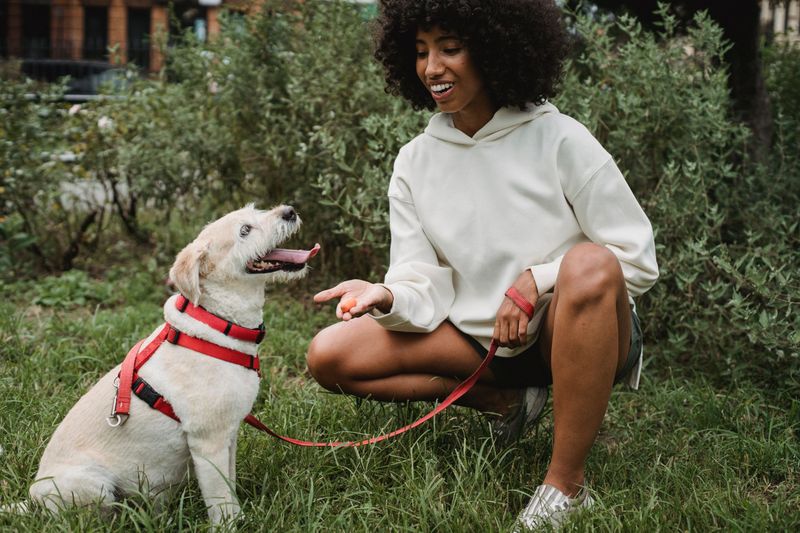
Dragging a scared dog toward a noisy subway rarely builds courage. It usually makes fear grow stronger.
Instead, use treats, praise, and play to reward calm moments. Let your dog notice a scary thing from far away, then celebrate.
Slowly shrink the distance over many sessions.
Keep practice short and end on a good note. A certified positive reinforcement trainer can guide you if progress stalls.
14. Prepare for Alone-Time Worries
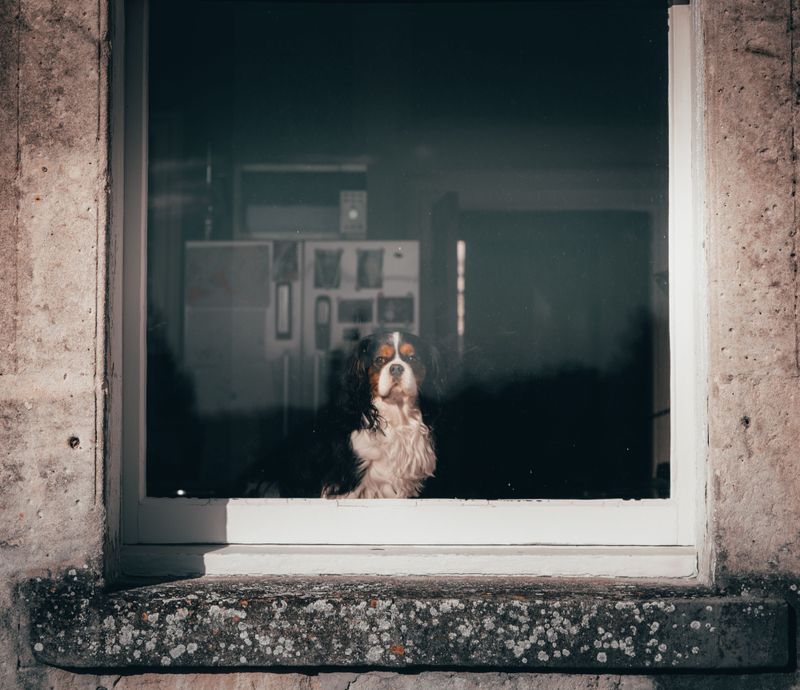
Some country dogs always had company, whether people, other dogs, or barn animals. Sitting alone in a quiet apartment may feel foreign.
Signs of separation stress include howling, scratching at doors, and chewing near exits. Practice brief departures first, just a few minutes.
Gradually stretch the time as your dog stays relaxed.
A pet camera can show how things truly go. Ask your veterinarian if worries seem strong or persistent.
15. Think About the Neighbors
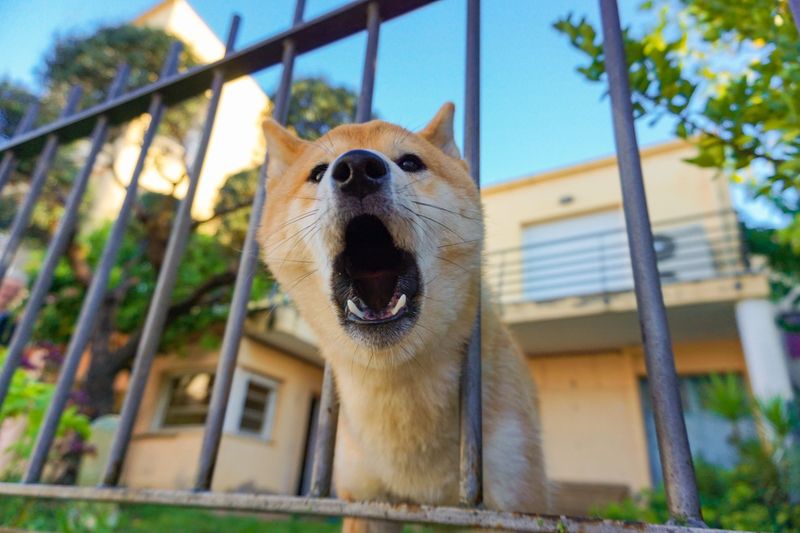
Walls in older buildings can be surprisingly thin. A dog barking for hours can strain neighbor friendships fast.
The NYC Noise Code covers excessive pet noise, and buildings may have their own rules. Enforcement details vary, so check with your building management.
Exercise, enrichment, and training reduce boredom barking. A friendly note to neighbors during the first weeks also goes a long way.
Most people appreciate the courtesy.
16. Tire the Body and the Brain

Fun fact: a dog’s nose holds millions more scent receptors than ours. Sniffing is real mental exercise.
Mix daily walks with puzzle feeders, snuffle mats, and hide-the-treat games. Short training sessions teach skills while building your bond.
Let your dog sniff freely on walks too.
A tired brain often brings a calmer dog. Scent games work wonderfully on rainy days when long outings feel impossible.
17. Sort Out Vet Care and Licensing
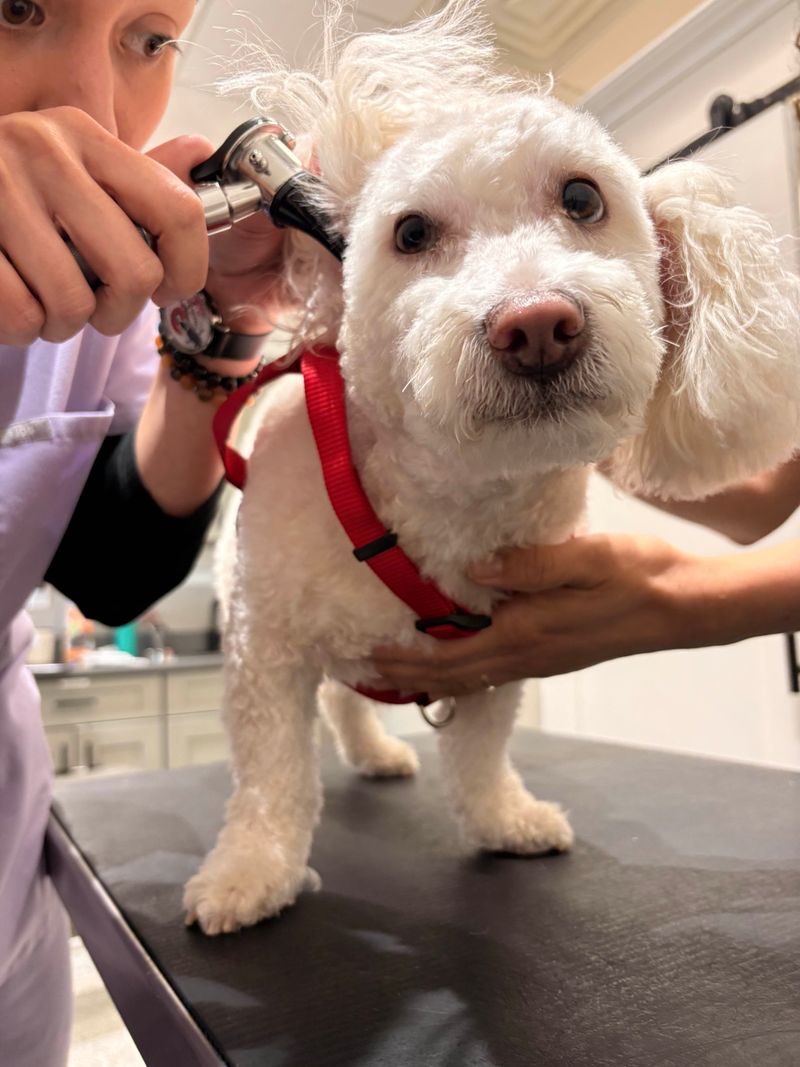
Schedule a vet visit within your first week or two. A fresh checkup sets a healthy baseline.
Bring the rescue’s medical records. Your vet can review vaccines, including rabies, and recommend flea, tick, and heartworm prevention suited to city life.
New York City requires dogs to be licensed through the Department of Health. You can apply online.
Check current fees and rules on the official NYC website.
18. Budget for City Dog Costs
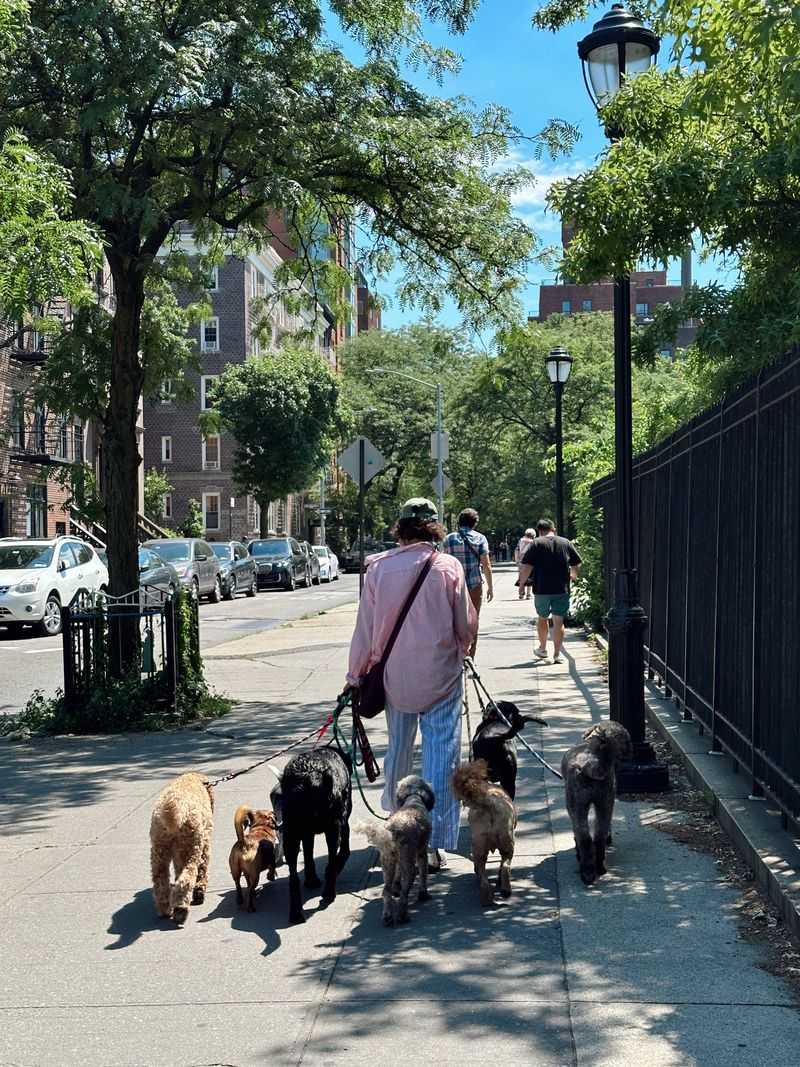
City living raises the price of almost everything, including dog care. Planning ahead keeps money stress low.
List regular costs like food, vet visits, preventives, grooming, and training classes. Dog walkers are common in NYC and add up quickly.
Pet insurance may help with large bills.
Set aside an emergency fund for surprises. Even a small monthly savings habit can make a sudden vet visit feel manageable.
19. Create a Safe, Quiet Den
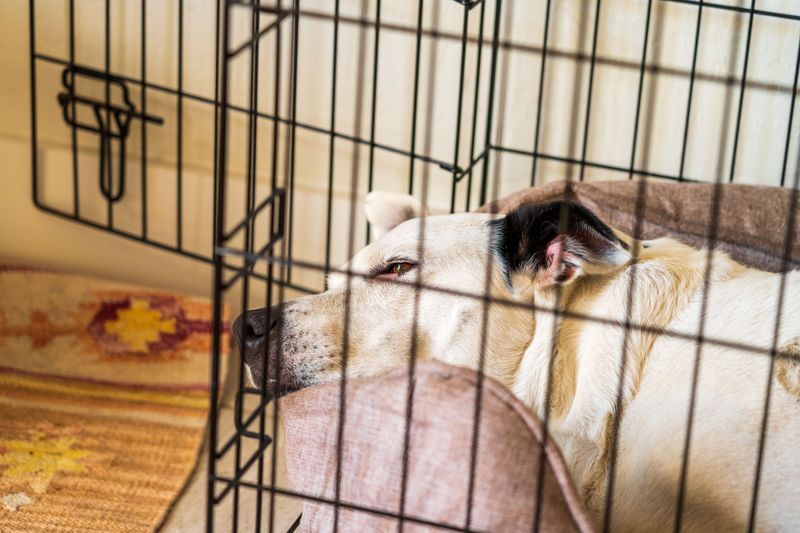
Every newcomer needs a hiding spot. A cozy crate or bed in a low-traffic corner gives your dog a place to recharge.
Secure windows with sturdy screens or guards, especially on higher floors. Tuck away cords, medications, cleaning products, and small items.
Some houseplants are toxic to dogs, so check before keeping them.
Let your dog retreat without interruption. Teach visitors to respect that space as well.
20. Have a Backup Plan Ready
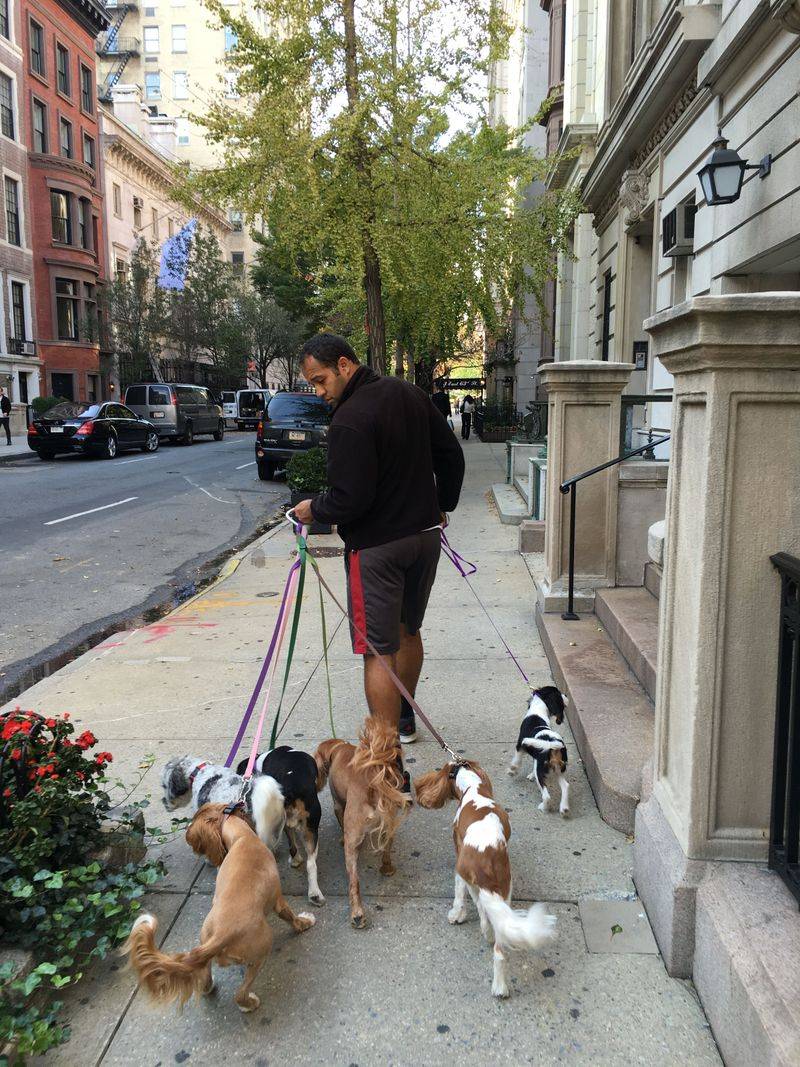
Life happens. Subways stall, meetings run late, and family emergencies pop up without warning.
Line up help before you need it. Consider trusted friends, a vetted dog walker, a pet sitter, or reputable daycare.
Some dogs do better with home care than busy boarding.
Write clear notes covering feeding, medications, quirks, and vet contacts. With a solid plan, you and your dog can face surprises calmly.
Welcome home, city pup.