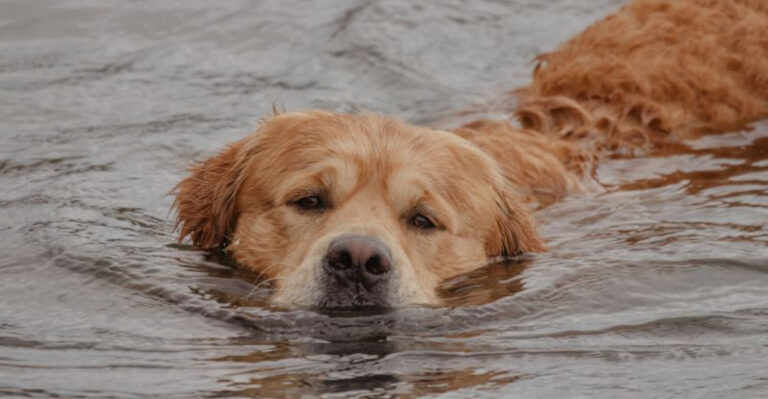
How Coastal Flooding Can Change Familiar Dog-Walking Routes In Maryland
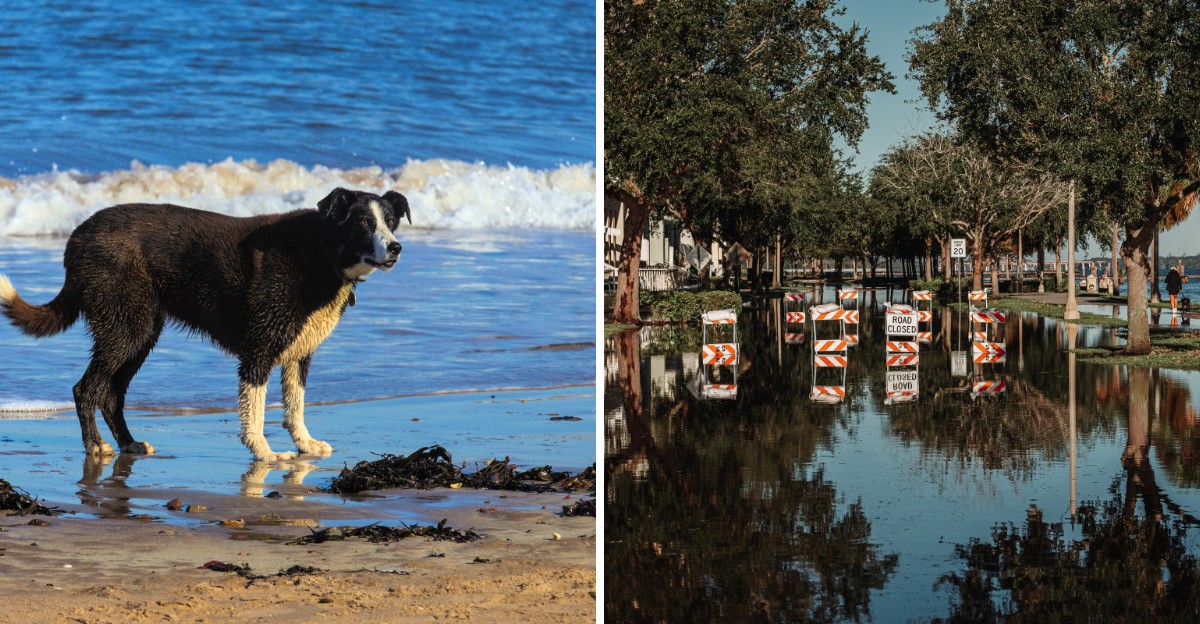
If you walk your dog near the Chesapeake, the Eastern Shore, or any tidal creek, you already know the water has moods. Some mornings the sidewalk is dry.
Other mornings a puddle stretches halfway down the block. Maryland’s low-lying shoreline means familiar paths can shift with tides, storms, and seasons.
Here is a friendly, practical look at what changes, why it happens, and how to keep your walks safe and easy.
1. Familiar Routes Can Flood at Unexpected Times
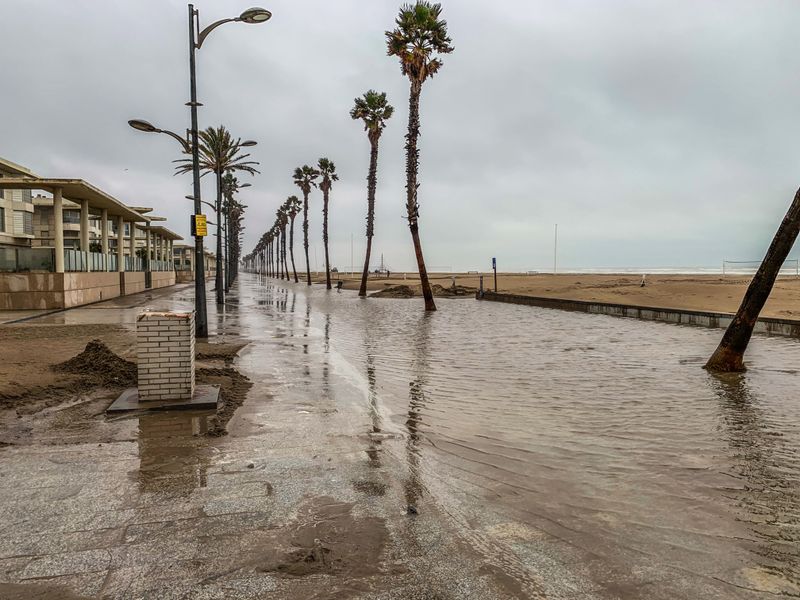
Sunny skies do not always mean dry ground. Along Maryland’s tidal areas, water can rise on calm, clear days.
Forecasters often call this nuisance or sunny-day flooding.
Wind direction, full moons, and seasonal high tides all play a part. A route that was perfectly dry last week may hold several inches today.
Walk the first block with your eyes up. If water is pooling early, plan a different loop before your dog settles into a rhythm.
2. High Tide Can Change a Morning Walk
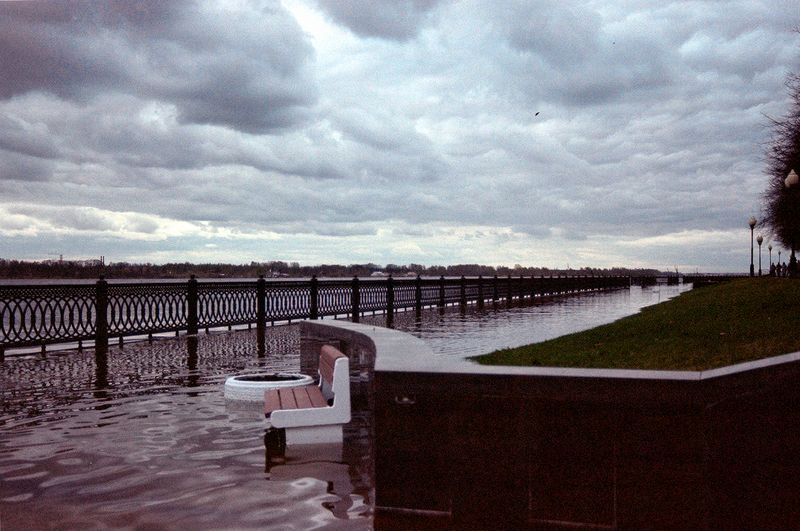
Tides run on their own schedule, not ours. Most coastal locations have two high tides each day, and the cycle shifts by roughly 50 minutes from one day to the next.
That means your reliable 7 a.m. loop may sit underwater next week at the same hour. Waterfront promenades and boat ramps flood first.
A quick look at a tide chart takes seconds. Many Maryland owners simply shift the walk thirty minutes earlier or later and skip the problem entirely.
3. Storm Drains May Overflow Along Sidewalks

Here is something many owners miss: flooding does not always come directly from the bay. High water levels can contribute to stormwater backups and flooding in low-lying coastal areas.
Water then backs up through grates and spreads across sidewalks. That runoff may carry road grit, oil, lawn chemicals, and litter.
Keep your dog from sniffing or lapping at drain water. Guide him toward the higher center of the walkway, and rinse his feet once you are home.
4. A Short Detour May Become Necessary

Sometimes only one corner floods. A short inland detour may provide a drier route, but conditions can vary from one street to the next.
Before you need it, sketch two or three backup turns in your head. Knowing them in advance keeps the walk relaxed instead of rushed.
Dogs read our energy quickly. If you calmly turn and keep moving, most pups follow without fuss and treat the new street as a fresh adventure.
5. Floodwater Can Hide the Edge of a Path
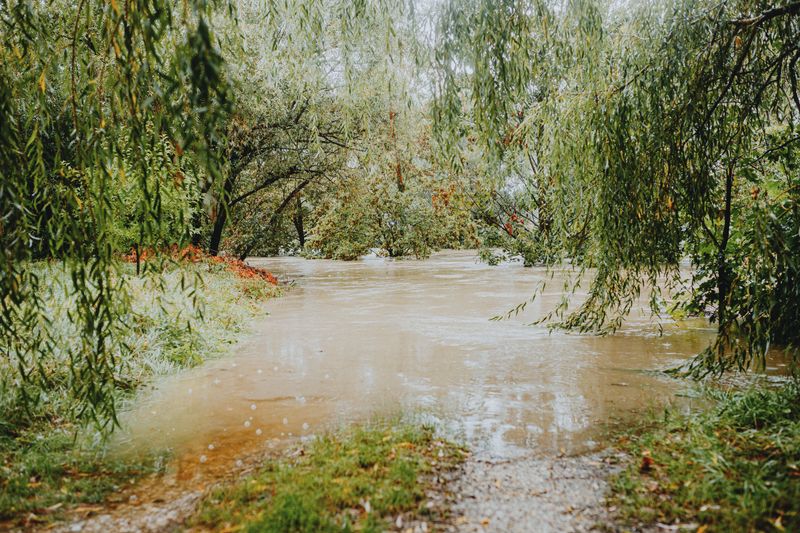
Murky water hides everything below it. A trail edge, a drop-off, a missing board, or a submerged curb all disappear from view.
Dogs move fast and rarely test footing first. A sudden step down can strain a leg or cause a slip.
The steady rule: if you cannot see the bottom, do not step in. Turning around costs you five minutes and saves a possible vet visit.
6. Saltwater And Mud Can Affect Your Dog’s Paws
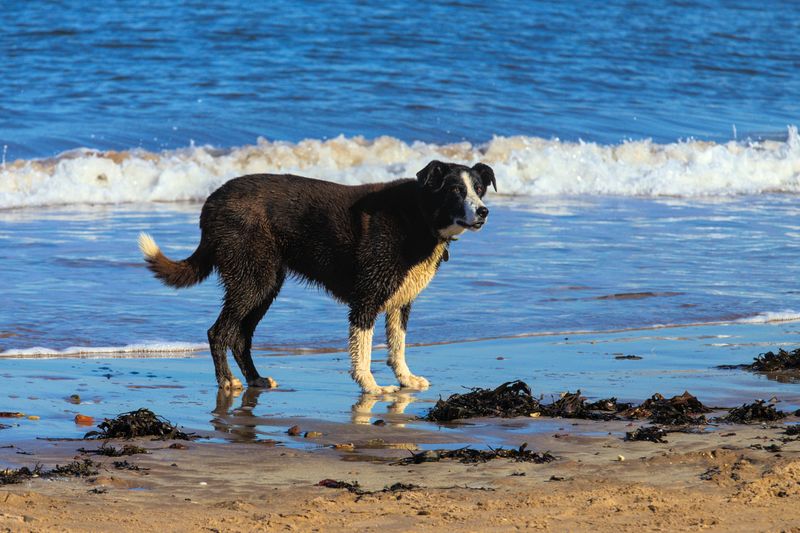
Brackish water and marsh mud leave residue between the toes. Salt and grit can dry out pads or cause mild irritation.
Some dogs lick their feet after a wet or muddy walk, so rinsing away salt, mud, and other residue can help limit what they ingest during grooming.
Rinse with clean fresh water after any wet walk. Dry between the toes with a towel, then check for cuts, embedded shells, or redness.
Talk to your veterinarian if limping or licking continues.
7. Waterfront Parks May Have Temporary Closures
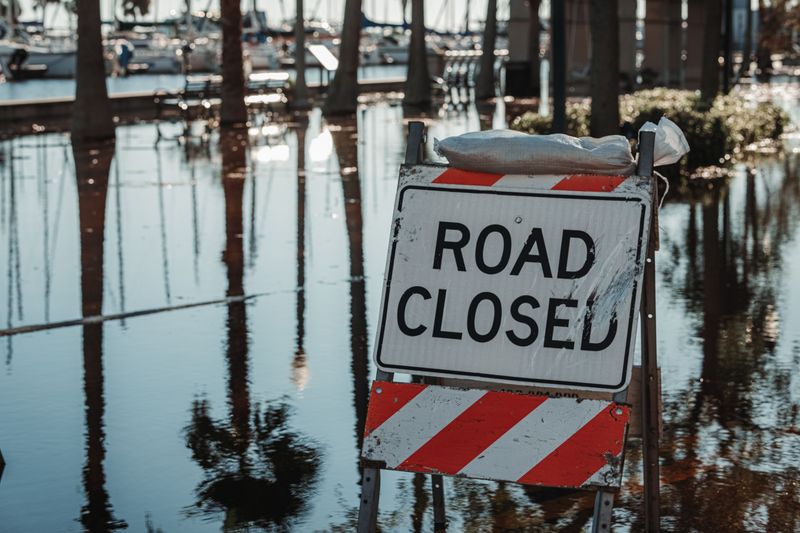
County and municipal parks along the water sometimes shut gates or trails when tides run high. Crews need time to clear debris and check for damage.
Closure rules differ by jurisdiction, so check your county parks page or the Maryland Park Service before driving over.
Respect posted signs even when the ground looks fine. Staff usually know about hidden washouts that visitors simply cannot see from the parking lot.
8. Roads Near The Water Can Become Obstacles

When a low road floods, drivers hunt for dry lanes. They drift toward the center or the shoulder, exactly where you may be standing.
Visibility drops during rain, and spray from passing tires startles even steady dogs.
Shorten the leash and keep your dog on the side away from traffic. Reflective gear helps.
If the shoulder is underwater, choose an inland sidewalk instead of squeezing past vehicles.
9. Erosion Can Alter Familiar Shoreline Paths

Maryland’s shoreline is always rearranging itself. Waves and tides pull sand away, leaving narrow ledges and undercut banks.
A path that felt wide last spring can shrink to a thin lip of soil by fall. Exposed roots and loose edges are common warning signs.
Stay a few feet back from any bank that looks crumbly. Let your dog explore inland instead, where footing stays predictable and firm.
10. Wooden Walkways May Need Extra Caution
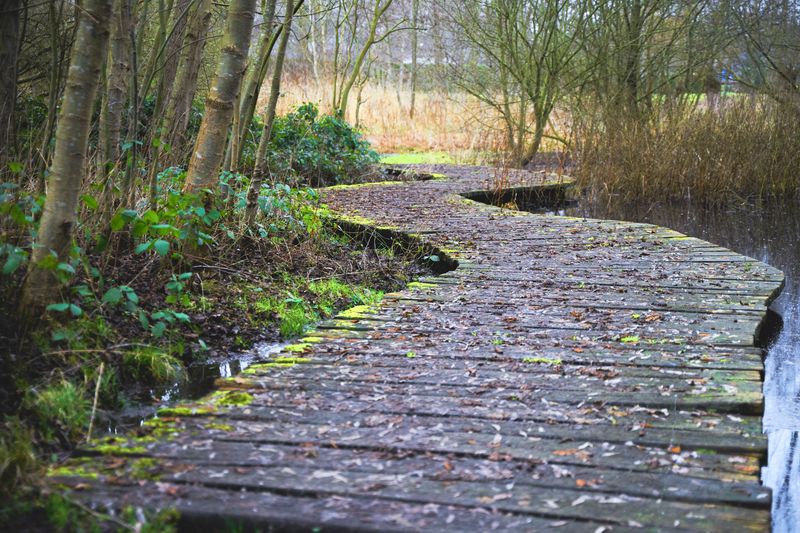
Boardwalks and piers turn slick once tidal water washes over them. Thin algae films are nearly invisible and surprisingly slippery.
Gaps between planks can widen after storms, and a small paw may slide through.
Slow your pace and keep the leash short. Dogs with worn nails or older joints benefit most from careful footing.
If boards feel spongy or shift underfoot, back off and report it to park staff.
11. Marsh Trails Can Become Much Wetter
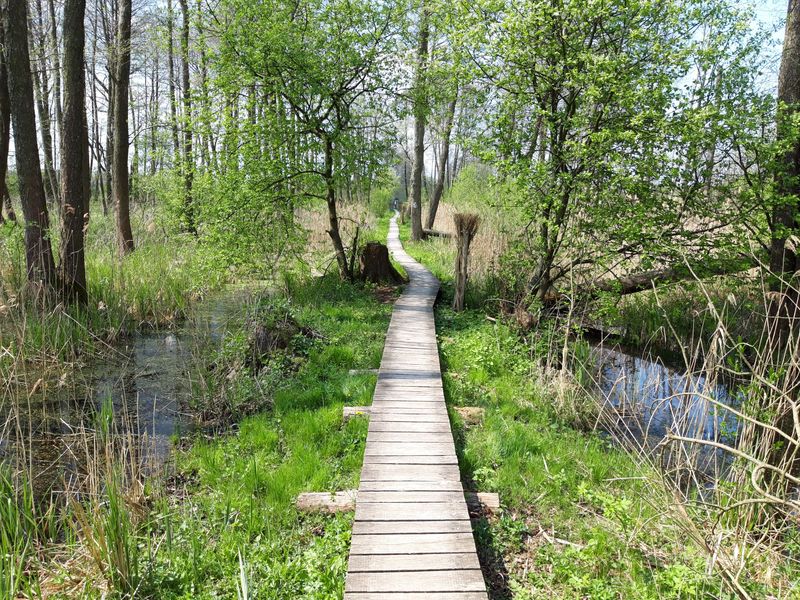
Marshes are designed by nature to hold water. After a high tide or heavy rain, a packed dirt trail can turn into ankle-deep muck.
Wet conditions can also increase exposure to insects and other parasites, so keep your dog’s parasite prevention current and discuss an appropriate prevention plan with your veterinarian.
Wear waterproof boots and expect a slower pace. Bring an old towel for the car.
Honestly, some of the best walks happen on these days, as long as you plan for mess.
12. Your Usual Route May Take Longer

Detours add blocks, and blocks add minutes. A twenty-minute loop can stretch to thirty-five once you route around water.
Build that buffer into your morning so you are not hurrying back for work.
Carry water and a collapsible bowl on warmer days, since the extra distance adds up for small or senior dogs. Shorter, more frequent outings work well when conditions stay unsettled for several days.
13. Check Flood Maps Before Trying A New Detour
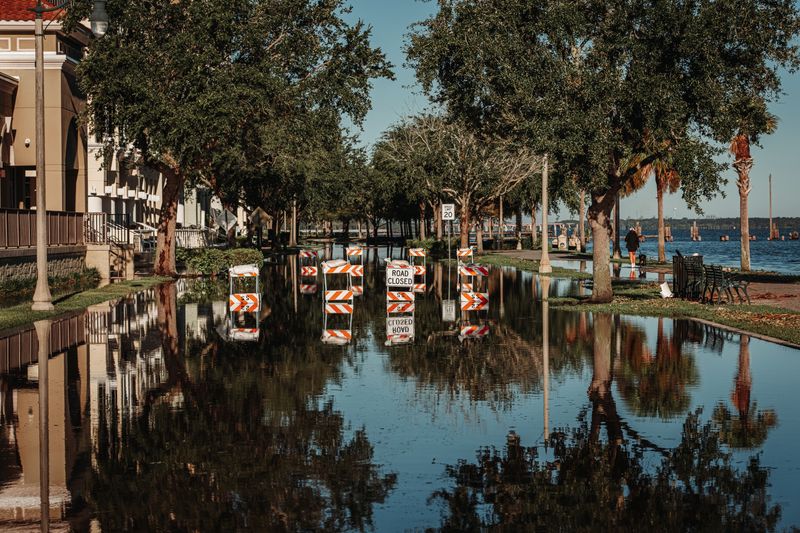
Unfamiliar streets can sit lower than your usual ones. Free tools help you avoid that surprise.
The Maryland Department of Natural Resources offers coastal mapping resources, and FEMA publishes flood maps online. Many counties post local street flooding updates too.
Spend ten minutes once, and you will know which nearby blocks stay dry. That small bit of homework pays off every stormy season for years.
14. Use Tide Information For Waterfront Walks

NOAA publishes tide predictions for Maryland stations including Annapolis, Baltimore, Cambridge, and Ocean City. The data is free and easy to read.
Aim your waterfront strolls near low tide. The beach is wider, the paths are drier, and parking is simpler.
Pair the tide time with the wind forecast. Strong, sustained winds pushing up the bay can raise water higher than the chart suggests.
15. Keep A Higher Route In Mind

Every waterfront neighborhood has an inland backup. Find yours before you need it.
Look for streets a block or two uphill, school loops, or quiet business parks with wide sidewalks. Walk it once in good weather so your dog knows the smells.
Familiarity matters. A dog who has already explored the high route settles faster there, which makes flood days feel routine rather than strange.
16. Know When To Skip The Waterfront

There are days when the smartest choice is staying in. During coastal flood warnings, moving water, floating debris, and strong currents make shoreline areas unpredictable.
Skip it and swap in indoor activity: stair games, scent work with treats, tug, or a short training session.
Ten minutes of nose work tires many dogs as much as a long walk. Your pup will not mind the change one bit.
17. Keep An Eye On Conditions After Storms

The day after is often messier than the storm itself. Receding tides leave branches, broken glass, fishing line, and slick mud along paths.
Give your dog a quick once-over when you get home, especially the paws and belly.
Local public works crews usually clear main routes within a few days. Reporting hazards helps neighbors too, and most Maryland counties accept reports online or by phone.