16 Farm And Yard Chemicals Tennessee Dog Owners Should Store More Carefully

If you keep a dog anywhere in Tennessee, from a Middle Tennessee hay field to a fenced yard in the suburbs, chances are good that a shelf in your barn or garage holds something worth a second look. Dogs explore with their noses and mouths, and plenty of common farm and yard products smell surprisingly interesting to them.
The good news is that safe storage is simple once you know what to watch. Here are sixteen products worth keeping locked, sealed, and out of paw’s reach.
1. Fertilizers

That bag of bone meal blend in the shed smells like dinner to a dog. Sweet-smelling organic fertilizers tempt pets more than most owners expect.
Large amounts can clump in the stomach and cause a blockage. Iron-rich blends bring their own troubles.
Seal bags tightly, store them up high, and sweep up spilled granules. After spreading, keep your dog off the grass until everything has dried completely.
2. Weed Killers
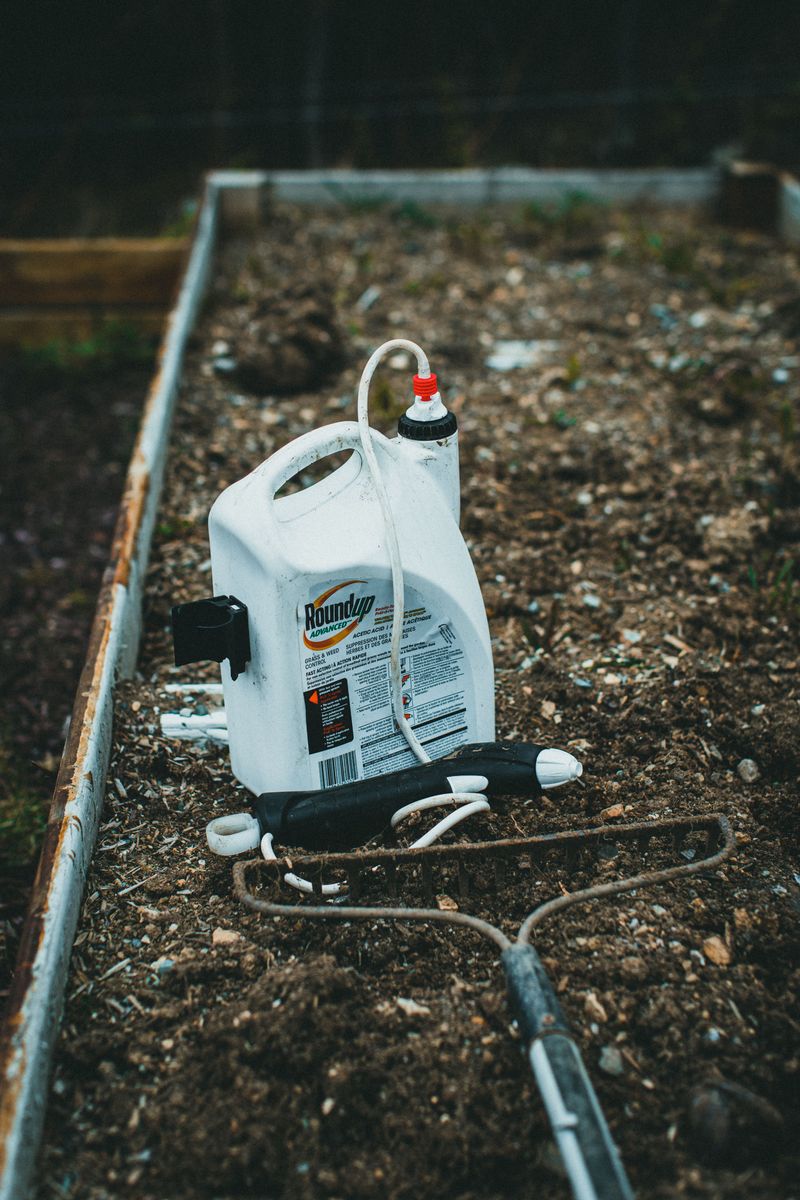
Herbicides do their job on dandelions, but residue lingers on blades of grass. A dog who rolls in a freshly sprayed patch licks that residue off later during grooming.
Stomach upset and skin irritation are the usual complaints. Some studies suggest repeated lawn herbicide exposure may raise certain health risks.
Keep jugs latched in a cabinet, follow the label re-entry time, and wait for full drying.
3. Insecticides

Insecticides contain many different active ingredients, and their risks to dogs vary widely. Some products have a relatively wide safety margin when used correctly, while certain insecticides can cause significant neurological or gastrointestinal problems after substantial exposure.
Dogs can be exposed by chewing containers, ingesting treated material, or contacting recently treated areas.
Before treating an area, move bowls, toys, and bedding out of the way. Store containers securely, and follow the product label’s application and re-entry instructions every time.
4. Rodenticides

Barn mice are a fact of Tennessee farm life, and so are bait blocks. Trouble is, manufacturers flavor those blocks to be appetizing, and dogs agree.
Different active ingredients act in different ways, and some have no antidote available.
Use tamper-resistant stations placed where only rodents fit. Lock spare bait in a cabinet, log where every block sits, and save the packaging for your veterinarian.
5. Mole And Gopher Baits
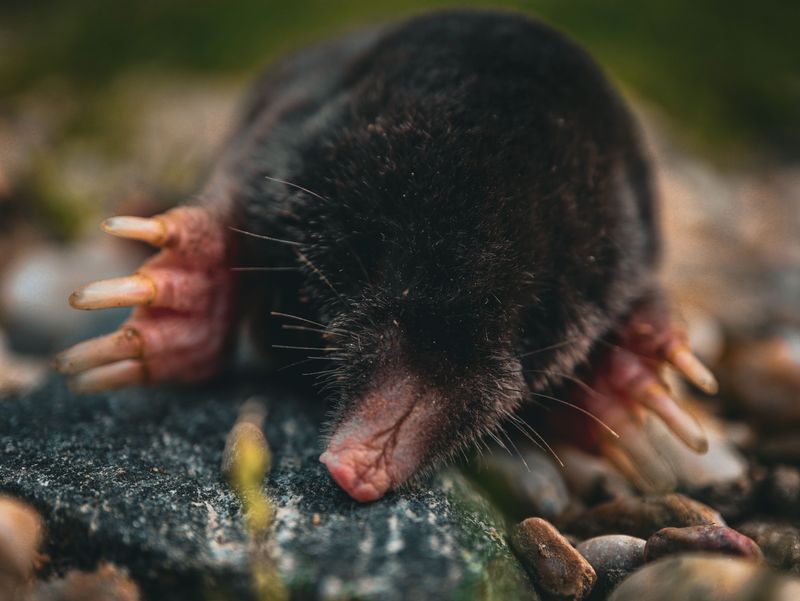
Gardeners commonly use slug and snail baits in pellet or granular form, and dogs may ingest them because the products are accessible in yards and gardens.
Metaldehyde-containing products can cause rapid and serious poisoning in dogs, with signs sometimes developing within a short period after ingestion. Iron phosphate products generally pose less poisoning risk than metaldehyde, but they should still be kept out of a dog’s reach.
Keep all bait containers sealed and inaccessible, and follow the product label for application and re-entry instructions.
6. Slug And Snail Baits
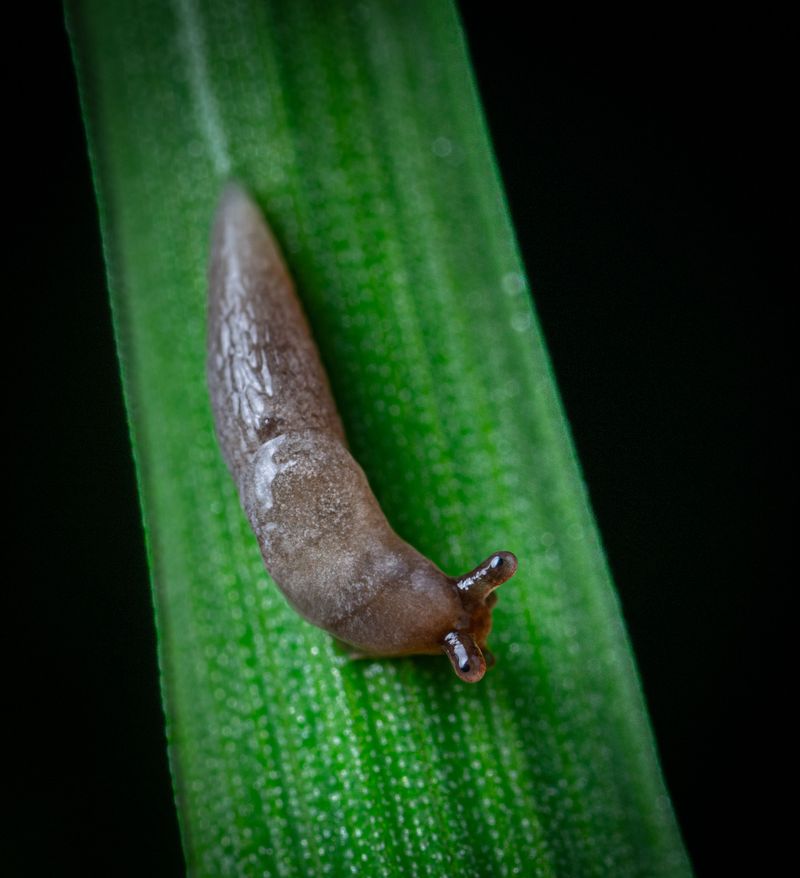
Gardeners love these pellets. Dogs, unfortunately, love them too, since many are mixed with molasses or bran to attract slugs.
Metaldehyde formulas are the risky ones, and signs can show within minutes to a few hours. Iron phosphate products are considered a safer pick.
Choose iron-based bait when you can, keep tubs sealed and elevated, and fence off treated beds until you are sure nothing remains scattered.
7. Fungicides
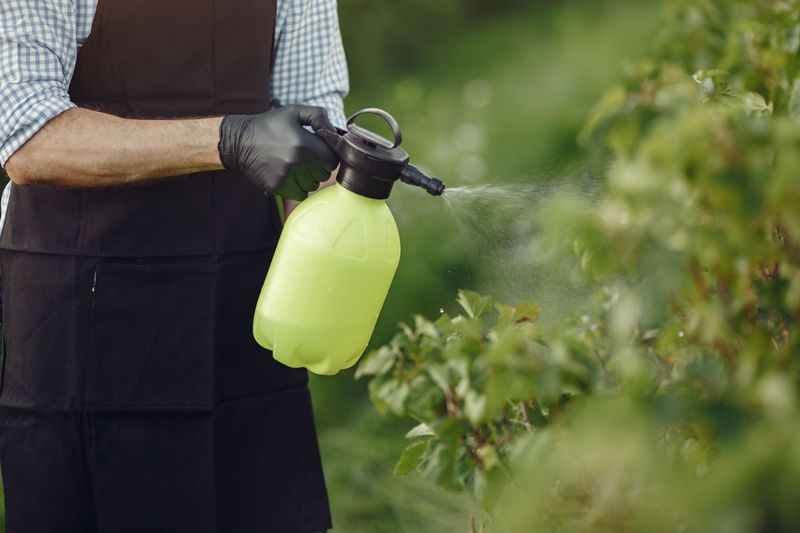
Humid Tennessee summers bring black spot, mildew, and rust, so fungicides end up in a lot of sheds. Powders and concentrates can bother skin, eyes, and stomachs if a dog makes contact before everything dries.
Repeated exposure may strain the liver and kidneys over time.
Store containers upright and latched, mix them away from pets, and let treated leaves dry fully before opening the gate.
8. Livestock Disinfectants
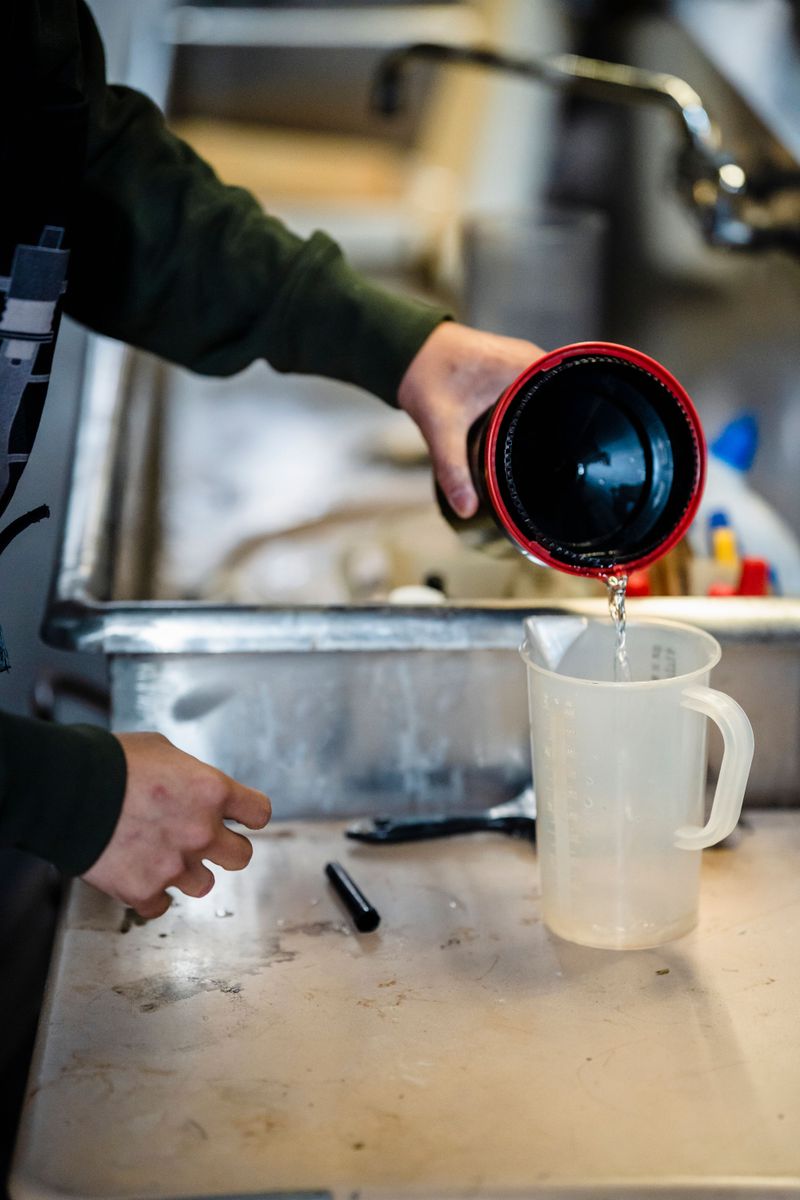
Clean stalls help maintain livestock hygiene, but concentrated disinfectants can be irritating or corrosive before dilution. Some products can cause significant irritation if a dog contacts or ingests the concentrated solution.
Spilled concentrate and recently treated surfaces can create exposure risks on working farms.
Dilute products exactly as directed on the label, keep dogs away during application and for the specified re-entry period, and store containers securely afterward.
9. Agricultural Lime
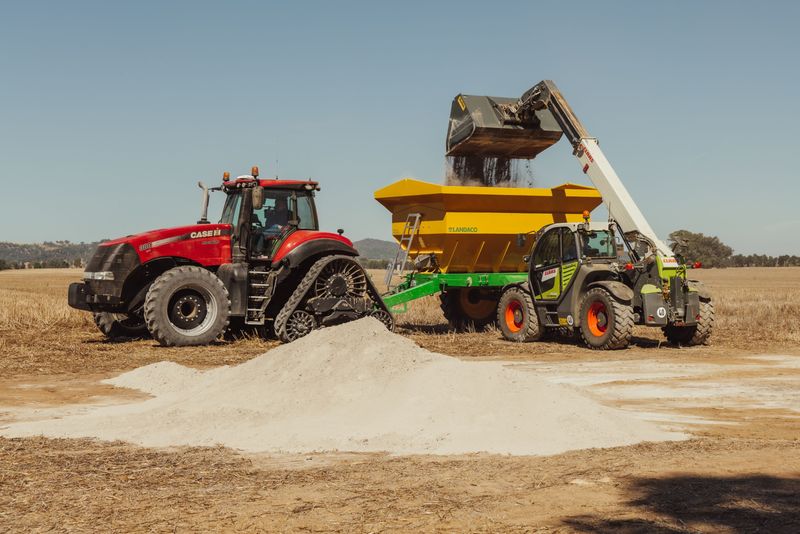
Not all lime is equal, and that distinction matters. Pelletized garden and dolomitic lime rank among the milder products, though eating a lot can upset a stomach.
Hydrated lime and quicklime are the caustic versions, and their dust can bother paws and airways.
Read the label before buying. Pick pelletized lime for areas your dog uses, water it in well, and wait until the grass is dry.
10. Farm Degreasers
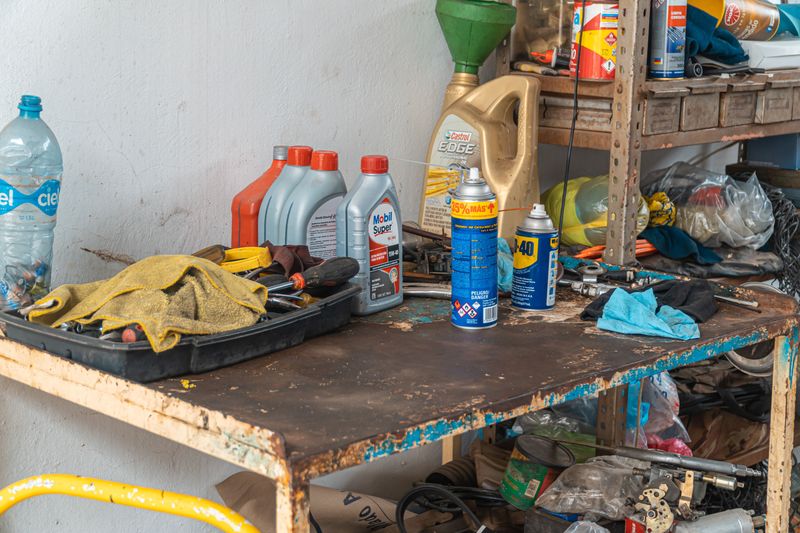
Tractor season means grease, and the solvents that cut it are harsh by design. Petroleum distillates irritate skin, eyes, and mouths quickly.
Here is one rule worth memorizing: never try to make a dog bring degreaser back up. That raises the chance of lung trouble.
Wipe spills immediately, keep bottles capped and labeled, and store them behind a latched door. Call your veterinarian right away after any contact.
11. Paints And Coatings
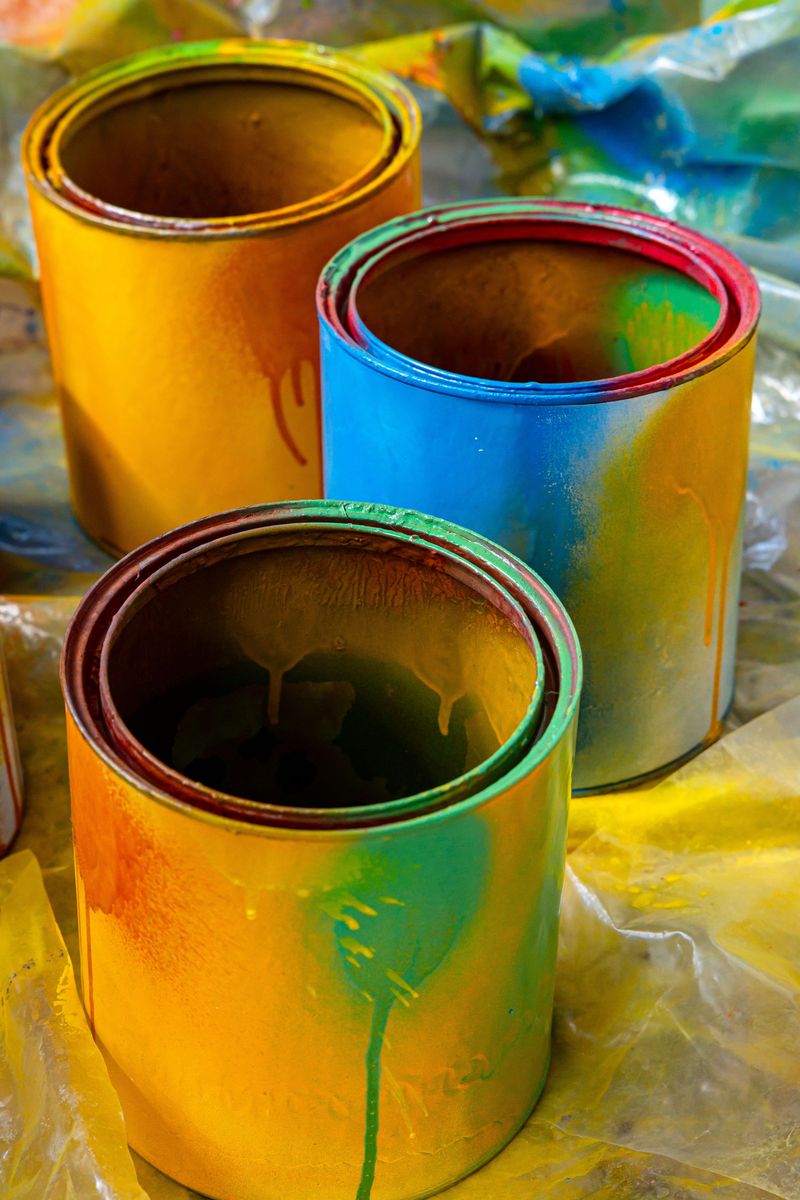
Plenty of Tennessee barns and farmhouses predate 1978, and older painted surfaces may contain lead. Flaking chips and sanding dust are worth cleaning up carefully.
Oil-based paints and varnishes carry solvents that upset stomachs more than water-based latex does.
Fumes bother canine noses faster than ours. Open windows while you work, hammer lids down tight, and keep your dog away until surfaces have cured completely.
12. Adhesives And Glues
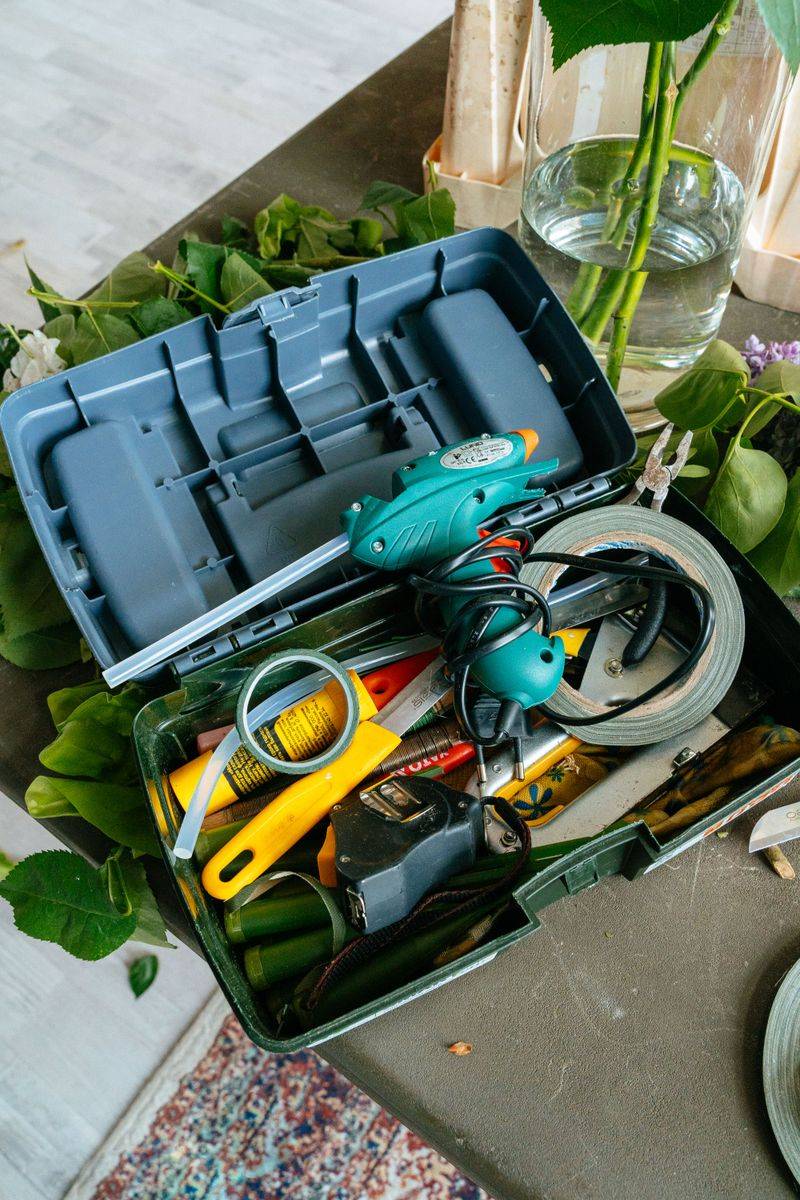
Here is a detail many owners miss: expanding polyurethane glue swells dramatically once swallowed. A small chewed bottle can create a large blockage needing surgery.
Instant glues harden on contact with saliva and often stick to gums or tongue.
School glue is comparatively harmless, causing mild upset at most. Stash every tube in a closed drawer or toolbox, and toss empties in a covered bin.
13. Fuel
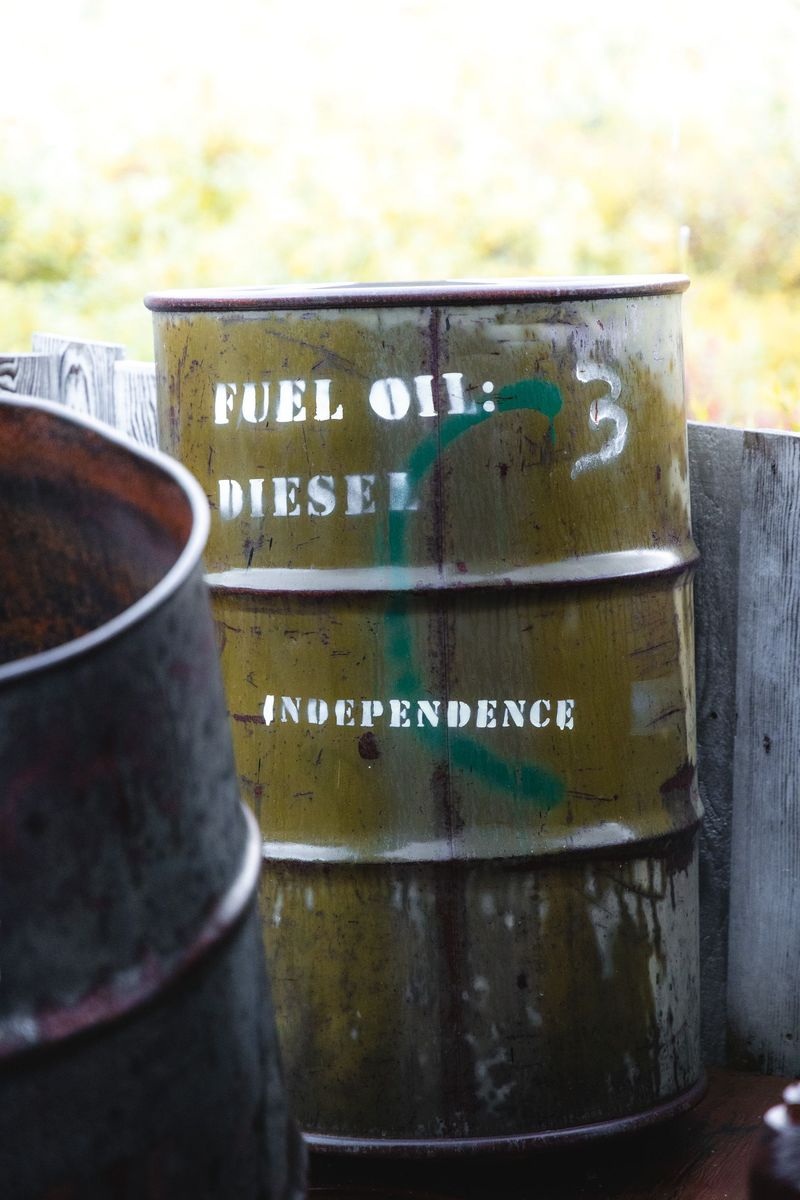
Gas cans, diesel jugs, and kerosene heaters gather in farm sheds by the dozen. These petroleum products burn the mouth and stomach, and inhaled droplets can injure lungs.
A fuel-scented coat is a clue worth acting on quickly.
Store cans sealed, labeled, and racked in a ventilated space. Absorb spills with cat litter, never encourage vomiting, and head to a veterinarian without delay.
14. Motor Oil And Grease
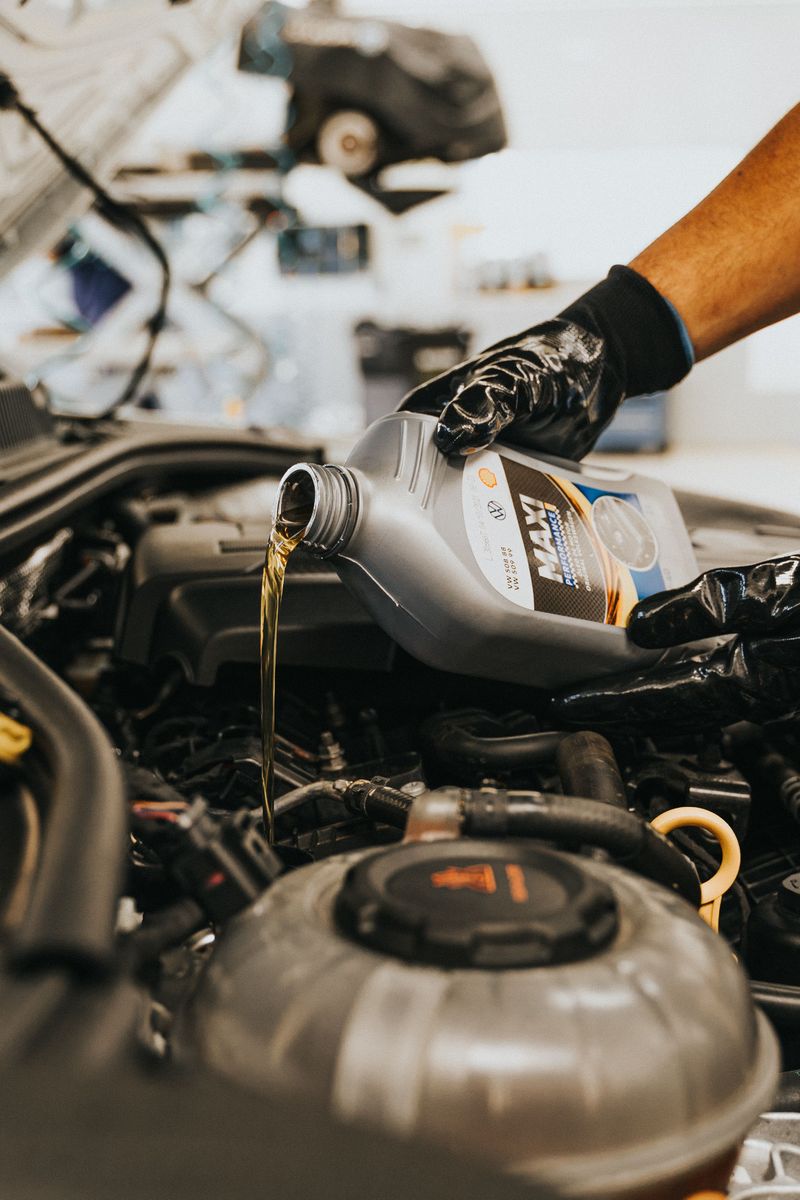
Oil changes leave behind drain pans, drips, and greasy rags, all of which fascinate a nosy dog. Long-coated breeds pick it up in their fur, then lick it off during a bath-free afternoon.
Skin irritation and stomach upset usually follow.
Cap bottles, label them clearly, and cover drain pans. Soak up spills with absorbent granules, and gate the garage shut while you work on equipment.
15. Antifreeze
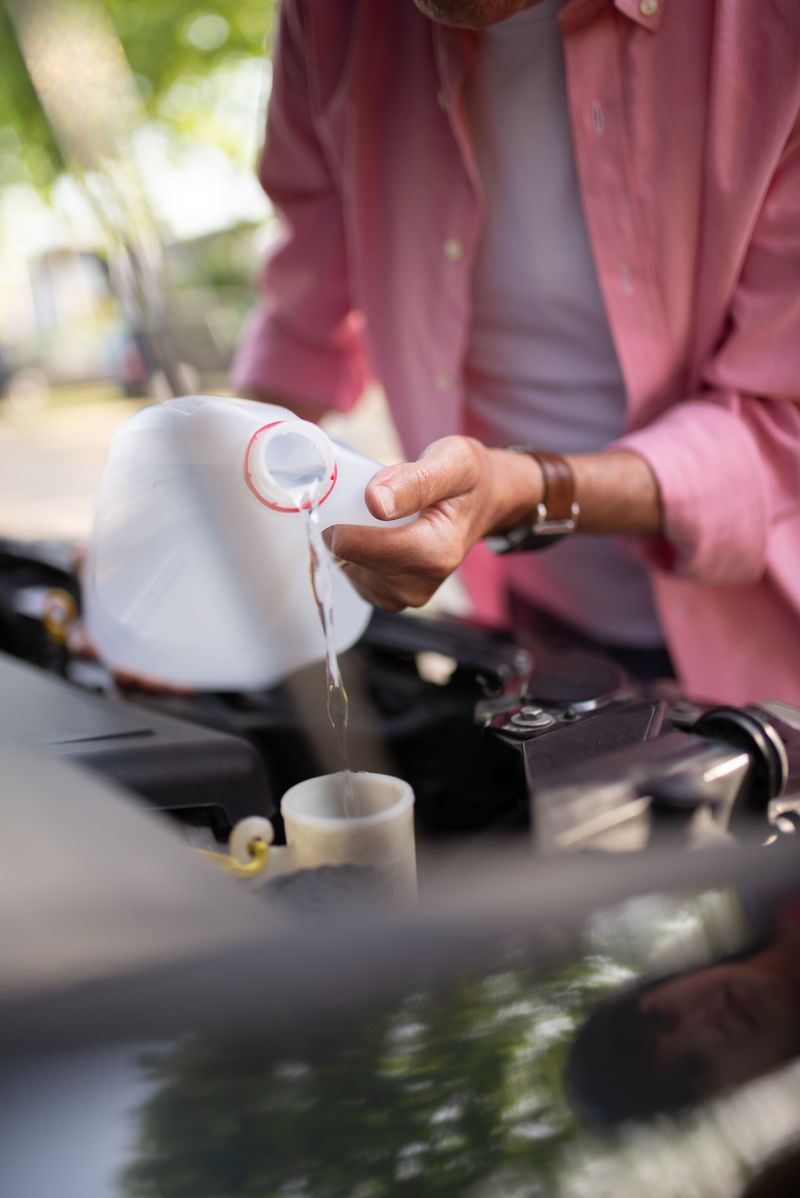
Cold snaps in East Tennessee mean radiator top-offs, and ethylene glycol tastes sweet. That sweetness is exactly why vets treat this as an emergency.
A small amount can harm kidneys, and symptoms may briefly seem to fade while damage continues.
Treatment works best when given very early, so never wait to see what happens. Lock jugs away, mop puddles immediately, and check your vehicles for slow leaks.
16. Corrosive Farm Chemicals
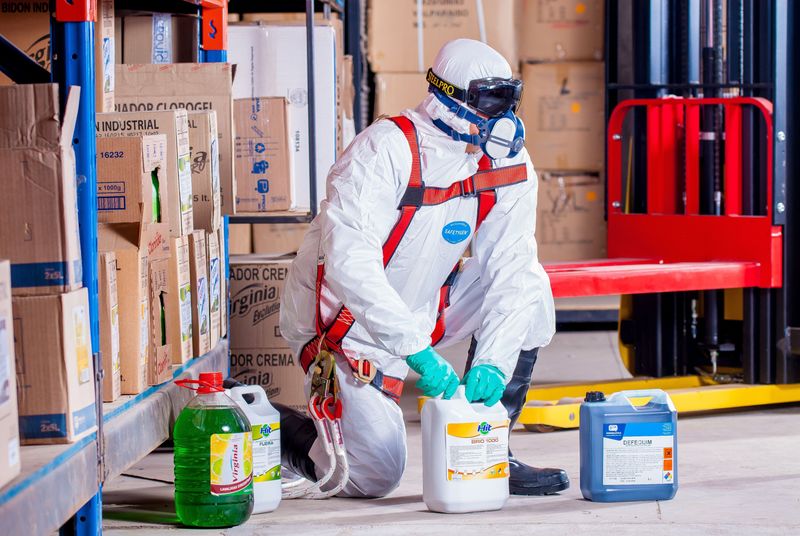
Strong acids, caustic bases, and sanitizing concentrates round out the list. Anhydrous ammonia used in some fertilizer programs belongs here as well.
Contact causes burns to skin, eyes, and mouths, and fumes irritate airways fast.
Keep these in their original containers, capped, upright, and behind a lock in a ventilated space. Wear gloves and goggles while handling, and clean any drip before your dog wanders through.