20 Sporting Dog Breeds Suited To Washington’s Wetlands And Upland Country
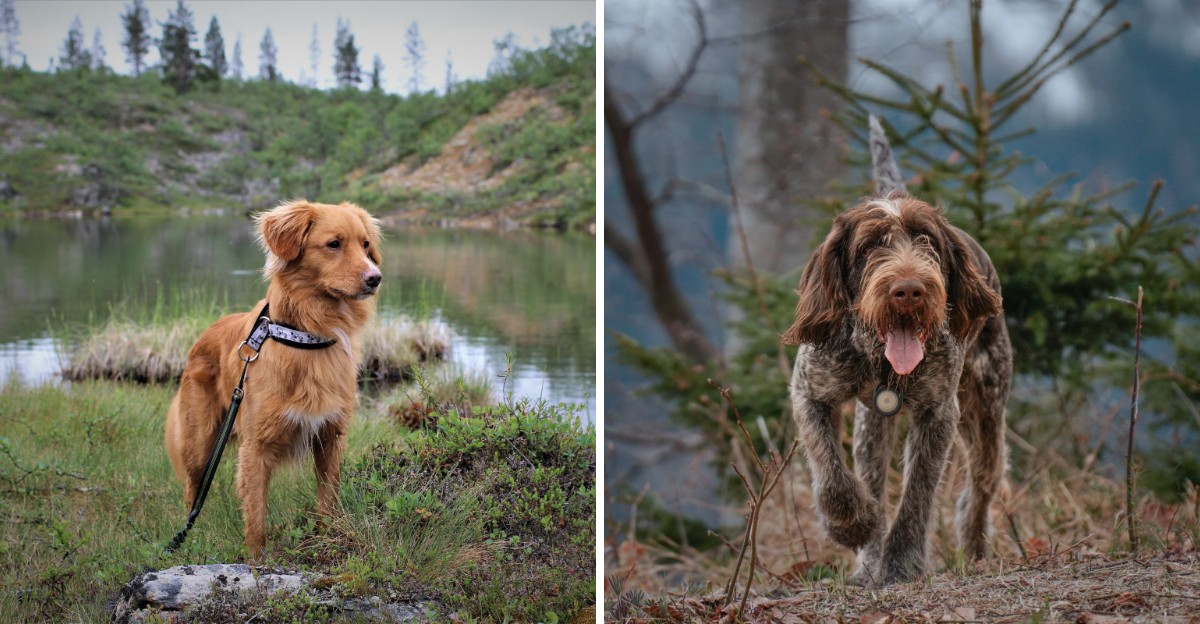
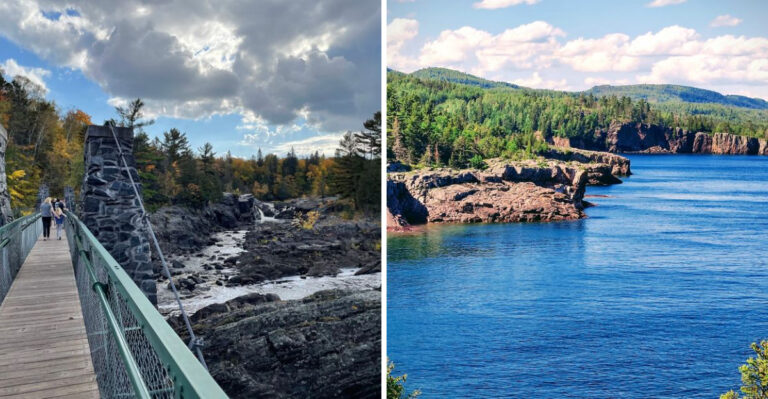
Washington asks a lot from a bird dog. Morning might mean icy water in a cattail slough, while afternoon means scrambling through sagebrush and steep chukar rock.
Few dogs handle both without flinching, yet certain breeds were practically built for that split personality. Coat thickness, nose power, swimming drive, and stamina all matter here.
Some of the names ahead will surprise you, and one of them is even bred right here in Washington state.
1. Labrador Retriever
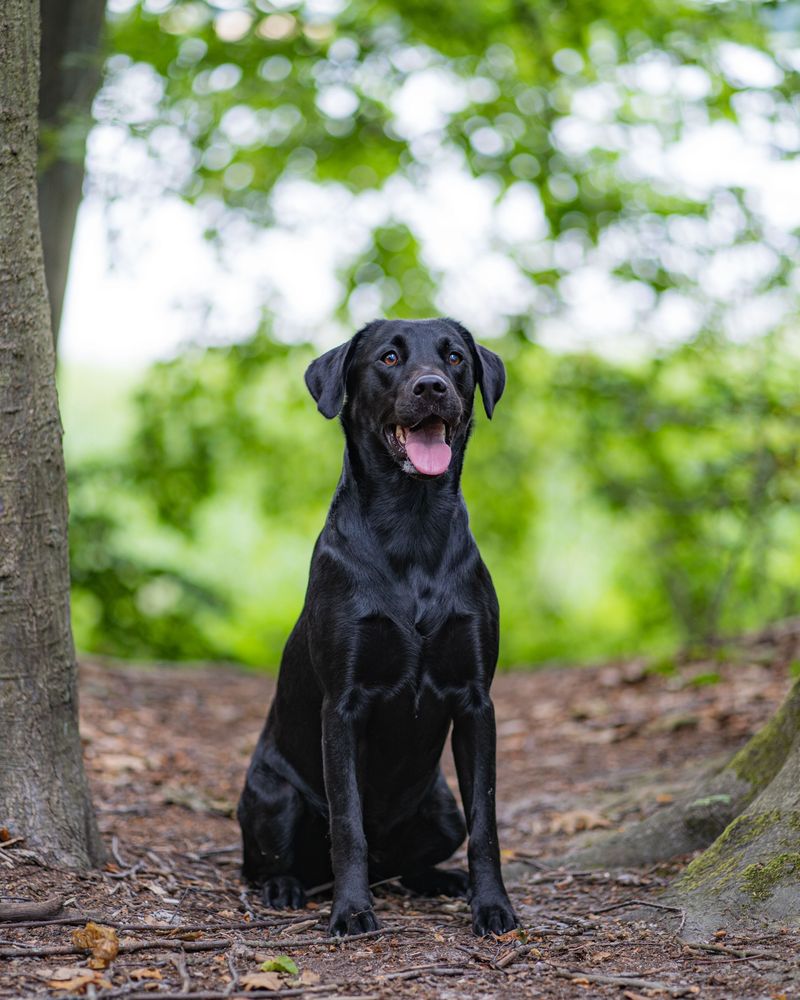
Ask any duck blind regular in Washington what sits beside them, and odds are good it wears a thick black coat.
Labs pair a water-repellent double coat with a strong retrieving drive, which suits cold sloughs perfectly.
They also flush pheasants at a moderate, followable pace, so walking hunters keep up easily.
Trainability is the real bonus. Labs learn fast, take direction well, and stay dependable all season.
2. Chesapeake Bay Retriever
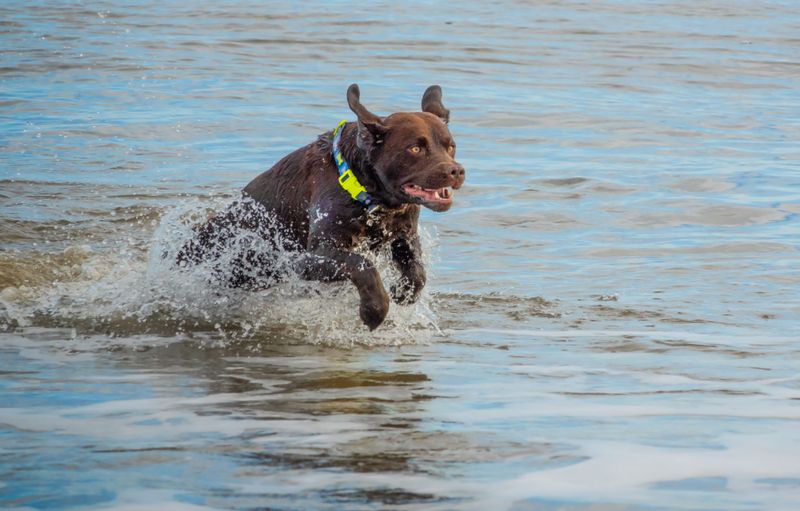
Cold, gray water that makes other dogs hesitate? A Chessie treats it like a welcome mat.
That wavy, oily double coat insulates against wind and chill better than almost anything in the sporting group.
Strong rear drive helps them push through mucky, marshy footing without bogging down.
They shine at finding crippled birds on land or water, and they handle upland work too. Give them a job and respect.
3. Golden Retriever
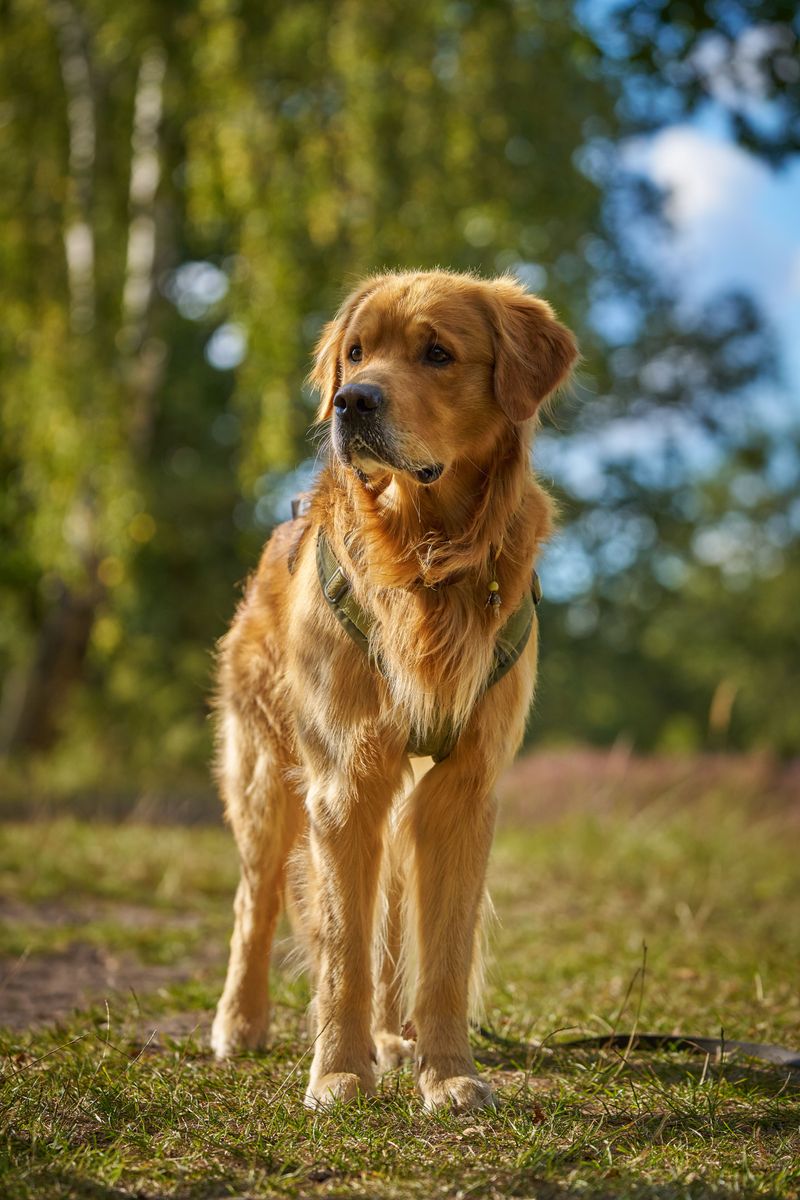
Everybody knows the family Golden. Fewer people meet the field-bred version, which is leaner, faster, and hungry to work.
A soft mouth means birds come back in beautiful shape, and that water-shedding coat handles wet days fine.
Marking skills are excellent, so multiple downed ducks rarely get lost.
Endurance suits long walks through upland grass. Off duty, that sunny personality never switches off.
4. German Shorthaired Pointer
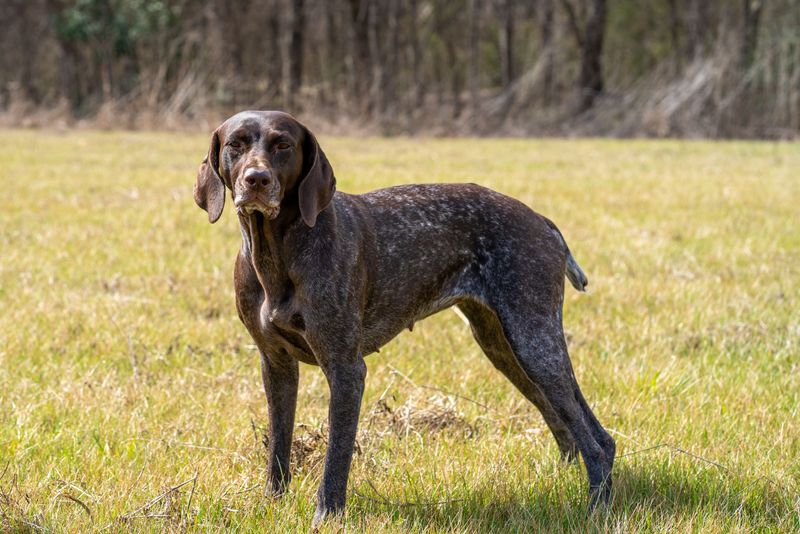
If a bird dog could hold a multi-tool license, the GSP would carry one.
Pointing, tracking, retrieving, water work: they cover nearly every gundog role with speed and a first-rate nose.
Webbed feet and a water-resistant coat make cattail edges fair game.
They adapt their range to terrain, shortening up in thick cover and stretching out on open stubble. Expect serious daily exercise needs.
5. German Wirehaired Pointer
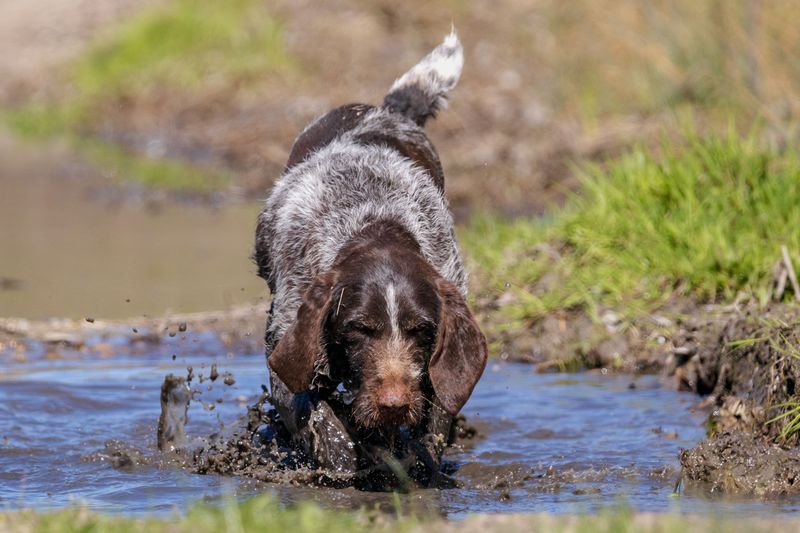
That scruffy beard and harsh jacket are not a fashion statement. They are armor.
Wiry, water-repellent hair shrugs off briars, sleet, and cold swims, which matters plenty in Washington November.
Pointing instincts often appear young, and the retrieving drive runs deep.
Endurance on land and water makes GWPs a smart pick for hunters who cover serious ground on foot.
6. Wirehaired Pointing Griffon
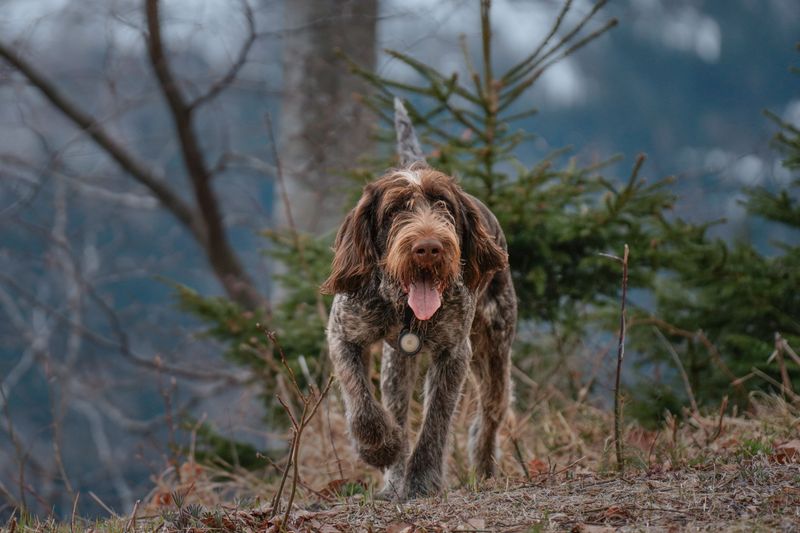
Walking hunters, meet your close-working ally.
The Griff stays within comfortable gun range instead of vanishing over the next ridge, which saves a lot of whistle blowing.
Webbed feet and a water-resistant jacket handle marsh retrieves without complaint.
Cooperation is the breed signature. Griffs read the cover, adjust their pattern, and check back often.
Loyalty at home comes standard, shedding stays modest.
7. Brittany
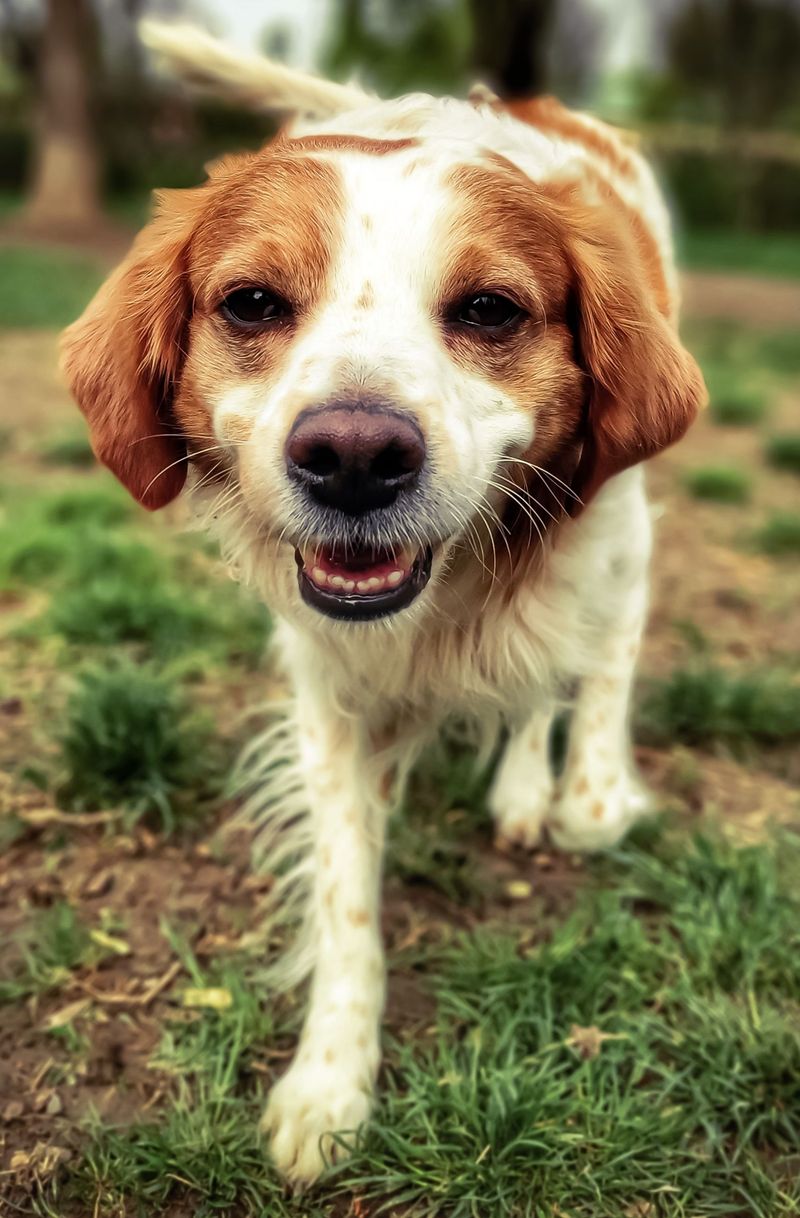
Compact, springy, and always busy, the Brittany packs big bird-finding talent into a medium frame.
Grouse, quail, pheasant, and woodcock all fall within its wheelhouse thanks to a keen nose and efficient hunting style.
Brittanys cover ground quickly while staying in touch with their handler.
Water work is possible but not their specialty. Without a heavy double coat, save them for upland days.
8. English Setter
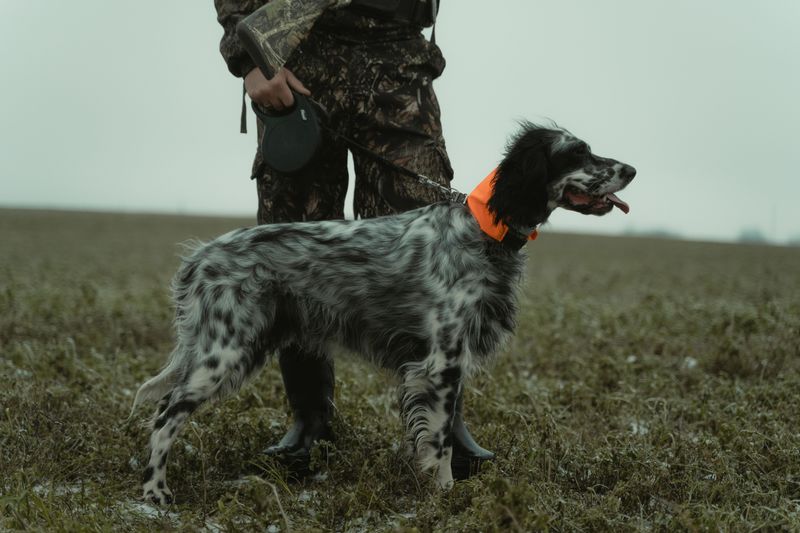
Watch a Setter lock up on point and you understand why painters keep returning to this breed.
Scenting power, agility, and smarts make them upland standouts across grouse woods and open country.
Retrieves come back gently when the training is done right.
Many love water if introduced kindly, though a thin coat limits long cold swims. Keep them warm and dry afterward.
9. Gordon Setter
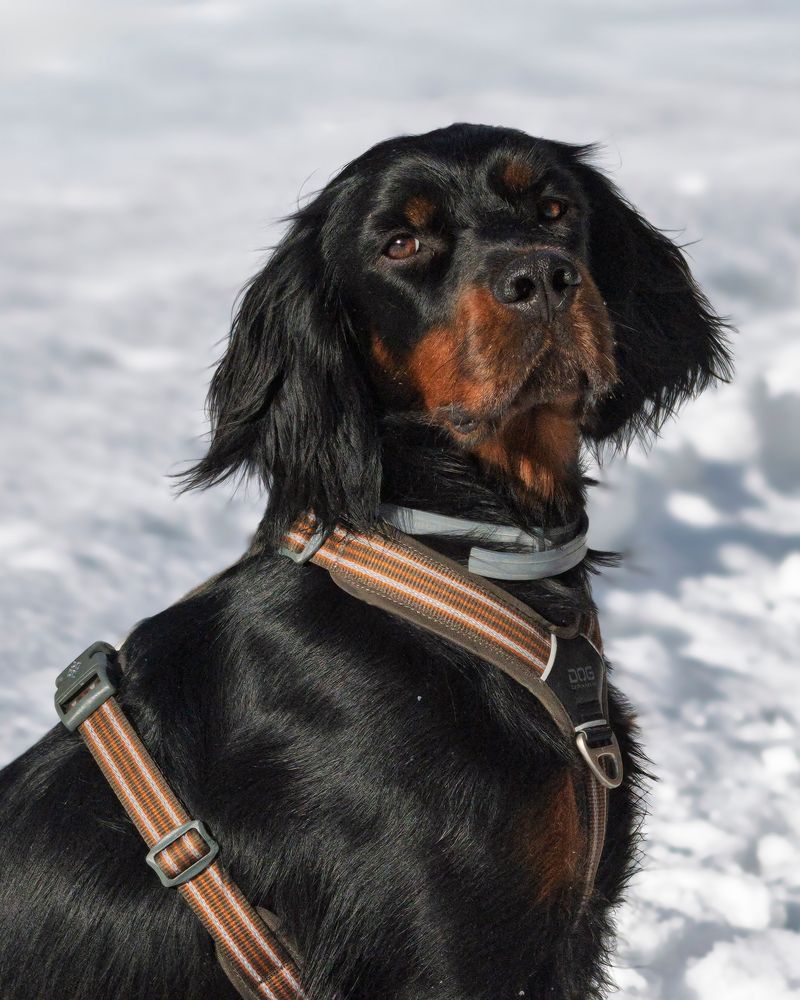
Black coat, rich tan trim, and a working style that never feels rushed.
Gordons hunt methodically with a steady point, which suits thick cover and tricky birds better than a blazing pace.
Stamina lets them grind through long days in tough country.
Plenty of Gordons retrieve naturally, and certain lines handle waterfowl work capably. Loyalty runs deep with this breed.
10. English Pointer
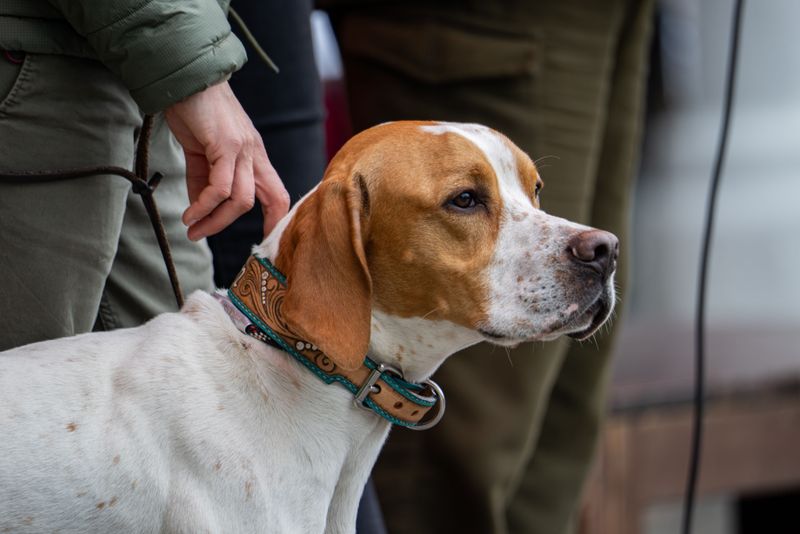
Speed, style, and a nose that reads wind like a map.
English Pointers cover big open country with efficiency, making them favorites where birds scatter across wide ground.
Field training tends to click quickly because the instincts arrive prewired.
Some will make water retrieves with encouragement, though upland ground is their true home. Pair one with roomy terrain and plenty of running.
11. Vizsla
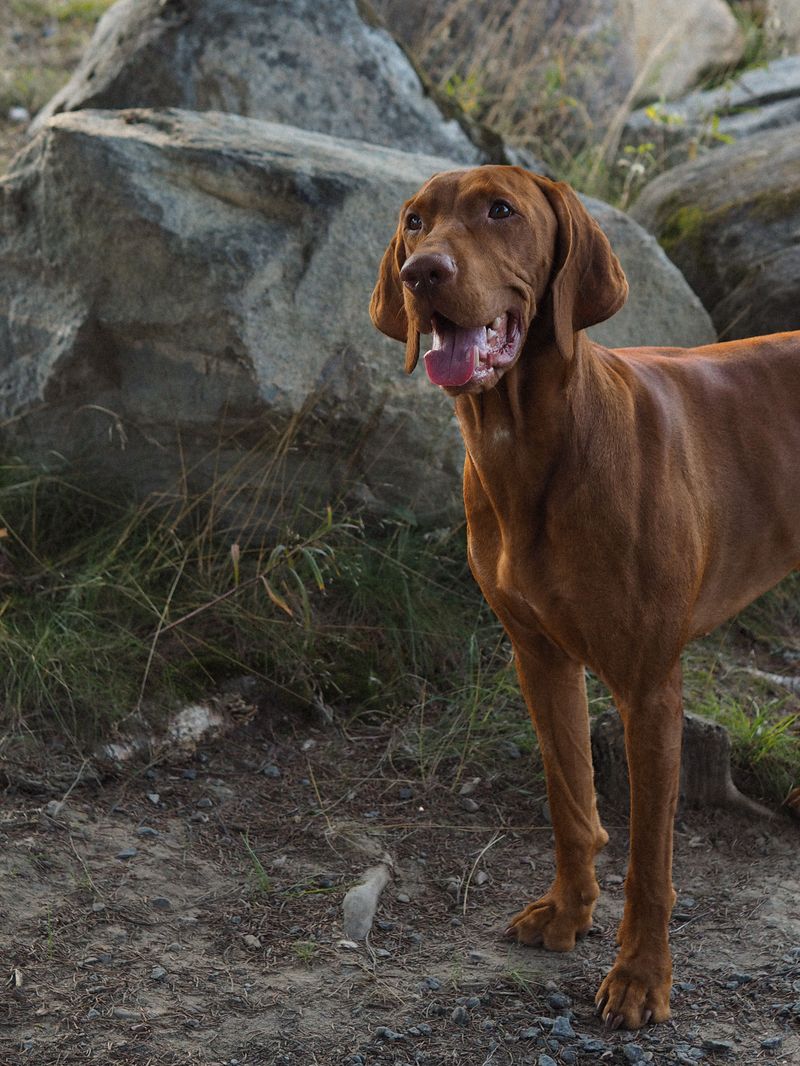
A rust-colored blur with a velvet nose, the Vizsla hunts hard then glues itself to your side.
Pointing and retrieving both come naturally, on land and in moderate water.
Tracking ability adds another useful tool for finding runners in heavy cover.
Short coat, no undercoat: frigid December marshes are not their friend. Save them for milder wetland days and upland country.
12. Weimaraner
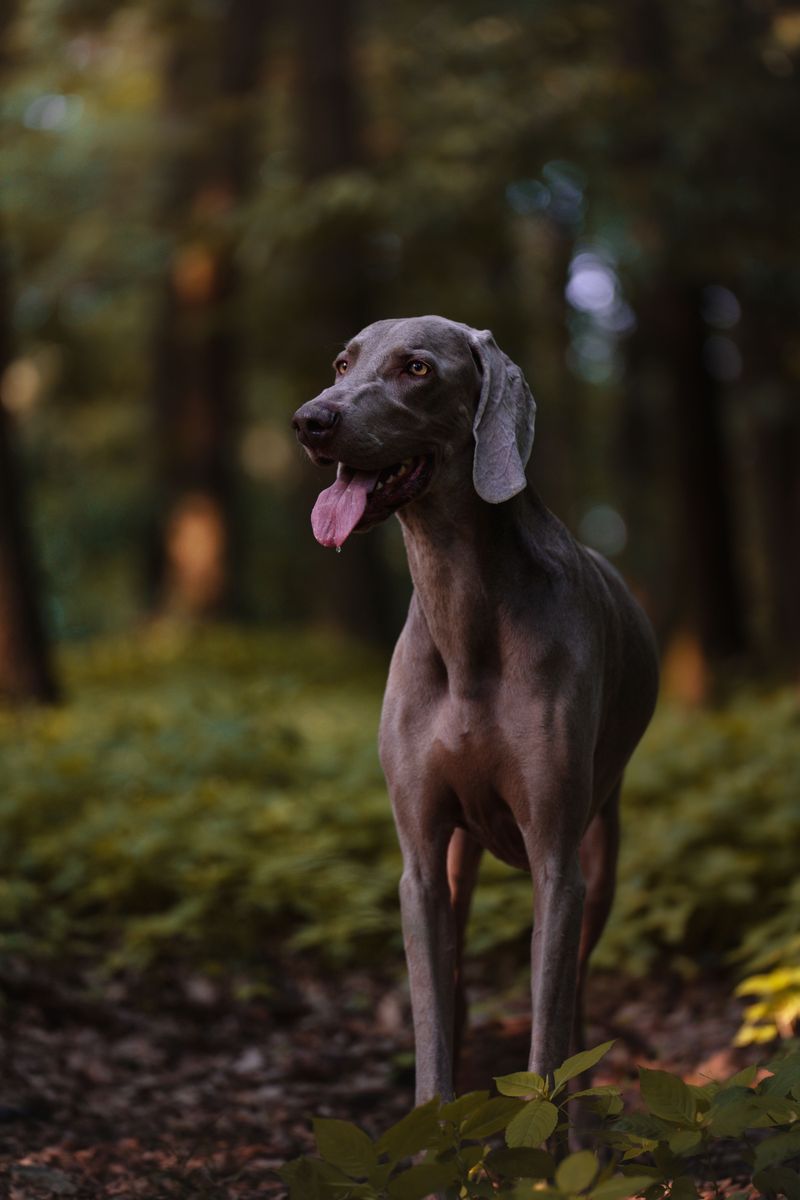
That silver-gray ghost gliding through the grass is built for all-day work.
Germans developed the Weimaraner as an all-purpose gun dog, and it still hunts pheasant, quail, and waterfowl happily.
Swimming ability ranks among the better pointing breeds, and stamina rarely runs out first.
The sleek coat offers little insulation, so watch them closely in bitter cold. Boredom breeds mischief here.
13. Boykin Spaniel
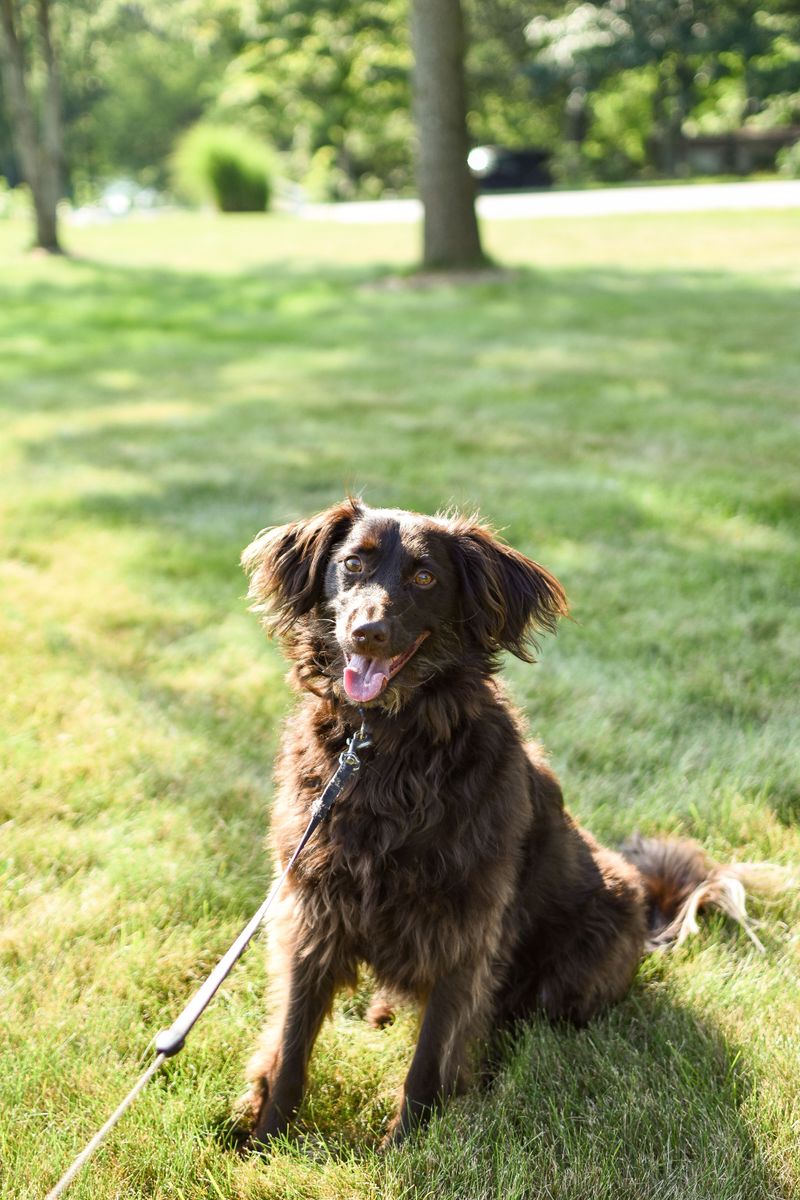
Small dog, huge motor. South Carolina hunters wanted a retriever that fit in a tiny boat, and the Boykin answered.
Webbed toes make swimming easy, and that compact size keeps duck skiffs balanced.
Flushing and retrieving both come naturally, so upland days suit them fine too.
Tenacity and cheerfulness travel together in this breed. Expect a wiggly, enthusiastic partner.
14. American Water Spaniel
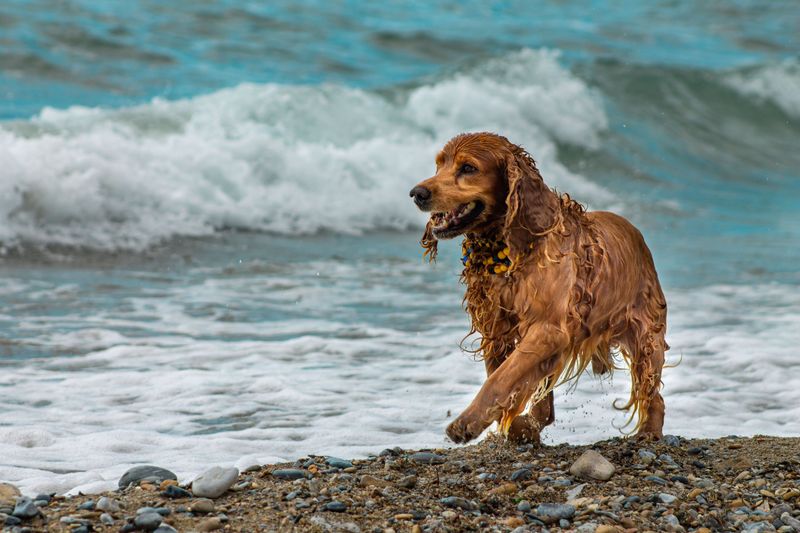
Wisconsin marshes and shorelines shaped this rare American original.
The double coat handles chilly conditions, and the retrieving desire arrives with a soft mouth attached.
They hunt methodically and stay close to the gun, which walking hunters appreciate in thick cover.
A sharp nose steers them toward likely bird pockets. Quick learners, they pick up new drills with minimal fuss.
15. English Springer Spaniel
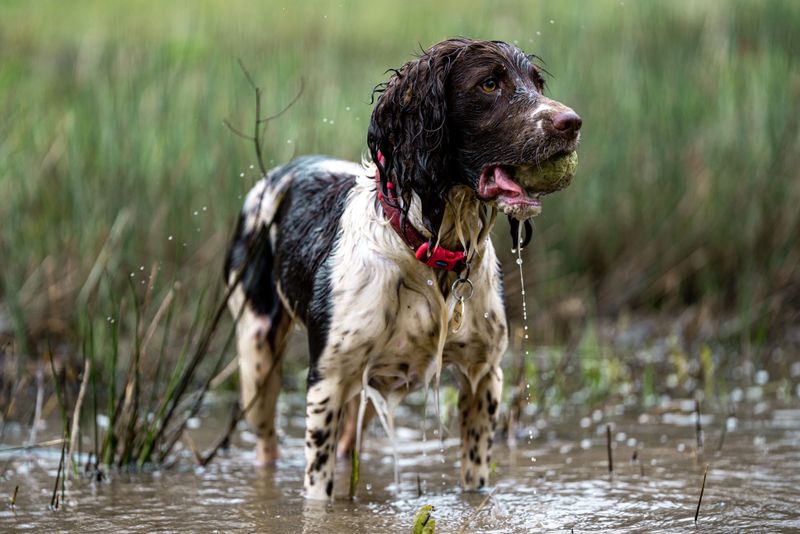
Bouncy, birdy, and forever quartering, the Springer works the cover like a windshield wiper.
That natural pattern keeps birds flushing inside gun range instead of two fields away.
Water holds no fear for them, and ducks or geese get retrieved willingly.
A weather-resistant coat plus an eager-to-please attitude makes training pleasant. Few breeds bring this much joy per acre.
16. Welsh Springer Spaniel
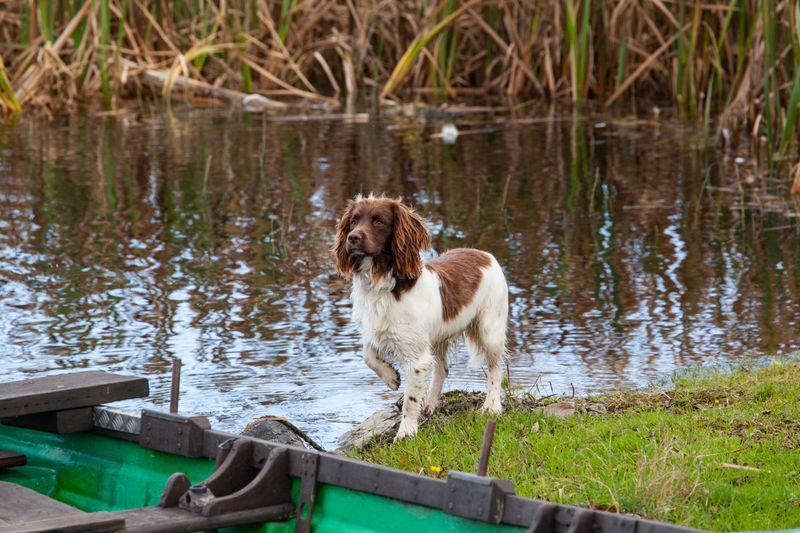
Red and white, sturdy, and criminally underrated.
Welsh hillsides, brush thickets, and marshland shaped a dog that stays quick and agile over rough footing.
Swimming comes easily, and the coat sheds water reasonably well for wet Washington mornings.
Tracking cripples is a genuine strength, earning them a reputation as practical meat-on-the-table hunters. Steadier and calmer than their English cousins.
17. Irish Water Spaniel
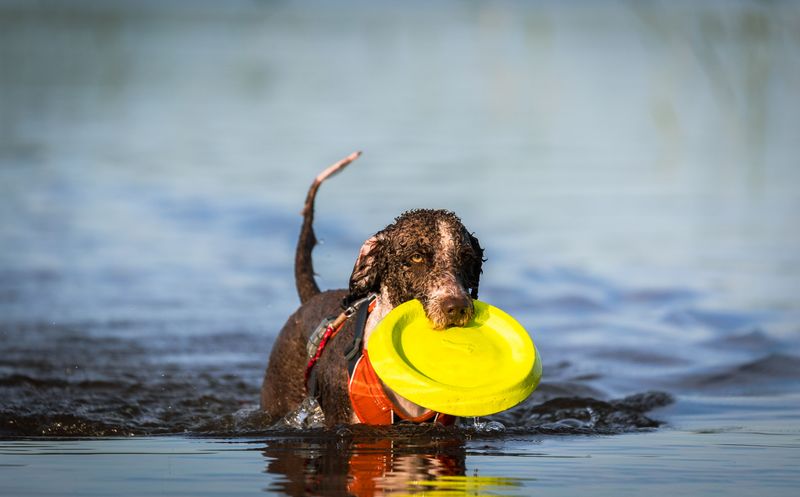
Topknot, tight curls, and a tapered rat tail: nobody mistakes this one for anything else.
Cold, wet terrain is exactly what Irish breeders had in mind, and the dense curly coat plus webbed feet prove it.
Eagerness to hit the water borders on comical.
Upland ability is real too, thanks to a strong nose and drive through heavy cover. Clever, and slightly mischievous.
18. Nova Scotia Duck Tolling Retriever
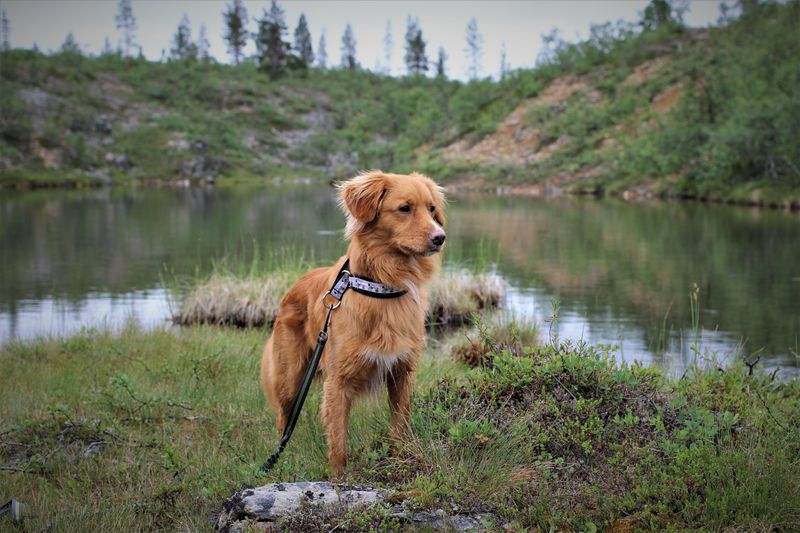
Here is a party trick with a purpose: tolling.
Foxy red Tollers dance along the shoreline, and curious ducks swim closer for a look. Clever, right?
A thick water-repellent double coat and webbed toes handle frigid retrieves, even breaking thin ice.
They flush and retrieve upland birds tirelessly, then sit quietly in the blind. Compact, agile, and delightfully odd.
19. Small Munsterlander
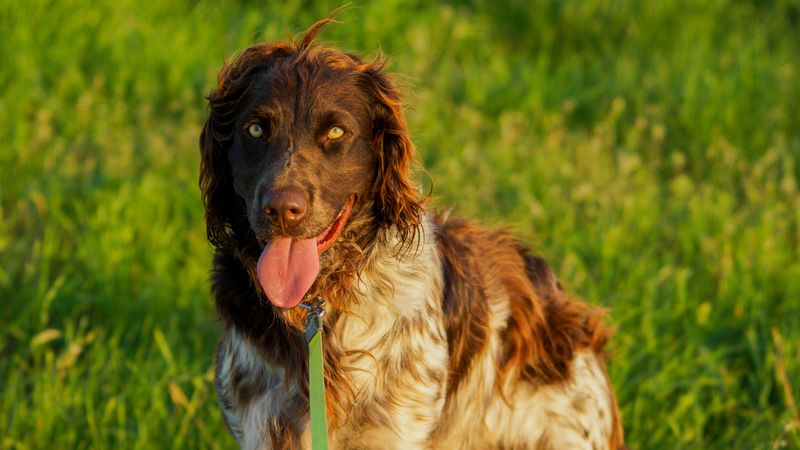
Versatility with an off switch. That combination wins hearts fast.
Small Munsterlanders point upland birds, retrieve waterfowl naturally, and track furred game with real skill.
Range adjusts to conditions: tight in brushy cover, wider across open ground.
Cooperation runs strong, so they check in often instead of self-employing. Home life stays calm after a hard day afield, which families genuinely appreciate.
20. Pudelpointer
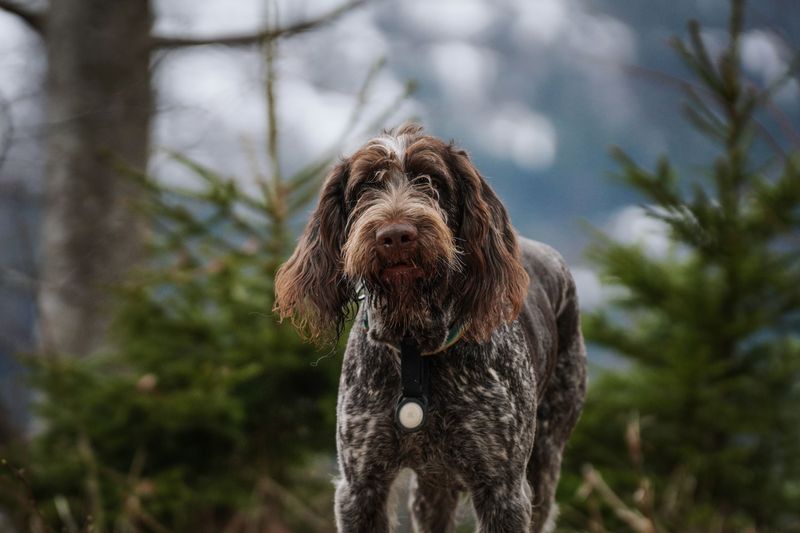
Washington connection alert: Pudelpointers are bred right here in the state, with proven results on wild birds.
Chukar rock, pheasant cover, and duck marshes all fall within their range.
Pointing and retrieving come packaged together, plus a genuine love of swimming.
The wiry coat lets them bulldoze thick undergrowth without shredding skin. For hunters wanting one dog for everything, look hard here.