How Extreme Humidity Can Keep Dog Walks Risky After Sunset In Louisiana
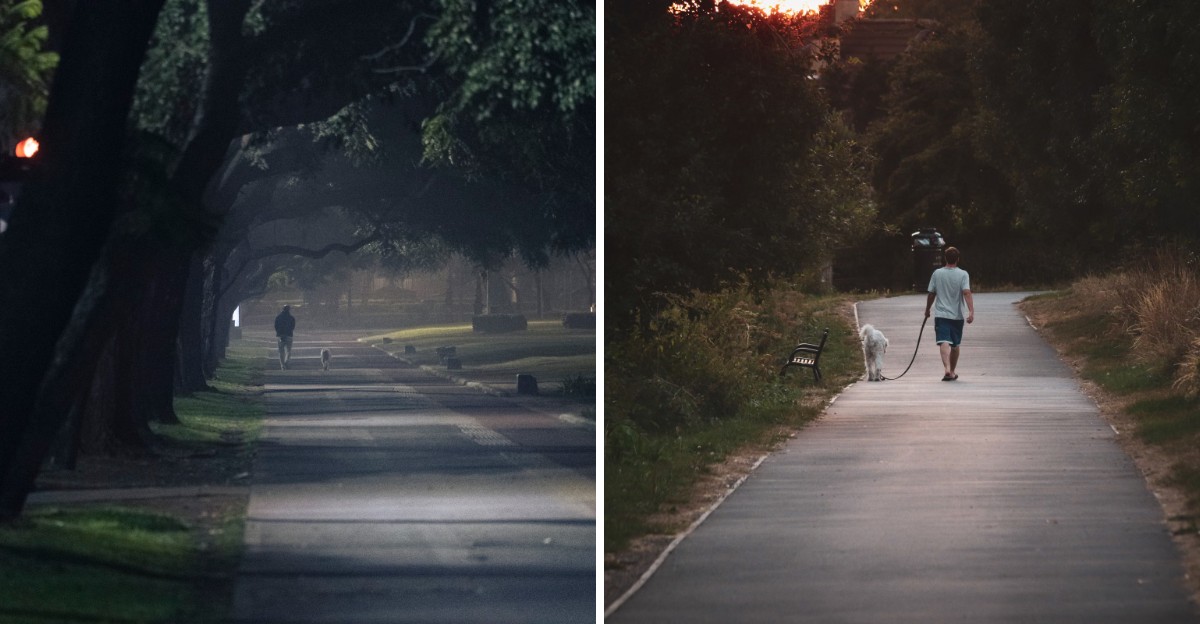
Sunset can feel like the perfect time to walk your dog after a hot Louisiana day. But cooler air does not always mean comfortable conditions.
Humidity can linger, sidewalks can hold heat, and your dog may still have trouble cooling down. A few simple checks can help you decide when to head out, when to turn back, and when indoor play is the kinder choice.
1. Why Louisiana Humidity Can Stay High After Sunset
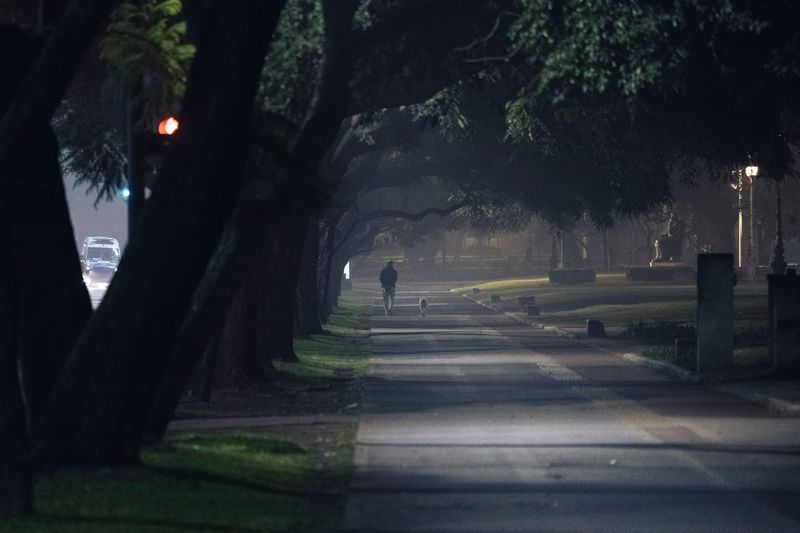
The sun disappears, but Louisiana’s moisture does not. Warm air from the Gulf and nearby waterways often keeps the evening muggy.
As air cools, its relative humidity can rise even without more moisture entering it.
Notice how the air feels during your dog’s first few minutes outside. If it feels sticky and still, plan a shorter loop close to home.
A cooler reading on your weather app may not tell the whole story for your dog.
2. Why Evening Temperatures Can Be Misleading
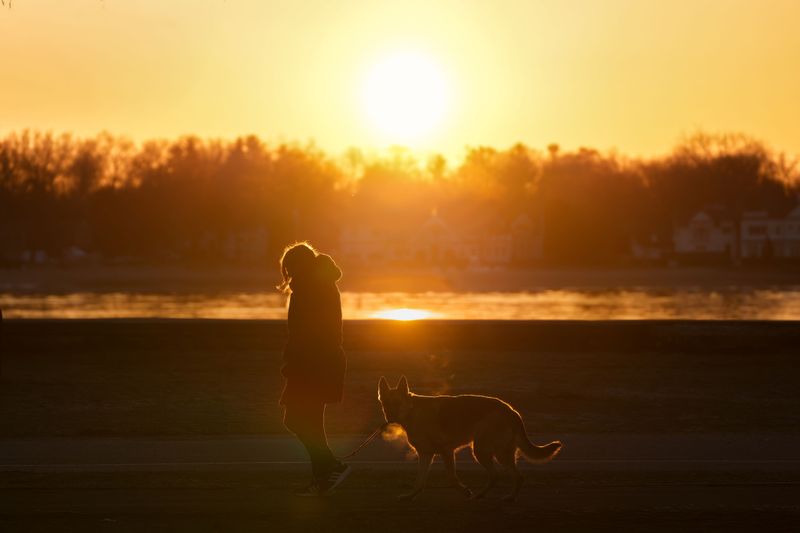
A thermometer might say the evening has cooled, yet a short walk still feels heavy. Temperature measures air warmth, while humidity affects how easily moisture evaporates.
Both matter when your dog needs to shed body heat.
Check the temperature and humidity before leaving, then watch your dog rather than relying on one number. Weather reports can provide useful context, but your dog’s breathing, pace, and comfort should guide the walk.
When uncertain, choose a quick outing.
3. How Humidity Makes Cooling Harder for Dogs
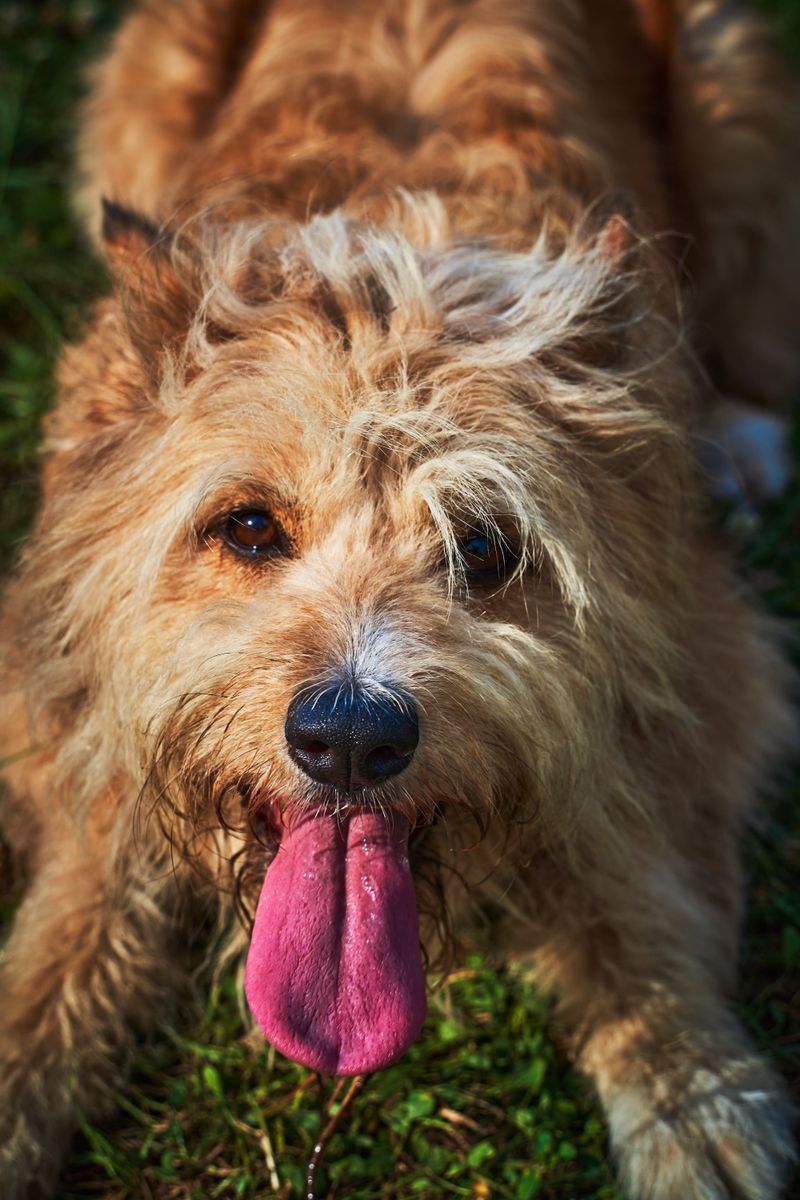
Dogs cannot cool themselves by sweating across their bodies like people do. They release much of their extra heat through panting.
Moisture evaporates from the mouth and airways, helping carry heat away.
When the air is very humid, that moisture evaporates more slowly. Your dog may stay warm even during a gentle stroll.
Give them time to rest in a cooler place, and avoid games that turn a quiet walk into a workout.
4. Why Panting Becomes Less Effective in Humid Air
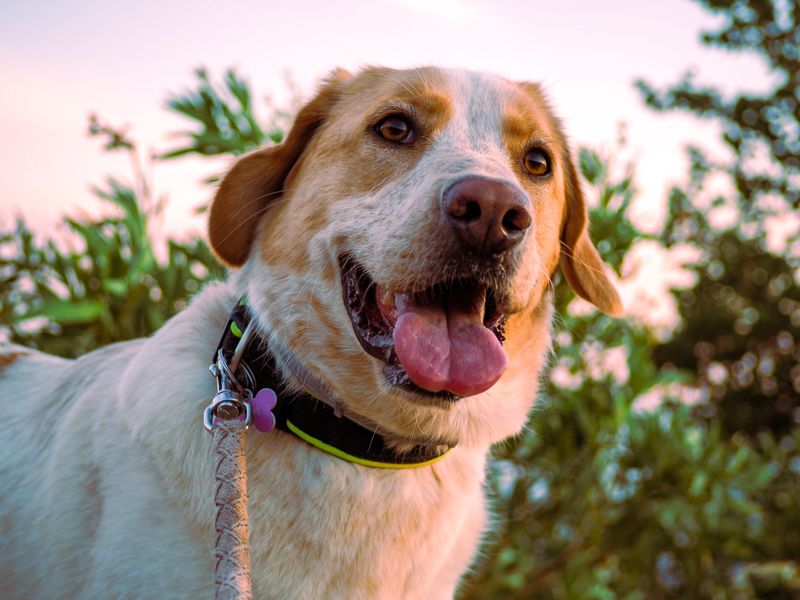
That familiar open-mouth breathing is your dog’s built-in cooling tool. Each breath works best when moisture can leave the tongue and airways quickly.
Humid air slows that process, so harder panting may bring less relief.
Listen for panting that grows unusually fast or noisy compared with your dog’s normal walk. Pause somewhere cool and offer water.
If breathing remains strained, stop the outing and contact a veterinarian for advice rather than waiting outside.
5. Why a Late Walk Is Not Automatically a Safe Walk
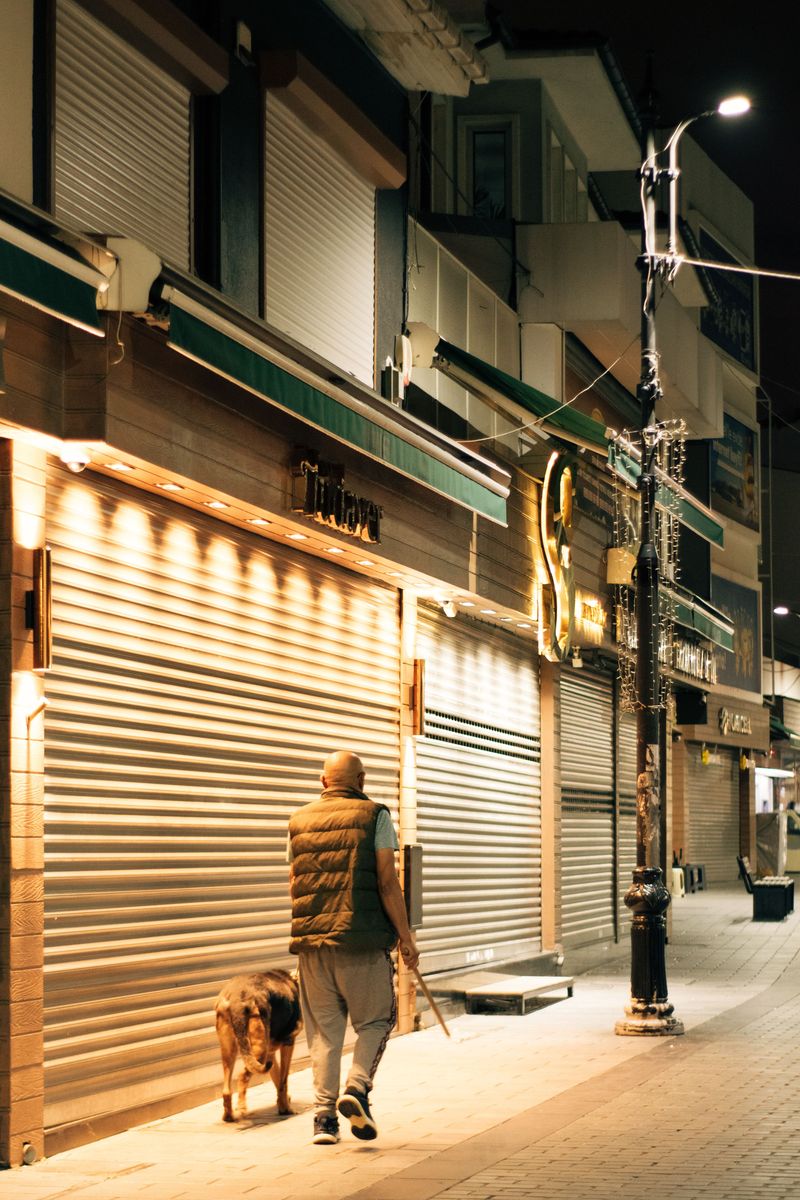
Waiting until dark solves only part of the heat problem. Humidity may remain high, and sidewalks can release warmth stored throughout the day.
Your dog also produces body heat with every step.
Before a late walk, check the ground and take a moment to feel the air. Choose a familiar, well-lit route where you can easily turn home.
A brief bathroom break is enough on nights that still feel unpleasantly warm.
6. How to Tell When Your Dog Is Getting Too Hot
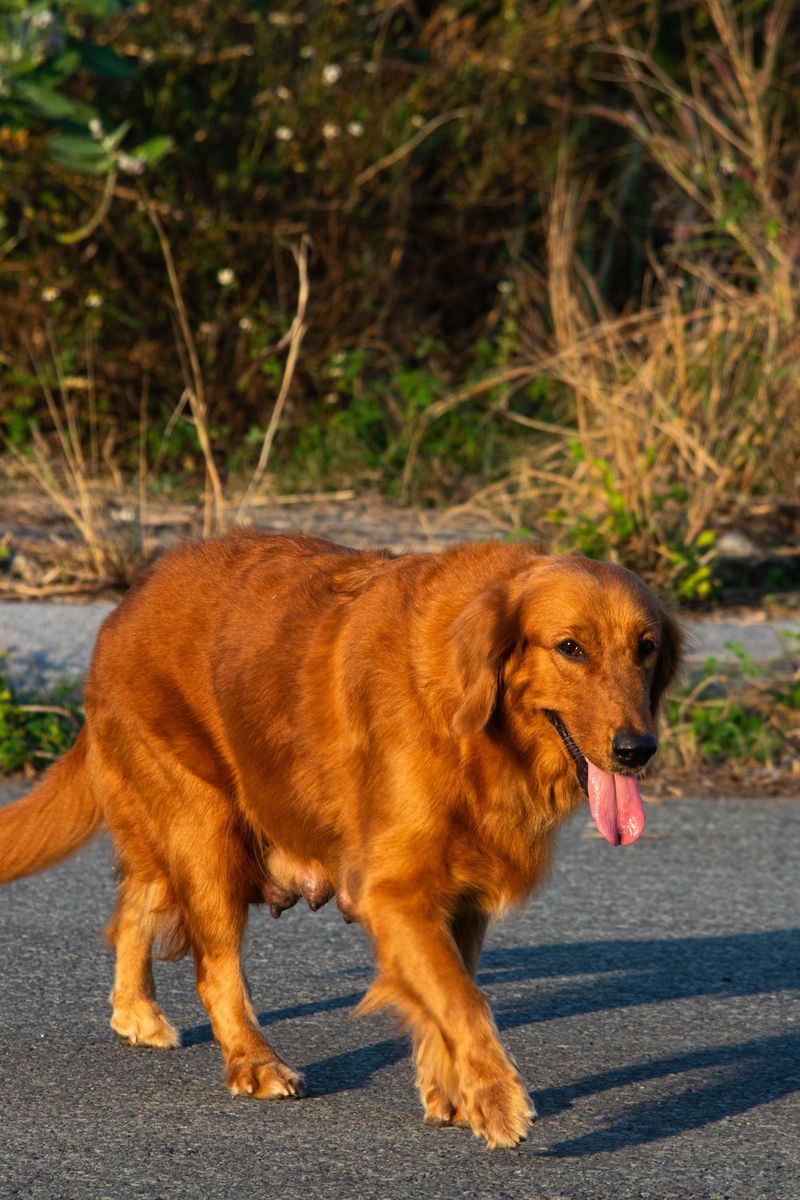
Your dog may give quiet clues before obvious trouble appears. Perhaps they lag behind, stop exploring, seek shade, or pant harder than usual.
Extra drooling can also signal that the walk feels too demanding.
Learn what normal breathing and movement look like for your dog on comfortable days. Then changes are easier to spot.
If something seems off, end the walk, move somewhere cool, and watch for improvement. Trust the small clues instead of pushing onward.
7. Why Some Dogs Struggle More in Humid Weather
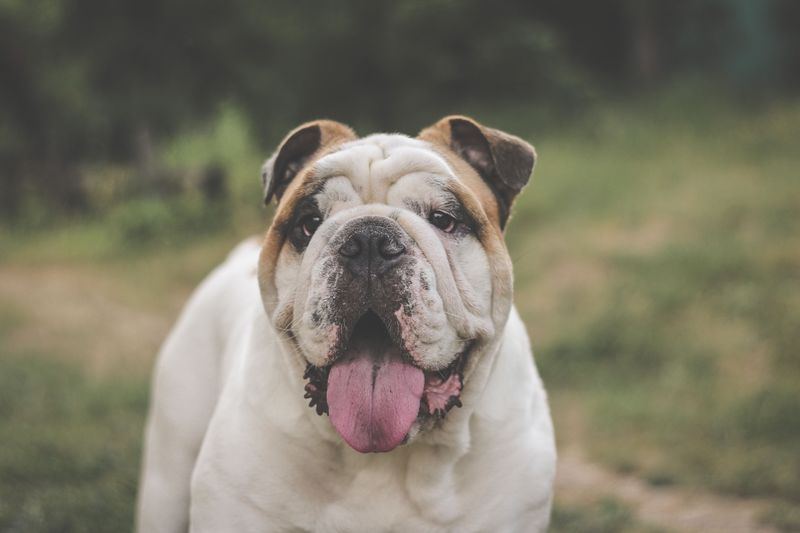
A walk that suits one dog may be too much for another. Puppies, older dogs, and dogs carrying extra weight may tire sooner.
Flat-faced dogs often have greater difficulty cooling through panting.
Heart or breathing problems can raise concerns too. Ask your veterinarian about suitable exercise if your dog has a health condition.
For more vulnerable pets, favor slow bathroom trips over long loops. Let their usual energy and breathing set the pace, not another dog’s routine.
8. How Thick Coats Can Increase Heat Discomfort
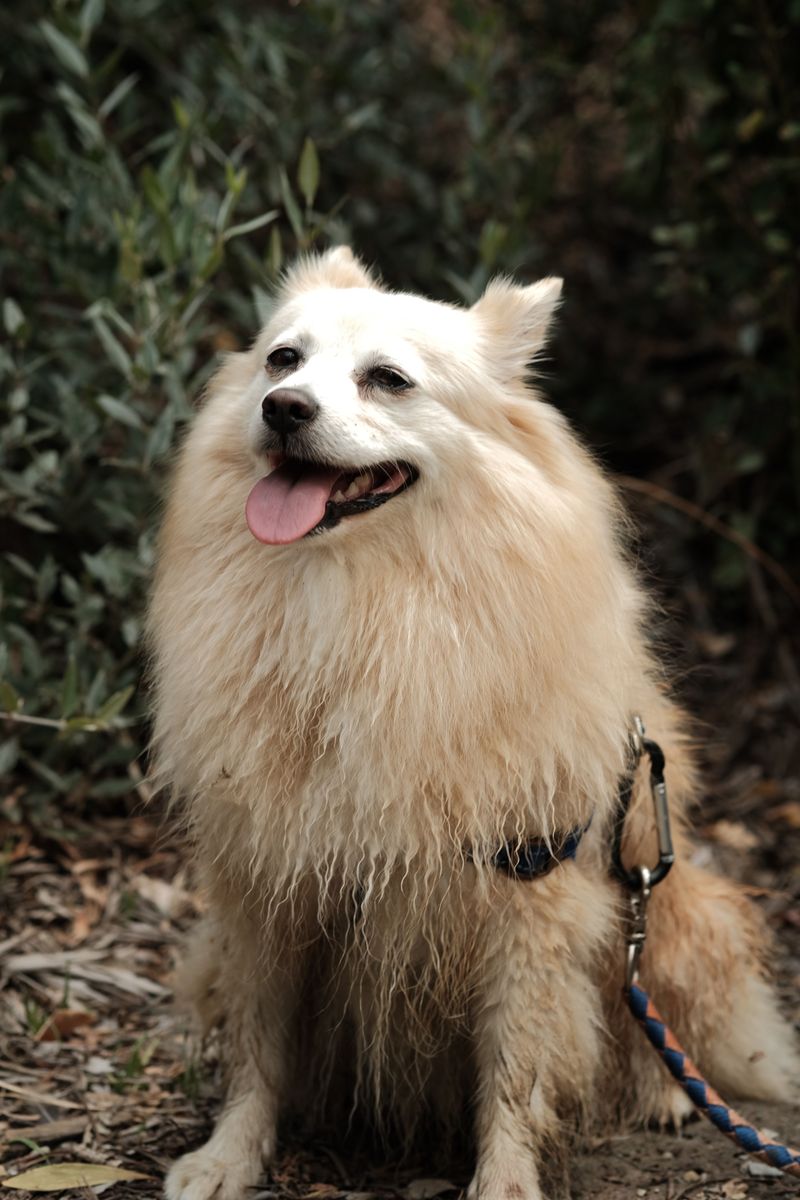
A thick coat can make a humid evening feel harder for some dogs. Dense fur may slow heat leaving the body, especially during steady exercise.
Still, coats vary, and shaving a double-coated dog is not a simple cooling fix.
Keep the coat brushed and free of mats, following your groomer’s or veterinarian’s advice. Choose an easy pace and watch for changes in breathing.
If your fluffy friend seems uncomfortable, head inside and offer a quiet rest.
9. When to Shorten an Evening Walk
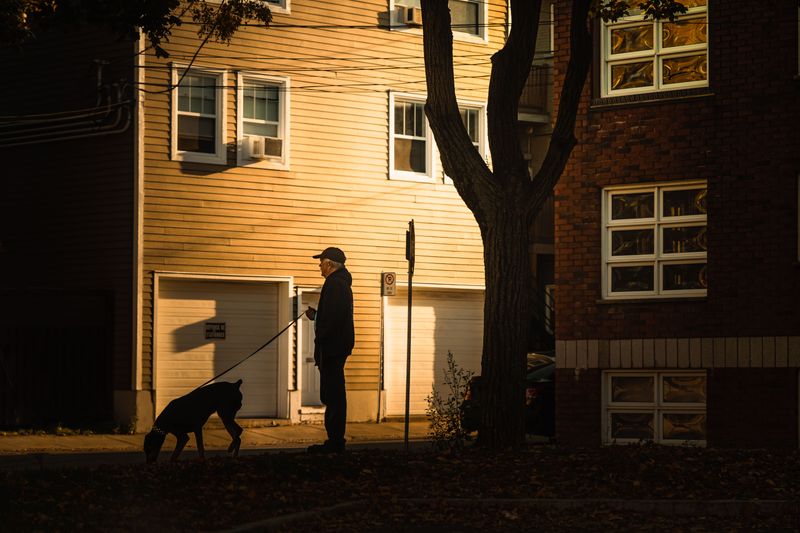
Plans can change halfway around the block. Shorten the walk when your dog slows down, pants more than expected, or stops showing interest.
Sticky air and warm ground are good reasons to turn back early.
Start with a route that stays near home, so changing plans feels easy. A bathroom break and a few minutes of sniffing still count as worthwhile time outside.
Save longer exercise for a cooler morning or a more comfortable day.
10. Choosing Cooler Walking Routes After Sunset
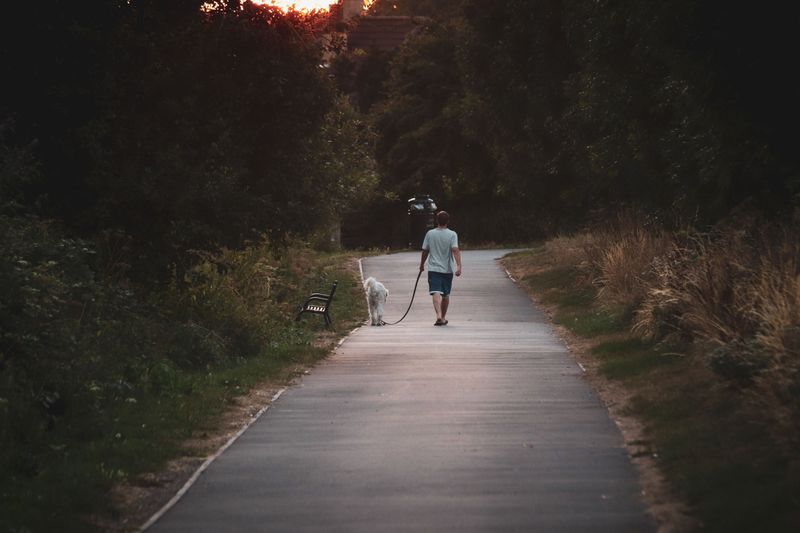
Routes have their own little climates. A grassy path beneath trees may feel more comfortable than an exposed parking lot.
Ground shaded during the day may also hold less heat after sunset.
Look for familiar paths with grass or dirt, safe footing, and enough light to see clearly. Avoid long stretches where you cannot turn back easily.
Keep your dog away from standing water, and check local park hours before choosing a new evening route.
11. Why Pavement Can Stay Warm After Dark
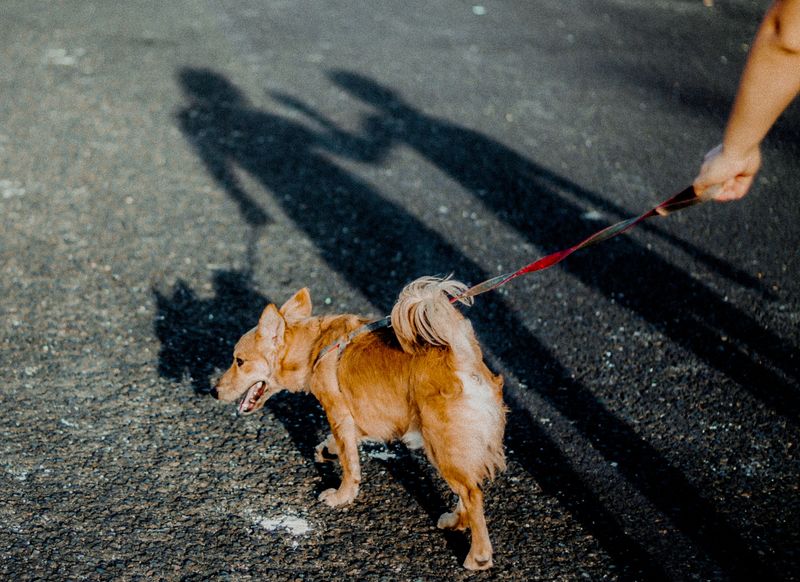
Asphalt spends the day soaking up sunlight. After sunset, it can stay warmer than the surrounding air and add heat beneath your dog.
Hot surfaces may also hurt sensitive paw pads.
Touch the pavement with your hand before stepping out. If it feels uncomfortably hot, choose grass or skip that route.
Check again along the way because surfaces differ. A shaded sidewalk, driveway, and dark parking lot may not feel alike under your hand.
12. Keeping Water Available During Humid Walks
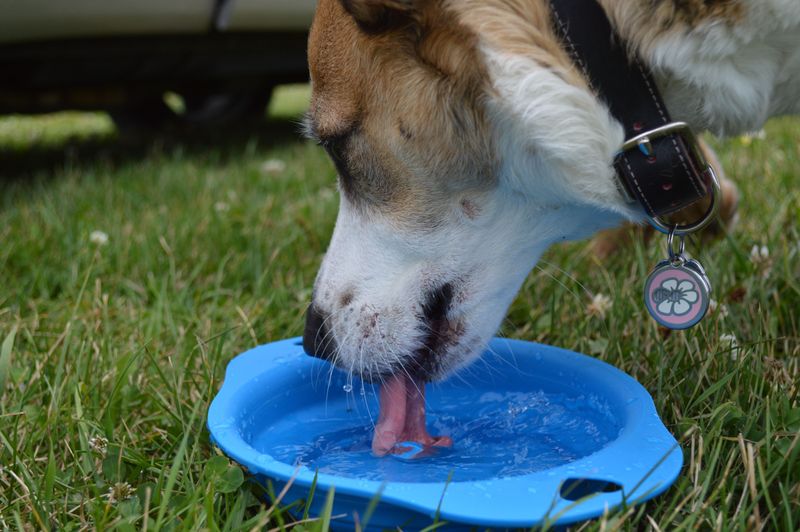
A little planning makes water breaks simple. Carry fresh water and a portable bowl, even when your route looks short.
Panting releases moisture, and humid conditions can make cooling harder despite that effort.
Offer water during pauses and again when you return home. Do not force your dog to drink, especially if they seem unwell.
Choose a route with a quick way back instead of counting on an outdoor fountain being available or clean.
13. How Mosquitoes Can Affect Evening Walks
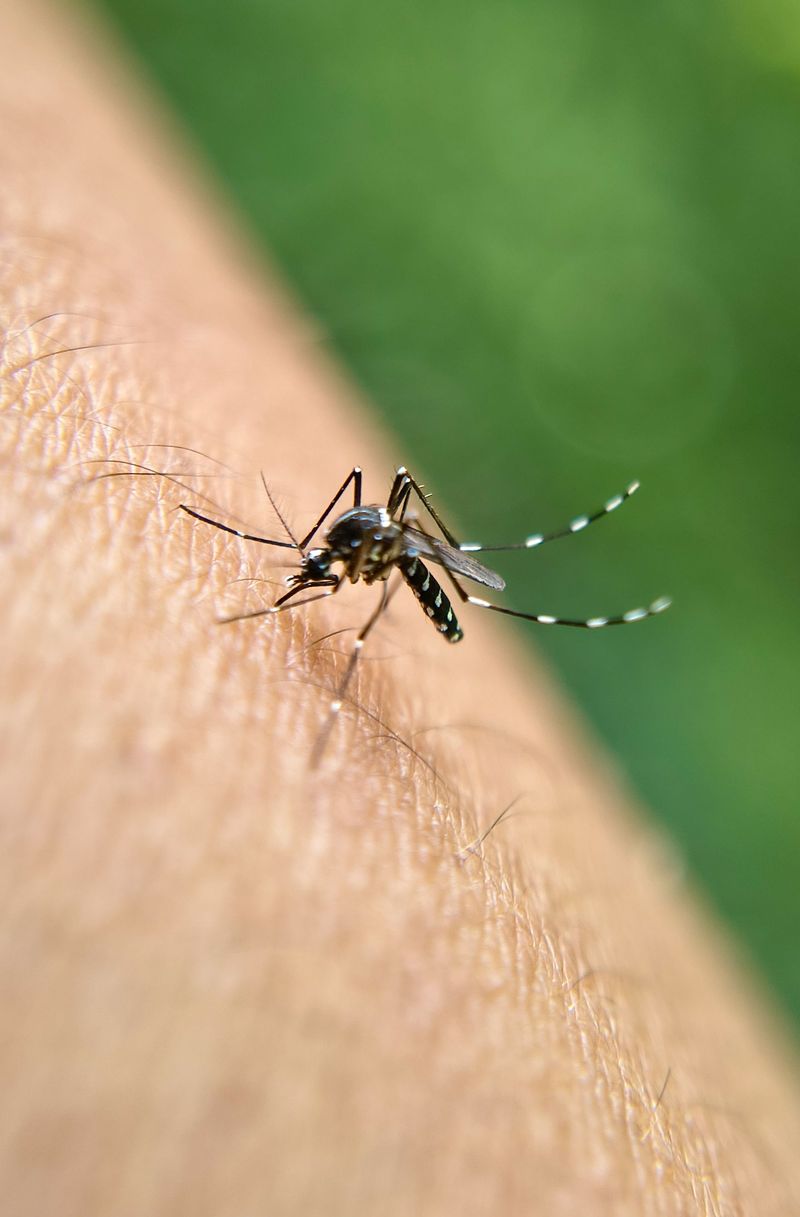
Evening walks can overlap with busy mosquito hours. In Louisiana, these insects are more than an itchy nuisance because mosquitoes can spread heartworm disease to dogs.
A short outing does not remove that risk.
Ask your veterinarian about year-round heartworm prevention and recommended testing. Use only mosquito products that your veterinarian says are safe for dogs.
Skip places with standing water when practical, and keep outdoor time brief if mosquitoes are especially active.
14. Signs of Heat Stress to Watch For
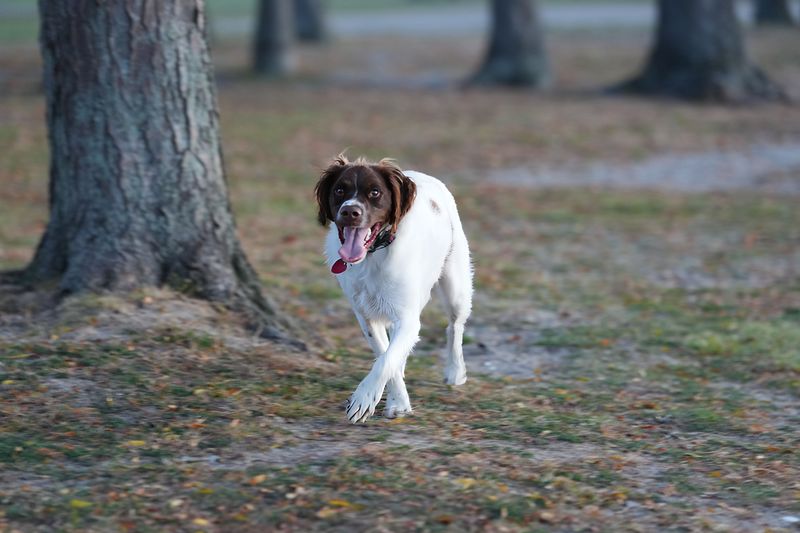
Some changes call for more than a shorter walk. Heavy panting that will not settle, weakness, unusual drooling, or vomiting can signal heat stress.
Confusion, stumbling, or collapse needs urgent veterinary attention.
Move your dog to a cool place while arranging help. Do not wait for every sign to appear, since dogs may show different symptoms.
If you are unsure whether a change is serious, call a veterinarian promptly and describe what you are seeing.
15. What to Do If Your Dog Becomes Overheated
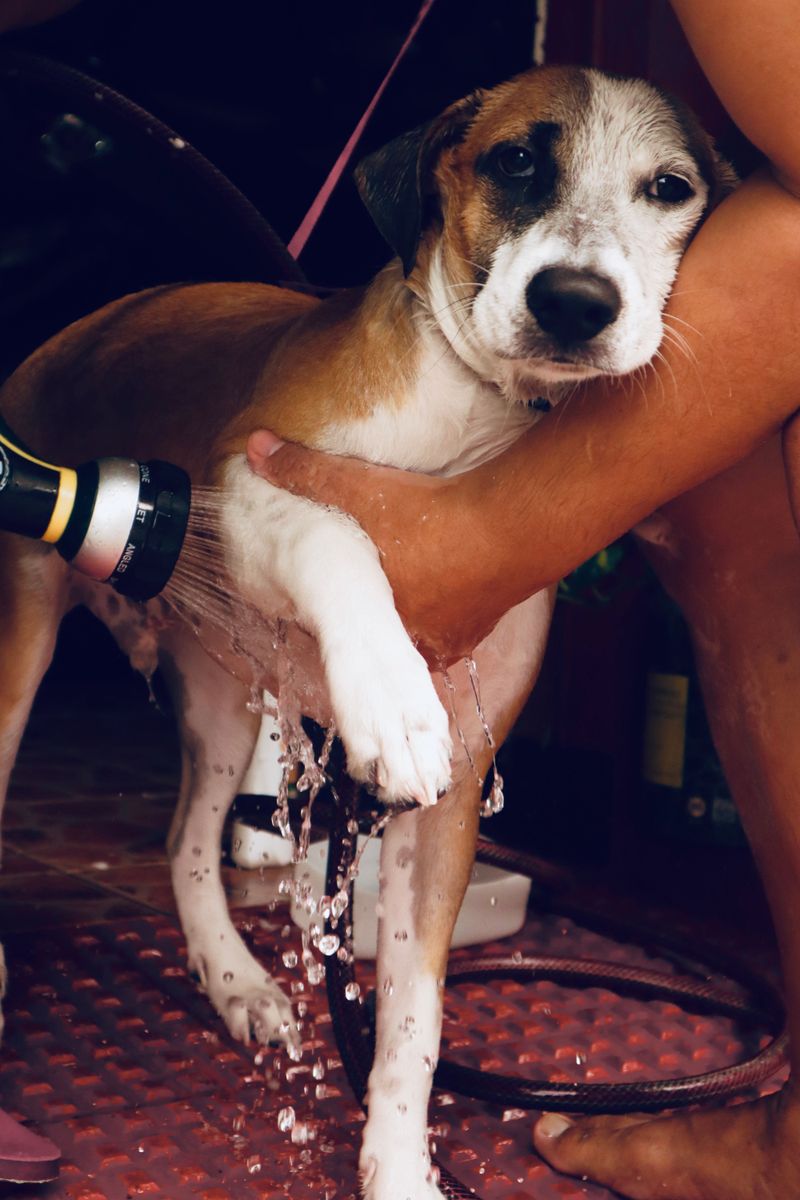
Quick, calm action is important when your dog shows signs of overheating. Move them into air conditioning or shade and contact a veterinarian immediately.
Begin cooling with cool or room-temperature water and use a fan if one is available. Then take your dog to a veterinary hospital as soon as possible.
Do not use ice or ice-cold water, and do not force your dog to drink. If they are alert and able to swallow normally, you can offer water while arranging veterinary care.
Continue following veterinary instructions during transport and afterward, even if your dog begins to look better.
16. Why Dogs May Need Extra Recovery Time
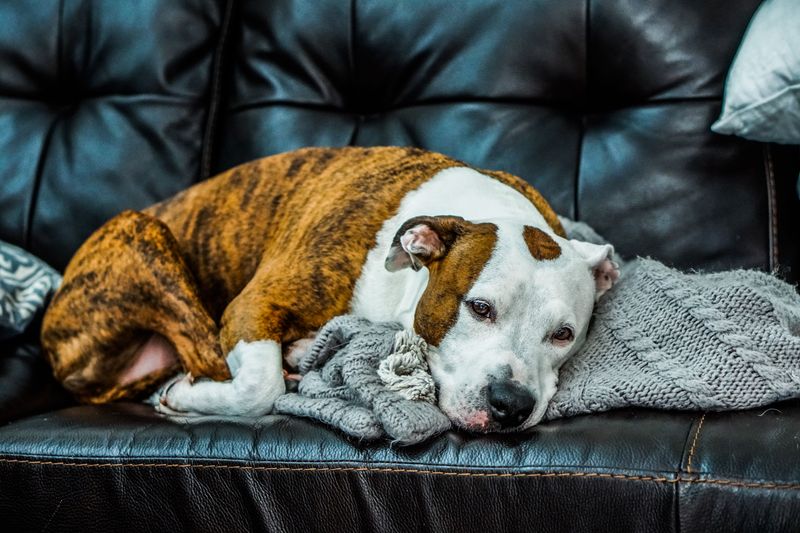
Coming indoors is not always the end of a hot dog’s recovery. Breathing may take time to settle, and a tiring outing can leave your dog less eager to play.
Give them a cool, quiet place and easy access to water.
Watch closely for continued panting, weakness, or behavior that seems unusual. Contact a veterinarian if symptoms persist or return.
After suspected heat stress, follow their guidance before resuming normal walks, even if your dog seems cheerful.
17. When Indoor Activity Is a Better Option
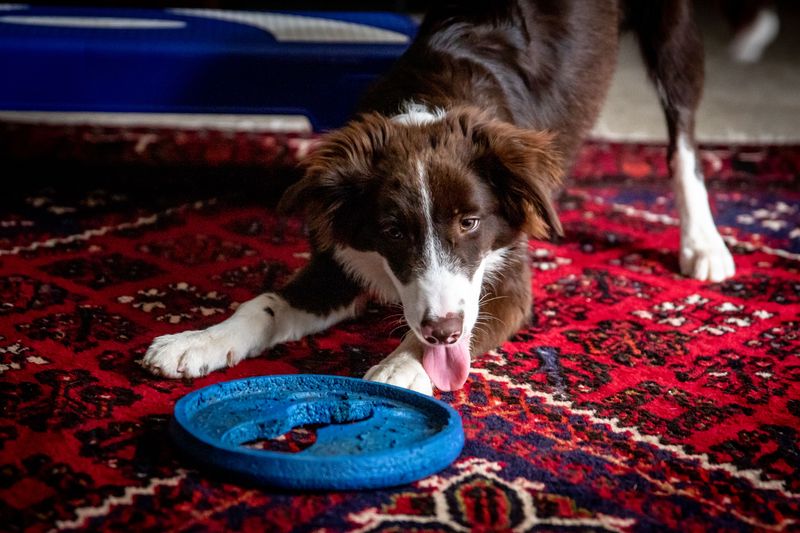
Some evenings are better enjoyed from the living room. If the air feels oppressive or the pavement remains hot, make the outdoor trip a quick bathroom break.
Your dog can still have a satisfying evening.
Scatter a few treats for a scent game, practice familiar cues, or offer a puzzle toy. Keep activities suited to your dog’s age and health.
Indoor play provides enrichment without asking them to work hard in muggy air.
18. How Louisiana Dog Owners Can Adjust Walks During Extreme Humidity
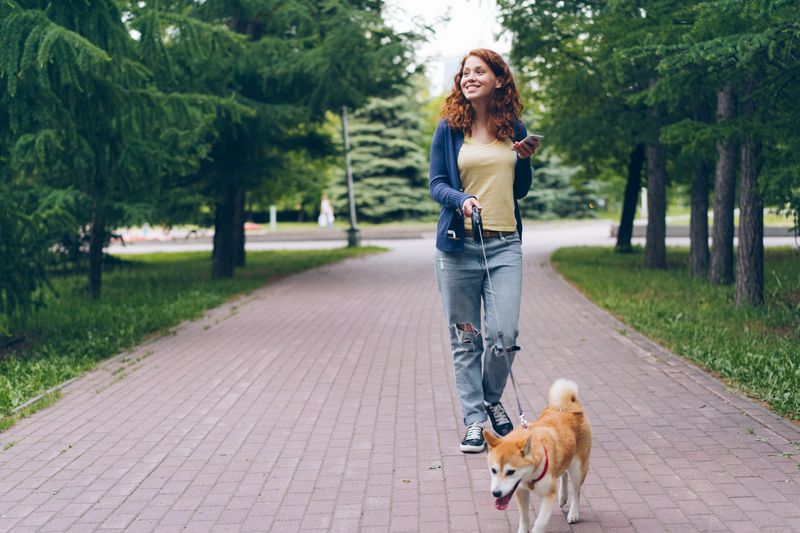
Let the weather shape the plan, not the other way around. Compare morning and evening conditions, then choose the cooler, more comfortable window.
Keep walks slow, carry water, and favor grassy routes near home.
Check the ground before each outing and watch your dog from the first steps. On especially muggy days, choose a short bathroom trip and indoor fun instead.
Small changes help protect your dog’s comfort while keeping your shared routine easy to enjoy.