12 Texas Garage, Barn, And Mudroom Storage Habits To Rethink Once A Dog Comes Home
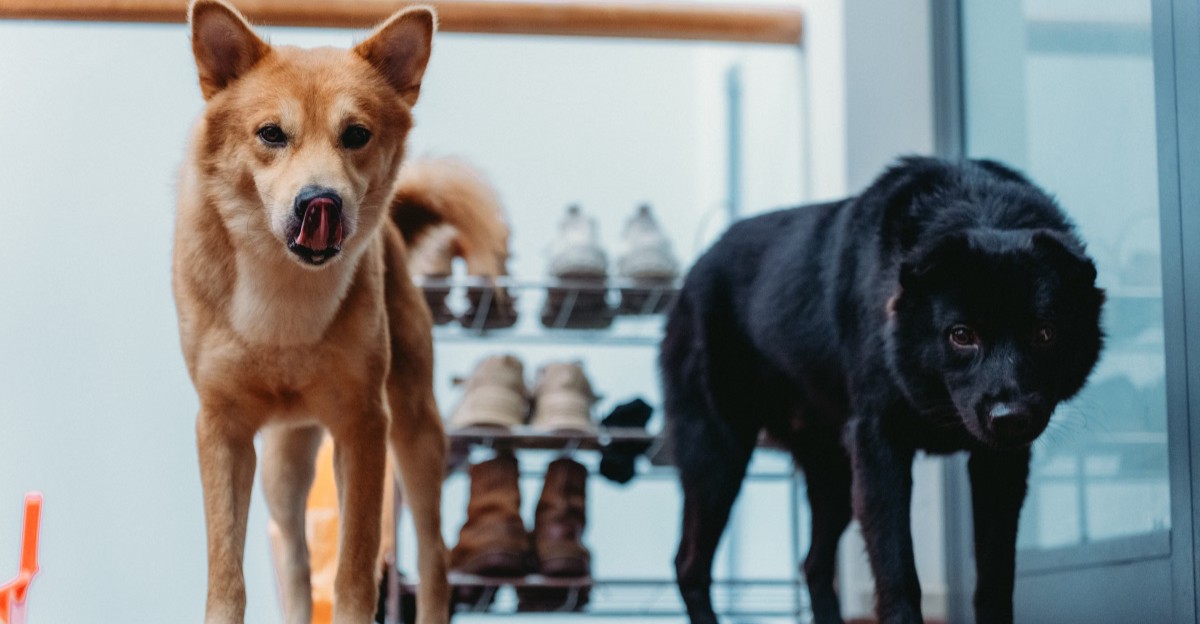
A new dog has a way of finding things you stopped noticing long ago. In Texas, that might mean a feed bag in the barn, muddy boots by the door, or a warm garage full of yard supplies.
A few storage changes can make those everyday spaces easier for you to use and safer for your dog. Start with what sits on the floor, then work upward.
1. Store Fertilizers and Lawn Chemicals Behind Closed Doors
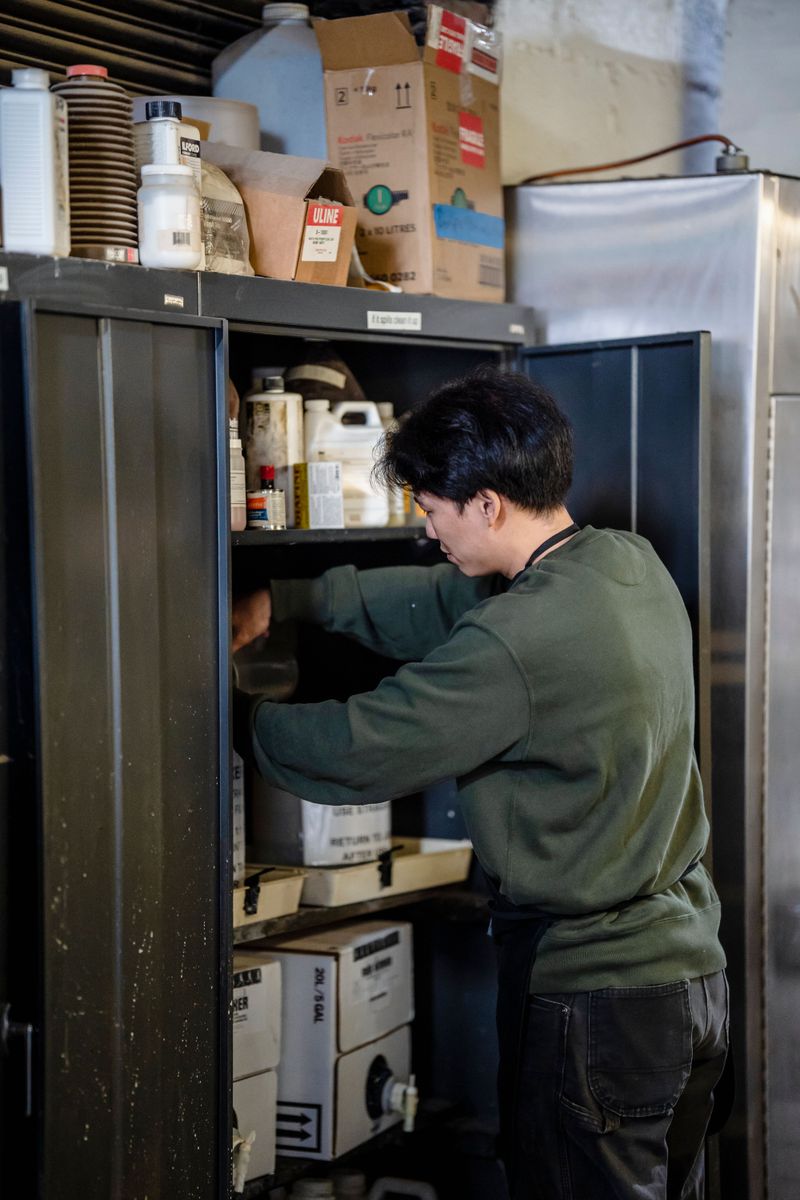
Yard care supplies often land beside the garage door after a busy weekend. Move fertilizer, weed products, and insect treatments into a closed cabinet your dog cannot open.
Keep each product in its original container so its label stays available.
Check bags for spills before storing them, and sweep up loose granules promptly. Follow label directions for treated lawns, including when pets may return.
If your dog gets into a product, contact your veterinarian or a pet poison service promptly and have the product label handy.
2. Move Rodent Poison Out of Reach
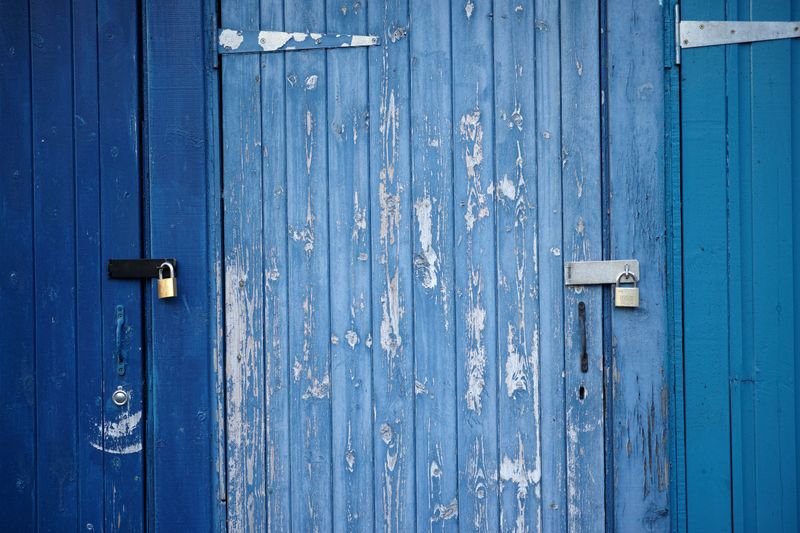
A curious nose can find bait tucked behind boxes or beneath a workbench. Store rodent poison in a locked space your dog cannot access.
Follow the product label and keep bait away from areas where pets roam.
Remember that a bait station is not a substitute for careful placement and regular checks. Consider closing gaps and storing food securely to discourage rodents first.
If you suspect exposure, call a veterinarian promptly and share the product details.
3. Keep Antifreeze Completely Off the Floor
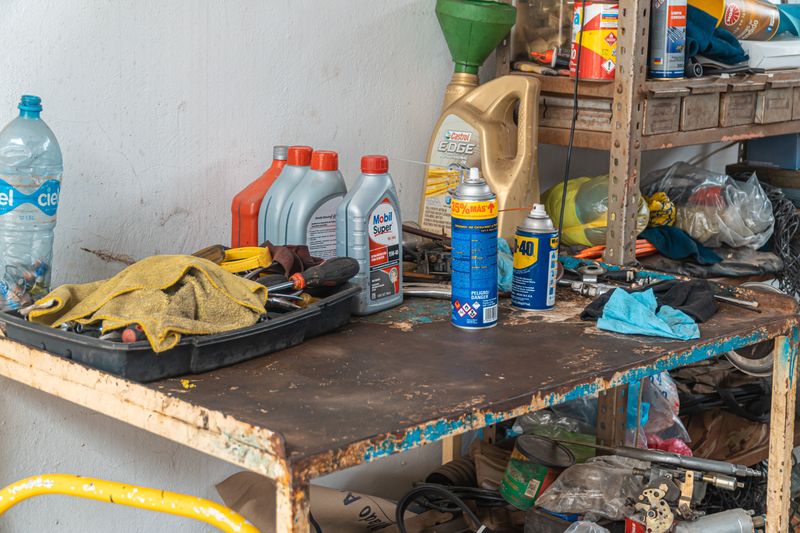
Even a small garage drip deserves attention when a dog lives nearby. Keep antifreeze in a sealed container inside a secure cabinet, never on the floor.
Check beneath vehicles and clean leaks right away.
Use absorbent material to collect spills, then dispose of it according to the product label and local guidance. Keep your dog away from the spill and all cleanup materials until the area is safe.
If you think your dog contacted antifreeze, seek veterinary help immediately and identify the product if possible.
4. Rethink Where You Keep Tools
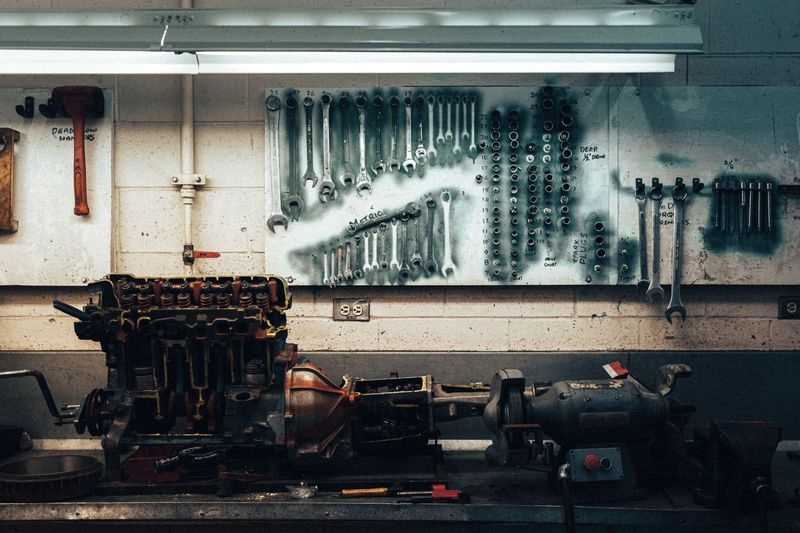
That familiar workbench looks different from a dog’s height. Loose nails, blades, and small parts can fall where paws and noses reach.
Put sharp tools in drawers, and use closed containers for hardware.
Mount heavier items securely instead of leaning them against a wall. After each project, scan the floor before inviting your dog back inside.
A quick sweep also catches dropped screws that are easy to miss beside tires, shelves, or stored lumber.
5. Secure Chains, Cords, and Hoses
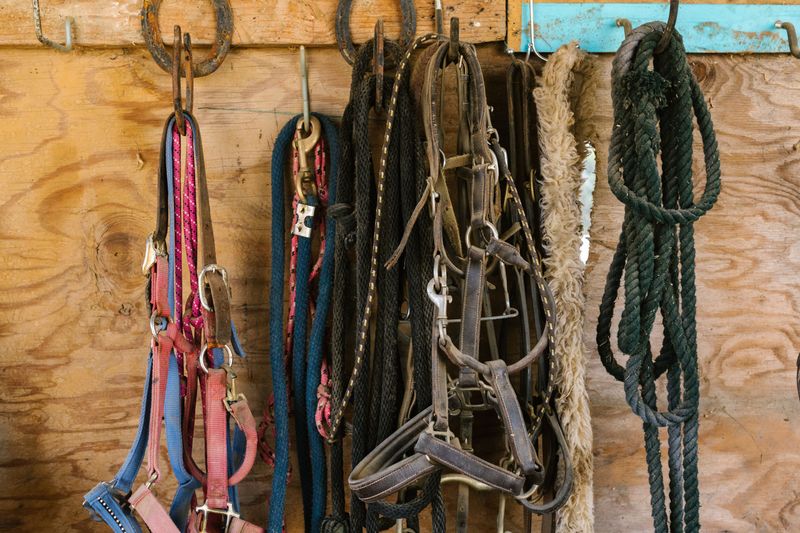
A hose left in a heap can turn a simple walk through the barn into a tangle. Hang hoses and chains on sturdy hooks, and store unused cords in bins.
Keep loops above your dog’s reach.
Unplug equipment before putting cords away, and check for damage before using it again. Clear paths also help people carry supplies without stepping over clutter.
Choose storage spots that stay secure when doors swing open or weather changes.
6. Put Farm Supplies Behind Barriers
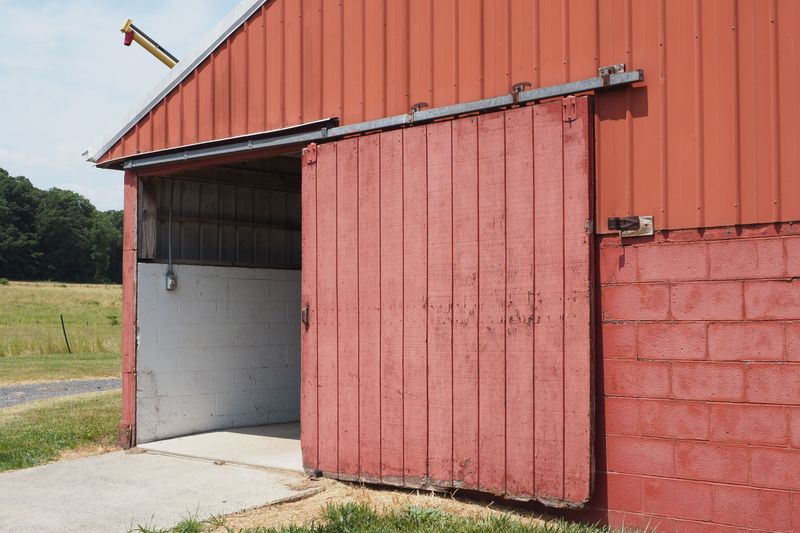
Farm supplies can spread across a barn during feeding, repairs, and daily chores. Give your dog a clear boundary around storage for medicines, treatments, and equipment.
A closed room or sturdy gate works better than a verbal reminder.
Keep products labeled and stored as their instructions require. Check that your dog cannot slip beneath or around the barrier.
When visitors help with chores, show them which doors and gates must stay closed before work begins.
7. Give Boots a New Storage Spot
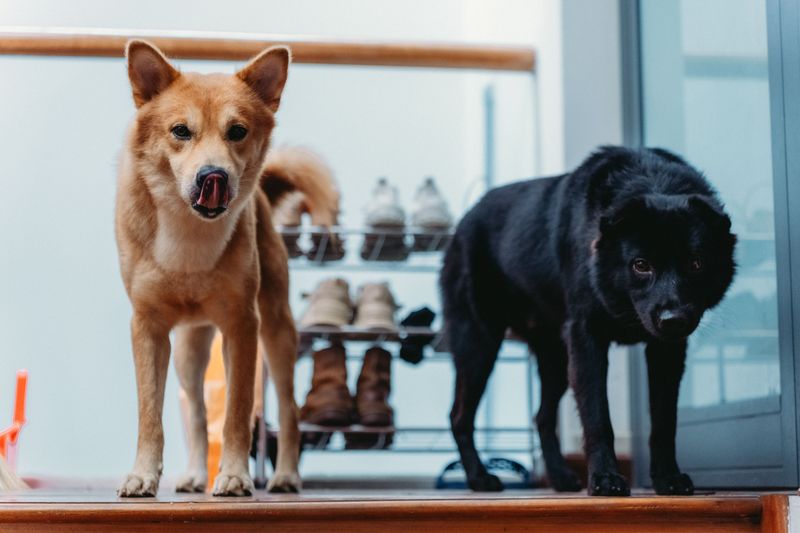
Muddy boots tell the story of a full Texas day outdoors. They can also bring in lawn products, animal waste, or sharp bits caught in their treads.
Place work boots on a raised rack or behind a mudroom gate.
Brush off heavy dirt before coming inside, and wash boots when their use calls for it. Keep boot cleaning supplies out of reach too.
A washable mat underneath the rack makes the whole routine easier to maintain.
8. Stop Leaving Feed Bags Within Reach
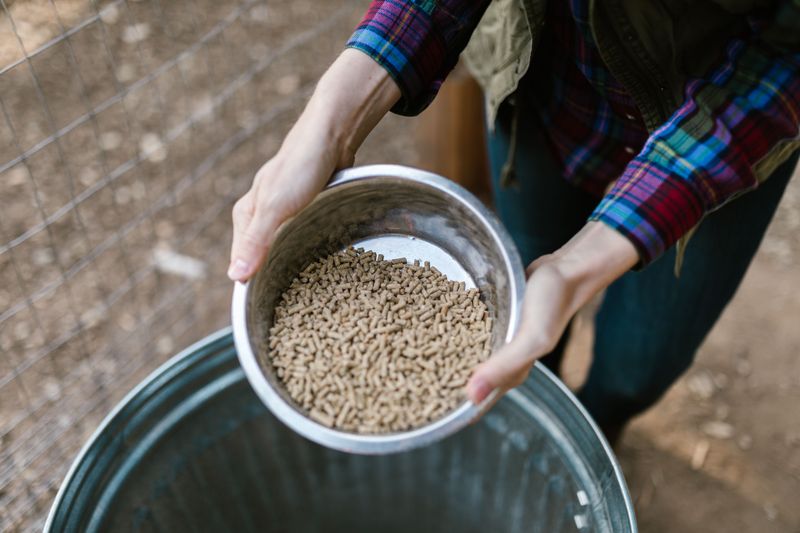
An open feed bag may smell like an invitation to a hungry dog. Store livestock feed and pet food in sturdy, sealed containers behind a closed door.
Keep the original label nearby for ingredients and feeding directions.
Different feeds may contain ingredients or amounts unsuitable for dogs, so prevent casual sampling. Clean scattered pellets after each chore.
If your dog eats an unfamiliar feed, tell your veterinarian what it was and about how much went missing.
9. Separate Dog Supplies From Workshop Supplies
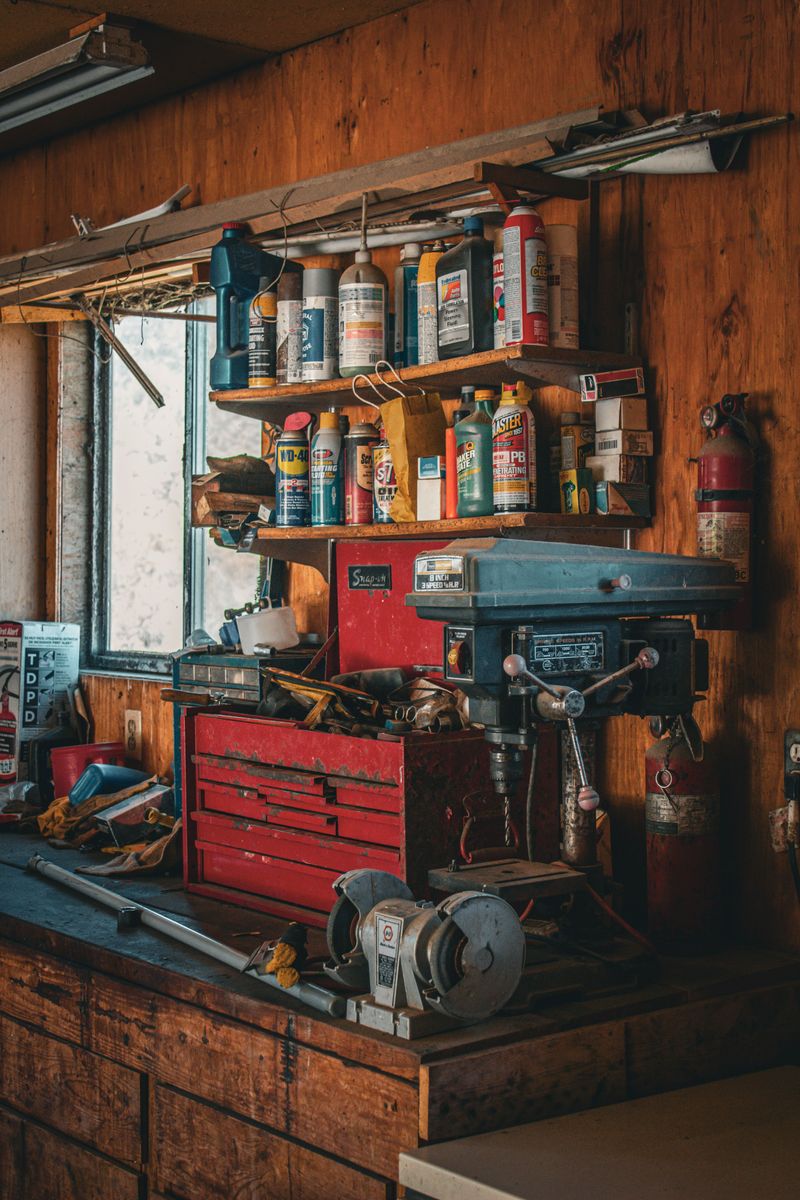
When leashes share a shelf with workshop bottles, busy mornings invite mistakes. Give dog supplies their own bin or cabinet, away from chemicals, hardware, and used cleaning cloths.
Keep treats in a sealed container where your dog cannot reach them.
Choose a spot near the usual exit so walks stay convenient. Label shelves if several people use the space.
Simple separation makes it easier to grab the right item without leaving unsafe products open nearby.
10. Rethink Open Mudroom Shelving
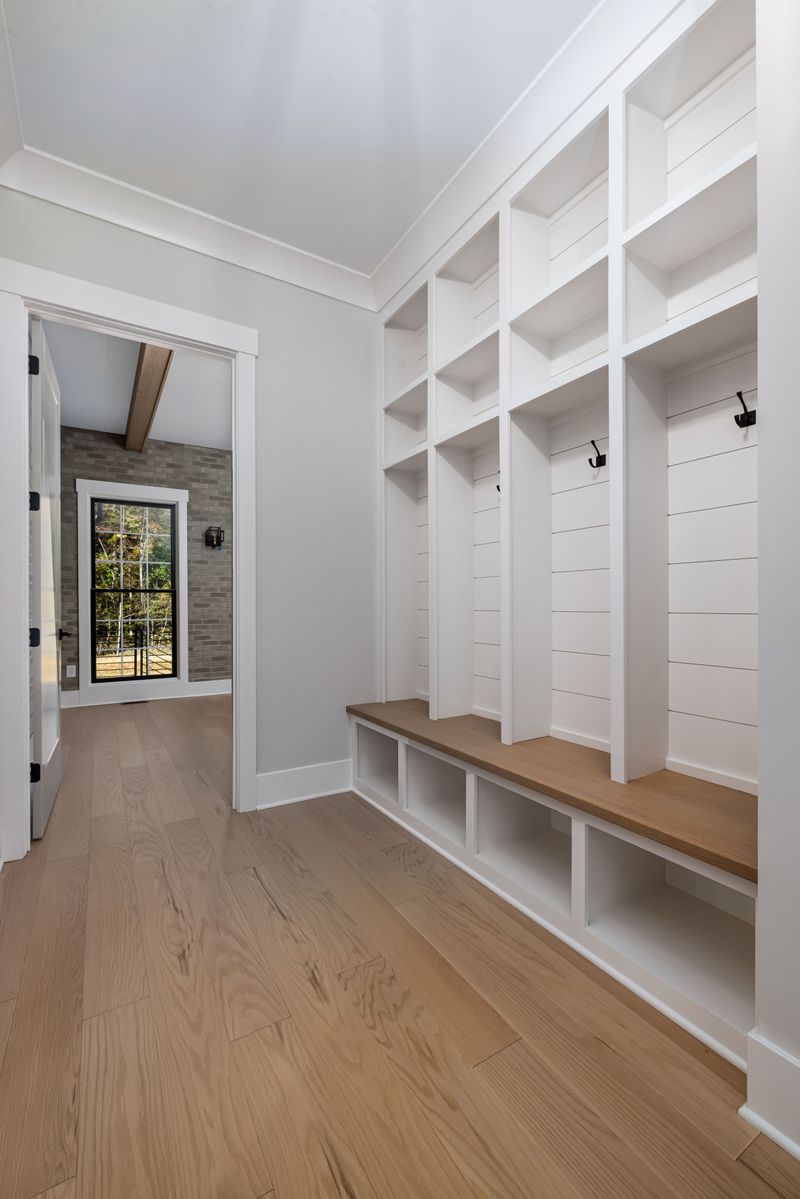
Open shelves make a mudroom handy, but they also put everyday clutter at nose level. Move cleaners, batteries, small accessories, and snack bags into closed storage.
Reserve lower shelves for sturdy items your dog cannot easily pull down.
Check baskets too, since a dangling handle can invite a playful tug. Keep the floor clear enough for your dog to turn around comfortably.
A weekly shelf check helps catch forgotten items before curiosity does.
11. Keep Paint and Solvents Locked Away
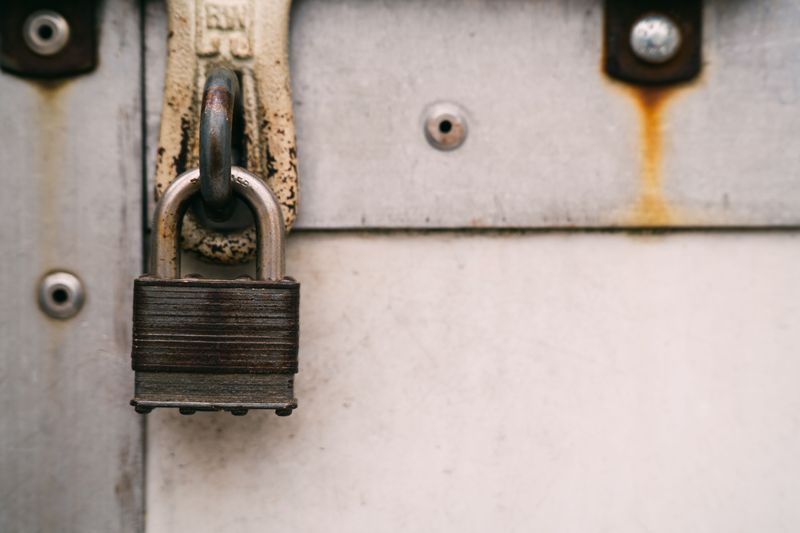
Half-finished projects often leave cans and rags beside the garage wall. Return paint and solvents to tightly closed original containers and store them securely, following label directions.
Keep your dog away while products are in use.
Clean spills promptly and handle used rags according to the product instructions and local disposal rules. Some materials need special handling, so ask your local waste office when unsure.
Never leave an open tray where a curious nose might reach it.
12. Add a Dog-Safe Zone to the Garage
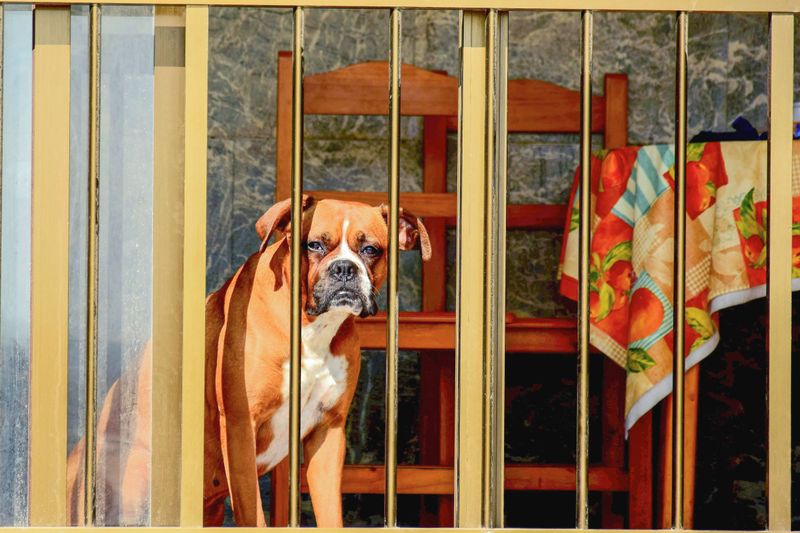
A designated spot helps everyone know where your dog belongs during garage chores. Set up a clean area away from vehicles, tools, chemicals, and open doors.
Use a sturdy barrier and a comfortable mat, and provide fresh drinking water only if the garage remains cool and safe enough for your dog.
Texas garages can heat up quickly, so do not treat the space as a place to leave your dog unattended. Check the temperature and move your dog indoors when conditions are uncomfortable.
Practice entering the zone calmly before your next project begins.