20 Hurricane Boarding Questions Dog Owners Should Answer Before Louisiana Evacuation Routes Fill Up
Every Louisiana dog owner knows the drill when a storm enters the Gulf. Gas lines grow, phones ring, and kennel spots disappear fast.
The good news is that a little planning now removes most of the stress later. Walking through these questions with your vet or boarding facility helps you leave early, travel calmly, and keep your dog comfortable.
Think of it as a friendly checklist you can finish over one quiet weekend.
1. Pin Down Your Dog’s Destination Before the Cone Appears
Ask yourself the simplest question first: where does your dog actually go? Options usually include relatives outside the storm path, pet-friendly hotels, or a private kennel.
Louisiana also runs mega shelters that house people and pets together, and some parishes offer assisted evacuation with pet transport.
Write your top choice on paper and tape it inside a cabinet. A plan you can see beats one you only remember.
2. Confirm the Kennel Actually Takes Storm-Season Stays
Not every kennel keeps its doors open when a system enters the Gulf. Some close entirely, some board right up to landfall, and others accept last-minute arrivals.
A few New Orleans area facilities publish strict hurricane protocols and reserve the right to relocate animals themselves.
Call during a calm week and ask plainly. Policies change year to year, so verify the current one rather than last season’s answer.
3. Book Earlier Than Feels Necessary

Reservations go quickly once a name shows up on the tracking map. Many facilities start their own storm plans when the area falls inside a five-day forecast cone.
That means spots can vanish before any official order arrives.
Booking at the start of hurricane season, or the moment a system forms, gives you the best odds. Cancelling later is easy.
Finding space at the last hour rarely is.
4. Plan for the Kennel Reaching Capacity Early
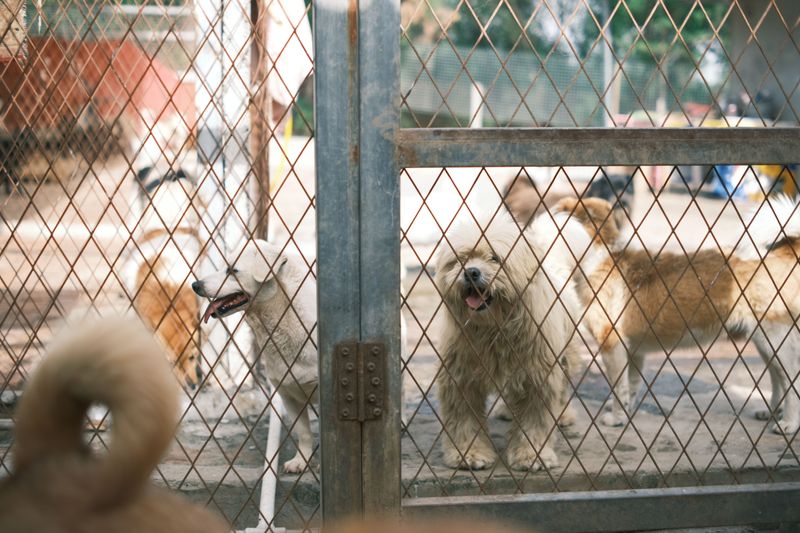
Here is a detail people miss: kennels often fill before any mandatory order is issued. State-designated pet shelters generally work first come, first served, and their space is limited.
Emergency planners treat shelters as a last resort for that reason.
Line up two or three alternatives now, in different directions. Having choices turns a stressful morning into a simple phone call and a short drive.
5. Check the Facility’s Location Against Surge and Evacuation Zones

Geography matters more than amenities here. LSU veterinary experts recommend moving animals away from coastal areas, and the Louisiana SPCA suggests researching facilities outside the projected strike zone.
State animal response planners have looked toward northern parishes for large pet sheltering sites.
Pull up your parish evacuation map and find your kennel’s address on it. If the building sits in a surge zone, keep looking farther north.
6. Generators Deserve a Direct Question
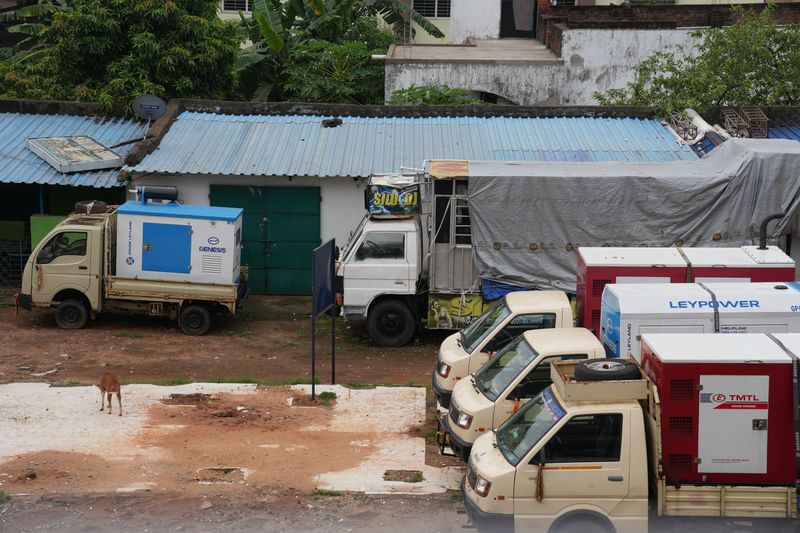
Power outages last longer than most storms do. Some kennels install large generators that keep climate control, lighting, and security systems running through extended outages.
Others honestly admit they cannot run air conditioning without utility power.
Ask two things: does backup power cover cooling, and is there stored water on site? Louisiana heat after a storm is no small matter for a dog in a kennel run.
7. Request Their Written Hurricane Plan

Reputable Louisiana kennels do not improvise. State rules direct parish governments and animal facilities to file emergency plans annually with the Department of Agriculture and Forestry.
Several well-known facilities publish their hurricane protocols openly online.
Ask for a copy and read it once. Knowing who decides, when they decide, and what happens next will settle your nerves more than any reassurance over the phone.
8. Find Out Where the Dogs Go Next
Relocation destinations vary widely between businesses. One New Orleans facility moves unclaimed pets to a partner property in central Mississippi.
Another keeps a backup site in Norwood, Louisiana.
Some hospitals note that owners cover added transport and boarding costs when pets are moved.
Get the destination city, the estimated travel time, and the fee structure in writing. Surprises are much easier to handle when you saw them coming.
9. Nail Down How They Will Reach You

Cell service gets patchy right when you want news most. Facilities handle this differently: some contact owners and emergency contacts days before expected landfall, then post updates online.
One kennel shares a staff cell number with owners of relocated pets.
Save every number in your phone and on paper. Follow their social pages too, since group updates often appear there first during busy stretches.
10. Gather Complete Veterinary Records in One Folder
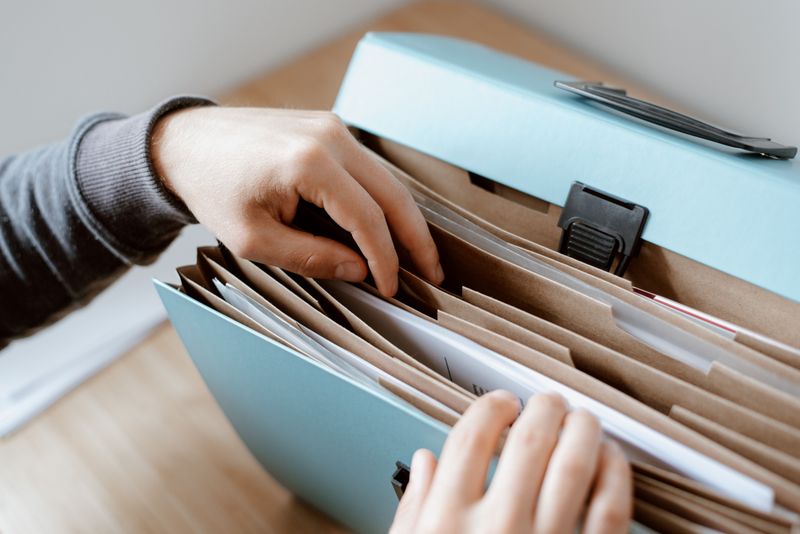
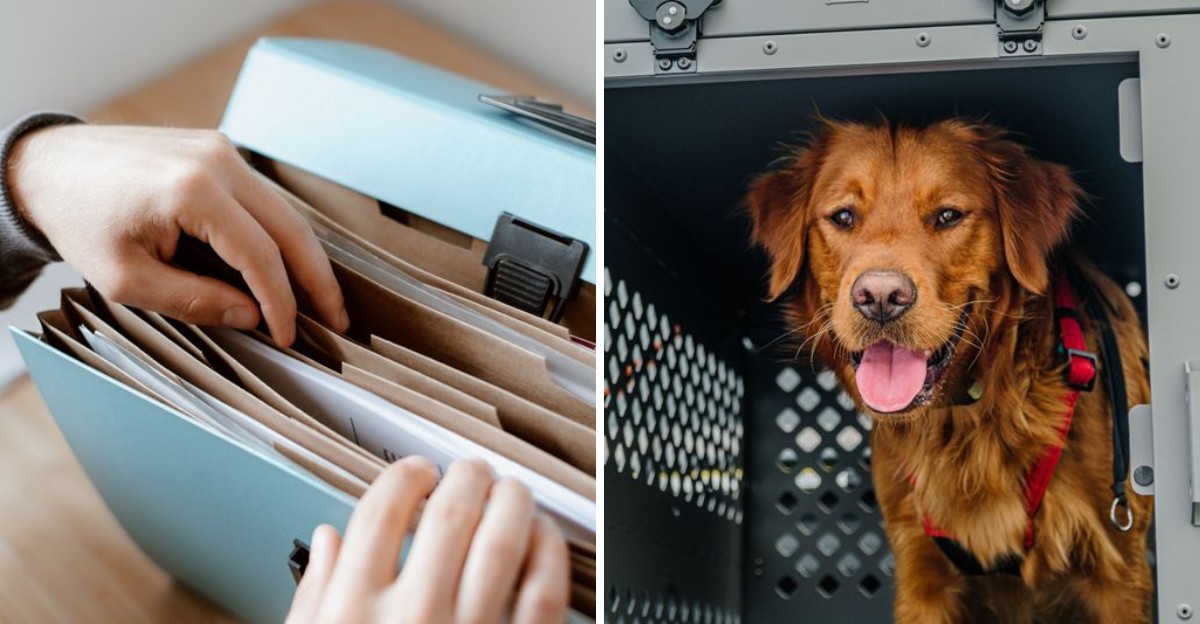
Paperwork opens doors. Every boarding facility and veterinary office will ask for proof of current vaccinations before admitting your dog.
Keep printed copies plus photos on your phone, including vaccination history, chronic conditions, and your regular clinic’s contact details.
Store the folder with your own important documents. When you are packing at sunrise, grabbing one labeled envelope is far easier than hunting through email attachments.
11. Verify Rabies, Bordetella, and Core Shots Are Current
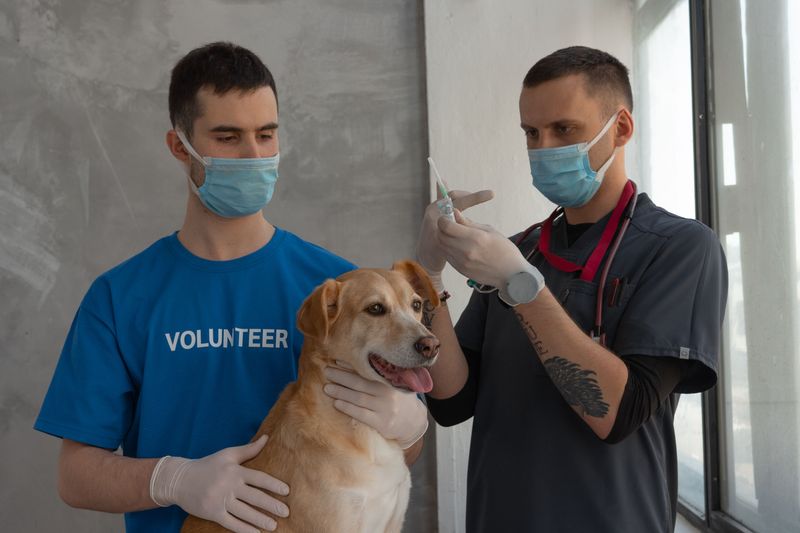
Most Louisiana kennels require proof of current rabies and Bordetella before a dog checks in. Many also ask for DA2PP, which covers distemper and parvovirus.
Some facilities want influenza protection as well, so confirm their specific list.
Schedule any boosters weeks ahead, since certain vaccines need time to take full effect. A last-minute clinic visit during storm week is a headache worth avoiding.
12. Refresh Tags and Microchip Details Today
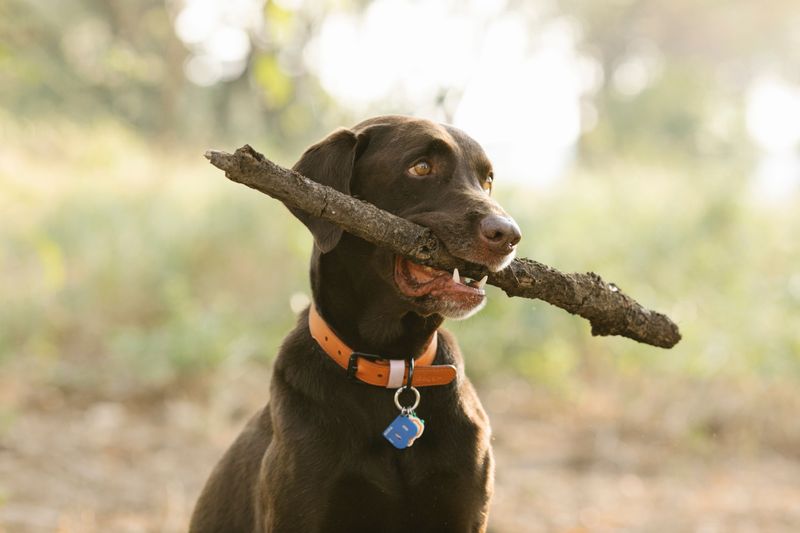
Identification is your dog’s ticket home. Tags should list your name, a working phone number, and a second contact who lives outside the area.
A registered microchip adds permanent backup, but only if the registry has your current number.
Log into the chip company’s website and check. Also snap a clear photo of your dog with you, which helps enormously if you ever need to prove ownership.
13. Pack More Food and Medicine Than the Trip Requires
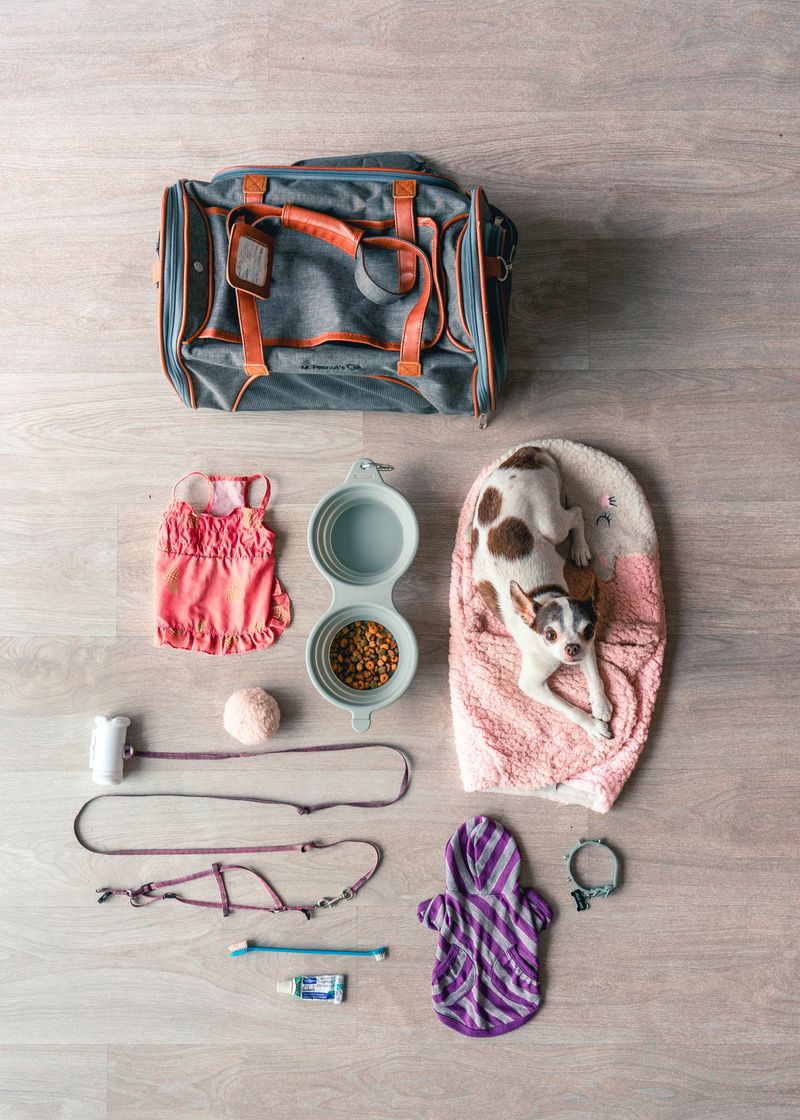
Standard guidance suggests at least a five-day supply of food, water, and medications. Plenty of emergency planners push that to two weeks for storm season.
Dogs with kidney or diabetic conditions may need extra water available.
Add bowls, waste bags, and a spare leash. Label the food with feeding amounts and times so any staff member can follow your routine exactly.
14. Ask Who Handles Prescriptions During Long Stays
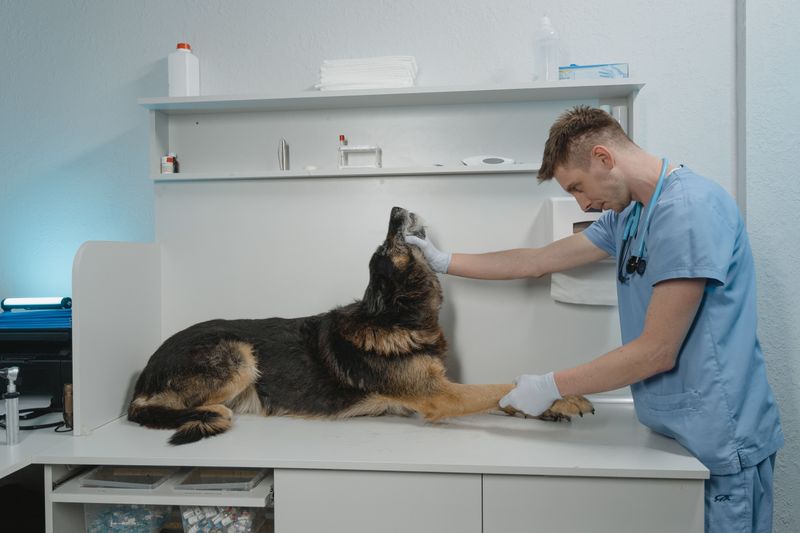
Medication schedules do not pause for weather. Veterinary-supervised boarding operations commonly administer prescriptions, often for a modest daily fee.
Bring medicine in original labeled containers with dosing instructions from your veterinarian, never loose in a bag.
Mention timing, food requirements, and how your dog usually takes it. Staff appreciate the detail, and your dog stays on the same rhythm it knows at home.
15. Talk Honestly About Special Needs and Nerves
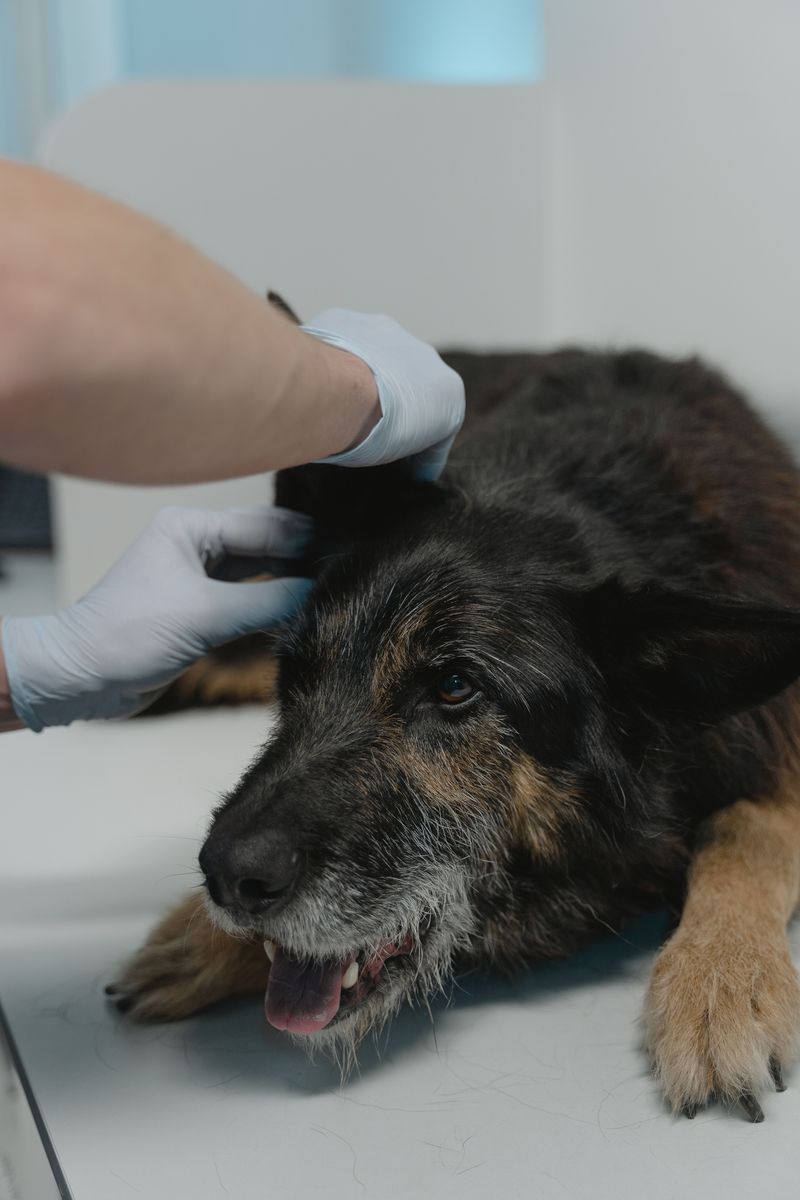
Older dogs, picky eaters, and anxious pups all board better when staff know ahead of time. Facilities attached to veterinary practices usually handle complex medical needs most comfortably.
Some offer calming aids such as pheromone products, and a veterinarian may suggest other options for very nervous dogs.
Share the real picture, including leash reactivity or escape habits. Honesty helps staff keep your dog settled and secure.
16. Sort Out Crates, Leashes, and Bedding Rules
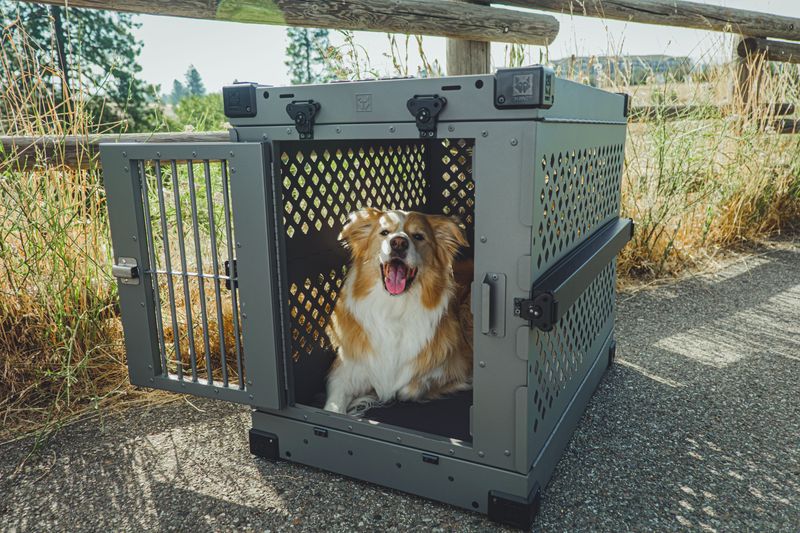
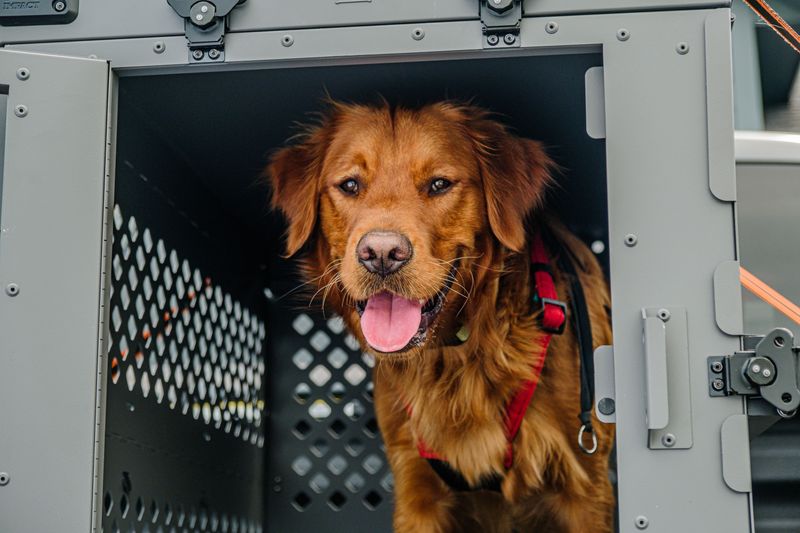
A sturdy carrier should let your dog stand, turn, and lie down without squeezing. Label it clearly with your name and two phone numbers.
Bring a collar with tags and a reliable leash every time.
Bedding is where policies split. Some kennels welcome a familiar blanket, while others ask you to skip extras to save space during crowded evacuation stays.
Confirm first.
17. Understand the Policy If Roads Stay Closed
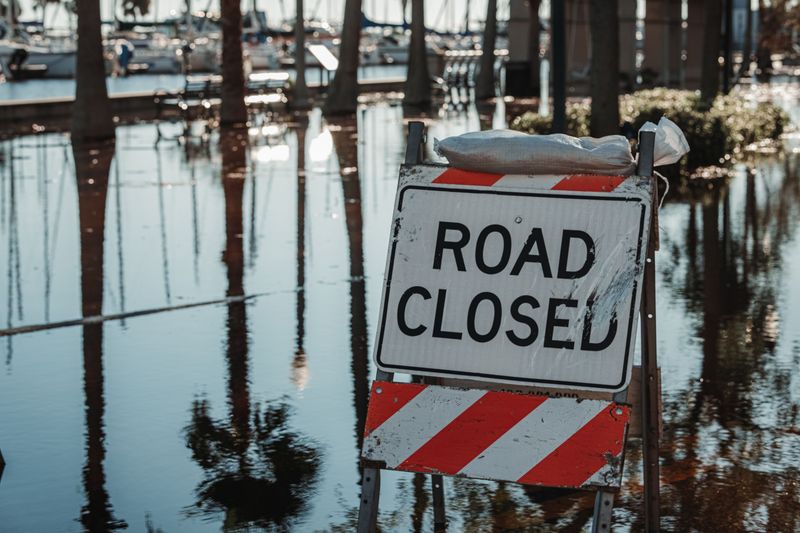
Return trips get delayed. Highways reopen on their own schedule, and your planned pickup date may slide by several days.
Facilities generally continue caring for pets in that situation, though extended stays usually bring added charges such as an evacuation fee plus daily boarding.
Ask about payment methods that work when card systems are down. Knowing the cost ahead keeps the reunion focused on your dog, not paperwork.
18. Name Trusted People Who Can Collect Your Dog

Designated contacts matter more than people expect. Many Louisiana kennels require at least two local contacts willing to pick up your dog.
Others ask for one.
Written consent is typically needed when someone other than you arrives.
Choose folks who evacuate in a different direction than you do. Give them the facility address, your reservation name, and a heads up before storm season starts.
19. Line Up a Solid Plan B
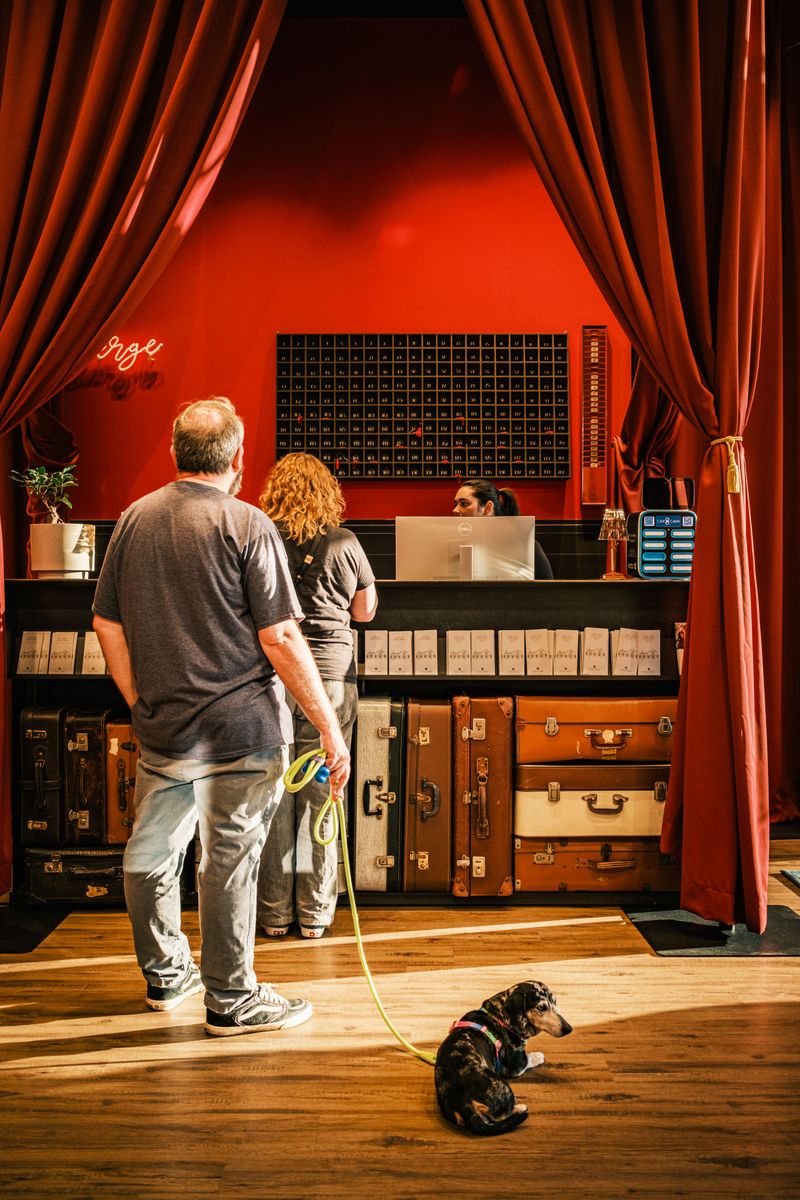
The Louisiana SPCA recommends keeping multiple sheltering or boarding options rather than relying on one. State animal response volunteers say the same about pet-friendly hotels along evacuation routes.
Research those destinations early and secure reservations where you can.
Keep a short list with addresses and phone numbers in your glove box. Paper works when batteries run low and signal towers get busy.
20. Look Inland, and Across State Lines If Needed
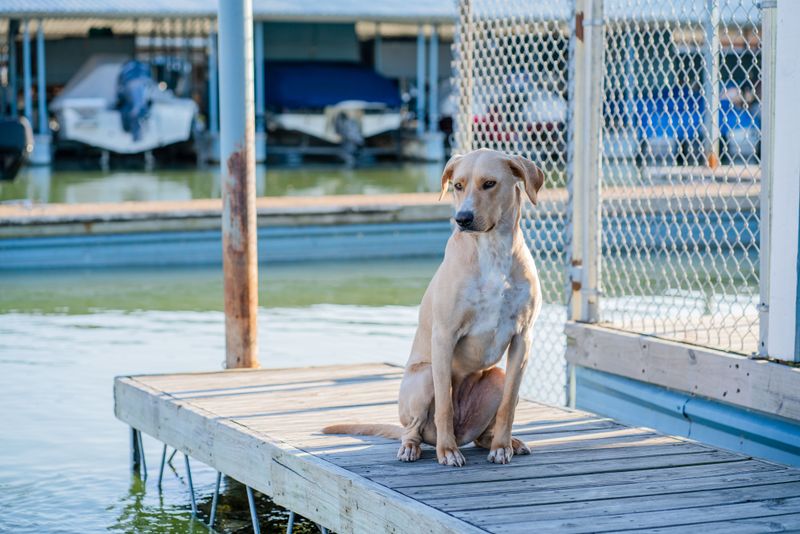
When kennels near the coast fill, distance becomes your friend. North Louisiana, Mississippi, Arkansas, and Texas all host boarding options that welcome evacuees.
One New Orleans facility already routes relocated pets to central Mississippi.
Travel directories listing pet-friendly lodging can help you scout ahead. Keep your dog close, keep your list current, and you will drive out calm, organized, and ready.