Ohio Dogs Moving Between City And Country Homes Need ID Records That Stay Current Through Storm Season
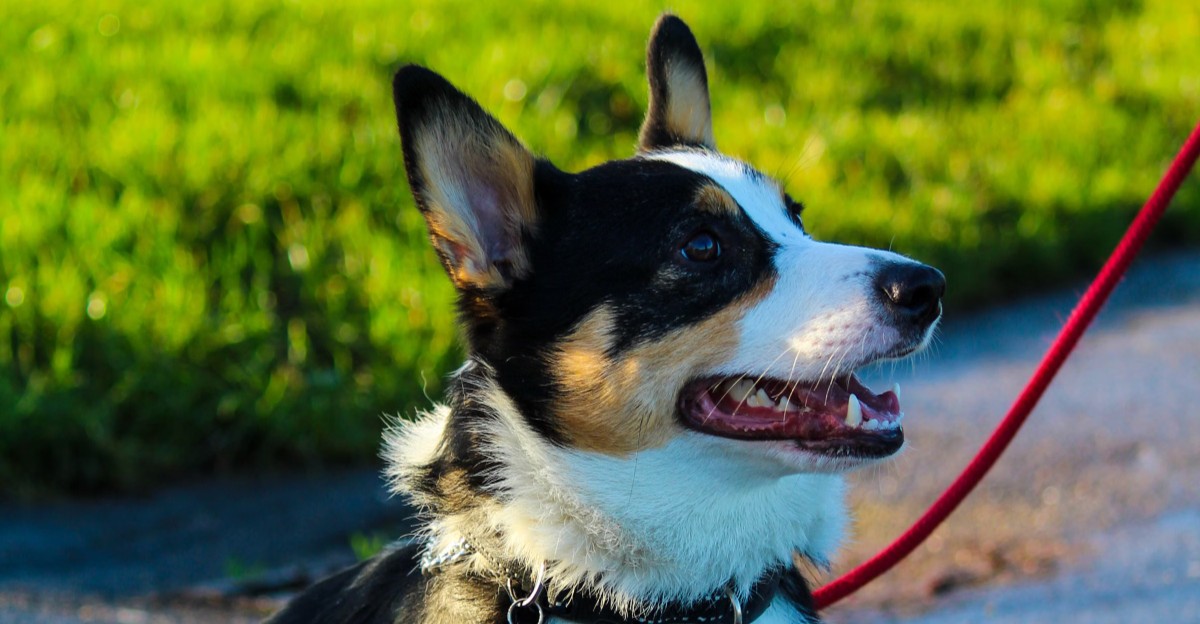
If your dog splits time between a city home and a country place, you already know how much planning goes into each trip. Storm season in Ohio adds one more thing to think about: making sure your dog can always be identified and returned to you.
A few up-to-date records can make a big difference if plans change quickly. Here is a friendly checklist of what every Ohio owner should keep current, organized, and easy to reach.
1. Ohio Dog License and Registration Number

Every Ohio dog three months or older needs a county license. You license your dog in the county where it lives.
Each license comes with its own registration number.
Write that number down and keep it with your other papers. Most counties renew between December 1 and January 31.
Some also offer three-year or permanent options.
Owners who split time between counties should ask their auditor which county applies. Rules can differ, so a quick call helps.
2. Current License Tag on the Collar
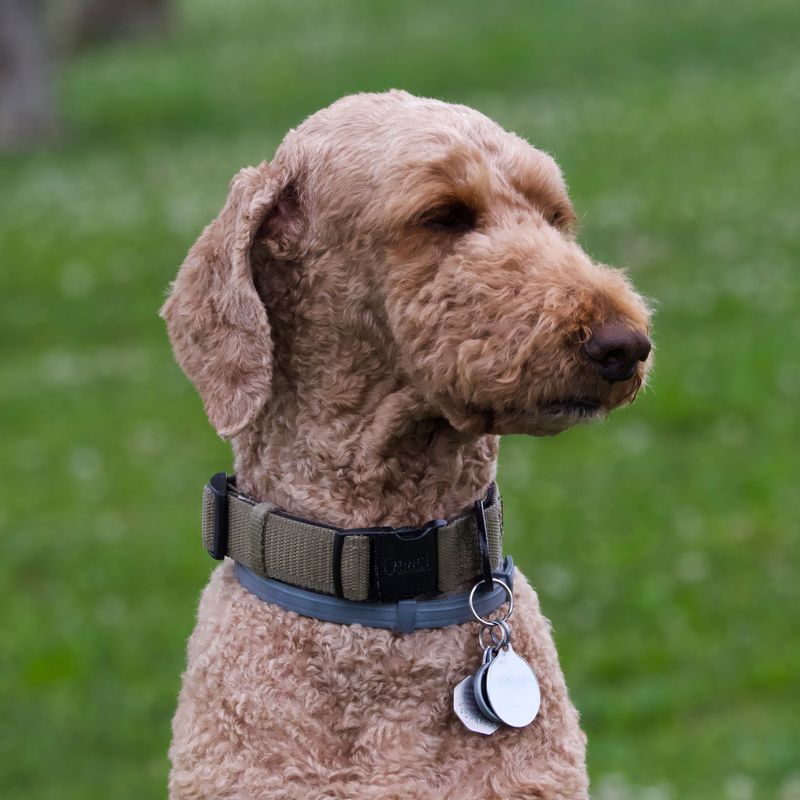
A little metal tag does a surprising amount of work. Ohio law expects your dog to wear its current county license tag on its collar.
The main exception is a dog kept constantly in a registered kennel. A dog found without a current tag may be impounded by the dog warden.
Swap in the new tag as soon as you renew. Then give the ring a gentle tug to make sure it holds tight before any trip.
3. Microchip Number and Manufacturer
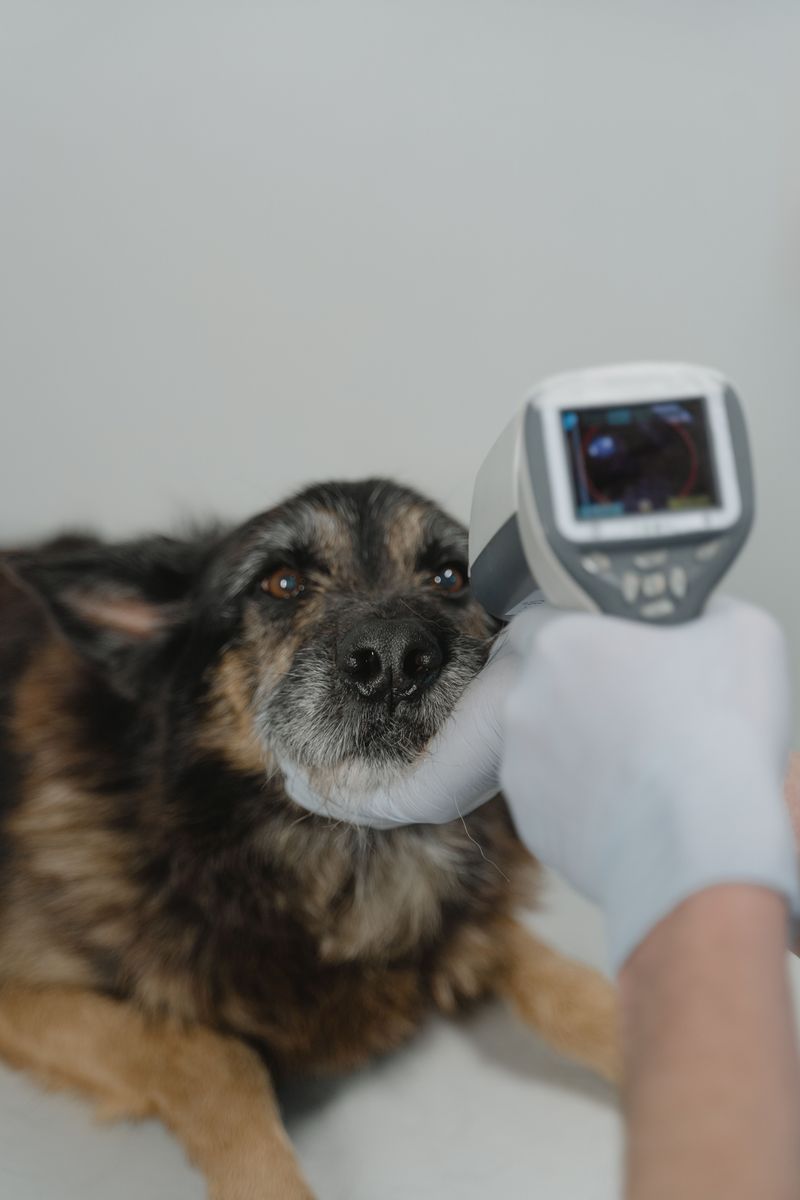
Collars can slip off, but a microchip stays put. The tiny chip sits under the skin and holds a unique number.
Know two things: the number itself and the company that made it. Shelters and vets use scanners to read the number, then look up the registry.
Not sure who made your dog’s chip? Ask your vet to scan it.
Free online lookup tools can also point you toward the right company.
4. Registry With Your Current Name, Phone, and Email

Here is a surprise for many owners: a chip is only as good as its registry record. The chip holds a number, not your phone number.
Log in to your registry and check your name, phone, and email. Changed carriers or got a new number lately?
Update it today.
A quick yearly check works well. Many owners tie it to their license renewal so they never forget.
5. Both Home Addresses in the Chip Record
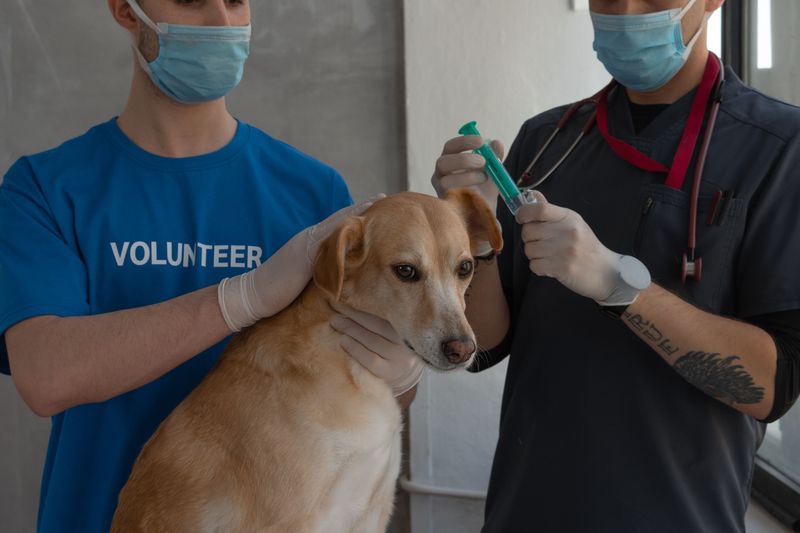
Picture a shelter worker in a rural county scanning your dog. If only your city address appears, the return may take longer.
Some registries let you list more than one address. If yours does, add both homes.
If it allows only one, update it to wherever your dog will spend storm season.
A short note in the record, when possible, can explain that you travel between the two places.
6. Secondary Emergency Contact With the Chip Company

Storms can knock out cell towers and drain phone batteries. That is when a backup person really shines.
Many microchip registries let you add a secondary contact. Choose someone reliable who knows your dog and lives outside your usual area.
Tell them they are listed. Share your vet’s name and your dog’s basic needs, too.
That way they can act calmly if a shelter reaches them first.
7. Current Rabies Vaccination Certificate
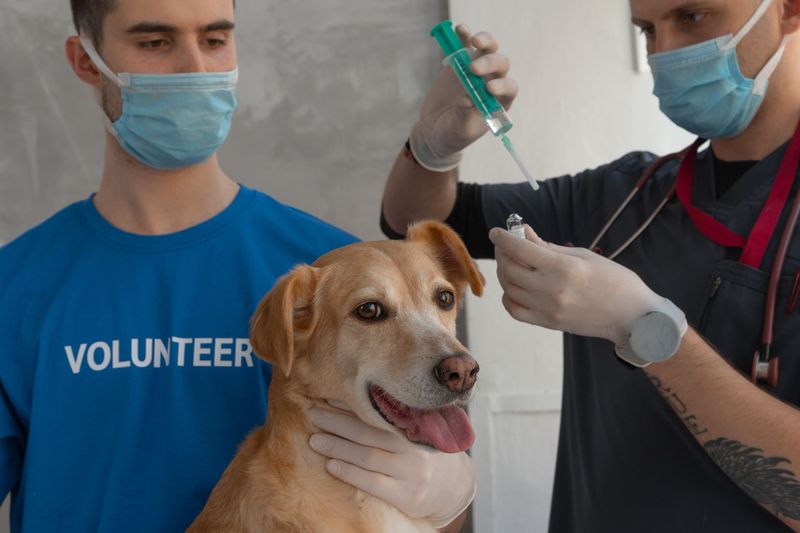
Rabies shots protect your dog and everyone around it. Vaccination rules can vary by county and city across Ohio, so check local requirements.
Some counties, such as Franklin, ask for proof of rabies vaccination before issuing a license. Your proof is a certificate signed by a licensed veterinarian.
Keep the newest one handy. Shelters, boarding places, and emergency kennels often ask to see it before accepting a dog.
8. Rabies Tag Number and Expiration Date
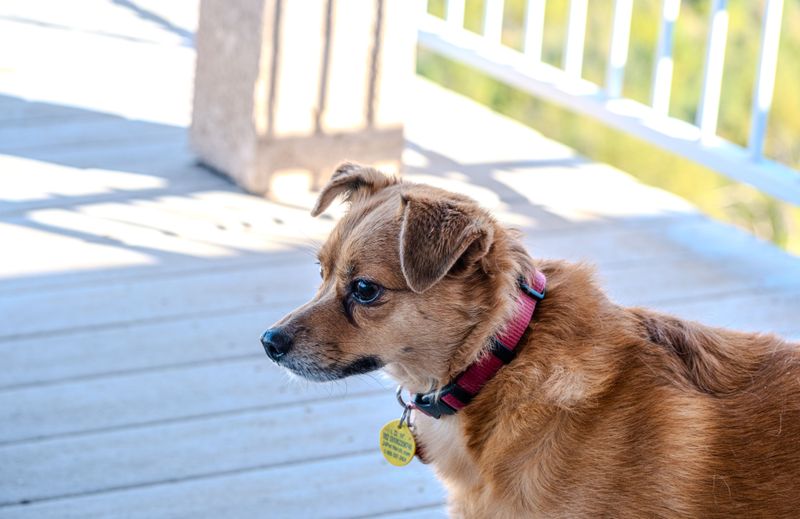
That small rabies tag carries a number linked back to your vet’s records. Anyone who finds your dog can use it to trace the vaccination.
Write the tag number and the vaccine expiration date in your records. The certificate shows the exact date the shot runs out.
Set a phone reminder a month early. Booking ahead keeps your dog covered before spring and summer storms arrive.
9. Vet Records for Vaccines and Preventive Care
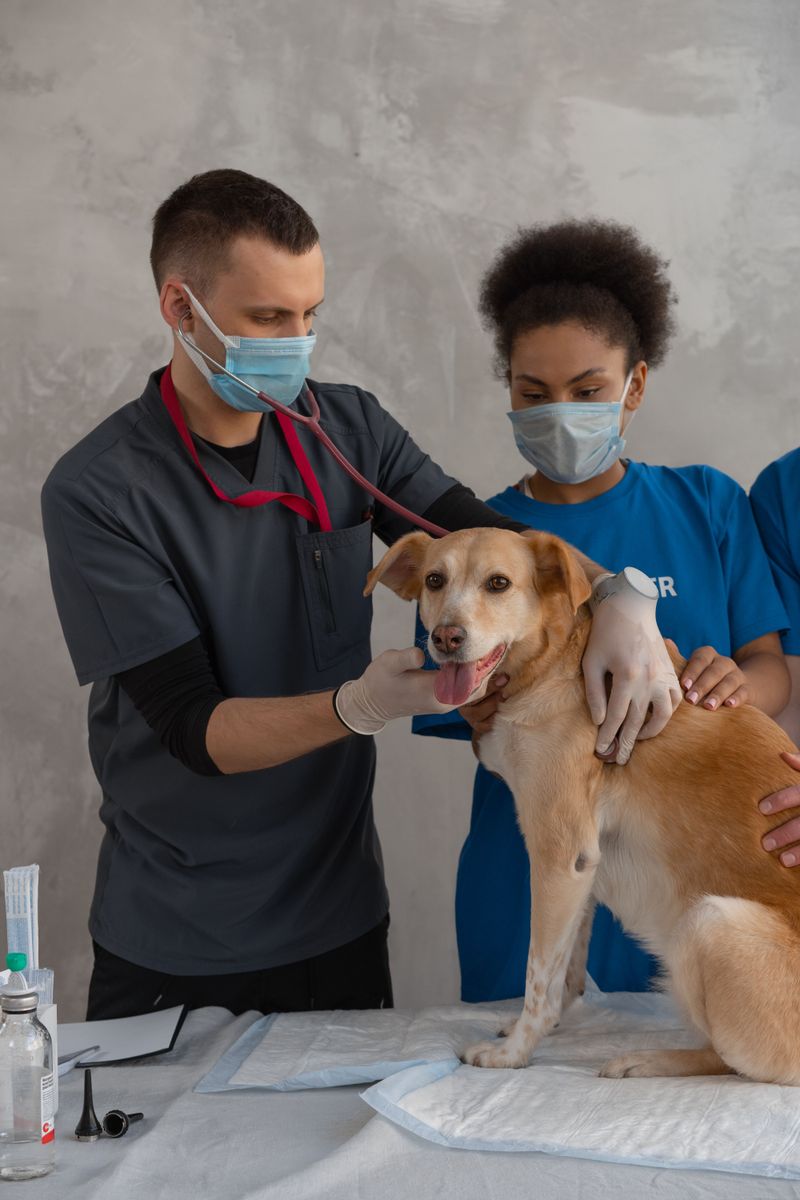
Think of vet records as your dog’s health story in one place. They list vaccines, exams, and preventive care like heartworm or flea protection.
If you visit an unfamiliar clinic near your country home, those records help a new vet understand your dog quickly.
Ask your main clinic for a printed summary once a year. Many clinics also offer an online portal where you can download copies anytime.
10. Current Medication List With Dosage Instructions

Does your dog take a daily pill? Then a clear written list is a must for storm season.
Include each medicine name, the dose, how often it is given, and the prescribing vet. Copy the details straight from the label so nothing gets guessed.
Update the list whenever your vet makes a change. A caregiver or emergency vet can then follow the plan without calling you first.
11. Recent Clear Photos of Face, Body, Markings, and Size
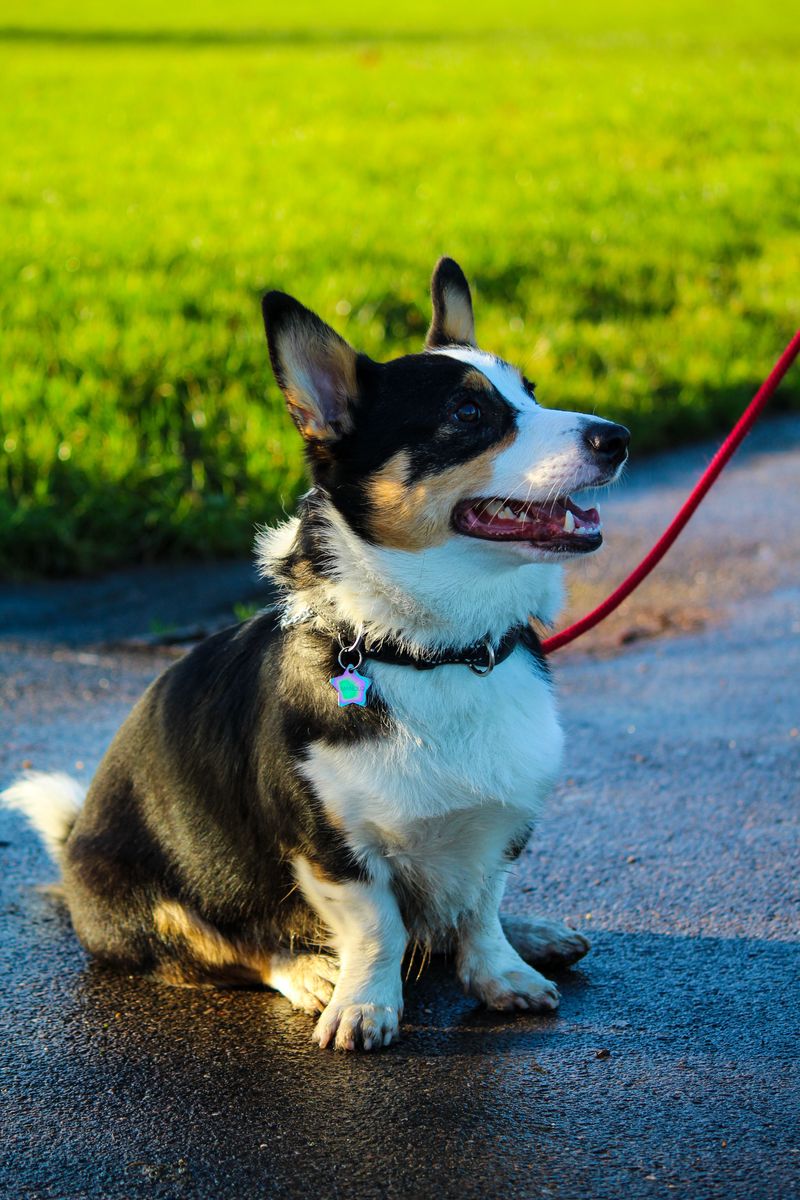
Photos age faster than we think, especially with puppies and seniors. Aim to take fresh ones every few months.
Get a clear face shot, a full side view, and close-ups of any special spots or scars. One photo beside a common object helps show size.
Good light matters. Step outside on a bright day, and your pictures will be far easier to match on a lost pet flyer.
12. Photo of You With Your Dog

Sometimes a shelter needs proof that a dog truly belongs to you. A picture of the two of you together offers helpful extra support.
Choose a clear shot where your face and your dog are both easy to see. Several photos from different seasons work even better.
Honestly, this one is the most fun item on the list. Grab a family member and snap a few on your next walk.
13. Rescue or Adoption Paperwork
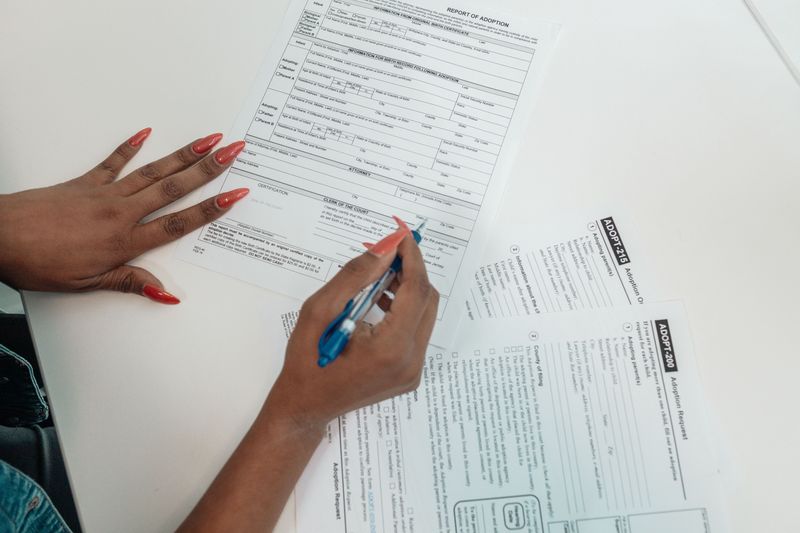
Adoption day paperwork is more than a keepsake. It names your dog and lists you as the legal owner.
These papers may also show the chip number, age estimate, and early vaccines. That history can help settle questions if your dog is found far from home.
Store the originals somewhere dry and safe. Keep a copy with your travel papers, since originals can be hard to replace.
14. County License Info After an Ownership Change
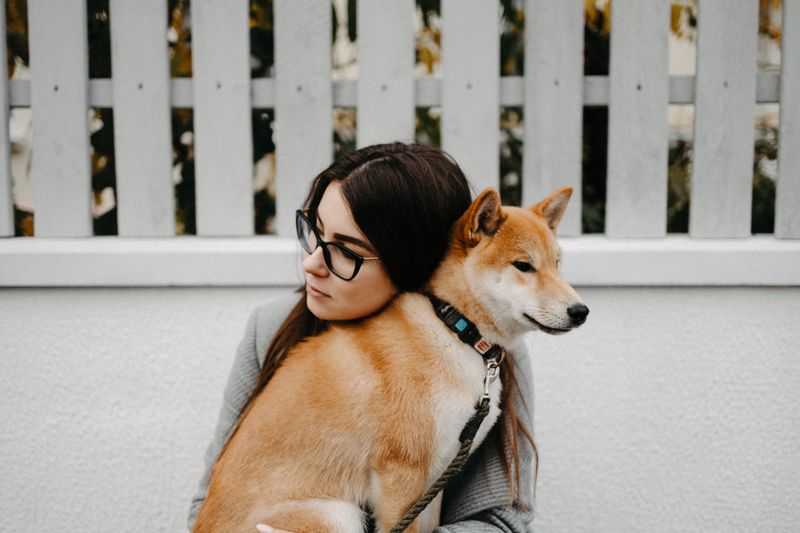
Life changes, and sometimes a dog changes homes for good. When that happens, the county license record needs updating too.
Ohio law calls for a signed transfer of ownership certificate. It is recorded with the county auditor, usually with a small fee.
Fees and steps can vary by county, so check your auditor’s website. Then update the microchip registry as well, so every record points to the same person.
15. Collar ID Tag With Your Current Mobile Number
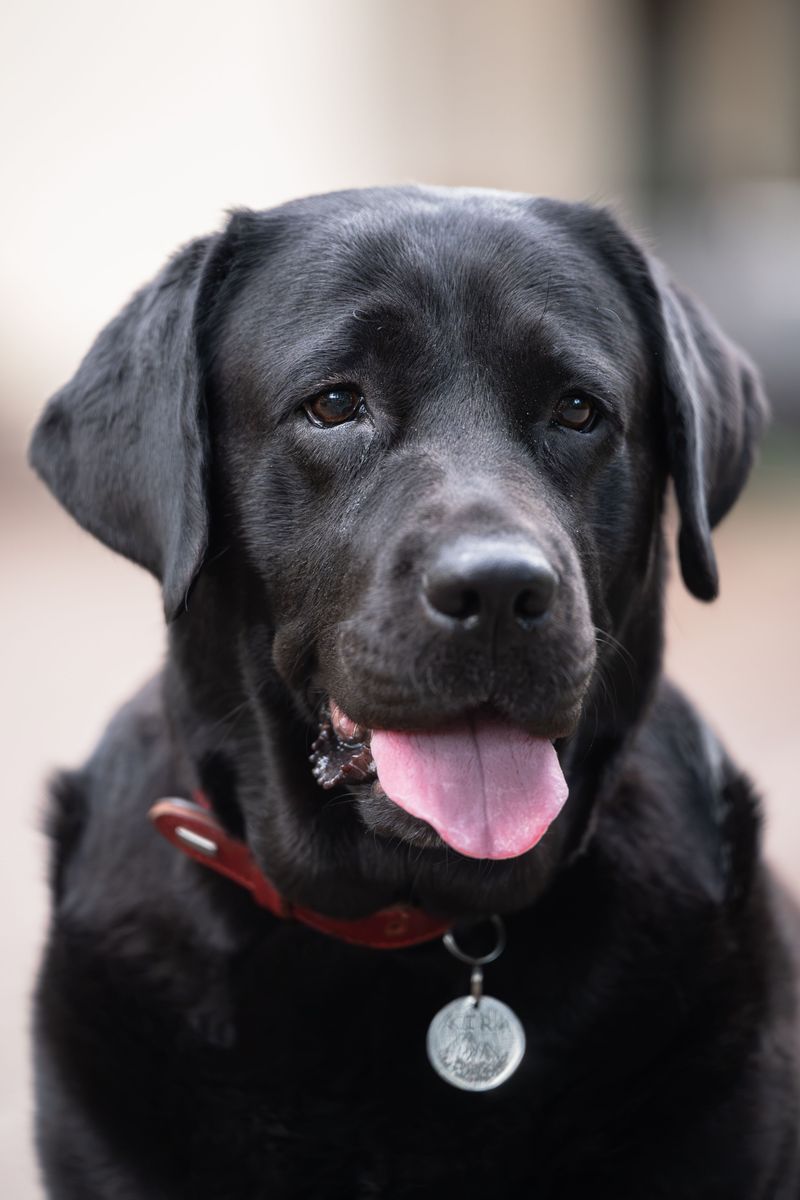
A neighbor finds your dog trotting down a gravel road. What is the fastest way for them to reach you?
A personal ID tag.
Engrave your current mobile number clearly. Your dog’s name and a short line like “needs meds” can help too, if space allows.
Worn tags become hard to read over time. Replace yours when the letters fade or whenever your number changes.
16. Backup ID Tag With an Alternate Contact
Plans for a busy storm night rarely go perfectly. You may be helping family, driving, or stuck with a phone that has lost power.
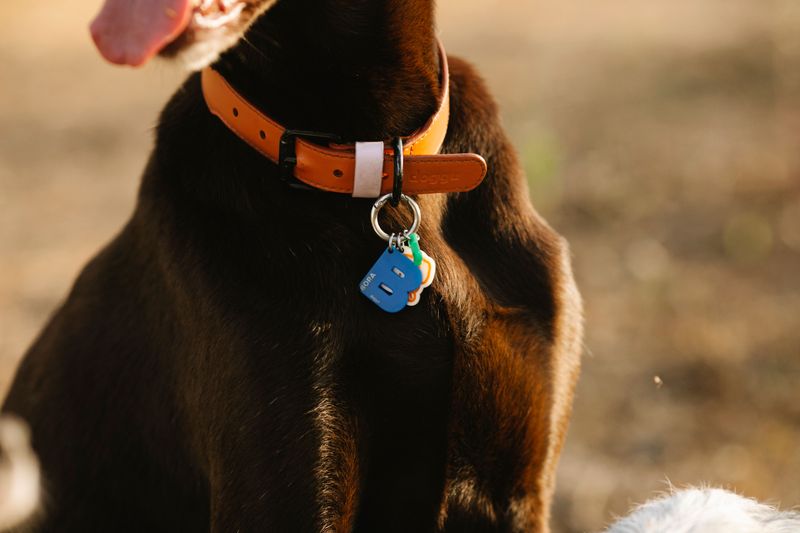
A second tag with a trusted friend’s number gives finders another option. Pick someone who answers calls and lives in a different area.
Small, lightweight tags work best so the collar does not feel heavy. Silicone tag silencers can also keep the jingling down.
17. Written Record of Both Homes and Storm Season Location
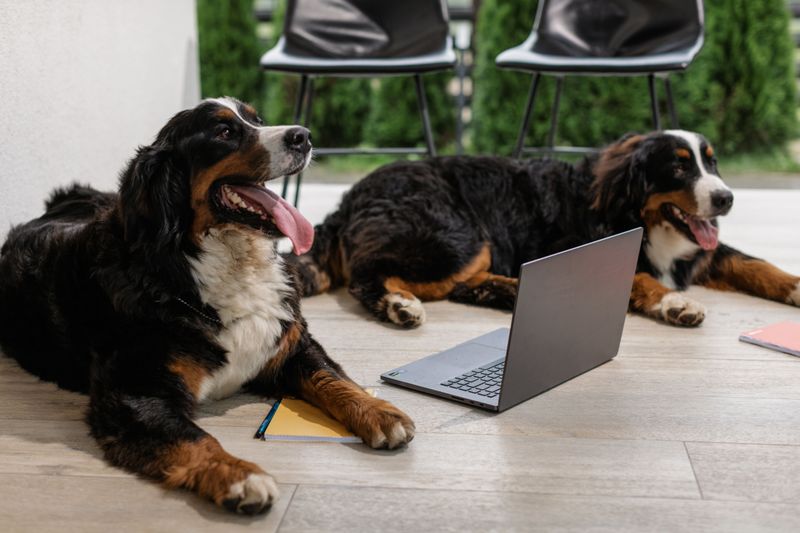
A simple one-page sheet can clear up a lot of confusion. List both home addresses and the directions to your rural place.
Then note where your dog usually stays during storm season. Add backup plans, such as a friend’s house or a pet-friendly shelter.
Give copies to your emergency contact and any pet sitter. Rural addresses can be tricky to find, so landmarks help too.
18. Emergency Vet Contacts for City and Rural Areas
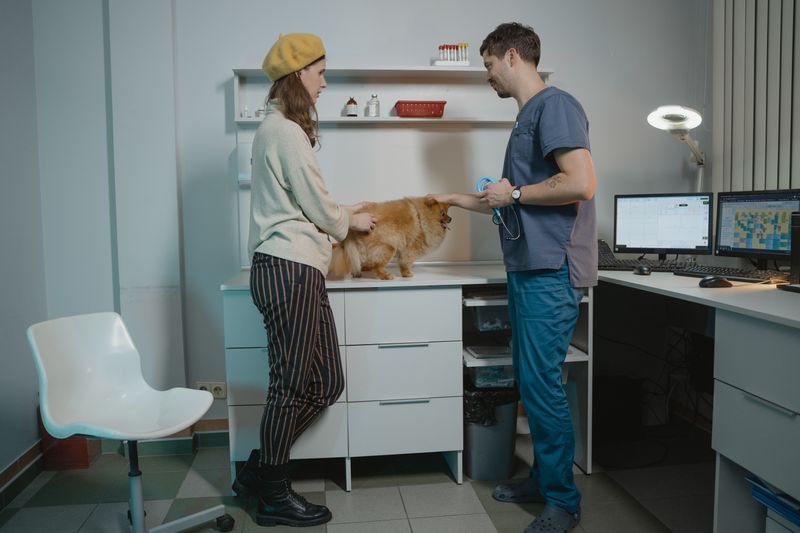
Your favorite city clinic may be an hour away from the country house. That distance matters when something needs quick attention.
Find the nearest emergency or after-hours vet for each home. Save the names, phone numbers, and addresses in your phone and on paper.
Call ahead during calm weather to confirm their hours. Some rural clinics share on-call duties, so learning their system early saves stress later.
19. Digital Copies Stored for Easy Access

Scanning papers takes maybe twenty minutes. That small effort can save hours of hunting during an evacuation.
Photograph or scan the license, rabies certificate, chip details, vet records, and ownership papers. Save them in a cloud folder you can open from any device.
Share the folder with your emergency contact. Downloading copies onto your phone also helps when internet service drops.
20. Printed Records in the Storm Evacuation Kit

When the power goes out, paper still works. Printed copies belong right inside your dog’s storm kit.
Tuck the license info, rabies certificate, chip number, medication list, and a current photo into a waterproof pouch. Add your contact sheet with both addresses.
Check the kit each spring. With everything current and ready, you and your dog can face storm season feeling calm and prepared.