Why Oyster Shells And Marsh Mud Can Injure Dogs Along Virginia’s Tidewater Shores
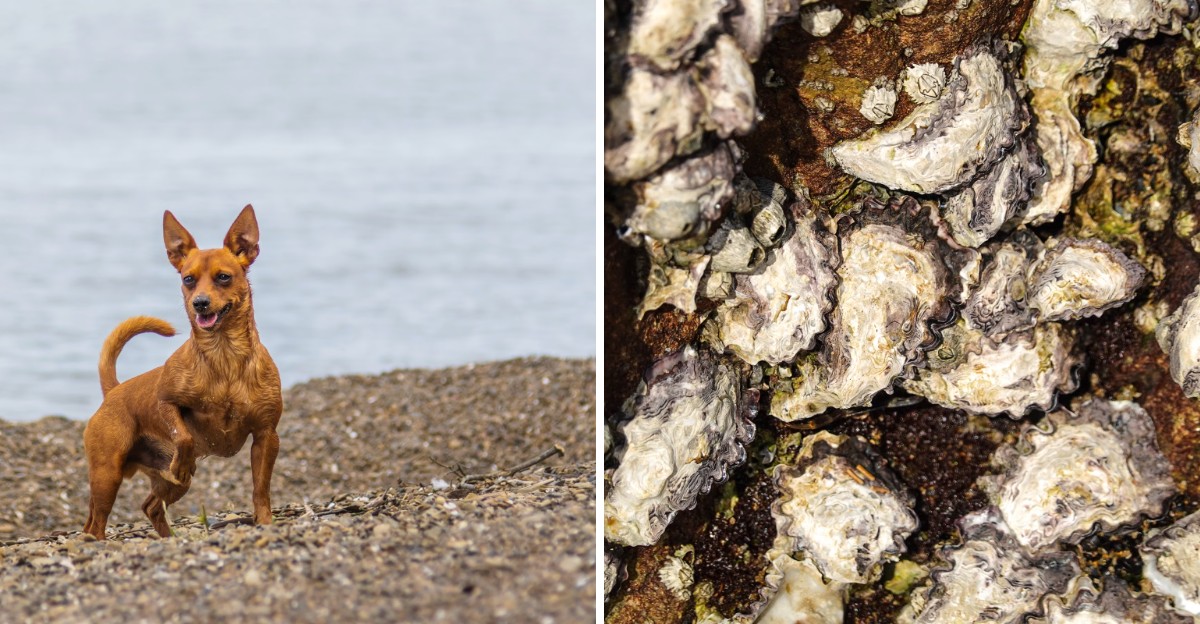
A shoreline walk can be a favorite part of your dog’s day. Along Virginia’s Tidewater shores, though, soft marsh mud and oyster shells can make familiar places harder to cross.
Shells may cut paws, while mud can hide hazards or make a dog slip. A few simple habits can help you choose a safer route and know what to check when you get home.
1. Why Oyster Shells Can Cut Paws
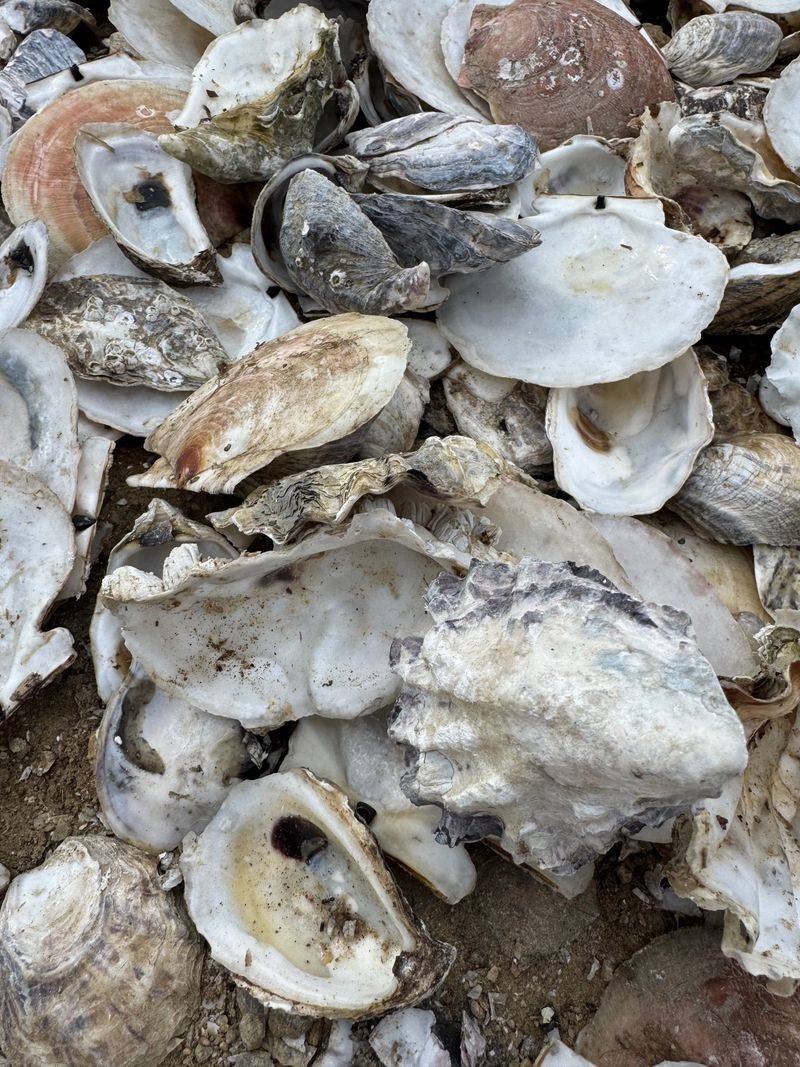
An oyster shell may look smooth from above, but its broken edge can feel like a sharp chip of stone. When a dog steps down, body weight presses the paw against that edge.
A quick turn can add a scrape or cut.
Give shell piles plenty of space, especially where your dog likes to run. If you must cross a small patch, slow down and guide your dog toward firm, clear ground.
Check every paw afterward.
2. How Marsh Mud Hides Oyster Shells
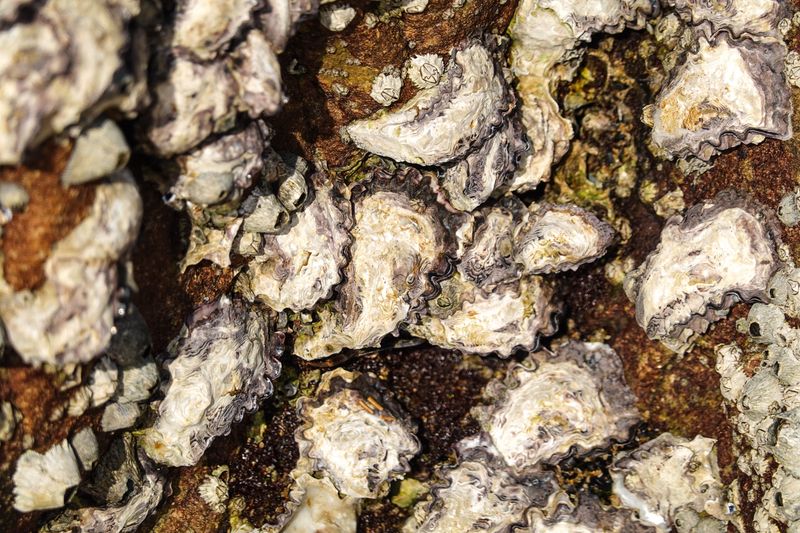
Dark marsh mud can cover a shell until only a thin edge shows. A dog exploring with its nose may step on the hidden piece before you spot it.
Cloudy water makes the ground even harder to read.
Stay on a visible path rather than cutting across a muddy flat. Watch where your dog places each foot near shell beds.
When the bottom is hidden, turn back or choose a clearer route instead of guessing.
3. Cuts Between a Dog’s Toes
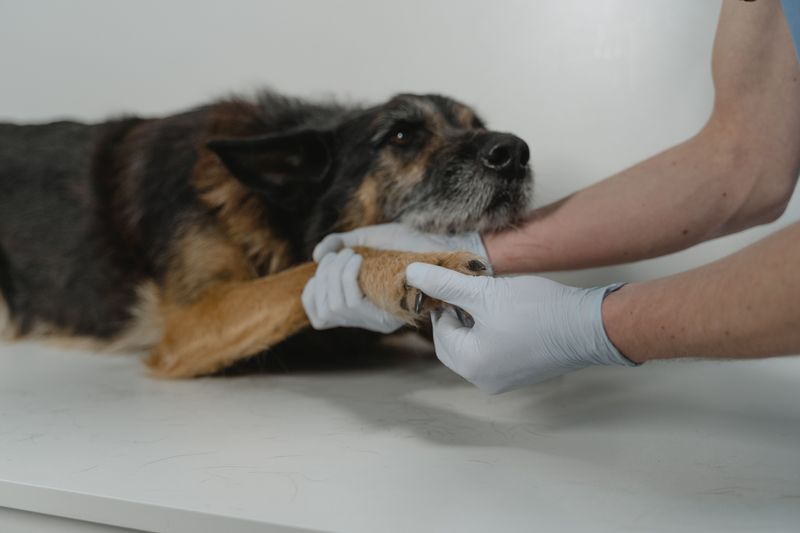
Between the toes, a small cut can be easy to miss. Shell fragments and gritty mud can reach these narrow spaces when a dog walks through shallow water.
Your dog may seem comfortable until the area becomes sore.
After a shoreline walk, gently spread the toes and look for redness, swelling, or trapped bits of shell. Do not dig at anything stuck in the skin.
Call your veterinarian if you cannot remove surface debris easily.
4. Rough Shell Beds and Paw Pads
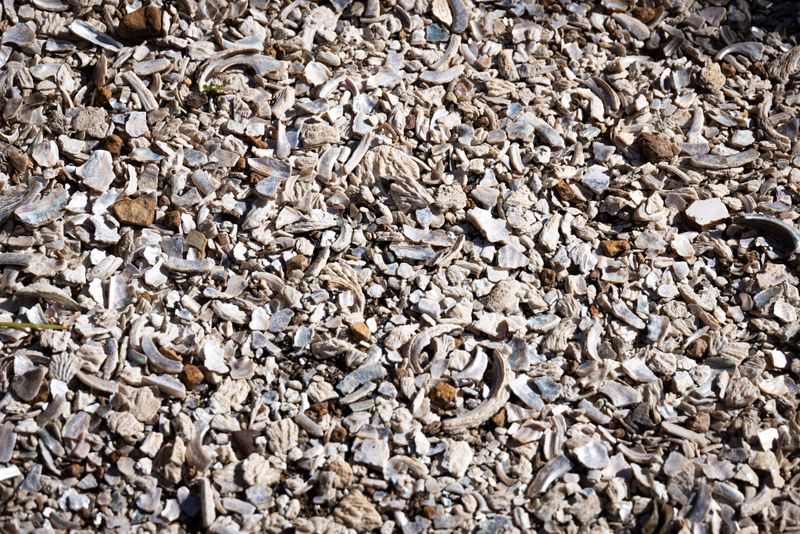
A broad shell bed acts like an uneven, scratchy walking surface. Even without one deep cut, repeated steps can rub a dog’s paw pads raw.
Running or skidding raises the chance of irritation.
Keep playtime on sand, a maintained path, or another surface you can inspect. Do not assume tough-looking pads are safe on shells.
If your dog starts lifting a paw or slowing down, stop and check before continuing the walk.
5. Why Mud Can Steal a Dog’s Footing
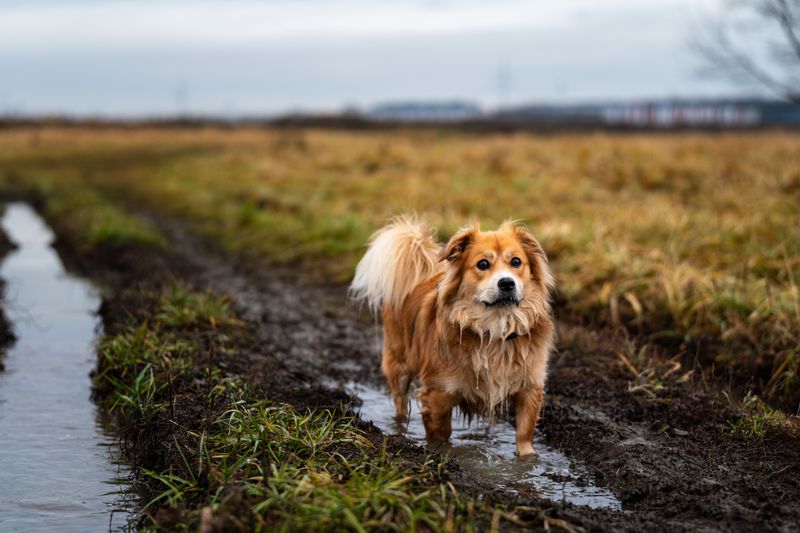
One playful leap can end in an awkward slide when marsh mud is slick. Soft ground gives way under a dog’s weight, while a wet surface offers little grip.
Sudden twisting can strain a leg or leave a paw exposed to shells.
Shorten the leash and walk at an easy pace near muddy banks. Avoid steep edges and places where footprints fill with water.
Choose firmer ground when your dog seems unsure.
6. Other Objects Hidden in Mud
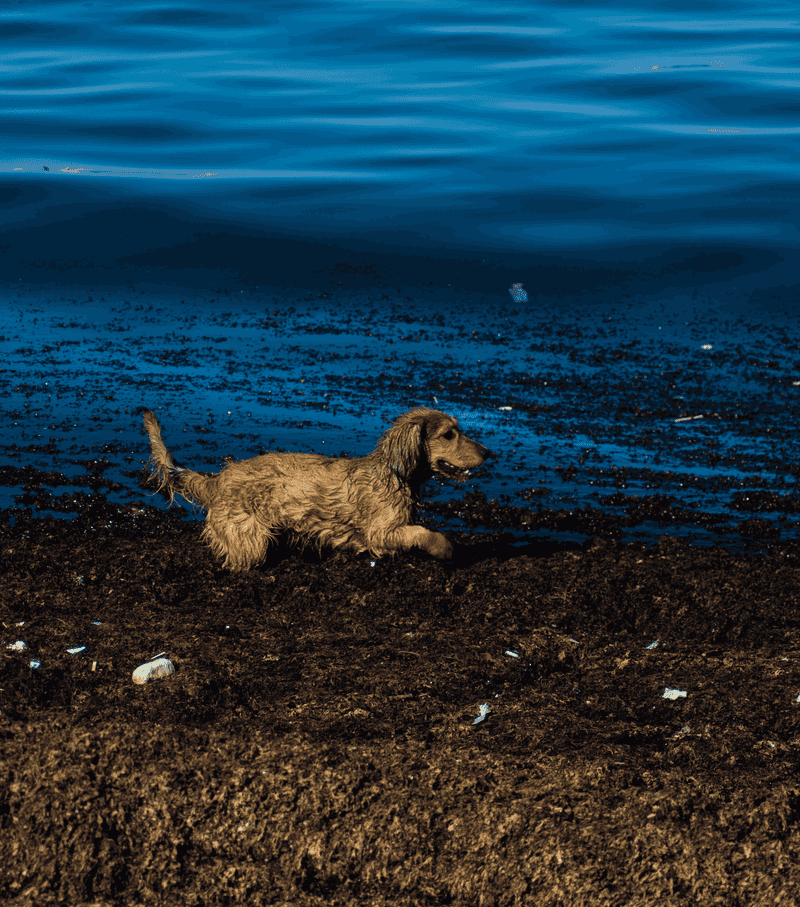
Shells are not the only things mud can conceal. Buried sticks, broken glass, fishing tackle, and other debris may appear near used shorelines.
A dog can step on an object or brush against it while exploring.
Scan the area before letting your dog approach the water. Keep away from spots with visible litter or fishing gear.
If something is stuck in a paw, avoid pulling deeply lodged material and ask a veterinarian for help.
7. When Deep Marsh Mud Holds a Dog
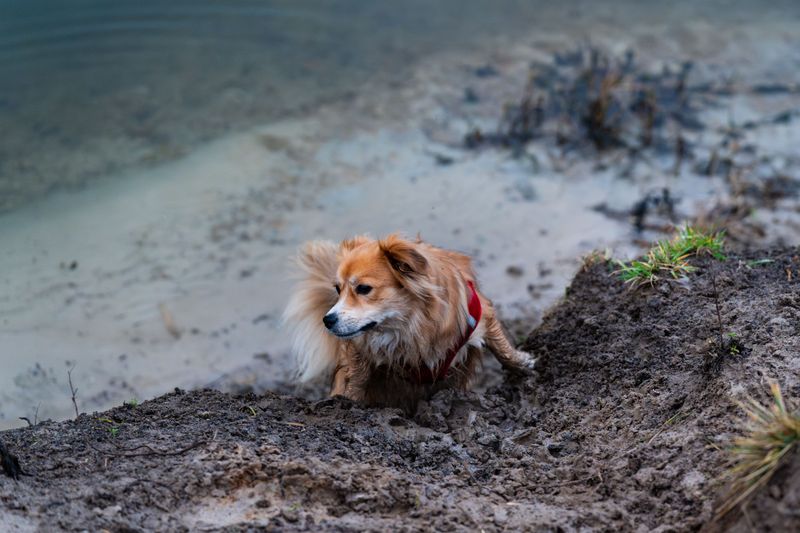
Some marsh mud is much deeper than it looks. A dog that steps into it may sink and struggle to find firm footing.
Pulling hard on a collar can make the situation more difficult.
Keep your dog out of soft flats, especially near channel edges. If your dog becomes stuck, stay calm and avoid stepping into unsafe mud yourself.
Seek local emergency help if you cannot reach your dog safely from solid ground.
8. Why Oyster Shells Gather Near Tidal Water
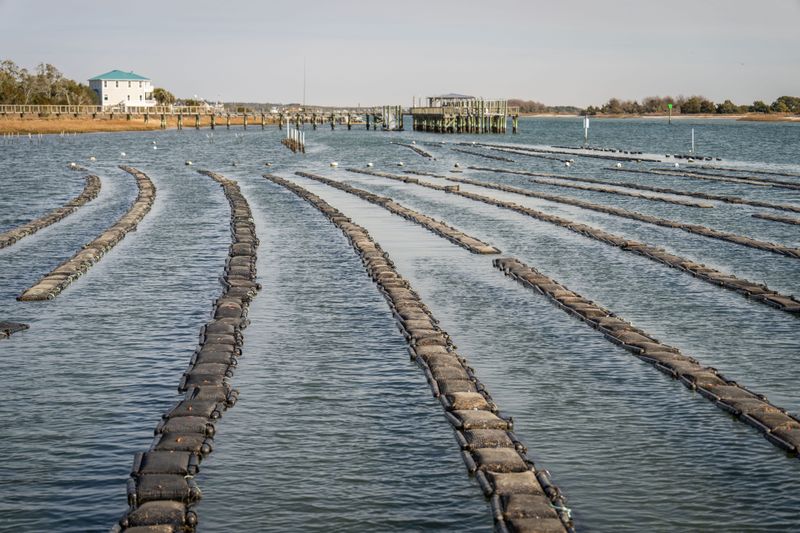
Oysters grow together in reefs and along hard surfaces near tidal water. Their shells can also collect on nearby banks after waves and currents move them.
That makes a shell-covered stretch a normal sight in parts of Virginia’s Tidewater.
Look ahead for pale, rough patches before giving your dog room to explore. Leave oyster habitat undisturbed and walk around it.
A clear route protects paws while respecting a living part of the shoreline.
9. Tides Reveal New Hazards

A path that looked clear yesterday may change with the tide. Lower water can reveal shell beds, muddy slopes, and debris that were covered earlier.
Rising water can also narrow the safe way back.
Notice the tide before starting a shoreline walk, and keep an easy return route in mind. Recheck the ground rather than trusting yesterday’s view.
If water is approaching the path, head for higher, firmer ground with your dog.
10. Wet Shells Blend Into the Shore
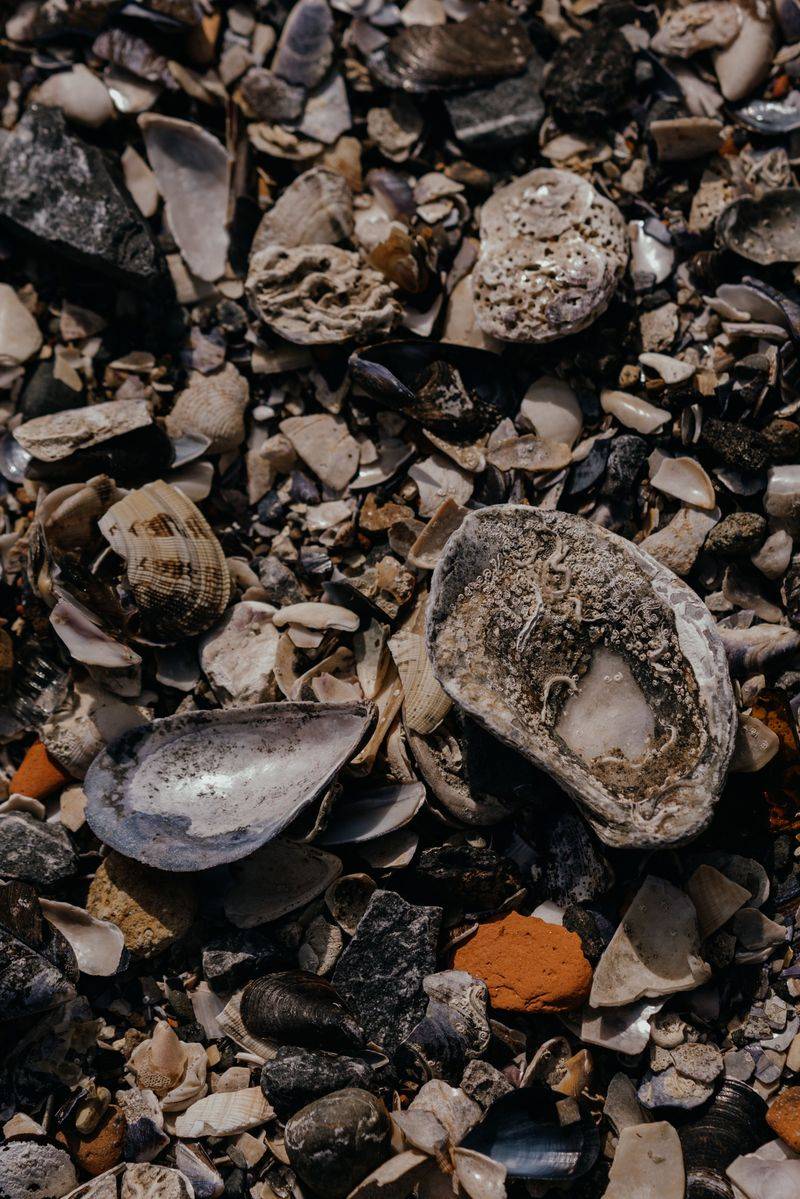
Wet shells often match the gray and brown colors around them. Sun glare on shallow water can hide their edges, too.
Even a careful owner may not notice a thin shell lying flat.
Pause where sand turns to gravel, mud, or shallow water. Look from a few angles before inviting your dog forward.
Clear daylight helps, but it does not replace watching each step. When you cannot see the ground, choose another place to walk.
11. Small Paw Cuts Deserve Attention
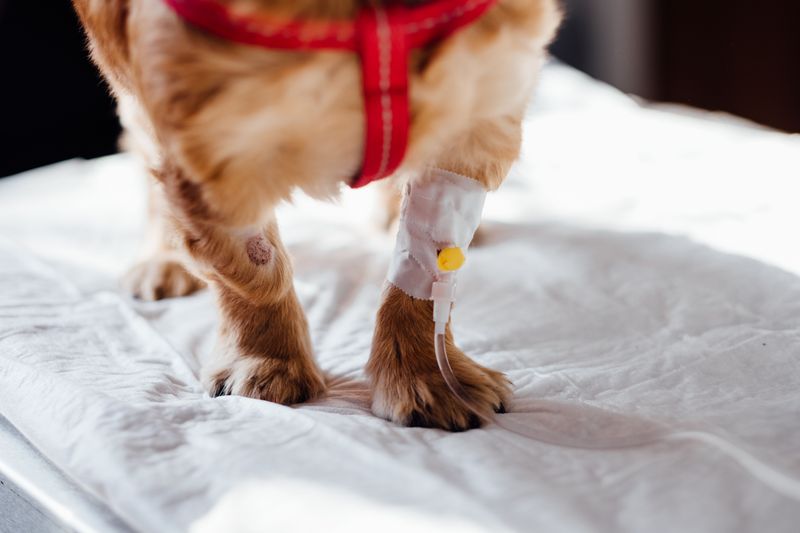
A tiny mark on a paw can still collect grit during the walk home. Mud and salt water may add irritation, while continued walking can reopen the area.
Taking a moment to check it is worthwhile.
Rinse a minor surface cut with clean water and gently pat the paw dry. Keep your dog off dirty ground while it heals.
Contact your veterinarian if bleeding continues, the cut looks deep, or swelling develops.
12. A Limp After the Walk
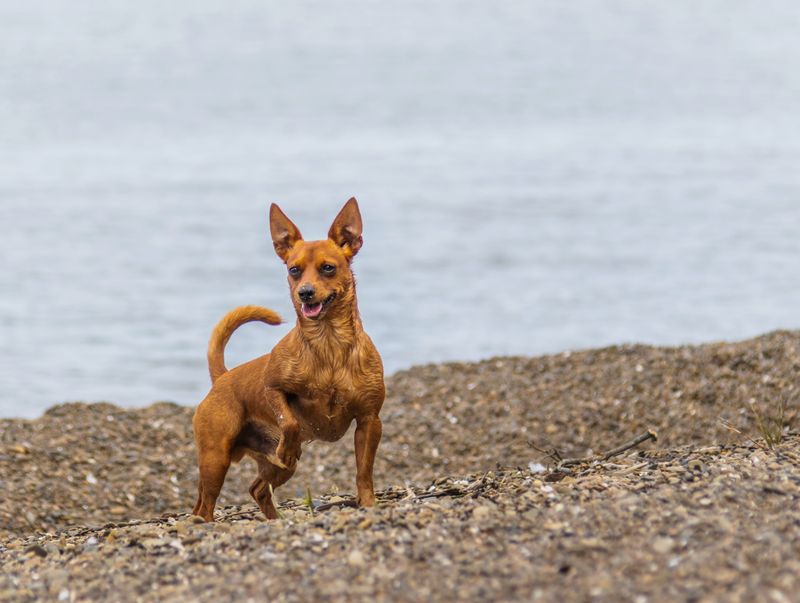
Your dog may finish a shore visit happily, then limp at home. A shell scrape, sore pad, or strained leg might only become clear after some rest.
Notice whether your dog favors one foot or avoids putting weight on it.
Check the paws gently, including the spaces between toes. Limit activity until you understand what is wrong.
If the limp continues, worsens, or your dog cannot use the leg normally, call your veterinarian.
13. What Repeated Paw Licking May Mean
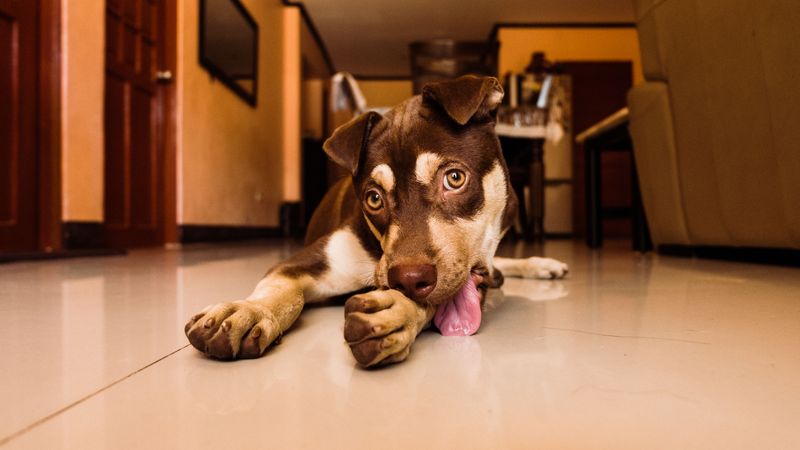
At home, repeated licking may be your first clue that a paw feels uncomfortable. A small shell chip, sand, or a scrape can bother a dog long after the outing.
Focus on the paw your dog keeps returning to.
Look for a cut, redness, or debris without forcing the toes apart. Rinse away loose dirt and dry the area.
Ask your veterinarian for advice if licking persists or you see swelling.
14. Rinse Away Mud and Salt
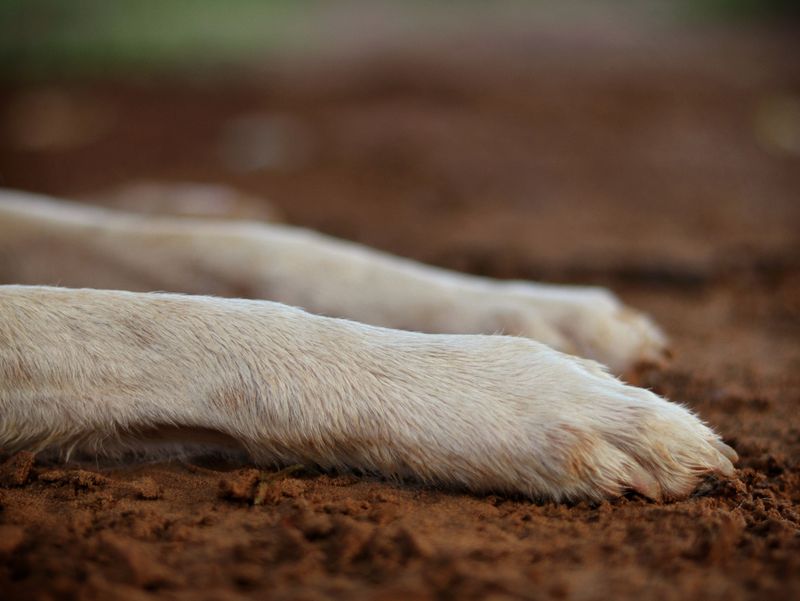
A fresh-water rinse is a simple finish to a shoreline walk. It washes away marsh mud, salt, and loose grit that might irritate paws.
Rinsing also gives you a chance to notice changes hidden by dirt.
Use clean water and pay attention between the toes. Dry each paw with a soft towel, especially in the narrow spaces.
Check for stuck shell pieces, and do not scrub a tender spot. Keep the routine calm and brief.
15. Choose Firmer Shoreline Routes
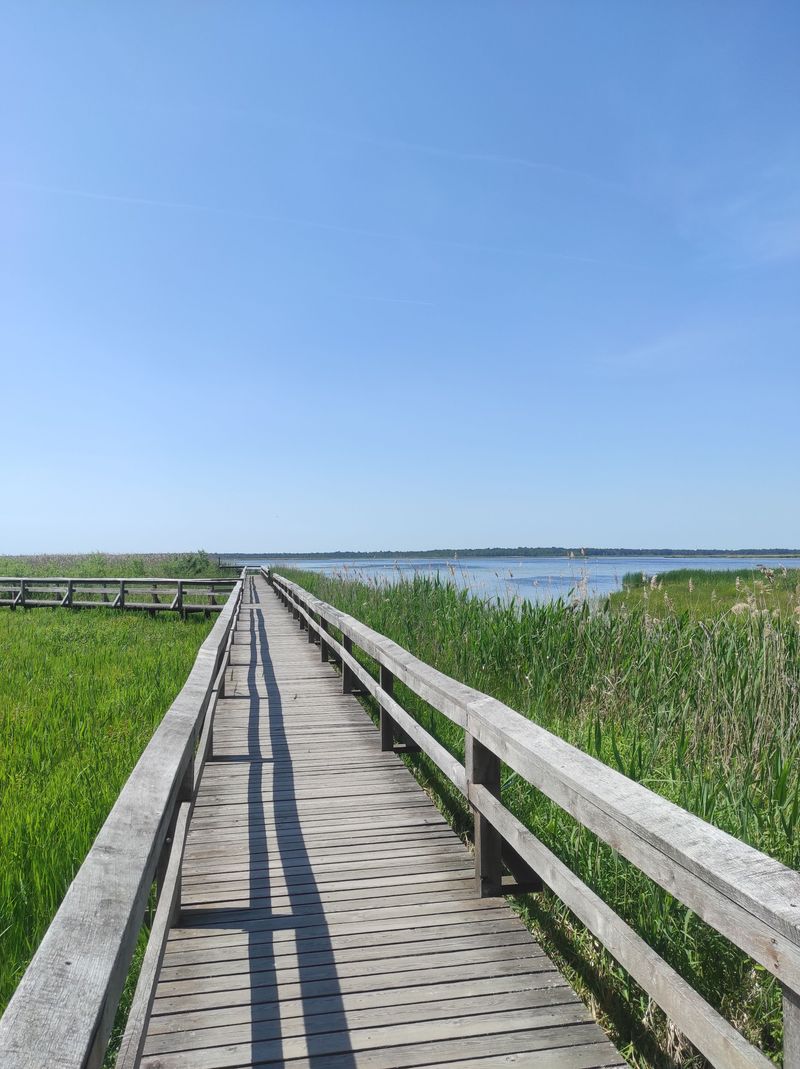
The safest view of the marsh is often from a firm path. Boardwalks, maintained trails, and clear stretches of packed ground can reduce contact with shells and deep mud.
Conditions still change after rain and tides.
Before setting out, check whether dogs are allowed and follow posted rules. Leash requirements differ among Virginia localities and managed areas.
If a route turns muddy or crosses a shell bed, choose a different path without rushing.
16. A Leash Gives You Time to Steer
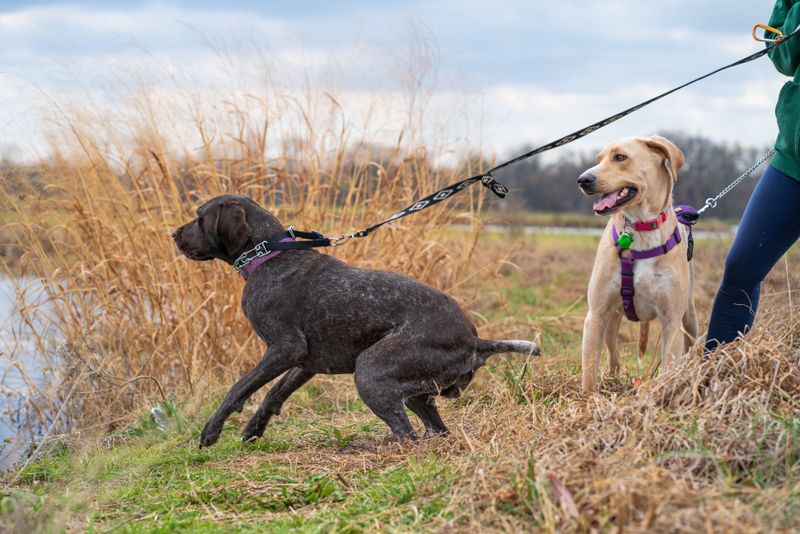
A curious dog can reach a shell bed faster than you can call it back. A leash keeps your dog close enough to guide around rough patches and soft mud.
It also helps you slow an eager dash toward the water.
Use a comfortable, secure leash and leave enough slack for steady walking. Check posted leash rules, since requirements vary by location.
Near a hazard, shorten the distance gently and move toward clear ground.
17. Older Dogs Need an Easier Path
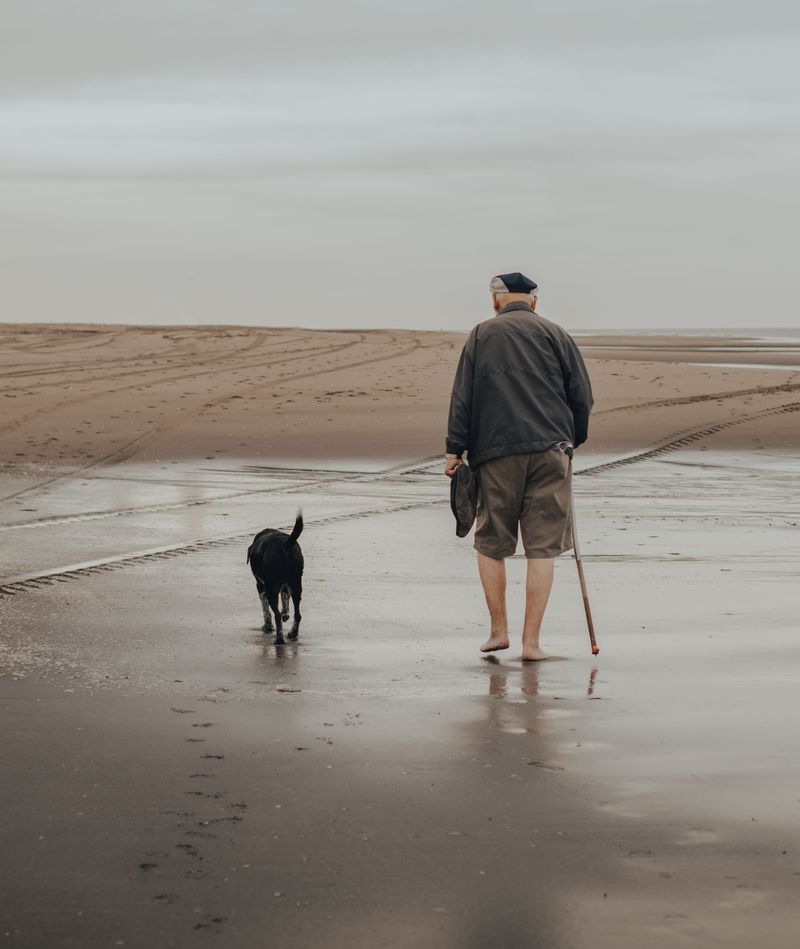
For an older dog, a lumpy shell bank can feel like a tricky staircase. Stiff joints or weaker balance may make slips and uneven steps harder to manage.
Even a short muddy stretch can be tiring.
Pick level ground and give your dog time to set its pace. Take breaks before it seems worn out, and turn around when footing changes.
Ask your veterinarian about activity limits if your dog already has trouble walking.
18. When to Call Your Veterinarian
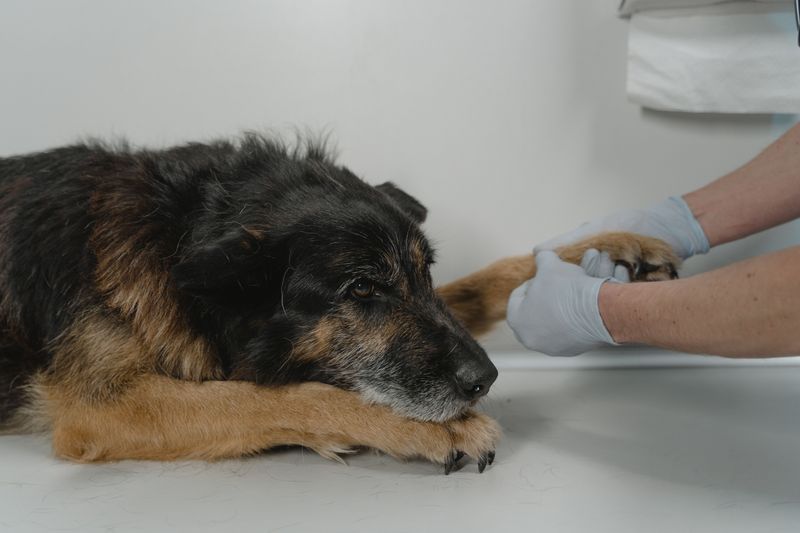
Most shoreline walks end with nothing more than muddy paws. Still, a deep cut, continued bleeding, marked swelling, or a lodged shell needs veterinary guidance.
Seek advice if your dog cannot bear weight or seems unusually uncomfortable.
Until you get help, keep your dog calm and prevent more walking on the sore paw. Do not give human pain medicine unless your veterinarian directs you.
With a careful route and a quick paw check, future outings can feel easier.