15 Water-Loving Dog Breeds For Illinois Lake And River Weekends
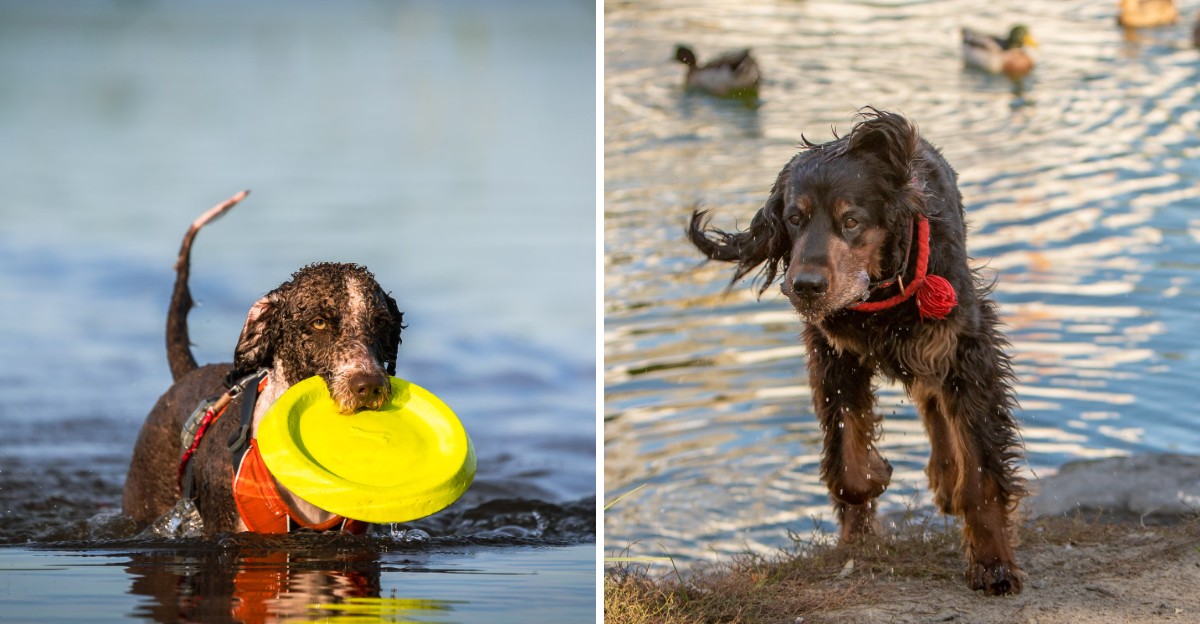
A calm lake can turn lively the moment a dog spots a floating toy. But loving water does not mean every breed enjoys the same kind of outing.
Some happily retrieve all afternoon, while others prefer a gentle paddle and a shady break. Knowing the difference helps you plan safer, happier weekends along Illinois lakes and rivers.
These breeds bring plenty of splash-friendly personality, plus a few care needs worth knowing before you pack the towels.
1. Labrador Retriever: The Eager Fetch Partner
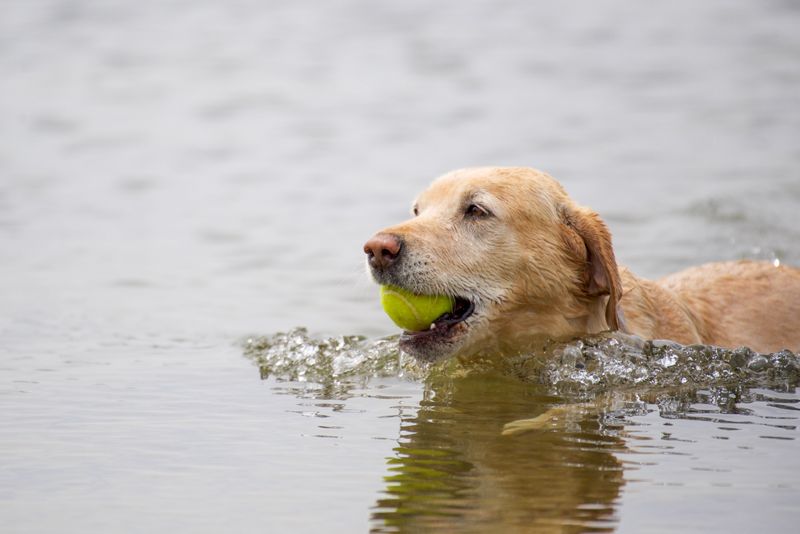
One tossed toy, and a Labrador may be ready for another round before you reach shore. Labs were bred to retrieve, and many enjoy swimming.
Their dense coat helps them stay comfortable in cool water.
Keep games short on hot Illinois afternoons, since eager dogs may not pause on their own. Choose a quiet entry point instead of a steep bank.
Afterward, dry the ears well and offer fresh drinking water.
2. Golden Retriever: Sunshine on the Shore
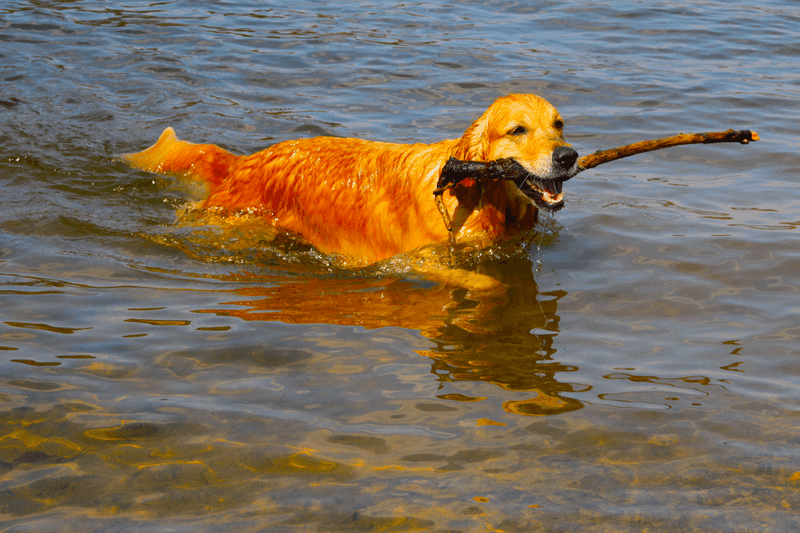
That cheerful splash beside the dock could belong to a Golden Retriever. Originally developed to bring back game, Goldens often take to swimming and water fetch with gusto.
Their friendly spirit also makes breaks with the family part of the fun.
Bring a floating toy that is easy to spot. Rinse muddy lake water from that long coat afterward, then check for tangles behind the ears.
A shady rest keeps the afternoon pleasant.
3. Chesapeake Bay Retriever: Ready for Cooler Water
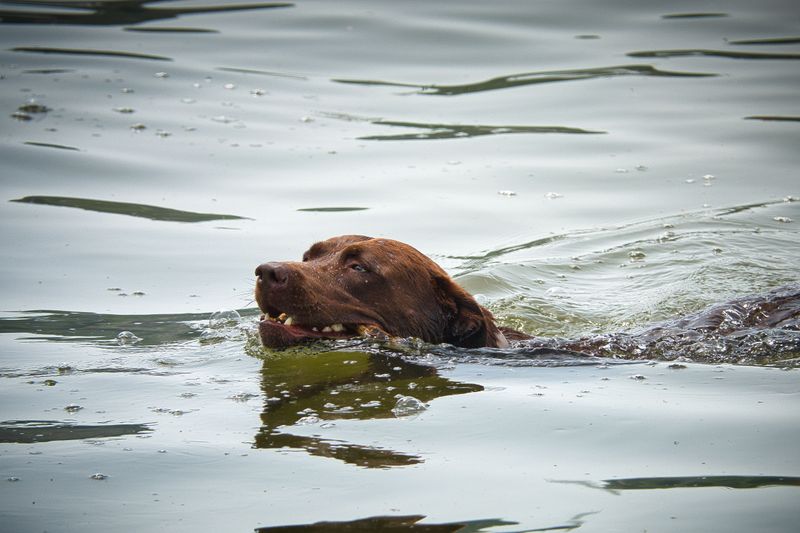
A breezy lakeside morning rarely dampens a Chesapeake Bay Retriever’s enthusiasm. Developed around the Chesapeake Bay, this sturdy retriever has a dense, naturally oily double coat that is well suited to cold water..
Many Chessies love a job, especially bringing back a floating bumper.
Practice reliable recall before visiting a busy shoreline. Their strong swimming style needs room, not a crowded beach.
Rinse the coat after swimming, but avoid excessive shampooing that strips its natural oils.
4. American Water Spaniel: Small Dog, Big Splash
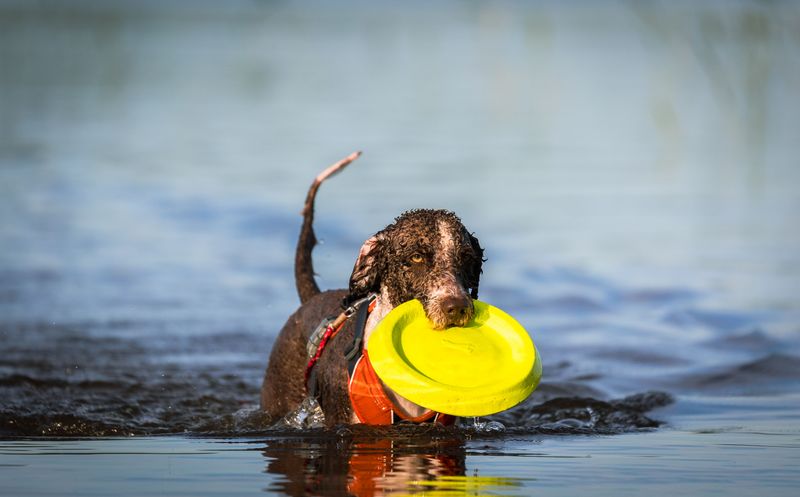
Rustling reeds can make an American Water Spaniel perk up instantly. This compact breed was developed in the upper Midwest for hunting and retrieving from boats and in water.
Its size can make canoe trips easier to manage than trips with larger retrievers.
Give this curious dog a task, such as finding a floating toy near shore. Fit a canine life jacket for boating, even for a capable swimmer.
Check curly fur for burrs after riverside walks.
5. Irish Water Spaniel: Curls Meet Current
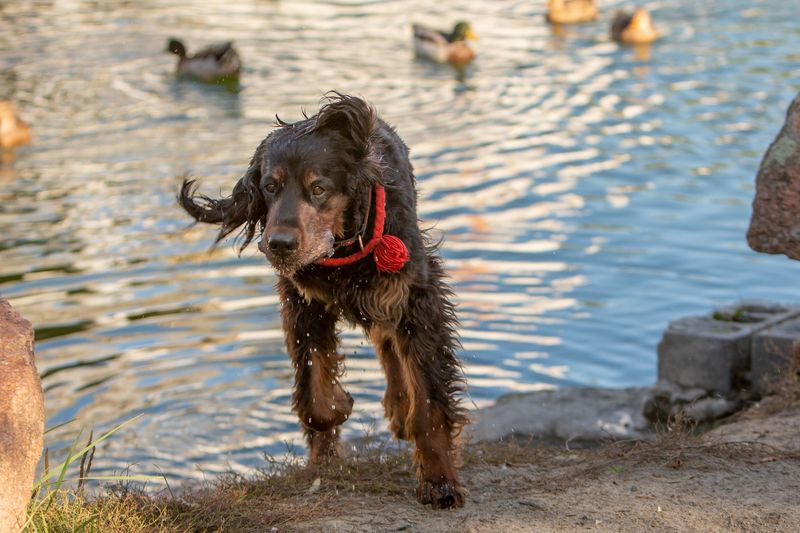
A mop of curls and a smooth tail give the Irish Water Spaniel an unmistakable look. Beneath those curls is an active retriever that often relishes a swim.
Its coat needs attention after wet, muddy outings.
Start with gentle water entries if your dog is new to Illinois rivers. Current can surprise even confident swimmers, so favor calm shallows for play.
Comb the coat once it dries, and check between the toes for grit.
6. Portuguese Water Dog: A Boat Crew Original
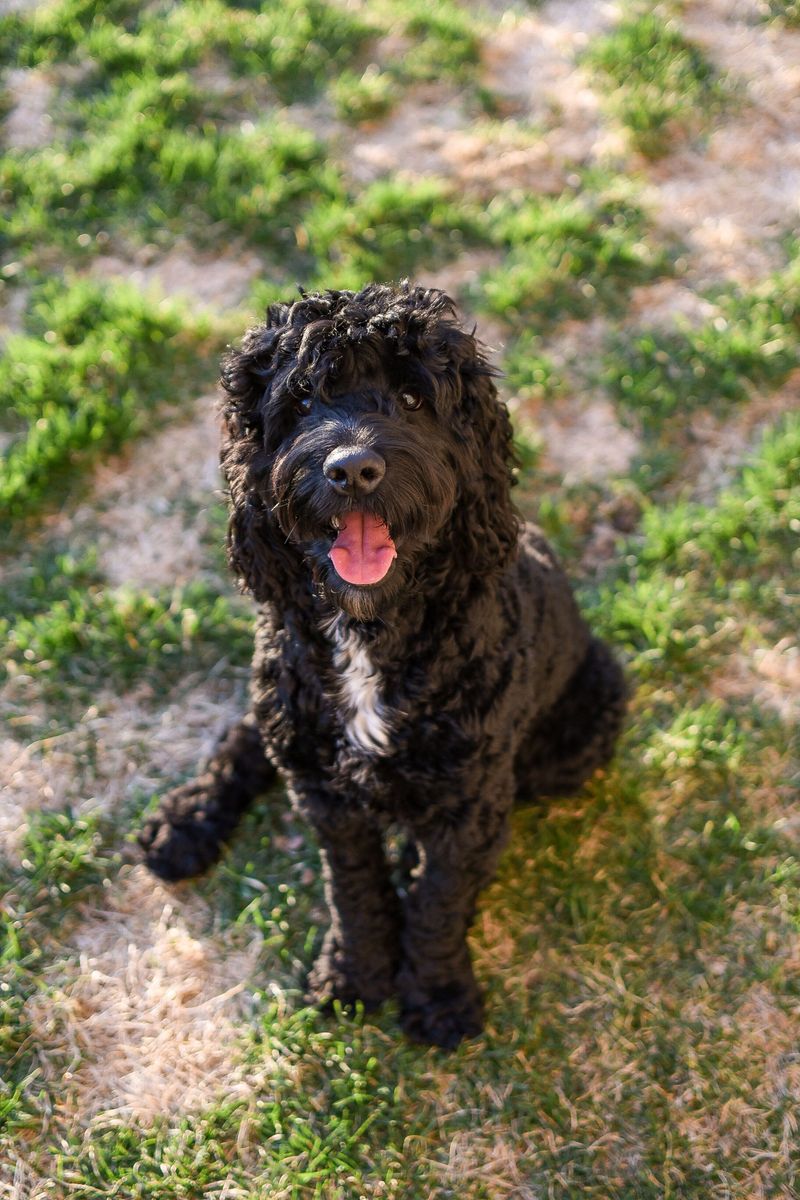
Boat days come with history for the Portuguese Water Dog. These dogs once worked alongside fishing crews in Portugal, carrying messages and retrieving gear.
Many still enjoy swimming, though each dog should meet water at its own pace.
Pack a properly fitted life jacket when boating on an Illinois lake. Teach a clear cue for boarding and leaving the boat.
After swimming, rinse the curly or wavy coat and dry it thoroughly.
7. Boykin Spaniel: A Lively Little Paddler
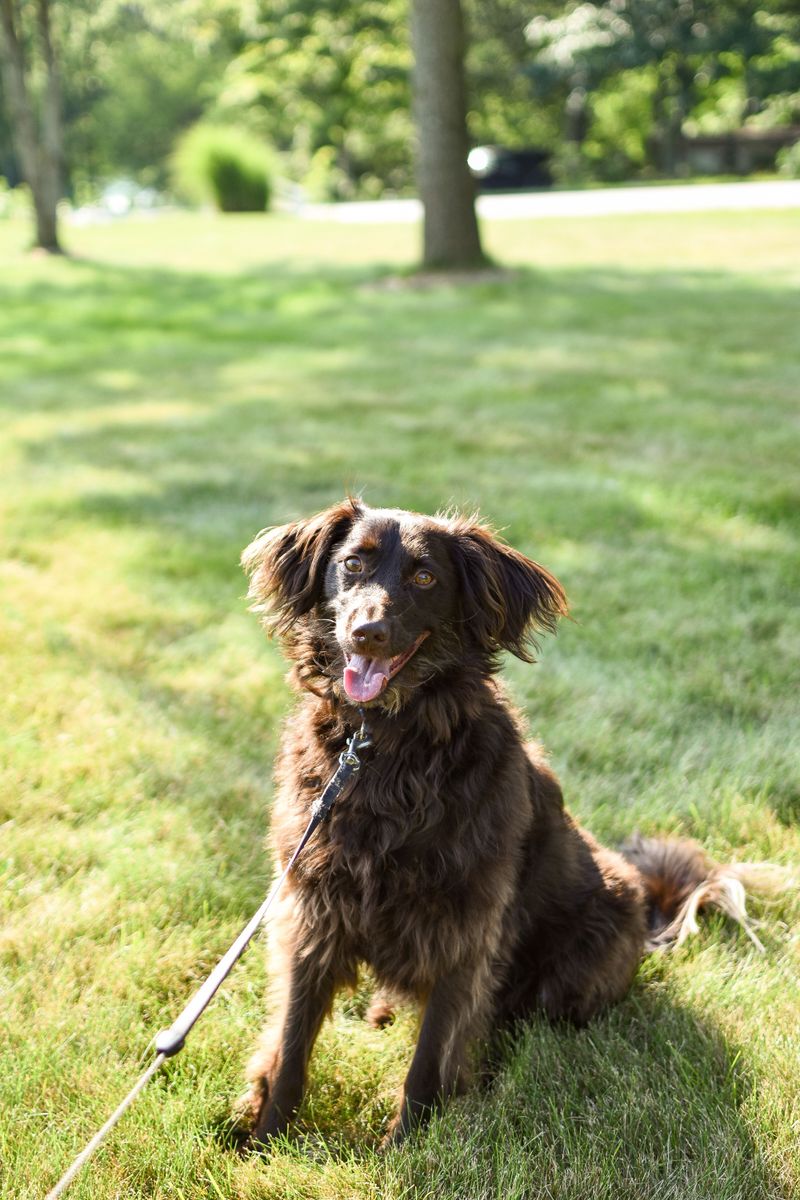
Small waves are plenty exciting for a Boykin Spaniel with a favorite toy. Developed in South Carolina for hunting from small boats, Boykins were bred to flush and retrieve game while staying small enough to work from boats.
Many enjoy both swimming and searching along the bank.
Try short fetch sessions before the day grows warm. A harness helps you guide your dog around slippery launch areas.
Check the feathered ears and legs for seeds after play, then provide a quiet place to rest.
8. English Springer Spaniel: Shoreline Scout
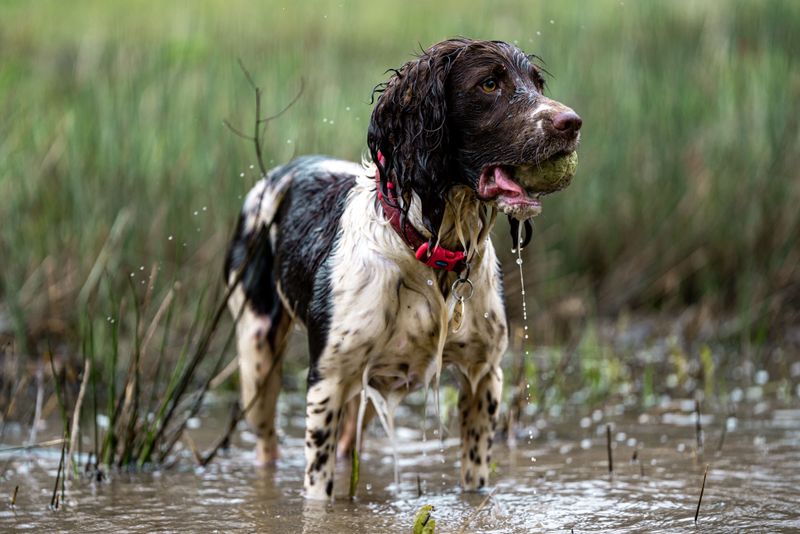
Follow the nose, and an English Springer Spaniel may discover every interesting scent near shore. Springers were bred to flush and retrieve game, and many are delighted by water.
Their lively pace makes a lakeside walk feel like a treasure hunt.
Keep a leash handy where birds gather. Give your dog breaks between swimming and exploring, especially in summer heat.
Dry those long ears after splashing, and inspect the feathered fur for leaves and burrs.
9. Nova Scotia Duck Tolling Retriever: Playful Shore Performer
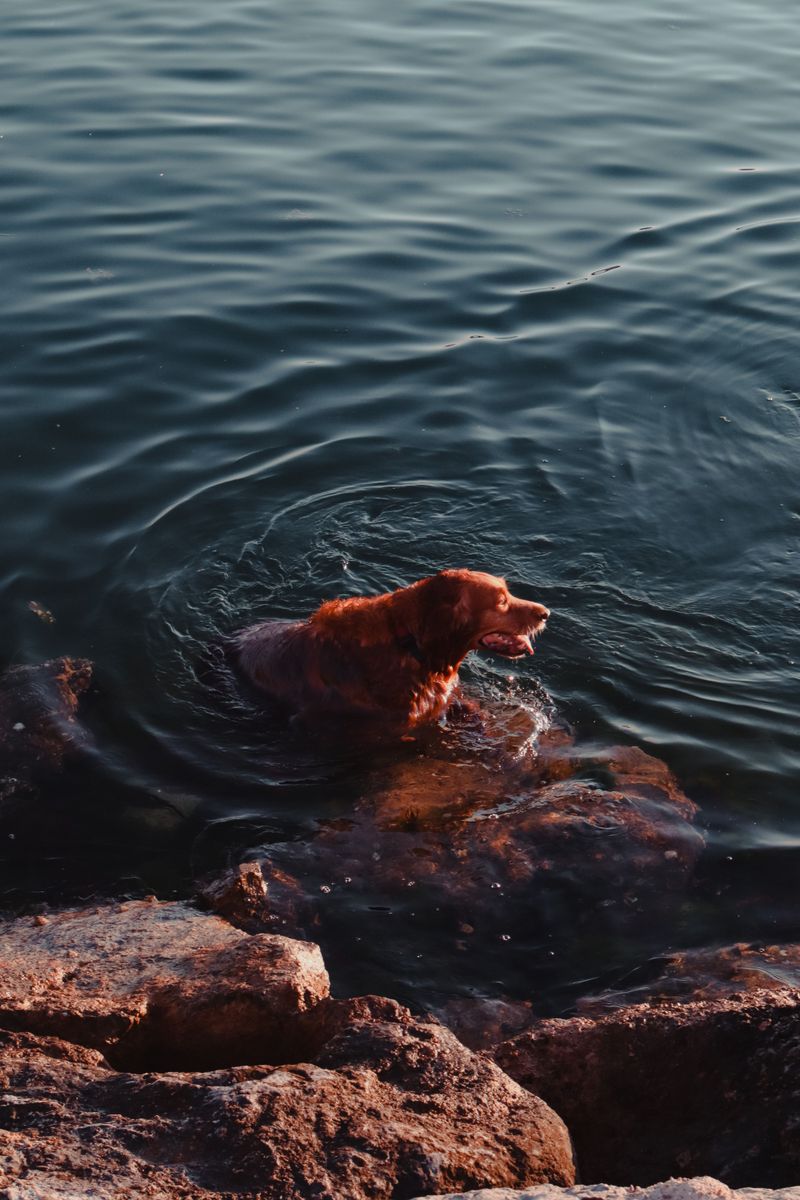
A bright red coat flashes along the waterline when a Toller gets moving. Nova Scotia Duck Tolling Retrievers were developed to play near shore and retrieve waterfowl.
That working background often shows in their quick reactions and love of games.
Use short training breaks between tosses to engage their busy minds. Choose a floating toy instead of a stick.
Before leaving, check paws for sharp shells and make sure your dog drinks clean water.
10. Flat-Coated Retriever: The Cheerful Swimmer
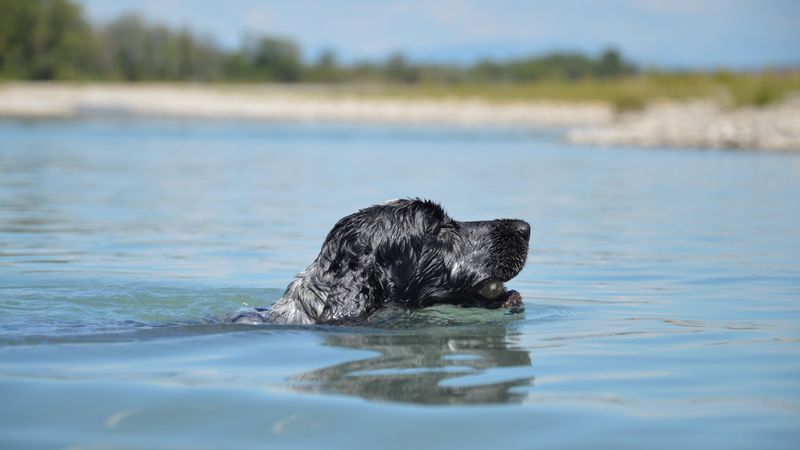
Some dogs approach fetch like a serious assignment. A Flat-Coated Retriever often makes it look like a celebration.
Developed for retrieving on land and in water, this energetic breed usually welcomes a good swim.
Its long coat can collect lake plants, so give it a quick check before heading home. Practice dropping the toy politely between throws.
On warm days, swap nonstop fetching for a relaxed walk and a drink in the shade.
11. Curly-Coated Retriever: Curls Built for Work
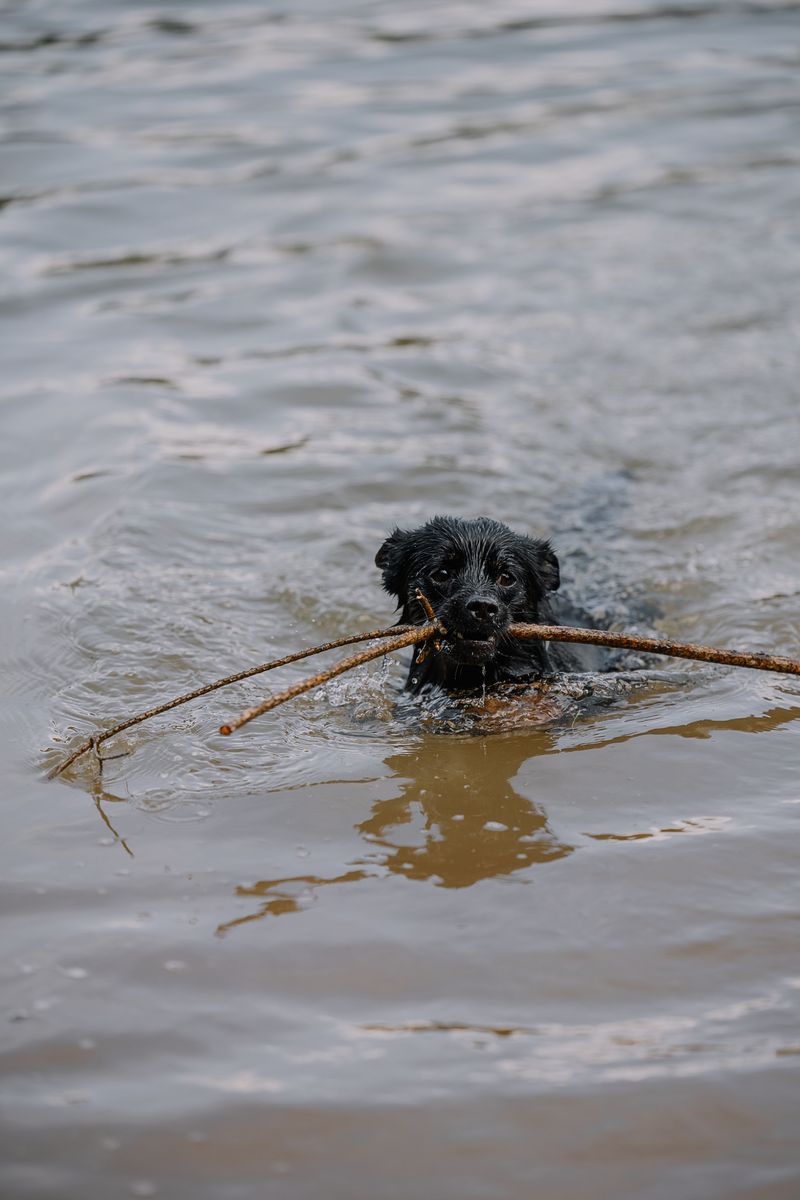
Tight curls make the Curly-Coated Retriever stand out before it reaches the water. This old retriever breed was developed for hunting on land and in water.
Its coat offers protection, while its independent streak can make training interesting.
Build recall with rewards before exploring an open shore. Offer a clear job, such as retrieving a bumper from calm shallows.
Let the curls dry naturally after a rinse, and watch for signs of tiredness during longer outings.
12. Standard Poodle: More Than a Fancy Haircut
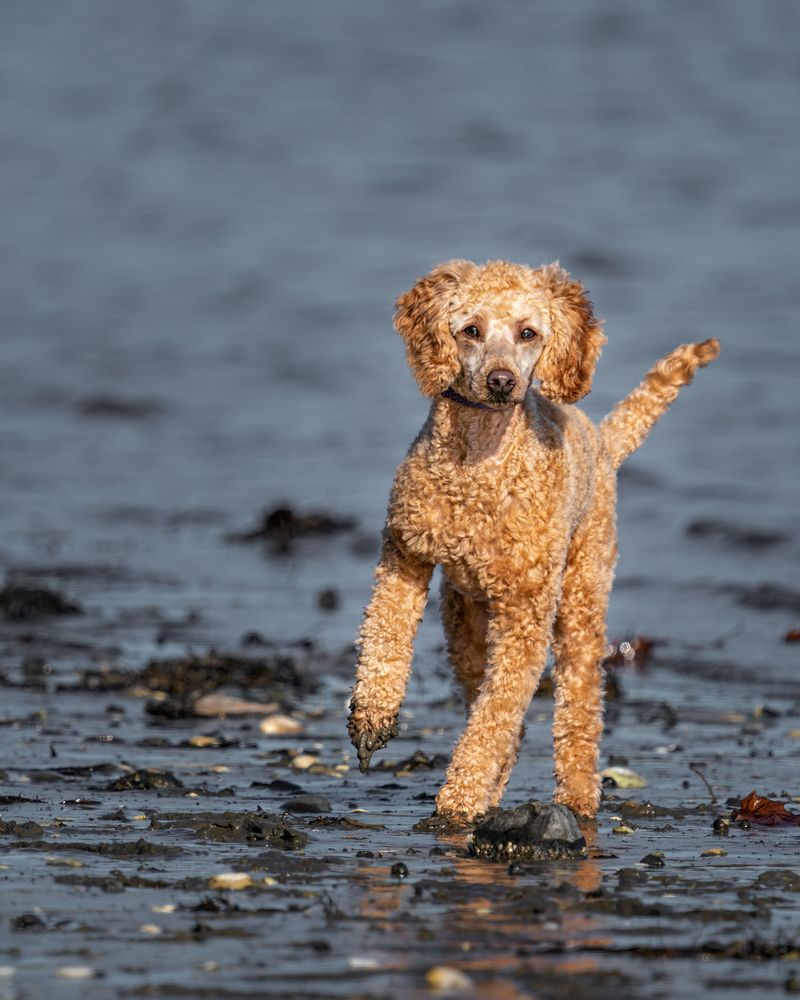
A Standard Poodle can look polished one minute and happily soaked the next. The breed began as a water retriever, and many Poodles still enjoy swimming and learning new games.
Their athletic side may surprise anyone expecting only fancy haircuts.
Keep the coat at a practical length for frequent lake visits. Dry it well after swimming to help prevent mats.
For a fresh challenge, teach your Poodle to retrieve different floating toys by name.
13. Newfoundland: The Gentle Water Giant
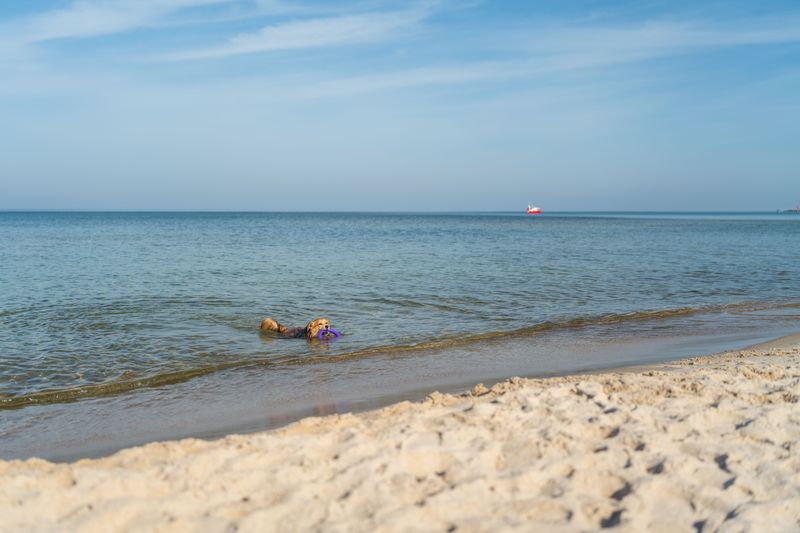
When a Newfoundland steps into the shallows, the water seems to make room. This large breed has a history of working around water and is known for strong swimming.
Its thick coat and size require thoughtful planning on warm days.
Visit early, when Illinois shorelines are cooler, and keep outings brief. Help your dog enter and leave without scrambling over rocks.
Carry plenty of drinking water, then dry the heavy coat thoroughly at home.
14. Barbet: The Shaggy Water Specialist
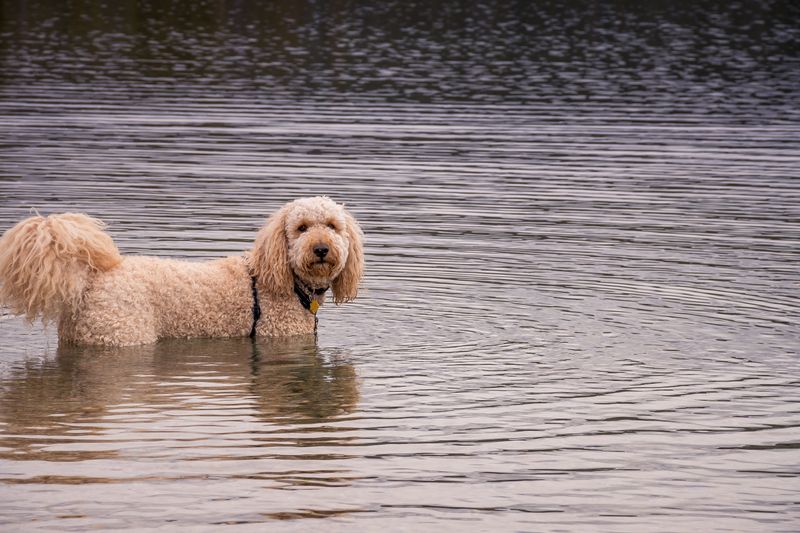
A Barbet emerging from the lake resembles a cheerful, dripping mop. This French water dog was bred to retrieve birds from wetlands.
Its shaggy coat can handle wet work, but it needs regular grooming to stay comfortable.
Try a gentle retrieve close to shore before asking for longer swims. Bring a towel for the ride home and comb out debris later.
Since Barbets enjoy activity and company, mix water play with simple training games.
15. Spanish Water Dog: A Spirited Weekend Worker
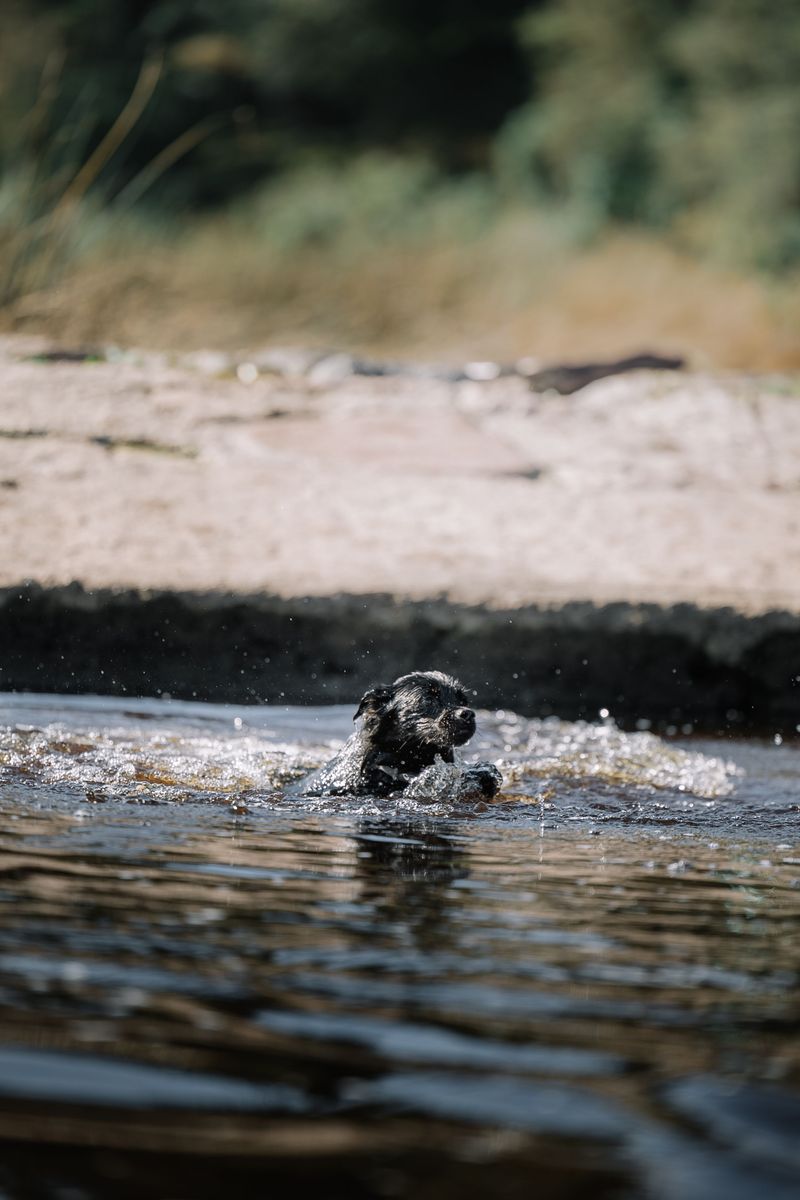
Watch a Spanish Water Dog near a river, and its alert expression tells the story. This versatile breed was developed as a multipurpose farm dog and has worked in herding, hunting, and assisting fishermen.
Many thrive when an outing includes a purpose beyond splashing.
Practice a simple search game on dry ground before visiting the water. Keep river play in calm areas, away from fast current.
Maintain the distinctive curly coat according to breed guidance, rather than brushing it like ordinary fur.