Screened Porches Can Blur The Indoor-Outdoor Routine For North Carolina Dogs
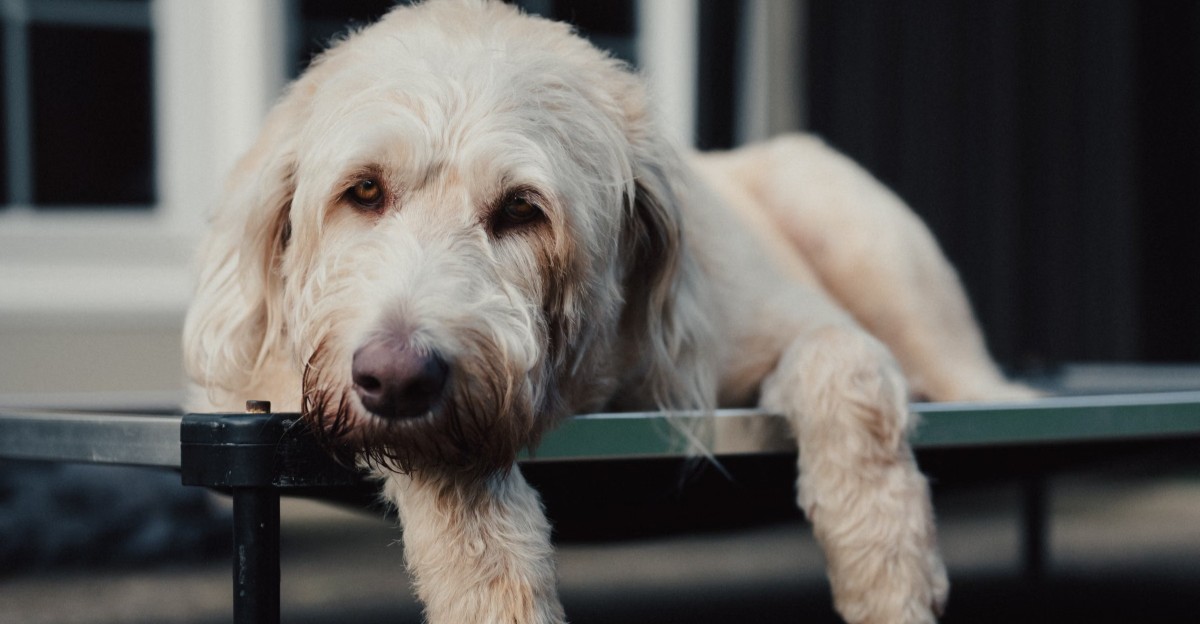
A screened porch can feel like the best of both worlds for your dog. It offers fresh air and a view of the yard while keeping your dog close to home.
In North Carolina, changing weather and busy backyards can make that space feel different throughout the day. A few clear habits will help your dog enjoy the porch without losing track of rest, play, and potty time.
1. Why Screened Porches Can Change a Dog’s Daily Routine
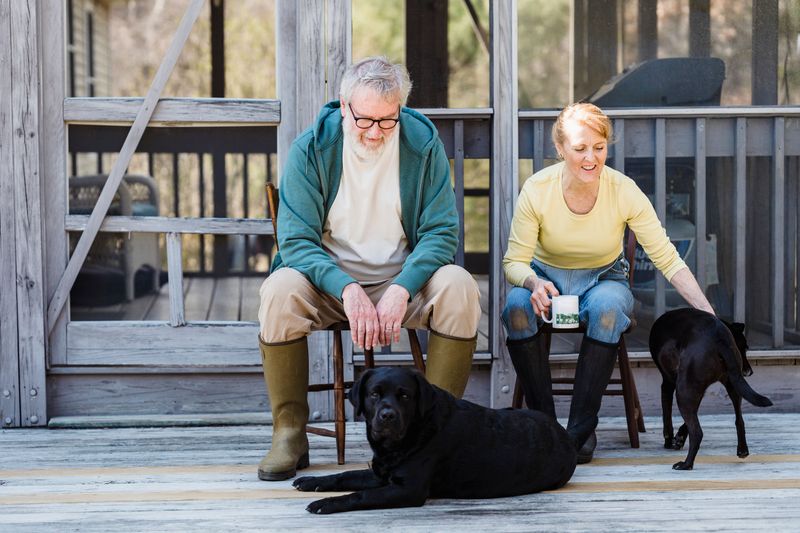
A porch sits between familiar rooms and the busy yard. Dogs may treat it as a place to nap, watch, or ask to go outside.
That flexibility is useful, but it can make daily signals less clear.
Keep meals, walks, and potty breaks on a steady schedule. Decide when porch time begins and ends, then guide your dog through the same doors each time.
A simple pattern helps everyone understand what comes next, even when the weather changes.
2. Dogs May Spend More Time Watching the Yard
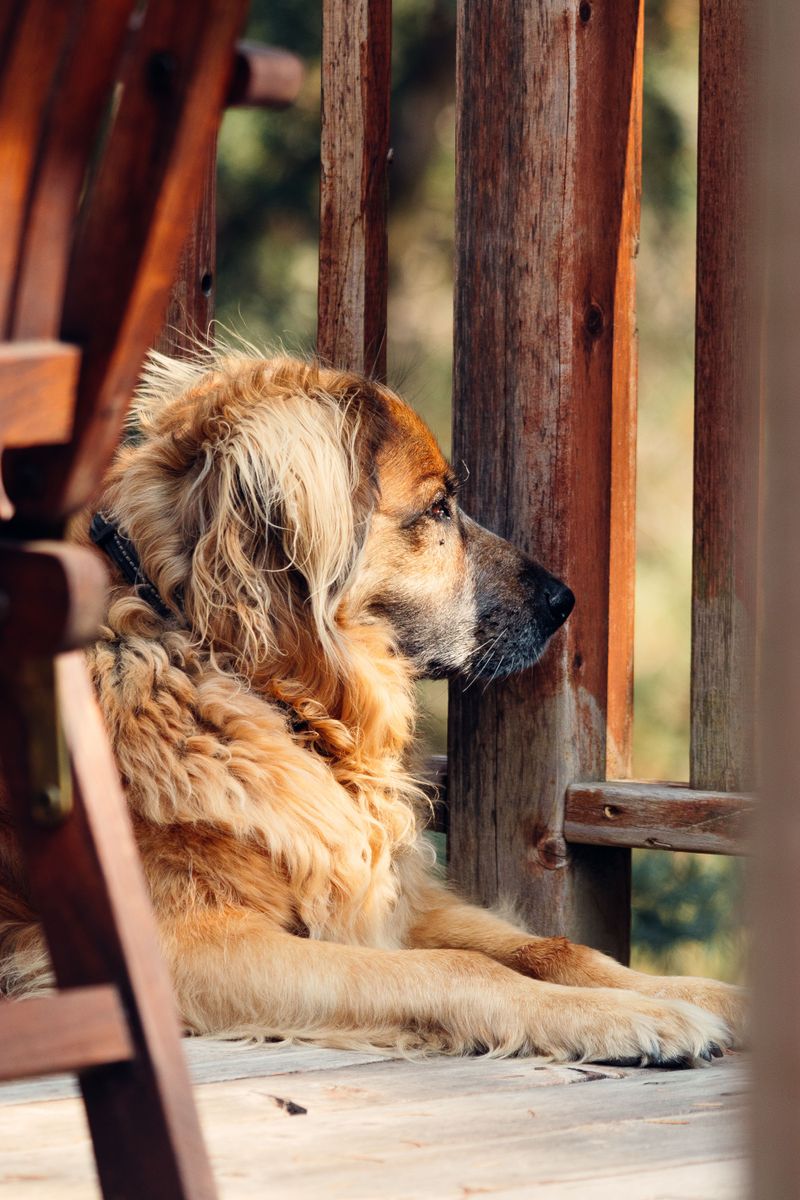
For a curious dog, the yard is a show that never ends. Birds, squirrels, and passing neighbors can hold their attention for hours.
Watching is normal, but constant scanning may leave some dogs too worked up to relax.
Notice whether your dog can settle after spotting movement. If not, try shorter porch visits or block part of the view.
Reward calm pauses, and offer a quiet indoor break before excitement builds. Your dog can still enjoy watching without making it an all-day job.
3. The Porch Can Become a Favorite Resting Spot
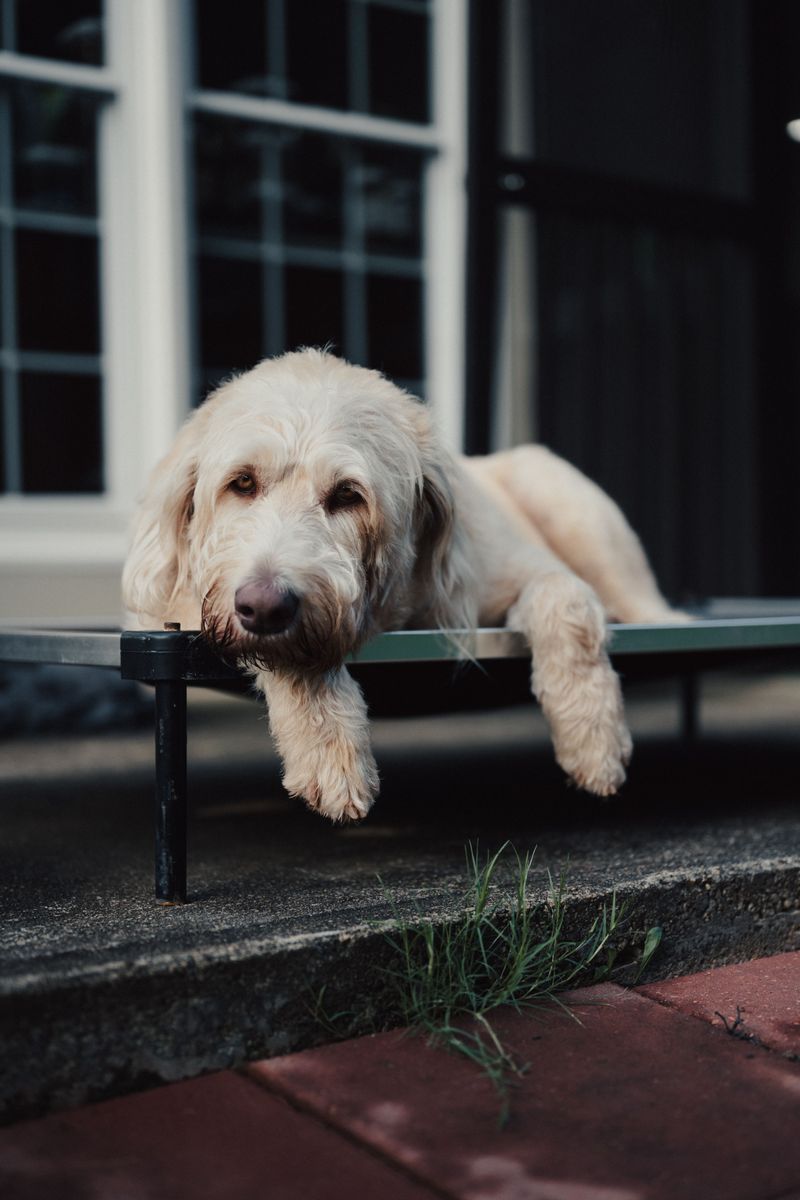
Some dogs discover the porch bed and vote to stay. Fresh air, shade, and familiar household sounds can make it a pleasant resting place.
Give your dog a clean, dry bed away from direct sun and damp corners.
Keep water nearby, and check the floor before naps. Boards or tiles may feel hotter or colder than expected.
Let your dog choose an indoor resting spot too, especially when the porch becomes noisy or the weather shifts during the day.
4. Screen Doors Do Not Replace Supervision
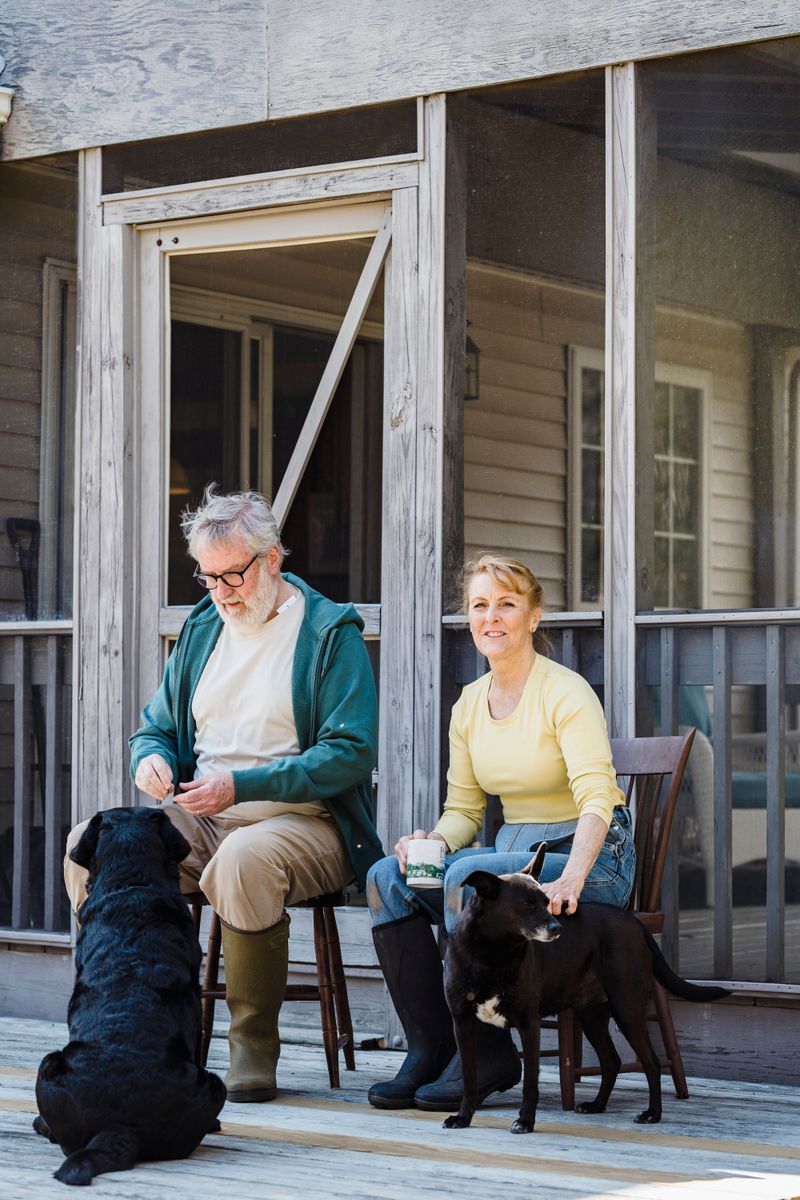
A screen looks like a wall, but it is not built like one. A dog can loosen a panel by leaning, scratching, or pushing against it.
Door latches also deserve a regular check, especially after frequent use.
Supervise porch time and inspect screens for gaps or loose edges. Consider a sturdy barrier if your dog tends to charge doors.
When you cannot watch closely, bring your dog inside. A sound screen helps with comfort, but supervision remains part of the plan.
5. Excited Dogs May React to Yard Activity
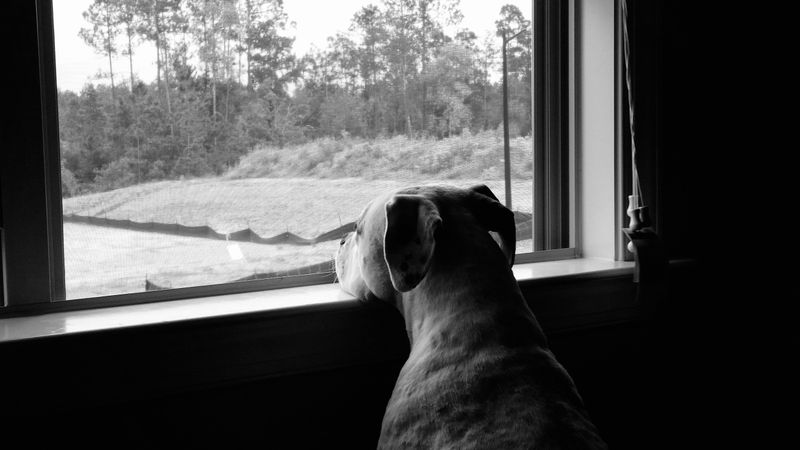
One squirrel can turn a quiet afternoon into a barking session. The screen lets dogs see movement while keeping them from investigating it.
For some dogs, that gap makes excitement linger.
Call your dog away before barking grows, and reward them for turning toward you. Practice with mild distractions first.
A covered lower screen can reduce visual triggers. If your dog remains upset, choose indoor rest instead.
Calm porch time should feel comfortable, not like constant patrol duty.
6. Rain Can Make the Porch Feel Like Part of the Outdoors
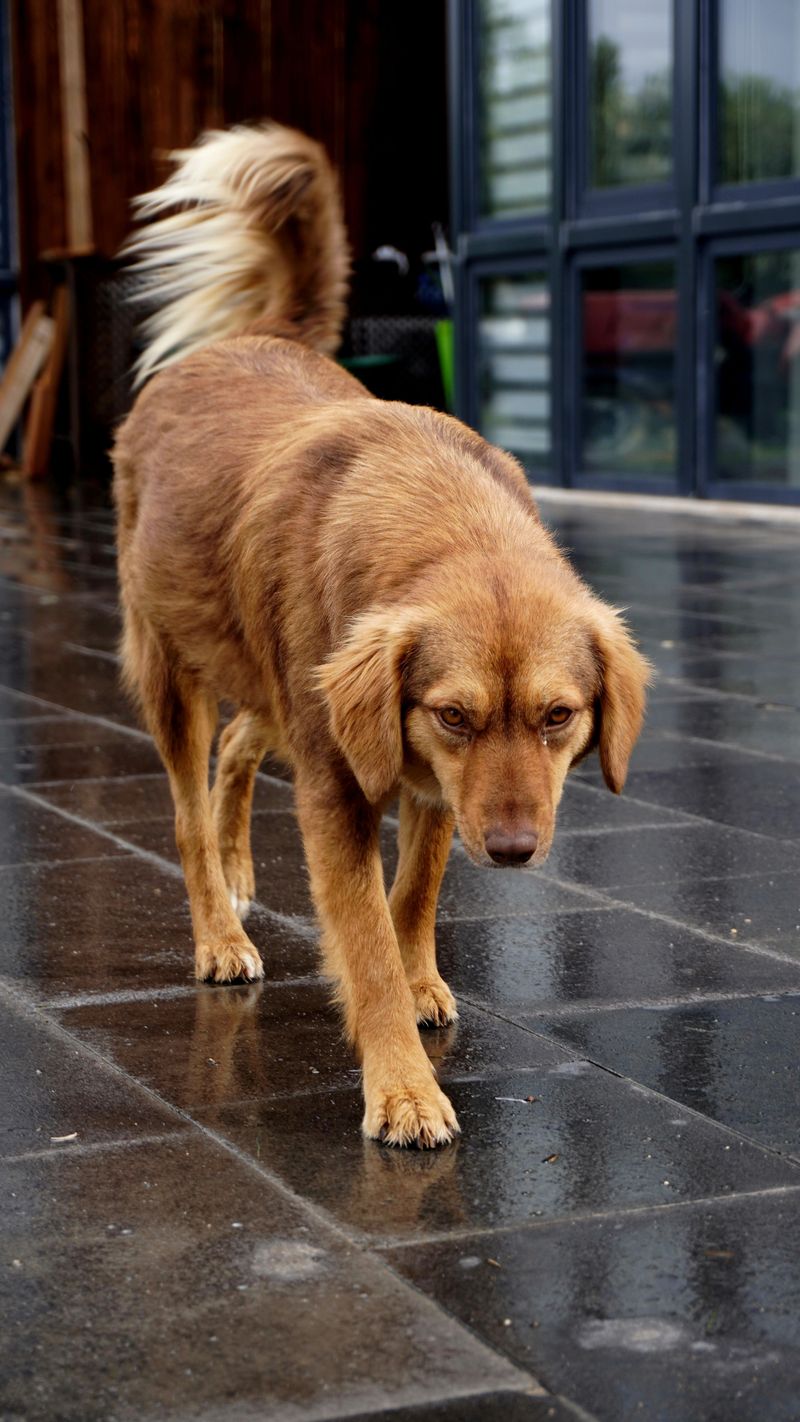
Rain tapping the screens can make a porch feel much closer to the yard. Wind may carry water across the floor, even beneath a roof.
Dogs that dislike wet weather might hesitate at the yard door.
Check for puddles and slippery spots before letting your dog out. Dry bedding after rain, and guide potty breaks as usual.
A porch visit does not replace a trip to the proper potty area. Keep a towel nearby for muddy paws afterward.
7. Summer Heat Still Reaches Screened Porches
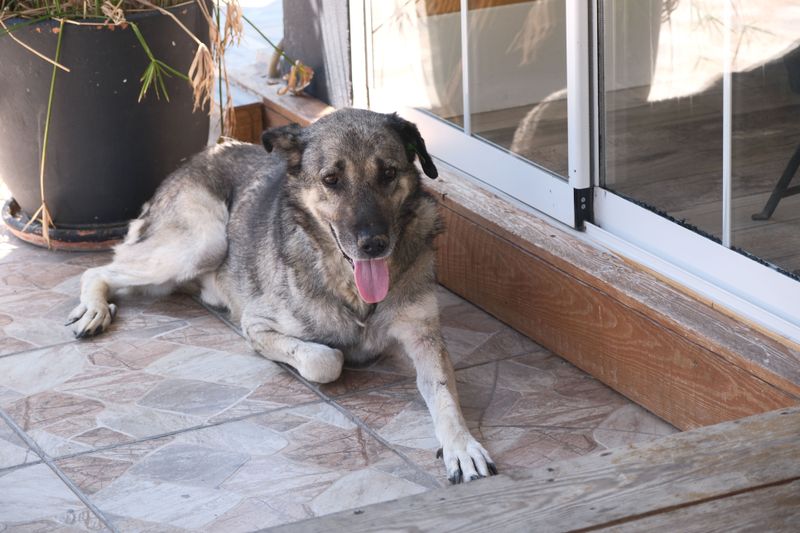
Summer air does not become cool just because a porch has a roof. Sunlight can warm the floor, and still air can make resting uncomfortable.
Check conditions where your dog actually lies, not only near the house door.
Offer fresh water and easy access to a cooler indoor room. Schedule longer outdoor breaks during milder hours.
If your dog pants heavily, seems weak, or cannot settle, move them indoors and contact a veterinarian for guidance promptly.
8. Humidity Can Affect Comfort
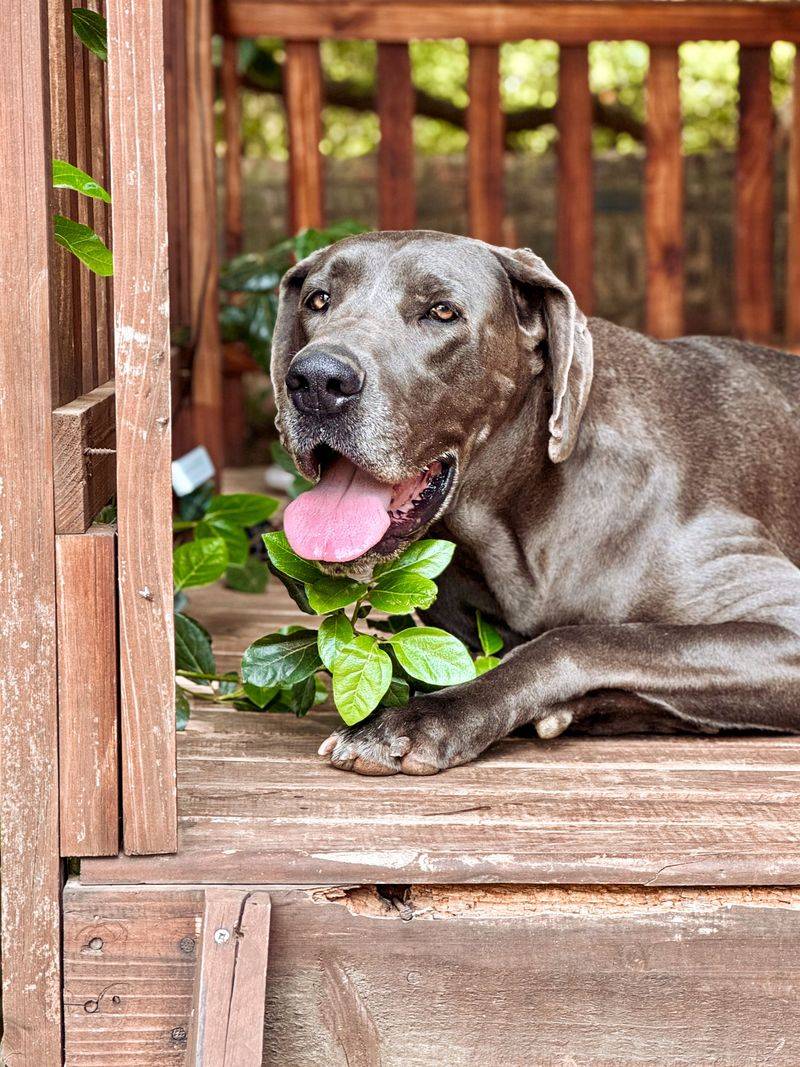
Sticky air can make a mild-looking day feel harder for a dog. North Carolina humidity may limit how easily dogs cool themselves through panting.
A shaded porch can still feel uncomfortable when the air barely moves.
Watch your dog, not just the thermometer. Shorten porch time when they seem restless or unusually tired.
Provide water and a cool indoor option. Dogs with breathing concerns may need extra care, so ask your veterinarian about a suitable warm-weather routine.
9. Screens Can Reduce Some Insects but Not All
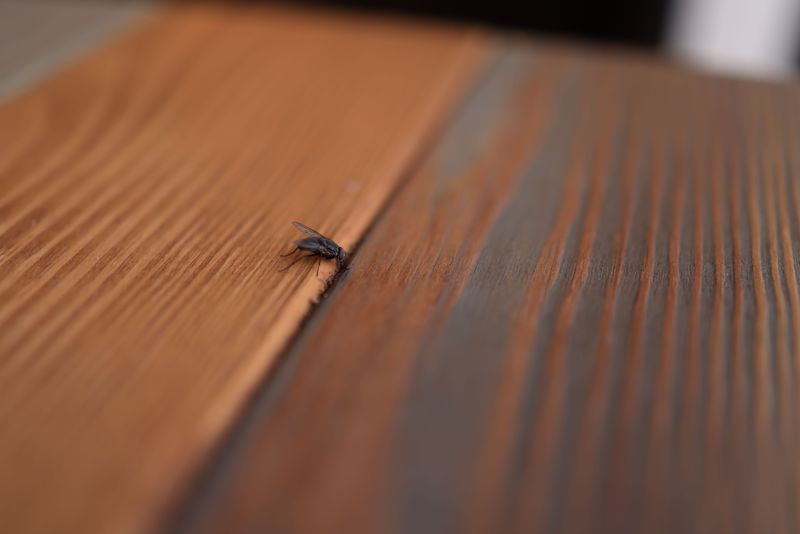
Screens make porch evenings more pleasant, but tiny visitors can still slip through gaps. Insects may also enter when doors open.
Look closely at corners, door sweeps, and torn mesh before assuming the space is protected.
Empty standing water nearby to help reduce mosquito breeding. Ask your veterinarian which parasite prevention fits your dog and your area.
Avoid spraying products around pets without checking their labels. A tidy, well-maintained porch helps, yet it cannot replace routine prevention and simple checks.
10. Fleas and Ticks Can Still Reach Porch Areas
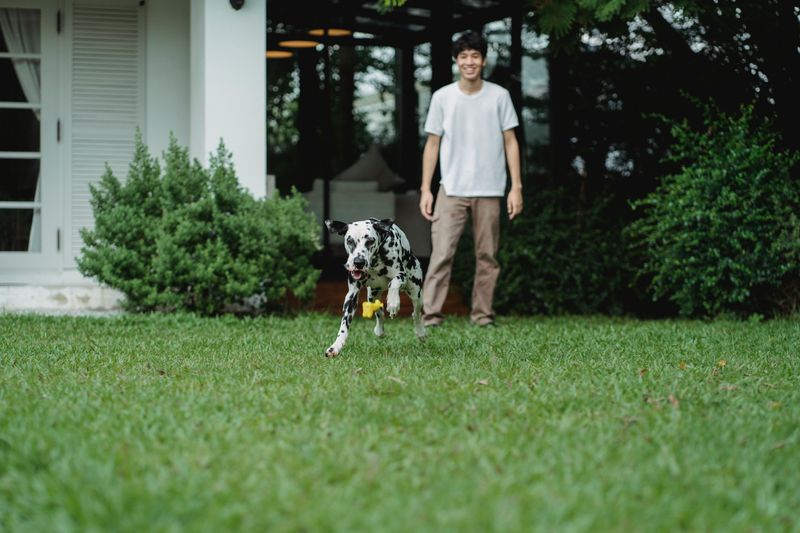
A quick stop on the porch does not eliminate the possibility of flea or tick exposure. Fleas or ticks may be carried by pets, clothing, or other animals.
Dogs can also brush against vegetation near porch steps or doors.
Use veterinarian-recommended prevention and check your dog after time in grassy or wooded areas. Keep vegetation trimmed away from porch edges.
If you find a tick, remove it carefully using veterinary guidance. Ask your veterinarian about concerns related to bites or changes in your dog’s health.
11. Porch Plants Need a Closer Look
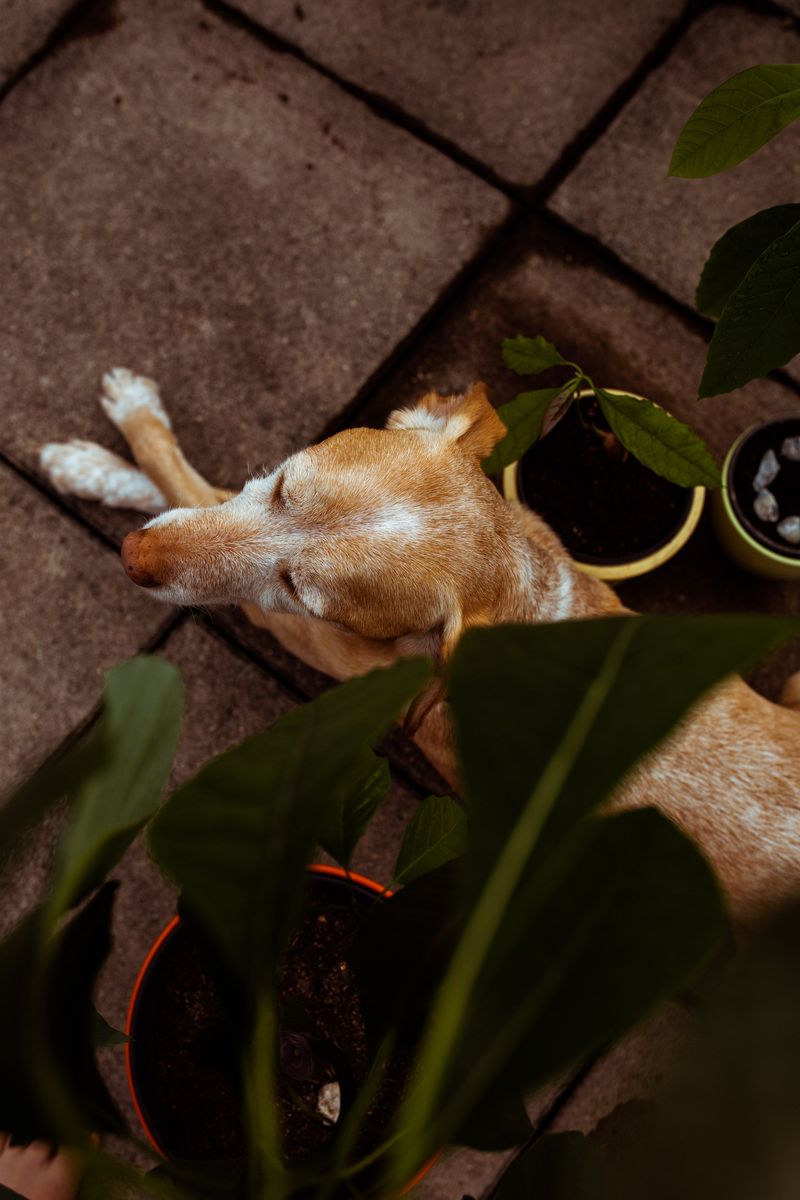
Potted greenery can make a porch inviting, and curious noses notice it first. Some common plants can upset dogs if chewed.
Fertilizers, potting mixes, and fallen leaves may create problems too.
Identify every plant within reach before leaving your dog nearby. Move questionable pots behind a secure barrier, and clean up spilled soil promptly.
Your veterinarian or a trusted animal poison resource can help check a plant’s safety. When a dog mouths something unknown, save its name or a photo for guidance.
12. Outdoor Sounds Can Keep Some Dogs Alert
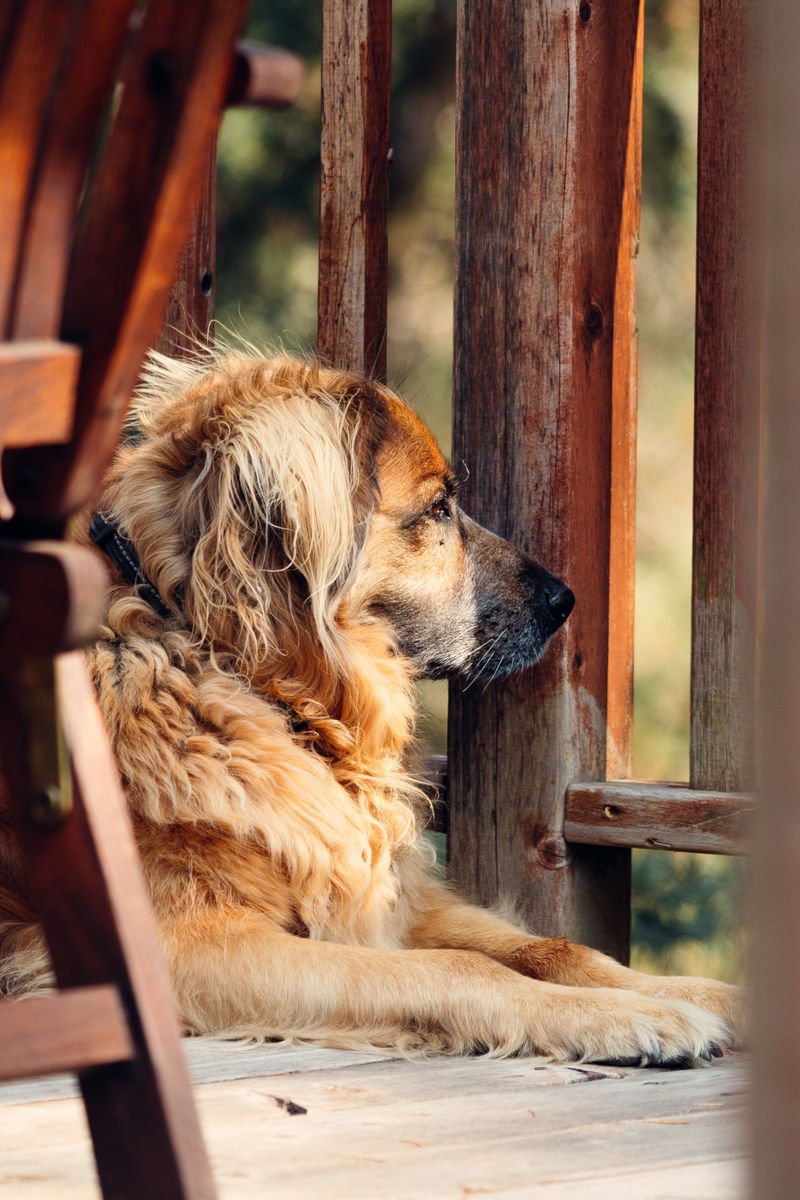
A porch carries sounds that indoor walls usually soften. Lawn equipment, birds, and nearby conversations may keep a sensitive dog listening instead of resting.
The dog might look calm while staying ready to react.
Notice whether porch naps are truly restful. If your dog startles often, offer a quieter room and keep visits brief during busy hours.
Reward relaxed behavior without forcing your dog to stay outside. A familiar bed indoors gives them another place to settle comfortably.
13. Puppies May Treat Screens Like Playthings

To a puppy, screen mesh may look like an exciting new texture. Little paws and teeth can damage it quickly, especially during play.
A loose screen can then become an inviting opening.
Stay nearby and redirect chewing or scratching toward suitable toys. Reward your puppy for moving away from the screen.
Check panels and door edges after energetic visits. Short, supervised sessions help puppies learn where to play.
Give them a safe indoor activity when they need a break.
14. Senior Dogs May Need Easier Access
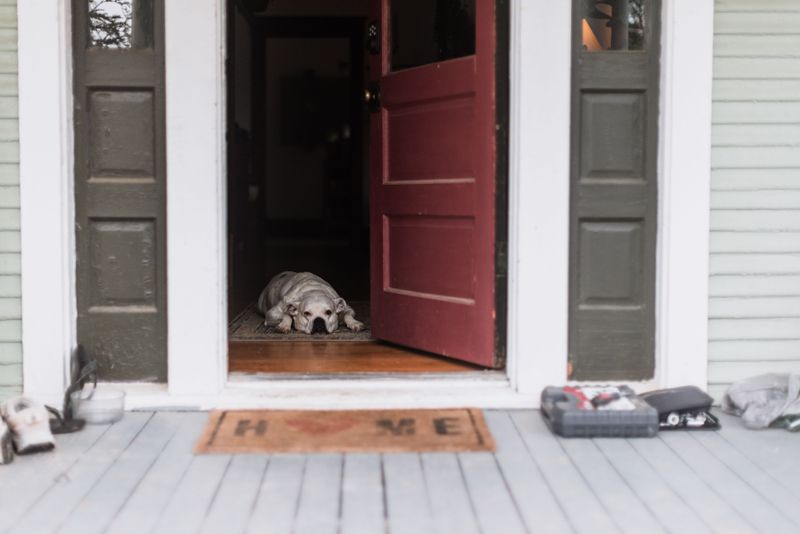
An older dog may still love porch breezes, even when steps feel less inviting. Stiff joints or poor vision can make thresholds and slick flooring harder to manage.
Small changes often help them keep enjoying the space.
Place nonslip mats along the usual route and keep clutter away from doors. Add a sturdy ramp only if it fits your dog’s needs and the space.
Ask your veterinarian about mobility changes. Never leave a senior dog struggling to cross a threshold alone.
15. Screened Porches Can Blur Potty Cues
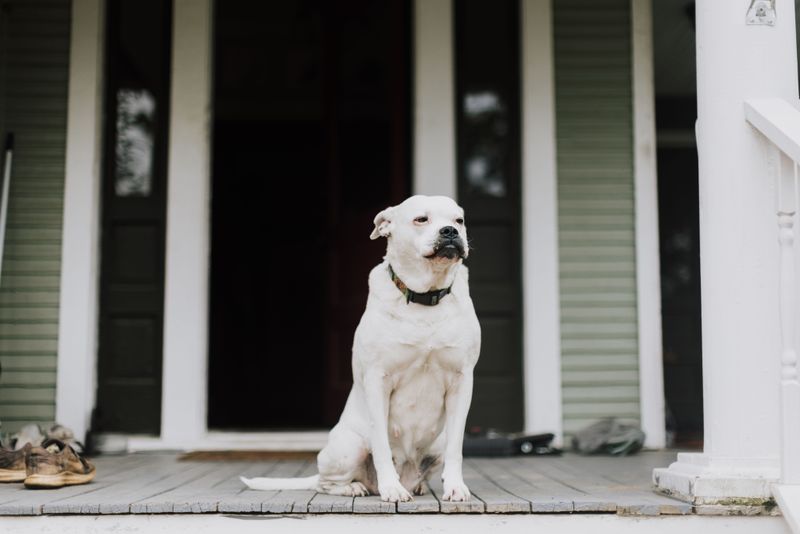
Fresh air can confuse a dog that relies on clear potty signals. A porch smells and sounds outdoorsy, yet it is not the yard.
Some dogs may wait there instead of asking for their usual trip.
Keep using the same potty door, cue, and schedule. Walk your dog to the proper area rather than assuming porch time counts.
Praise them when they finish outside. Clean any porch accidents with a pet-safe cleaner, and revisit the routine without scolding.
16. Keep Porch Doors Easy to Manage
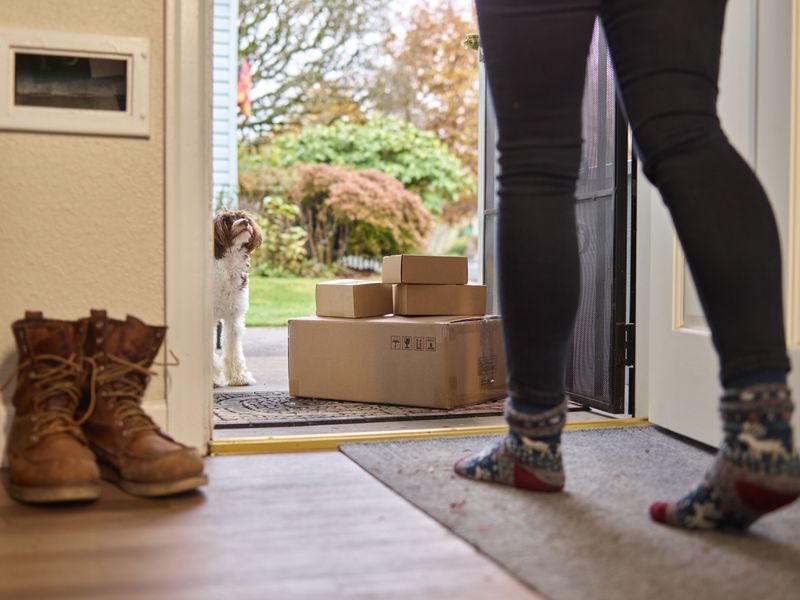
Two nearby doors can turn a simple outing into a juggling act. A dog may slip through while someone carries groceries or manages a leash.
Planning the doorway routine makes arrivals calmer.
Check that latches close fully and handles work smoothly. Teach your dog to wait before either door opens.
Keep leashes within reach, but away from curious mouths. Local leash and containment rules can vary, so confirm requirements with your city or county before letting your dog enter the yard.
17. Give Dogs a Clear Way Back Inside
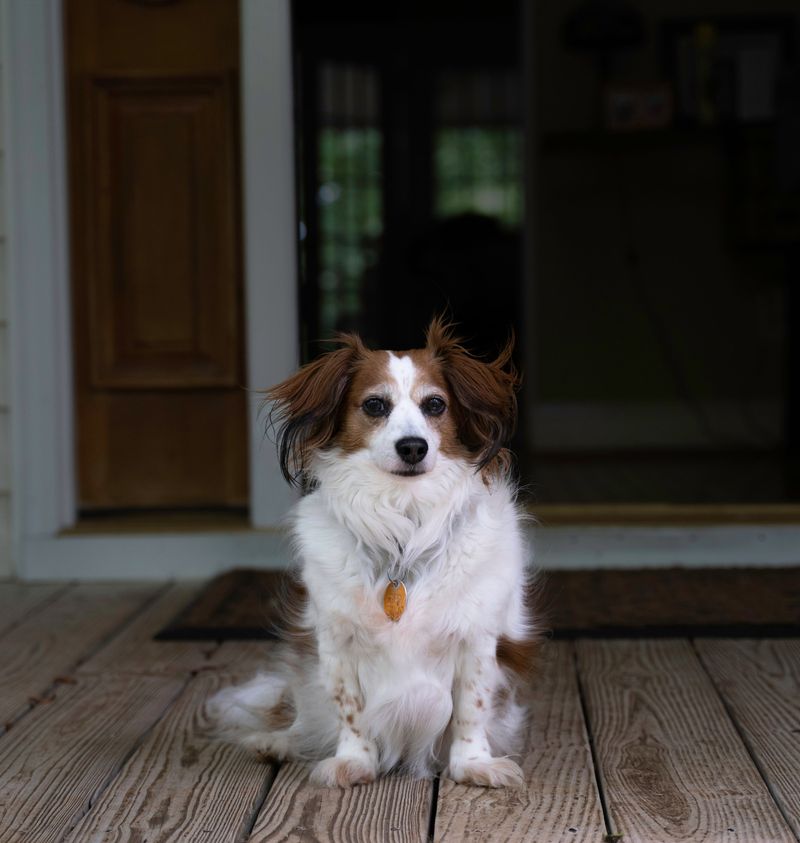
Sometimes the best porch feature is an easy exit. Dogs may want to head inside when sunlight shifts, storms approach, or neighborhood noise increases.
Make sure someone can notice that request.
Use a familiar cue for coming indoors and practice it during quiet moments. Check doors before leaving your dog on the porch, since a closed entry can block relief.
For safety, avoid relying on a pet door unless it is secure and suits your home. Offer a comfortable indoor spot nearby.
18. Watch What Your Dog Learns From the Space
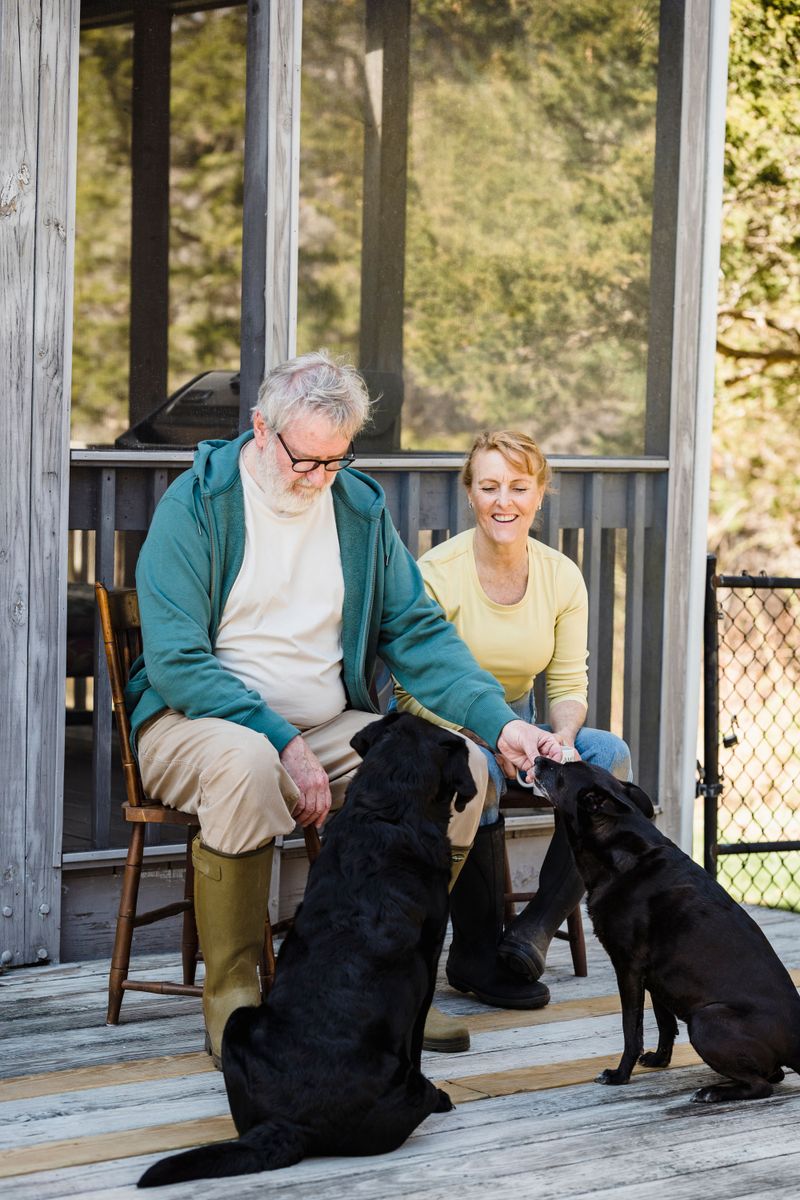
Every porch visit teaches something, even when no lesson was planned. Your dog may learn to relax there, or practice barking whenever someone passes.
Look for patterns rather than judging one noisy afternoon.
Reward the behavior you want, such as settling on a mat or coming when called. Change the setup if a habit is growing troublesome.
With steady cues, shade, supervision, and indoor breaks, the porch can remain a pleasant part of your dog’s day.