12 Ways A Rescue Dog’s Routine Changes Between Rural Ohio And Cleveland Or Columbus
Moving with a rescue dog from rural Ohio to Cleveland or Columbus can change the shape of an ordinary day. A yard may give way to sidewalk walks, and familiar quiet may give way to buses and neighbors.
You do not have to change everything at once. Knowing what to expect helps you build a routine that feels safe and familiar to your dog.
1. Yard Time Gives Way To Planned Walks
A wide rural yard can make outdoor time feel effortless. Your dog may wander, sniff, and settle while you stay nearby.
In Cleveland or Columbus, a smaller yard or no yard often means scheduling those activities.
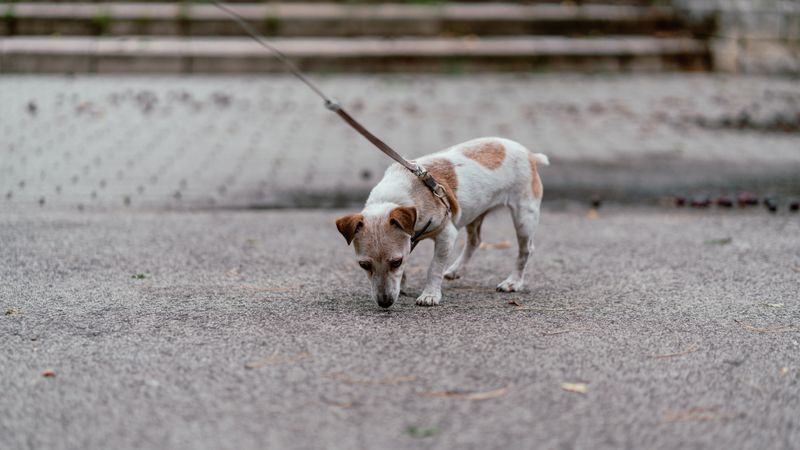
Plan several short walks rather than expecting one long outing to do everything. Give your dog time to sniff, not just cover distance.
If you still have a yard, check gates and fences before letting your dog explore.
2. Leashes And Traffic Become Everyday Skills
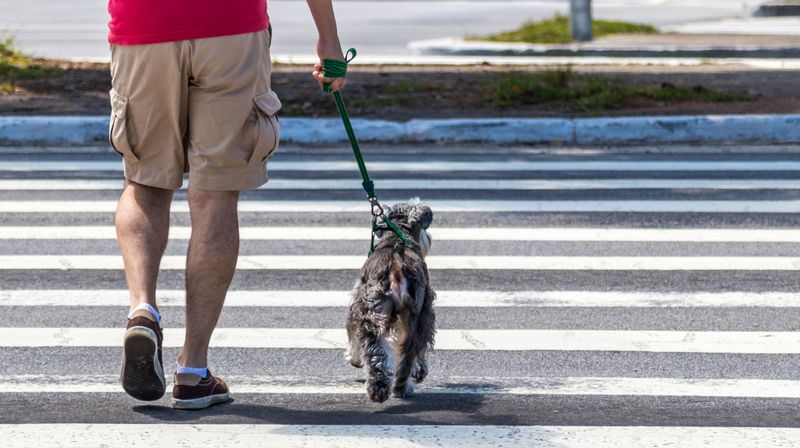
City walks put cars, bikes, and intersections much closer to your dog. A secure harness and a regular leash can help you guide them safely without rushing.
Practice stopping at curbs and rewarding your dog for staying beside you. Ohio law and local leash rules are not identical everywhere, so check your city and county requirements.
Even where an off leash area exists, keep your dog under control. Choose quieter streets while you both learn the route.
3. City Sounds Can Shift Behavior
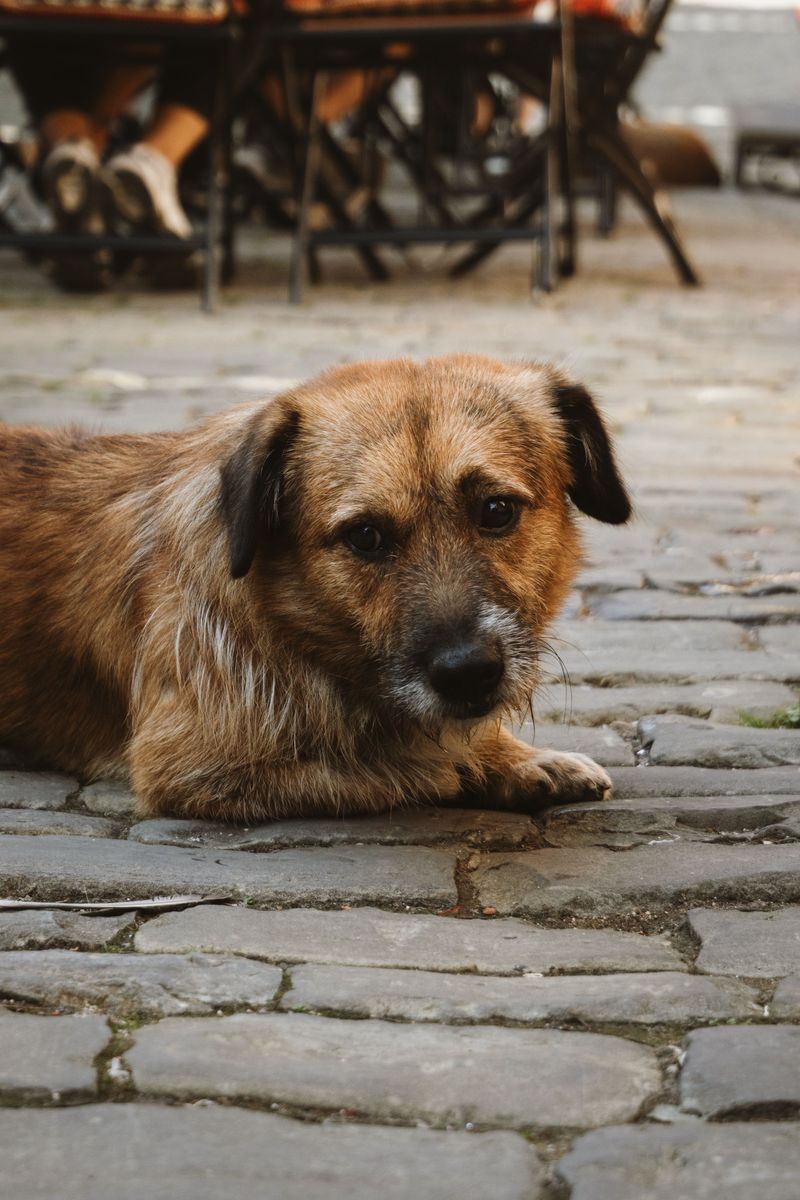
A dog used to tractors might still find a bus surprising. Sirens, delivery carts, and crowded hallways can also change how a rescue dog acts.
Watch for signs they need space, such as pulling away, freezing, or refusing treats. Step back, let the sound pass, and reward calm attention when your dog can respond.
Begin with brief trips during quieter hours. If fear keeps growing, ask your veterinarian or a qualified trainer for help.
4. Apartment Breaks Need A Little Planning
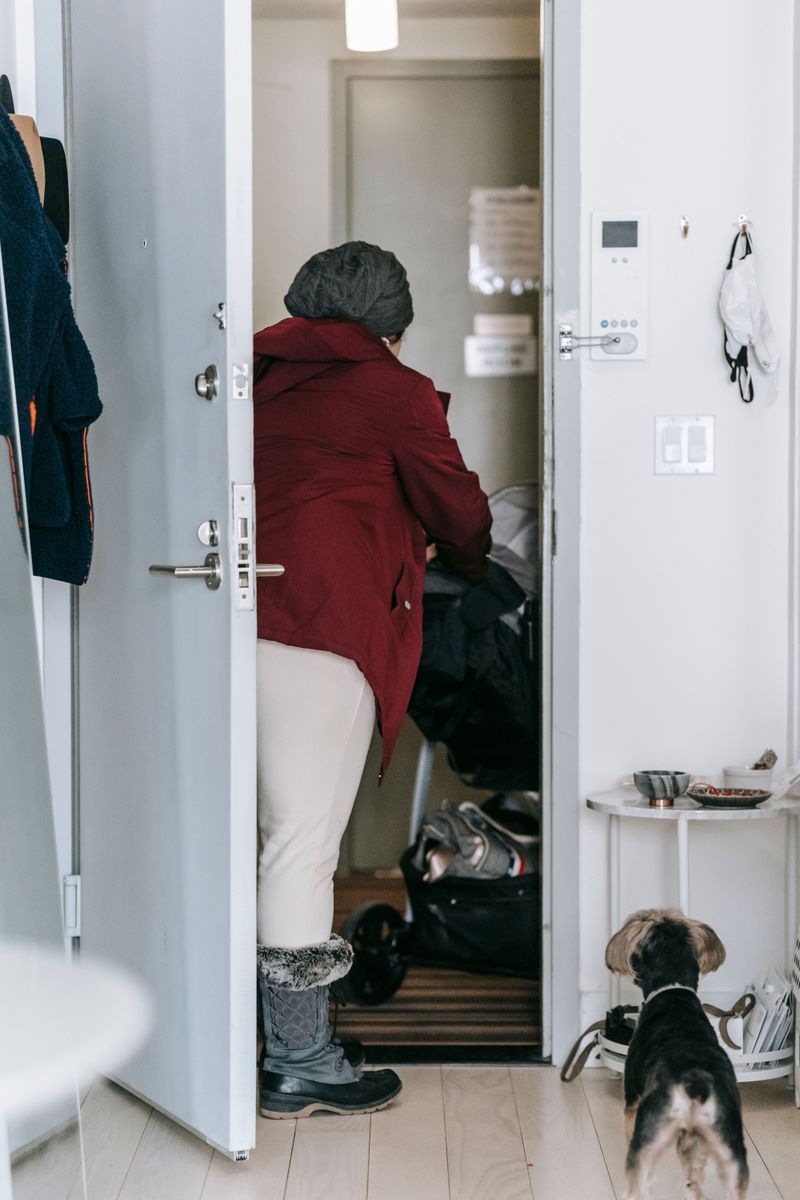
In an apartment, a bathroom break begins before your dog reaches the grass. Hallways, elevators, and stairs add time, especially for a dog learning new surroundings.
Take your dog out after waking, meals, and active play. Praise them when they finish outside, then clean indoor accidents without scolding.
Keep bags and shoes near the door for easier trips. On days when outdoor time is short, try a food puzzle or simple training game indoors.
5. Wildlife Looks Different On Each Route
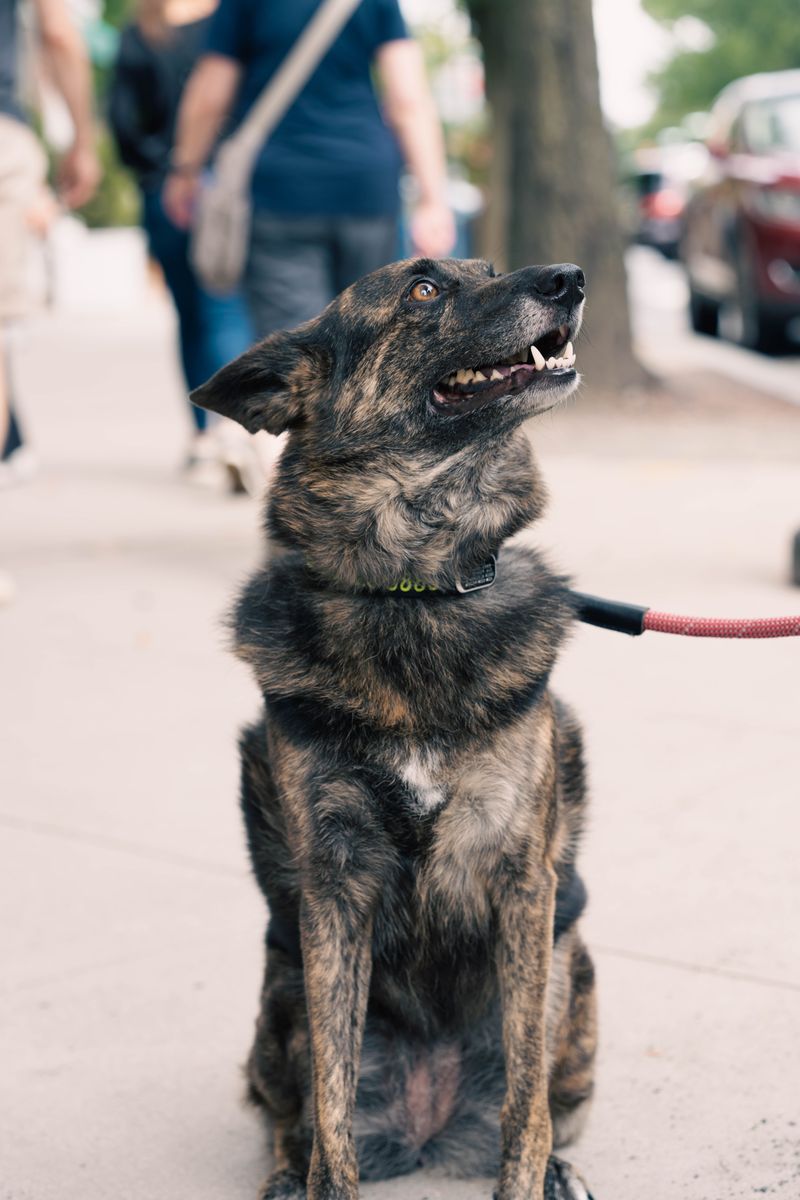
Country walks may bring deer or other wildlife across open land. City routes may feature squirrels, rabbits, and birds close to sidewalks.
Either setting can tempt a curious dog to chase. Keep a comfortable grip on the leash and practice calling your dog away from movement.
Scan ahead near wooded paths and street trees. Avoid letting your dog investigate unfamiliar animals or waste.
Ask your veterinarian which parasite prevention fits your dog’s activities.
6. Neighbors Become Part Of The Walk
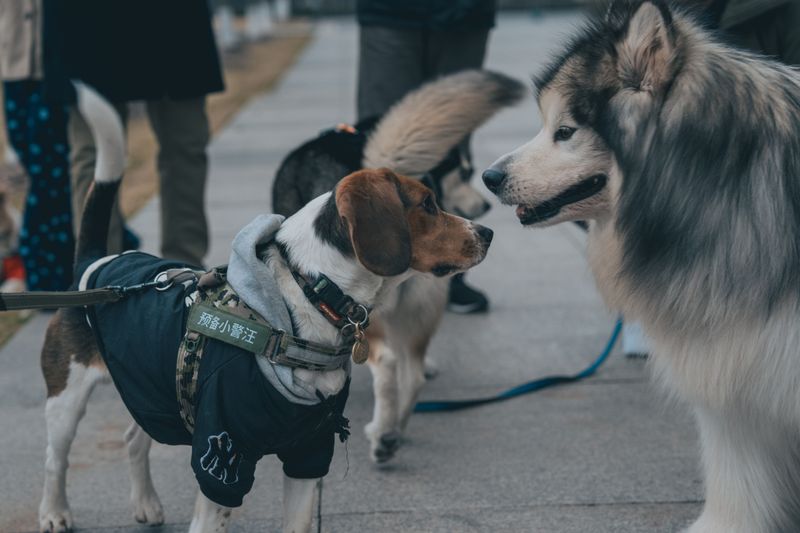
A quiet lane may offer few chances to meet strangers. In Cleveland or Columbus, neighbors and other dogs can appear around every corner.
Your rescue dog does not need to greet everyone. Move aside when the sidewalk feels crowded, and ask people to wait before reaching toward your dog.
Reward relaxed behavior from a comfortable distance. If your dog enjoys company, arrange calm meetings with one familiar dog before trying busy gatherings or crowded paths.
7. Dog Parks Cannot Replace Regular Walks
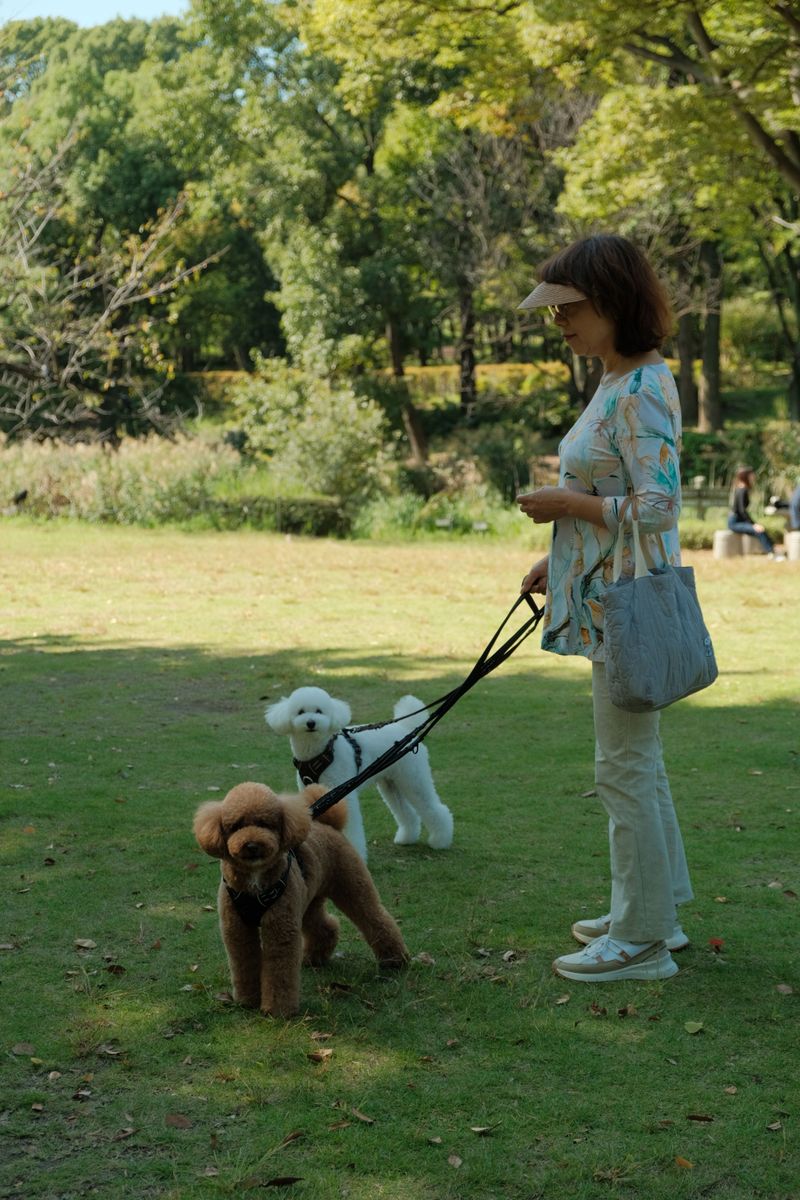
A dog park can look like an easy answer to limited yard space. Some rescue dogs may prefer steady walks with familiar people.
Walks offer sniffing, practice with cues, and time together without close contact from unfamiliar dogs. If you consider a park, visit without your dog first to observe its layout and rules.
Choose another activity if your dog seems uneasy around groups. A quiet trail or training game counts as worthwhile exercise too.
8. Weather Changes Where You Walk
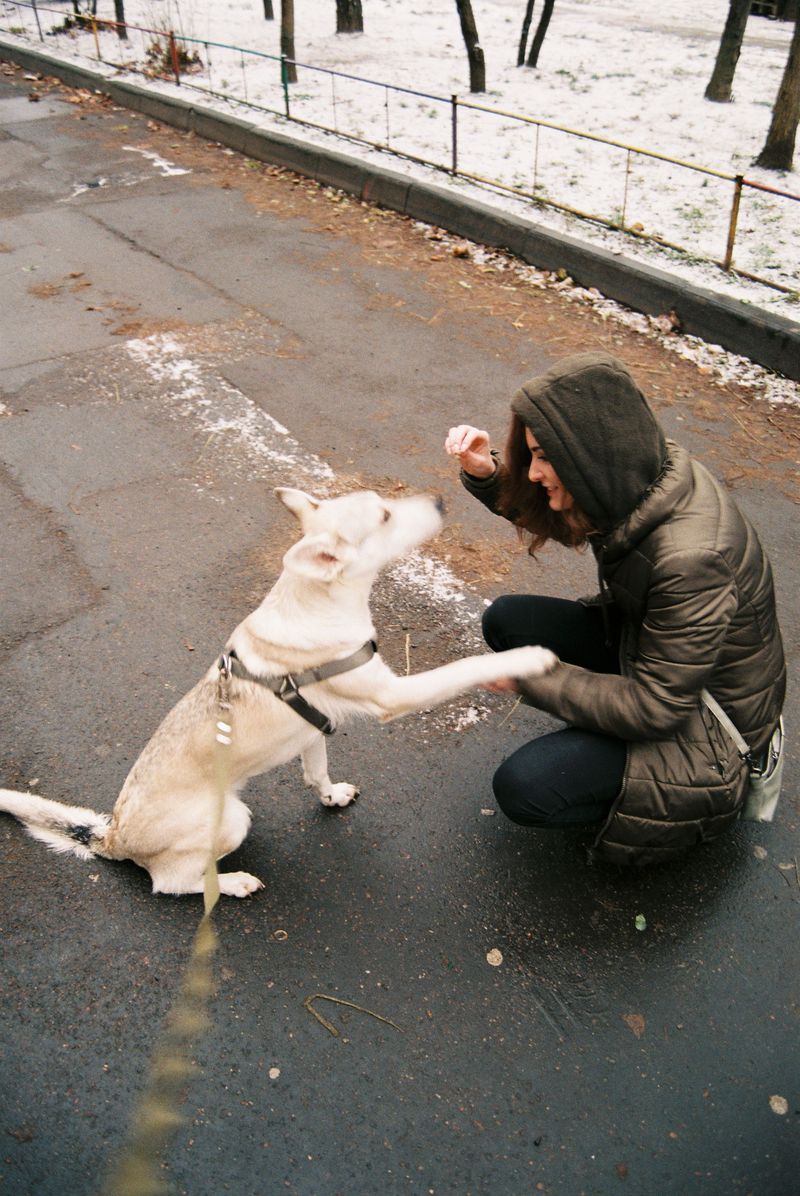
Ohio weather follows your dog wherever you live, but outdoor choices change. Rural ground may be muddy, while city sidewalks can feel hot or icy.
Check pavement with your hand before summer walks. In winter, watch for ice and wipe your dog’s paws after crossing treated surfaces.
Shorten outings when conditions are uncomfortable, and offer indoor play instead. Keep a towel by the door so returning home feels simple after messy walks.
9. Vet Visits May Take A Different Route
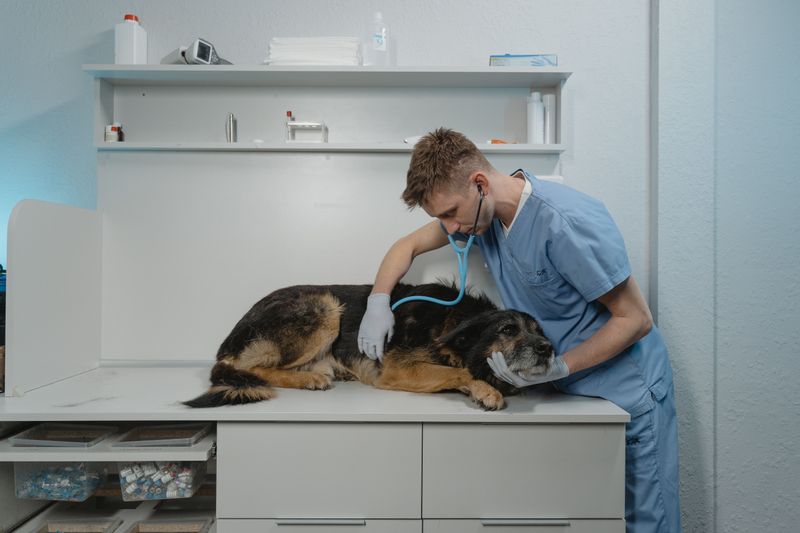
More nearby clinics do not always mean an easier appointment. City traffic, parking, and a busy waiting room may add stress for your dog.
In rural areas, the clinic may be farther away. Before a move, transfer records and ask how to book routine care.
Find a clinic whose hours and location work for you. Tell staff if your rescue dog needs extra space, and ask whether you can wait outside.
10. Emergency Plans Depend On Your Address
When plans change suddenly, knowing your next step brings relief. Save your regular clinic’s number and confirm where to seek urgent veterinary care.
Check hours before you need them, since available services vary by location. Keep your dog’s leash, carrier if used, and records easy to reach.
Make sure your dog’s microchip contact details reflect your current contact information. In an apartment, learn the building’s exit routes and choose a backup helper who knows your dog.
11. Meals And Exercise Still Need A Rhythm
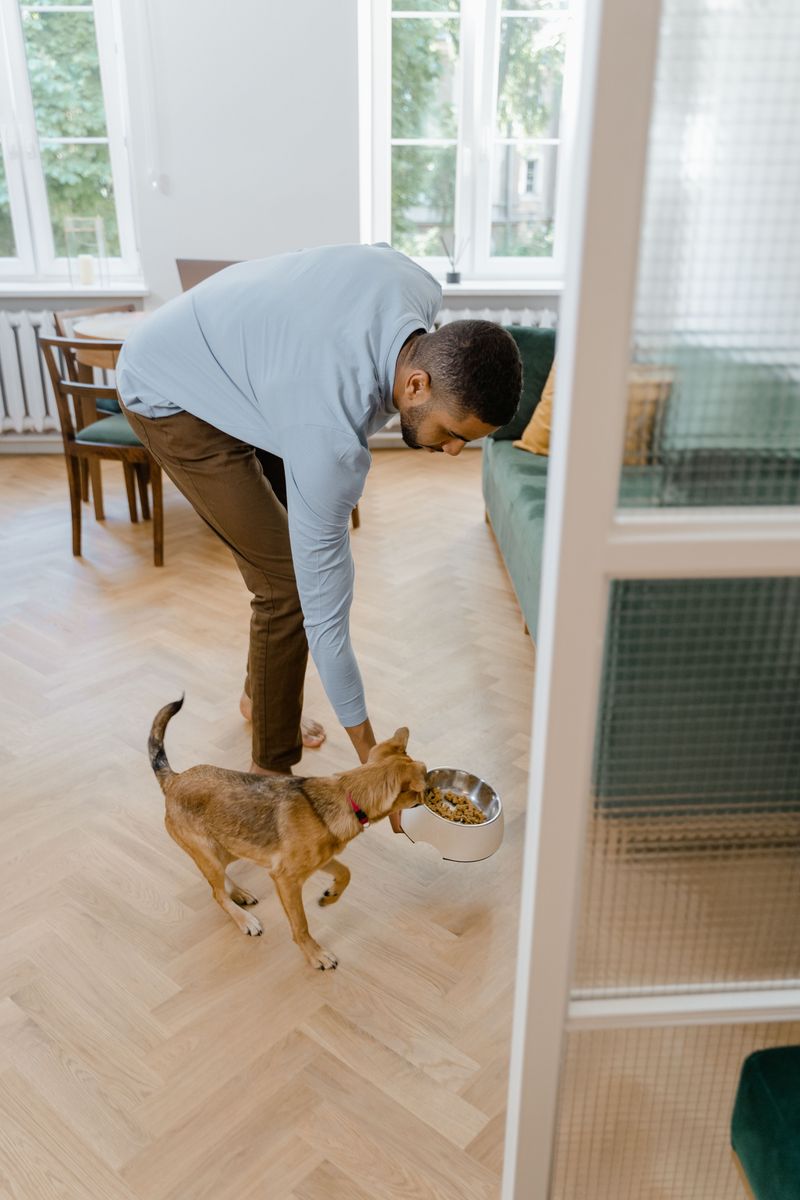
A new address does not mean every habit should change. Familiar meal times can help a rescue dog settle while walks take a different shape.
Measure meals as usual, and consider training treats as part of the day’s food. If your dog moves less after leaving a large yard, ask your veterinarian about portions.
Build activity gradually rather than adding long walks overnight. Keep fresh water available, especially after warm outings or active indoor games.
12. A City Move Calls For A Slower Start
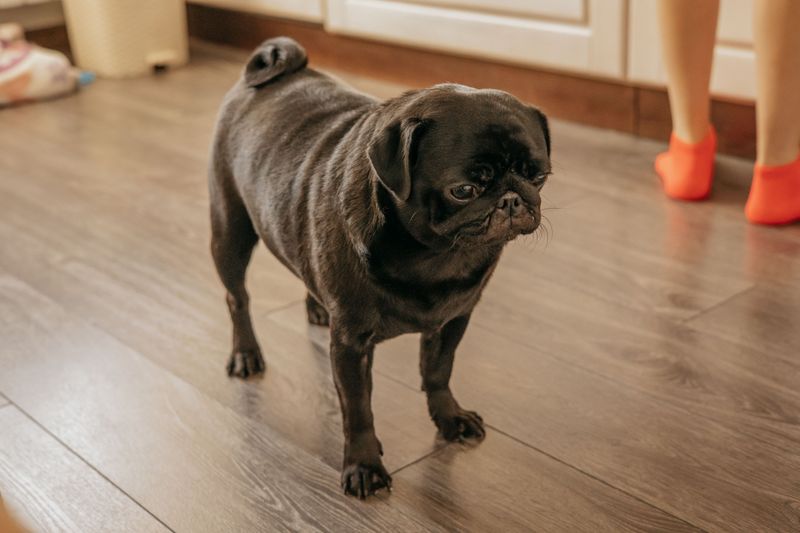
Even a confident dog may need time to understand a new home. Start with a quiet resting spot, familiar bedding, and a few predictable routes.
Introduce elevators, visitors, and busier streets one at a time. Notice what helps your dog relax, and repeat those moments often.
Progress may look small, like eating normally or resting after a walk. That is still progress.
A steady routine gives you both room to feel at home.