15 Vet Questions Florida Owners Should Ask Before The Wettest Months Begin
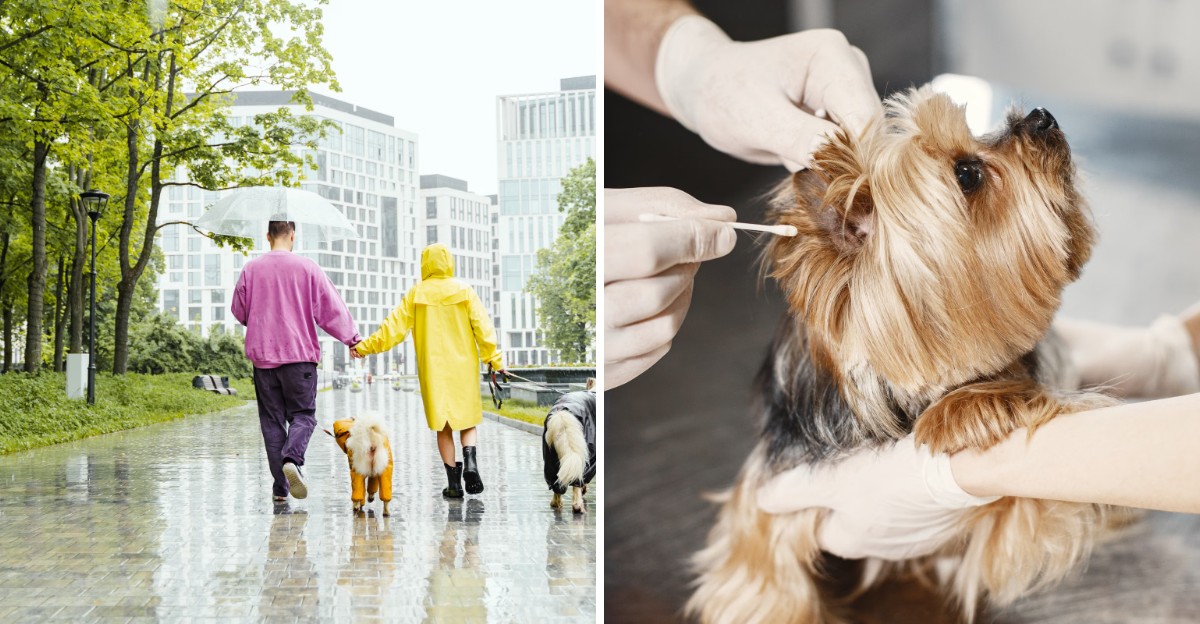
In Florida, a sunny walk can turn soggy before you reach home. Wet paws, standing water, mosquitoes, and summer heat can all change how you care for your dog.
A short talk with your veterinarian before the wettest months helps you plan without worry. Bring these questions to your next visit, and you will know what to watch for, what to keep handy, and when to call for help.
1. How Could Rainy Weather Affect My Dog’s Health?
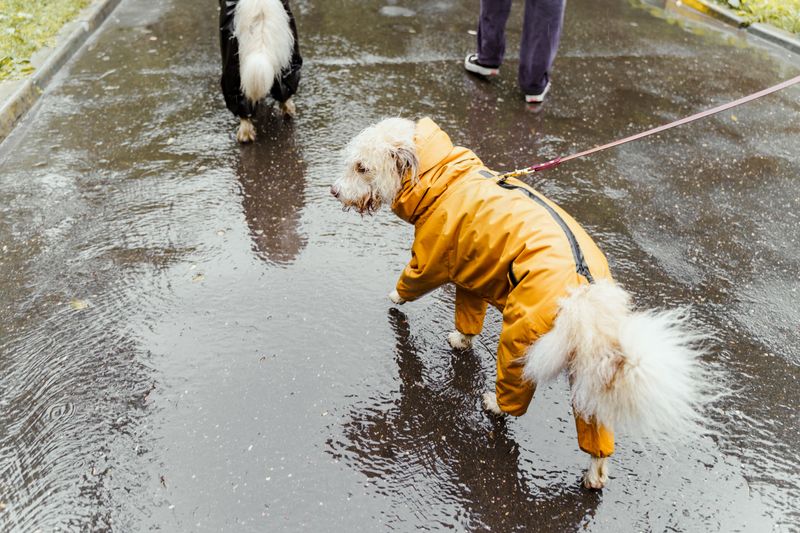
Rain changes more than your walking route. Ask your veterinarian which wet weather concerns matter most for your dog’s age, health, and daily routine.
A dog that swims often may need different care from one that mostly visits a grassy yard.
Mention any allergies, past ear trouble, or medicines. Your vet can help you plan simple checks after walks and explain which changes deserve a call.
That advice gives you a useful starting point before storms become common.
2. Is Our Flea and Tick Protection Enough?
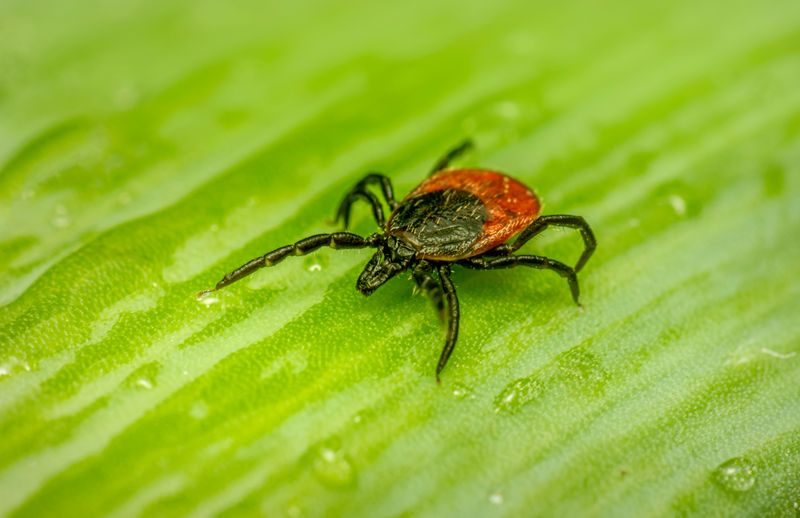
Wet grass can hide pests, even when your dog looks clean. Bring the name of your current flea and tick product to your appointment.
Ask whether it suits your dog’s weight, health, and outdoor habits.
Protection schedules and product directions differ, so check when the next dose is due. Your vet can show you where to look for ticks after walks.
If you find one, ask how to remove it safely and when follow-up care makes sense.
3. Is My Dog’s Heartworm Plan Up to Date?
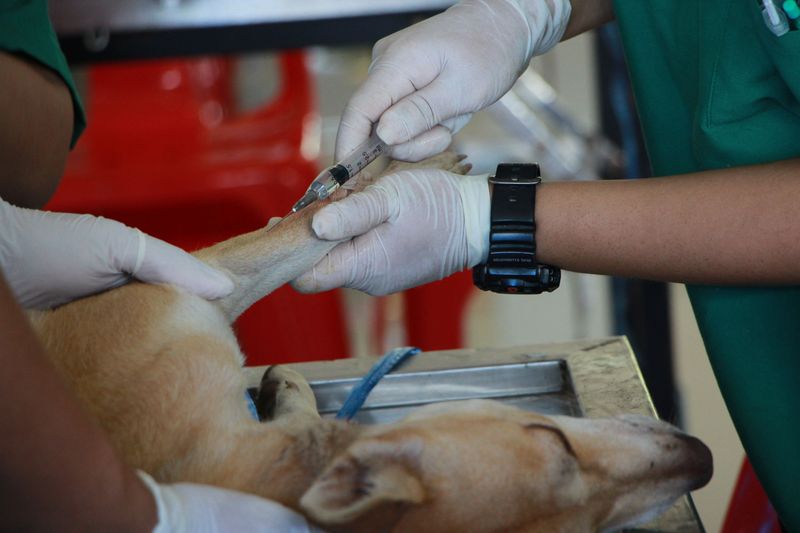
Mosquitoes are a familiar part of Florida life. Ask your vet whether your dog’s heartworm prevention is current and whether testing is due.
Many dogs need protection throughout the year, not only during the rainiest months.
If you missed a dose, tell the clinic as soon as possible. Your veterinarian can advise whether testing is needed and how to resume the appropriate schedule for your product.
Keeping a reminder on your phone may make that schedule easier to follow when storm plans get busy.
4. What Should I Do With Wet Paws After Walks?
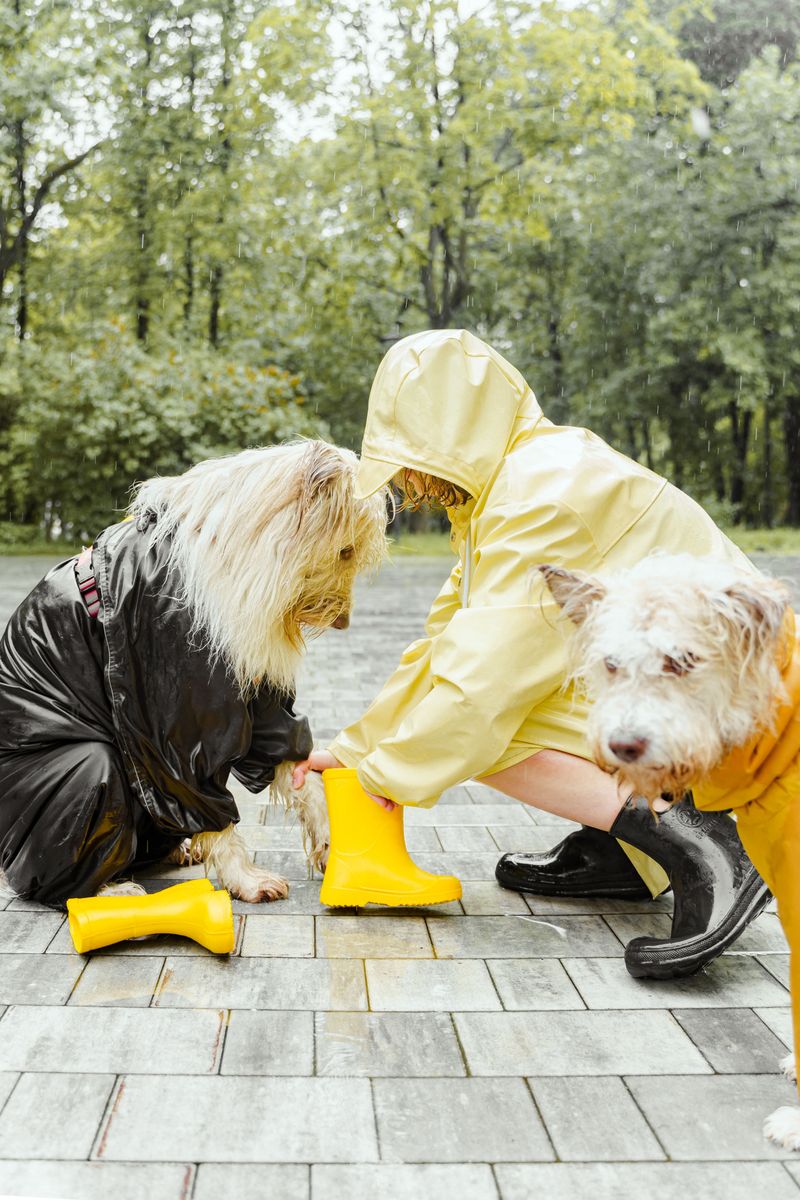
Muddy paw prints are annoying, but the skin between the toes deserves more attention. Ask your vet how to clean your dog’s paws after wet walks.
Plain water and a soft towel may be enough for everyday dirt.
Dry between the toes without rubbing hard, and look for redness, swelling, or a sore spot. Check before using wipes or soaps, especially if your dog has allergies.
Your vet can suggest a routine that fits your dog’s skin and habits.
5. Which Skin Changes Might Mean an Infection?
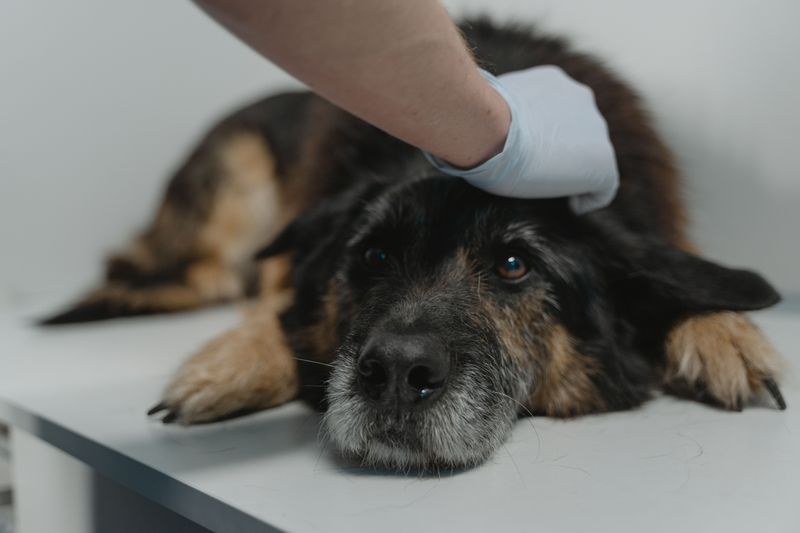
A small itchy patch can be easy to miss beneath a thick coat. Ask your vet what skin changes should prompt a visit during humid weather.
Redness, new bumps, odor, repeated licking, or damp, irritated patches are worth mentioning.
Take a clear photo when you first notice a change. That helps the clinic see whether it spreads.
Avoid putting human creams on the area without advice. Several problems can look alike, and your dog may need a proper exam.
6. Does My Dog Need Extra Ear Care?
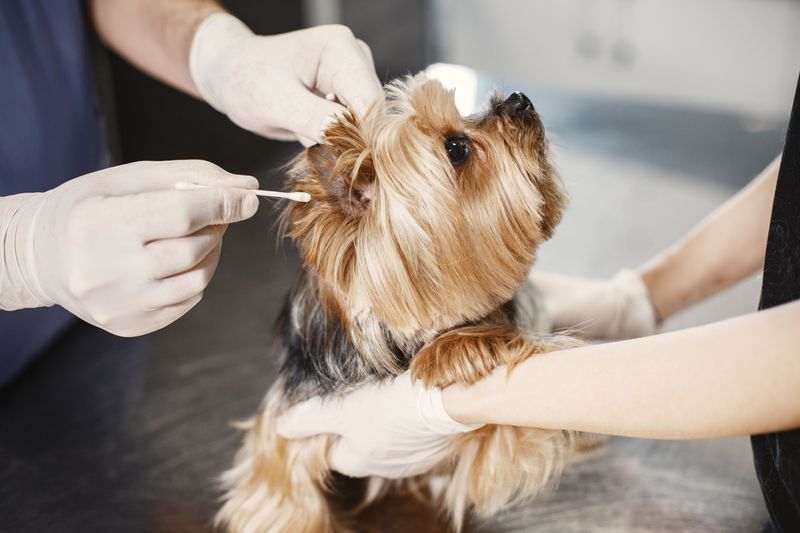
Floppy ears and frequent swims can make ear care a regular topic. Ask whether your dog needs an ear check after bathing, swimming, or rainy walks.
Your vet can explain what healthy ears usually look and smell like.
Call if you notice scratching, head shaking, redness, discharge, or a new odor. Do not put cotton swabs deep into the ear.
Ear cleaners are not one-size-fits-all, so ask which product and method suit your dog before using either.
7. What Is the Safest Way to Dry My Dog?
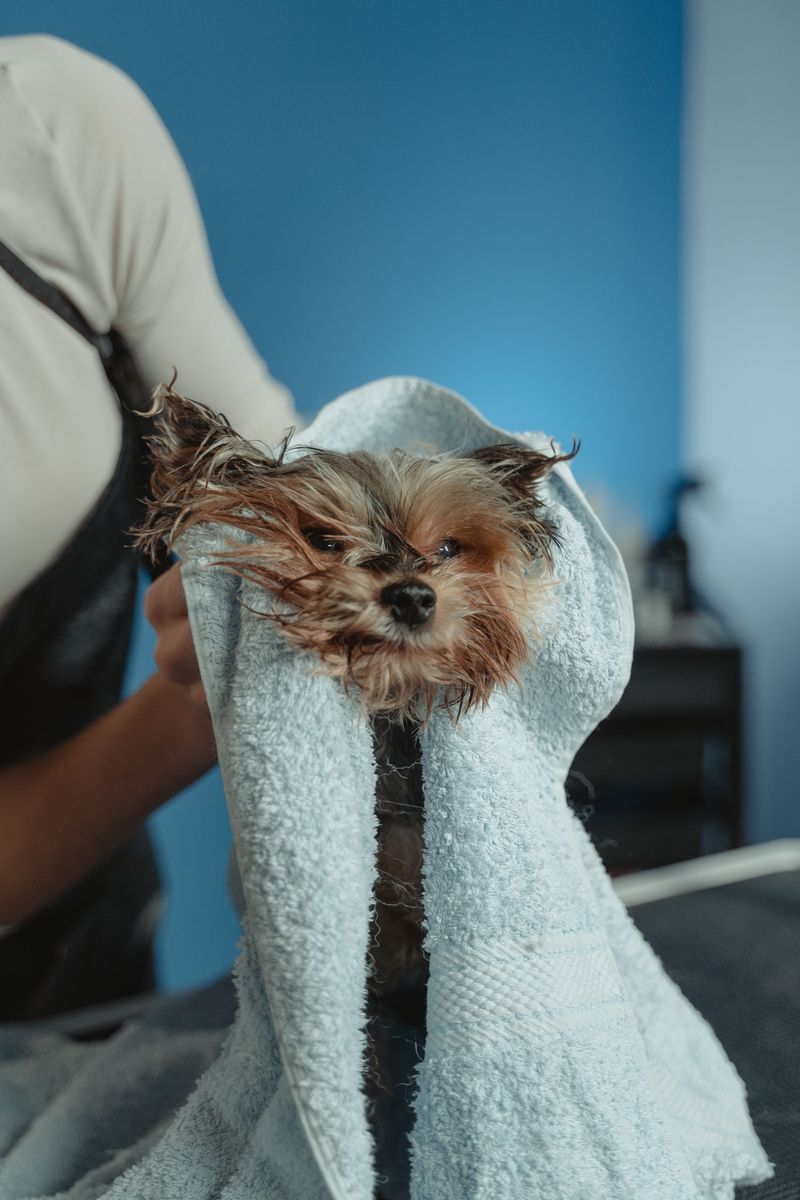
Some dogs race indoors and shake water across the whole room. Ask your vet whether your dog’s coat or skin needs special drying care.
A clean towel and a comfortable indoor spot work well for many dogs.
Pay attention to folds, paws, and areas beneath a collar. If you use a dryer, ask about safe settings and keep heat away from sensitive skin.
Drying should feel calm, not stressful. A groomer can also suggest tools for a dense coat.
8. Could Damp Areas or Mold Bother My Dog?

That musty corner of the porch is a good reason to look closer. Tell your vet if your dog explores damp sheds, wet yard debris, or rooms with visible mold.
Ask whether any symptoms or existing breathing problems change the advice.
Keep your dog away from visible growth and clean damp spaces safely. Fix leaks and dry wet materials when possible.
If your dog coughs or seems unwell after exposure, call your vet for guidance rather than guessing at the cause.
9. What If My Dog Drinks From a Puddle?
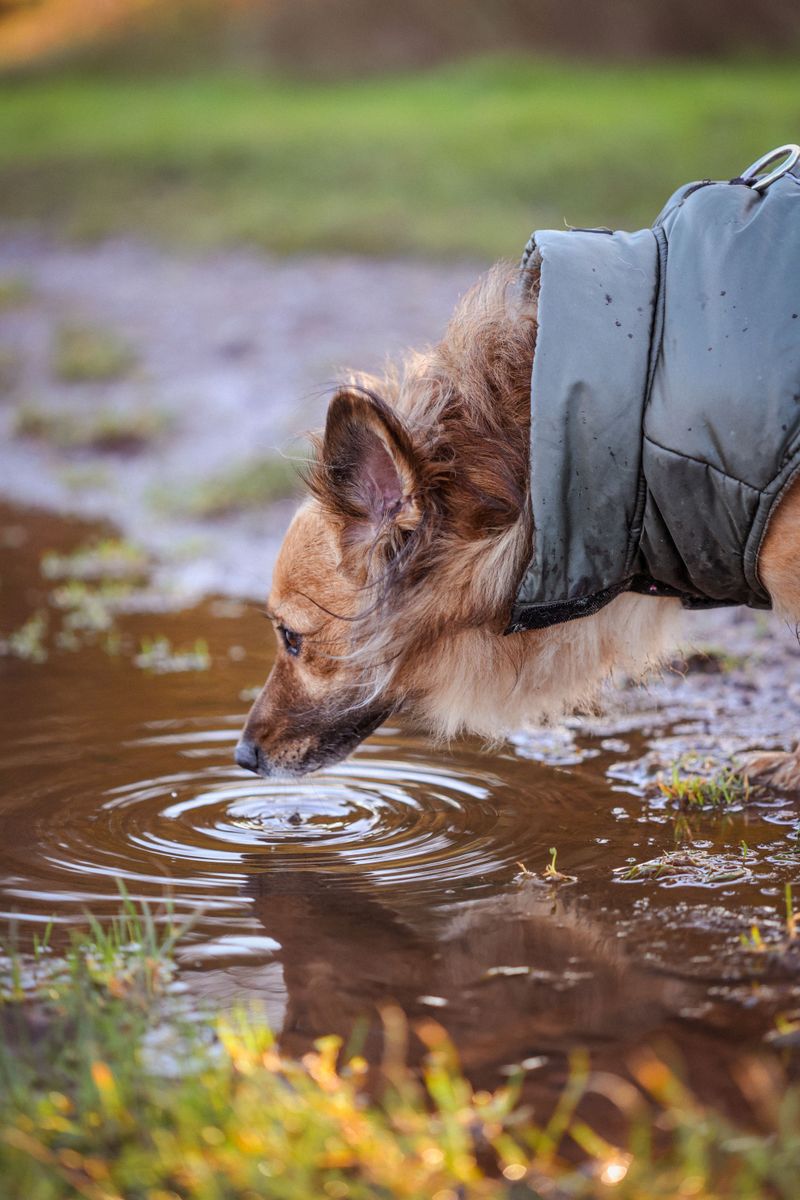
A quick lap from a puddle can happen before you notice. Ask your vet what to do if your dog drinks standing water during a walk.
Puddles may contain germs or other unwanted materials, and their contents are hard to judge.
Offer fresh water and note where the puddle was. Call your clinic if your dog develops vomiting, diarrhea, poor appetite, or unusual tiredness.
Do not try home treatments without guidance. Carrying water can help prevent another thirsty stop.
10. Should We Review Leptospirosis Protection?
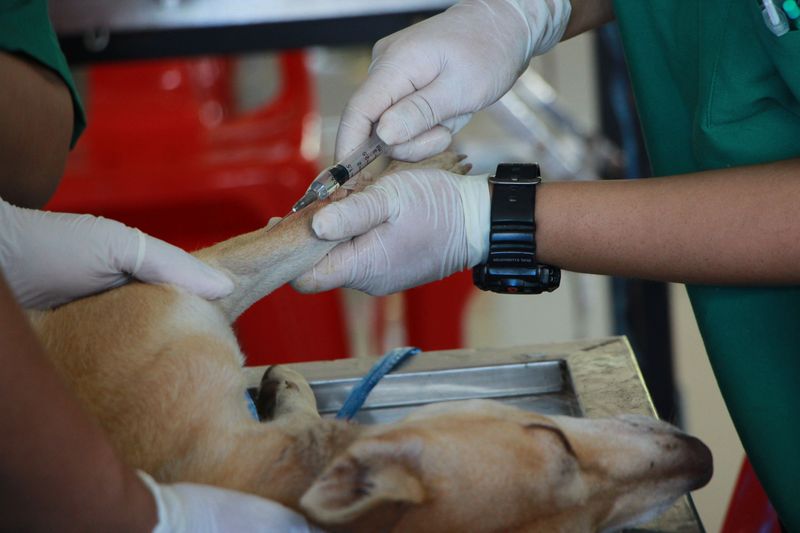
Standing water makes this vaccine conversation worth discussing. Leptospirosis is a bacterial illness that dogs can acquire through exposure to water or soil contaminated with infected animals’ urine.
Ask your vet whether vaccination fits your dog’s exposure and medical history.
Bring your vaccination record, especially if you visit parks, trails, or flood-prone yards. A vaccine does not replace keeping dogs away from questionable water.
Your vet can explain the schedule, expected reactions, and when testing might be needed after a possible exposure.
11. How Should Heavy Rain Change Outdoor Exercise?

Your dog may still expect a walk when the street is soaked. Ask your vet how much activity your dog needs on days with heavy rain.
Age, joint health, and fitness can shape the answer.
For safer outings, choose routes away from standing water and check local weather alerts. Never enter flooded streets with your dog.
Indoor scent games and short training sessions can help fill the gap. Ask when slippery ground or missed exercise should change your usual routine.
12. Can Rainy Days Still Be Too Hot for Exercise?
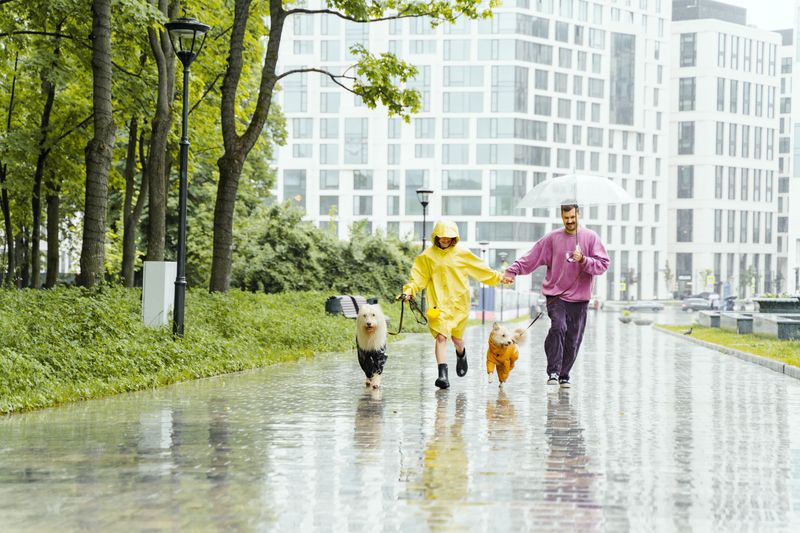
Clouds can fool you into expecting a cool afternoon. Florida rain often comes with sticky air, so ask your vet how heat and humidity affect your dog.
Breathing problems, age, and weight may change safe activity levels.
Choose cooler times for walks and offer water and rest. Watch for heavy panting, weakness, or trouble breathing.
Move indoors and contact a veterinarian promptly if those signs appear. Wet pavement and shade do not always make a humid outing comfortable.
13. Which Changes Need a Vet Visit or Urgent Care?
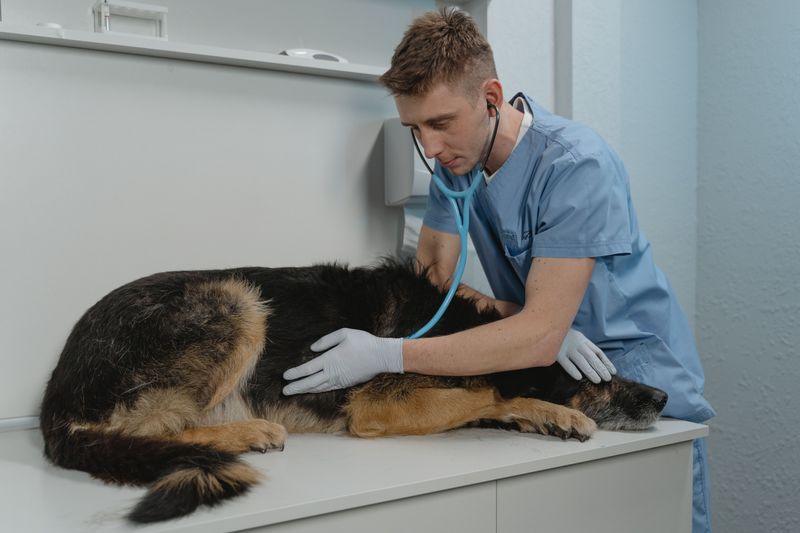
After a storm, it helps to know what cannot wait. Ask your vet which changes call for an appointment and which need urgent care.
Trouble breathing, collapse, repeated vomiting, or sudden difficulty walking warrant prompt veterinary advice.
New itching, an ear odor, or a mild stomach upset also deserves attention if it continues or worsens. Ask for your clinic’s after-hours number before storms arrive.
When calling, describe symptoms, their timing, and any contact with floodwater or debris.
14. Are Our Supplies and Medicines Ready for Storm Season?

A packed bag is more useful when its contents still fit your dog’s needs. Ask your vet to review current medicines, refill timing, and preventive treatments before storms disrupt plans.
Keep labeled supplies and a copy of medical records ready.
Check food, water, a leash, waste bags, and a secure carrier. Ask how to store medicines if power goes out.
Local shelter rules vary, so confirm pet policies and identification requirements with your county before you need them.
15. How Can I Help My Dog Stay Calm During Thunderstorms?
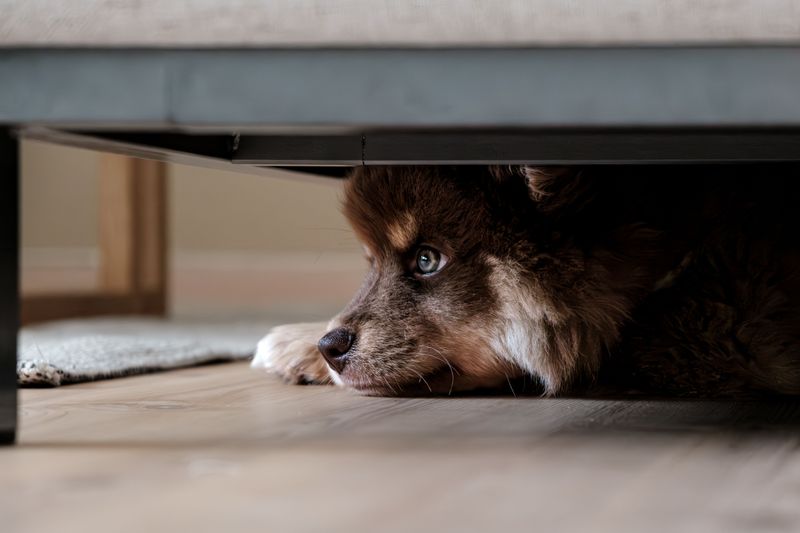
Thunder can upset a dog that seems relaxed on ordinary rainy days. Ask your vet how to spot early signs of storm anxiety, such as pacing or hiding.
A quiet indoor space, familiar bedding, and a steady routine may help.
For stronger fear, your vet can discuss training support or treatment suited to your dog. Try a plan before storm season, not during the loudest night.
Knowing where to settle together makes the next forecast feel easier to handle.