Why Sago Palms Are A Particular Risk For Dogs In Southern Georgia
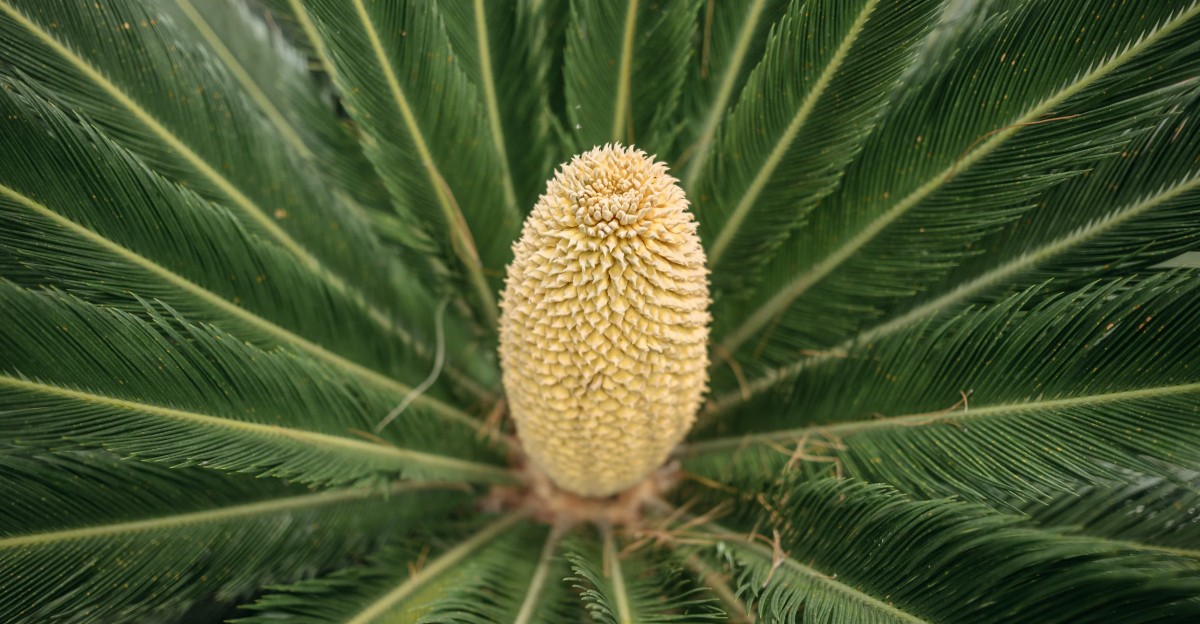
A neat front yard can hold a plant your dog should never chew. Sago palms grow in Southern Georgia landscapes, where mild winters help these plants thrive in many locations.
Their tidy appearance hides a real poisoning risk, especially when seeds fall within reach of curious noses. Knowing what to spot, where to check, and when to call your veterinarian can make everyday outings safer.
1. Warm Landscapes Give Sago Palms a Home
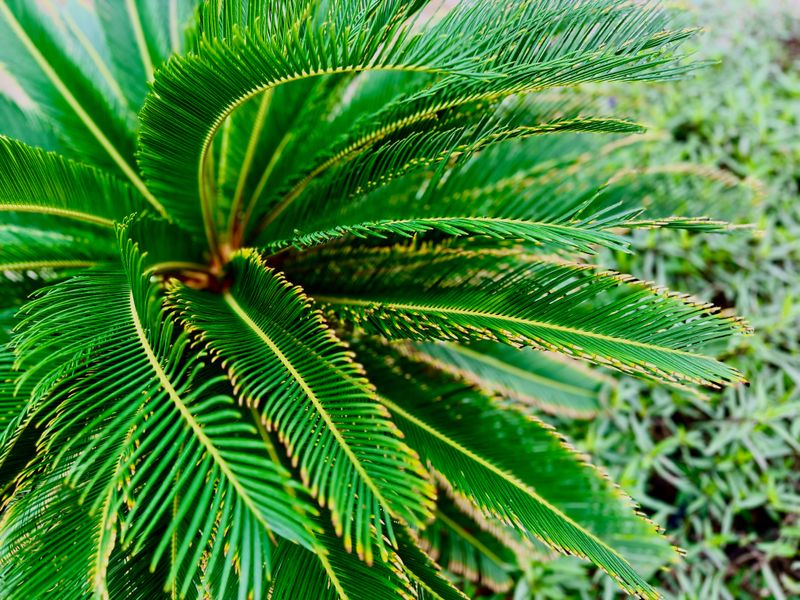
A familiar landscaping choice can deserve a second look when a dog joins the household. Southern Georgia’s relatively mild winters support sago palms in many gardens, especially warmer coastal locations.
Landscapers value their compact shape and evergreen leaves.
Despite the name, a sago palm is a cycad, not a true palm. Learn its stiff, featherlike fronds and thick trunk.
Check established beds and nursery purchases before allowing your dog to explore a newly planted yard freely.
2. No Part Belongs in a Dog’s Mouth
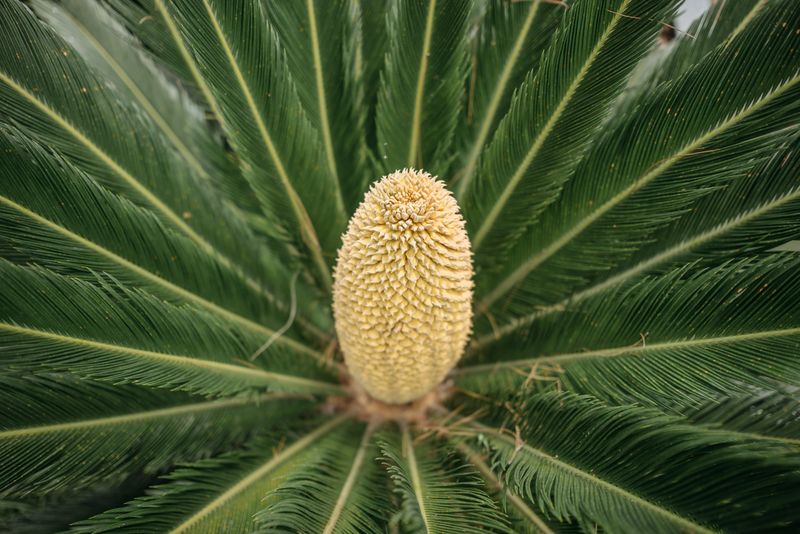
Knowing which part your dog chewed should help the veterinarian, not decide whether you call. Every part of a sago palm is poisonous if swallowed, including leaves, seeds, roots, and trunk.
No section should be treated as a safe chew.
Keep dogs away from damaged plants and gardening waste. A loose piece can be just as accessible as a growing plant.
Report any suspected swallowing promptly, even when you cannot identify the exact plant part involved.
3. Seeds Carry a Particularly High Risk
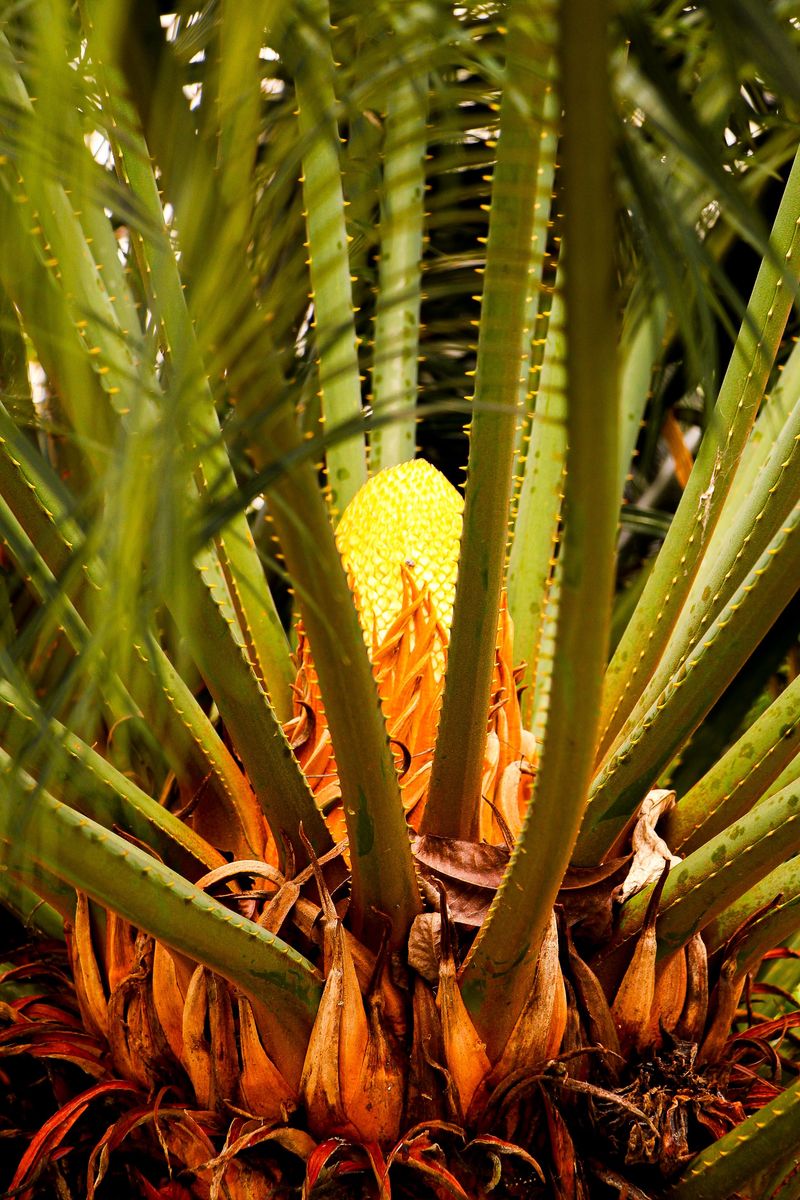
Bright seeds can look like interesting little treasures to a curious dog. They contain particularly high concentrations of the plant’s toxins.
Even a small amount can cause serious poisoning, so never assume one swallowed seed is harmless.
Female sago palms can produce seeds, while male plants do not. However, a plant without seeds remains poisonous.
Keep seed cleanup thorough, and contact your veterinarian immediately if a seed goes missing during your dog’s investigation of the plant.
4. Hidden Seeds Can Outlast a Quick Cleanup
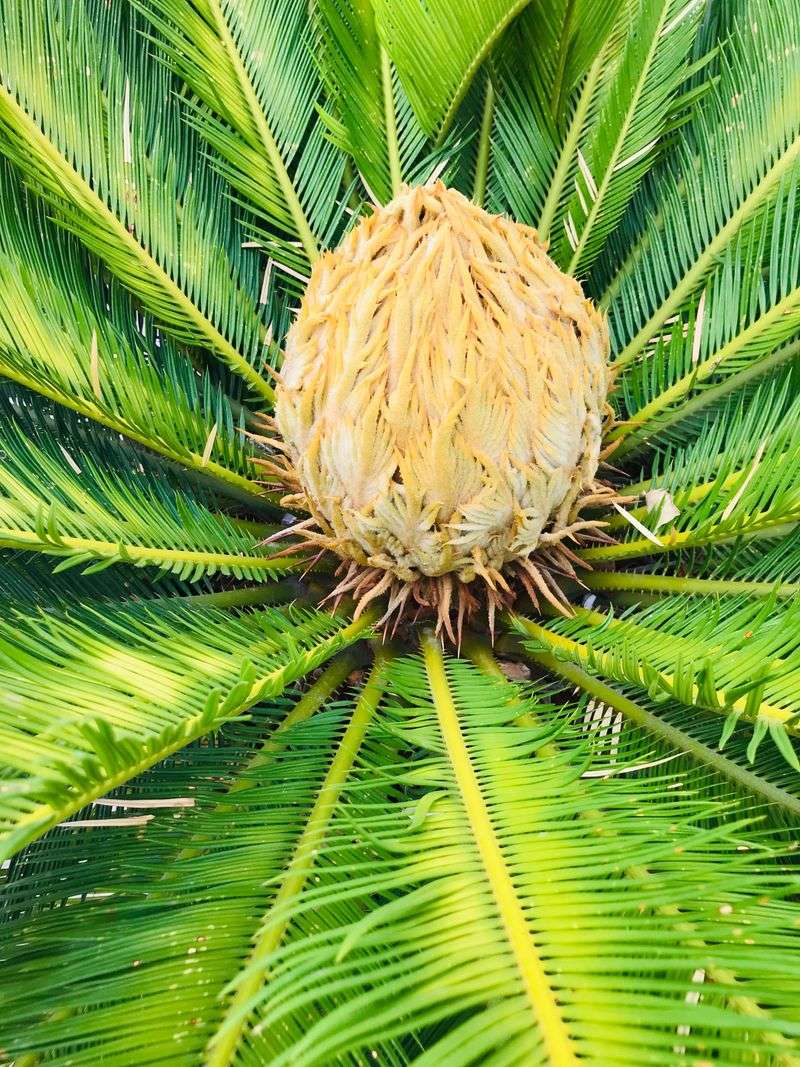
Pine straw and leaf litter can hide more than you expect. Fallen sago seeds may settle beneath shrubs, along edging, or inside ground cover.
A quick glance across the lawn can miss pieces near your dog’s nose.
Inspect beneath the plant carefully, wearing gardening gloves and keeping pets elsewhere. Collect visible seeds and check surrounding beds.
Repeat inspections when seeds are present, especially after yard work moves debris into areas where your dog normally plays outside.
5. A Fenced Yard Still Needs a Plant Check
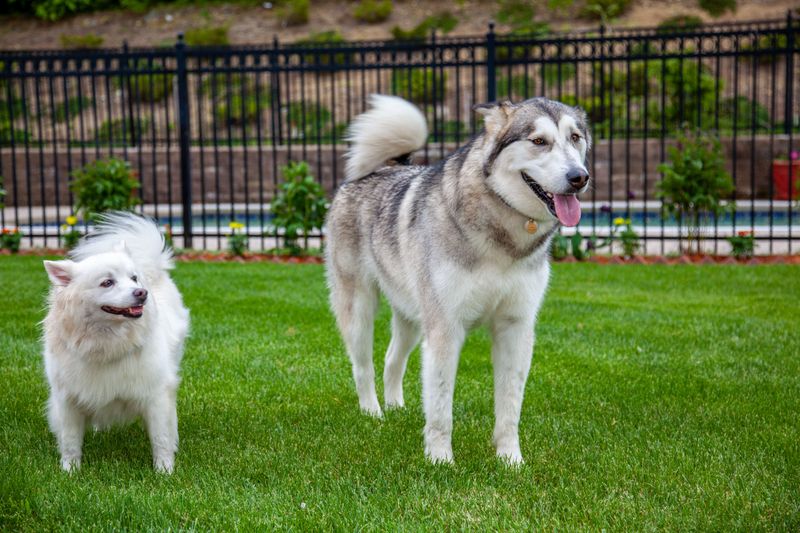
A secure fence prevents wandering, but it cannot make poisonous landscaping safe. Dogs may reach sago palms beside patios, pool fences, or shaded resting spots.
A yard marketed as pet friendly still needs its own plant inspection.
Walk the space at your dog’s height and notice reachable fronds or scattered debris. Do not rely on training alone to prevent chewing.
Separate the plant with a dependable barrier while arranging removal or another lasting solution for safer access.
6. Puppy Curiosity Calls for Closer Supervision
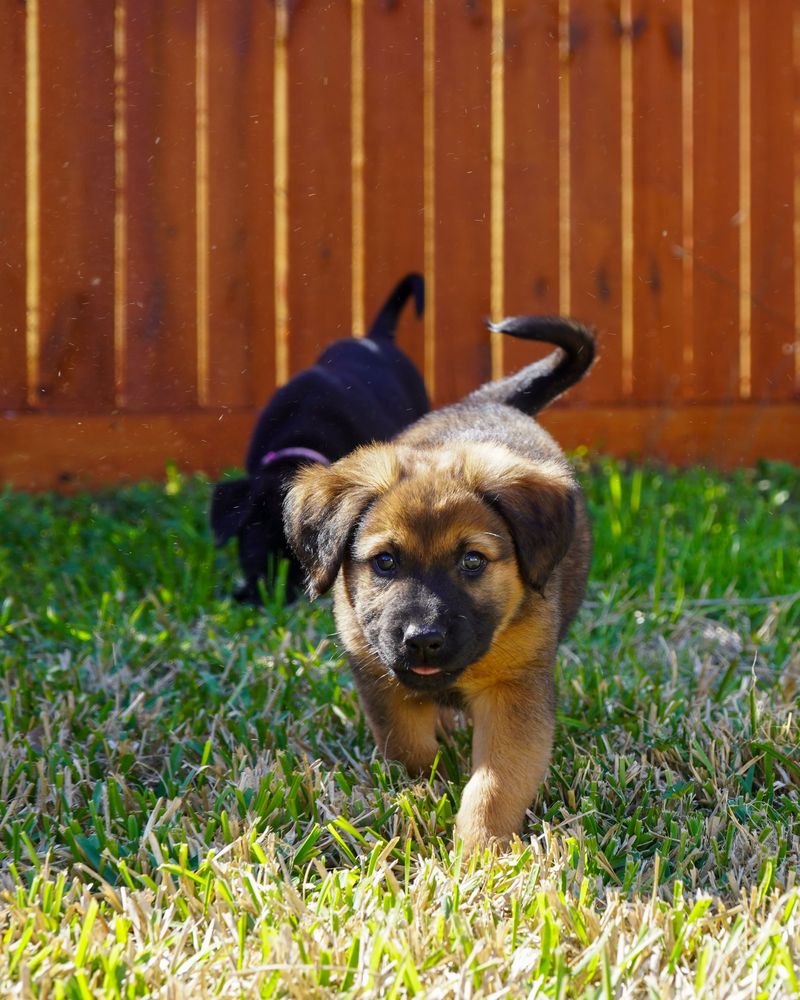
For a puppy, the garden is full of unfamiliar things to investigate. Young dogs often explore with their mouths, making seeds and loose plant pieces tempting.
Teething can also encourage chewing, although adult dogs may investigate plants too.
Supervise outdoor breaks and offer suitable chew toys away from garden beds. Practice a reward based leave it cue.
Training supports safer habits, but removing access matters more than expecting a curious puppy to ignore every tempting object nearby.
7. Fronds Are Not Safe Chew Toys
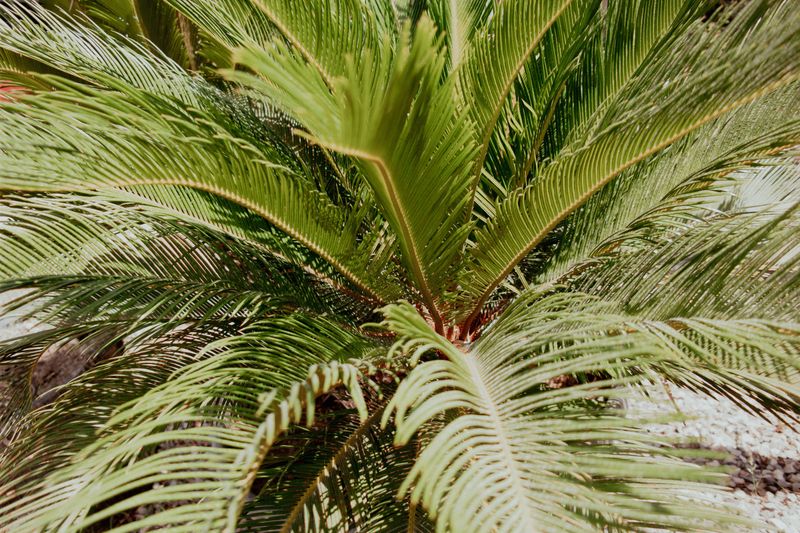
Seeds deserve attention, but green leaves also present a poisoning risk. A dog that chews fronds may swallow toxic material without touching any seeds.
Low leaves and freshly cut trimmings can bring the plant within easy reach.
Keep your dog indoors while pruning or cleaning nearby beds. Gather every clipping before reopening the area.
If chewing occurs, call your veterinarian rather than guessing how much was swallowed. Mention whether you found damaged leaves or pieces inside the mouth.
8. Vomiting After Exposure Deserves a Prompt Call
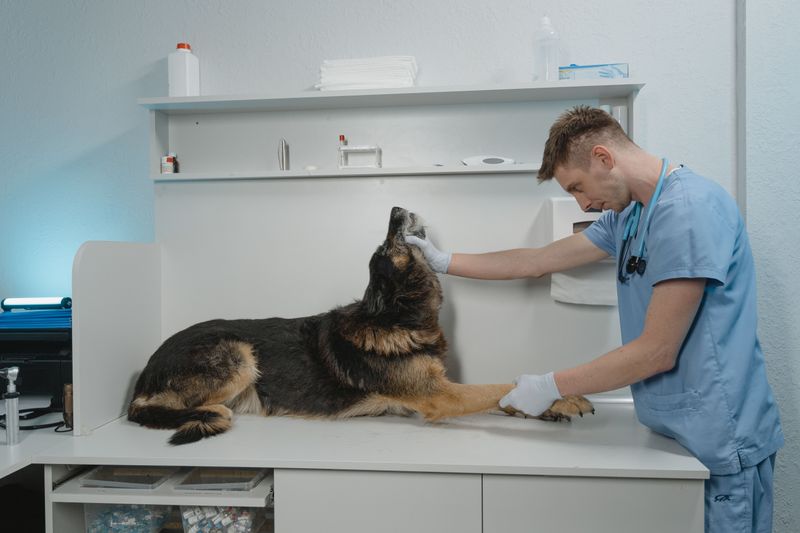
An upset stomach after garden exploring should not be brushed aside. Vomiting can be an early sign of sago palm poisoning.
Signs may begin within hours, but timing varies, and some dogs initially seem comfortable.
If exposure is possible, tell your veterinarian about the plant immediately. Record when vomiting started and whether chewing was witnessed.
Other problems also cause vomiting, so professional assessment matters. Do not wait for repeated episodes before seeking advice about a suspected plant ingestion.
9. Appetite Changes and Diarrhea Add Clues
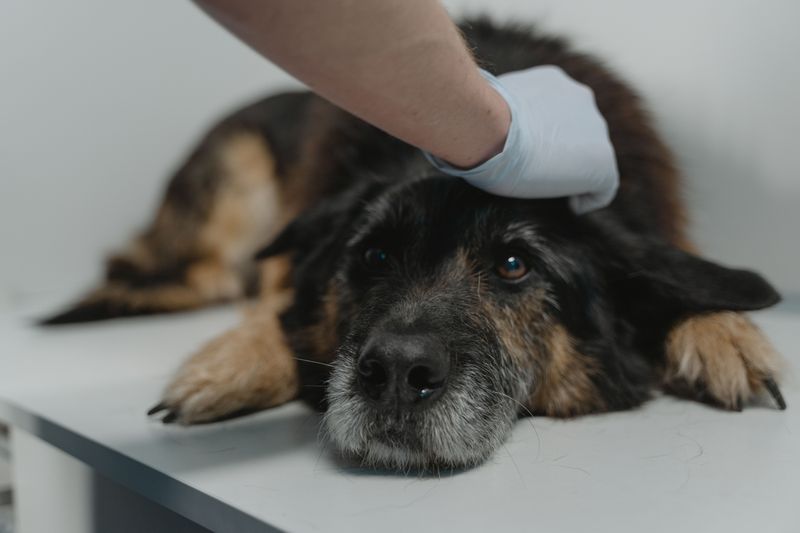
A skipped meal can seem ordinary until plant exposure enters the picture. Diarrhea and reduced appetite may accompany sago palm poisoning.
Neither symptom confirms the cause, but both deserve attention when chewing or swallowing is possible.
Share changes in eating, drinking, and bowel habits with your veterinarian. Include the approximate exposure time and any other symptoms.
Avoid trying household remedies or forcing food. Your veterinary team can explain whether immediate examination and treatment are needed for your dog.
10. Liver Injury Makes Early Care Essential
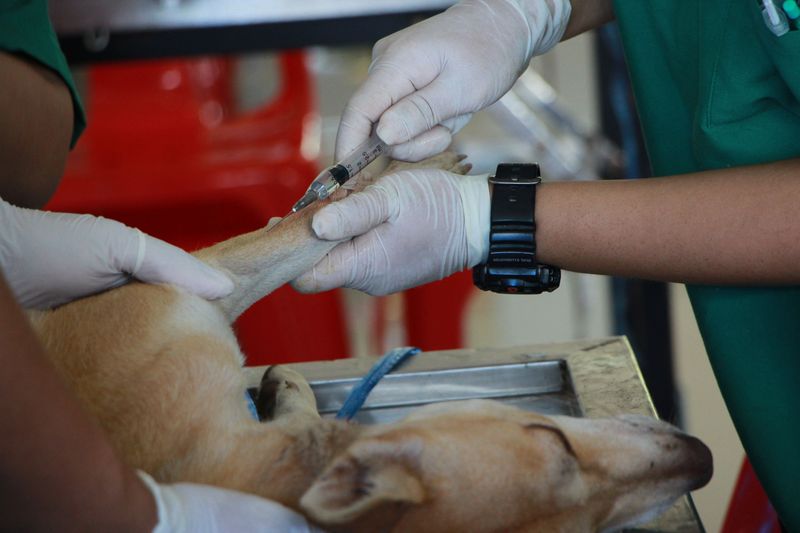
The biggest concern goes beyond a temporary upset stomach. Sago palms contain cycasin, a toxin associated with liver injury.
A dog may need blood tests, hospital care, and repeated monitoring after suspected ingestion.
Liver problems can develop after the first stomach symptoms, so early improvement does not guarantee recovery. Follow the veterinarian’s instructions for treatment and rechecks.
Prompt care offers the best chance of a better outcome, but no home observation can reliably rule out poisoning by itself.
11. Weakness or Tremors Mean Urgent Veterinary Help
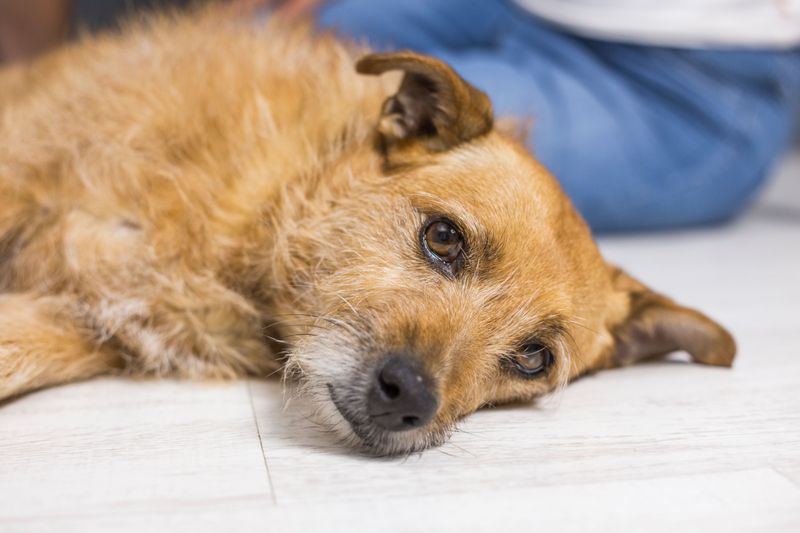
Unusual wobbling or shaking changes the situation from watchful concern to urgent action. Weakness, poor coordination, and tremors can occur with sago palm poisoning.
Similar signs have other causes, but they still require prompt veterinary assessment.
Call an emergency clinic and describe both the symptoms and possible exposure. Keep your dog away from stairs while arranging transport.
Avoid giving medications unless directed. If your regular clinic is closed, use its recorded instructions to find an available emergency provider.
12. Summer Heat Does Not Neutralize the Plant
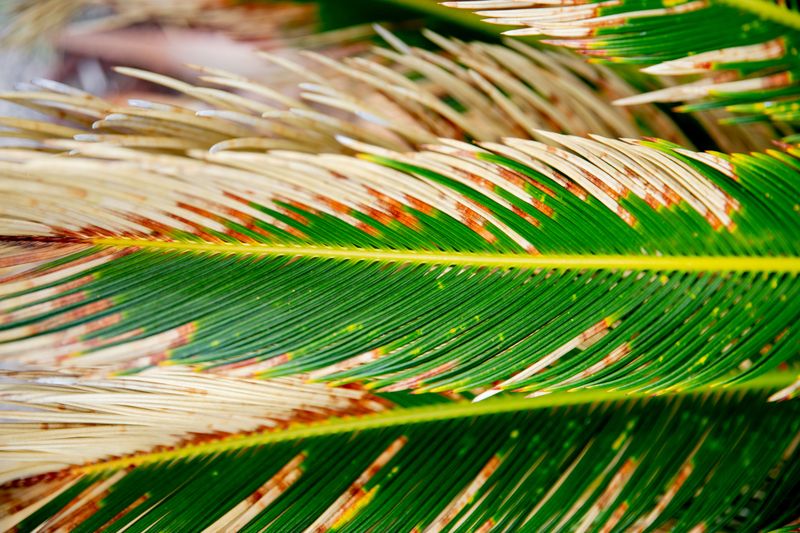
Hot afternoons do not turn a poisonous plant into harmless yard debris. Southern Georgia sunshine, drying, and ordinary weather exposure should never be treated as reliable ways to remove sago toxins.
Fresh and discarded material both require caution.
Continue checking beds during summer, even when leaves look brown or brittle. Keep trimmings out of areas your dog can reach.
Water and shade help dogs manage warm weather, but neither protects them from swallowing pieces of this poisonous garden plant.
13. Driveways and Walkways Need a Ground-Level Look
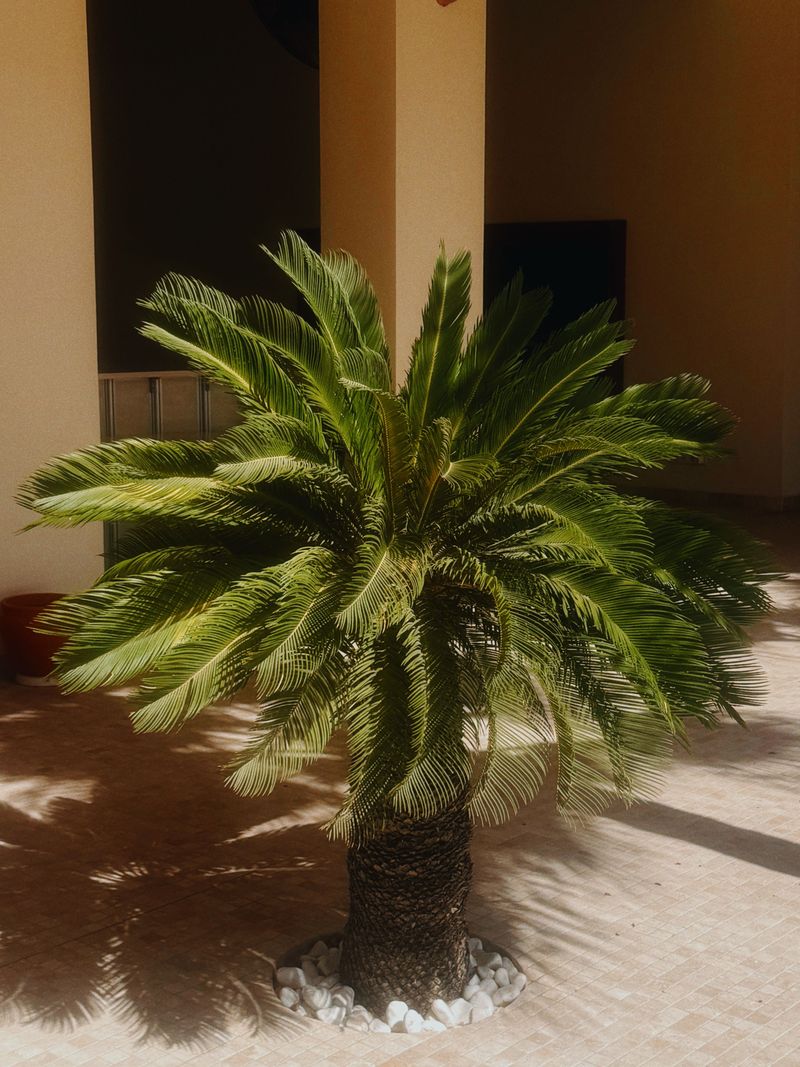
Your dog’s regular walking route may pass closer to a sago than you realize. Entrance beds often border driveways, sidewalks, and paths to the mailbox.
Seeds or clippings can move beyond the planted area during landscaping work.
Check pavement edges before letting your dog sniff freely. Watch especially where mulch meets grass or concrete.
Use a leash near unfamiliar landscaping, and steer around visible debris. A clean path provides safer access, but continue inspecting the neighboring beds as well.
14. Other People’s Gardens Deserve the Same Attention
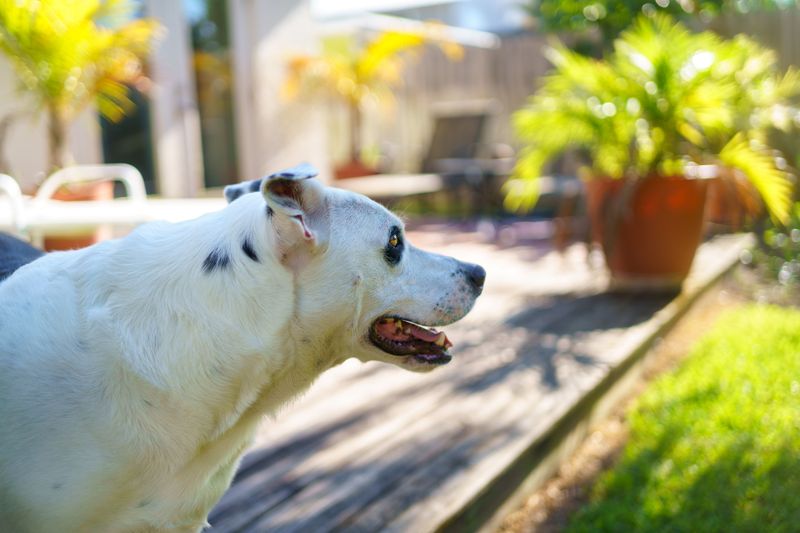
A visit with friends can introduce plants missing from your own yard. Relatives, neighbors, rental properties, and boarding facilities may have sago palms within dog areas.
Ask about landscaping before allowing off leash time.
Explain calmly that all parts are poisonous if swallowed. Request a different play area when safe separation is uncertain.
During walks, avoid letting your dog enter planted beds. Property owners may not recognize the plant, so a clear photograph can help start a useful conversation.
15. Call Before Symptoms Have a Chance to Appear
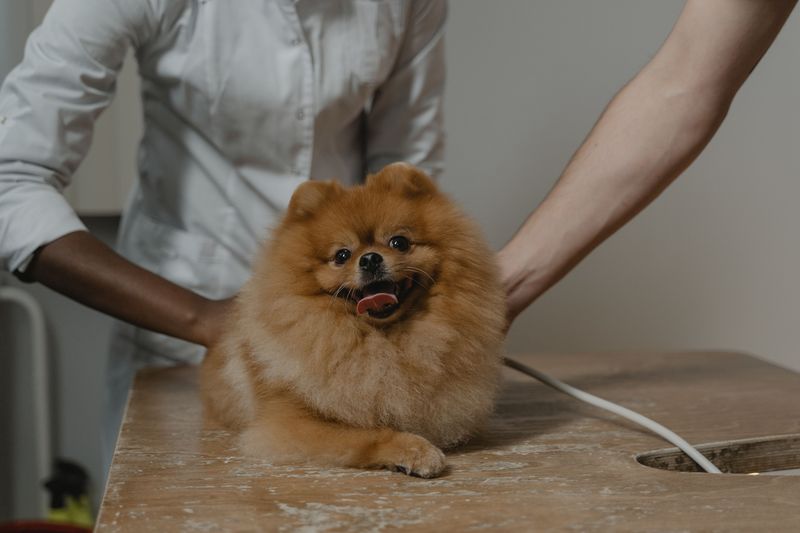
Seeing your dog swallow plant material is enough reason to act. Contact your veterinarian or an animal poison service immediately after suspected sago ingestion.
Waiting for symptoms can delay treatment when earlier care may help.
Provide your dog’s weight, the suspected amount, and the time of exposure. Do not induce vomiting or give home treatments unless a professional specifically directs you.
Save your regular clinic’s number and an emergency contact now, before a rushed search becomes necessary later.
16. A Clear Plant Photo Helps Identification
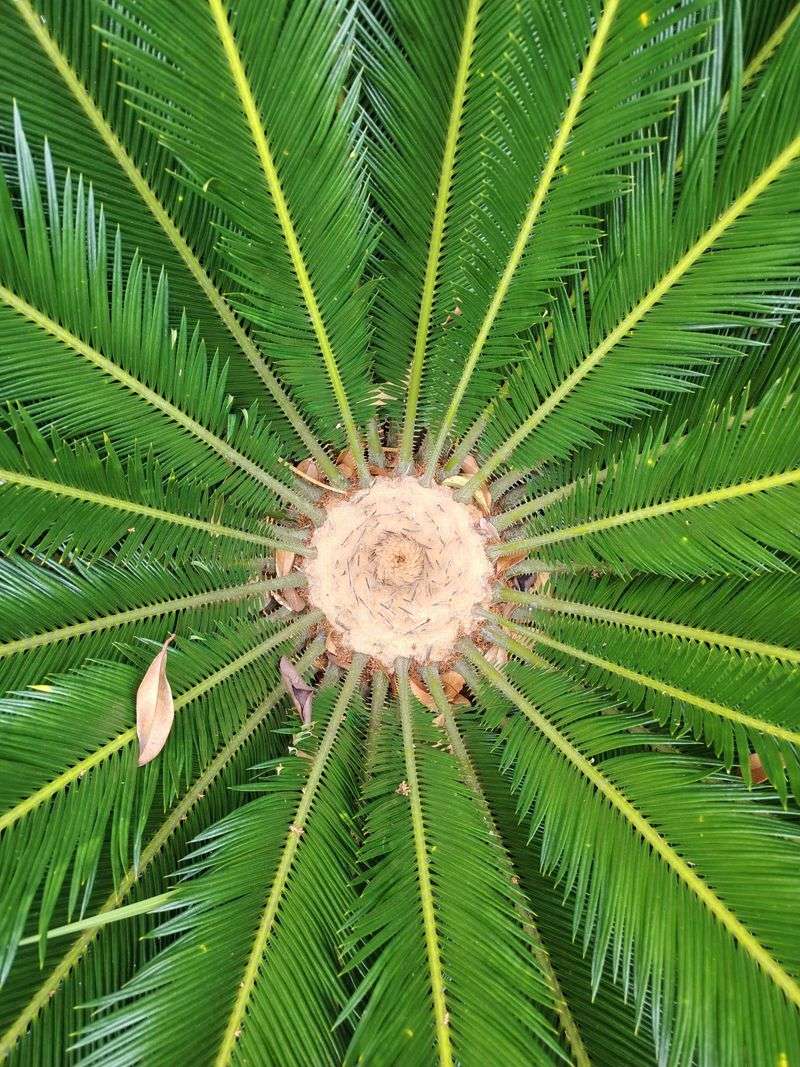
A quick picture can answer questions that a vague plant description cannot. Photograph the whole plant, its leaves, and any seeds or damaged areas.
Share those images with your veterinary team while following their instructions.
Do not delay a call or transport to collect perfect pictures. If requested, place a small sample in a sealed container away from pets.
Identification apps can make mistakes, so let veterinary staff or a qualified plant expert confirm what your dog encountered outside.
17. Removal Offers More Protection Than Pruning
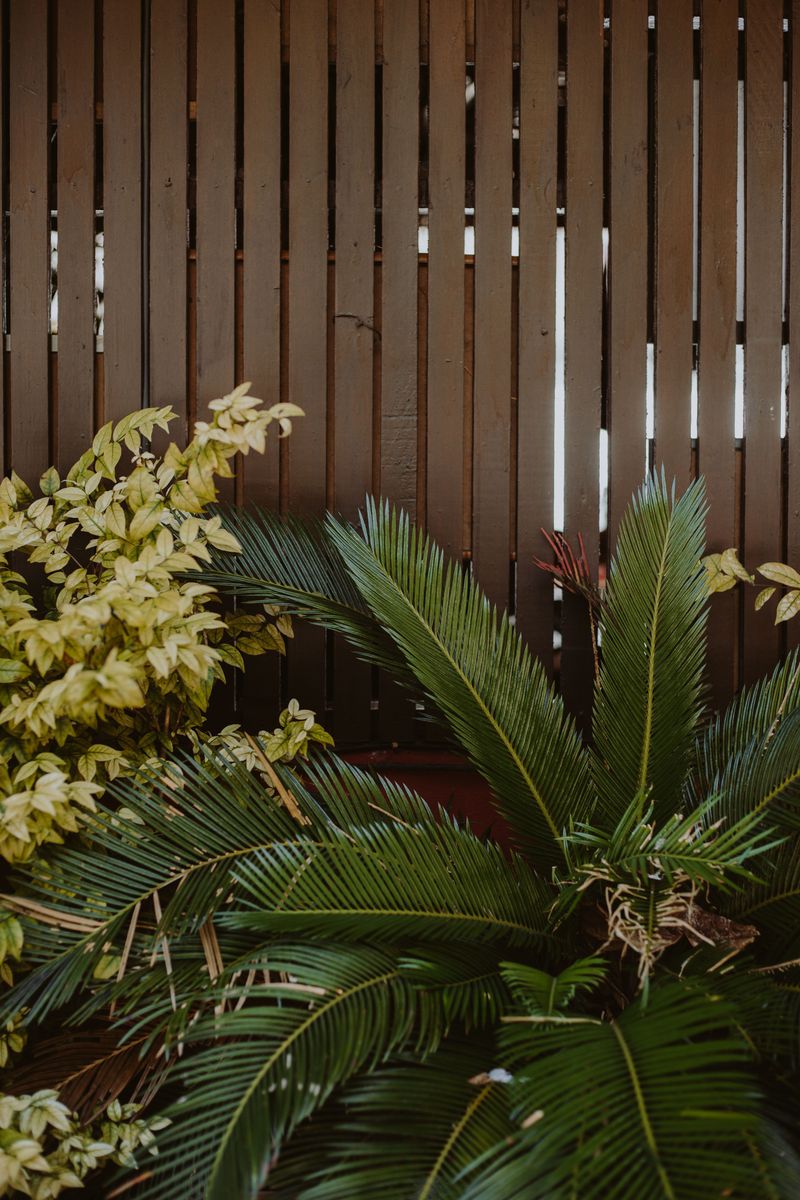
Cutting off low fronds leaves other poisonous parts behind. When a sago grows inside your dog’s accessible space, complete removal is often the most practical choice.
A landscaping professional can help handle an established plant.
Keep pets elsewhere during removal, and collect seeds, roots, and loose pieces afterward. Confirm local yard waste disposal rules rather than assuming every collection service accepts them.
Choose replacement plants after checking their identity and dog safety with reliable veterinary or horticultural sources first.
18. Small Yard Checks Build a Safer Routine
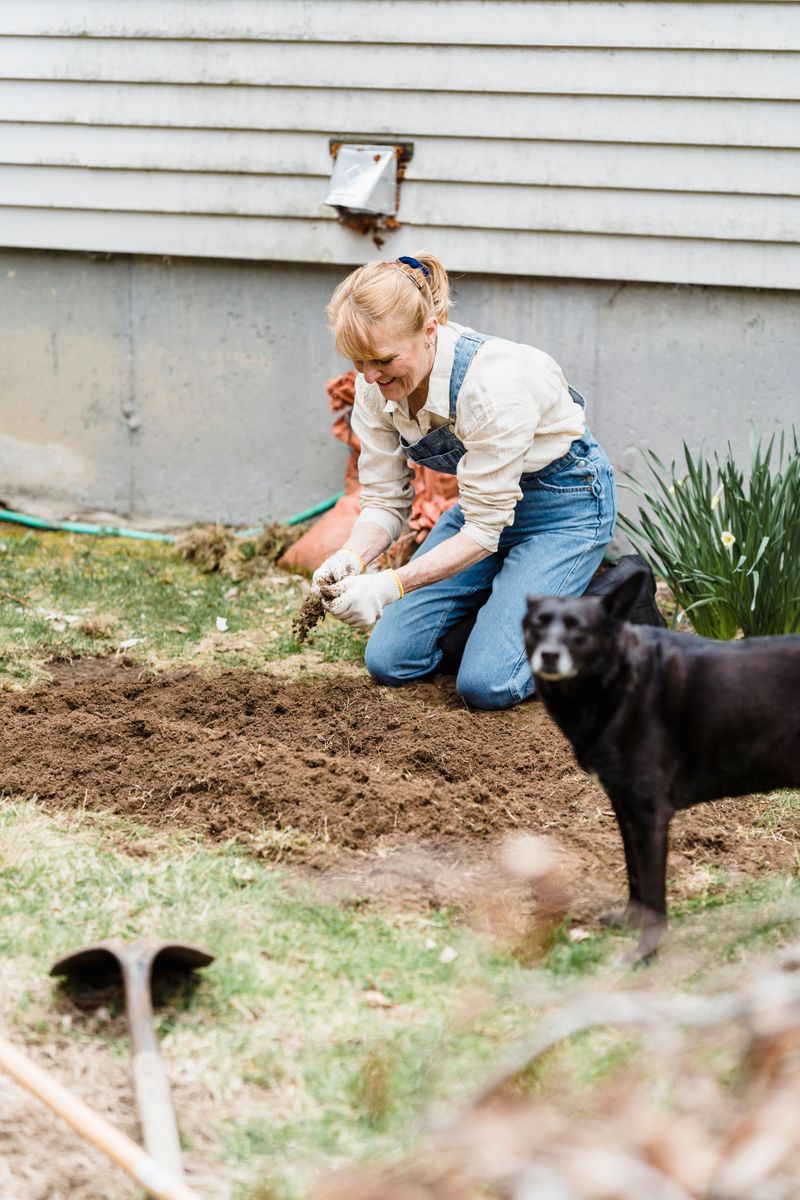
A few minutes outside can catch changes before your dog does. Inspect play areas after gardening, strong weather, or visits from landscaping crews.
Recheck places where a sago was removed for missed debris or new growth.
Ask everyone caring for your dog to follow the same boundaries and report suspected chewing promptly. Keep emergency contacts easy to find.
Know the plant, clear the ground, and call early. Those simple habits help Southern Georgia dogs enjoy their yards more safely.