What Florida Families Should Consider Before Adopting A Dog During Summer
Summer can feel like a great time to welcome a dog, especially when the kids are home from school. But Florida’s heat, storms, and busy vacation schedules deserve a little planning before adoption day.
Your new companion will need more than a shady yard and a water bowl. With the right setup, your family can build a comfortable routine that works well beyond summer.
1. Florida’s Summer Heat Changes the Adoption Decision
A sunny adoption day can hide the biggest challenge: keeping your new dog comfortable through months of warm weather. Florida’s humidity makes cooling through panting less effective.
Before adopting, think about where the dog will rest during the hottest hours.
Ask shelter staff about any known breathing problems or past heat trouble. Choose a dog whose needs match your home and schedule.
Summer adoption works best when cooling is planned, not left to chance later.
2. How Much Time the Dog Will Spend Outdoors
A backyard should be a place to explore, not your dog’s main summer home. Shade helps, but it does not remove the effects of heat and humidity.
Plan brief, supervised outdoor breaks with fresh water available.
Dogs need access to a reliably cool indoor space afterward. If your family expects a dog to stay outside during workdays, reconsider that arrangement before adoption.
Ask your veterinarian how outdoor time should change with weather, age, and health needs.
3. Choosing a Dog That Fits Your Family’s Daily Routine
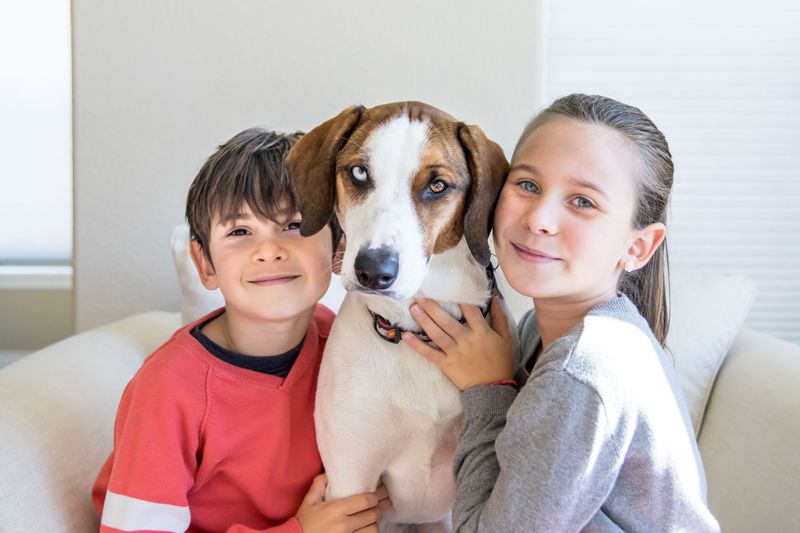
School breaks can make your household seem less busy than it really is. Picture an ordinary weekday after summer ends before choosing a dog.
Consider work hours, school pickups, bathroom breaks, and the time available for training.
Ask shelter staff about the dog’s energy level and comfort when left alone. Puppies usually need more frequent care than adult dogs.
A good match fits your regular life, not just a few relaxed weeks during summer vacation together.
4. Planning Safe Summer Exercise
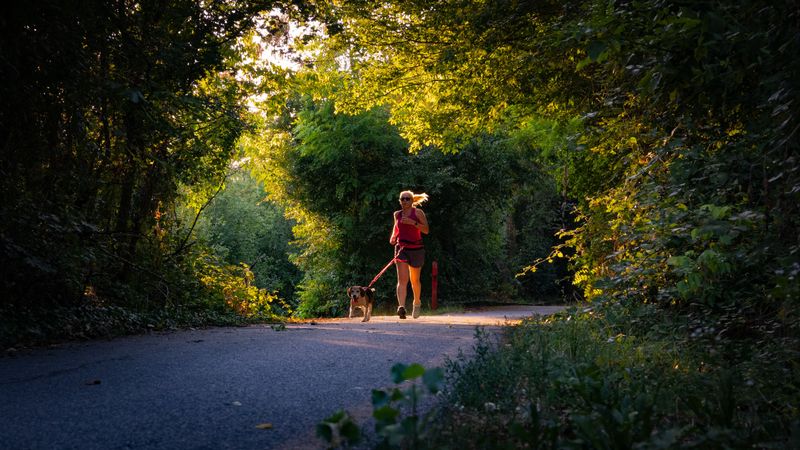
Morning walks often feel better than afternoon outings, but early hours can still be hot. Check conditions before each walk rather than trusting the clock alone.
Start with short outings while learning your dog’s stamina.
Bring water, choose shaded routes, and allow plenty of sniffing breaks. Stop if your dog slows down, pants heavily, or seems uncomfortable.
Weakness, confusion, or vomiting warrants urgent veterinary advice. Save vigorous games for cooler conditions or suitable indoor spaces instead.
5. Looking Beyond Appearance When Choosing a Breed
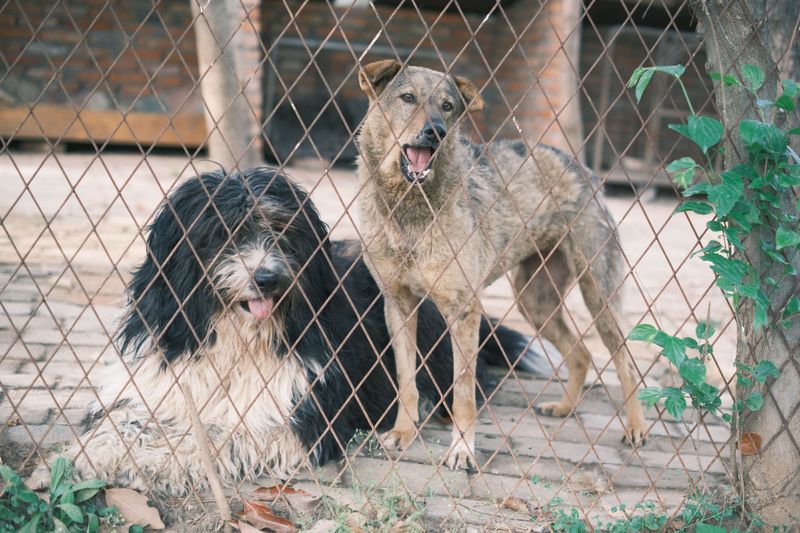
A cute face is only one small part of choosing a companion. Energy, size, grooming needs, and behavior matter more once daily life begins.
Breed traits offer clues, but individual dogs can differ widely.
Flat-faced dogs often have greater difficulty cooling themselves through panting. Thick coats and certain health conditions can also affect summer comfort.
Discuss the specific dog with shelter staff and your veterinarian. Choose a manageable match rather than relying on looks alone first.
6. Making Air Conditioning Part of the Dog’s Summer Plan
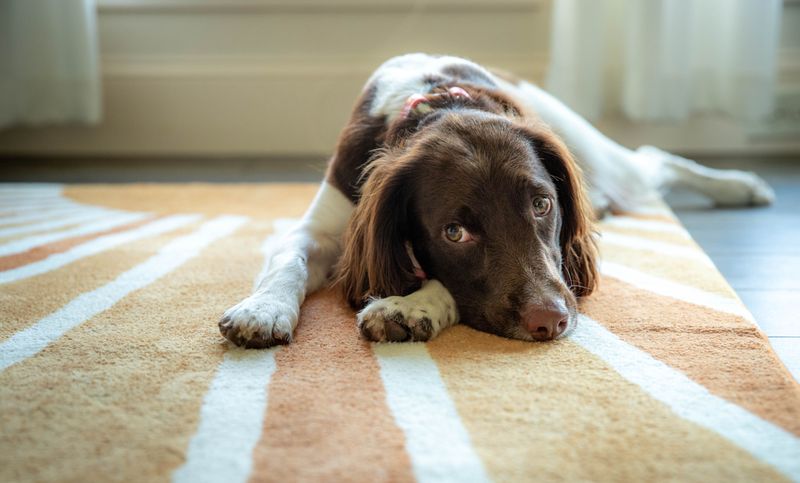
Your coolest room may become your new dog’s favorite summer spot. Check that your air conditioning works reliably before bringing a dog home.
Set up a resting area away from direct sunlight, with water nearby.
A fan alone may not provide enough cooling for a dog. Plan what you will do if the system breaks or power fails.
Identify a pet-friendly place with reliable cooling. Never leave your dog in a parked vehicle, even briefly unattended.
7. Understanding Your Dog’s Heat Tolerance
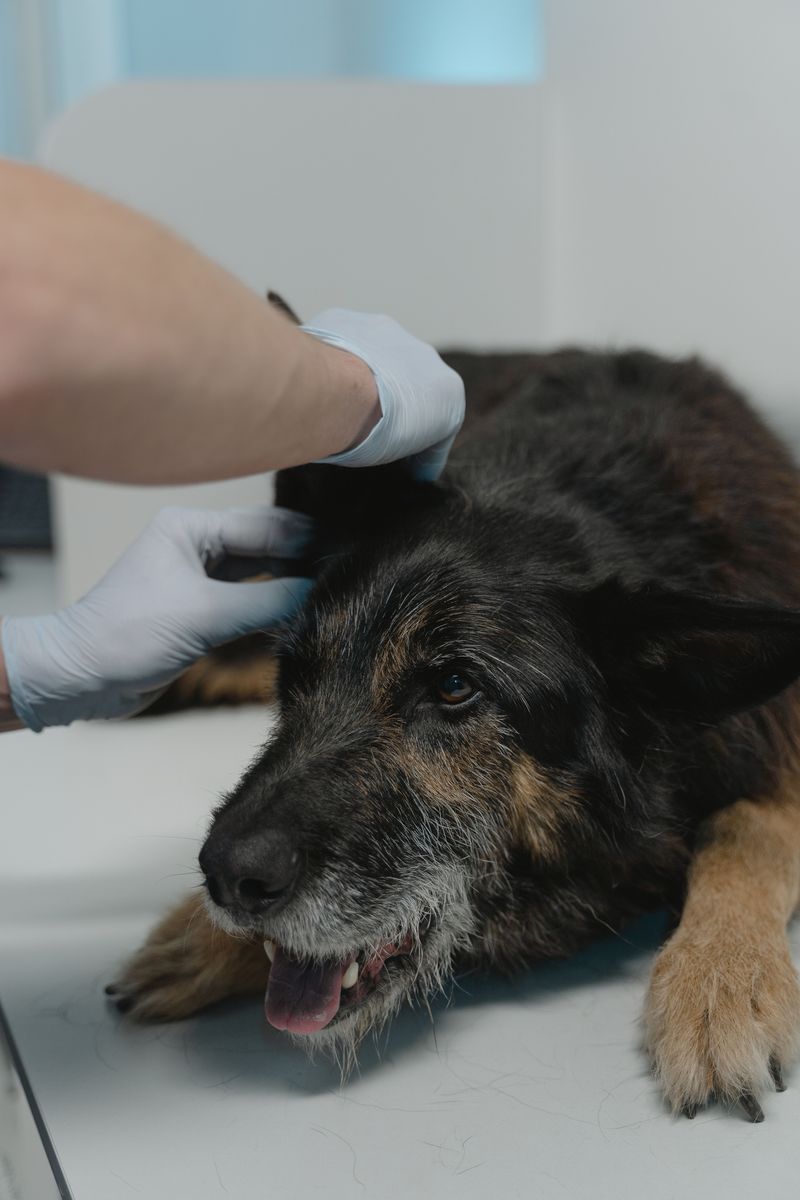
Two dogs on the same walk may handle warm weather very differently. Age, weight, breathing ability, fitness, and medical conditions all influence heat tolerance.
Newly adopted dogs may have health needs you have not discovered yet.
Ask your veterinarian for advice tailored to your companion. Watch behavior rather than assuming enthusiasm means the dog feels comfortable.
Heavy panting, unusual drooling, or reluctance to move means stop and cool down. Seek urgent veterinary guidance for concerning symptoms.
8. Checking the Yard Before Bringing a Dog Home
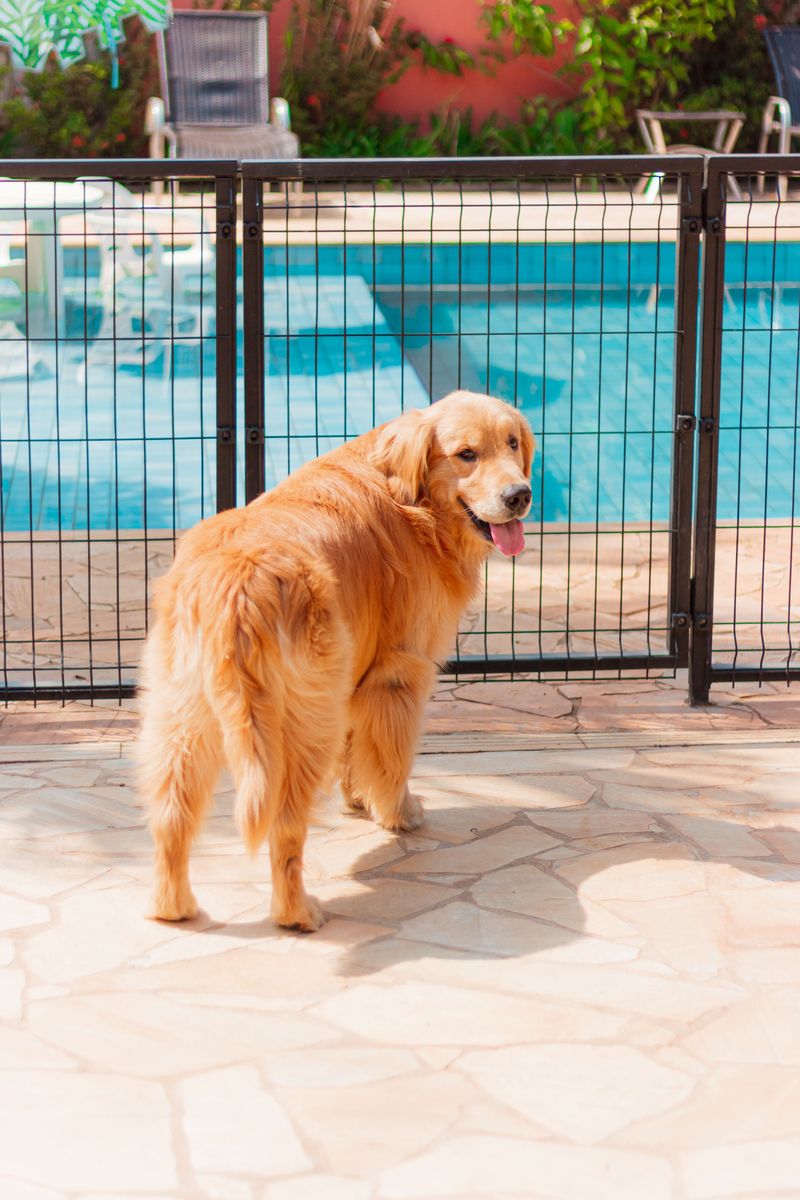
Before the first backyard sniff, walk the property at dog level. Look for loose fence boards, open gates, sharp objects, and reachable chemicals.
Secure pools with appropriate barriers, and supervise dogs around water.
Check plants for pet safety and remove standing water where mosquitoes can breed. Keep dogs away from ponds and canals, where alligators may be present.
Review local leash and containment rules with animal control. A tidy yard still needs regular checks after storms.
9. Preparing for Florida’s Sudden Summer Storms
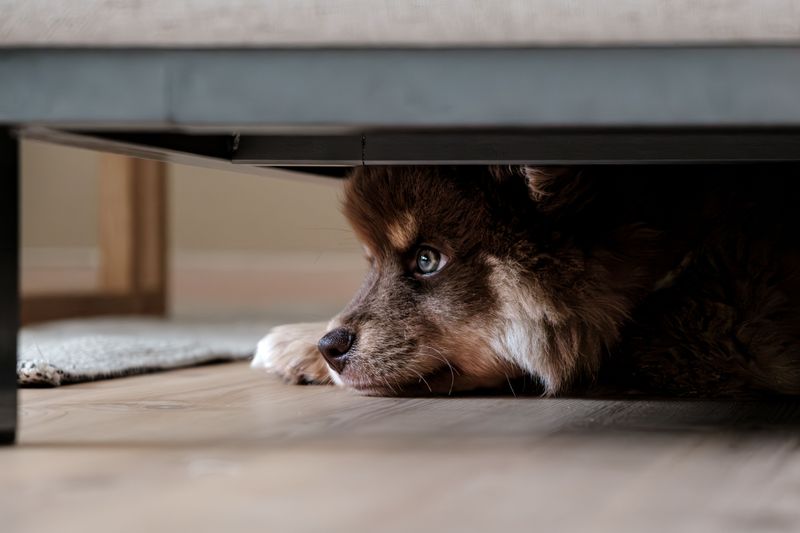
Afternoon thunder can surprise a dog still learning what home feels like. Create a quiet retreat before the first storm arrives.
An interior room or open crate with comfortable bedding may help.
Close curtains, reduce sudden noise, and let your dog choose a comfortable spot. Never punish fear or force contact with frightening sounds.
Take bathroom breaks before storms when possible. If anxiety disrupts daily life, ask your veterinarian about training support and suitable treatment options.
10. Having a Plan for Hurricane Season
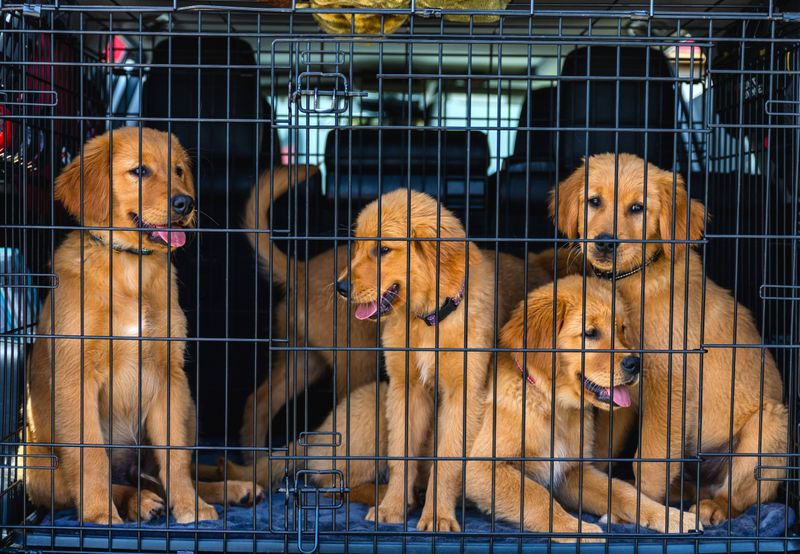
A hurricane checklist should include your newest family member from the start. Find pet-friendly evacuation options before any warning arrives.
Shelter rules vary, so confirm requirements with your county’s emergency management office.
Pack food, water, medications, veterinary records, waste bags, and a secure carrier or crate. Keep identification current and verify the microchip registration.
Practice loading your dog into the car calmly. Arrange backup help with someone outside your household if you cannot return home promptly.
11. Budgeting for More Than the Adoption Fee
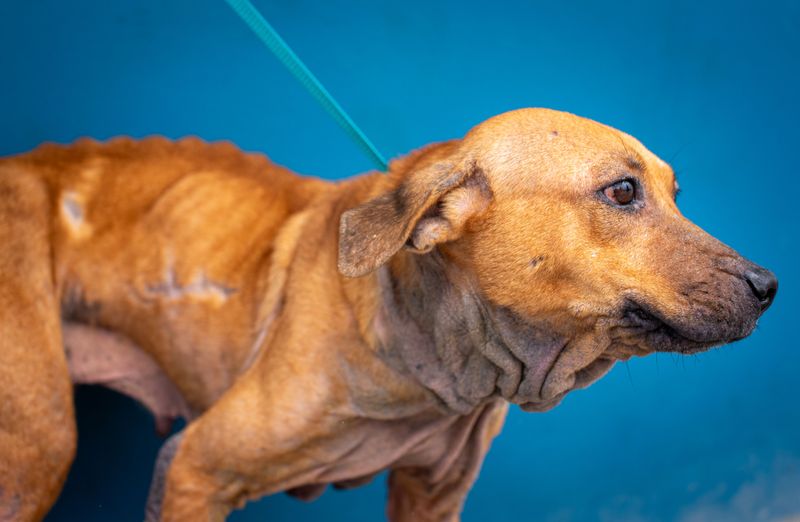
The adoption fee is the beginning of your dog’s care costs. Build a budget for food, veterinary visits, parasite prevention, grooming, and basic supplies.
Training classes and boarding may also become regular expenses.
Ask what the shelter fee includes, such as vaccines, sterilization, or a microchip. Set aside money for unexpected medical needs and cooling repairs at home.
Pet insurance terms vary, including exclusions and waiting periods. Read details carefully before deciding whether coverage suits your family.
12. Scheduling a Veterinary Visit After Adoption
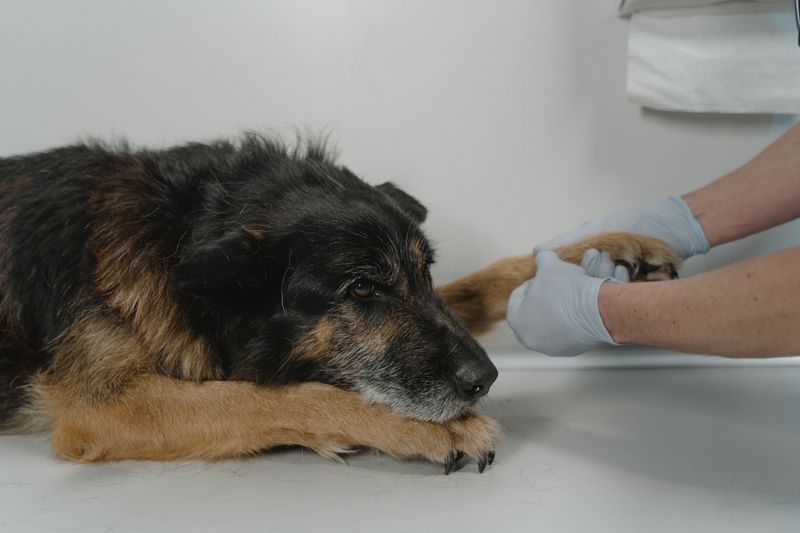
A shelter medical record gives your veterinarian a useful starting point. Arrange a visit soon after adoption, following any instructions from the shelter.
Bring vaccine records, medication details, and questions about summer care.
Your veterinarian can review heartworm testing, prevention, nutrition, and any signs of illness. Florida generally requires rabies vaccination for dogs four months and older, although specific exemptions may apply under state law.
Local licensing requirements vary. Confirm what applies where you live rather than assuming adoption paperwork covers everything.
13. Considering Fleas, Ticks, and Mosquitoes
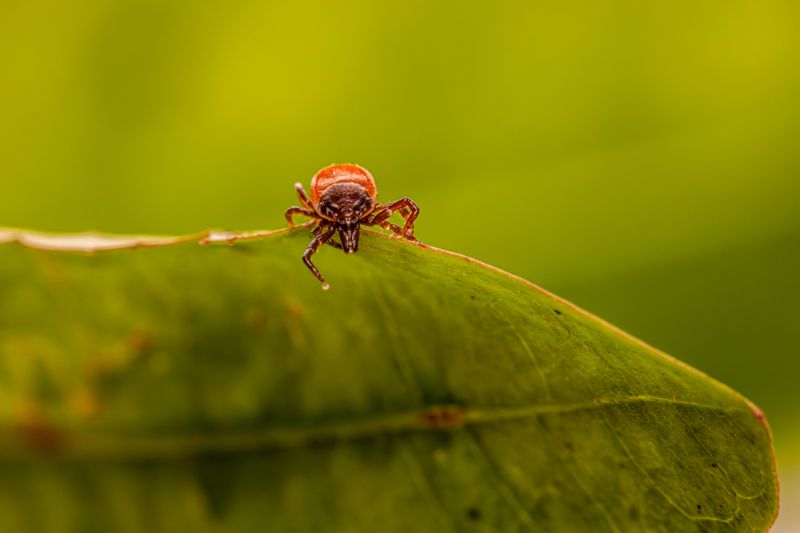
Warm weather gives Florida’s biting pests plenty of opportunities to bother dogs. Mosquitoes can transmit heartworms, while fleas and ticks bring other health concerns.
Ask your veterinarian about year-round prevention suited to your dog.
Do not guess doses or combine products without professional guidance. Some dog treatments are unsafe for cats sharing the home.
Check fur after outdoor outings and wash bedding regularly. Remove standing water around your property.
Prevention works best when doses stay on schedule.
14. Protecting Your Dog’s Paws From Hot Surfaces
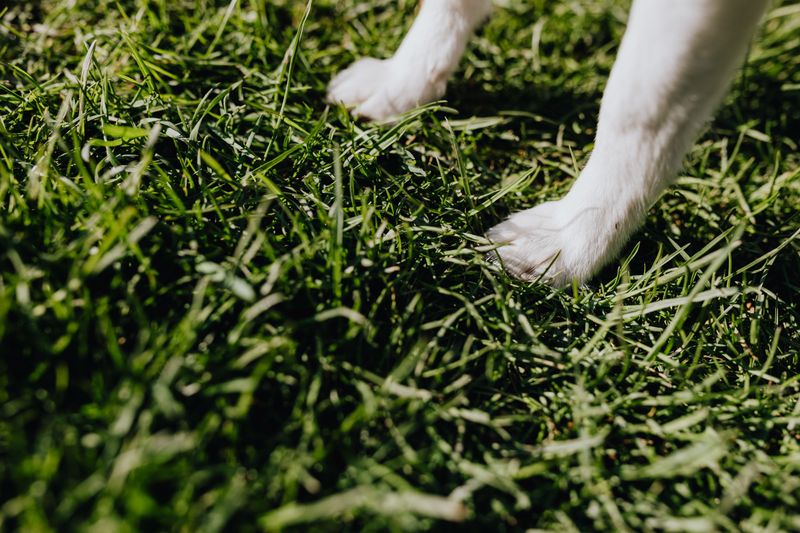
Sidewalks and parking lots can become much hotter than the air. Choose grass or shaded paths whenever possible, and avoid lingering on exposed pavement.
Briefly touching a surface can flag heat, but cannot guarantee safety.
Watch for hopping, limping, or refusal to keep walking. Move to a cooler area and check paws if your dog seems uncomfortable.
Properly fitted boots may help some dogs after gradual practice. Ask your veterinarian about any redness, tenderness, or damaged pads.
15. Making Indoor Enrichment Part of Everyday Life
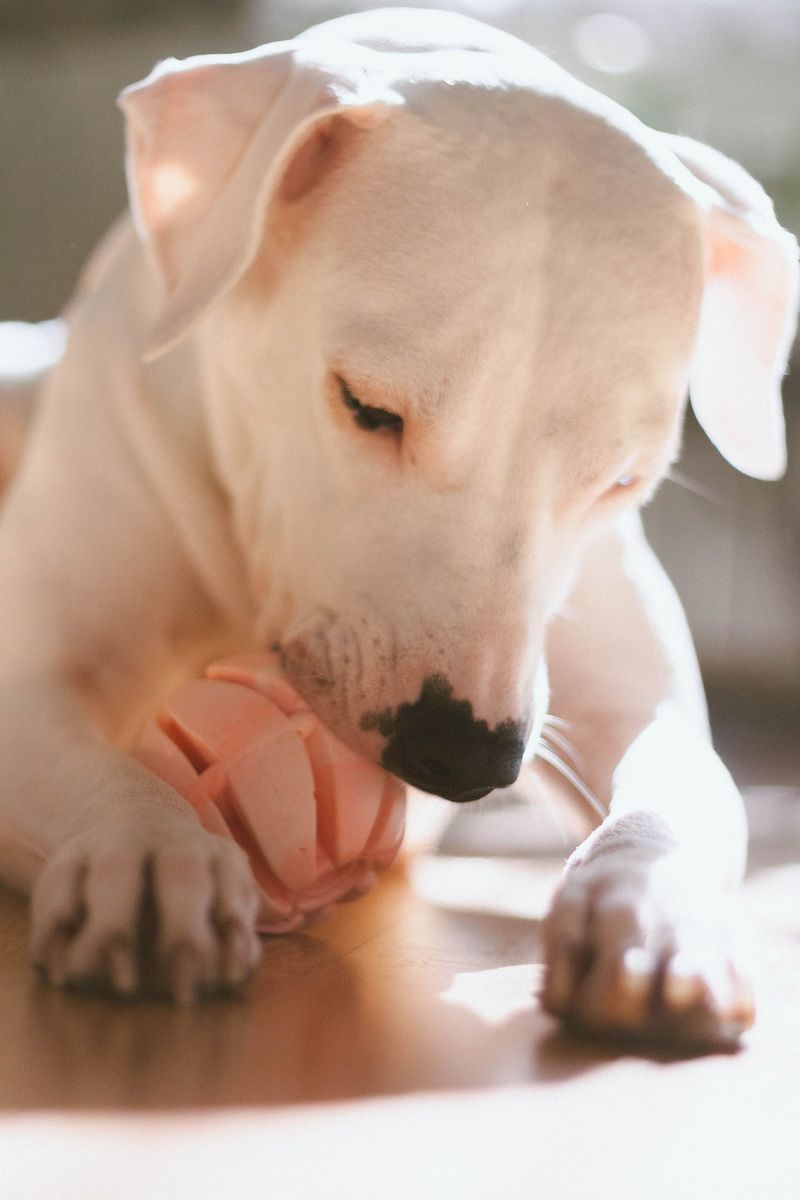
A rainy afternoon can still give your dog something fun to do. Food puzzles, scent games, and short training sessions provide useful mental exercise.
Start with easy activities so your new companion can succeed.
Hide a few treats around one room or practice simple cues with rewards. Count food rewards toward daily meals to avoid overfeeding.
Supervise toys and remove anything your dog chews apart. Quiet indoor activities can complement shorter summer walks without adding outdoor heat.
16. Giving a Newly Adopted Dog Time to Adjust
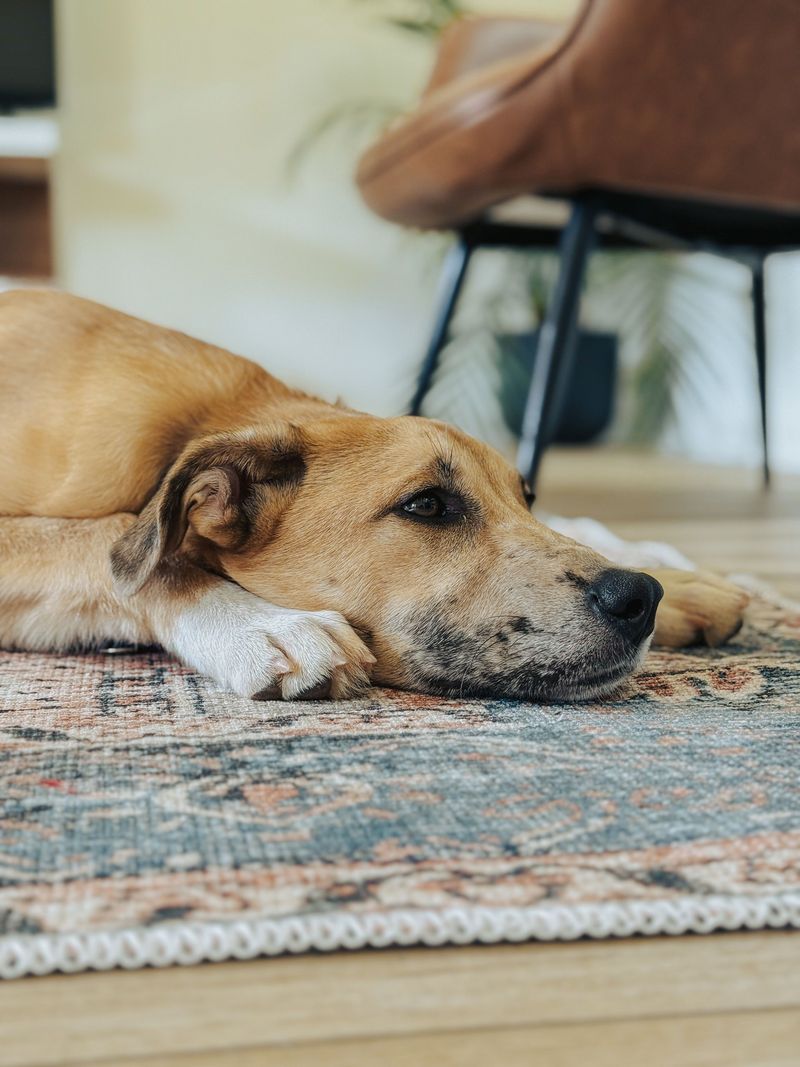
Coming home is exciting for people, but unfamiliar for the dog. Keep the first days calm, with predictable meals, bathroom breaks, and rest.
Limit visitors and avoid crowded outings while you learn each other’s signals.
Adjustment does not follow one fixed timeline. Some dogs settle quickly, while others need much longer.
Offer a quiet space and use rewards to encourage desired behavior. Contact the shelter, veterinarian, or a qualified reward-based trainer if difficulties persist or feel confusing.
17. Making Sure Everyone Understands the Care Routine
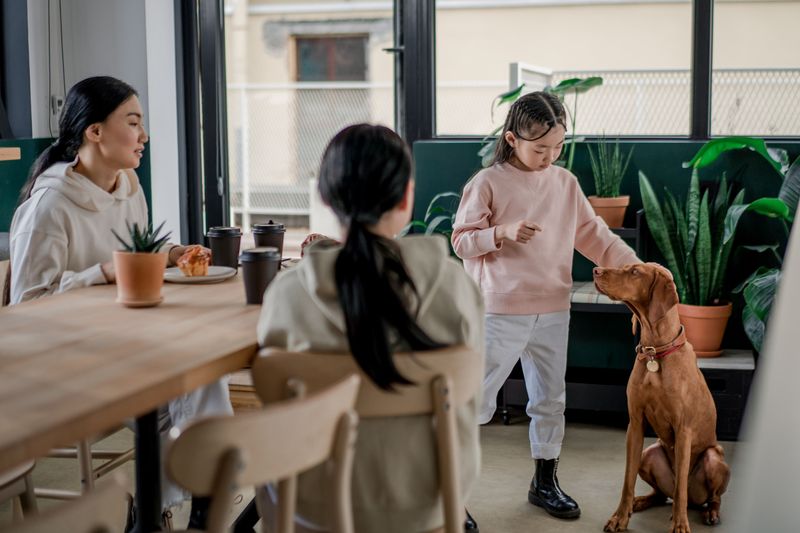
A shared care chart prevents the familiar question: who filled the water bowl? Assign clear duties for meals, walks, cleanup, and medication.
Adults should remain responsible, even when children help with simple tasks.
Teach children to leave dogs alone while eating or sleeping. Supervise interactions and give the dog an easy way to leave.
Agree on training cues and household rules before adoption day. Consistent care helps your dog understand expectations and keeps busy summer days organized.
18. Planning for Summer Travel
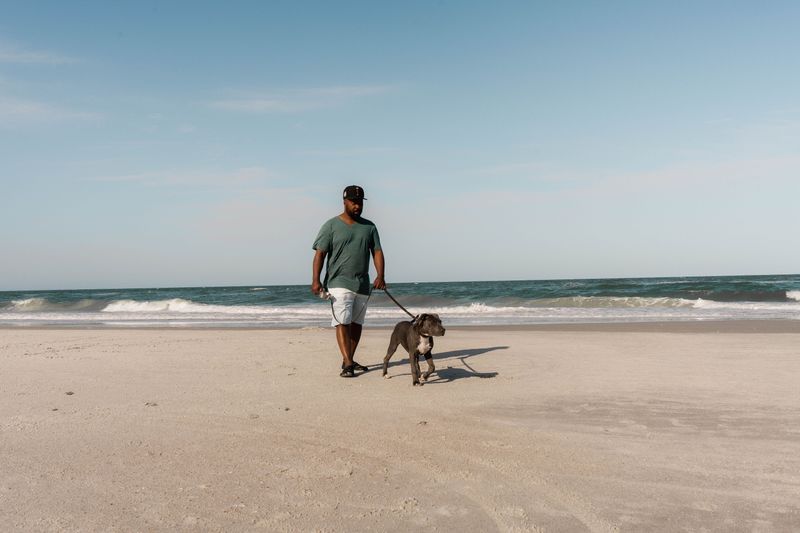
Vacation plans deserve a second look when adoption is on the calendar. A new dog may benefit from settling in before another big change.
Consider adopting after travel if dependable care is not ready.
For planned absences, meet sitters early and confirm boarding requirements with the facility. Share feeding instructions, medications, emergency contacts, and your veterinarian’s details.
If traveling together, verify lodging rules and use a secure restraint. Schedule safe bathroom stops without leaving your dog unattended.
19. Thinking About the Long-Term Commitment

Summer ends, but your dog’s need for care continues through every season. Think ahead to school schedules, possible moves, changing finances, and future medical needs.
Confirm pet rules with your landlord or housing association before adopting.
Choose a dog you can support as both your lives change. Reliable routines matter more than a perfect first week.
With realistic planning, adoption can begin a lasting bond. Prepare thoughtfully, stay flexible, and give your new companion room to settle.