15 Water-Loving Dog Breeds For Michigan’s Great Lakes Lifestyle
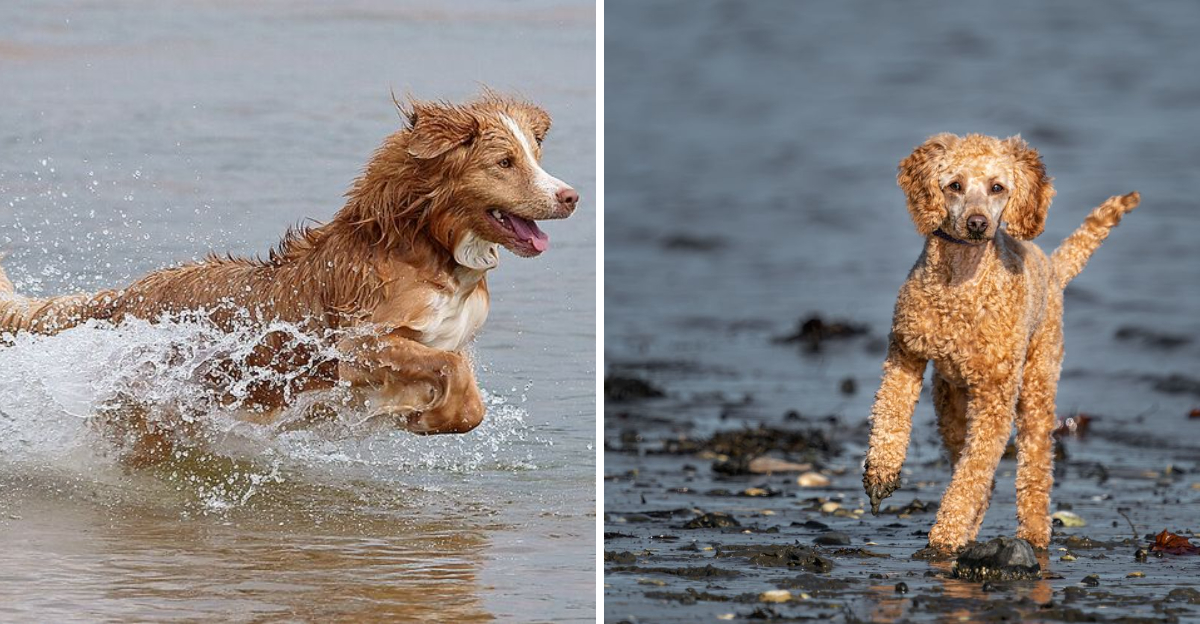
Michigan hands you 3,200 miles of freshwater shoreline, which is more coastline than any state except Alaska. That means sandbars in Lake Huron, glassy inland lakes at sunrise, and September water that stays warm long after the beach umbrellas disappear.
Some dogs treat all of that as scenery. Others treat it as a personal invitation, complete with webbed toes and a coat built for chilly waves.
The 15 breeds ahead belong firmly in the second camp.
1. American Water Spaniel
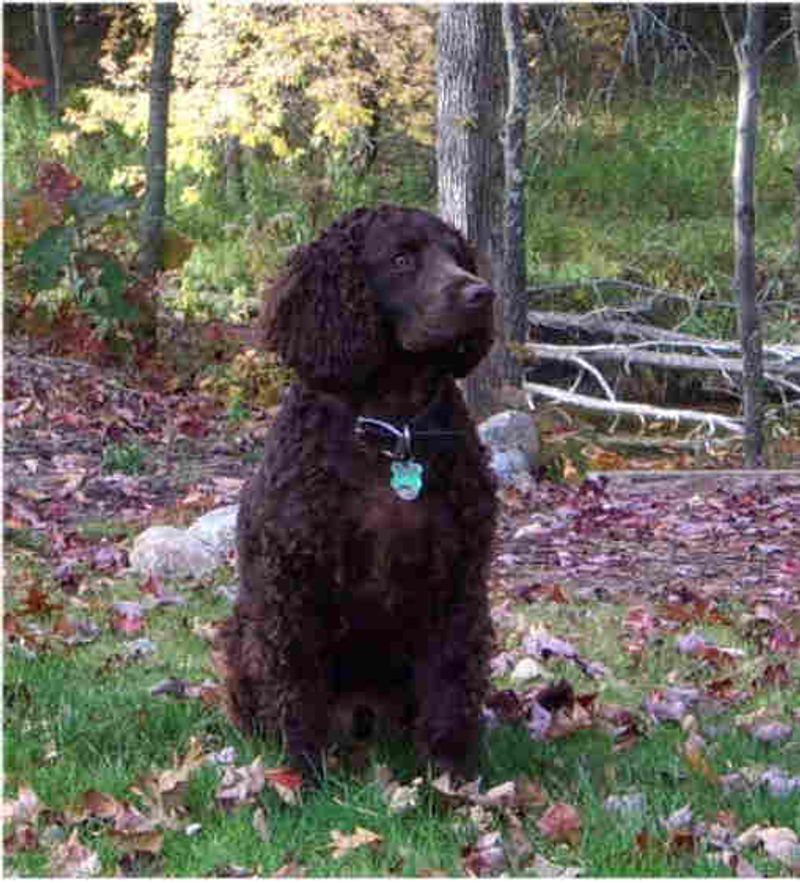
Wisconsin claims the breed, but Michigan’s marshes and inland lakes suit it just as well. Compact at roughly 25 to 45 pounds, this curly brown spaniel fits in a canoe without capsizing it.
The dense, oily coat sheds cold water fast, handy for a chilly Lake Michigan morning.
Fun bit: it is one of only a handful of breeds developed in the United States. Expect a busy brain that needs jobs.
2. Labrador Retriever
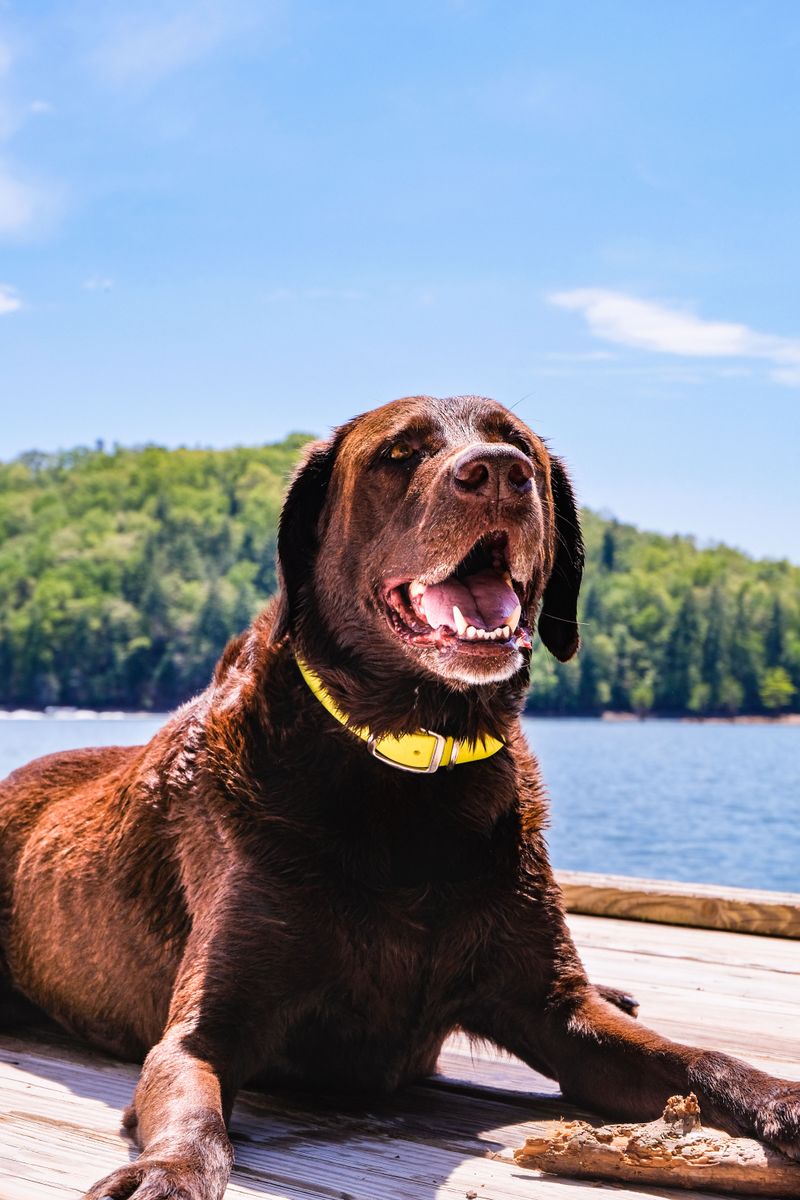
Ask any Michigan dock owner which dog owns the water, and you will hear one answer. Labs swim with otter-like tails that steer like rudders and webbed feet that push serious water.
Despite the name, the breed traces back to Newfoundland, not Labrador.
Two coats keep them warm in early June waves. Their retrieving drive means a floating toy buys you an hour of happy exhaustion.
3. Chesapeake Bay Retriever
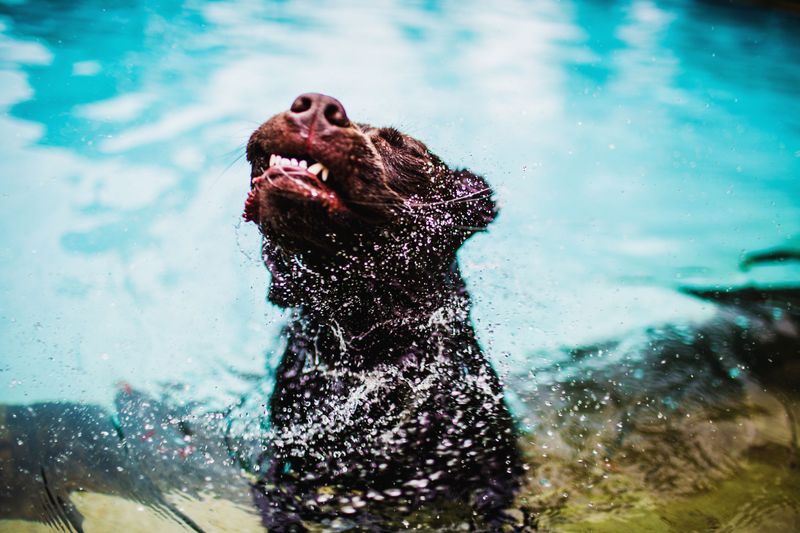
Cold, choppy, gray water in November? A Chessie calls that a good time.
Bred to haul ducks from icy bays, this rugged retriever wears a harsh, oily, wavy coat that repels water beautifully.
Plan on one to two hours of hard exercise daily, ideally involving swimming.
Cheerful with family and reserved with strangers, they thrive on early socialization and clear, consistent training from someone confident.
4. Golden Retriever
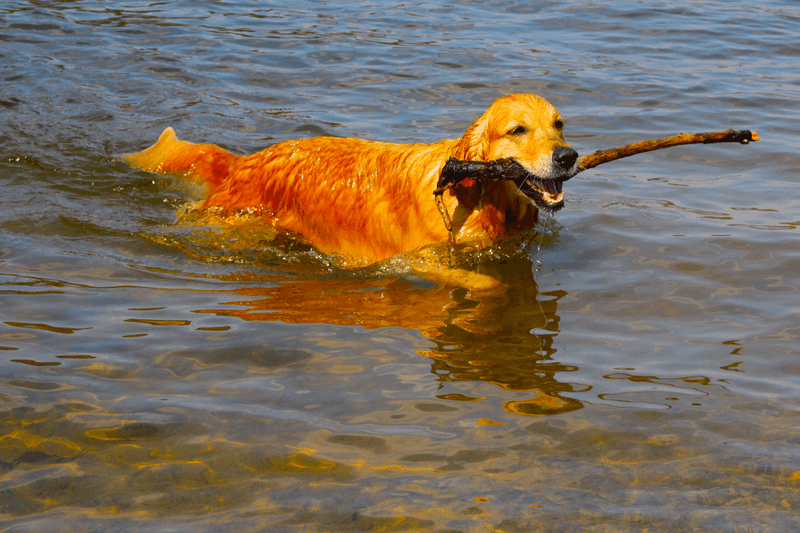
Sunset paddles at Higgins Lake feel incomplete without a soggy Golden trotting alongside the kayak. Scottish estate owners developed the breed in the 1800s specifically for retrieving waterfowl from ponds and rivers.
That feathered coat holds lake water, so towel-dry ears and check for grit between toes.
Sociable to a fault, Goldens make beach friends with everyone, including the kids building sandcastles three blankets away.
5. Nova Scotia Duck Tolling Retriever
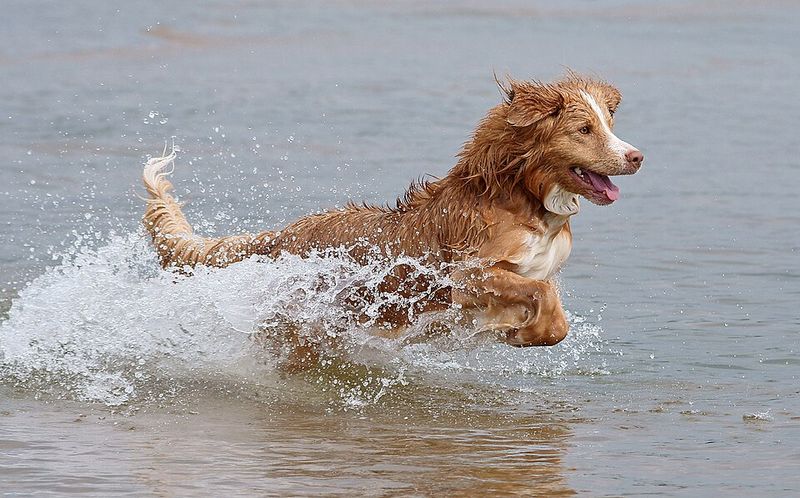
Foxy red coat, white blaze, endless motor: the Toller looks like a Golden that shrank in the wash. Hunters bred them to dance along shorelines, luring curious ducks closer, a trick called tolling.
Around 35 to 50 pounds, they load into a small boat easily.
Bring puzzles and games. A bored Toller invents projects, and you rarely approve of the results.
6. Newfoundland
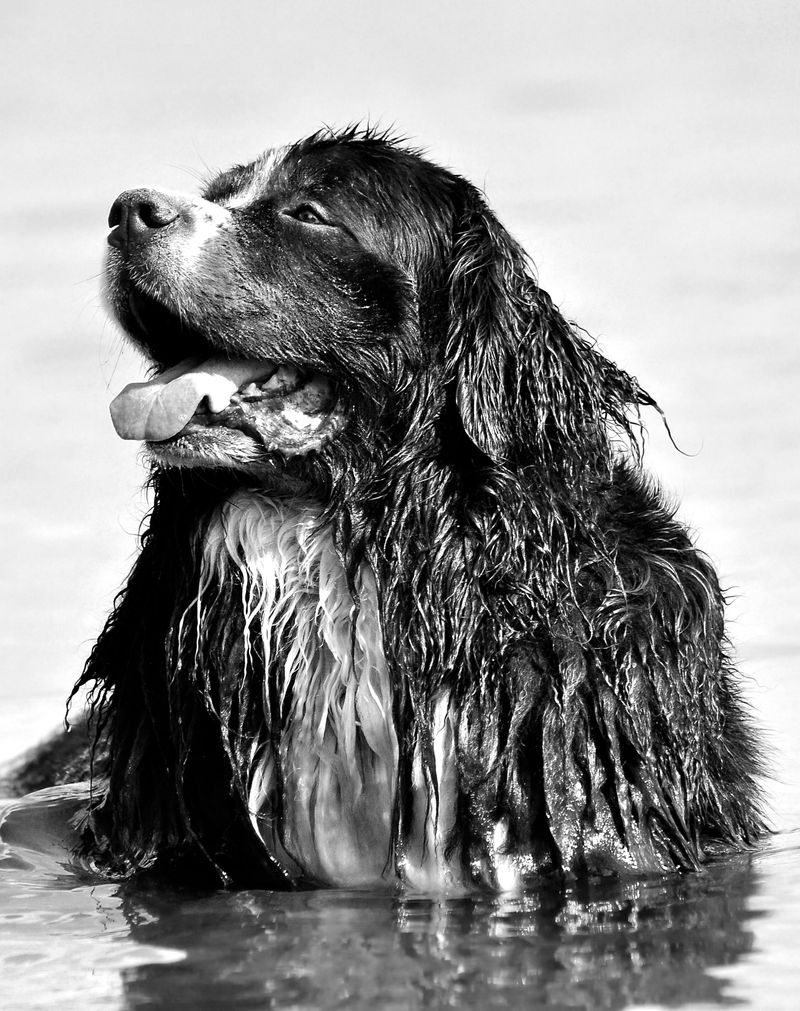
Big heart, bigger paws. Newfies were working fishing boats off Canada’s coast long before they became family dogs, and their webbed feet plus water-resistant double coat still show it.
Some historic accounts credit them with pulling people from rough surf.
Heat is the enemy, so schedule swims for morning. Grooming is a commitment, and so is the drool.
Worth every towel.
7. Portuguese Water Dog
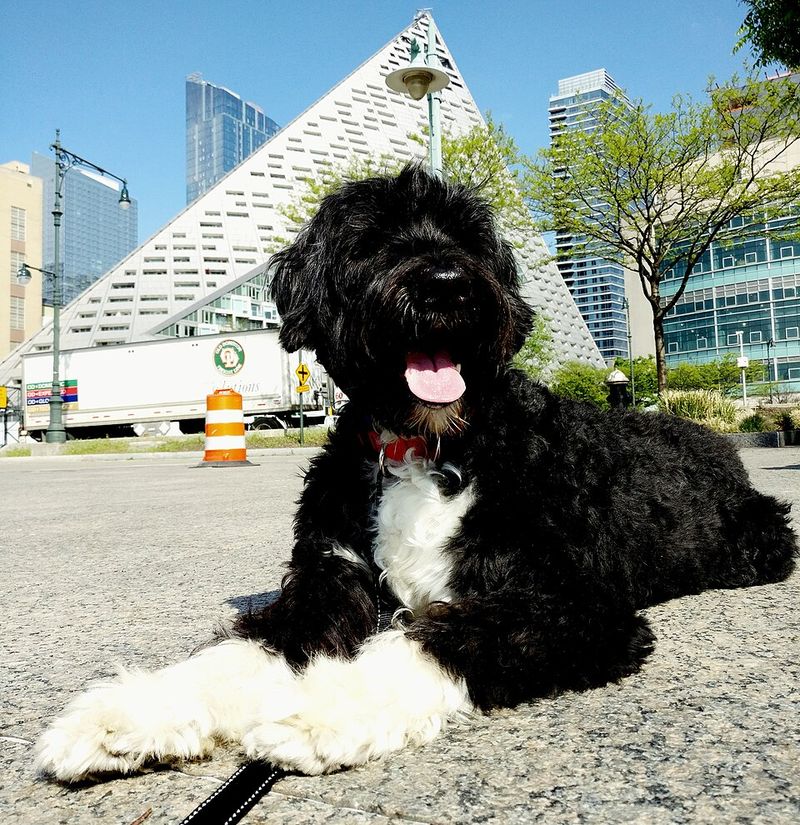
Portuguese fishermen once used these curly athletes to herd fish into nets and carry messages between boats. Truly a working sailor in dog form.
Their single, non-shedding coat suits families sensitive to loose hair, though clipping appointments become routine.
Around 40 to 60 pounds of springy muscle, a Portie will out-swim you at Torch Lake and then ask for round two.
8. Flat-Coated Retriever
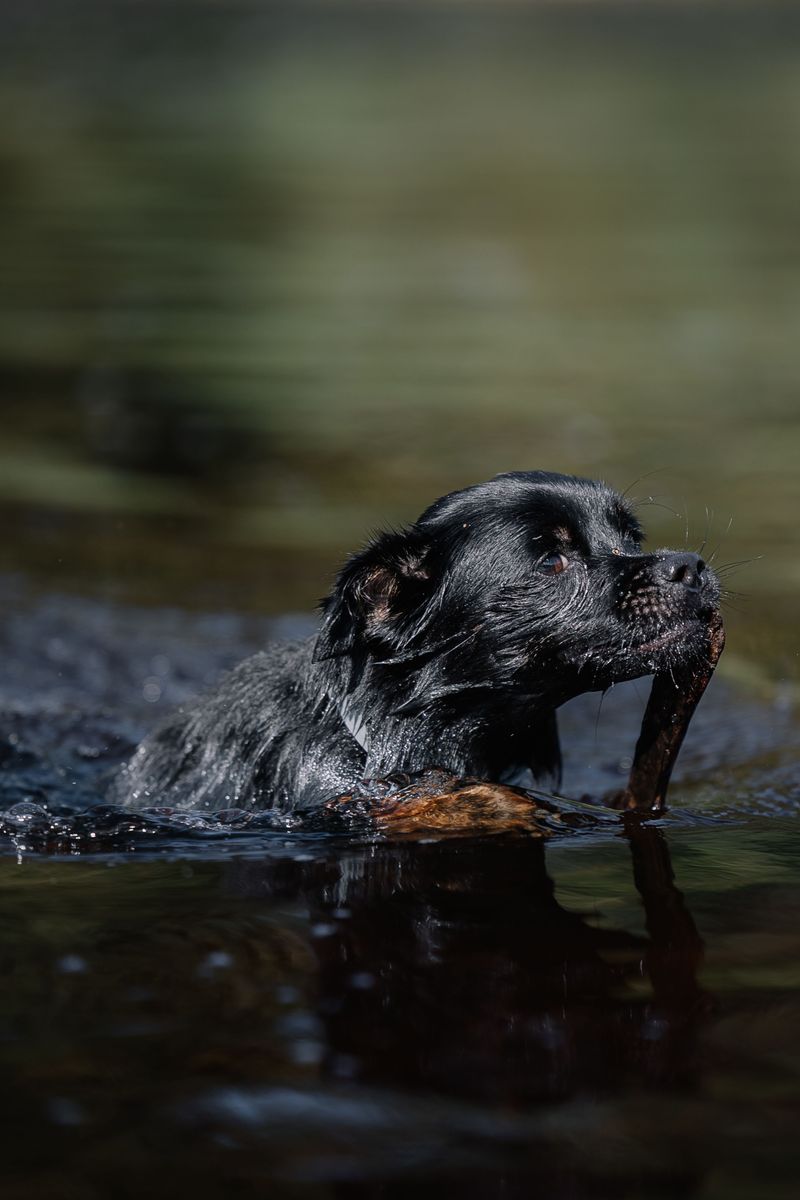
Nicknamed the Peter Pan of retrievers, the Flat-Coat keeps a puppyish spark well into its senior years. That glossy black or liver coat lies flat and sheds water on a good shake.
Marshy edges near Saginaw Bay suit their upland and water skills equally.
They crave company. Left alone too long, a Flat-Coat gets creative with your patio cushions.
9. Curly-Coated Retriever
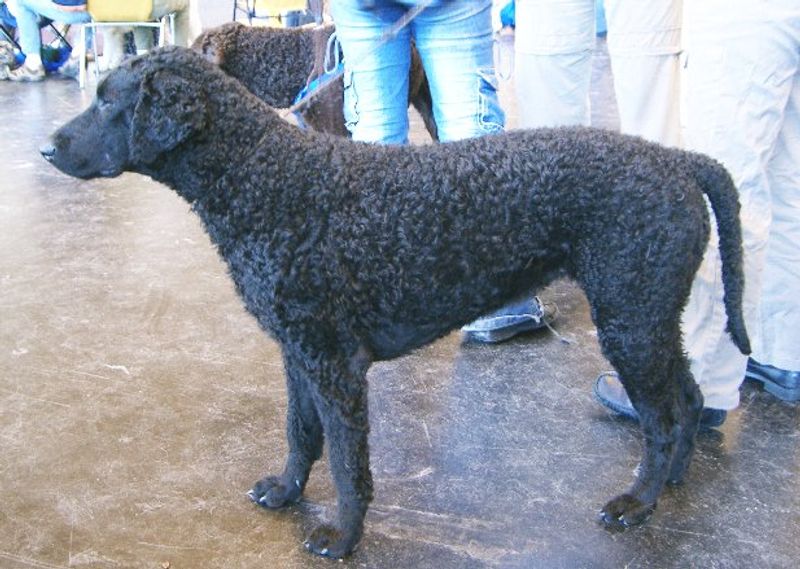
Those tight, crisp curls are not a stylist’s idea. They form natural armor against cold water, brambles, and wind off open lakes.
One of the oldest retriever breeds, the Curly is taller and leggier than a Lab, with a thoughtful, slightly aloof streak.
Grooming stays refreshingly simple: no clipping, no fuss.
Independent thinkers, they reward training that feels like a partnership rather than drills.
10. Irish Water Spaniel
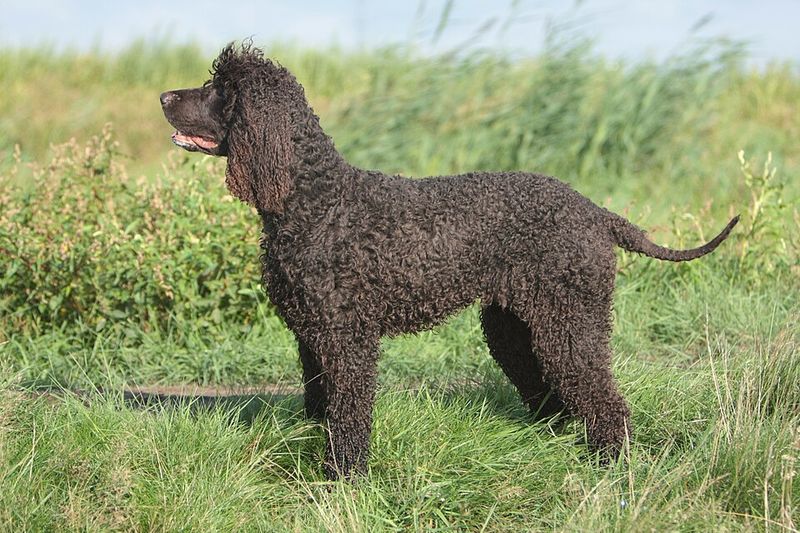
Meet the tallest of the spaniels, complete with a curly topknot and a smooth, tapered rat tail that acts like a paddle. Ireland’s clown of the dog world, they say, and the goofball reputation holds up.
The dense liver-colored ringlets shed almost nothing.
Clever and a bit stubborn, they respond best to short, upbeat sessions. Give them water, and the mischief settles considerably.
11. Barbet
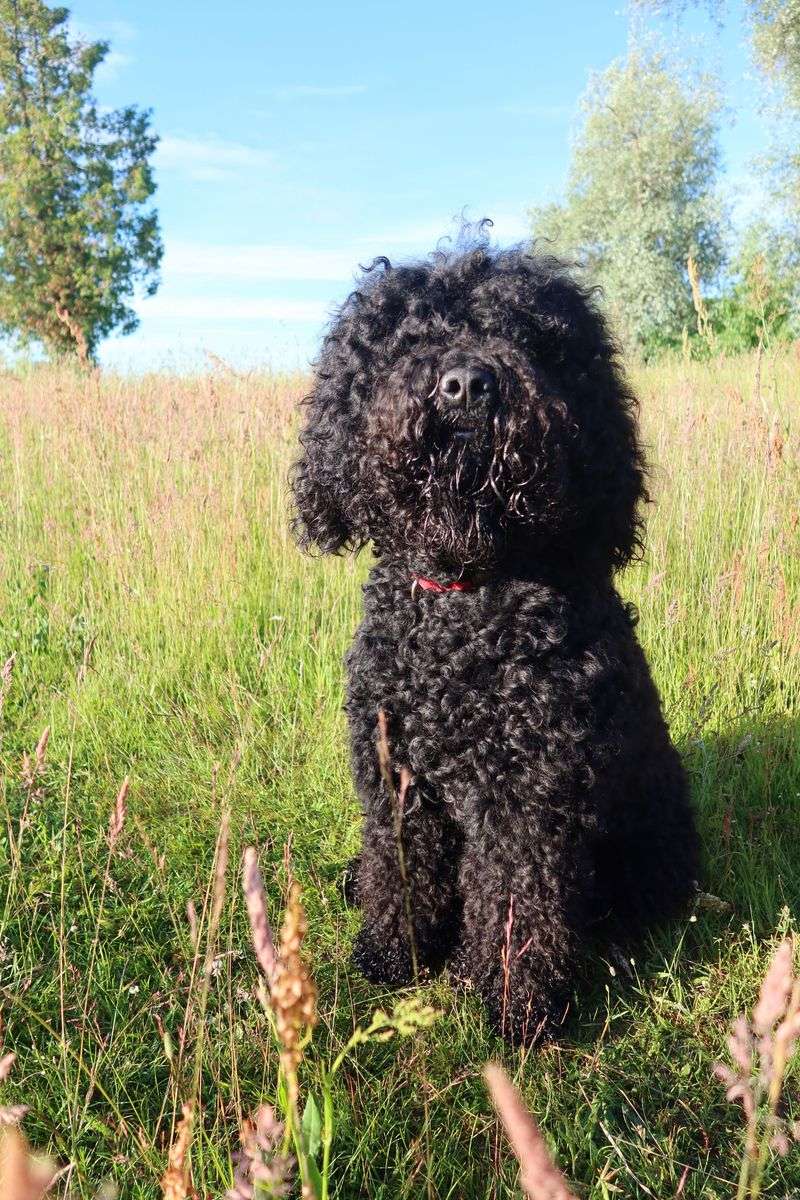
Rare in North America, the Barbet is an ancient French water dog whose name comes from barbe, meaning beard. Muddy marshes were its office for centuries.
That woolly, waterproof coat covers a sturdy, sweet-natured dog of about 35 to 65 pounds.
They dry slowly, so pack an extra towel for the drive home from Ludington. Calm indoors, tireless in wetlands.
12. Boykin Spaniel
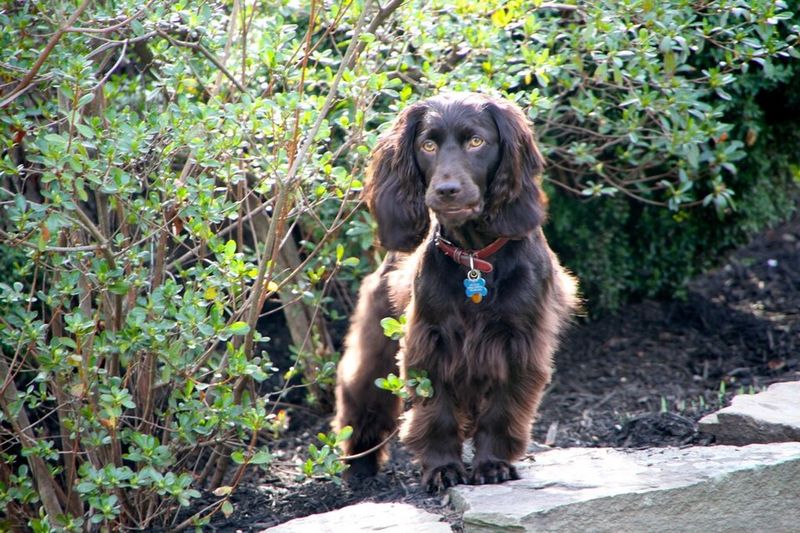
South Carolina’s state dog earned its keep in small boats, chasing ducks and turkeys where a bigger retriever would have tipped the whole rig over. Roughly 25 to 40 pounds of brown enthusiasm.
Amber eyes, a wavy coat, and a tail that never quits.
Inland Michigan lakes and quiet river paddles fit them nicely. Merry, biddable, and delighted by literally any thrown object.
13. Spanish Water Dog
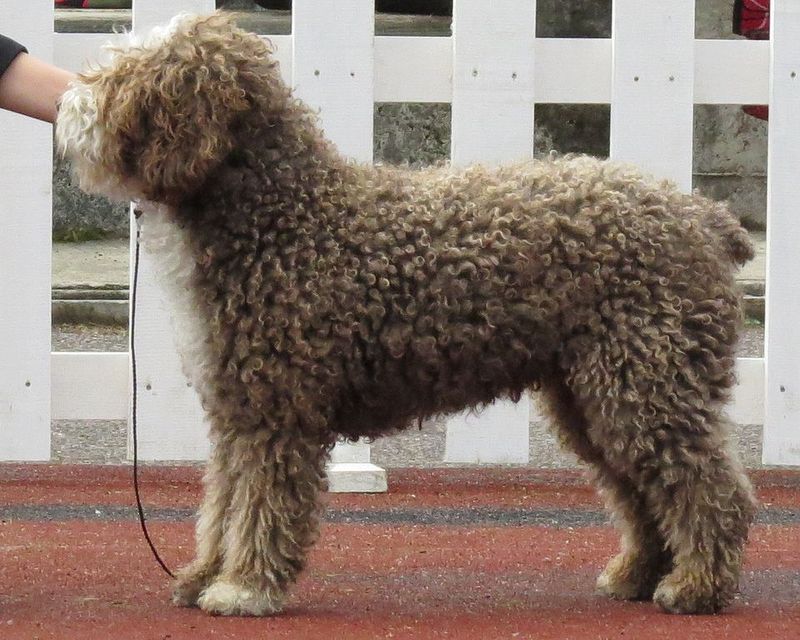
Part herder, part swimmer, entirely busy. Spain’s shepherds used these woolly dogs to move flocks and work boats, so problem-solving runs deep.
Their coat grows in cords and gets clipped down evenly, never brushed out.
Around 30 to 50 pounds, agile enough for paddleboards and clever enough to learn balance quickly.
Give one a job at the lake, and you gain a devoted shadow.
14. Standard Poodle
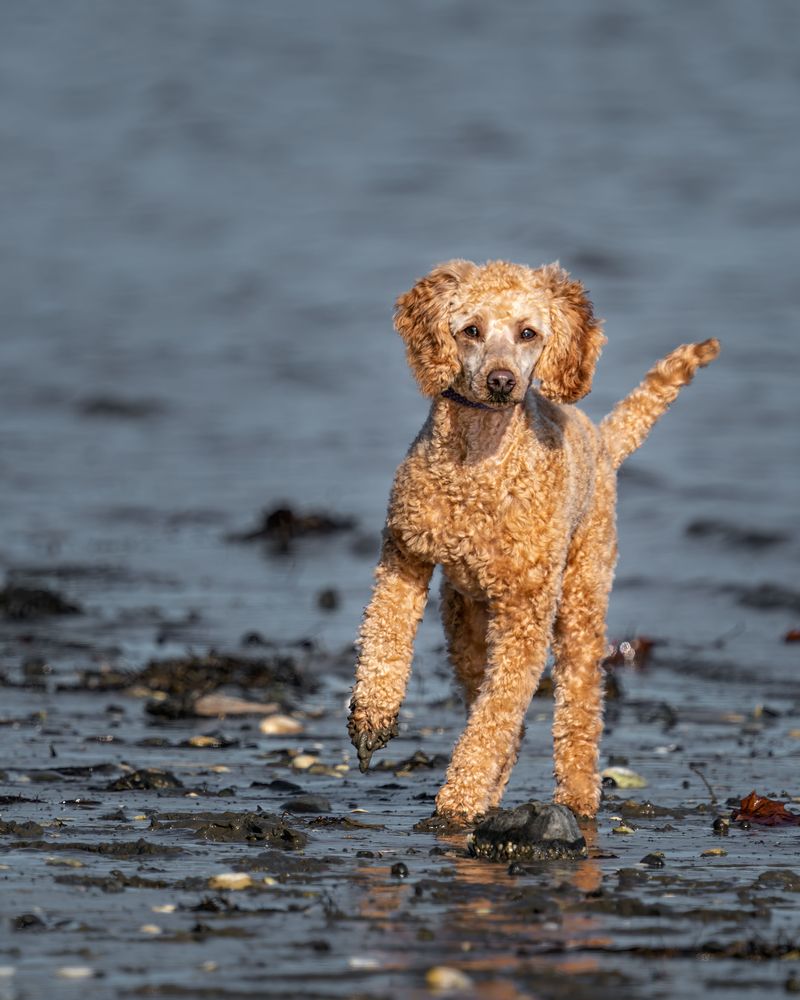
Forget the show ring stereotype for a second. Poodle comes from the German word pudel, meaning to splash about, and these dogs were bred as water retrievers.
Skip the fancy clip and go with a short sporting trim for beach season.
Whip-smart and athletic, a Standard learns dock diving fast. Their curly coat traps sand, so rinse thoroughly after every Lake Michigan outing.
15. Lagotto Romagnolo
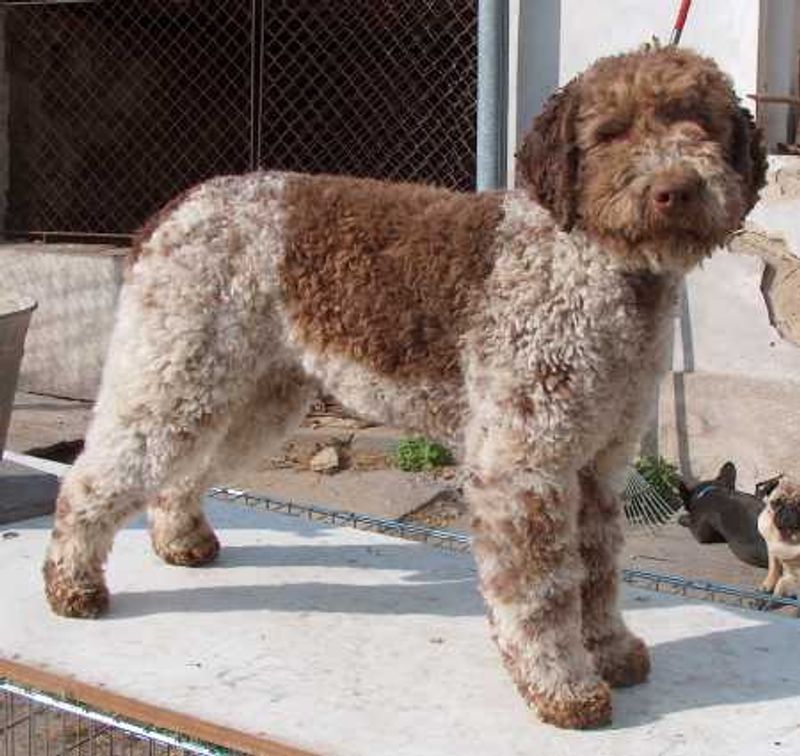
Italy’s truffle hunter started out very differently: hauling waterfowl from the lagoons of Romagna, which is where lagotto comes from.
At 25 to 35 pounds with a dense woolly coat, this curly charmer handles cool water well and packs easily for weekend trips.
That nose still works overtime, so shoreline sniffing counts as enrichment.
Affectionate, alert, and refreshingly manageable in a small cottage.