How A Georgia Dog Walker’s Midday Route Changes Once Humidity And Afternoon Storms Set In
Your dog’s usual midday loop can feel very different once Georgia’s sticky summer weather arrives. Humidity makes cooling harder, and afternoon storms can turn a familiar route into a quick trip home.
A thoughtful walker adjusts the distance, pace, and timing instead of pushing through the same schedule. Knowing what changes helps you and your walker keep your dog comfortable while still making room for bathroom breaks and sniffing.
1. The Midday Route Gets Shorter
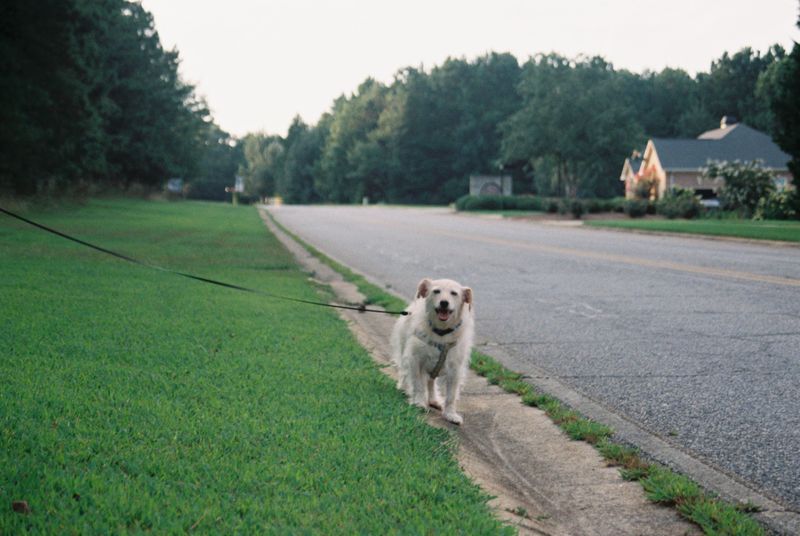
A favorite neighborhood loop may become a quick bathroom trip when Georgia’s midday heat builds. Shortening the distance reduces exertion and keeps home within easy reach.
The goal shifts from covering ground to meeting your dog’s immediate needs.
Choose a nearby grassy stop, allow a little sniffing, and head back before your dog struggles. Save longer exercise for safer weather.
There is no universal minute limit, so adjust each outing to the dog and conditions outside.
2. Humidity Changes How Hard A Walk Feels
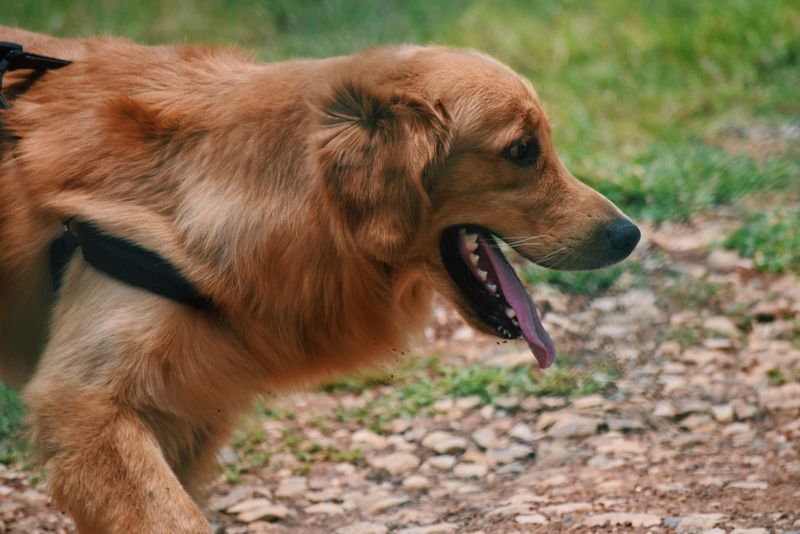
Sticky air matters even when the temperature looks manageable. Dogs release much of their body heat through panting, and high humidity makes that cooling less effective.
A familiar hill can demand more effort than expected.
Check humidity alongside temperature, sunshine, and your dog’s health before choosing the route. Slow the pace and skip energetic games during muggy conditions.
Weather numbers guide planning, but your dog’s behavior should guide decisions throughout the walk, especially during warm spells.
3. Shaded Streets Become More Valuable
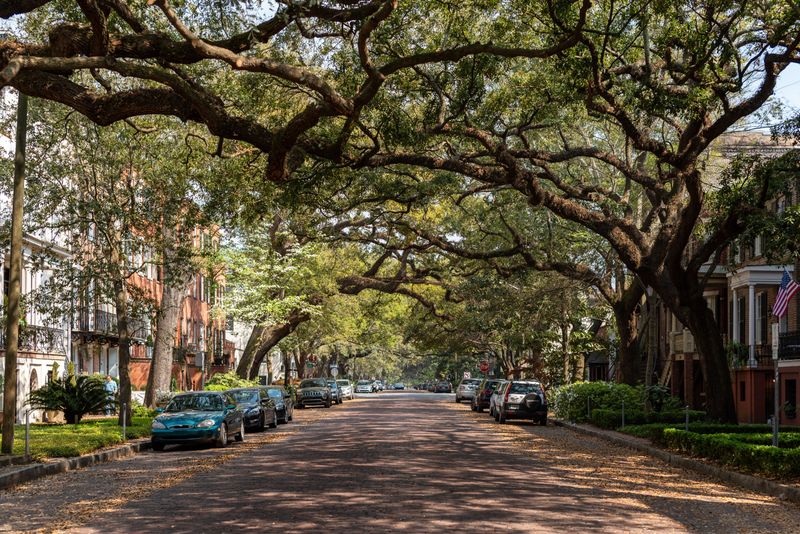
Tree cover can turn an exposed block into a more comfortable passage. A walker may trade the usual open sidewalk for streets shaded by mature oaks.
That change reduces direct sun exposure without requiring a longer outing.
Look for shade along the whole route, not just at the destination. Remember that shadows move as the day progresses.
Shaded pavement can still hold heat, and shaded air can remain humid, so keep checking your dog’s comfort closely.
4. Pavement Needs A Quick Check
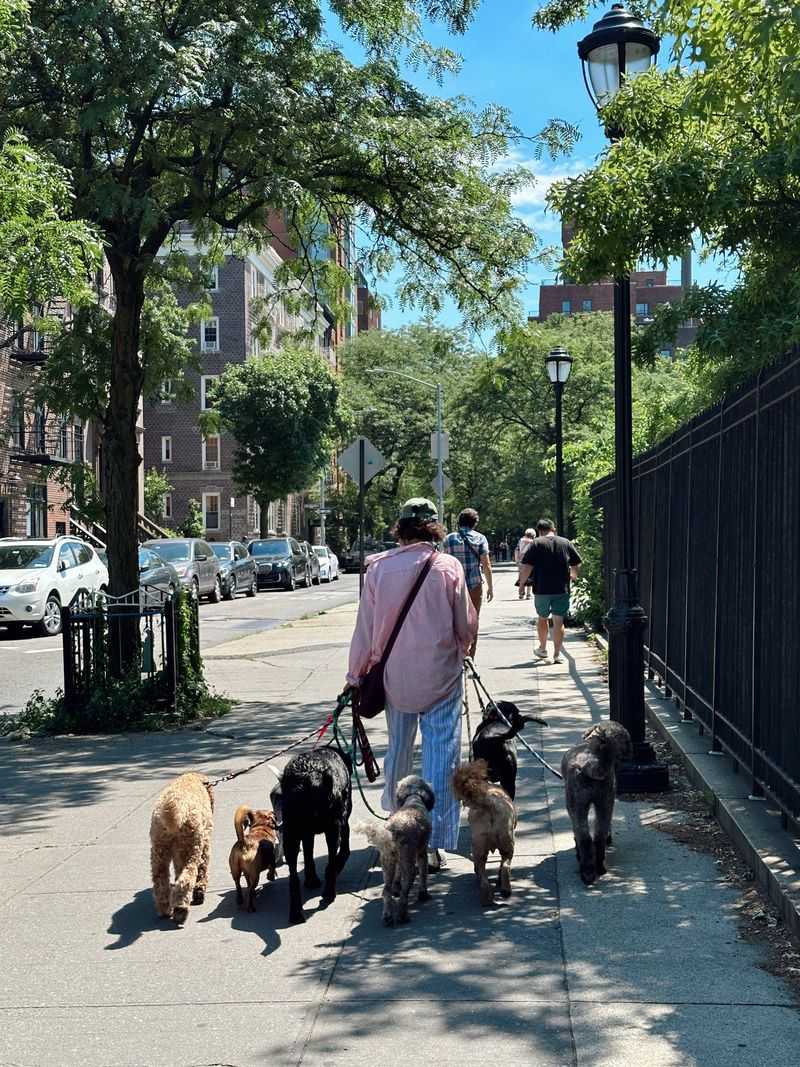
Sunlit asphalt can be much hotter than the surrounding air. Before stepping onto an exposed stretch, check the surface carefully with your hand.
If it feels too hot for comfortable contact, choose grass or another cooler surface.
A hand check is only a rough screen, not a guarantee against burns. Watch for hopping, limping, or reluctance to move.
Avoid relying on shoes alone to make a hot route safe, and inspect paw pads after returning home.
5. Water Becomes Part Of The Route
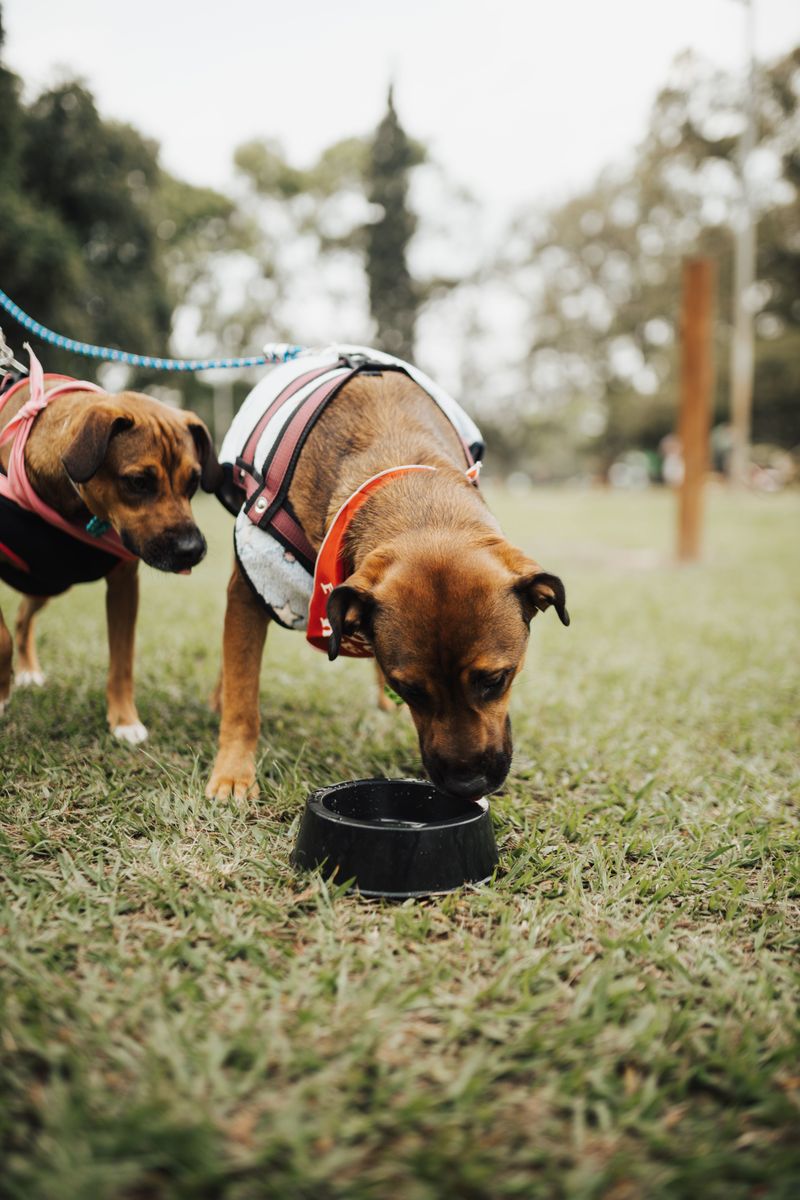
A water bottle earns its place beside the leash during muggy weather. Carry fresh water and a clean portable bowl rather than counting on public fountains.
Offer small opportunities to drink during breaks without forcing your dog.
Plan stops where you can rest away from traffic and direct sunshine. Never substitute puddles or drainage water for drinking water.
Hydration supports comfort, but it cannot cancel the effects of excessive heat, so shortening the route still matters.
6. Storm Clouds Can Change The Plan Fast
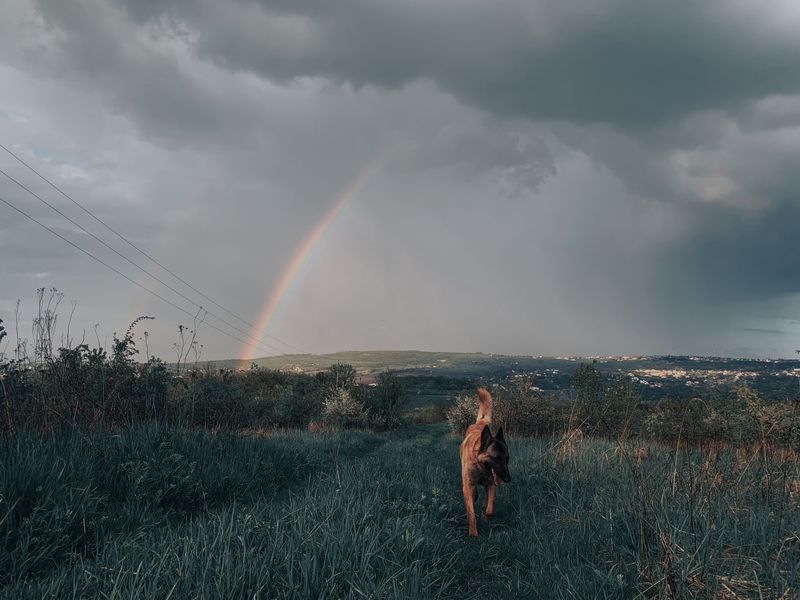
A bright start does not promise a dry return in Georgia’s summer weather. Afternoon showers and thunderstorms can develop quickly, making long loops less practical.
Check the local forecast and radar before leaving the house.
Favor routes with an easy return instead of distant parks or trails. Watch the sky while walking, but do not rely on clouds alone.
If storms approach, shorten the outing early rather than waiting for rain to confirm the forecast outside.
7. Thunder Changes The Timing
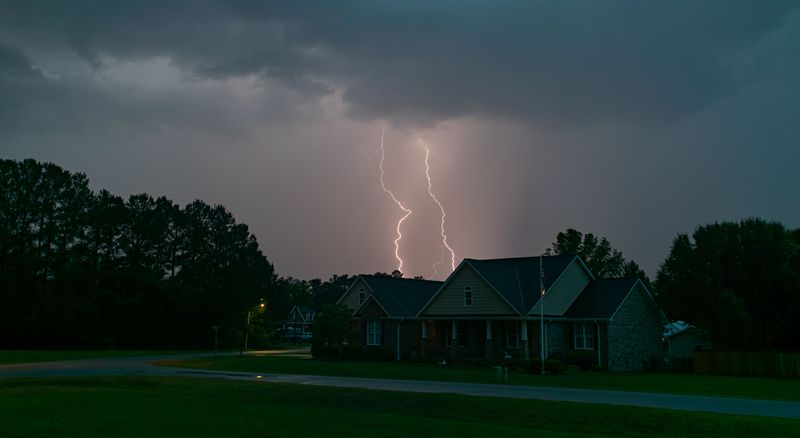
Hearing thunder is a cue to end outdoor time, even when rain has not reached your street. Lightning can occur beyond the rainy part of a storm.
Head toward a substantial building promptly and calmly.
Once safely indoors, remain there until the thunderstorm has clearly passed and local weather conditions are safe for outdoor activity. A bathroom schedule may need adjustment, so tell the owner promptly and arrange another opportunity when conditions improve.
8. Lightning Means Heading Indoors
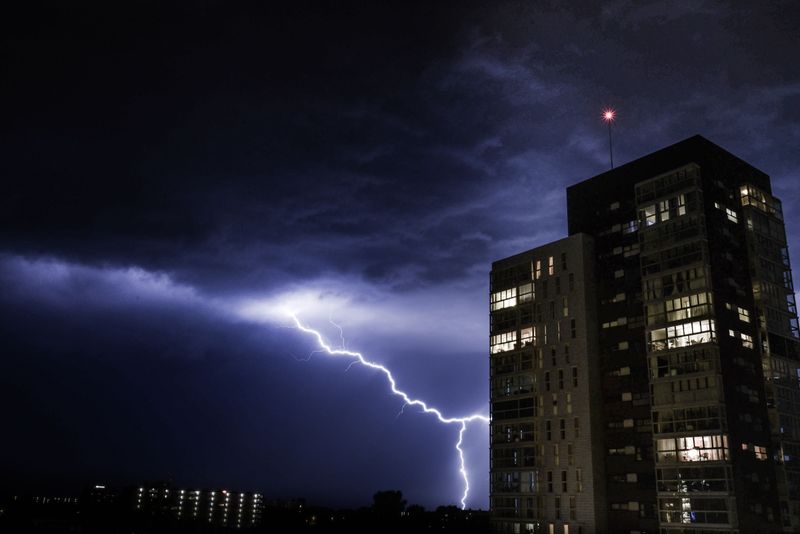
An open park shelter is not a safe place to wait out lightning. Neither are isolated trees, covered porches, or picnic pavilions.
A substantial enclosed building is the preferred destination when a storm approaches.
A fully enclosed vehicle with a hard roof can provide shelter if a building is unavailable. Keep windows closed and avoid touching metal surfaces.
Plan nearby shelter before departure, because improvising during a storm adds pressure and can delay getting safely inside.
9. Heavy Rain Can Turn Familiar Paths Into Hazards
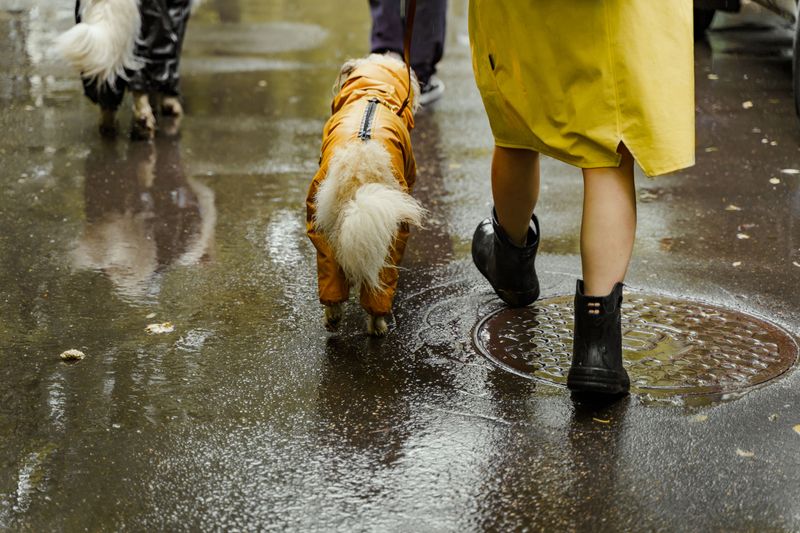
The sidewalk you know well can become slippery beneath a sudden downpour. Wet leaves, painted crossings, and smooth surfaces deserve extra care.
Rain also reduces visibility for drivers, making busy crossings less appealing.
Choose firm footing and avoid rushing a dog through unfamiliar water. Standing water can hide broken pavement or debris.
If the route floods, turn around rather than testing its depth, and return only when weather and ground conditions allow a safer outing again.
10. Mud And Puddles Affect More Than Cleanliness
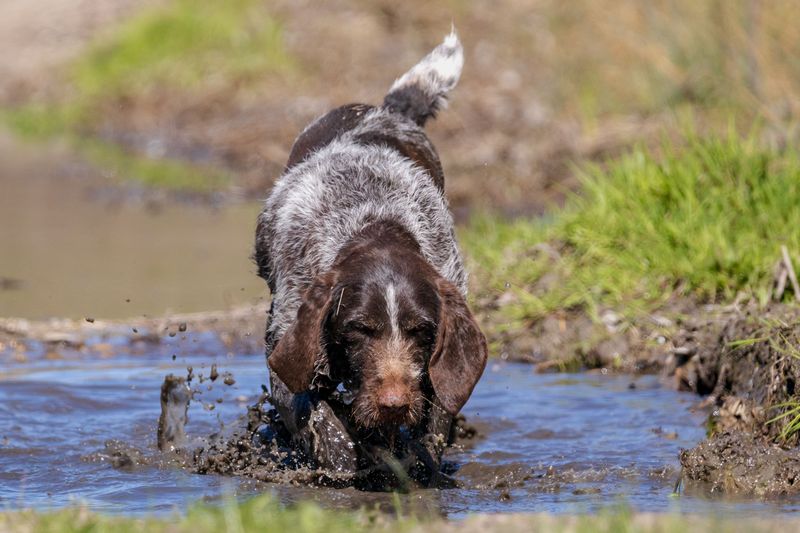
Muddy paws are easy to notice, but puddle water deserves attention too. Outdoor water may contain germs, including bacteria associated with leptospirosis, or other contaminants.
Keep your dog from drinking it during the walk.
Choose a drier path whenever possible, and clean muddy paws after returning. Check between toes for trapped grit or irritation.
Ask your veterinarian about appropriate vaccination and local risks, especially if your dog regularly visits wet trails or areas used by wildlife.
11. Drainage Areas Need Extra Attention
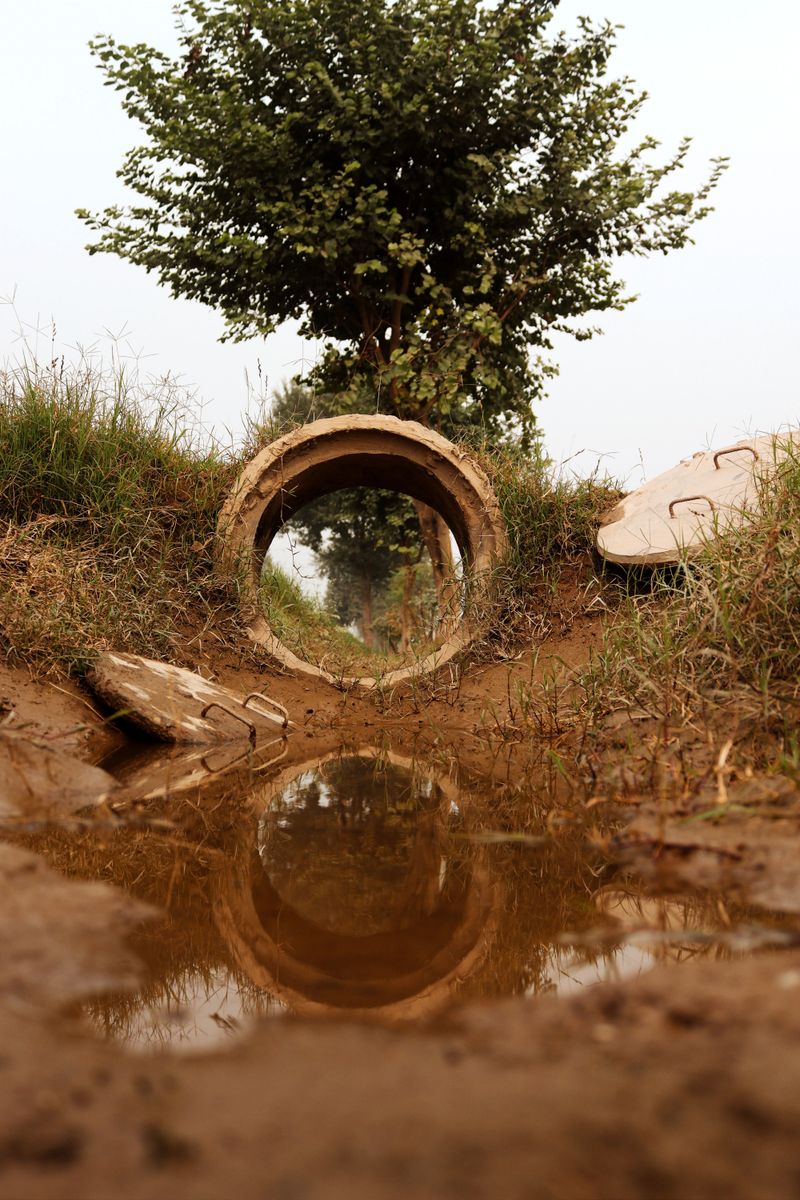
A roadside ditch can look harmless before rain and carry moving water afterward. Storm drains, culverts, and creek crossings need a wider berth when runoff increases.
Keep the leash short enough to prevent sudden approaches.
Never enter flowing water or let your dog explore a flooded drainage channel. Banks may be slippery or unstable, even after rainfall slows.
Build your backup route around higher, well-drained streets, and follow local closures rather than assuming yesterday’s path remains usable.
12. A Backup Indoor Plan Helps
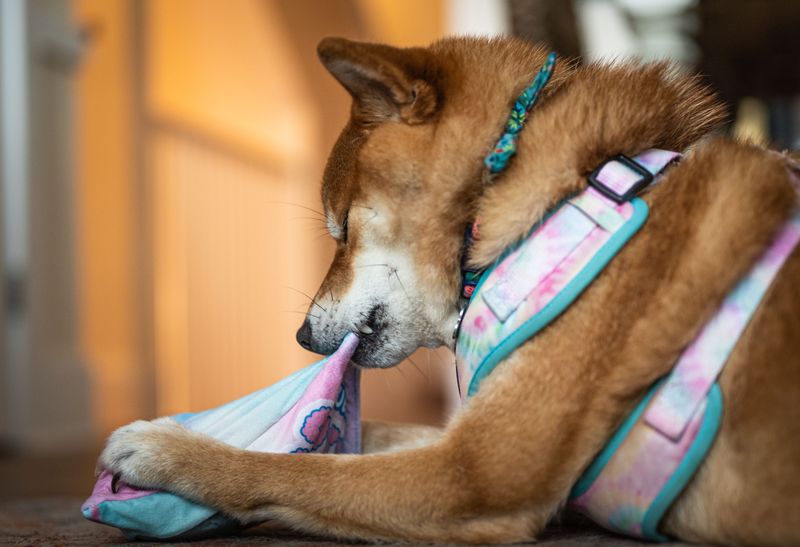
Rainy afternoons do not have to erase every useful part of a visit. With the owner’s permission, a walker can offer indoor sniffing games or simple training.
A calm search for scattered kibble may provide welcome enrichment.
Use the dog’s approved food, watch portions, and supervise toys. Indoor activities do not replace bathroom access, so arrange a safe toilet opportunity when possible.
Agree on house access and cleanup expectations beforehand to keep storm changes simple for everyone.
13. Dogs With Heavy Coats May Need More Breaks
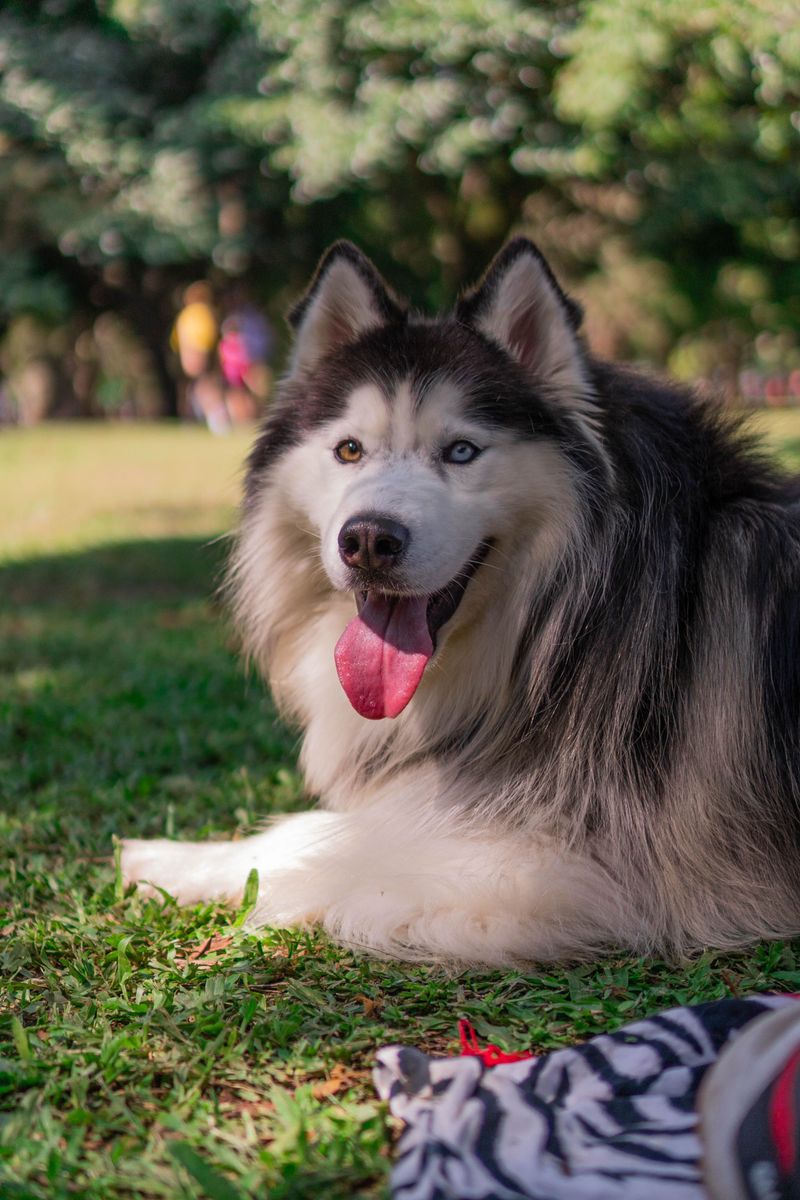
A fluffy coat deserves thoughtful planning during a sticky Georgia afternoon. Coat type can affect comfort, but body size, fitness, health, and breathing also matter.
Build in pauses and shorten exposed stretches for individual needs.
Keep coats brushed to remove loose hair and mats. Do not assume shaving is the answer, especially for double-coated dogs.
Ask a veterinarian or knowledgeable groomer about coat care, and let the dog’s response determine whether another outdoor break makes sense today.
14. Older Dogs May Need A Gentler Pace
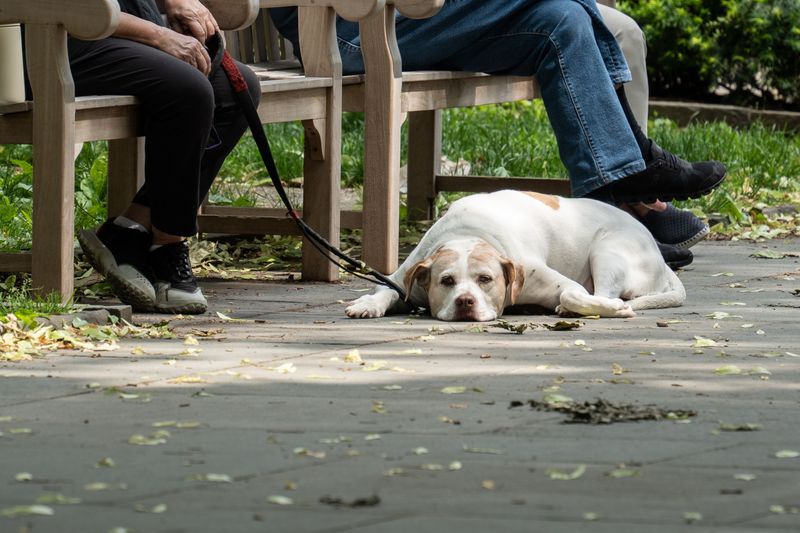
A senior dog may enjoy the same smells without needing the same distance. Age-related health changes can reduce tolerance for heat or exertion.
Level sidewalks and frequent pauses often suit these dogs better than hilly loops.
Ask the owner about mobility limits and veterinary recommendations before changing the routine. Avoid pulling a reluctant dog forward or treating slower movement as stubbornness.
A short, comfortable outing can meet bathroom needs while preserving energy for the rest of today.
15. Watch For Signs The Walk Is Too Much
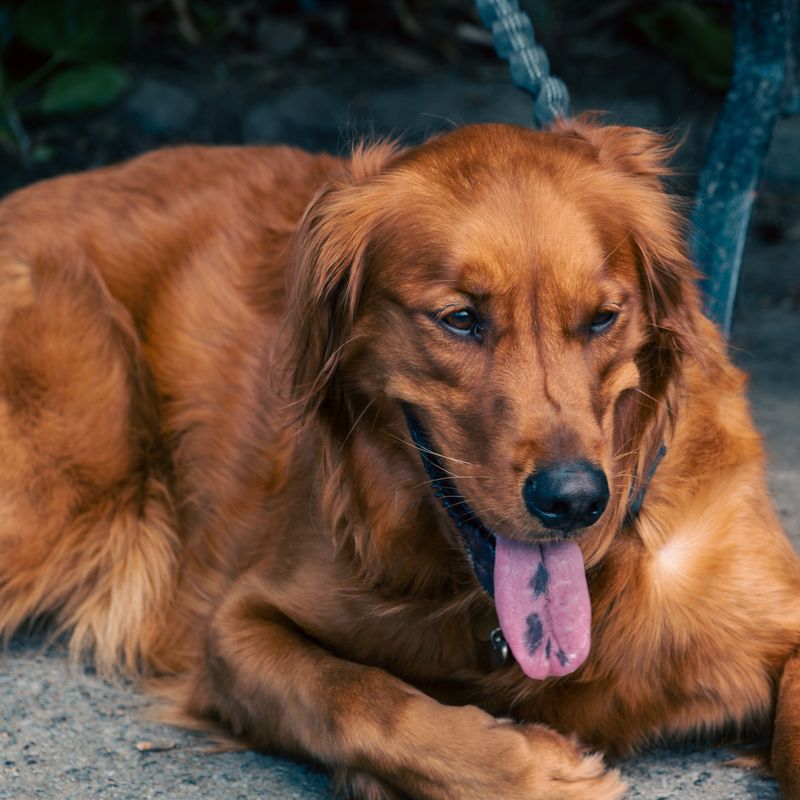
Falling behind can be an early request for a break. Heavy panting, excessive drooling, weakness, or unusual confusion can signal overheating.
Stop exercise and move into a cooler area immediately if concerning signs appear.
Contact a veterinarian promptly for guidance, especially with weakness or confusion. Begin cooling with cool water and airflow while arranging care, without delaying transport.
Never force drinking. Tell the owner what happened, and do not restart the walk because symptoms briefly seem better.
16. Stormy Days Make Communication More Important
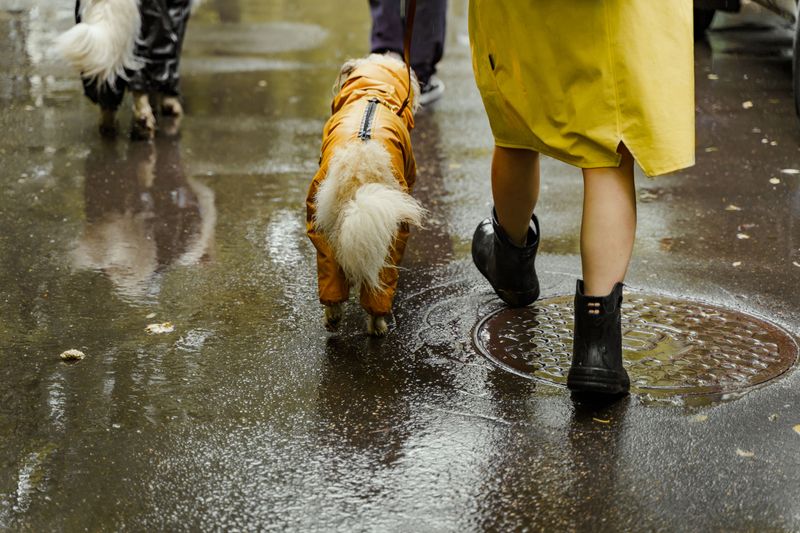
A quick message can prevent a shortened visit from becoming a misunderstanding. Explain whether the dog had a bathroom break, drank water, or needed indoor time.
Mention weather changes and any unusual behavior without guessing at diagnoses.
Agree beforehand on storm delays, emergency contacts, and access to safe indoor space. Share which decisions the walker can make independently.
Owners should also report health changes, since yesterday’s successful route may not suit a dog feeling unwell this afternoon.
17. Evening Walks May Become The Better Option
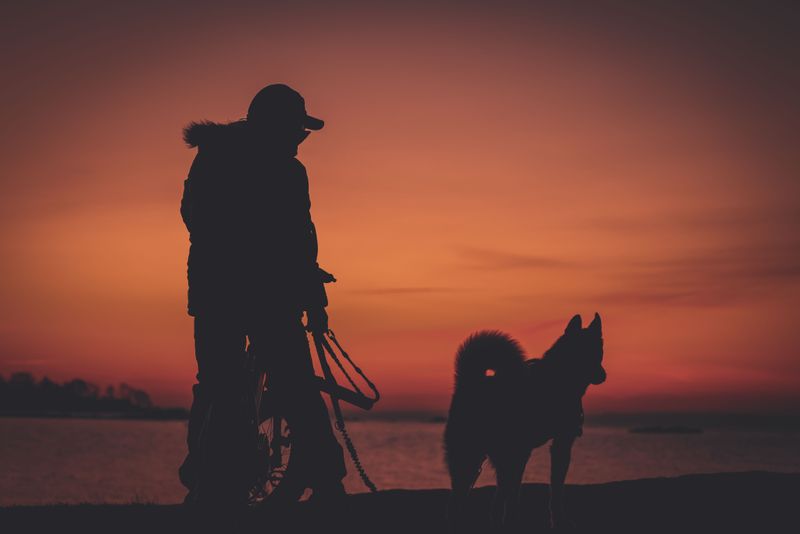
Later daylight can offer a better window for longer exercise after midday plans shrink. Still, Georgia evenings may remain hot and humid, and pavement can retain warmth.
Check conditions again instead of trusting the clock.
Wait until storms have cleared and the thunder waiting period has passed. Carry water, choose visible clothing, and use reflective gear as daylight fades.
Coordinate the extra outing with the owner, while keeping necessary midday bathroom breaks brief whenever conditions permit them.
18. The Best Route Is The One That Can Change
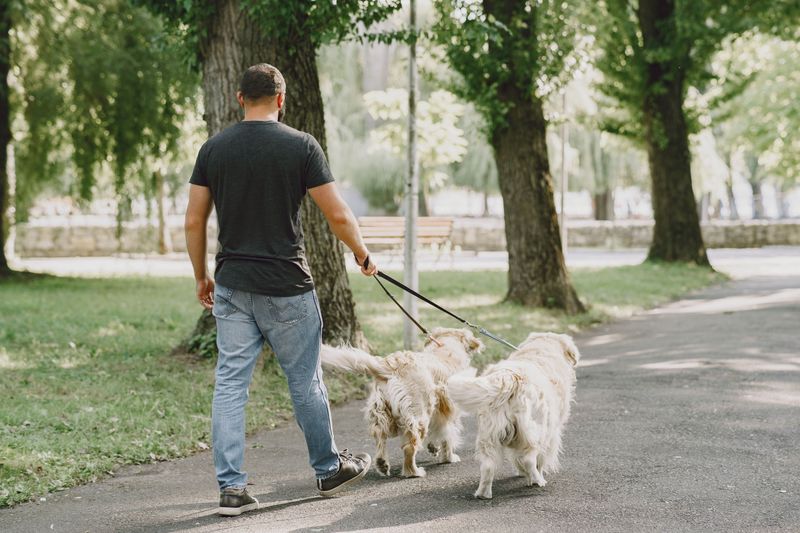
Good walking plans leave room for a different turn, an earlier return, or an indoor visit. Keep several nearby options ready for heat, rain, and your dog’s changing needs.
Follow posted rules and any local closures.
Review what worked with the owner, then adjust the next visit accordingly. Familiar routines help, but flexibility keeps them useful through Georgia’s humid season.
Remember the simplest rule: meet the dog’s needs, watch the weather, and choose comfort over distance today.