15 Fall Foods Pennsylvania Dogs Are Likely To Find Around Family Gatherings
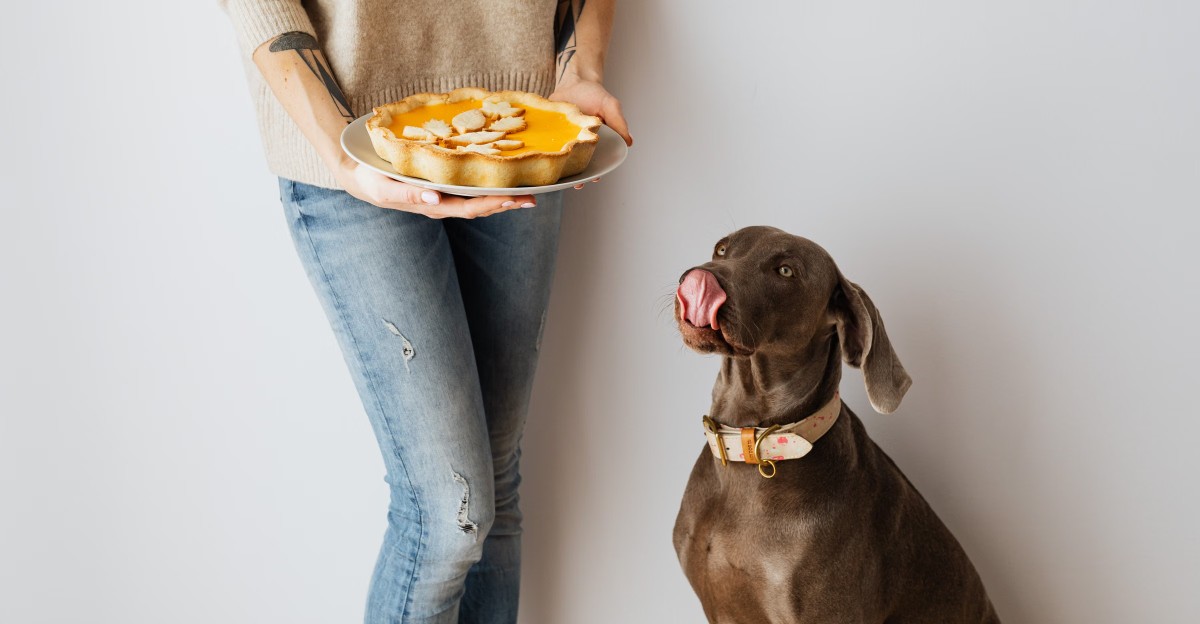
Fall gatherings across Pennsylvania bring warm kitchens, crowded tables, and plenty of tempting smells for your dog. Between apple desserts and holiday leftovers, familiar foods can have ingredients that dogs should not eat.
You can enjoy these family moments with simple habits, clear guest rules, and a few dog treats nearby. Knowing what deserves extra attention helps you host comfortably and keep your curious companion out of the serving dishes.
1. Pumpkin Pie
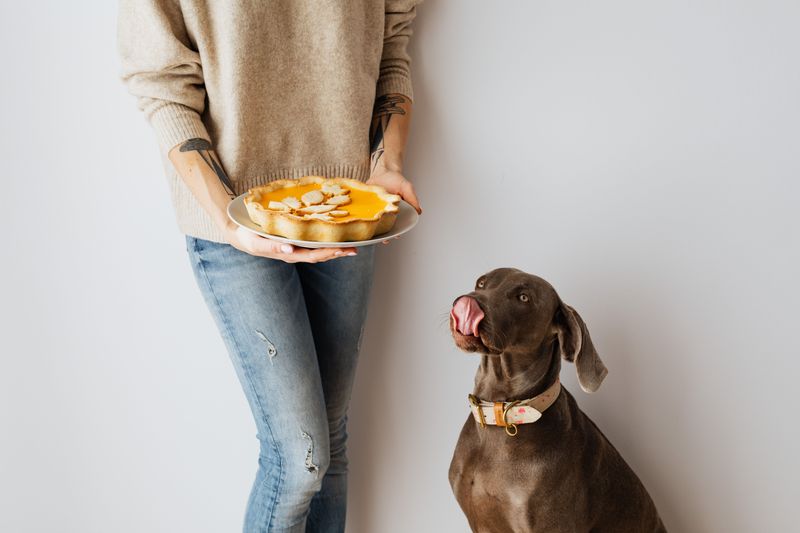
A cooling pie can attract a curious nose before anyone reaches for dessert. Plain pumpkin differs from pie filling, which usually contains sugar, spices, and dairy.
Rich slices may upset your dog’s stomach, so keep plates beyond easy reach. Check homemade recipes and packaged labels for xylitol, a sweetener that is highly toxic to dogs.
For a suitable treat, ask your veterinarian about a little plain canned pumpkin. Choose pumpkin without sweeteners, seasoning, or added pie ingredients mixed in.
2. Apple Pie
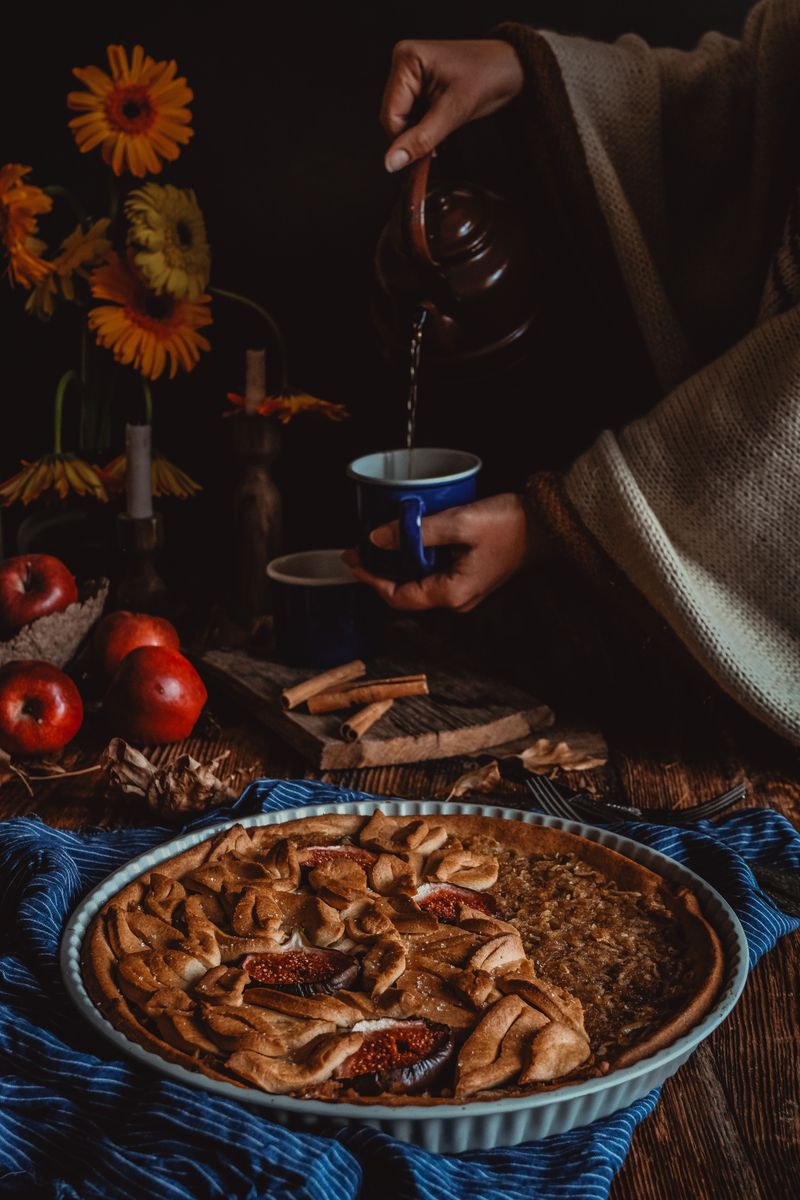
Orchard visits often end with a homemade dessert on Pennsylvania family tables. The apples themselves are not the main concern when baked into a buttery pie.
Sugar, fat, and added ingredients make the finished dessert a poor dog treat. Some recipes include raisins, which can cause kidney problems in dogs.
Offer small pieces of fresh apple instead, removing the core, seeds, and stem. If your dog eats raisins, contact a veterinarian promptly, even if your dog appears normal.
3. Pumpkin Bread
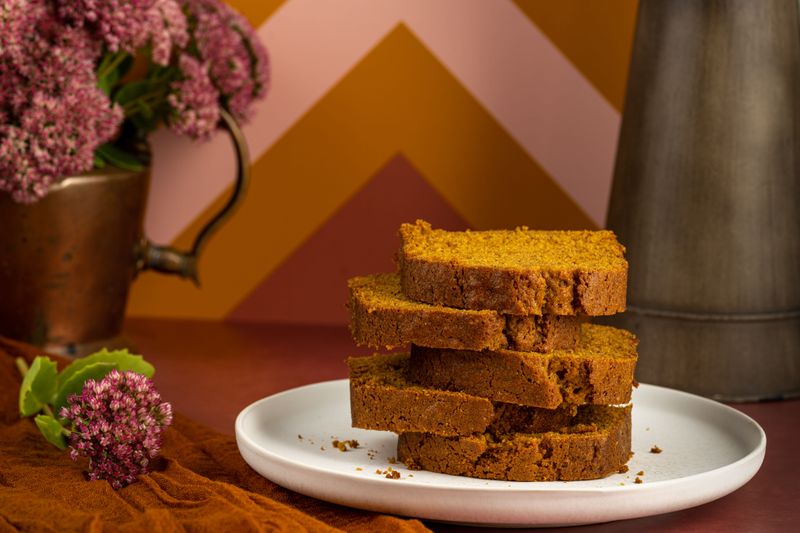
Warm slices on the counter can disappear quickly during a busy afternoon. A loaf labeled pumpkin may still contain ingredients that are unsuitable for dogs.
Chocolate chips, raisins, and xylitol deserve particular attention when checking the recipe. Even ordinary pumpkin bread can contain more sugar and fat than dogs need.
Store loaves in closed containers rather than under a loose kitchen towel. If ingredients are uncertain after a stolen bite, save the packaging and call your veterinarian.
4. Apple Crisp
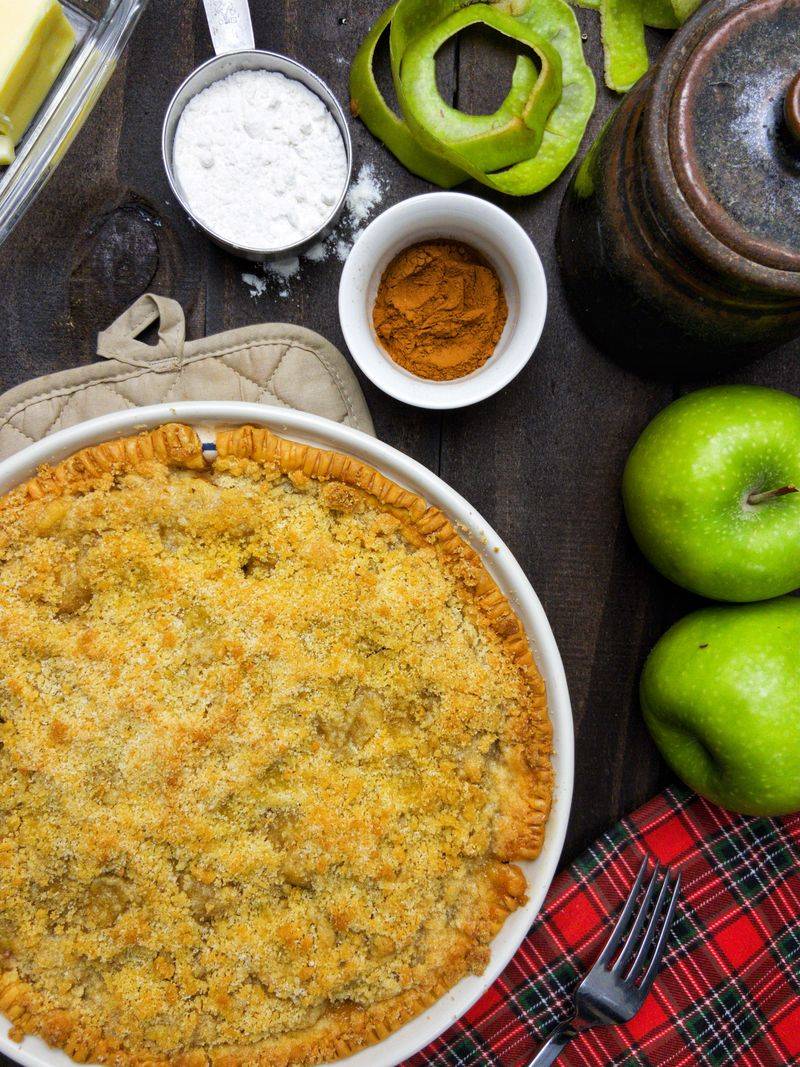
Crunchy oat topping makes this orchard favorite especially tempting near low coffee tables. Plain oats and apple pieces can be suitable in small amounts for some dogs.
The finished crisp, however, usually adds butter, sugar, and sometimes other ingredients. Raisins or sugar substitutes change the safety picture, so never assume a recipe is harmless.
Move dessert bowls promptly after serving, including those left beside chairs. Save an unseasoned apple piece before baking if your veterinarian approves.
5. Sweet Potato Casserole
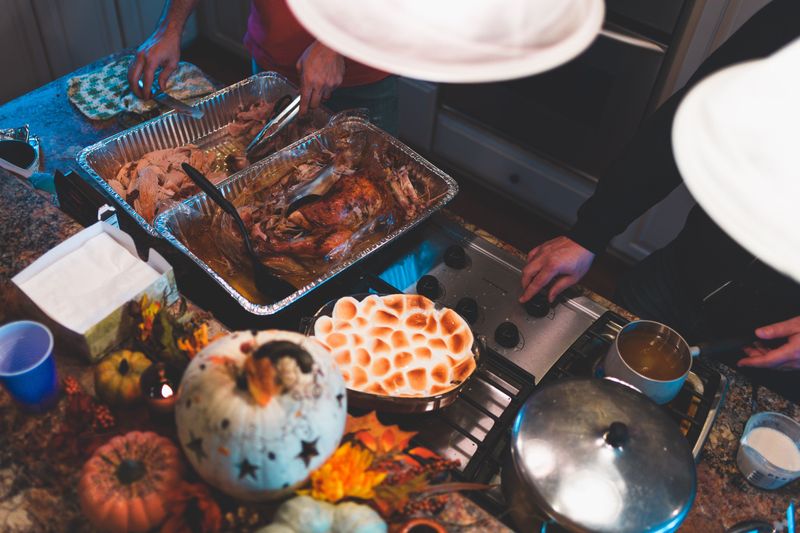
Under that sweet topping sits a vegetable many dogs can enjoy when prepared simply. Casseroles add butter, sugar, marshmallows, or nuts that make sharing less sensible.
Rich servings can cause stomach trouble, especially for dogs sensitive to fatty foods. Check toppings for xylitol and recipes for ingredients your veterinarian recommends avoiding.
Set aside a small portion of plain cooked sweet potato before assembling dinner. Serve it cooled and unseasoned, with your dog’s usual dietary needs in mind.
6. Mashed Potatoes With Gravy
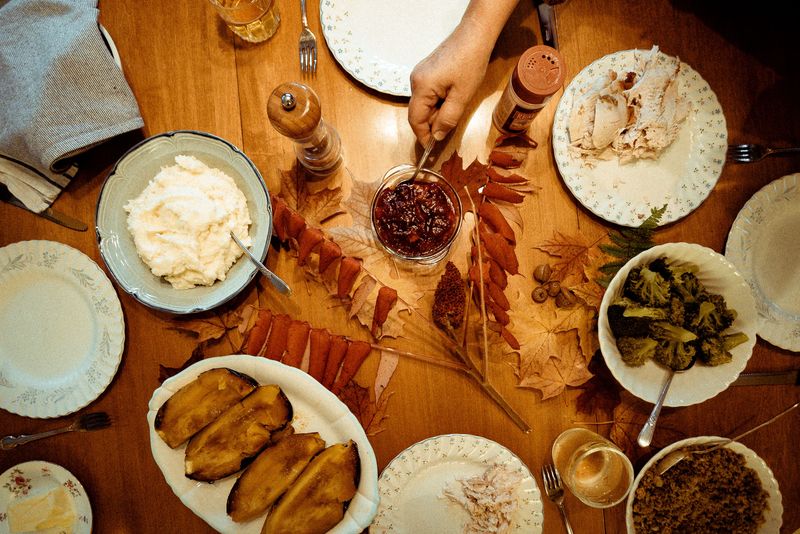
A dropped spoonful might look harmless, but gravy changes what reaches your dog’s bowl. Onion and garlic can damage dogs’ red blood cells, including in powdered form.
Mashed potatoes also commonly contain butter, cream, and plenty of salt. Those extras may upset digestion or conflict with a dog’s prescribed diet.
Keep serving spoons and gravy boats away from table edges during meals. A small amount of plain cooked potato is a better option if your veterinarian agrees.
7. Cornbread
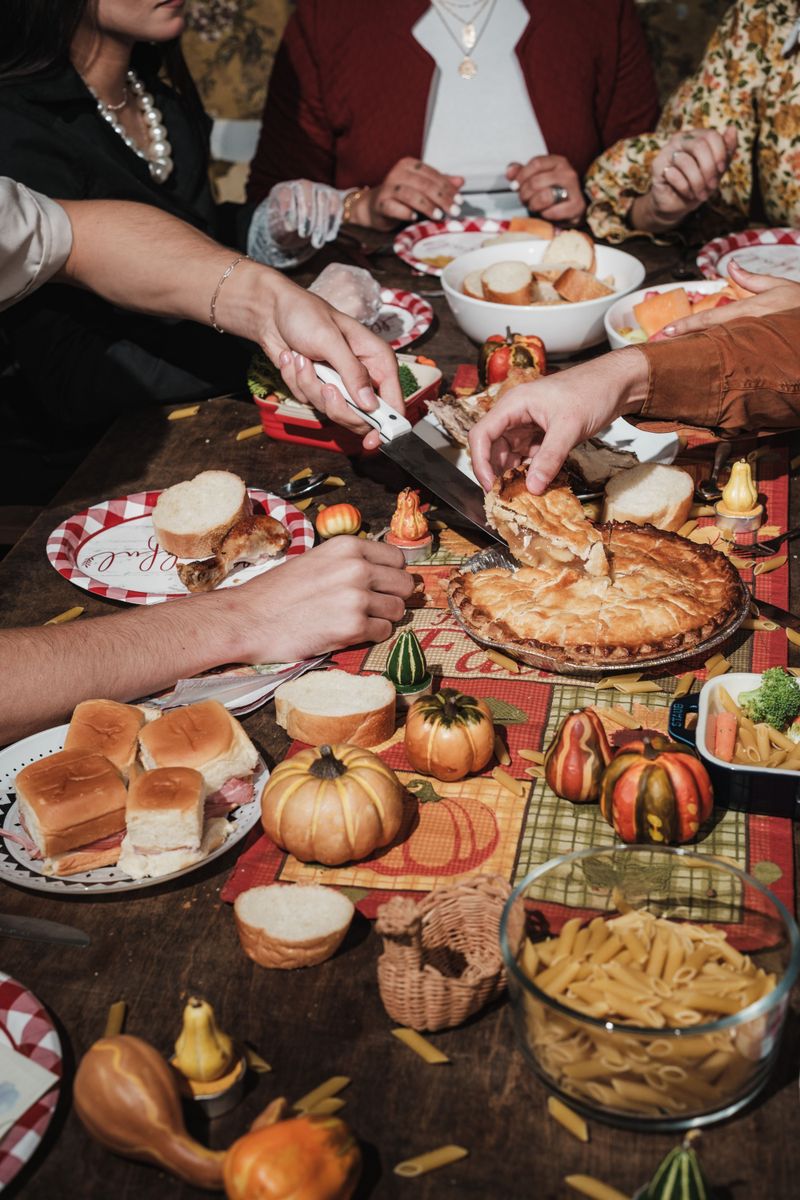
Golden squares often travel from the skillet to plates throughout an evening. A small bite of plain baked cornbread is usually not poisonous to dogs.
Still, butter, sugar, and oversized portions can leave a sensitive stomach unhappy. Savory versions may contain onions, while specialty mixes can include unsuitable sweeteners.
Ask what went into the batch before deciding whether any sharing makes sense. Keep raw dough and batter out of reach, and offer regular dog treats instead tonight.
8. Stuffing
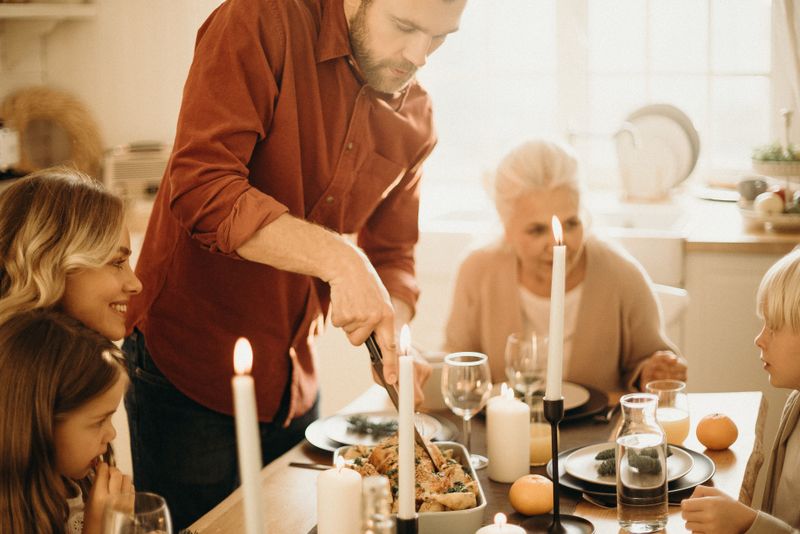
Holiday herbs can draw your dog toward the busiest part of the kitchen. Stuffing often contains onions or garlic, making it unsuitable even when the bread looks ordinary.
Some family recipes also use raisins, sausage, or rich meat drippings. Cooking does not remove the concern from onion and garlic ingredients.
Give guests a clear rule: stuffing stays on human plates throughout the gathering. If your dog eats some, call your veterinarian with the recipe and estimated amount.
9. Green Bean Casserole
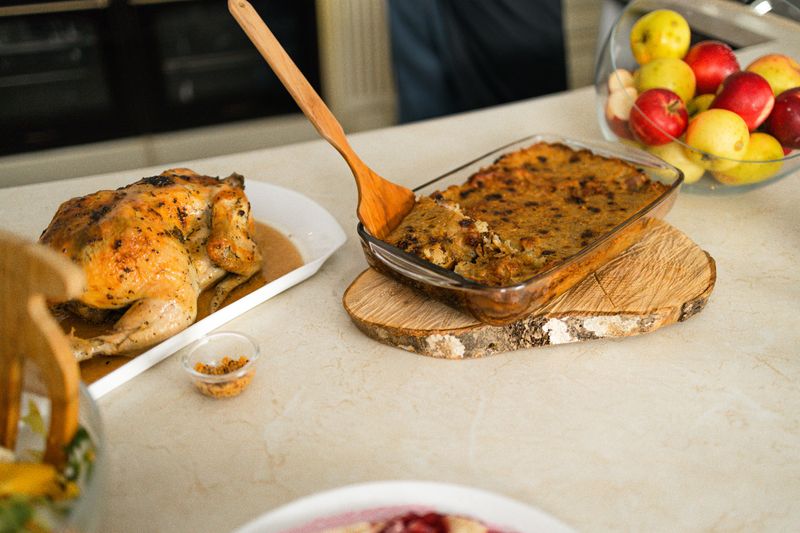
Vegetables can sound like an easy choice until the casserole toppings enter the picture. Creamy soup, fried onions, and added salt turn beans into something different.
Onions are harmful to dogs, and rich sauces can upset their stomachs. Read soup labels too, since onion or garlic may appear among the ingredients.
Reserve a few plain cooked green beans before mixing the casserole for dinner. Cut them into manageable pieces and check that they fit your dog’s diet first.
10. Cranberry Sauce
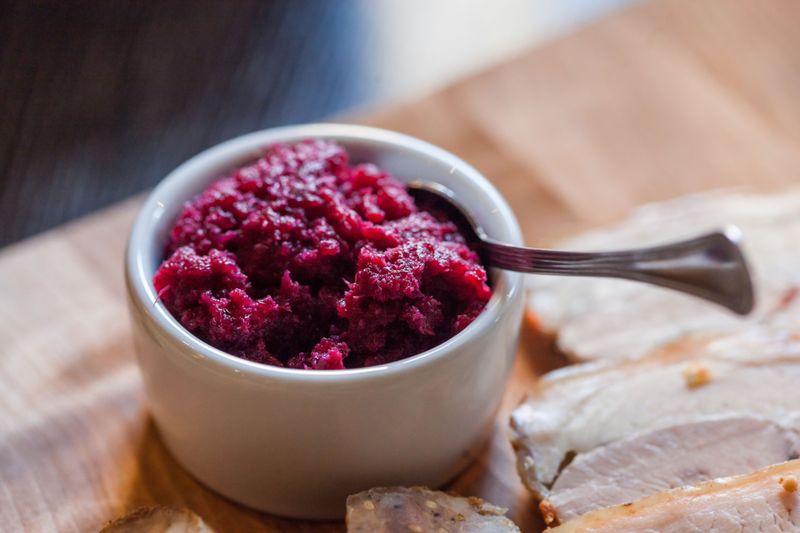
A bright spoonful beside the turkey may catch attention during dinner cleanup. Cranberries themselves are generally safe for dogs in small amounts, but sauces vary.
Many versions contain plenty of sugar, while some recipes include grapes or raisins. Check sugar substitutes carefully as well, especially xylitol, which is highly toxic to dogs.
Read the full ingredient list rather than relying on the dish’s name alone. Skip sharing sweet sauce, and contact your veterinarian promptly after any suspected hazardous ingredient.
11. Turkey Skin And Drippings
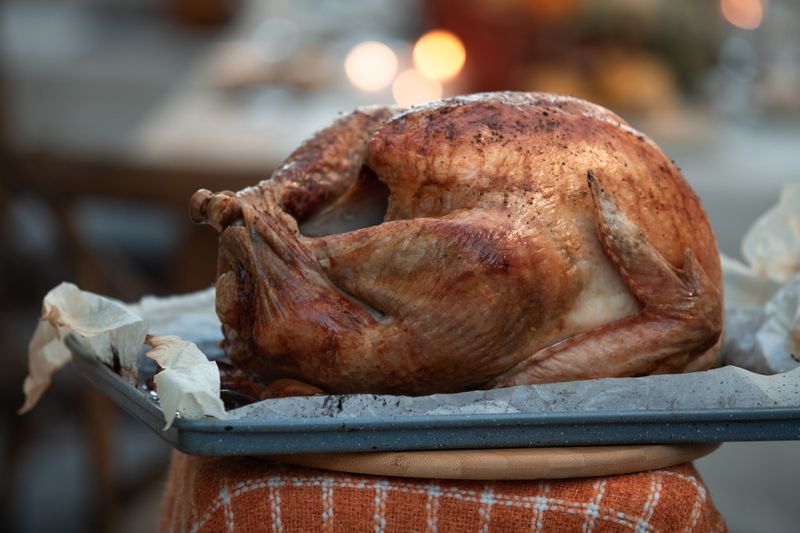
The roasting pan can become a dog’s favorite destination once guests leave the kitchen. Turkey skin and drippings contain concentrated fat, often with salt and seasonings.
Fatty foods can trigger pancreatitis, a painful condition needing veterinary care. Onion or garlic in the pan creates additional concerns beyond the richness.
Keep pans inaccessible and avoid pouring drippings over your dog’s regular meal. If approved, offer only a little plain cooked turkey without skin, bones, or seasoning added.
12. Ham And Glazed Meat
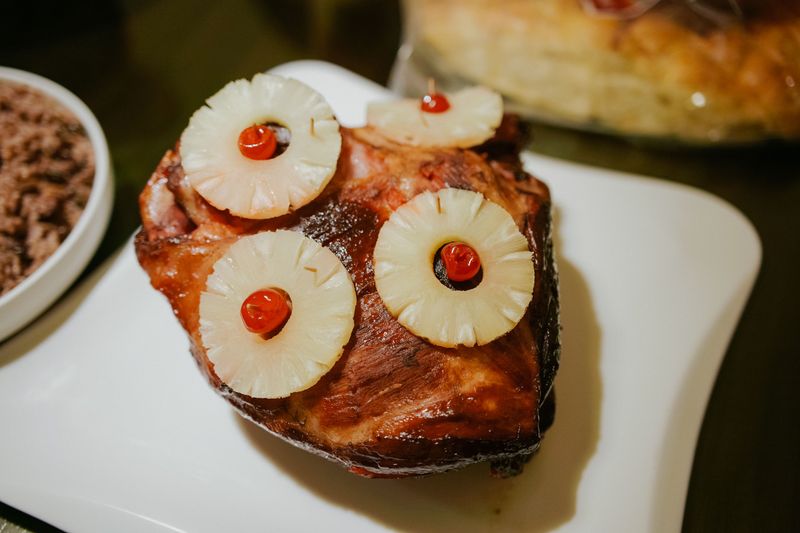
Sweet glazes and smoky smells make meat platters hard for curious dogs to ignore. Ham is often salty and fatty, so it is not a good treat.
Glazes may add sugar, spices, garlic, or other ingredients unsuitable for dogs. Large fatty portions can cause digestive trouble and may trigger pancreatitis.
Ask relatives not to pass meat scraps underneath the table during dinner. Call your veterinarian if your dog develops vomiting, belly discomfort, or unusual tiredness after eating.
13. Cheese Boards And Appetizers
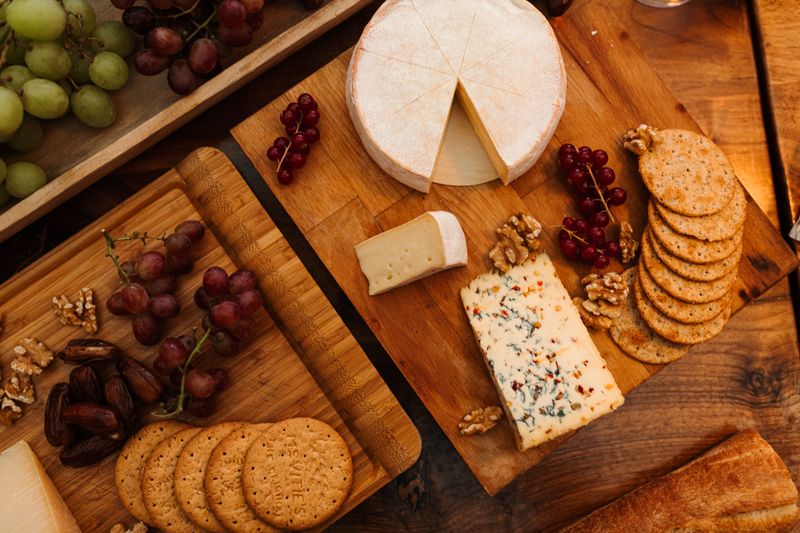
Low snack tables put a whole selection of foods within an easy sniff. Cheese may upset dogs that struggle with dairy, especially in larger portions.
Boards also commonly include grapes, raisins, salty meats, and onion flavored dips. Grapes and raisins require prompt veterinary advice if eaten, regardless of apparent symptoms.
Place appetizers on a high surface and keep toothpicks accounted for throughout serving. Offer your dog a familiar treat away from the snack area while guests mingle.
14. Fall Cookies And Baked Treats
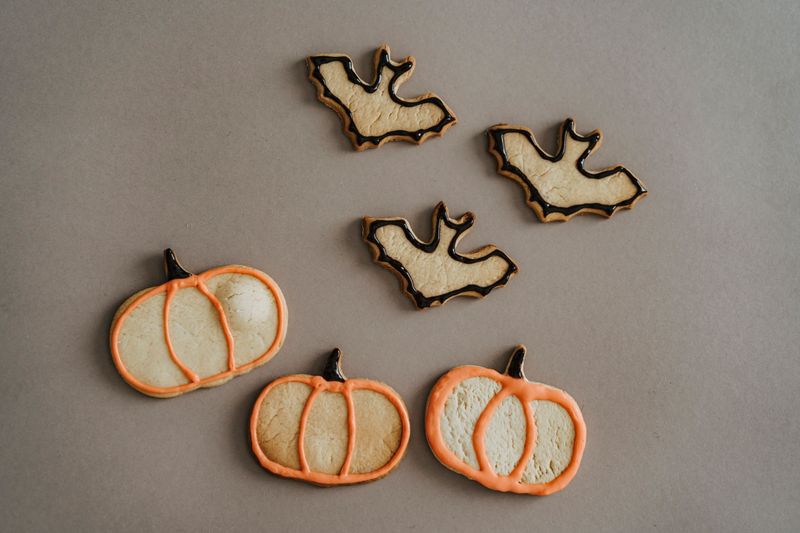
Cookie trays tend to move around as guests settle in for conversation. Chocolate, raisins, macadamia nuts, and xylitol are ingredients dogs should not eat.
Even treats without those ingredients can contain more fat and sugar than dogs need. Ingredient lists matter more than seasonal shapes or a homemade label.
If your dog grabs something, save the recipe or wrapper and call your veterinarian. Report the amount, eating time, and your dog’s weight to help guide next steps.
15. Leftover Bones And Food Scraps
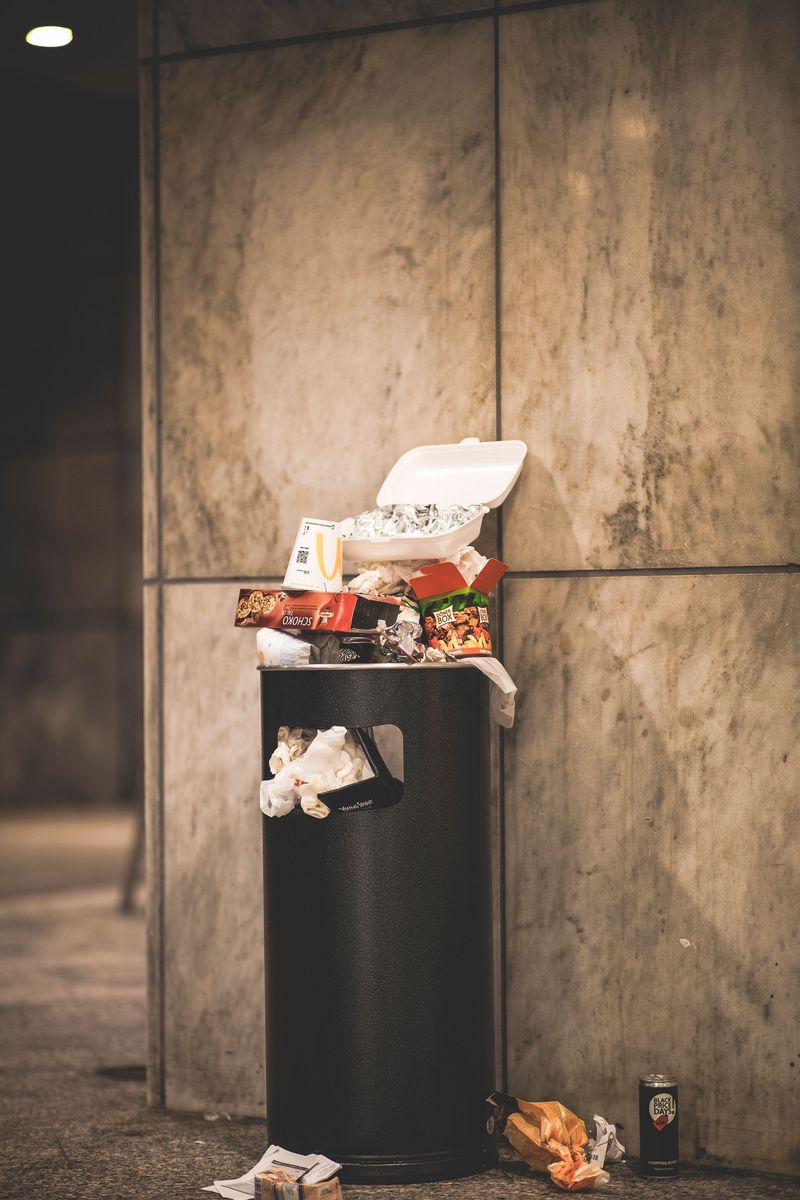
Cleanup brings its own temptations when full plates head toward an open trash bin. Cooked bones can splinter, while swallowed bones can cause choking, digestive tract injury, or blockage.
Scraps can hide onions, rich sauces, wrappers, and other unsuitable items. Secure trash, clear plates promptly, and refrigerate leftovers where paws cannot reach them.
For swallowed bones, contact your veterinarian rather than trying home remedies or inducing vomiting. A tidy kitchen and clear guest rules help everyone finish the gathering comfortably.


