16 Things To Check Before Taking A Dog Into Massachusetts State Forests
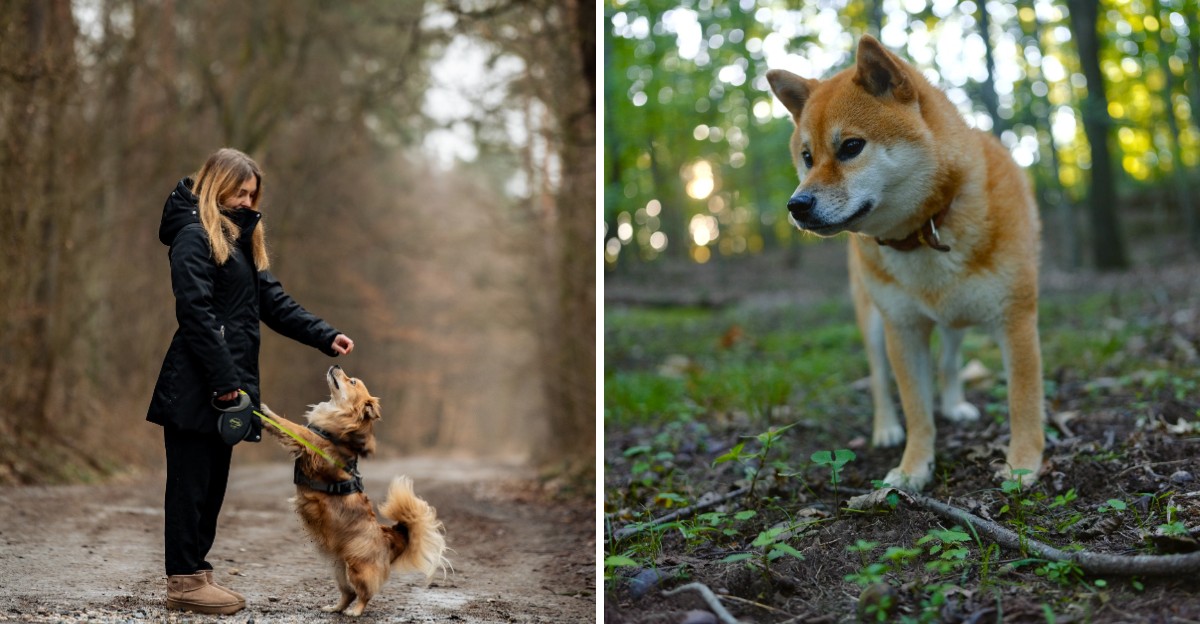
A shady forest trail can look ready for paws, but the sign at the entrance may tell another story. Massachusetts state forests have rules that can change by area, season, and trail conditions.
A little checking before you leave helps protect your dog, wildlife, and everyone sharing the path. Start with the details that matter most, and your next woodland walk can feel much easier.
1. Check The Forest’s Current Rules
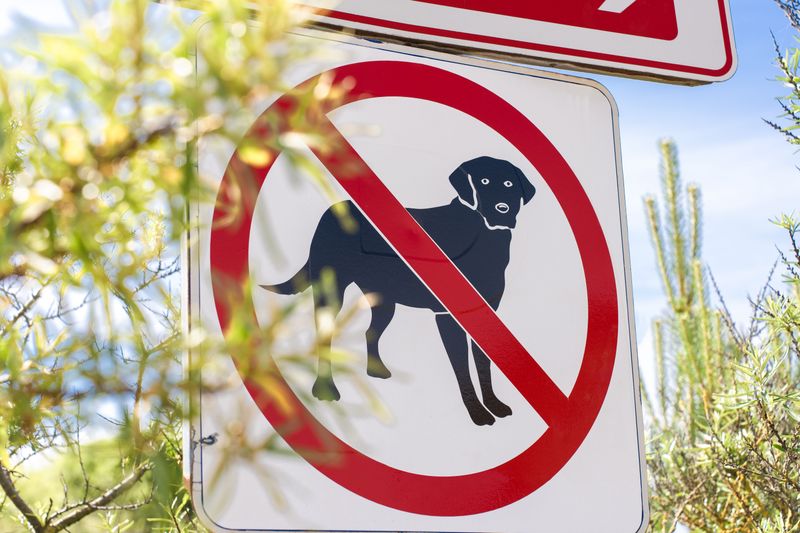
That entrance sign deserves a pause before the sniffing begins. Massachusetts Department of Conservation and Recreation manages many state forests, each with specific visitor information.
Read the forest’s official Mass.gov page before leaving home. Look for pet rules, alerts, operating hours, and any notices about closed facilities.
Check posted signs when you arrive, since conditions can change quickly. If online details seem unclear, contact park staff rather than trusting an older trail review or social post.
2. Confirm Dogs Are Allowed On Your Planned Route
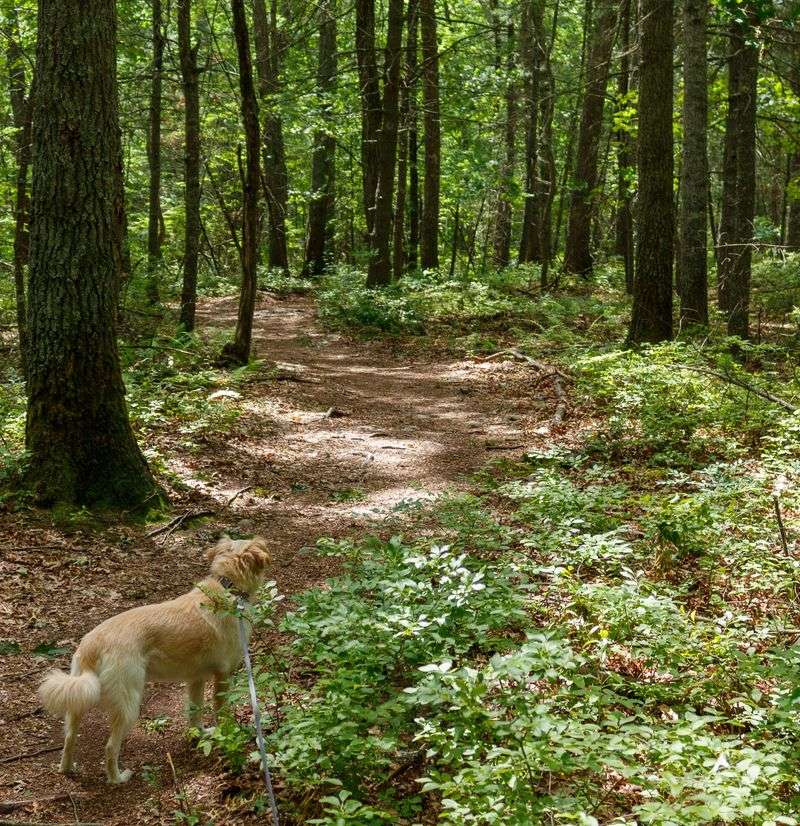
A welcome at the entrance does not cover every path. Pet access can differ around swimming beaches, sensitive habitats, buildings, and other areas.
Compare your planned walk with the official forest map and posted restrictions. Check the entire route, including shortcuts, picnic stops, and the return trip.
Ask staff about unclear boundaries before setting out. Choose a confirmed dog friendly route instead of assuming another visitor’s tracks mean permission for your pup to follow them today.
3. Make Sure Your Dog’s Leash Is Ready
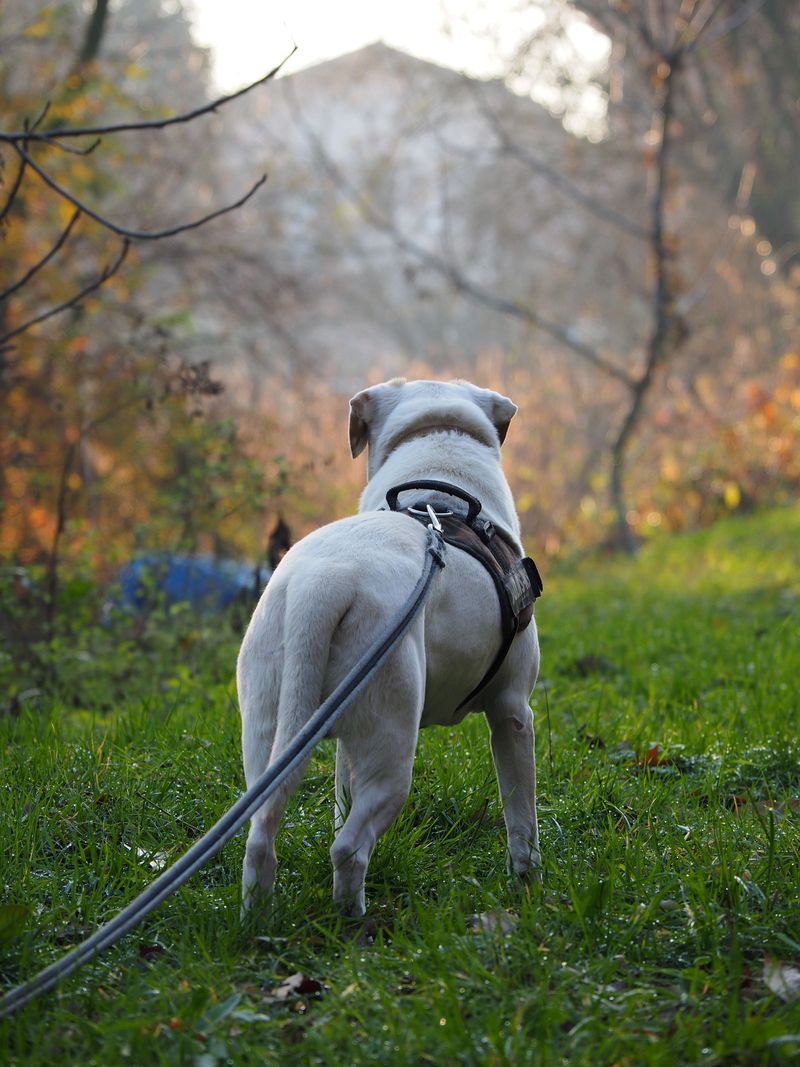
One loose clip can turn a peaceful walk into confusion. Inspect your leash for worn stitching, damaged hardware, and a clasp that closes securely.
DCR generally requires dogs to be on leashes no longer than six feet where pets are allowed. Follow stricter posted rules and keep your dog under control.
A fixed leash makes passing hikers easier than a long retractable line. Check harness fit, carry a spare leash, and avoid attaching equipment to damaged collar rings.
4. Check For Seasonal Trail Restrictions
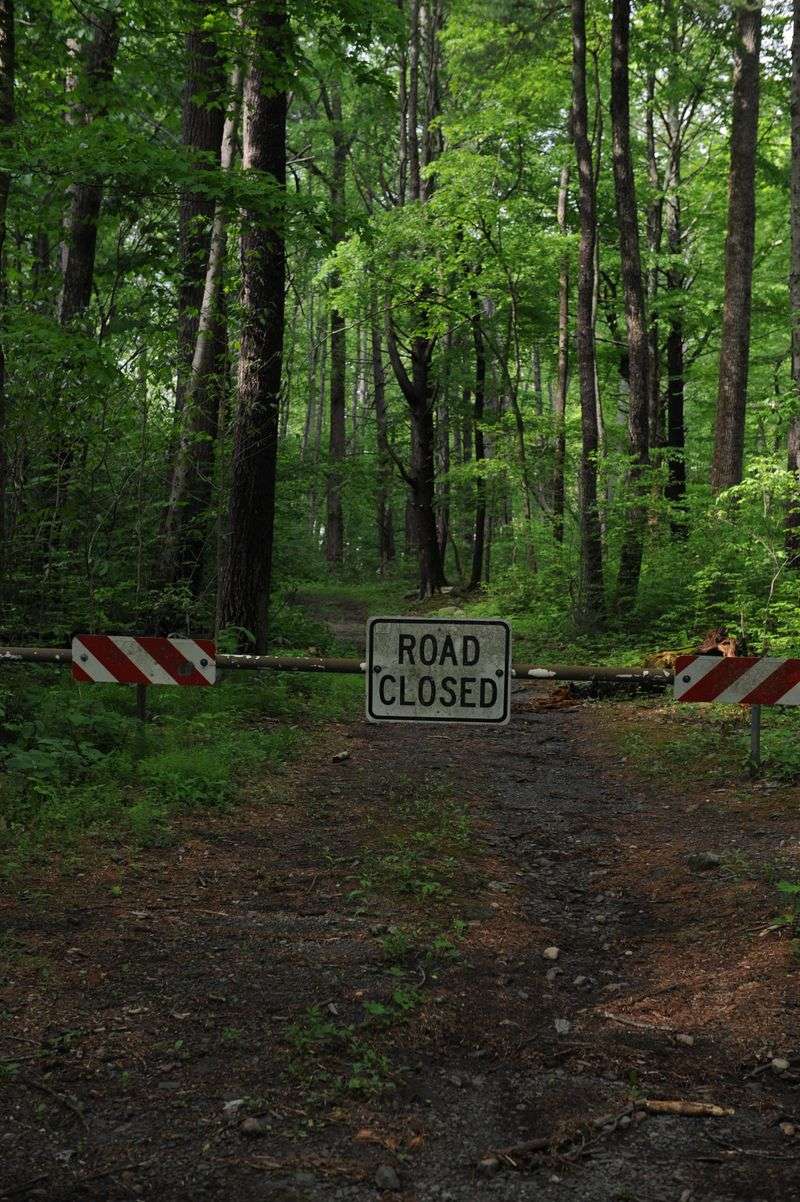
Spring mud can change the day’s plans before breakfast. Seasonal closures may protect soft trails, nesting wildlife, or areas affected by maintenance.
Look for dated alerts on the forest’s official page. Check whether your visit overlaps with special events or temporary limits around recreation areas.
Respect barriers even when a closed path looks quiet. Walking around muddy sections can damage nearby plants, so choose an open alternative or save that route for another lovely day outdoors.
5. Review Hunting Activity Before Your Visit
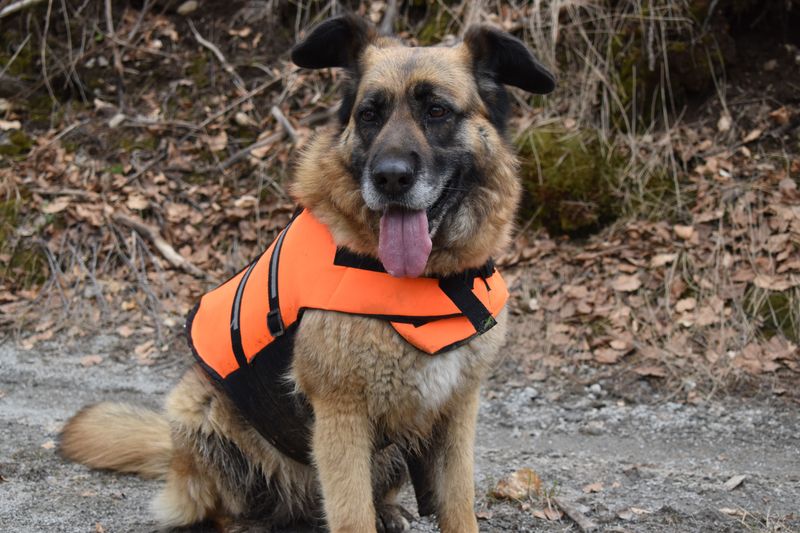
Bright orange belongs in your forest kit during hunting seasons. Hunting is allowed in many Massachusetts state forests, though restrictions vary by property.
Check MassWildlife’s current season dates and the forest’s specific rules. Do not assume a popular hiking trail means hunting cannot happen nearby.
Wear visible clothing and give your dog an orange vest that fits comfortably. Keep close together, stay on your planned route, and consider another location if you would feel more relaxed.
6. Bring Identification And License Information
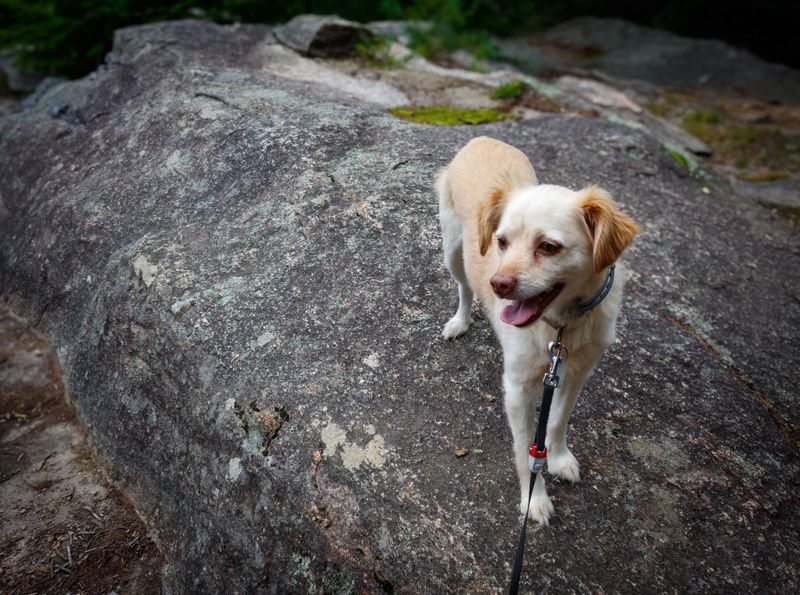
A tiny tag can make a very big difference. Check that your dog’s identification shows a readable phone number you can answer.
Massachusetts requires dogs six months and older to be licensed through their local municipalities. Keep the license current, and bring accessible proof of rabies vaccination.
Confirm microchip contact details are updated, too. Save a recent photo on your phone, plus vaccination records available offline, so useful information stays handy when forest cell service becomes unreliable today.
7. Check Your Dog’s Recall Skills
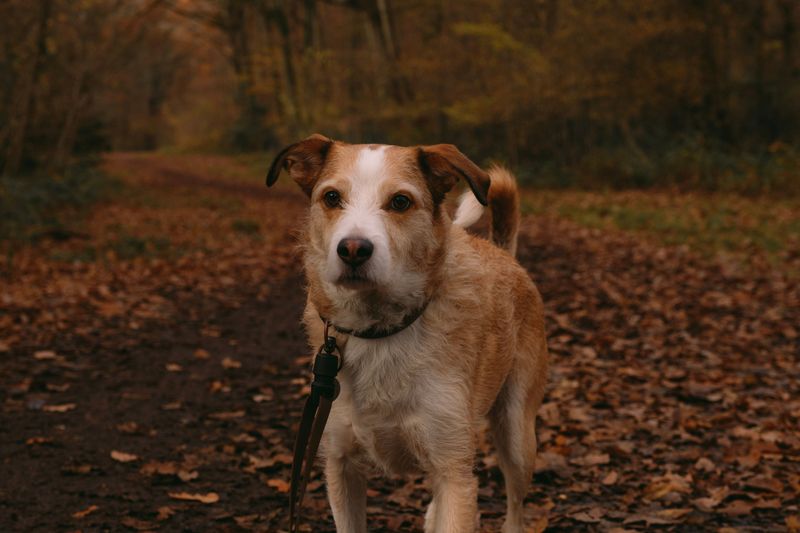
Squirrels have a talent for stealing a dog’s attention. Before your visit, practice calling your pup toward you in a quiet space.
Reward quick responses, then practice around mild distractions while keeping the leash attached. A reliable attention cue helps with passing hikers and unexpected noises.
Recall practice never replaces posted leash requirements. If your dog struggles to focus, choose a quieter route and shorter outing rather than testing new skills beside exciting woodland distractions today.
8. Inspect The Trail For Difficult Terrain
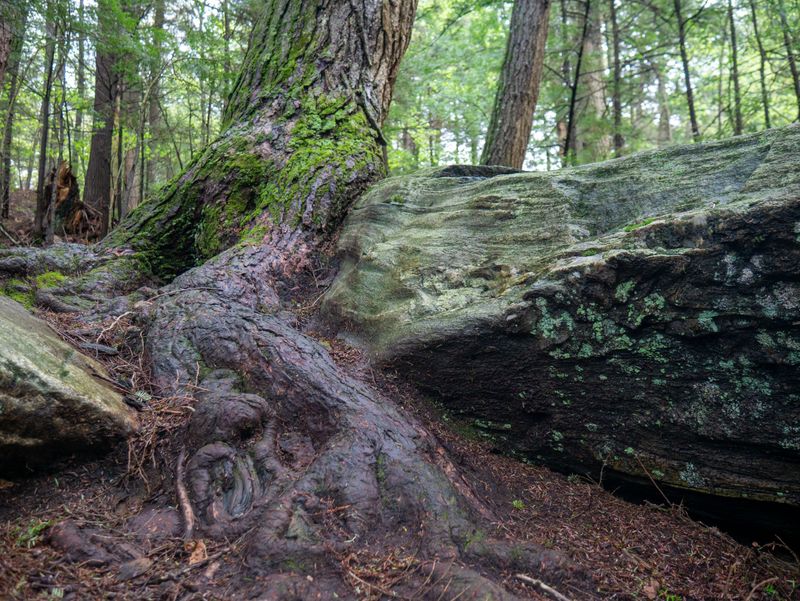
Those charming roots can feel like hurdles to small paws. Study trail descriptions for steep grades, rocky footing, stream crossings, and total distance.
Match the route to your dog’s age, health, and usual activity level. Ask your veterinarian about limits if mobility or breathing needs extra care.
Watch the ground as you walk, especially after rain. Turn back before your dog becomes tired, and remember that the return journey needs energy just like the outward stretch.
9. Prepare For Ticks And Other Pests
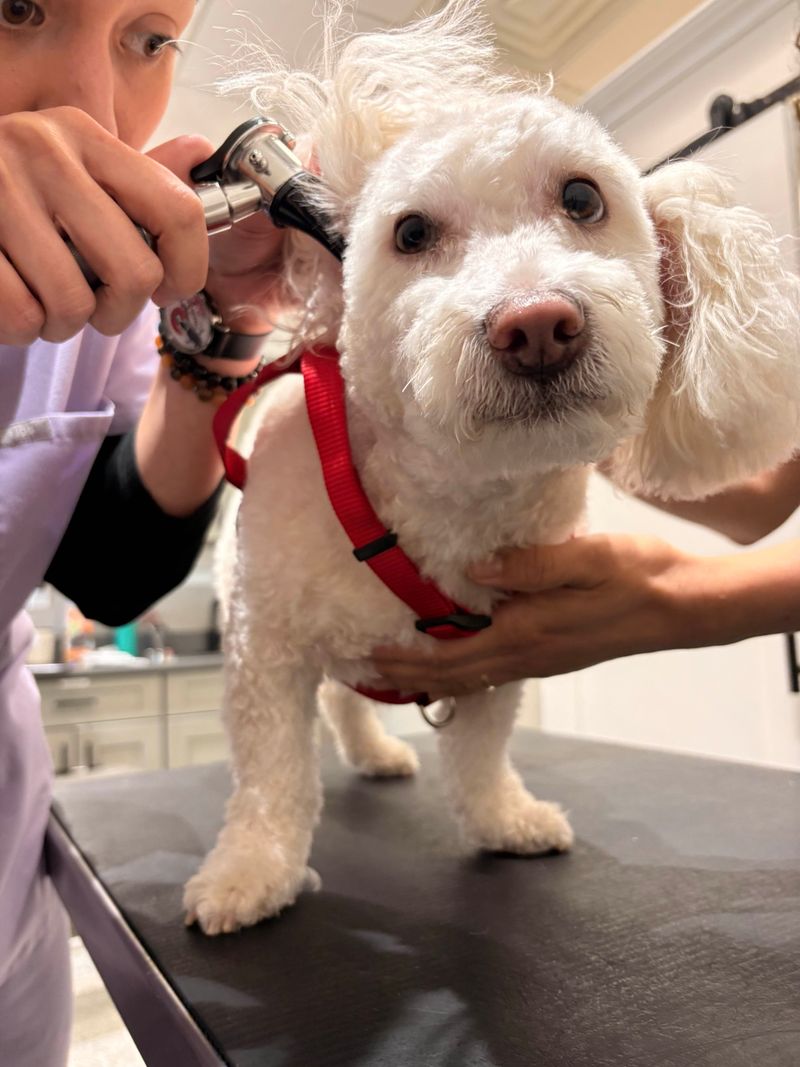
Tiny hitchhikers deserve a place on your planning list. Ticks occur in Massachusetts, including wooded areas, brush, and places with fallen leaves.
Ask your veterinarian which preventive treatment suits your dog. Follow the product’s directions, and never apply a human insect repellent to your dog unless your veterinarian specifically recommends it.
Stay on established paths when possible and avoid tall grass. After walking, check ears, toes, armpits, and collar areas, then inspect yourself and remove attached ticks promptly using proper tools and technique.
10. Pack Fresh Water For Your Dog
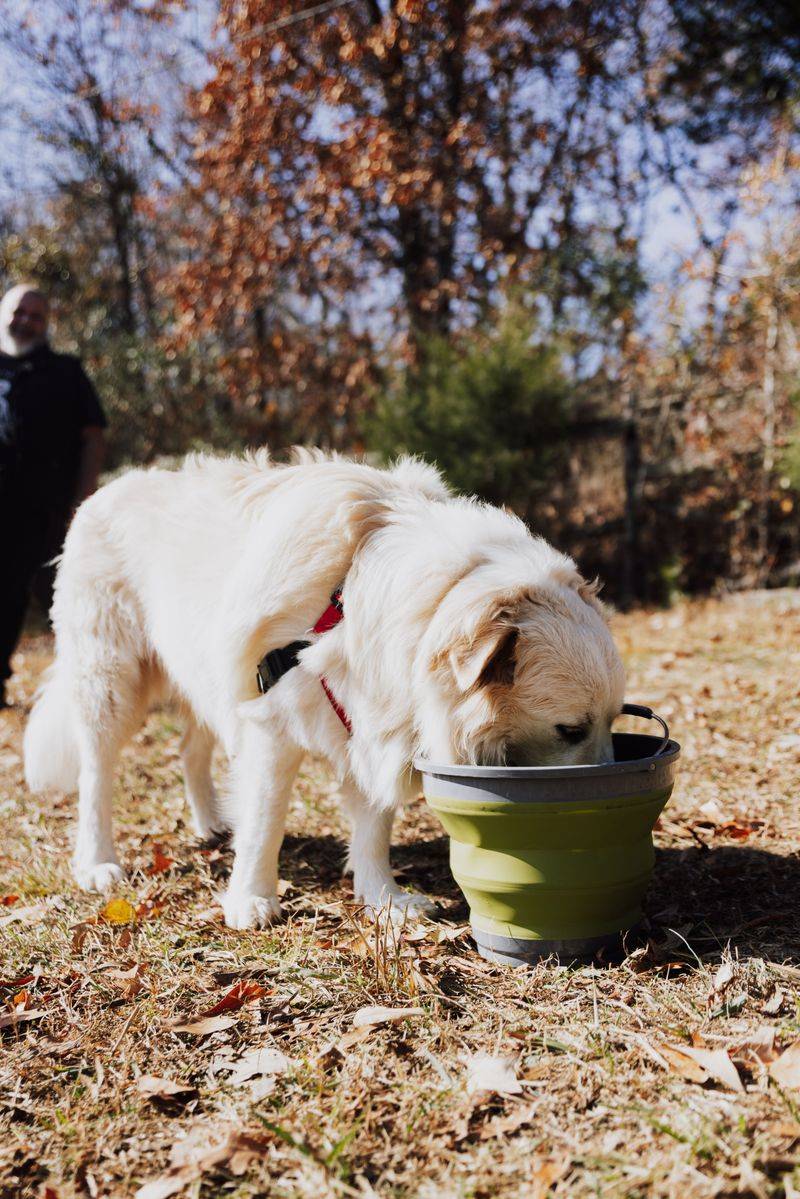
Your dog cannot ask where the next fountain is. Bring drinking water from home and a bowl your pup already knows.
Do not count on working taps at trailheads or picnic areas. Carry enough for both of you, with extra for delays and warm weather.
Offer small drinks during regular breaks rather than waiting for heavy panting. Let your dog rest in shade, and shorten the walk if your supply drops faster than expected that day.
11. Avoid Letting Your Dog Drink From Natural Water
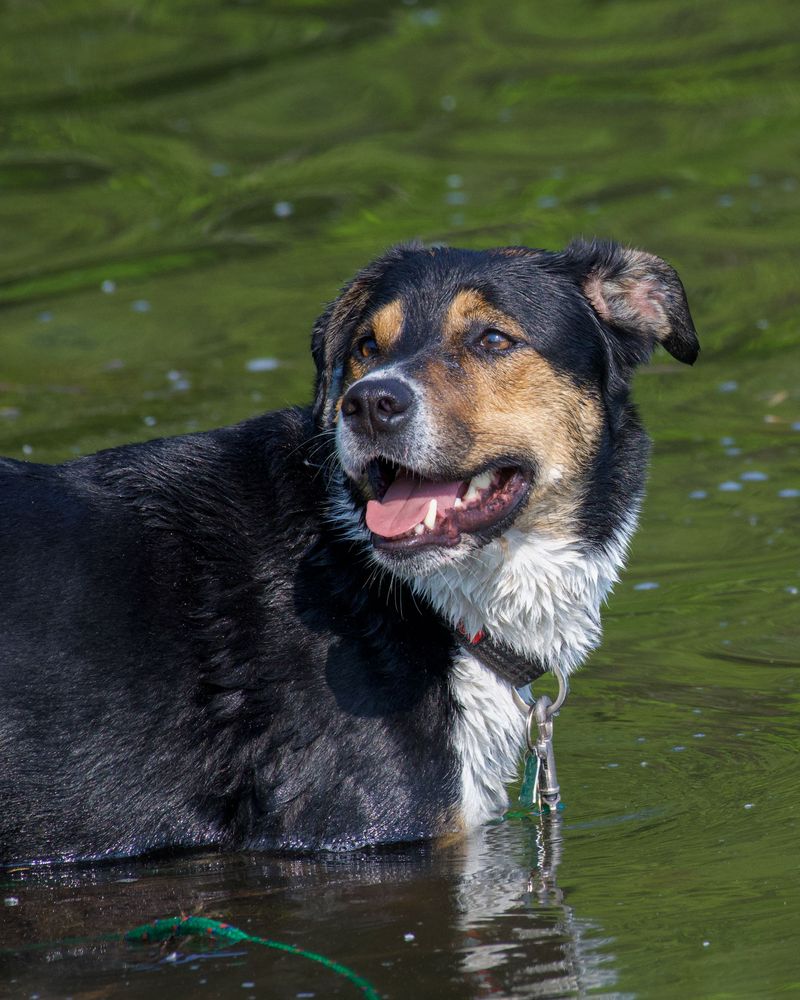
A sparkling pond is not automatically a safe drinking bowl. Streams, puddles, and lakes can contain germs or other substances that cause illness.
Some waters also develop harmful cyanobacteria, sometimes called blue green algae. Check official advisories and keep your dog away from suspicious water.
Offer fresh water before passing shorelines, and prevent licking wet shoreline debris. If exposure causes concern, contact your veterinarian promptly instead of waiting for symptoms or trying home treatments without advice.
12. Watch For Poison Ivy And Other Plants
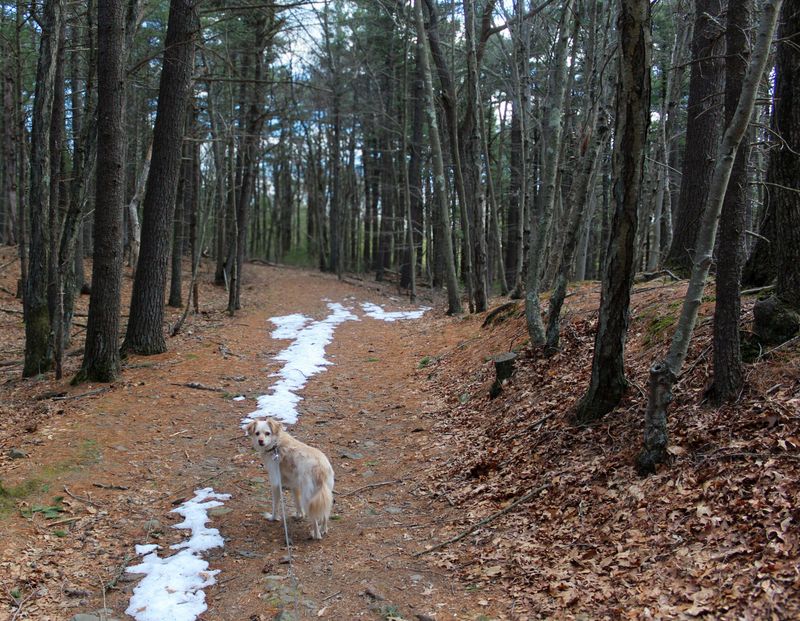
Leaves of three are a good reason to look closer. Learn to recognize poison ivy before visiting Massachusetts woods and keep your dog on the trail and away from unfamiliar plants.
Its irritating oil can travel on fur and equipment to people. Avoid brushing against plants, and discourage chewing leaves, berries, mushrooms, or sticks.
If contact happens, ask your veterinarian about safe cleaning methods for your dog. Wear gloves when handling affected gear, and wash exposed skin according to medical guidance after your walk.
13. Know How Your Dog Handles Wildlife Encounters
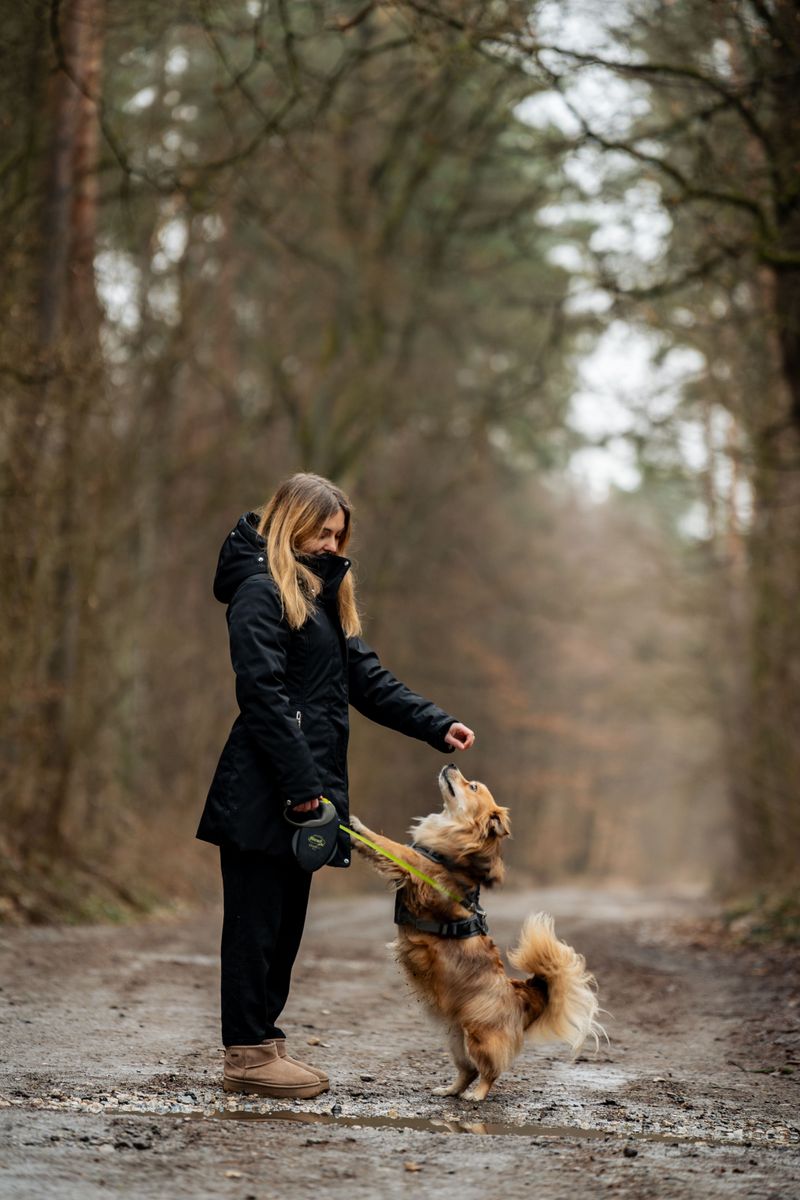
A rustle in the leaves can change your dog’s mood. Think about how your pup reacts to squirrels, deer, and unfamiliar sounds.
Practice turning away calmly and rewarding attention before entering the forest. Keep enough leash control to prevent chasing without pulling your dog harshly.
Give wildlife plenty of space, and never encourage closer greetings. If your dog becomes excited, move away and pause somewhere quiet until you can both continue comfortably along the marked trail.
14. Bring Waste Bags And Pack Everything Out

The best trail souvenir is a photo, not leftover litter. Pack more waste bags than you expect to need for the outing.
Pick up after your dog and carry sealed bags with you. Never leave them beside the trail for collection on your return.
Use a designated trash bin when available, or take everything home. A separate carry pouch keeps your pack tidy while protecting shared paths, nearby water, and the next visitor’s pleasant woodland experience.
15. Check The Weather Before Leaving
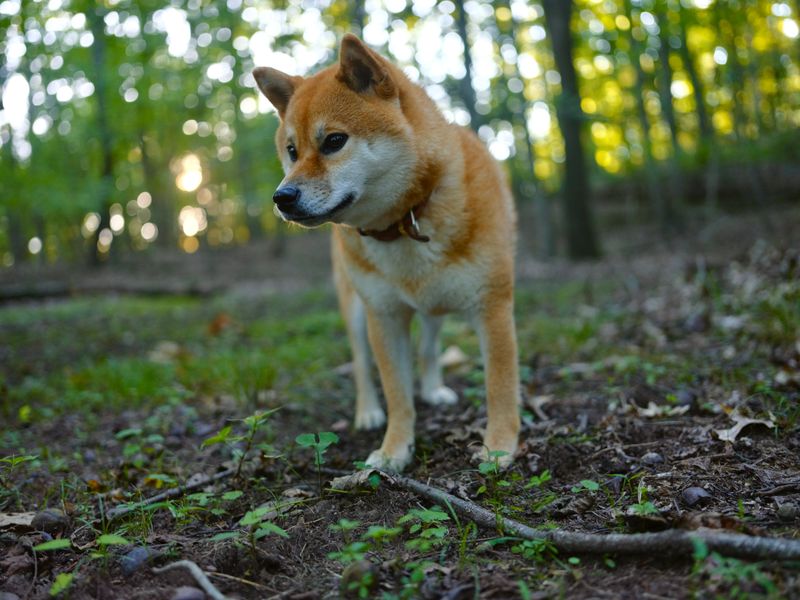
Cool air at home can hide a warmer afternoon ahead. Read the forecast for the forest’s location, including storms, humidity, and wind.
Heat affects dogs differently depending on health, coat, and breed. Choose cooler hours, bring water, and skip strenuous walking during uncomfortable conditions.
Rain can make rocks slippery, while strong winds can loosen branches. Check daylight hours as well, and change your plan early instead of hoping difficult weather will improve once you reach trees.
16. Have A Plan For Injuries Or Getting Lost
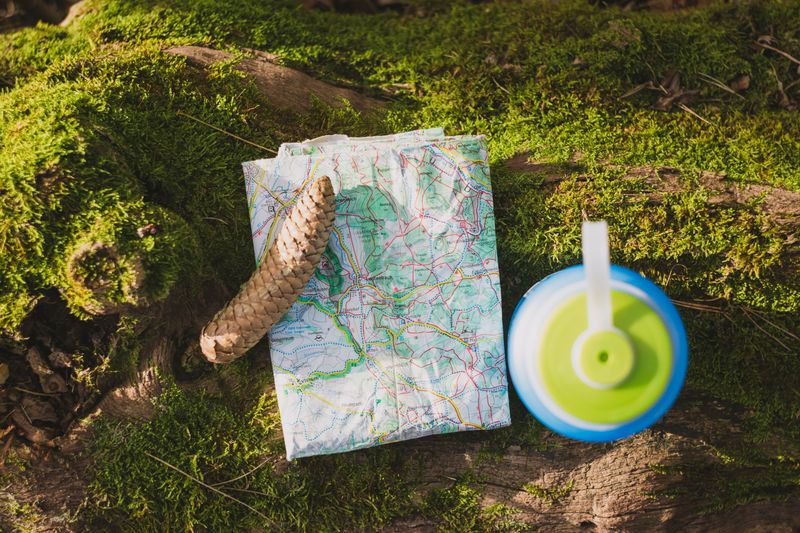
A little backup planning makes the whole walk feel lighter. Save an offline map, charge your phone, and share your route with someone.
Carry basic first aid supplies and locate the nearest emergency veterinarian. Consider how you would help your dog return if walking became difficult.
If you or your dog becomes lost, stop and assess your surroundings rather than wandering farther. Call for help when needed and describe your location clearly.
With checks complete, grab the leash and let the sniffing begin.