18 Questions Texas Renters With Dogs Should Ask Before Paying Pet Fees

Finding a Texas rental that welcomes your dog feels like a real win. Before you hand over any money, though, a few smart questions can save you stress and surprise costs.
Pet fees in Texas are mostly set by landlords, so the rules change from one property to the next. Think of this guide as a friend walking you through what to ask, so you and your pup can settle in with confidence.
1. Is This a Deposit, a Fee, or Pet Rent?

Three words can sound alike but mean very different things. A refundable pet deposit is a one-time payment that can come back to you if your dog causes no damage beyond normal wear and tear.
A nonrefundable pet fee is also paid once, but you usually will not see it again. Pet rent is a monthly charge that is never returned.
Ask the landlord to label each charge clearly in writing before you pay.
2. Add Up the Full Move-In Cost

Sticker shock is real when every small charge lands at once. Texas law does not cap pet deposits or pet fees, so landlords set their own amounts.
Many properties combine a deposit, a nonrefundable fee, and the first month of pet rent. For one dog, these can add up to several hundred dollars before you even unpack.
Request a single written total for your dog. That number makes comparing rentals much easier.
3. Know Your Monthly Pet Rent

Picture your rent going up a little every single month, for the whole lease. Monthly pet rent works exactly that way.
Across Texas, many rentals charge somewhere between about $25 and $75 per pet each month, though amounts vary. Some properties charge more for larger dogs.
Multiply the monthly amount by your lease length. A small charge over twelve months can turn into a surprisingly large yearly cost.
4. Does Each Dog Get Its Own Charge?

Two dogs often means two sets of charges. Most Texas properties bill deposits, fees, and pet rent per animal.
Some offer a small break on the second pet, such as a lower fee for each additional dog. Others charge the full amount every time.
Many communities also limit how many pets you can have, often two. Ask about both the per-dog pricing and the maximum count before applying with your pack.
5. Check for Breed, Size, Age, or Weight Limits

Your sweet, goofy shepherd might still hit a policy wall. Texas landlords may set breed lists and weight caps for ordinary pets.
Common restricted breeds include pit bull types, Rottweilers, and Dobermans. Weight limits like 35 or 50 pounds also appear often.
Get these rules in writing before paying anything. Some cities have their own local rules too, so confirming details with the property and your city is a smart step.
6. Ask About Third-Party Pet Screening
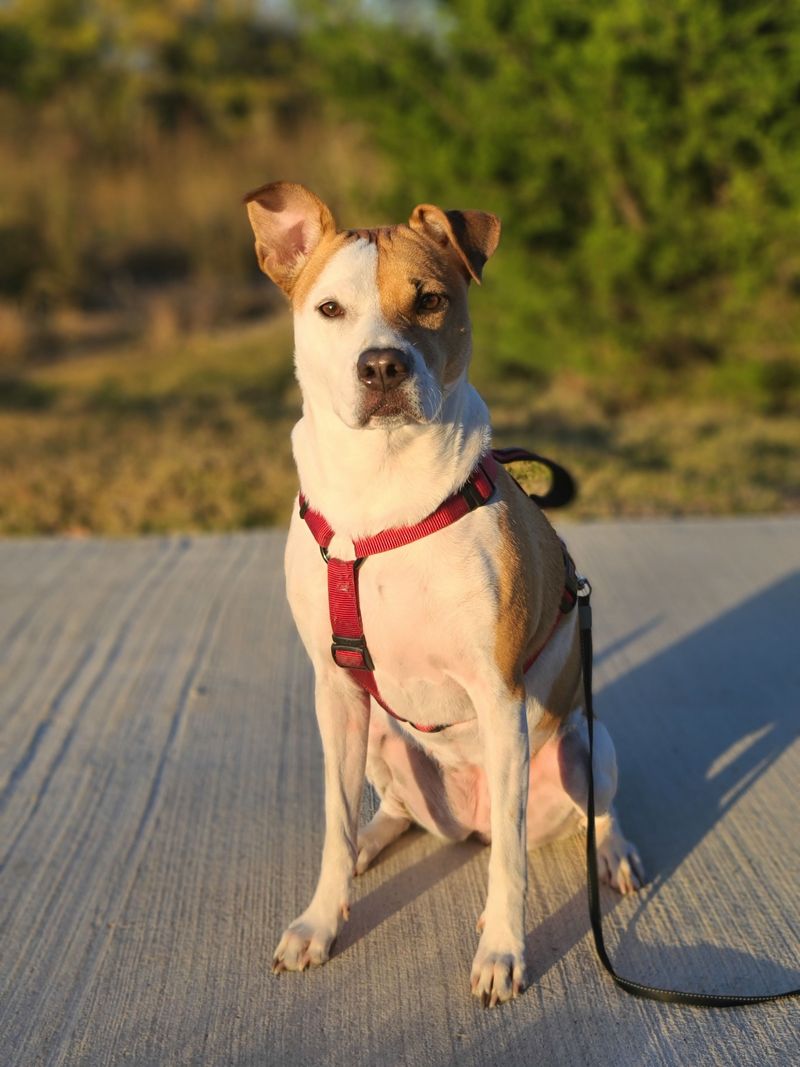
Your dog may need a profile of its own. Many Texas properties use outside screening services, such as PetScreening, to review pets before approval.
Think of it as a simple background check for your dog. You usually upload photos, vaccination records, and basic history.
Ask which service the property uses and how long approval takes. Starting early keeps your move-in date on track and avoids last-minute scrambling.
7. Find Out if Screening Costs Extra

Here is a small charge that sneaks past many renters. Pet screening services often bill a separate fee for each household pet.
Some services charge around $20 to $30 per pet, though prices vary. That money usually goes to the screening company, not the landlord.
Good news: profiles for assistance animals are typically free. A no-pet profile is usually free as well.
Ask who collects the fee and whether it repeats.
8. Watch for Renewal, Transfer, or Annual Fees

Fees do not always stop after move-in day. Some screening services charge yearly renewal fees, sometimes close to the original cost.
Certain properties also charge a fee if you transfer to another unit in the same community.
Ask a clear question: what pet charges could show up next year? Then check the lease for those exact words.
Knowing in advance helps you budget calmly instead of feeling caught off guard later.
9. Understand Damage and Cleaning Charges

Even well-behaved dogs leave small marks now and then. Landlords may charge for pet damage that goes beyond normal wear and tear.
Examples include chewed door frames, deep floor scratches, carpet stains, or flea problems. A refundable pet deposit is often used to cover these.
Take dated photos and video of the unit on move-in day. That simple record protects you if questions come up when you move out.
10. Are Flea or Carpet Cleaning Charges Automatic?

Some leases quietly include automatic move-out charges for pet owners. These might cover flea treatment, deodorizing, or carpet cleaning, even if your home looks spotless.
Other leases only charge when there is an actual problem. The wording makes a big difference.
Read this section carefully and ask the manager to explain it. If a charge is automatic, you can factor it into your budget or compare other rentals.
11. Gather Vaccination Records and Documents

A tidy folder can speed up approval more than you might expect. Most landlords ask for proof of current rabies vaccination.
Some also want a city license, spay or neuter records, and a recent photo. Licensing rules vary by Texas city and county, so check with your local animal services office.
Ask your veterinarian for digital copies. Uploading them quickly keeps the screening process smooth and stress free.
12. Is the Whole Pet Policy in Writing?

A friendly promise in the leasing office is nice, but paper wins. Spoken agreements usually do not override what the written lease says.
A full pet addendum should list allowed animals, size limits, fees, deposits, pet rent, and rules for violations.
Ask for a copy before signing anything. If a manager tells you something different, request that they add it to the addendum in writing.
13. Can Pet Charges Rise Mid-Lease?

Nobody likes a surprise bill halfway through the year. In most fixed-term leases, pet rent and fees stay the same until renewal.
Still, lease language controls the details. Some agreements allow changes under certain conditions.
Ask directly whether pet charges can change during your term. Then find the clause that answers it.
A clear yes or no now prevents confusion and keeps your monthly budget steady.
14. What If Your Application Is Denied?

Paying before approval always carries a little risk. If your application is denied, refunds depend on how each charge is labeled.
Refundable deposits are generally returned. Nonrefundable fees and application fees often are not.
Before paying, ask for the refund policy in writing for every single charge. Many renters wait to pay pet fees until approval is confirmed.
That simple pause can keep your money safe.
15. Does Pet Rent End if Your Dog Moves Out?

Life changes, and sometimes a dog goes to live with a relative. Pet rent does not always stop on its own when that happens.
Your lease decides what comes next. Some landlords update the addendum, while others need formal notice.
Tell your landlord in writing as soon as possible. Ask how your pet rent will be adjusted and request an updated addendum to confirm the change.
16. Ask About Violation Fines and Penalties
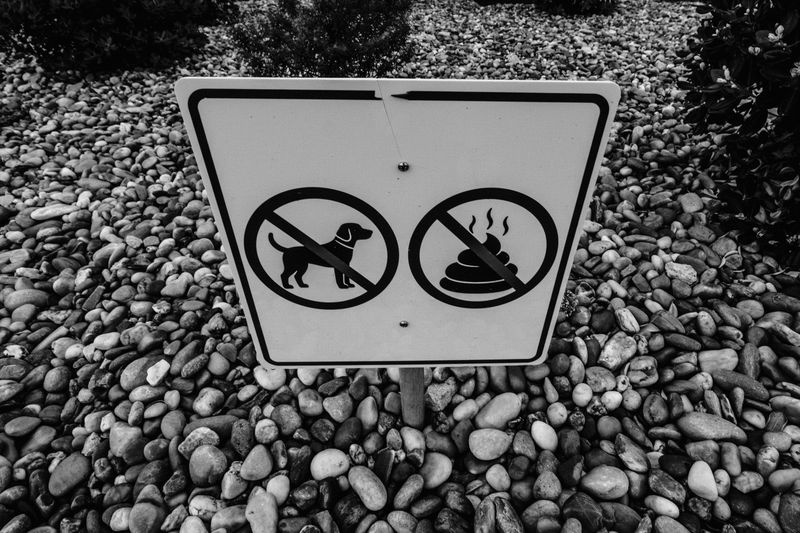
Rules about leashes and waste pickup may feel minor until a notice arrives. Many Texas leases include fines for pet policy violations.
Common examples involve unapproved pets, skipped waste cleanup, or excessive barking complaints. Some leases charge daily fees for unauthorized animals, and serious issues can affect your tenancy.
Request a list of possible fines upfront. Knowing the rules helps you and your dog stay on good terms with neighbors.
17. Is Renters Insurance or Pet Liability Required?

Insurance is a quiet safety net for you and your dog. Many Texas leases require renters insurance with pet liability coverage.
Some properties ask for a set minimum, often around $100,000. Certain insurers exclude specific breeds, which may affect approval.
Call your insurance agent before signing the lease. Confirm your dog is covered and ask whether the landlord must be listed on the policy.
18. Request an Accommodation for Assistance Animals

Assistance animals are not pets under fair housing law. If your dog qualifies, you can request a reasonable accommodation instead of paying pet fees.
Under federal and Texas fair housing rules, landlords generally cannot charge pet deposits, fees, or pet rent for these animals. Breed and weight limits usually do not apply either.
Landlords may ask for reliable documentation in some cases. You still remain responsible for any damage.