15 Hunting-Season Precautions For Dogs On Minnesota Public Land
Minnesota’s public lands offer wonderful walks with your dog, even when cooler weather brings hunting season. A little planning helps you share those spaces respectfully and keep your companion close, visible, and comfortable.
Before heading out, check the land rules, choose your route carefully, and pack for changing conditions. These practical precautions can help you enjoy the woods with greater confidence.
1. Check Minnesota Hunting Seasons Before You Go
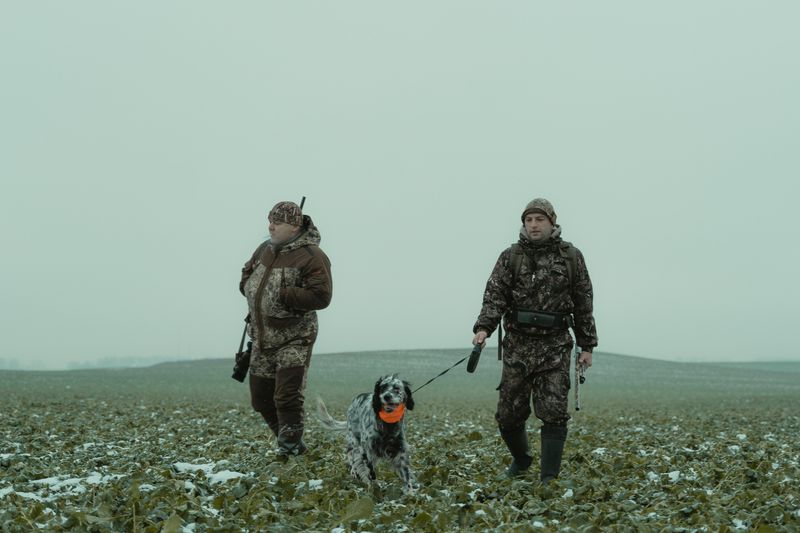
A familiar walking spot can feel different once a hunting season opens. Check the Minnesota Department of Natural Resources website before leaving home.
Look up the species, dates, and hunting zones that apply to your destination.
Several seasons may overlap, so checking deer dates alone is not enough. Review any special hunts or temporary closures, too.
Save the relevant information on your phone. If details seem unclear, contact the land manager before making your final plans.
2. Choose Established Trails Away From Active Hunting Areas
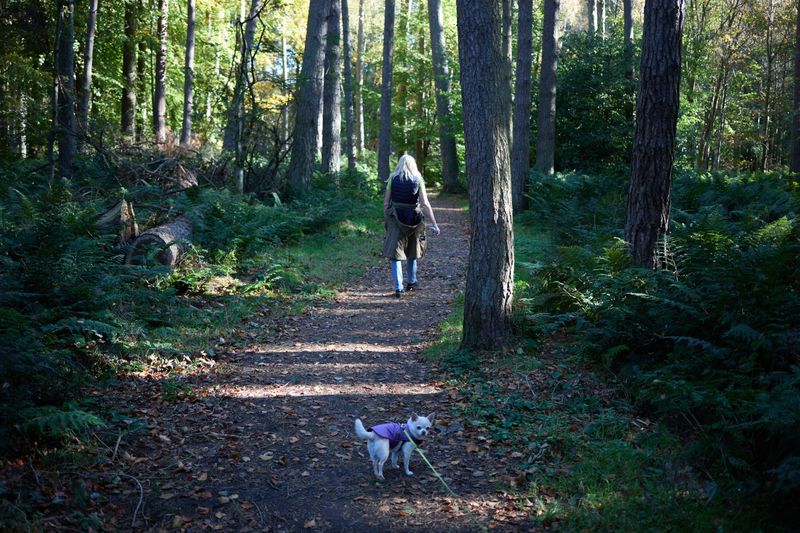
Your usual shortcut may pass through habitat that hunters are using. Ask the land manager which routes offer better separation from active hunting areas.
Consider locations where hunting is prohibited, but confirm current rules first.
Stay on established trails when possible rather than cutting through brush or fields. Trails do not guarantee separation from hunters, especially on mixed use land.
If nearby activity makes you uncomfortable, turn around and choose another approved walking location instead.
3. Keep Your Dog On A Short Leash
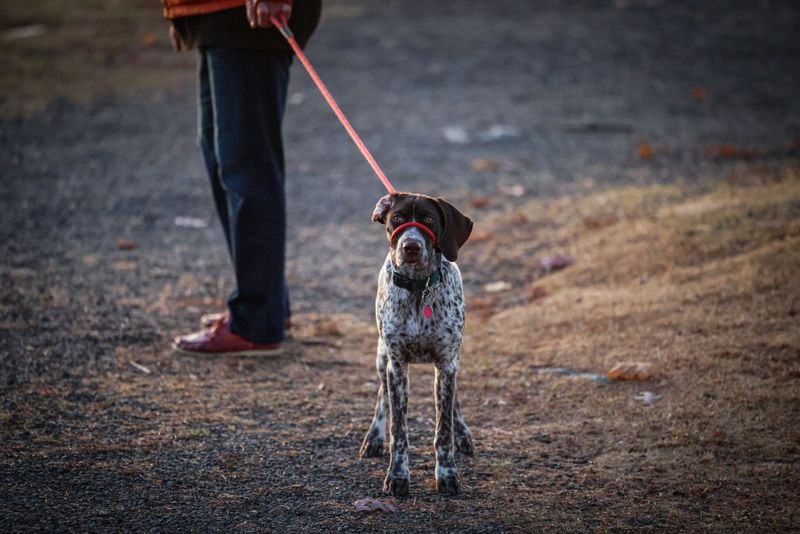
A squirrel can turn a quiet walk into a sudden dash. Use a sturdy, fixed-length leash that keeps your dog close to you.
Avoid letting a retractable leash carry your companion into brush.
Check the clasp, harness fit, and leash stitching before leaving. Follow the specific leash rules for your destination, including any stated length limits.
Even where loose dogs are allowed, close control helps prevent unwanted approaches to hunters, wildlife, equipment, and unfamiliar dogs nearby.
4. Use Bright, High-Visibility Gear
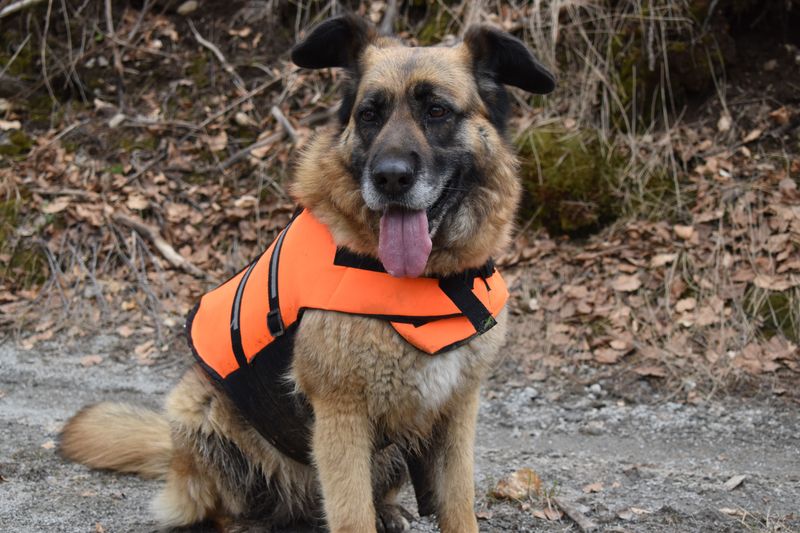
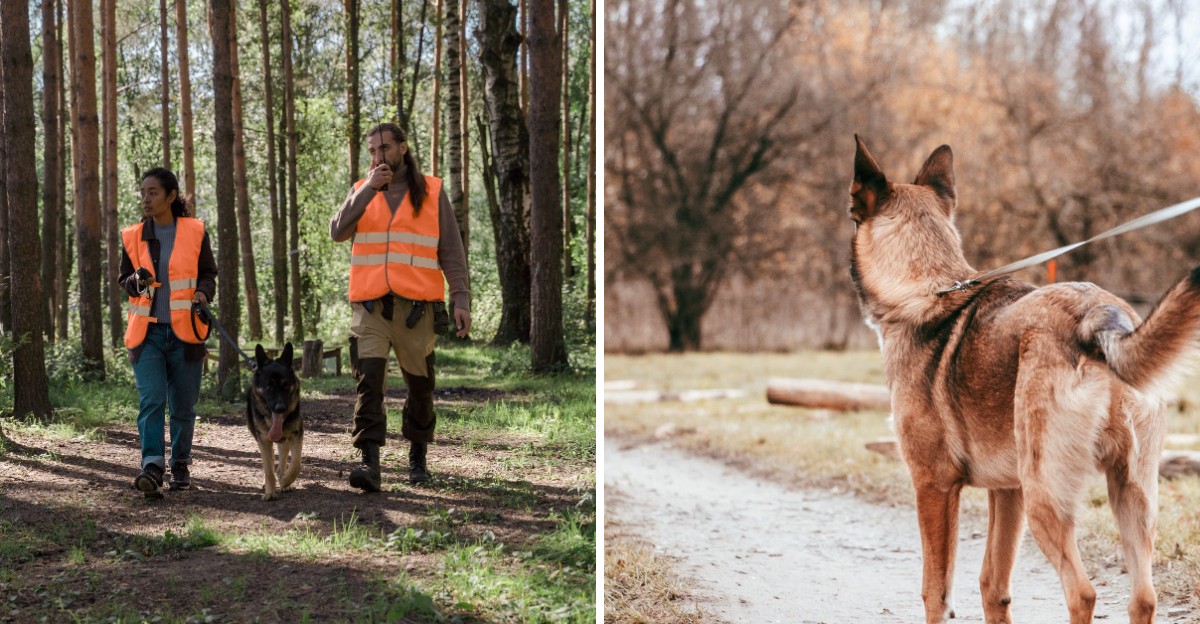
Brown fur can blend easily with Minnesota’s autumn woods. Consider a bright orange vest or other high-visibility gear that remains visible from several directions.
Wear bright clothing yourself, especially around areas open to hunting.
Reflective details help in low light, but they do not replace bright daytime colors. Check that gear allows easy movement and does not rub.
Visibility equipment is a precaution, not permission to enter restricted areas or a guarantee that everyone will notice you immediately.
5. Announce Your Presence And Handle Hunter Encounters Calmly
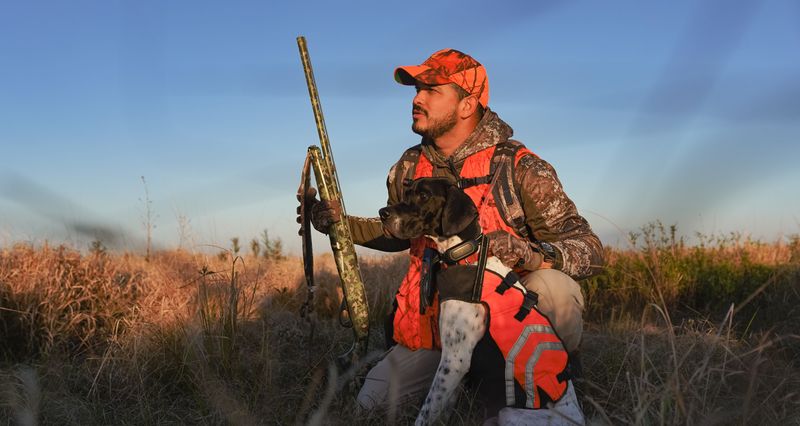
Dense brush can hide walkers until they are quite close. Stay alert and make your presence known before entering dense cover or rounding a blind bend.
Avoid relying on a small collar bell alone.
When you encounter a hunter, keep your dog close and greet them calmly. Ask whether another route would provide more space.
Do not approach equipment or interrupt their activity unnecessarily. If shots sound nearby, calmly leave the area using your known route rather than investigating.
6. Favor Daylight Over Dawn And Dusk
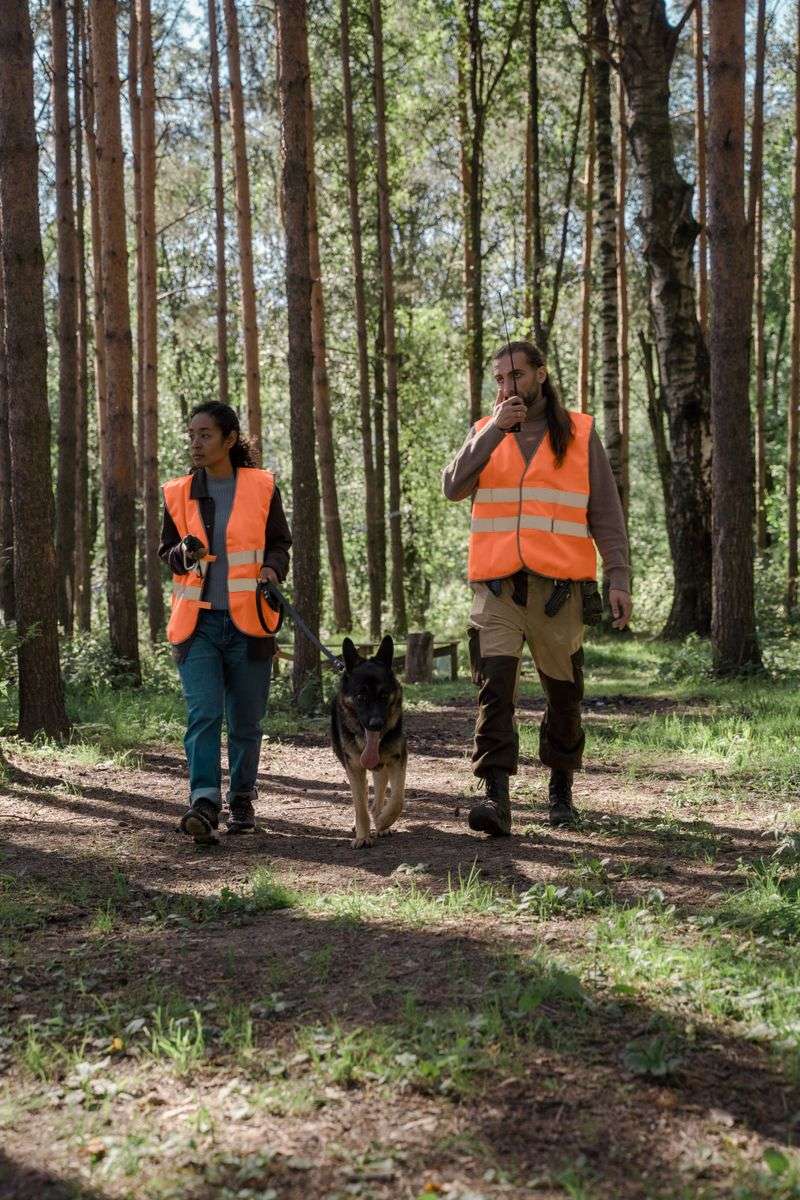
Clear daylight makes it easier to see people, dogs, and trail conditions. During busy seasons, plan walks away from dawn and dusk when practical.
Hunting activity can occur during dawn, dusk, and other times of day, depending on the season and species.
Midday is not automatically free of hunters, so keep every other precaution in place. Check posted access hours and leave enough time to return before dark.
If your schedule limits daylight outings, choose a location where hunting is prohibited and confirm its current access rules.
7. Know The Rules For Your Chosen Public Land
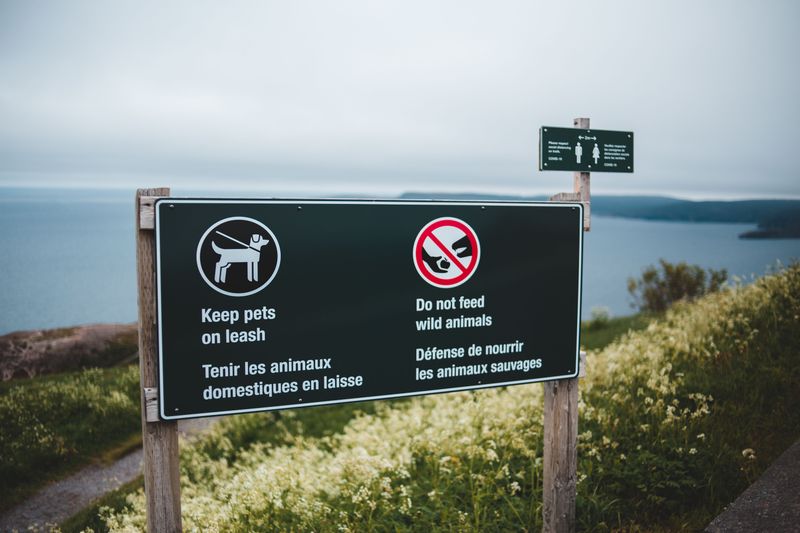
Public land is not one single rulebook. Minnesota state parks, state forests, wildlife management areas, and federal lands can have different requirements.
County and city properties may add their own restrictions.
Confirm dog access, leash requirements, seasonal closures, and permitted walking areas with the managing agency. Wildlife management areas deserve particular attention because dog training and exercise rules can vary by area and season.
Read entrance signs upon arrival. An open gate does not necessarily mean every activity is allowed.
8. Give Hunting Blinds And Stands Plenty Of Space
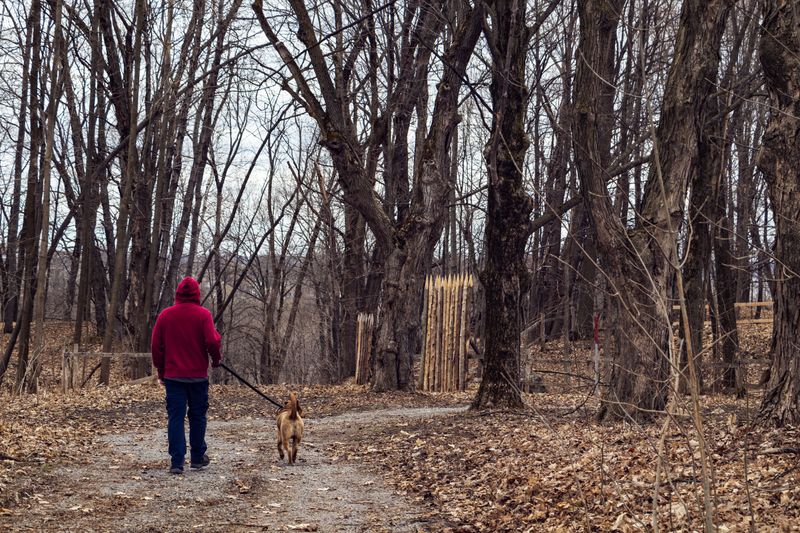
An unfamiliar structure can invite a curious dog’s inspection. Keep your companion away from hunting blinds, tree stands, and equipment found along your route.
Do not assume a quiet setup is unused.
Stay on your permitted trail and avoid walking beneath stands when another route is available. Never touch, climb, or move hunting equipment.
If a setup appears to block authorized access, contact the land manager. Give people using nearby equipment room without stepping into unfamiliar cover.
9. Carry Identification With Updated Contact Information
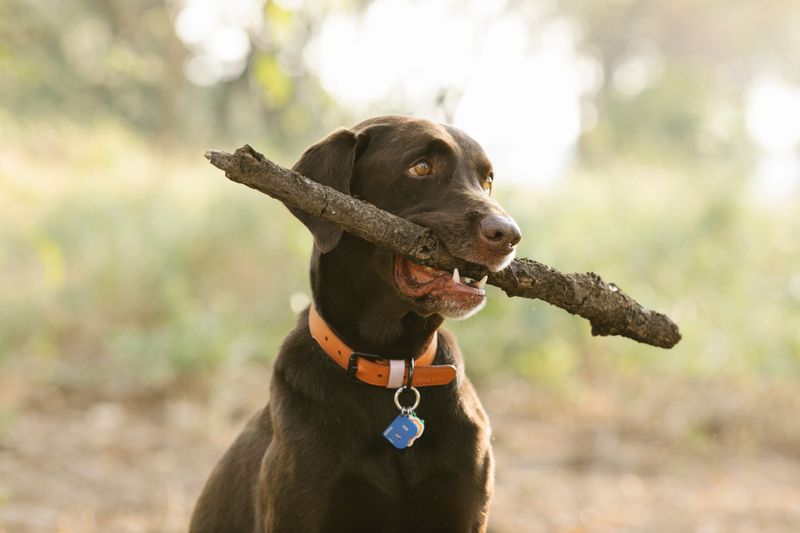
A readable phone number can make a lost dog’s return much easier. Attach an identification tag to a secure collar, even when using a harness.
Check that your current number is easy to read.
Microchips provide another identification option, but their registration details must stay current. Carry a recent dog photo and your own identification.
Save local animal control contacts before traveling. If your dog becomes separated, notify the land manager and follow local reporting guidance promptly.
10. Bring A Reliable Recall Backup
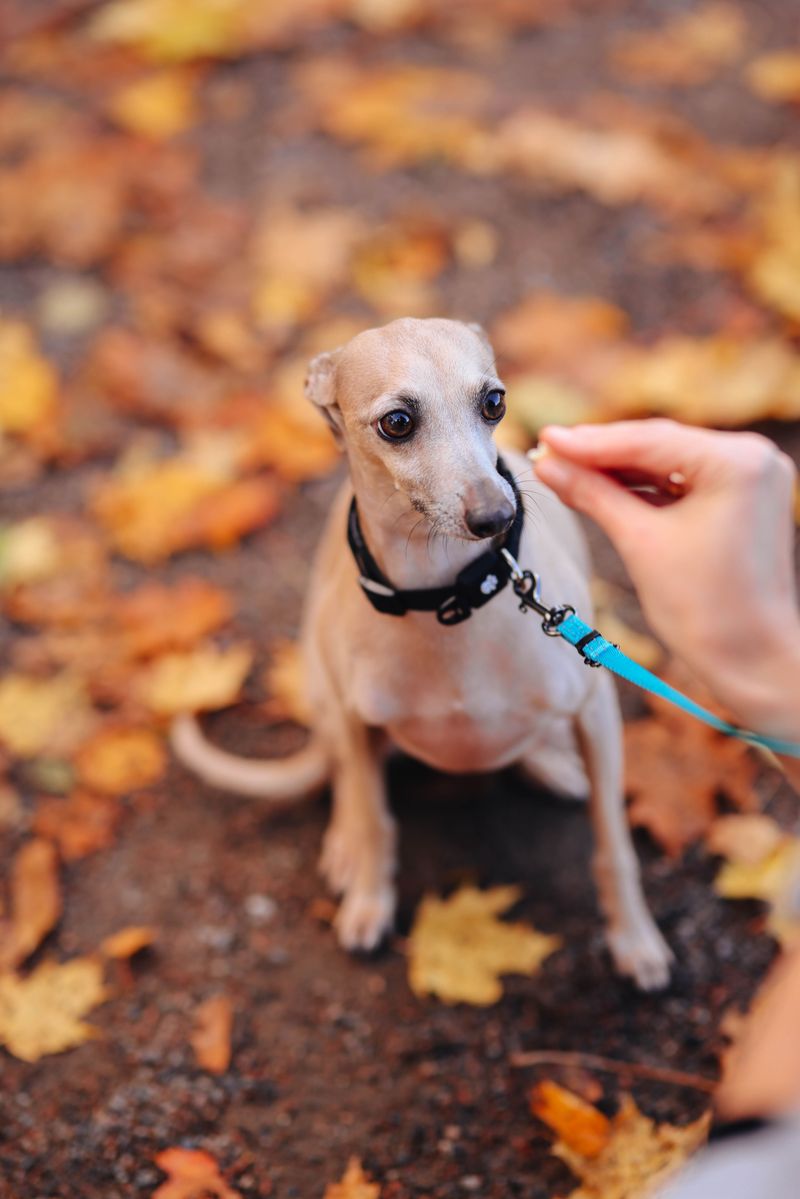
Even a well trained dog can become distracted by fresh wildlife scents. Practice a familiar recall cue before your outing, using rewards your dog enjoys.
A whistle can provide a consistent backup signal.
Neither training nor a whistle replaces a leash during this kind of walk. Carry treats and check that your leash connects securely.
If your dog slips free, stop and use the practiced cue calmly. Avoid chasing them toward roads, hunters, or unfamiliar wooded areas.
11. Watch For Wildlife Encounters
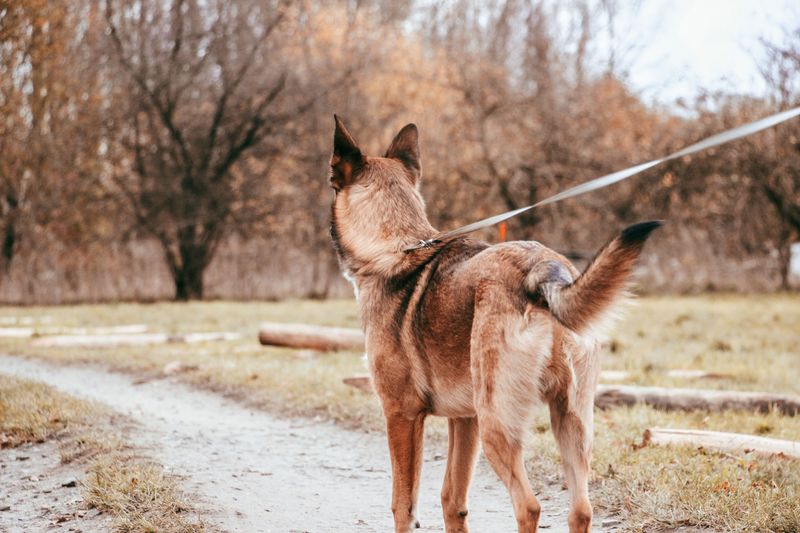
A suddenly alert nose often notices wildlife before you do. Watch for stiff posture, intense staring, or pulling toward brush.
Shorten your leash without jerking, and calmly create distance.
Do not allow your dog to chase wildlife, even if the animal seems far away. Give deer, bears, and other wildlife plenty of space and a clear route away from you.
Avoid approaching carcasses or letting your dog investigate remains. If an animal will not move away, retreat and choose another route rather than testing your dog’s patience nearby.
12. Protect Your Dog From Cold And Wet Conditions
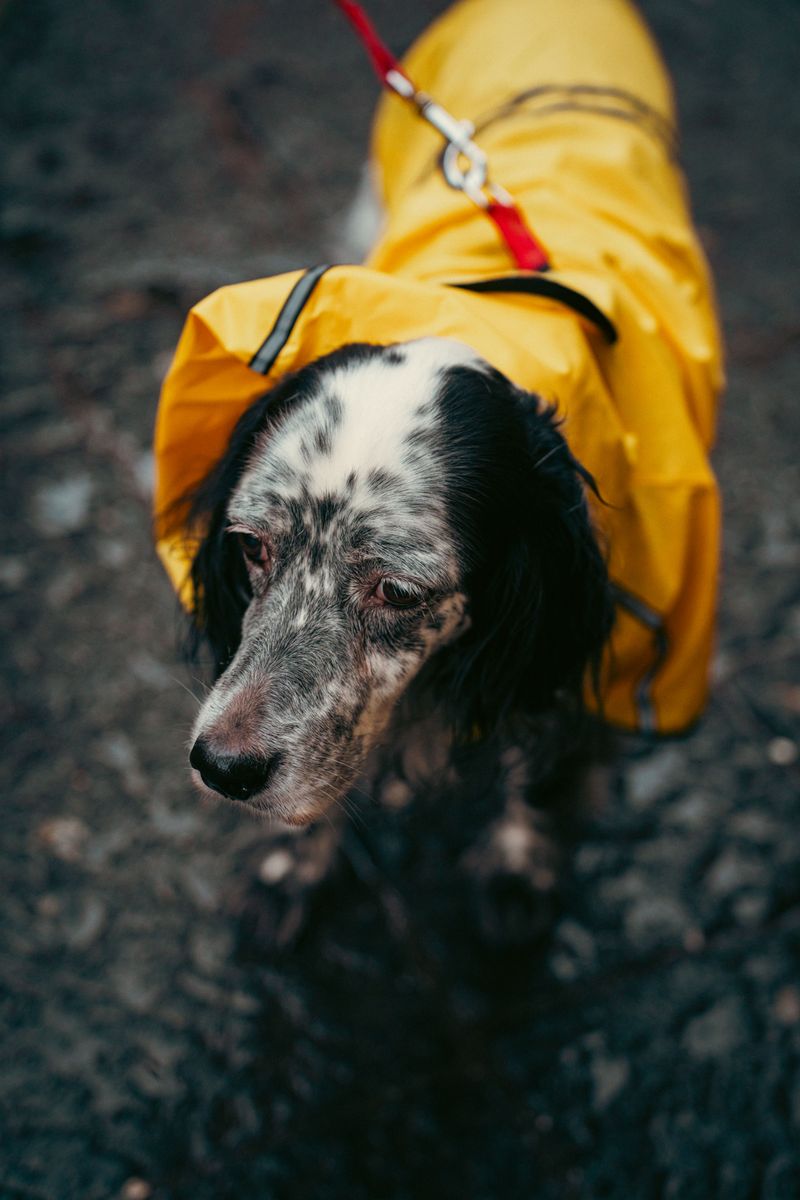
Wet fur and wind can make a cool day feel much colder. Pack a towel and consider a suitable coat for dogs needing extra warmth.
Age, size, health, and coat type affect comfort.
Watch for shivering, slowing down, or reluctance to continue. Turn back early rather than pushing through changing weather.
Check paws for ice, cuts, and irritating debris. Ask your veterinarian about suitable clothing and cold weather limits, especially for puppies, older dogs, or medical conditions.
13. Pack A First-Aid Kit For Outdoor Problems
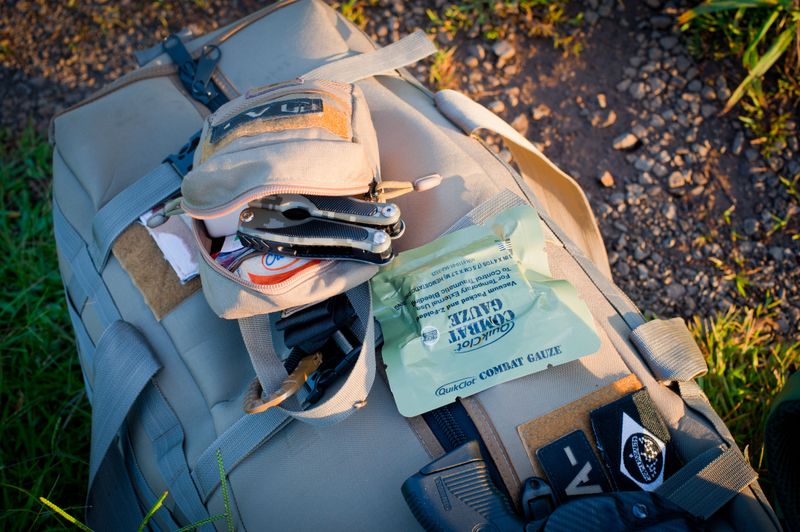
A small kit is easier to carry than an unexpected problem is to manage. Include gauze, saline for rinsing, gloves, and a clean towel.
Ask your veterinarian which additional supplies suit your dog.
Learn basic canine first aid before you need it. Do not give human pain medicines unless a veterinarian specifically directs you.
Save your regular clinic and nearby emergency veterinary contacts. For breathing trouble, persistent bleeding, or sudden weakness, leave promptly and seek professional help.
14. Check Your Dog For Ticks After The Walk
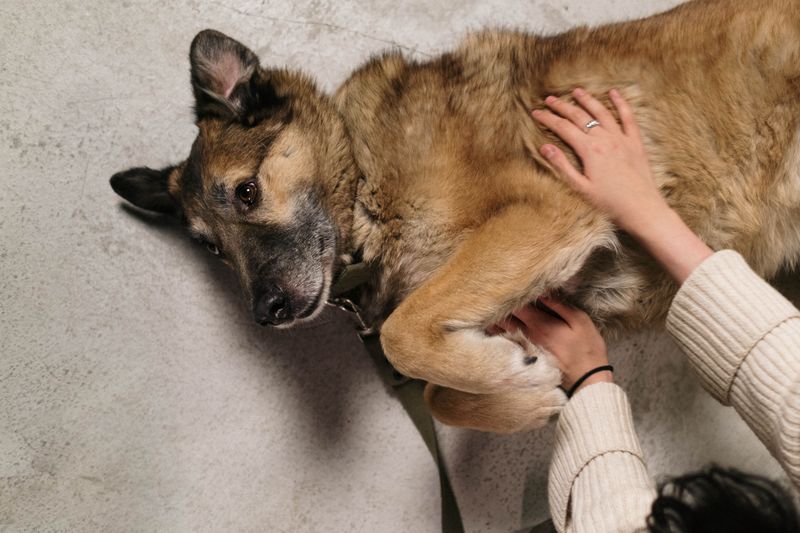
Cooler weather does not always mean ticks are inactive. After walking, inspect your dog’s ears, neck, armpits, toes, and the area beneath the collar.
Run your fingers carefully through thick fur.
Ask your veterinarian about prevention suited to Minnesota exposure and your dog’s health. If you find an attached tick, use an appropriate removal tool and follow veterinary guidance.
Avoid squeezing its body. Check yourself and your clothing too, then watch your dog for unusual symptoms afterward.
15. Carry Water And A Way To Communicate
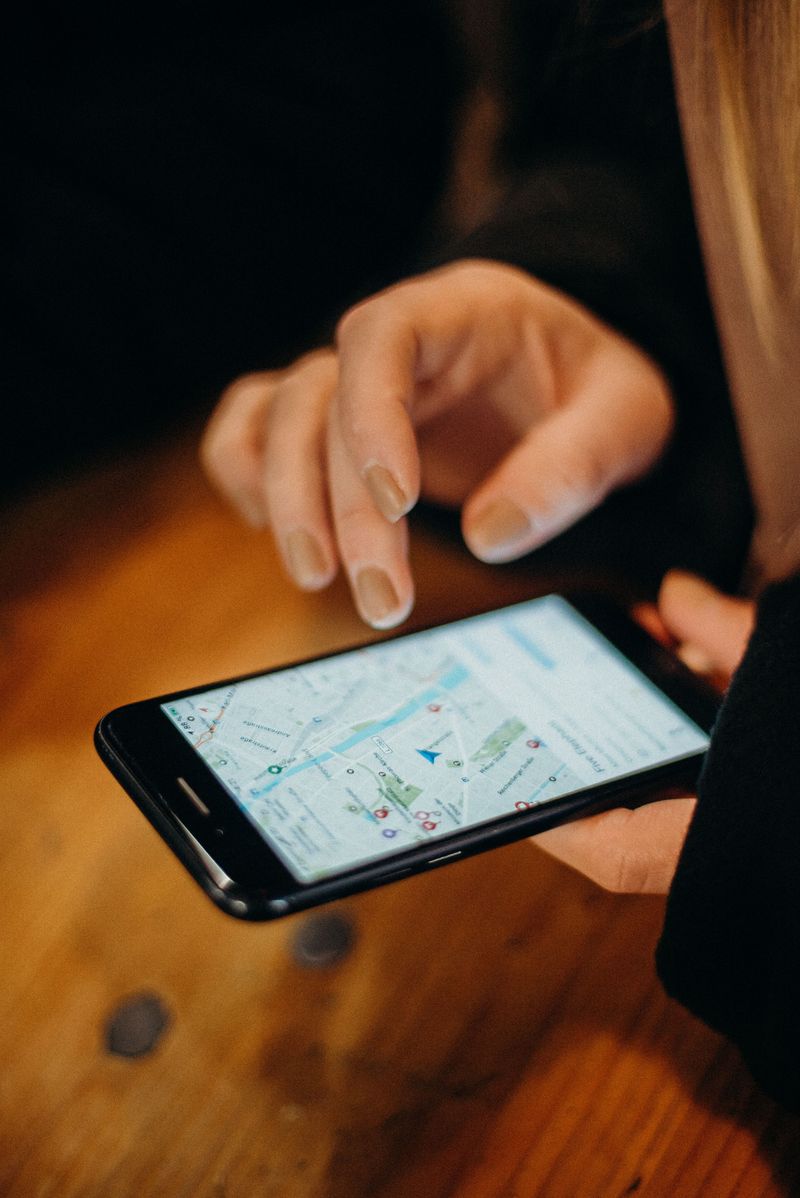
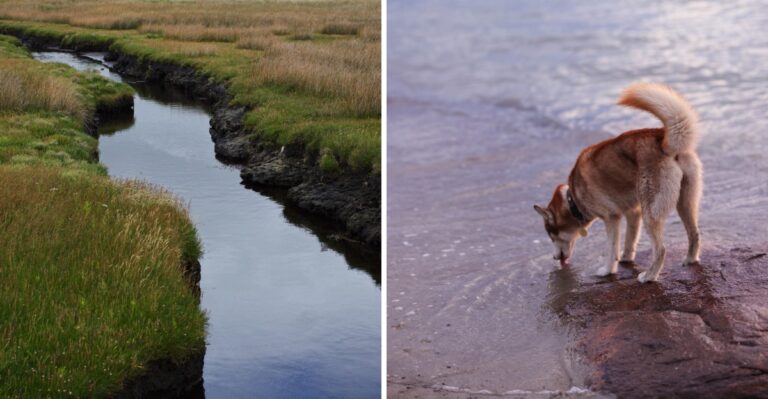
Thirst still matters when the air feels cool. Bring drinking water and a portable bowl rather than relying on ponds or streams.
Carry a charged phone, while remembering that reception can be unreliable.
Download your route, tell someone your plans, and set a return time. Consider satellite communication for remote outings.
Know your location before requesting help. A prepared bag and a flexible plan make shared public land more enjoyable.
Stay visible, stay close, and walk confidently.