15 Hunting-Season Precautions For Dogs In Michigan Woods
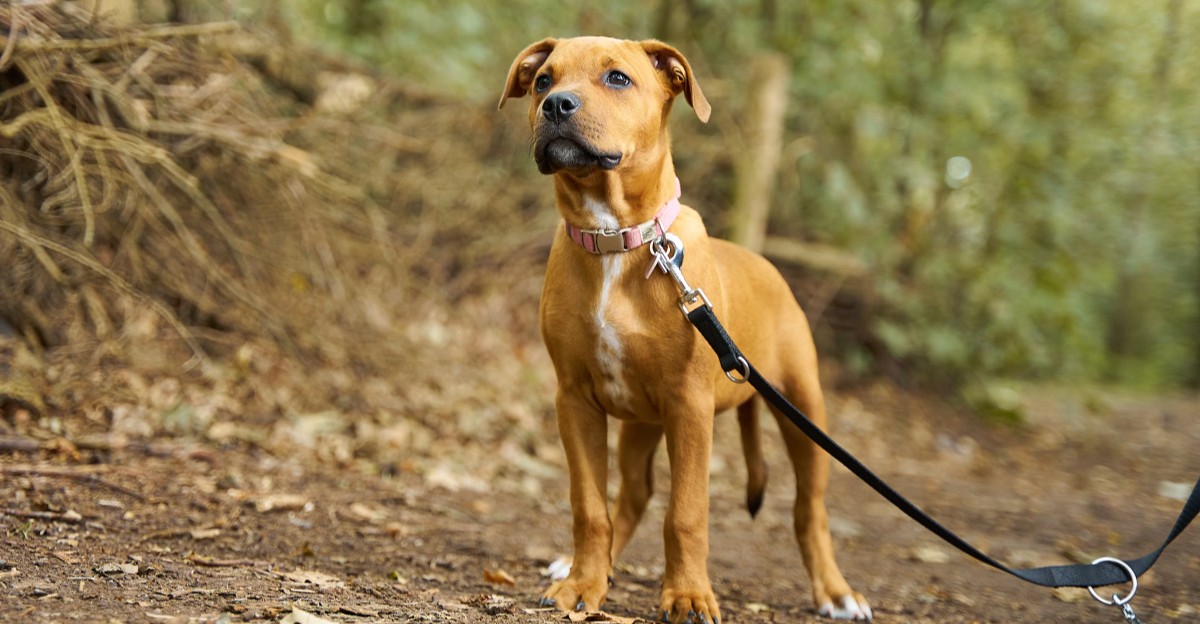
Michigan woods offer wonderful walks with your dog, especially when cooler weather brings fresh smells and colorful leaves. Hunting season means sharing some outdoor spaces with hunters, so a little planning helps everyone enjoy their time outside.
You do not need to give up woodland walks, but your route, timing, and gear deserve extra attention. These practical precautions will help you head out feeling prepared and bring your dog home comfortable and happy.
1. Know Michigan’s Hunting Seasons
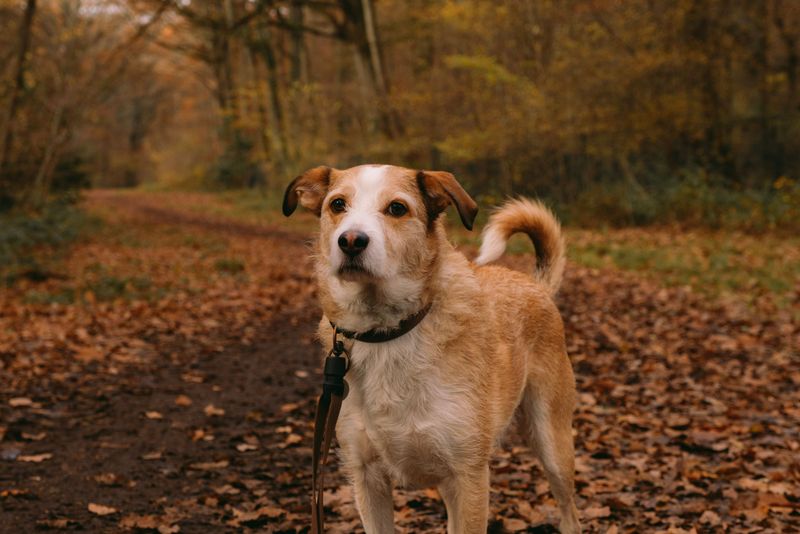
A quiet forest can still be open to hunting. Check current Michigan Department of Natural Resources hunting calendars before choosing your route.
Different species have different seasons, and some dates depend on location.
November firearm deer season deserves attention, but hunting happens during other months too. Review the rules for the exact property you plan to visit.
Ask its manager about closures, special hunts, and areas where walking dogs is allowed before leaving home today.
2. Choose Safer Times And Check The Weather
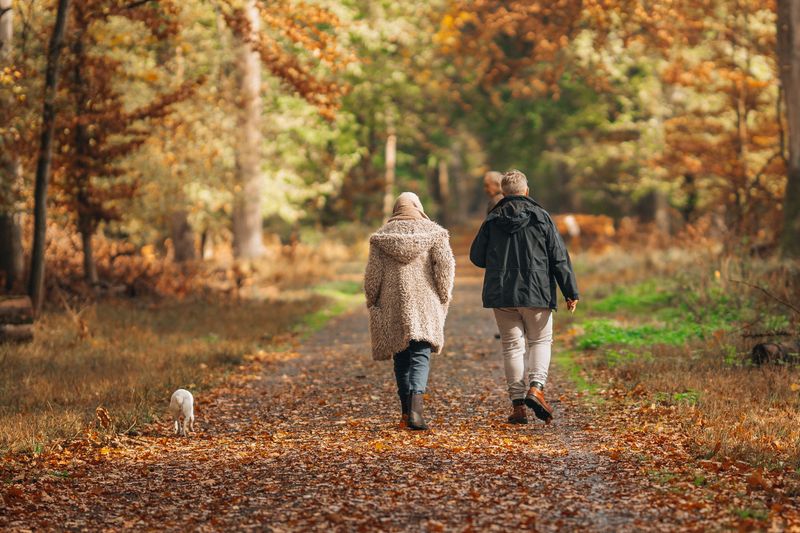
Bright daylight makes it easier to see your dog and other people. Hunters may be active around sunrise and sunset, although activity varies.
Midday is not a guarantee of an empty woods.
Choose a different location whenever hunting activity seems busy. Check the forecast for wind, rain, snow, and falling temperatures before leaving.
Shorten your outing when visibility drops or footing becomes slippery. Michigan weather can change quickly, so bring suitable layers for yourself too.
3. Make Your Dog Highly Visible
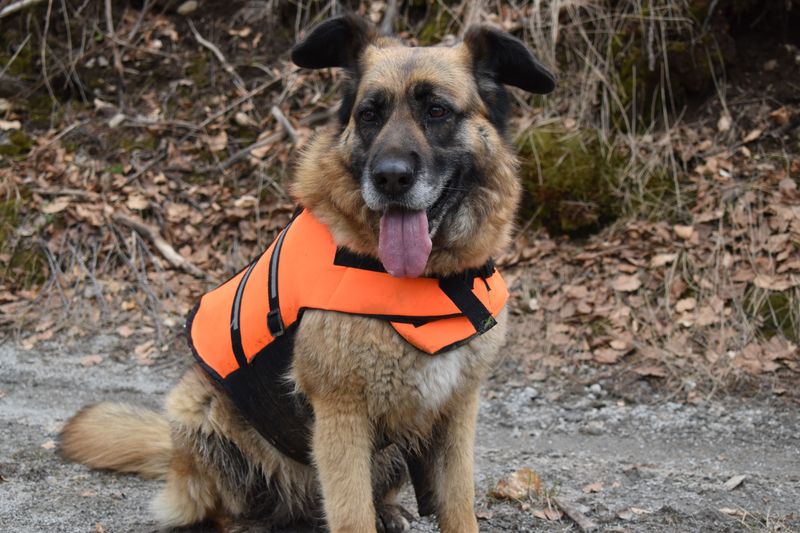
Brown fur can blend into leaves surprisingly well. Fit your dog with a bright blaze orange vest that stays visible from several directions.
Wear bright orange yourself, rather than relying on your dog’s gear.
Check that straps allow comfortable movement and do not rub behind the legs. Reflective details help in low light, but they do not replace daytime visibility.
Bright clothing improves recognition; it never replaces a leash, awareness, or thoughtful route choices outdoors.
4. Keep Your Dog On A Leash
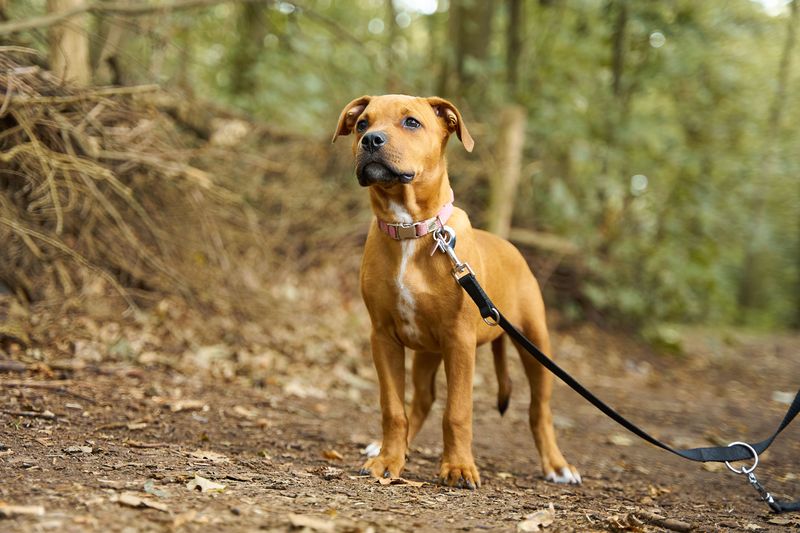
Even a usually calm dog may suddenly follow an interesting scent. A sturdy leash keeps your companion nearby and prevents wandering toward hunters or wildlife.
Use a length that lets you maintain close control.
Check posted rules and the land manager’s requirements before entering. Leash rules vary by property, and local requirements may also apply.
Avoid retractable leads where brush, narrow trails, or other visitors could complicate handling. Inspect the clip and harness before each walk.
5. Stay On Established Trails
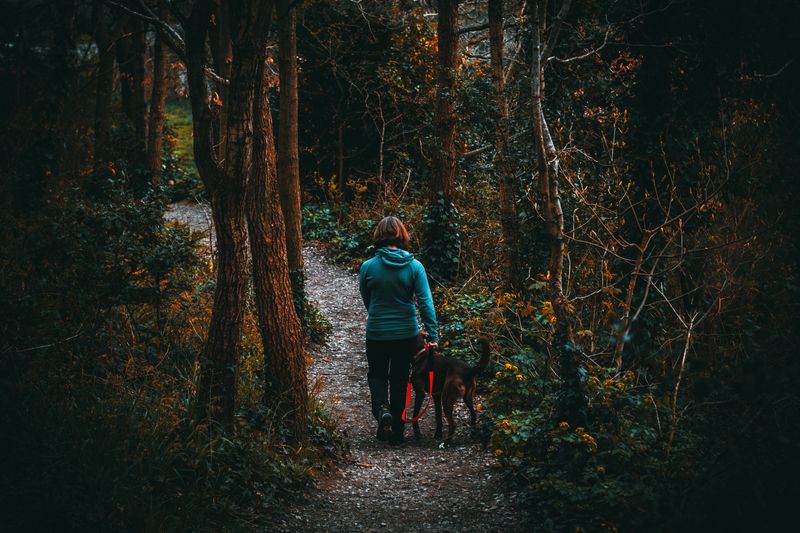
A marked path makes your movements more predictable to other woodland visitors. Follow established routes instead of cutting through brush or crossing unfamiliar clearings.
Keep your dog beside you when trails narrow.
Download a map before arriving, since phone service may be unreliable. Remember that a marked trail can still pass through land open to hunting.
Read entrance notices and obey temporary closures. If the route becomes unclear, turn back rather than creating your own shortcut.
6. Watch For Hunting Activity
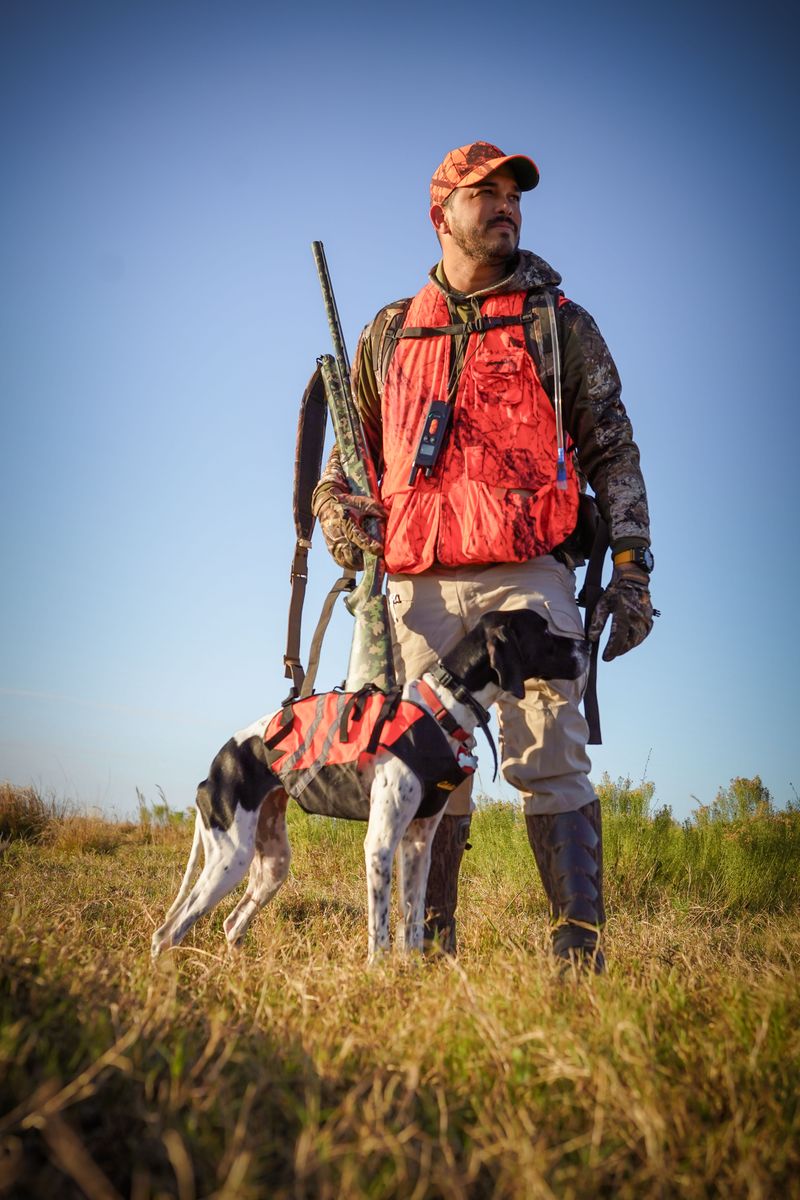
Parked trucks and orange clothing can offer useful clues about nearby activity. Notice posted hunting information, people entering the woods, and sounds around your route.
Keep headphones off so you can listen.
No single clue tells you exactly where everyone is located. If nearby activity makes your route uncertain, calmly leave and choose another place.
Avoid approaching hunters to investigate what they are doing. Give other users room, and keep your dog close while passing them.
7. Teach Your Dog A Reliable Recall
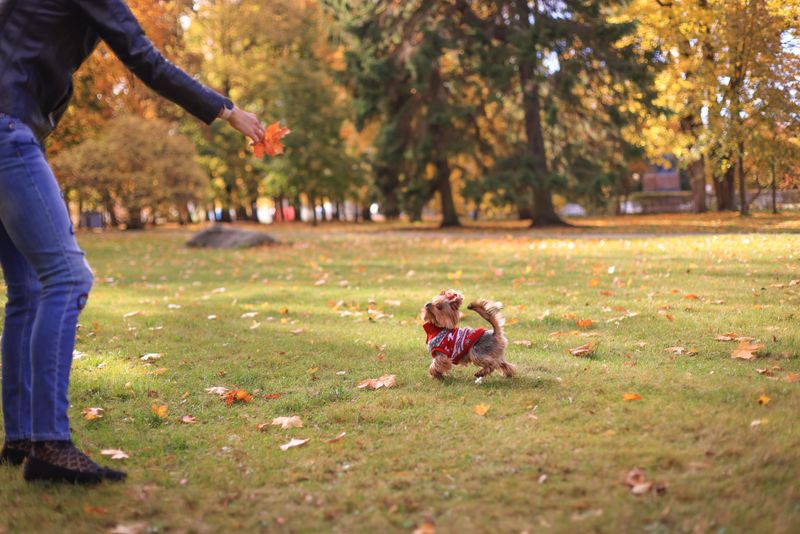
Coming when called starts with practice, not a woodland surprise. Teach recall in a quiet enclosed space, rewarding your dog for returning promptly.
Add distractions gradually while keeping sessions short and cheerful.
Practice with secure equipment before expecting success around exciting outdoor smells. Never test recall by releasing your dog in an active hunting area.
Even excellent training cannot promise a response every time. Treat recall as backup support, while a leash remains your main safeguard.
8. Leave Active Hunting Areas Alone
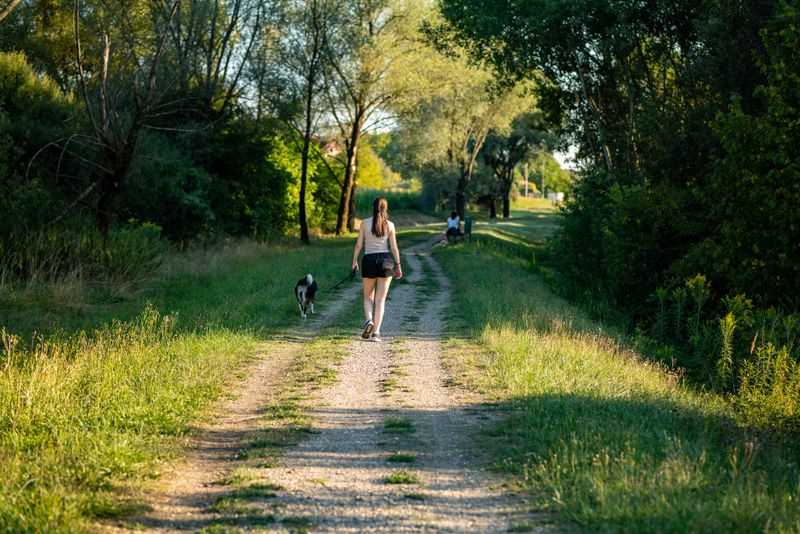
Changing plans is often the easiest way to share outdoor space respectfully. Skip locations with closures, organized hunts, or clear signs of active hunting nearby.
Have another walking spot ready before leaving.
Do not cross private property unless you have permission or the property is lawfully open to the public for your activity. Public access does not mean every activity is allowed everywhere.
Confirm dog access with the property manager. A neighborhood route or permitted park can provide exercise without competing for busy woodland space.
9. Make Noise Near Blind Spots
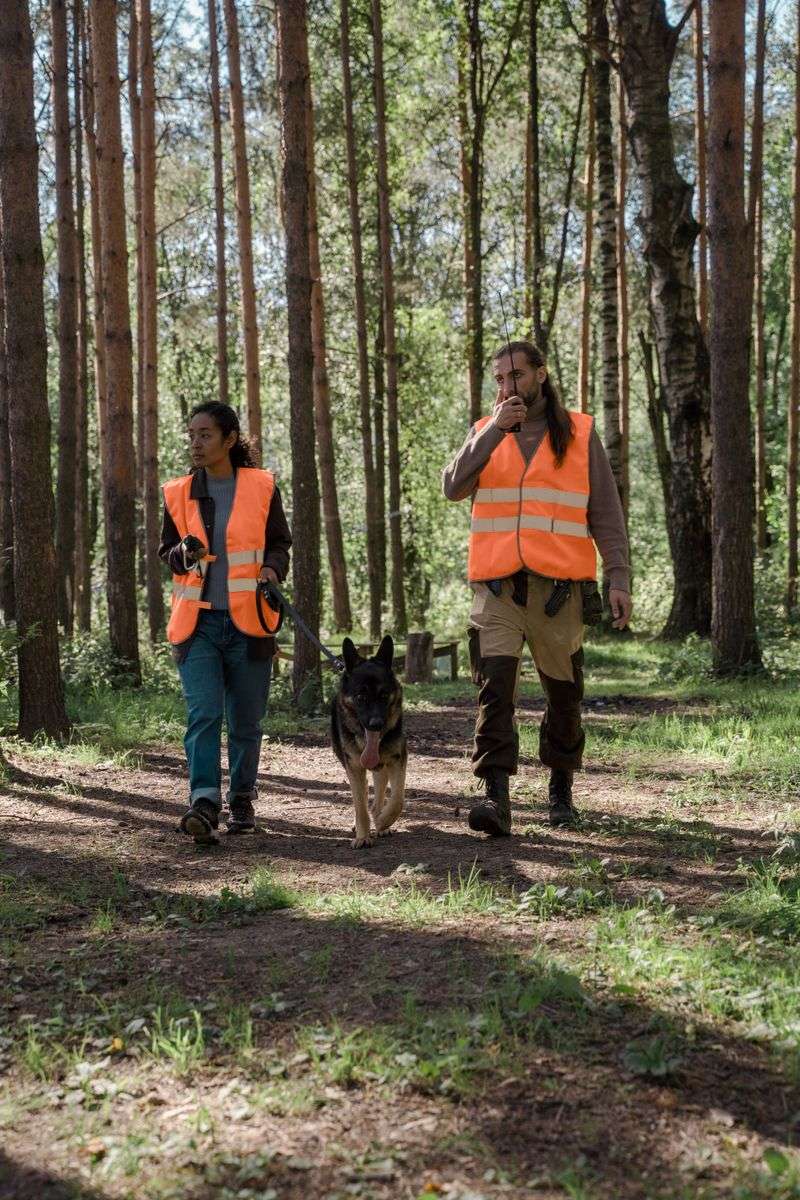
A bend hidden by brush can conceal another trail user. Speak in a normal, clear voice before rounding corners or entering narrow passages.
Keep your dog close and move at an easy pace.
A brief greeting helps announce a person’s presence without unnecessary shouting. Do not rely on a collar bell as your only precaution.
Sound may not carry clearly through wind or thick cover. Visibility, controlled movement, and route awareness still matter throughout your walk together.
10. Give Hunting Blinds And Stands Space
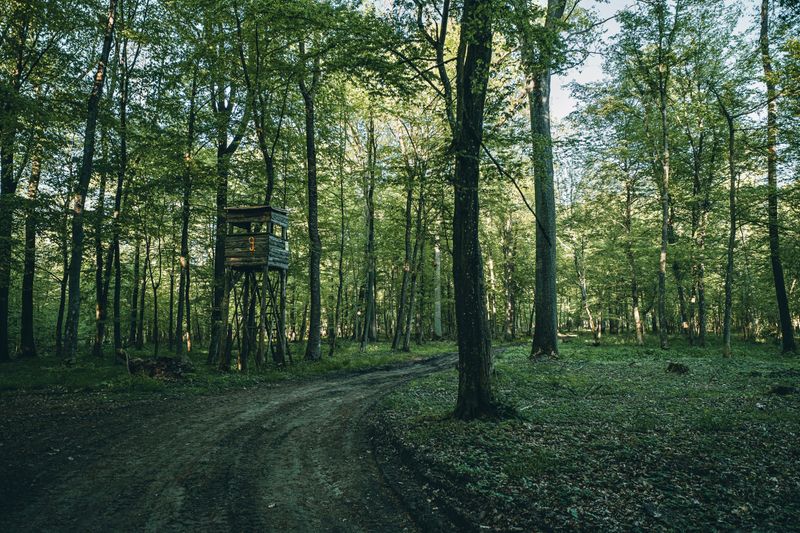
Woodland structures are not invitations to explore. A hunting blind may be occupied even when nobody is visible.
Tree stands can also be difficult to spot among branches.
Keep your dog away from ladders, platforms, and equipment on the ground. Do not touch, climb, or move someone else’s setup.
If your trail passes nearby, continue quietly with your dog under control. Choose another route when you cannot pass without crowding the area or disturbing its occupants.
11. Check For Burrs, Ticks, And Injuries
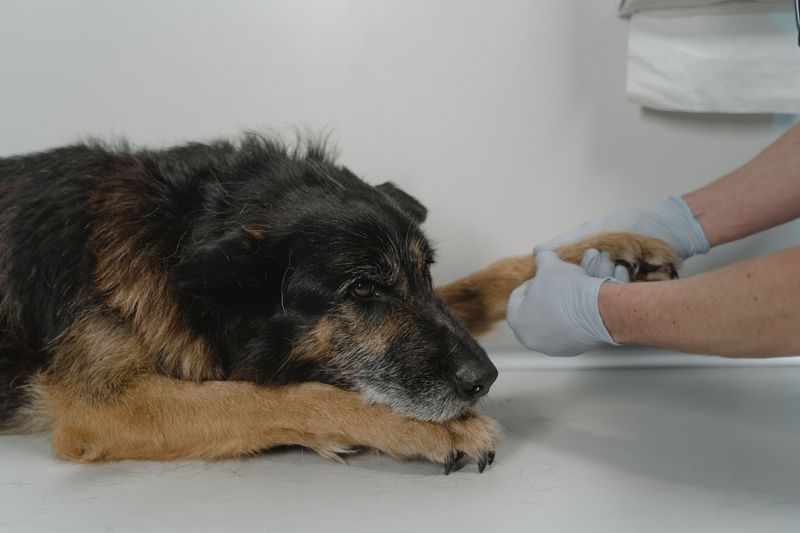
The after walk check belongs right beside putting away your boots. Look over paws, legs, ears, belly, and fur for burrs or small injuries.
Remove loose debris gently without pulling hard.
Check for ticks and ask your veterinarian about suitable prevention throughout Michigan’s changing seasons. Watch for limping, repeated licking, or unusual tiredness afterward.
Contact your veterinarian if something seems wrong or a burr sits deeply. Avoid digging into skin or using scissors near tangled fur.
12. Watch For Wildlife Encounters
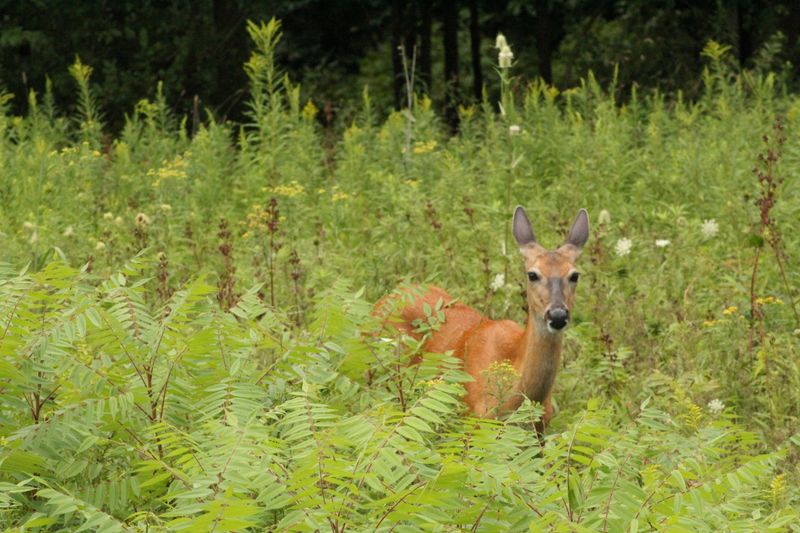
A squirrel can turn a relaxed sniff into sudden excitement. Scan ahead for wildlife and shorten your dog’s leash when attention becomes fixed.
Create distance calmly instead of allowing a chase.
Michigan woods may hold deer, coyotes, porcupines, and other animals. Never let your dog investigate wildlife, dens, or animal remains.
Reward turning back toward you and leave the area when needed. If contact occurs, ask a veterinarian for advice rather than attempting unfamiliar treatment yourself.
13. Carry Backup Gear, Water, And Basic Supplies
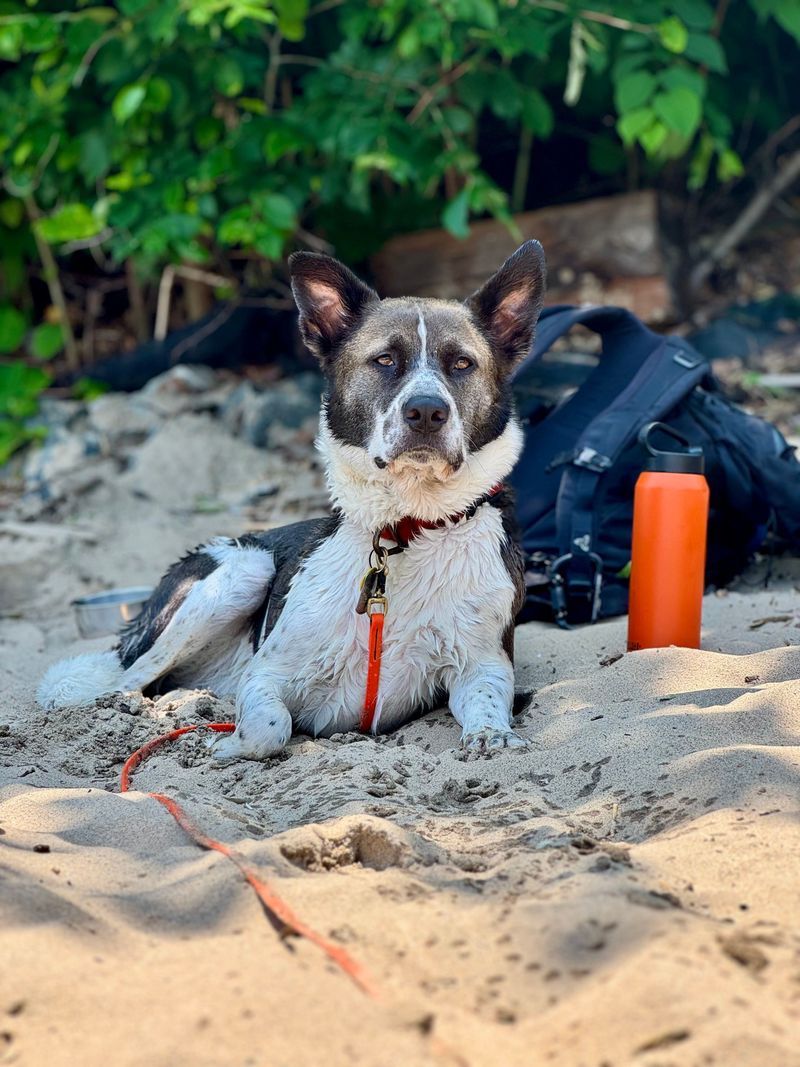
A small pack can solve several ordinary trail problems. Bring water, a bowl, waste bags, and a spare leash.
Add basic first aid supplies recommended by your veterinarian and know how to use them.
Offer drinking breaks instead of letting your dog drink from puddles or streams. Pack a towel and any supplies your dog normally needs.
Keep gear light enough to carry comfortably. Before walking, check that your backup leash has a working secure clip.
14. Keep Identification Up To Date
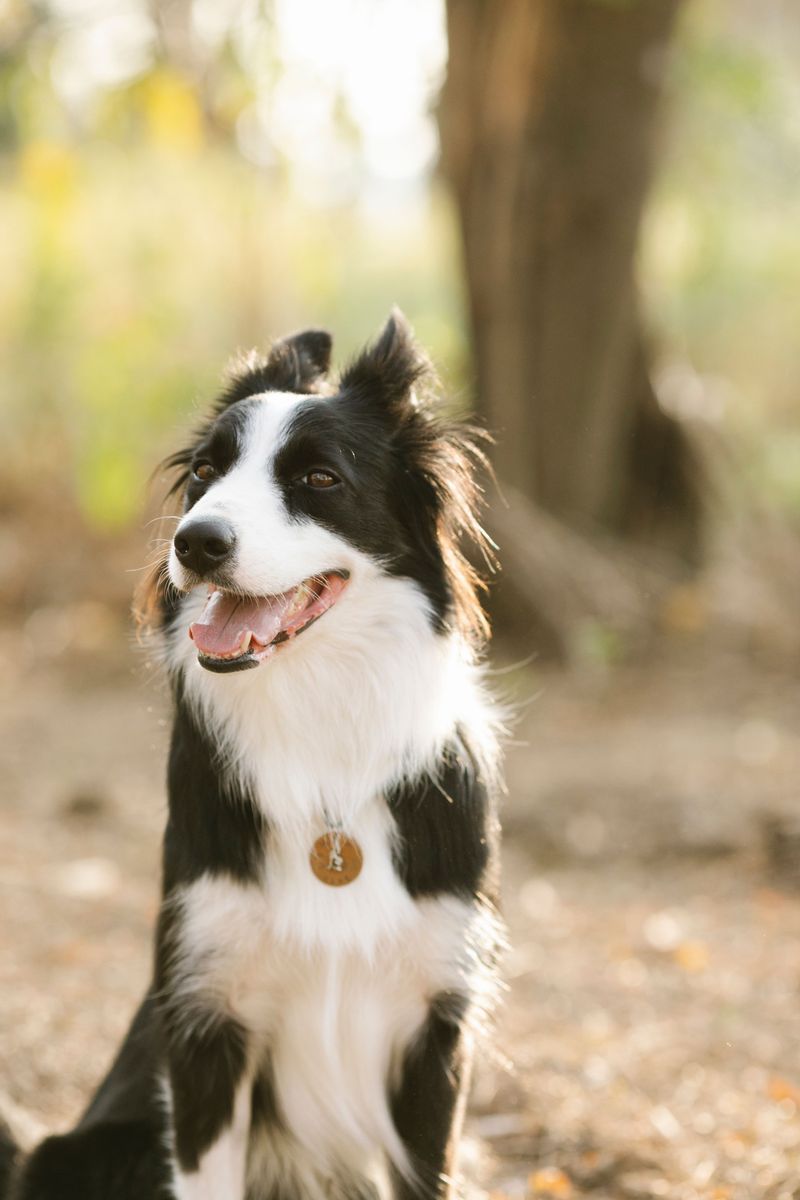
Contact details only help when they still reach you. Check that your dog’s tag lists a current phone number.
Confirm the collar fits securely without being tight or uncomfortable.
If your dog has a microchip, update its registration when your contact information changes. A microchip is not a live location tracker.
Keep a recent photo on your phone and save local animal control contacts. Report a missing dog promptly, sharing its description and last known location.
15. Tell Someone Where You Are Going
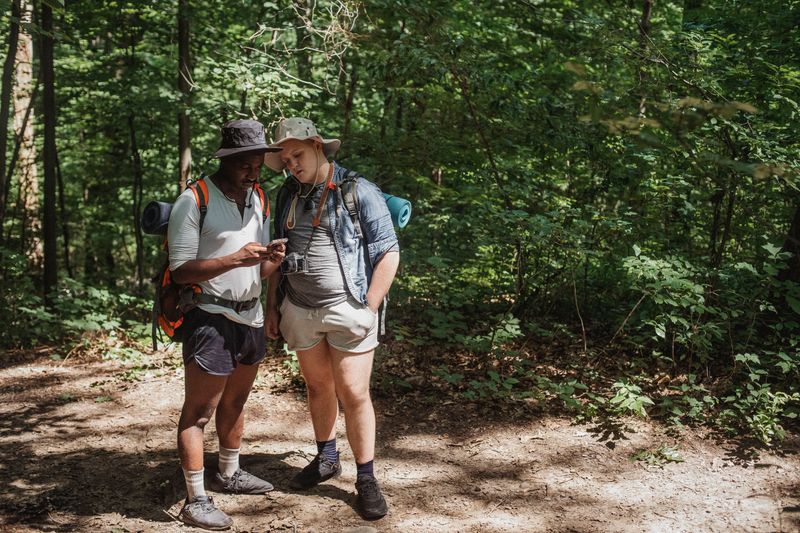
A quick message gives your outing a useful safety net. Tell someone your trail, parking location, and expected return time.
Explain what they should do if you miss your check in.
Carry a charged phone, but remember that service can disappear in wooded areas. Keep your route within your abilities and turn back before you become tired.
Thoughtful preparation makes woodland walks easier to enjoy. Bright gear, close control, and flexible plans help you return confidently.