What Massachusetts Dog Owners Should Know About Coyotes Near Urban Greenways
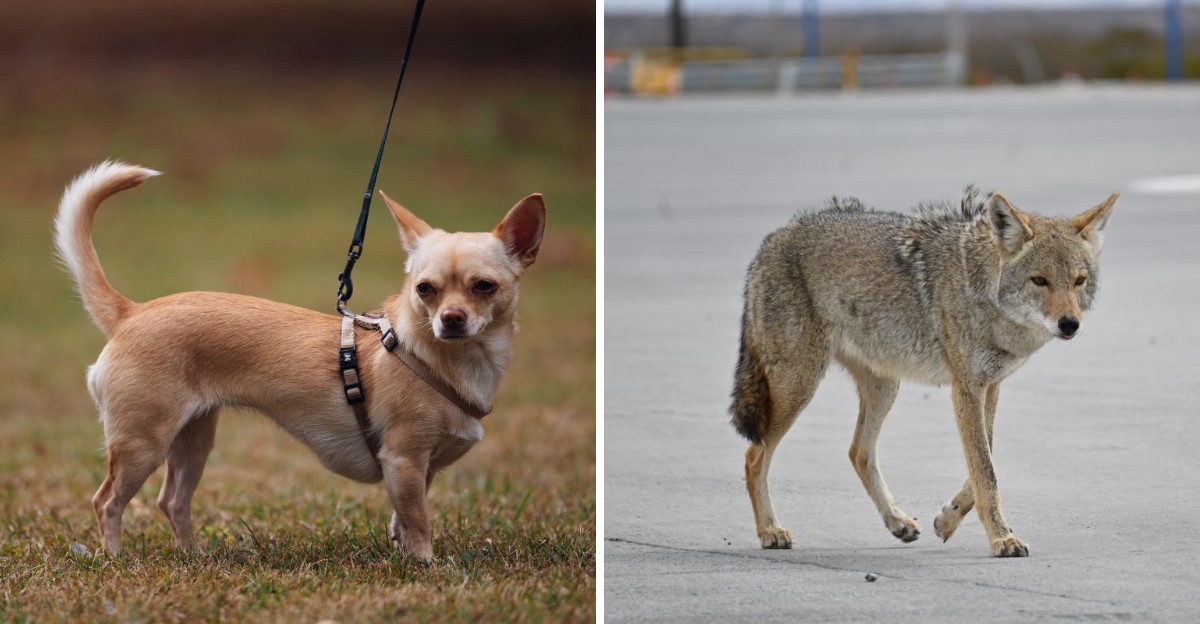
Your favorite greenway can be a peaceful walking route for both you and nearby wildlife. Massachusetts coyotes use these connected green spaces, even when busy streets and homes are close by.
Knowing their habits helps you make smart choices without giving up the walks your dog enjoys. A close leash, clear view, and simple plan can help you share the trail with confidence.
1. Why Coyotes Use Urban Greenways
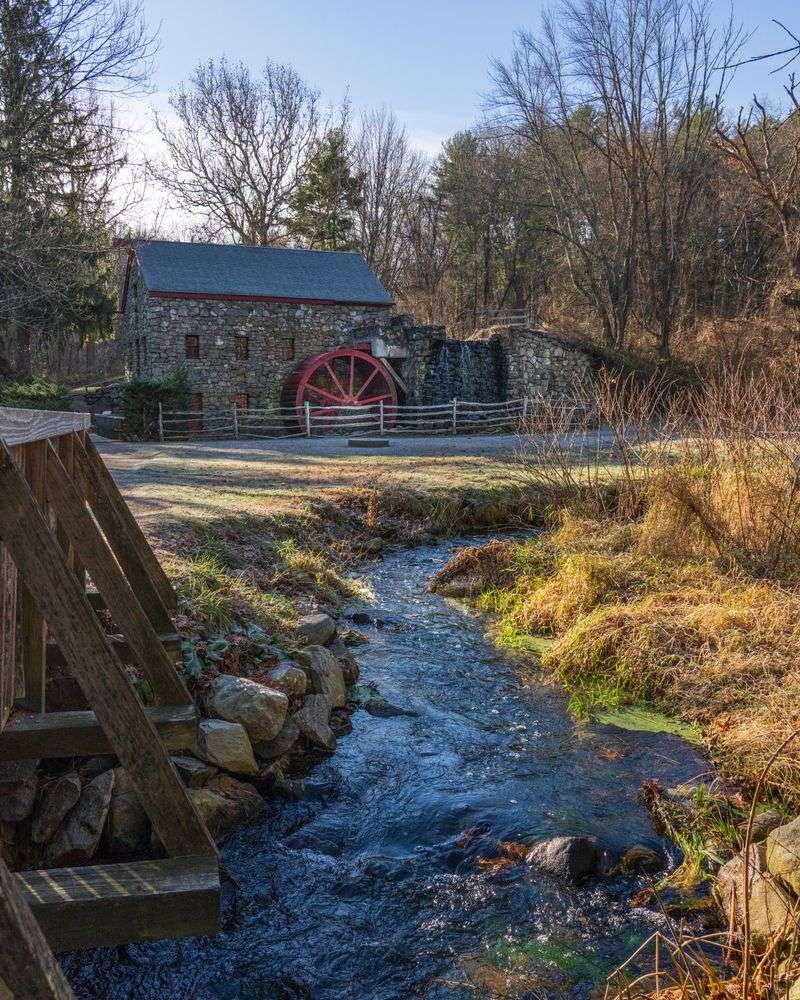
A strip of trees can connect much more than two neighborhood parks. Coyotes use greenways to travel between places offering food, water, and shelter.
Stream banks, wooded paths, and railway corridors provide routes through busy Massachusetts communities. Nearby yards may also offer fallen fruit, rodents, or unsecured food scraps.
Seeing a coyote here does not automatically mean something is wrong. Stay aware, keep your dog nearby, and give wildlife room to continue its journey without interference.
2. When Massachusetts Coyotes Are Most Active
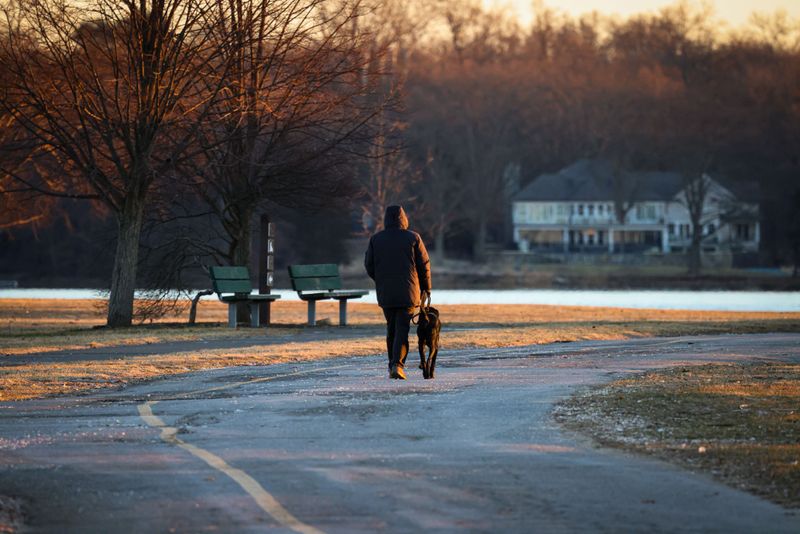
Early walks often overlap with a coyote’s busiest hours around dawn and dusk. Nighttime activity is common, but daylight sightings also happen and do not alone indicate illness.
Choose brighter hours when possible, especially along quiet, wooded stretches. Carry a light when visibility drops, and avoid walking while focused on your phone.
Watch your surroundings rather than relying only on the clock. A familiar path can have wildlife nearby at any time of day, year round.
3. Keep Your Dog Close On Greenway Walks
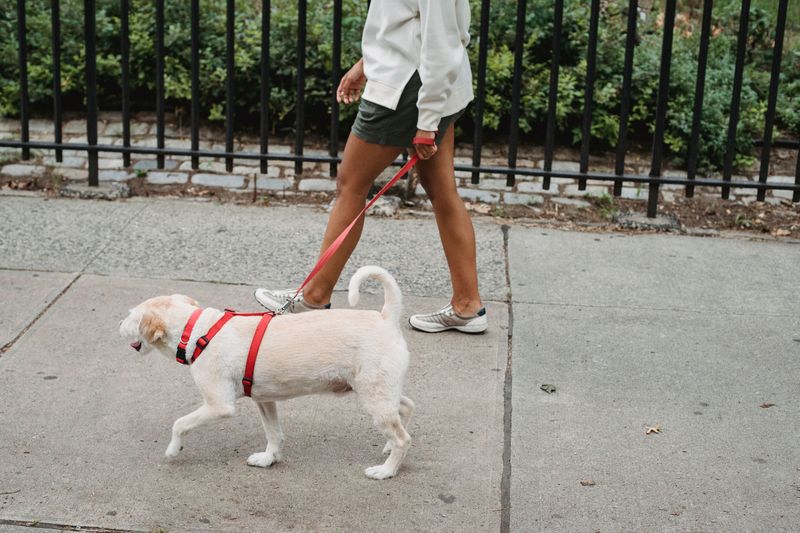
A short leash gives you time to respond before curiosity becomes a wildlife encounter. Use a sturdy, fixed leash that keeps your dog within easy reach.
Long retractable lines can allow dogs to enter brush before you notice movement. Check that collars or harnesses fit securely before leaving home.
Leash rules vary by municipality and property, so read posted signs. Even where running loose is allowed, staying connected is the safer choice near known coyote activity.
4. Why Small Dogs Need Extra Protection
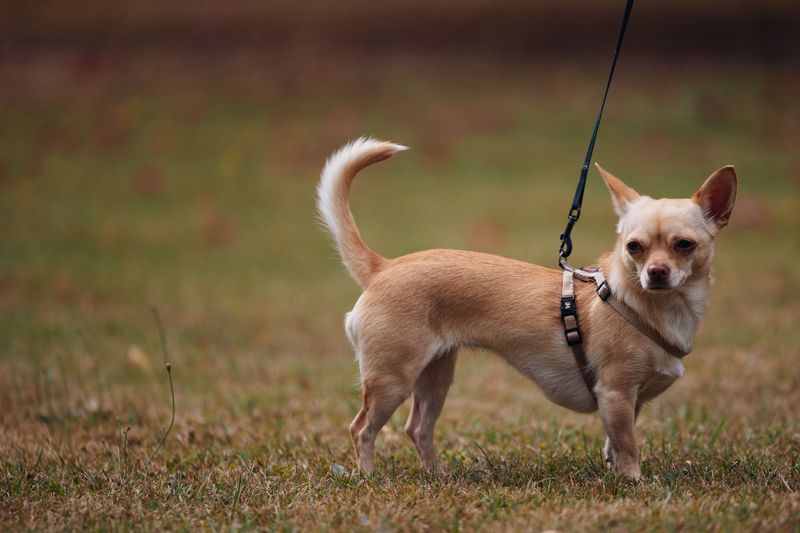
Little dogs benefit from an extra margin of space around wildlife. Coyotes may view small pets as potential prey, making close supervision especially useful.
Keep your companion beside you rather than several steps behind. Never leave a small dog alone outside, even in a familiar yard.
If a coyote approaches, pick up your dog if you can do so safely. Stay upright and face the animal; avoid bending down when it is already very close nearby.
5. Watch The Edges Of Trails
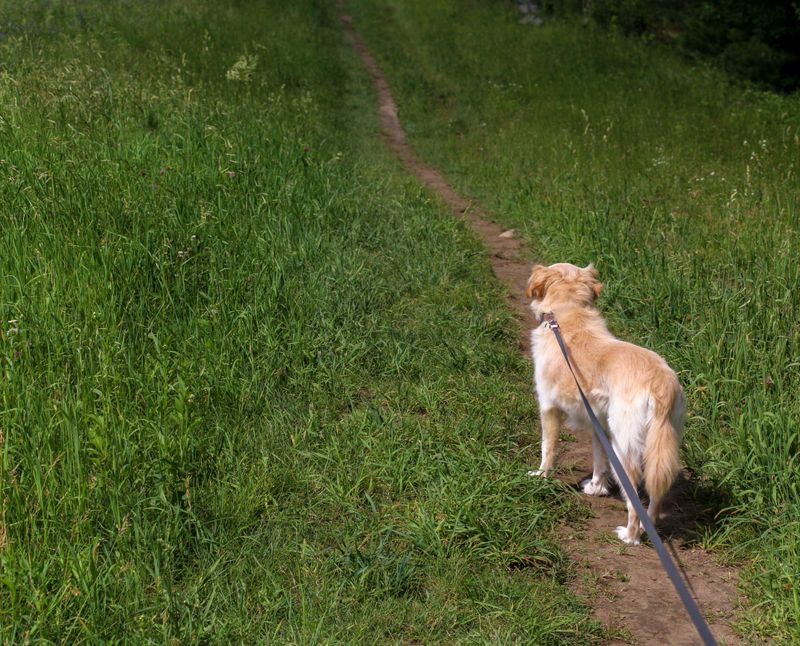
The busiest part of a trail is not always where wildlife appears. Tall grass, drainage channels, and wooded borders can hide animals moving beside you.
Scan ahead at bends, crossings, and narrow sections with limited views. Give your dog less leash when passing places where the trail meets thick cover.
A sudden pause or fixed stare may mean your dog noticed something first. Stop, look carefully, and choose more space instead of following that interest into vegetation.
6. Avoid Letting Dogs Chase Wildlife
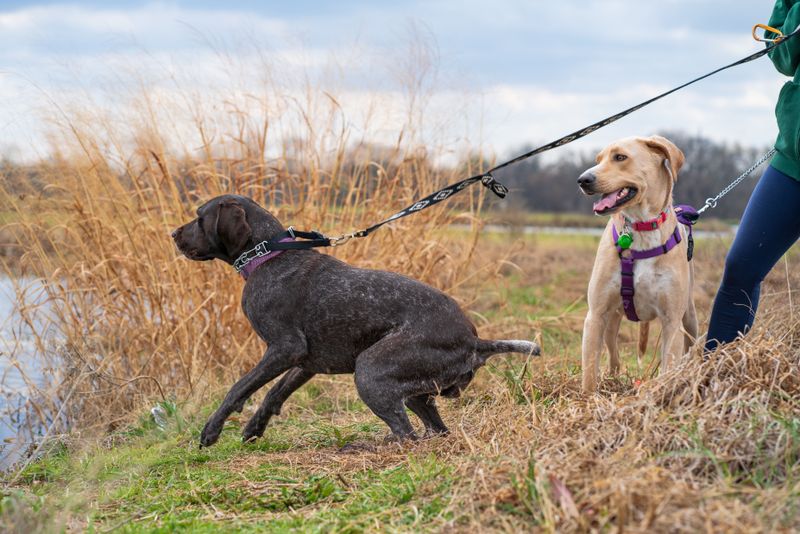
One excited sprint can carry a dog farther than an owner expects. Chasing squirrels, rabbits, or coyotes can lead into unfamiliar cover and unwanted encounters.
Interrupt staring or pulling before your dog starts running. Practice turning away together, then reward attention once you have created distance.
Do not rely on recall alone around wildlife, even with a well trained companion. A leash prevents pursuit while protecting nearby animals and helping other trail users enjoy their walks peacefully.
7. What To Do If You See A Coyote
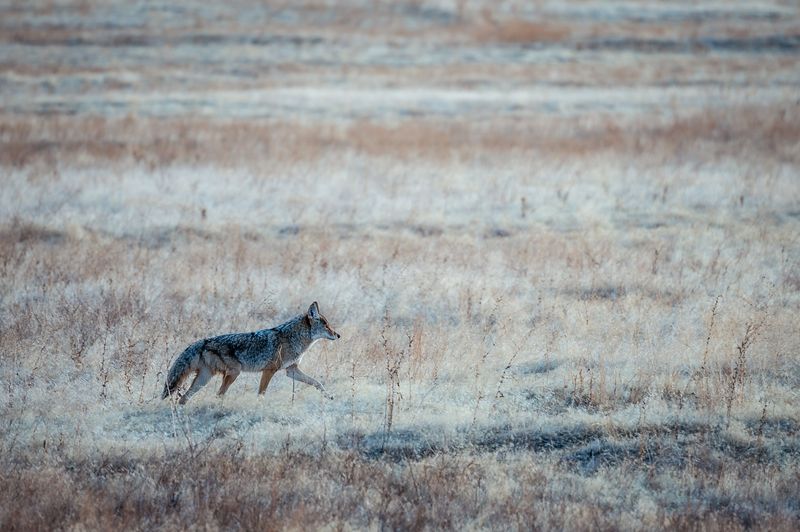
A distant sighting usually calls for space, not a dramatic response. Stop briefly, bring your dog close, and check which direction the coyote is moving.
Allow it an open route away without blocking or following it. Leave calmly if your path would take you closer, keeping the animal in view.
Never run, and avoid stopping nearby for photographs. If the coyote stays distant and continues traveling, simply adjust your route and let the encounter end without interference.
8. If A Coyote Comes Too Close
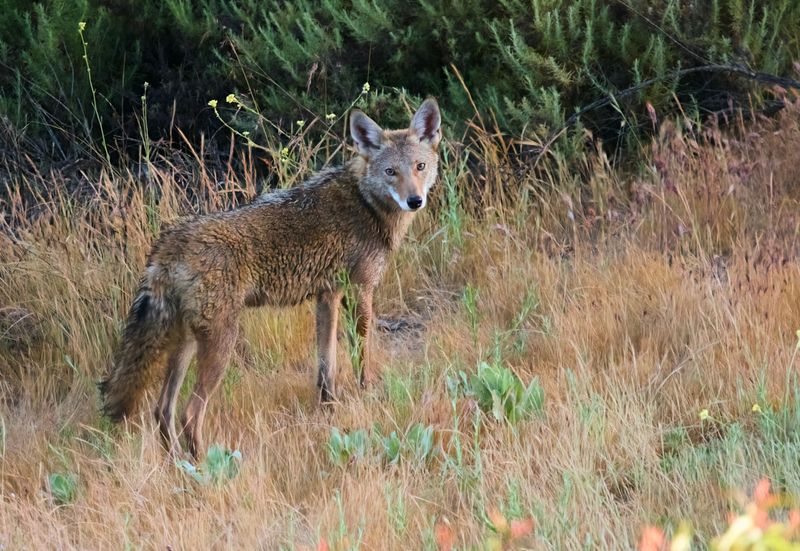
Closing distance deserves a clear, confident response rather than quiet waiting. Face the coyote, stand tall, wave your arms, and shout firmly.
Keep your dog controlled while making yourself noticeable. Such actions, often called hazing, encourage coyotes to keep their distance from people.
Never chase, corner, or approach the animal, especially near possible pups. Back away slowly toward safety if it remains nearby, and contact local animal control about repeated approaches or behavior that concerns you afterward.
9. Never Let Your Dog Approach A Coyote
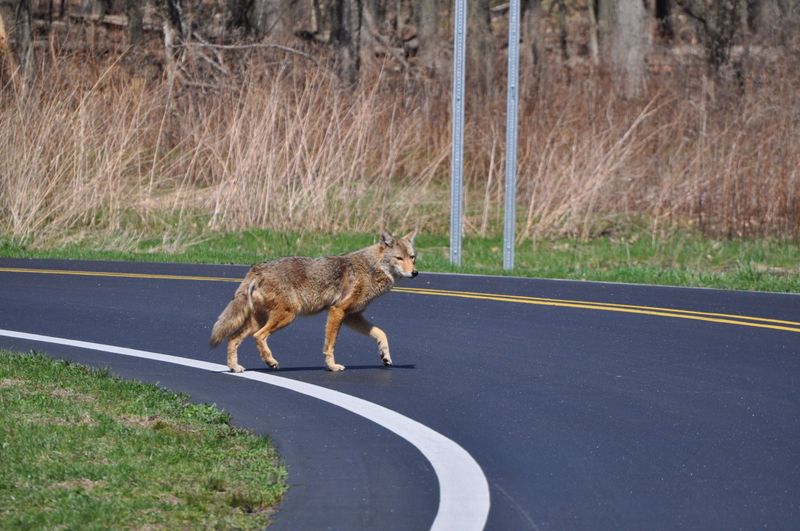
A wagging tail does not make a wild animal a suitable playmate. Coyotes and dogs can react unpredictably when meeting, regardless of your pet’s usual friendliness.
Prevent nose greetings, fence interactions, and attempts to follow a coyote. Larger dogs also need protection because size does not prevent conflict.
Move away before barking or pulling builds into excitement. Treat every coyote as wildlife needing distance, not as a neighborhood dog waiting for an introduction during your daily walk.
10. Carry Simple Deterrents On Walks
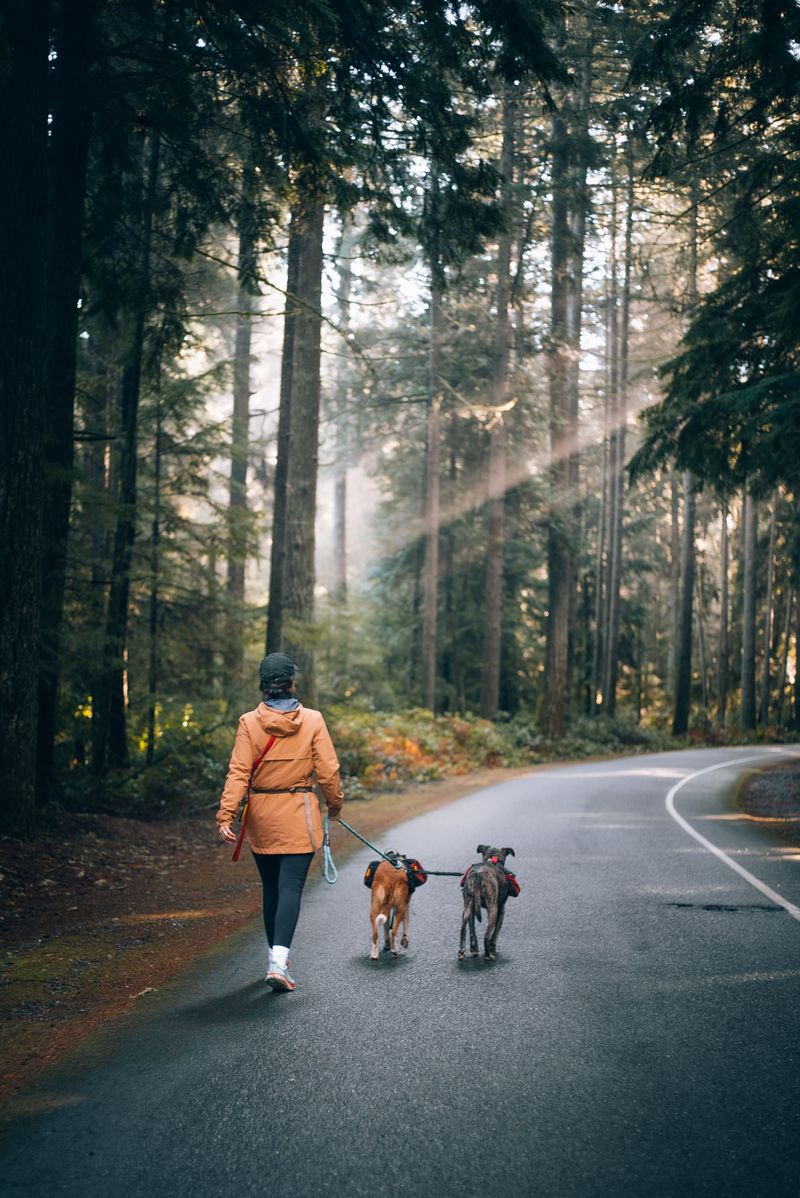
A whistle tucked beside your waste bags can support a confident response. Carry something you can reach quickly, such as a whistle or small noise maker.
A flashlight helps you see the path during darker walks. Keep your phone available for contacting help, but avoid letting it distract you.
No tool guarantees that wildlife will leave immediately. Practice handling your supplies while holding the leash, and prioritize distance, awareness, and a clear route back to safety first.
11. Be Careful Around Brush And Dense Vegetation
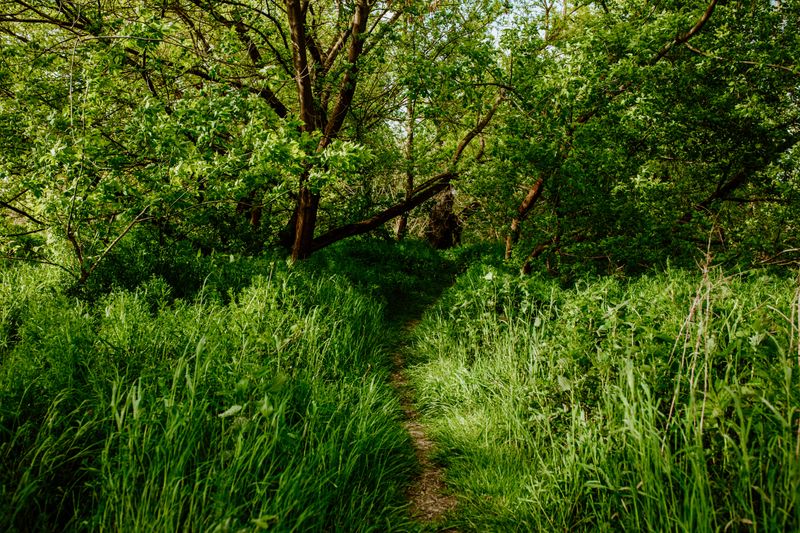
That leafy shortcut may hide more than a muddy patch. Dense shrubs reduce visibility and can provide resting areas for coyotes and other wildlife.
Stay on established paths instead of letting your dog investigate hidden spaces. Avoid reaching into brush or following sounds that suggest animals are nearby.
If a section feels too enclosed, choose a wider route. Report vegetation blocking public paths to the property manager, rather than trimming habitat yourself or entering areas beyond maintained trails.
12. Secure Food And Trash Around Your Home
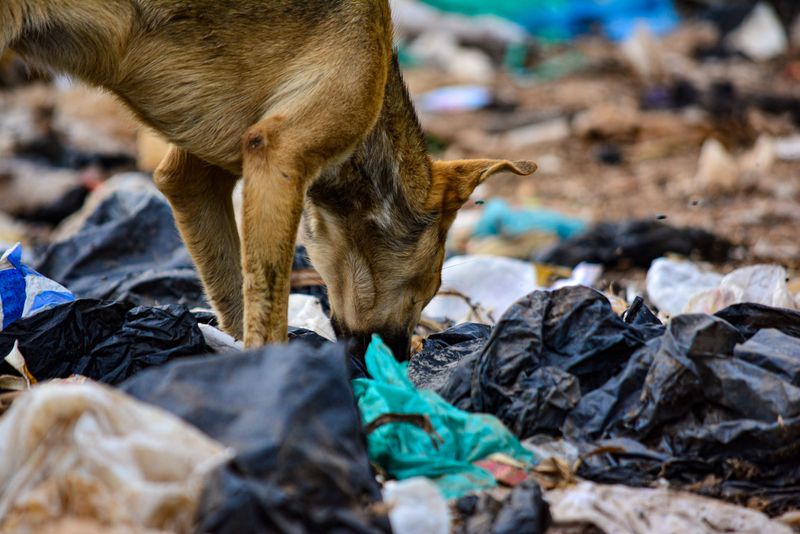
Your backyard habits can shape wildlife activity beyond the fence. Unsecured garbage, outdoor pet meals, and food scraps can encourage coyotes to return.
Use tightly closed trash containers and bring pet food indoors. Clean beneath bird feeders because spilled seed attracts rodents, which can draw coyotes.
Collect fallen fruit and manage compost so food is not easily available. Share these steps with neighbors near the greenway, since one reliable food source can affect several nearby walking routes.
13. Do Not Feed Coyotes
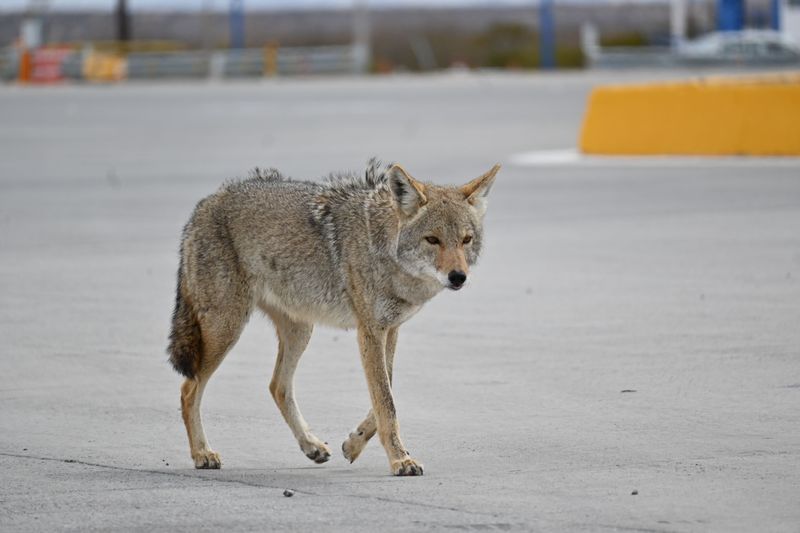
A snack offered with good intentions can create a lasting problem. Feeding coyotes can teach them to connect people with food and approach more readily.
Never leave treats, meat scraps, or pet food along a trail. Pack away picnic leftovers and use secure bins, or carry your waste home.
If someone regularly feeds wildlife nearby, tell the land manager or animal control. Massachusetts does not have a statewide law prohibiting wildlife feeding, although local rules may differ.
14. Know When A Coyote Is Acting Unusually
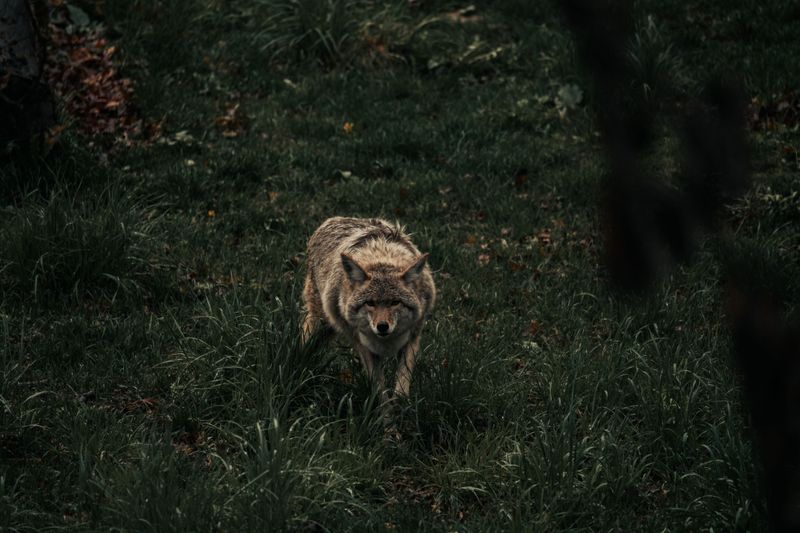
Behavior tells you more than whether the sun is shining. Daytime sightings are not proof of rabies, but repeated approaches deserve attention.
Report staggering, unusual confusion, or an animal that will not retreat from people. Keep away and call local animal control; never attempt to handle wildlife yourself.
After any bite or concerning contact, contact your veterinarian promptly. People with possible exposure should also seek medical advice, even when an injury seems minor or is not visible.
15. Protect Dogs In Shared Green Spaces
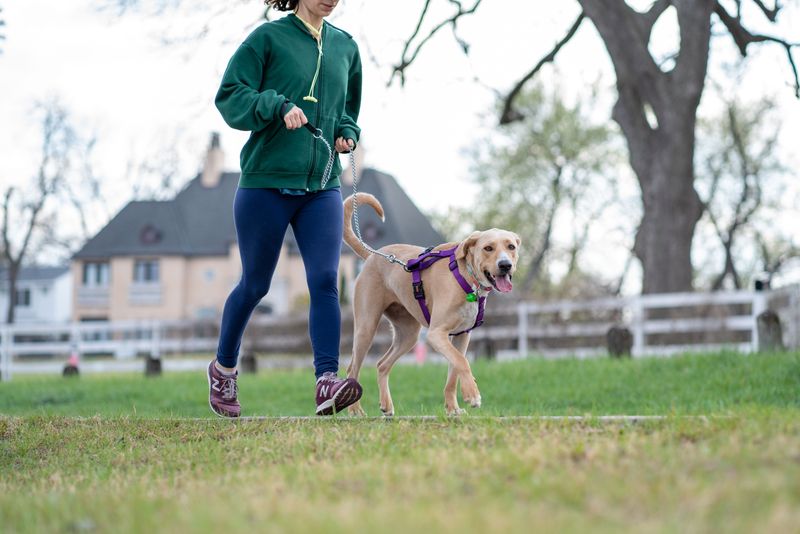
Shared lawns work best when everyone follows the same safety basics. Watch your dog closely in parks, community gardens, and greenway access areas.
Pick up waste and remove leftover treats after training sessions. Follow posted leash requirements, which may differ between neighboring properties or seasonal uses.
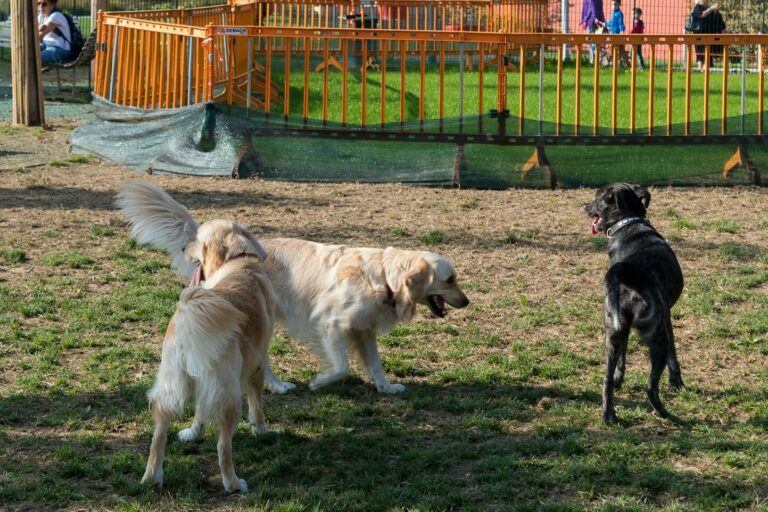
Check fenced exercise areas before releasing your dog, and stay nearby throughout play. Fencing does not guarantee wildlife stays outside, so leave calmly if a coyote appears near the enclosure or entrance.
16. Pay Attention During Breeding And Pup-Rearing Seasons
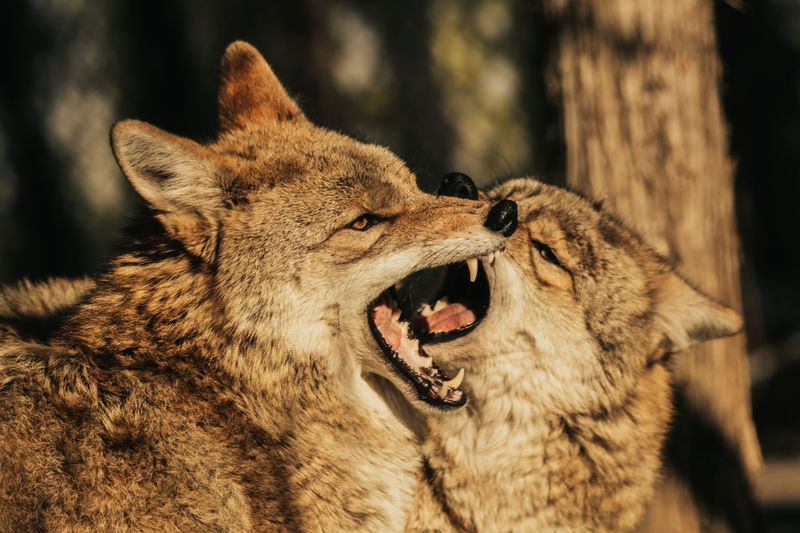
Seasonal changes can affect how coyotes respond to nearby dogs. Massachusetts breeding generally occurs in winter, with pups usually born during spring.
Adults may be more protective around den areas while raising young. Give extra room if a coyote watches closely or follows as you pass.
Do not search for dens or approach pups, even for a photograph. Leave the area with your dog and consider another route until local wildlife activity settles, following guidance from local officials.
17. Check For Local Coyote Reports
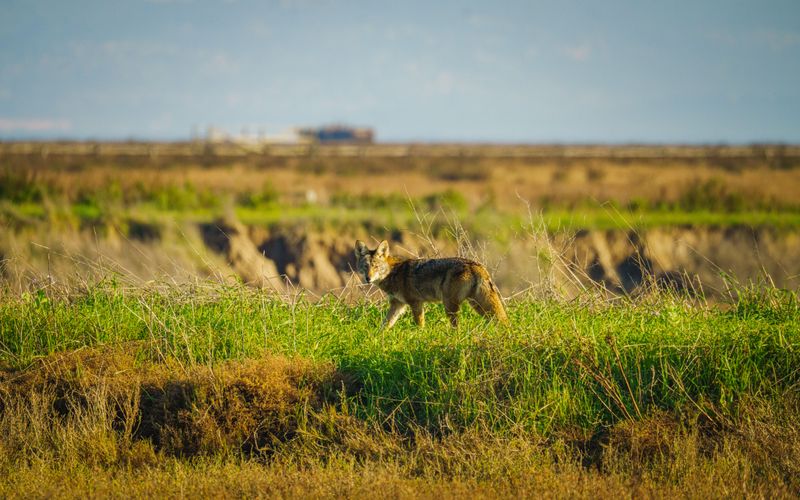
Good local information beats a frightening post without a date. Check municipal notices, park updates, and animal control messages before changing your routine.
MassWildlife offers statewide guidance, while local officials can explain concerns around specific trails. Ask whether a report involves ordinary travel or repeated close approaches.
When sharing sightings, include the location, time, and observed behavior. Avoid guessing about illness or exaggerating what happened, so neighbors receive useful information and officials can assess patterns more accurately over time.
18. Teach Your Dog To Stay Beside You
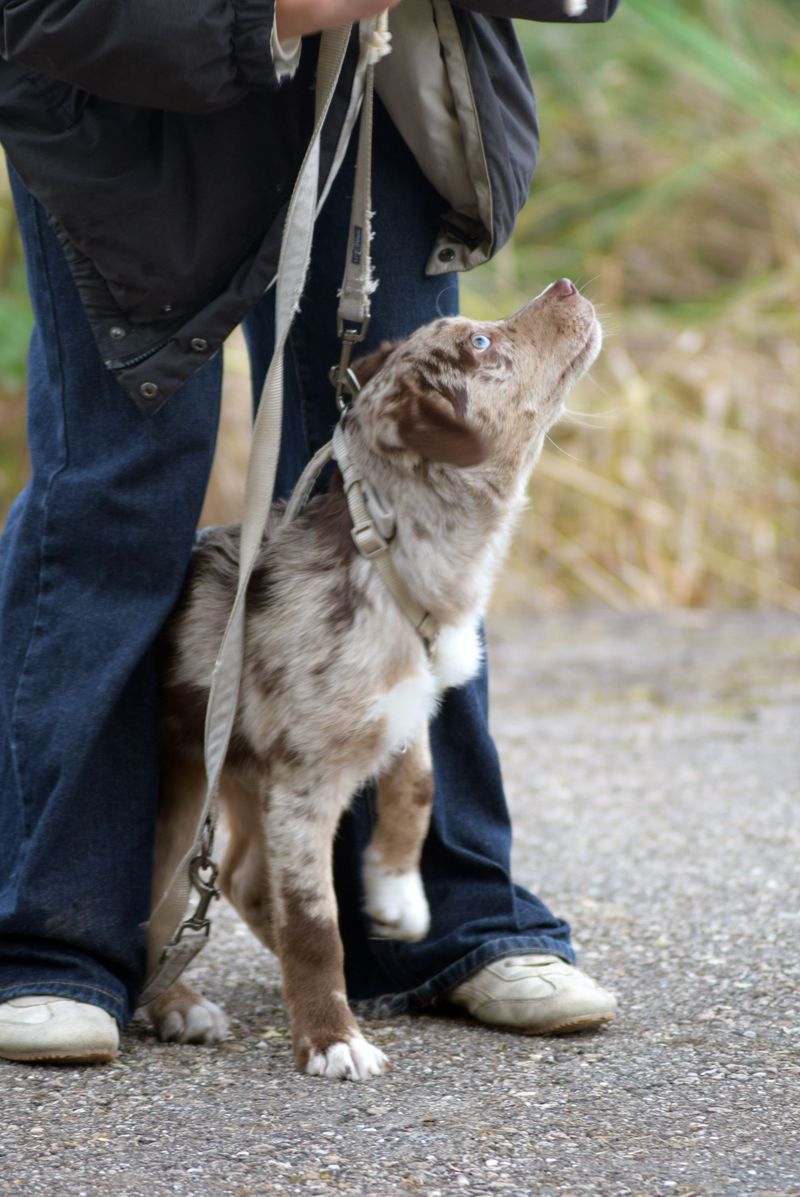
A practiced turn can make an unexpected sighting much easier. Teach a beside cue and reward your dog for checking in during ordinary walks.
Start somewhere quiet, then add distractions gradually while keeping the leash attached. Practice leaving tempting smells and turning around without pulling or rushing.
Training supports safety but never replaces supervision around wildlife. Keep your plan simple: stay connected, allow space, and leave calmly when needed.
Prepared owners and attentive dogs can enjoy Massachusetts greenways confidently.