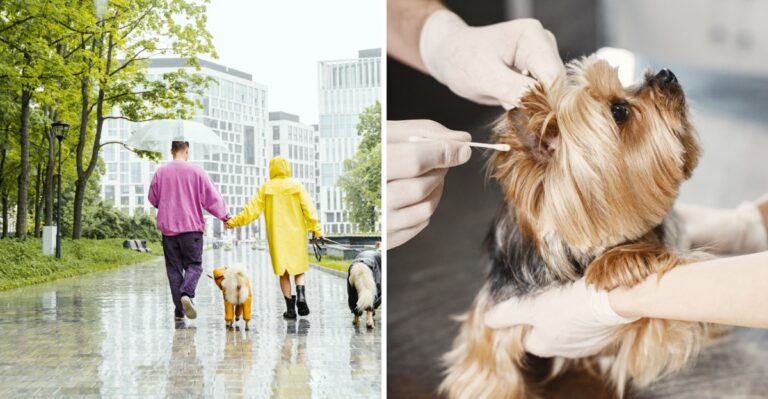
What Tennessee Law Says When One Dog Injures Another
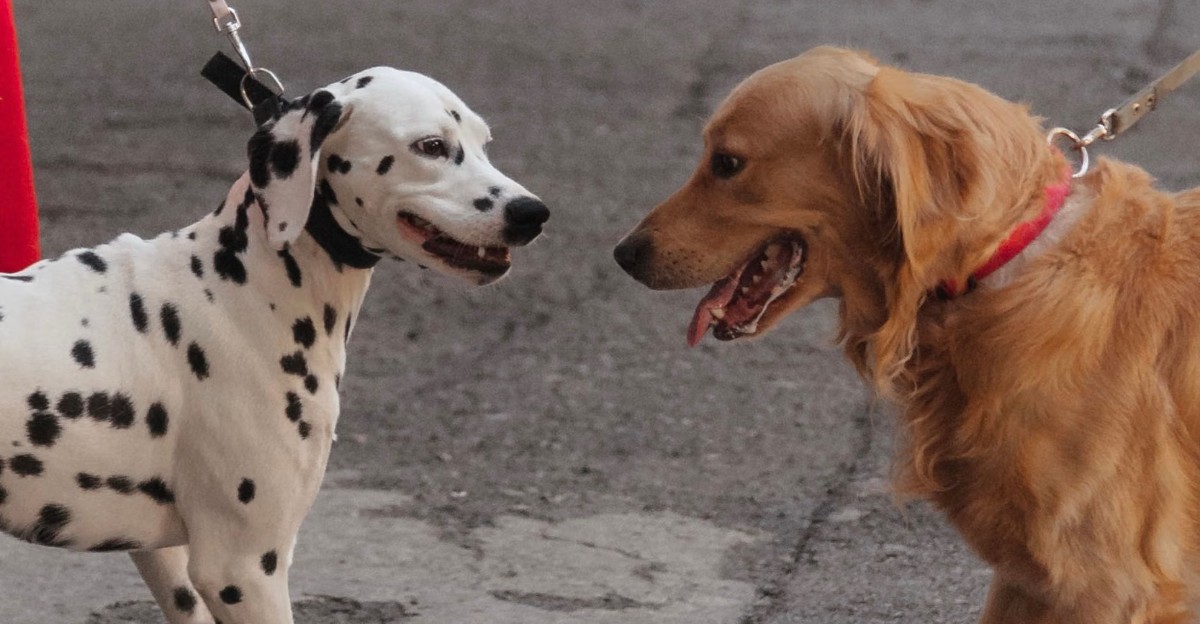
When another dog injures yours, getting veterinary care comes first, but questions about responsibility often follow. Tennessee law treats injuries to pets differently from injuries to people, which can make the next steps confusing.
You deserve clear answers about bills, evidence, insurance, and deadlines without extra worry. Here is what local dog owners should understand before discussing payment or deciding whether to seek legal help.
1. Tennessee Law on Dog-on-Dog Injuries
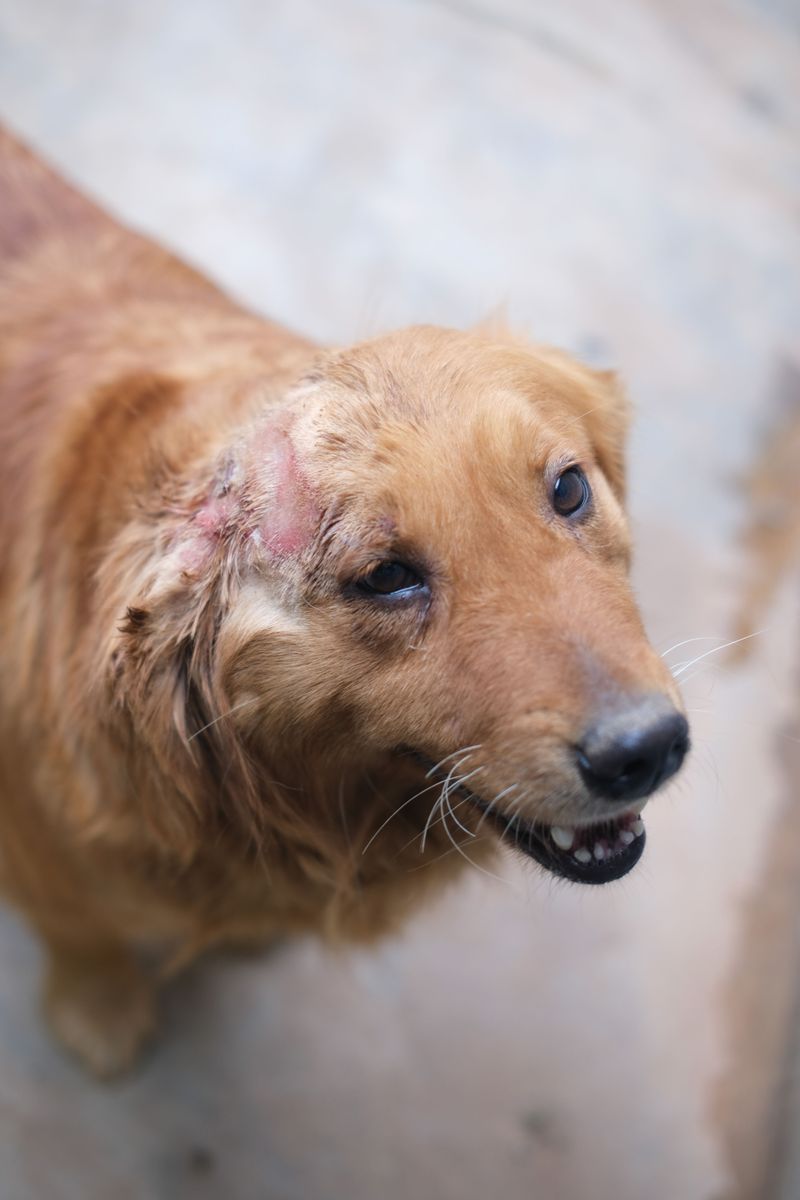
A pet injury brings legal questions that differ from a person’s injury claim. Tennessee generally treats dogs as personal property when deciding financial damages.
Claims involving another dog’s actions often rely on negligence or rules about known dangerous behavior.
That means proving responsibility matters, not simply showing that an injury happened. Keep records showing what occurred and what treatment cost.
Ask a Tennessee attorney which legal theory fits your particular facts before assuming payment is automatic.
2. When a Dog Owner May Be Legally Responsible
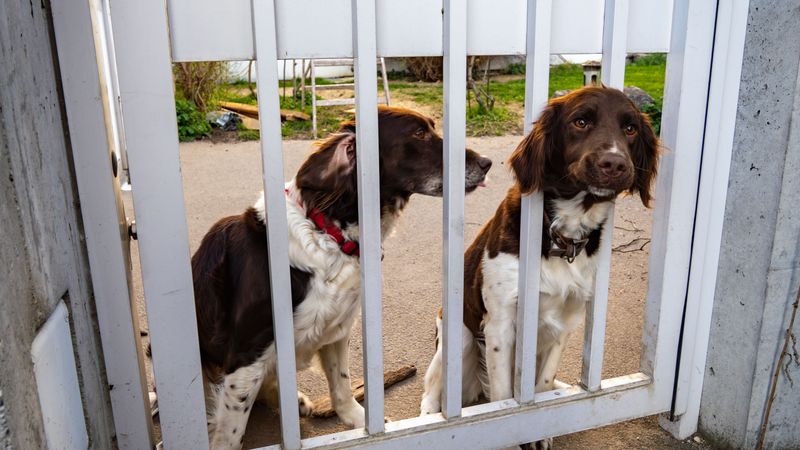
An open gate can become a key detail in a responsibility dispute. An owner may face liability for failing to use reasonable care to prevent foreseeable harm.
Evidence might include ignored fencing problems, careless handling, or known threatening behavior.
You generally need to connect that failure to your dog’s injury and financial losses. Ownership alone does not settle every case.
Write down the specific actions or missed precautions involved, rather than relying only on broad accusations.
3. Tennessee’s Dog-Bite Law and Injuries to Other Dogs

The familiar dog-bite rule is not a shortcut for every pet claim. Tennessee Code section 44-8-413 addresses an owner’s control duties and liability for injuries to people.
Its location rules and exceptions should not automatically be transferred to injuries involving another dog.
A pet claim requires separate analysis of the applicable legal grounds. If you were also injured, tell your attorney.
Your personal injury claim may involve different rules and deadlines than your dog’s property claim.
4. Why a Dog Running Loose Can Matter

A loose dog changes the evidence, even when it does not settle liability. Tennessee has statewide rules addressing dogs running at large, alongside local animal control requirements.
An escape may support a negligence claim, depending on the circumstances.
Photograph the location safely and note whether any owner was nearby. Record open gates, damaged fencing, or missing restraints without entering someone else’s property.
Local officials can explain which rule applies and whether the reported conduct violated it.
5. What Happens When a Dog Attacks on a Walk
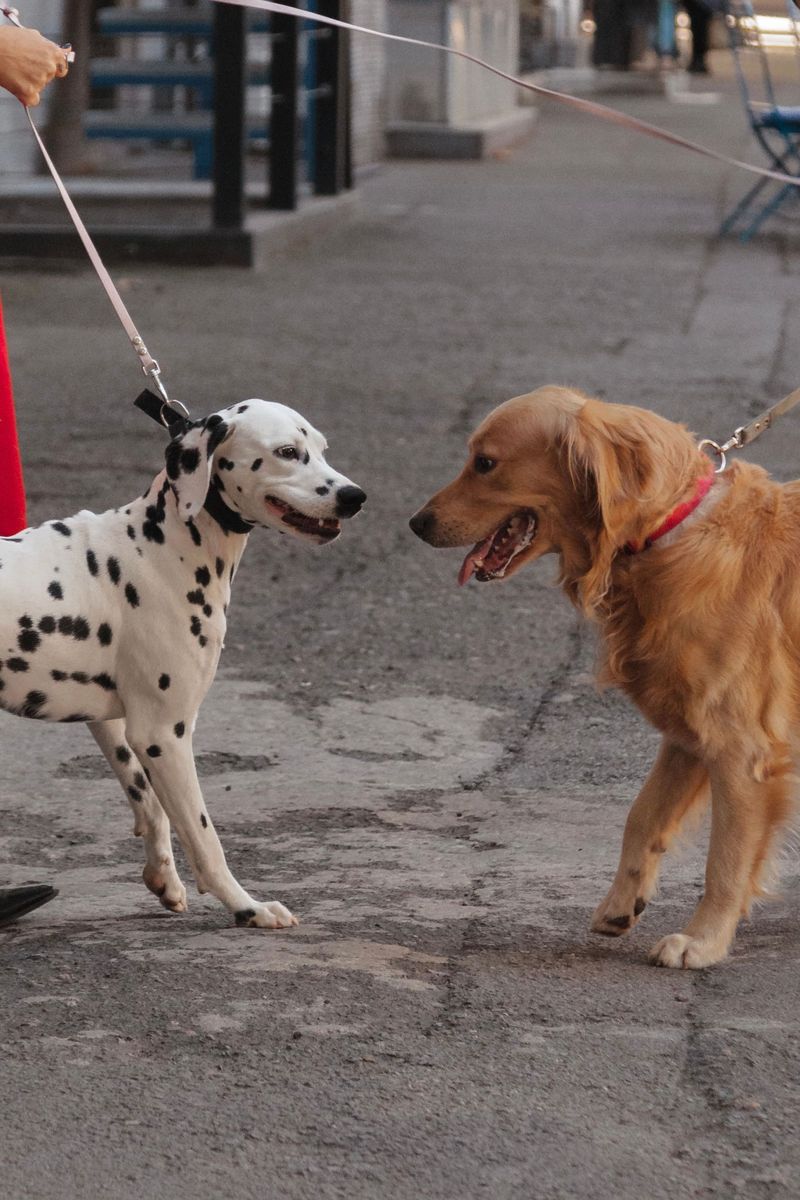
Your usual walking route can suddenly become the setting for an insurance claim. Move to safety first, and avoid reaching between dogs during an active confrontation.
Contact a veterinarian promptly for guidance about your dog’s condition.
Once safe, collect the other owner’s contact details and identify witnesses. Note whether each dog was leashed and where the encounter began.
Sidewalks, parks, and shared apartment grounds can have different rules, so record the exact location for later review.
6. Does a History of Aggression Affect the Case?
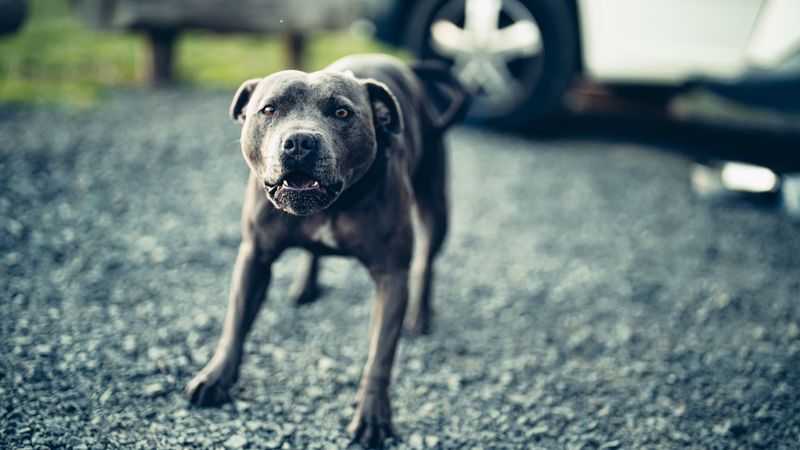
Earlier warnings can help explain what an owner reasonably should have anticipated. Prior incidents, complaints, or threatening behavior may support a claim involving known dangerous tendencies.
A previous bite is not necessarily the only way to establish knowledge.
Seek dated reports and reliable witness accounts rather than neighborhood rumors. A warning sign alone does not prove every element of liability.
Let an attorney assess how the history connects to this incident and the owner’s choices beforehand.
7. What If the Injured Dog Was on Its Own Property?
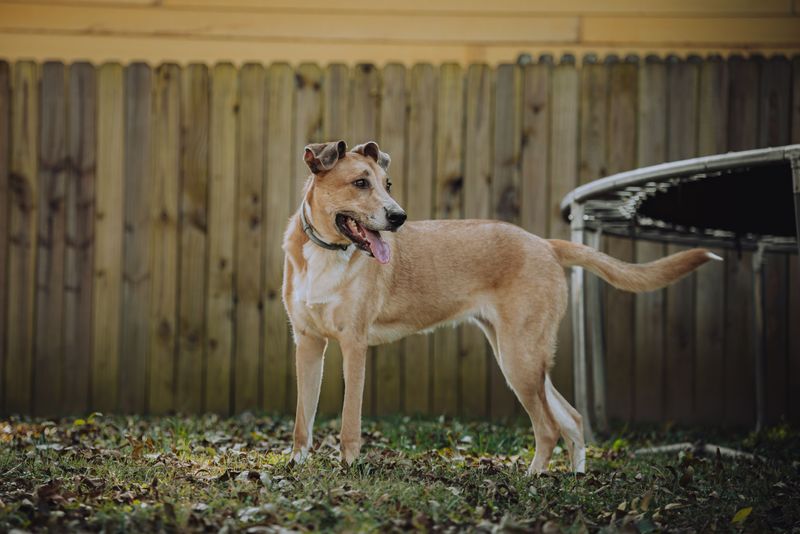
A dog entering your yard creates a different story from a shared sidewalk encounter. Your dog’s location can help show that you were using reasonable precautions.
However, the property boundary alone does not guarantee a successful claim.
Save camera footage showing how the other dog entered. Photograph gates, fences, and the area where contact occurred.
If the incident happened at the other owner’s home, ask counsel about applicable rules instead of assuming human dog-bite exceptions govern.
8. Can an Owner Be Responsible If Their Dog Was Provoked?
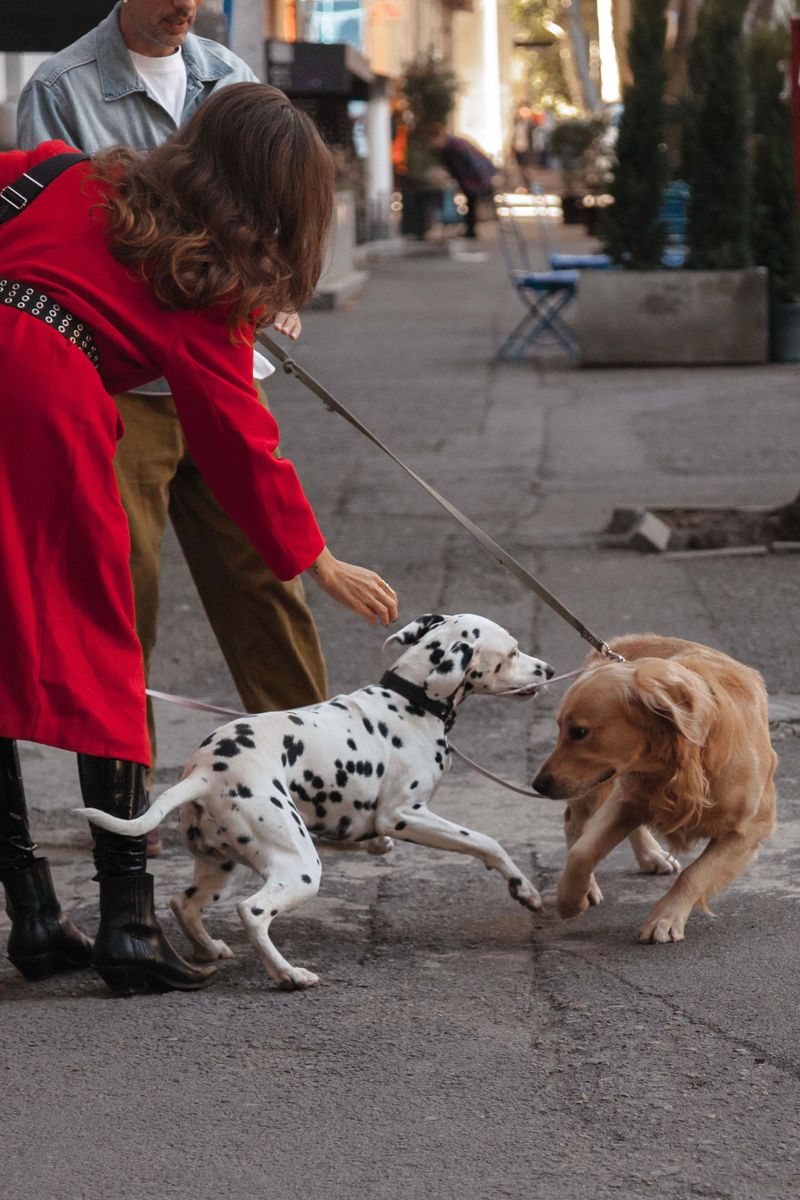
Provocation is a fact to examine, not a magic word that ends responsibility. The circumstances leading to the encounter may affect negligence, causation, and shared fault.
Tennessee’s statutory provocation exception for human injuries should not automatically decide a pet claim.
Describe observable actions, including handling, crowding, or interference, without guessing what either dog intended. Witnesses and video can clarify disputed accounts.
An owner may still face responsibility depending on the evidence and the legal theory involved.
9. Who Pays the Injured Dog’s Veterinary Bills?
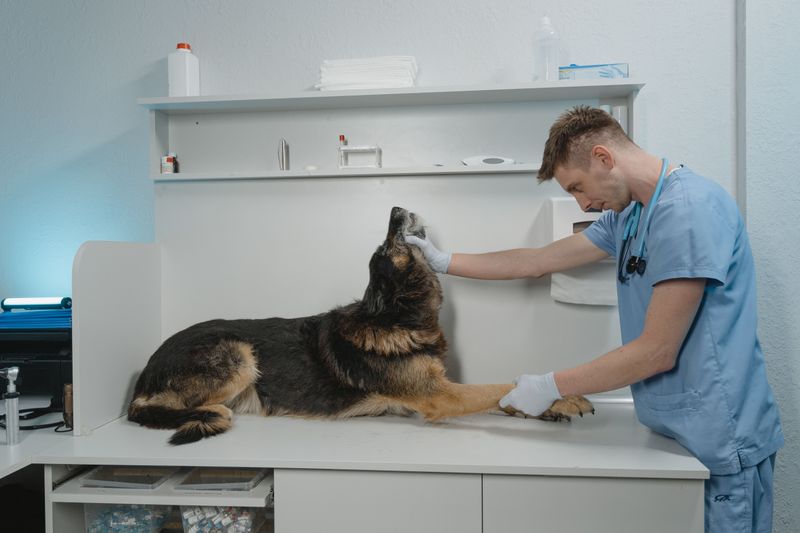
The clinic usually expects payment from whoever authorizes treatment, regardless of a later liability dispute. You can seek reimbursement from a responsible owner or insurer, but recovery is not guaranteed.
Reasonable treatment expenses must be supported and linked to the incident.
Request itemized bills, medical notes, and receipts for prescribed supplies. Keep unrelated expenses separate to make your request easier to evaluate.
Ask counsel how Tennessee’s property damage rules affect recoverable amounts before accepting a final settlement.
10. What If the Injured Dog Needs Emergency Surgery?
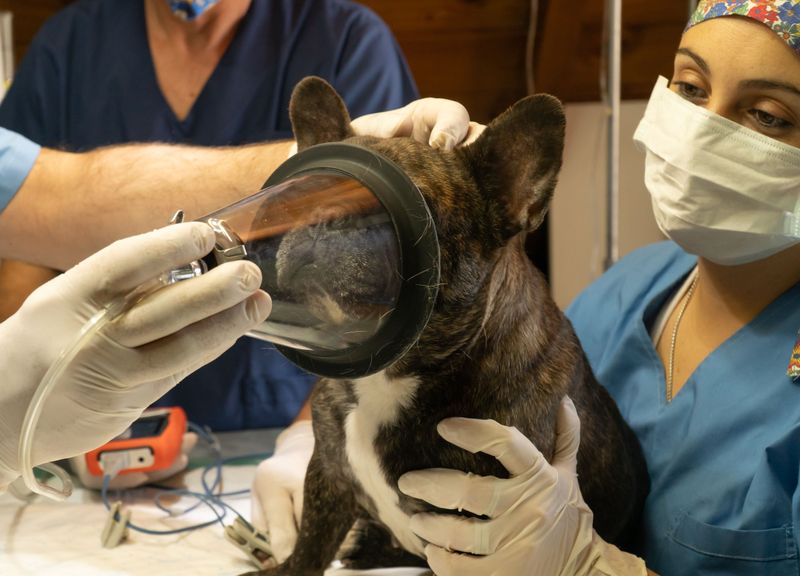
Urgent treatment should not wait for the other owner to agree about payment. Follow veterinary advice and ask for a written estimate when circumstances allow.
Have the veterinarian explain why surgery is needed and which injuries prompted it.
Save discharge instructions, follow-up plans, and every receipt. Necessary surgery costs may form part of a damages claim, subject to legal limits and proof.
Avoid signing a broad release before understanding future care needs and discussing reimbursement options.
11. Compensation After the Loss of a Dog
Losing a companion raises questions that go beyond an unpaid veterinary bill. Tennessee permits property damage claims, with valuation and related expenses depending on the facts.
Ordinary grief damages are not automatically available in every pet case.
Tennessee Code section 44-17-403 permits up to $5,000 in noneconomic damages in certain cases where a pet is fatally injured by another person’s unlawful intentional or negligent act, or by another person’s animal. For negligent conduct, the incident must occur on the pet owner’s or caretaker’s property, or while the pet is under their control and supervision.
Other statutory conditions apply. Ask counsel whether your circumstances qualify rather than relying on promises of emotional compensation.
12. What Evidence Should You Collect After a Dog Attack?
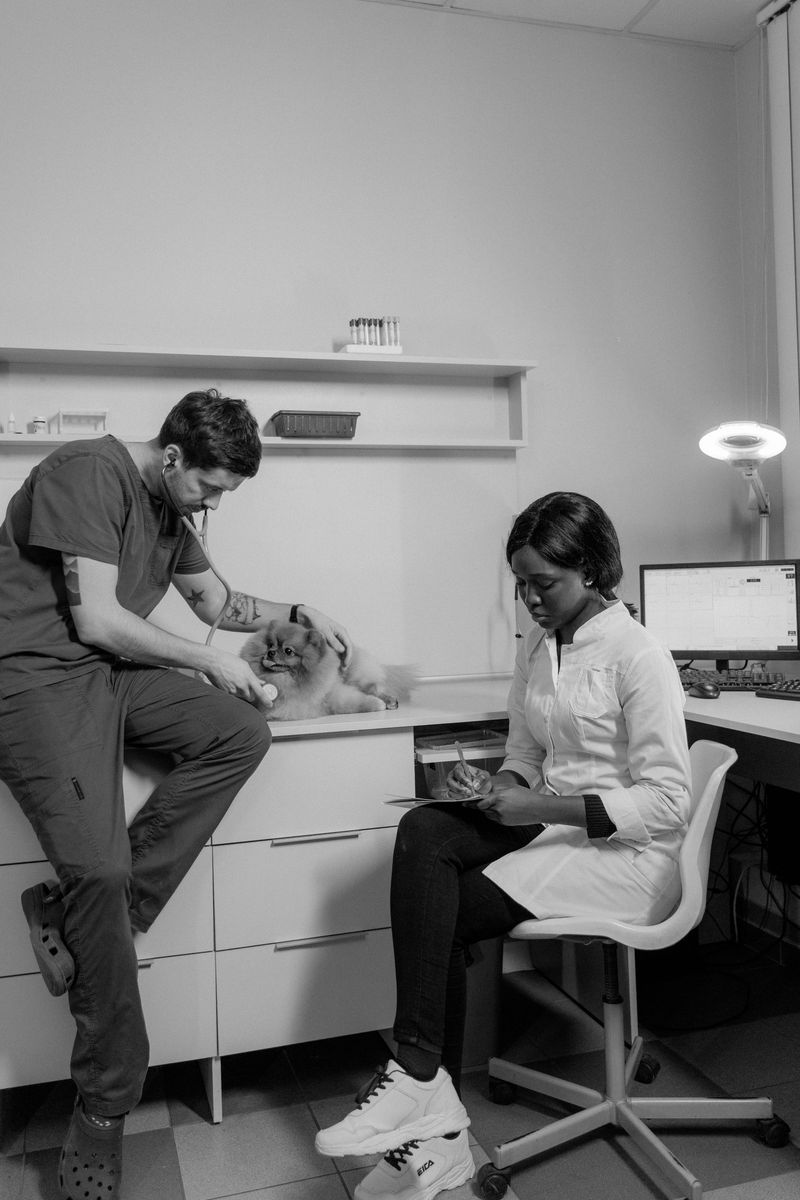
Small details become harder to remember after a busy veterinary visit. Write a timeline while events are fresh, including the date, location, and each owner’s actions.
Gather contact information from witnesses who actually saw what happened.
Preserve original photographs, messages, video files, and medical records. Request nearby camera footage quickly because systems may overwrite recordings.
Avoid posting accusations online or editing evidence. A clear, factual folder helps an insurer or attorney understand the incident more efficiently.
13. Should You Report the Incident to Animal Control?
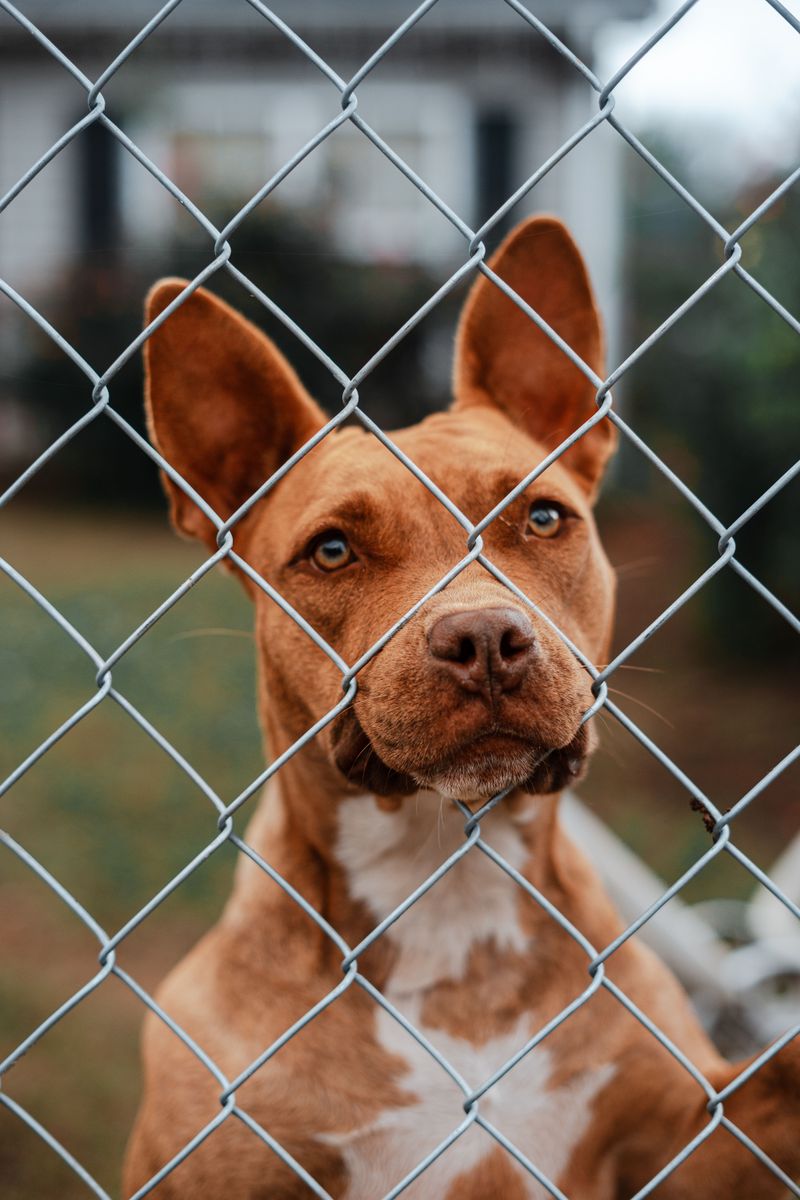
An official report can create a useful record and help address continuing safety concerns. Contact the animal control agency serving the place where the incident happened.
Some communities use local law enforcement instead, and reporting requirements vary.
Provide accurate details and ask for a report number. Officials may review vaccination records, local violations, or other safety requirements.
Their investigation does not automatically award veterinary reimbursement. A civil claim or insurance request usually remains a separate process.
14. How Do Local Leash Laws Affect Responsibility?
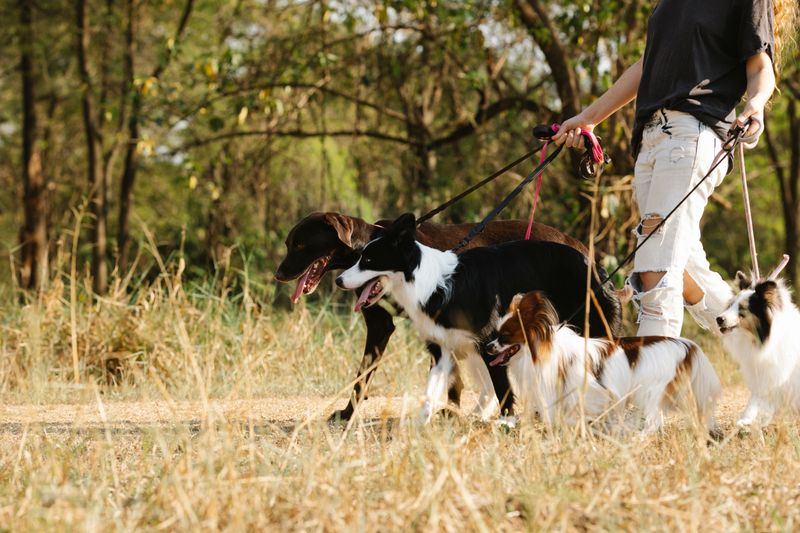
Rules can change when your walk crosses a city boundary or enters a park. Tennessee communities may set specific leash, restraint, and containment requirements.
Check the official ordinance for the exact location rather than assuming one statewide leash rule applies.
A violation may support negligence arguments, but its legal effect depends on the rule and circumstances. Save the ordinance text and any official citation.
Following leash rules yourself also helps document the precautions you took that day.
15. What If Both Dogs Contributed to the Fight?
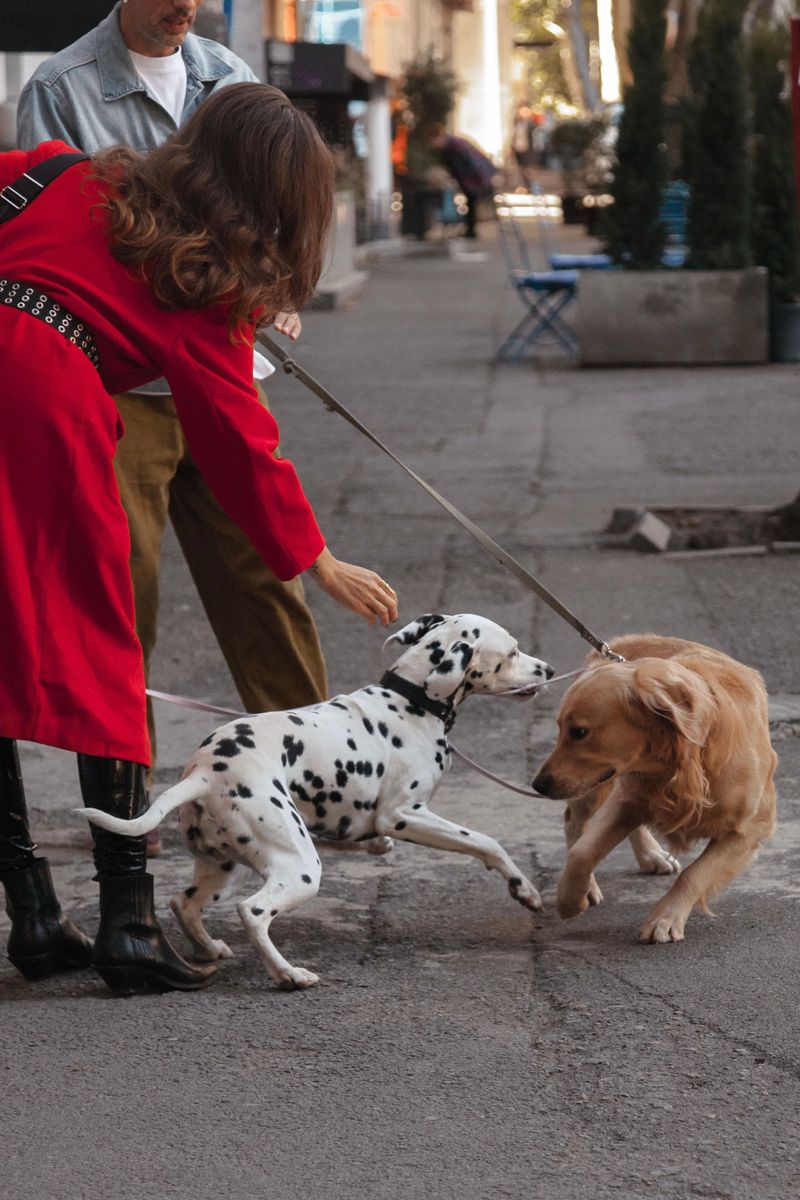
Responsibility sometimes belongs to more than one person, even when only one dog needs treatment. Tennessee generally uses modified comparative fault in negligence cases.
A claimant must be less than 50 percent at fault to recover damages.
Any award is reduced by the claimant’s assigned share of fault. Courts examine people’s conduct rather than assigning legal blame to dogs themselves.
Leash handling, ignored warnings, and other choices may matter. Give your attorney the complete account, including uncomfortable details.
16. Does Homeowners or Renters Insurance Cover Dog Injuries?
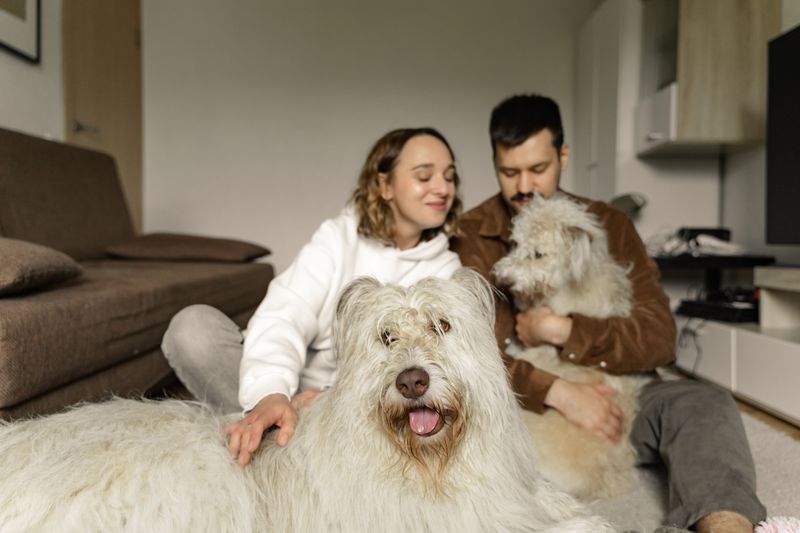
A liability policy may help, but coverage depends on its actual wording. The responsible owner’s homeowners or renters insurance might cover a claim involving your dog.
Exclusions, animal restrictions, and coverage limits can affect the answer.
Your own liability coverage generally protects against claims by others, not routine treatment for your pet. Separate pet insurance may help under its terms.
Notify relevant insurers promptly, request written coverage decisions, and review any settlement release carefully before signing it.
17. How Long Do You Have to Make a Claim?

The deadline for your dog’s claim is not necessarily the human injury deadline. Tennessee generally allows three years for injury to personal property under Code section 28-3-105.
Personal injury claims generally have a one-year limit, subject to exceptions.
Different claims and unusual circumstances can change the analysis. Insurance notice requirements may also demand earlier action.
Settlement discussions usually do not stop the lawsuit clock. Have an attorney confirm your filing deadline promptly instead of waiting for negotiations.
18. When Should You Speak With a Tennessee Attorney?

Legal guidance is especially useful when bills grow or the other owner disputes responsibility. Bring your records, photographs, insurance letters, and a timeline to the first meeting.
Ask about likely costs, available damages, and whether a smaller court claim makes sense.
An attorney can separate your dog’s claim from any injury you suffered. This article provides general information, not advice for your case.
Care first, document clearly, and confirm your rights. Prepared owners can move forward confidently.