What Virginia Dog Owners Should Know About Coyotes Near Suburban Trails
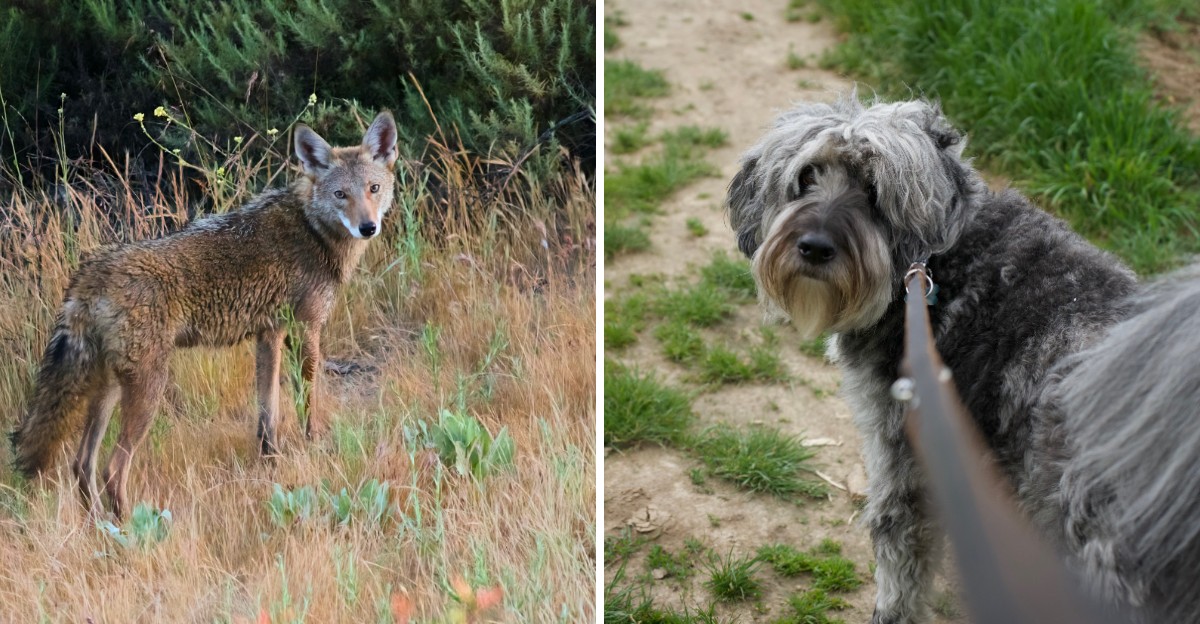
A coyote sighting near your favorite Virginia trail can leave you wondering whether tomorrow’s dog walk needs a different plan. Coyotes share many suburban green spaces, but a little preparation helps you enjoy those paths with confidence.
Knowing what attracts them, how to give them space, and when to seek help makes everyday walks easier. You and your dog can keep exploring while respecting the wildlife nearby.
1. Why Suburban Trails Appeal to Coyotes
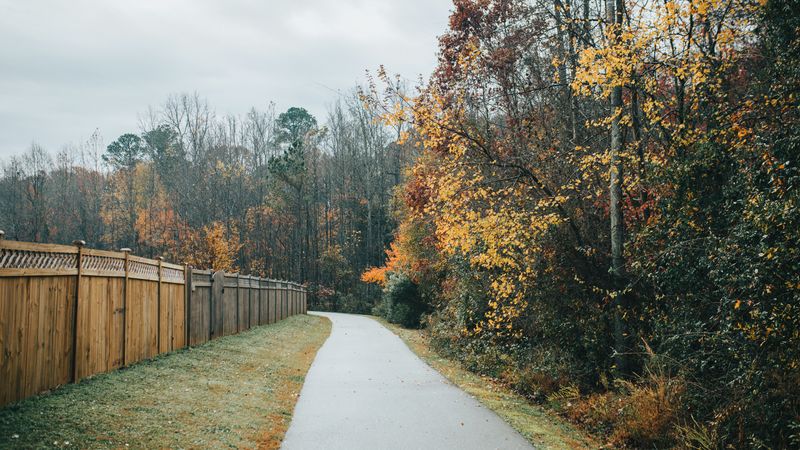
A wooded path can connect everything a coyote needs: shelter, water, and food. Virginia’s suburban green spaces often link forests, streams, parks, and neighborhoods.
Coyotes use these routes while searching for rodents, fruit, and other meals.
Seeing one does not automatically mean local numbers have suddenly increased. Development can also make existing wildlife easier to notice.
Keep your dog close near brushy edges, and remember that shared habitat calls for awareness, not abandoning your favorite walks.
2. Places You Might Cross Paths in Virginia
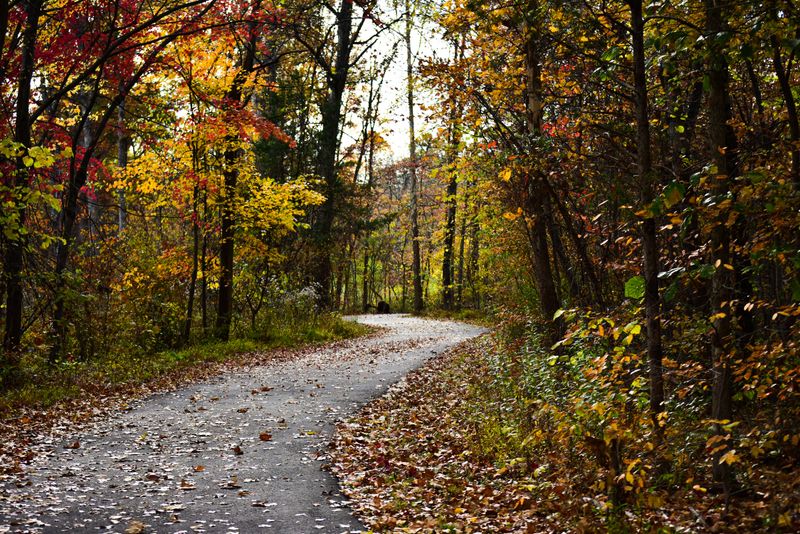
From Northern Virginia greenways to suburban paths near Richmond, coyotes can use many kinds of landscapes. They occur throughout Virginia, including areas near towns and cities.
Stream corridors, wooded park borders, and overgrown fields can offer convenient travel routes.
Do not assume a busy neighborhood trail is wildlife free. Check park notices before unfamiliar outings, and ask staff about recent concerns.
Choose another route when signs or temporary closures direct visitors away from sensitive wildlife areas.
3. Dawn and Dusk Deserve Extra Attention
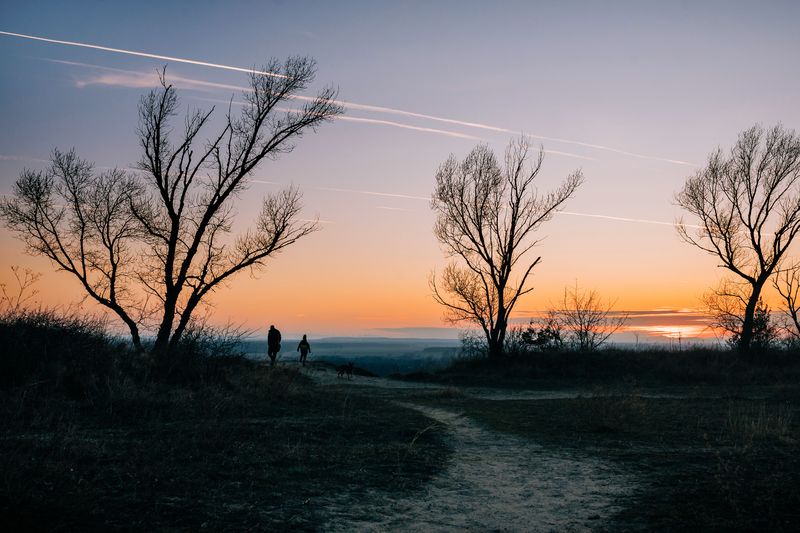
Early walks feel peaceful, but lower light can make wildlife harder to spot. Coyotes often move around dawn, dusk, and overnight, especially where daytime activity is busy.
However, seeing one during daylight does not by itself indicate illness.
If your schedule allows, choose brighter hours for paths with thick vegetation. Otherwise, carry a light and watch the trail edges.
Keep headphones low enough to hear movement, and avoid letting your dog explore beyond your clear view.
4. Recognize a Coyote Without Moving Closer
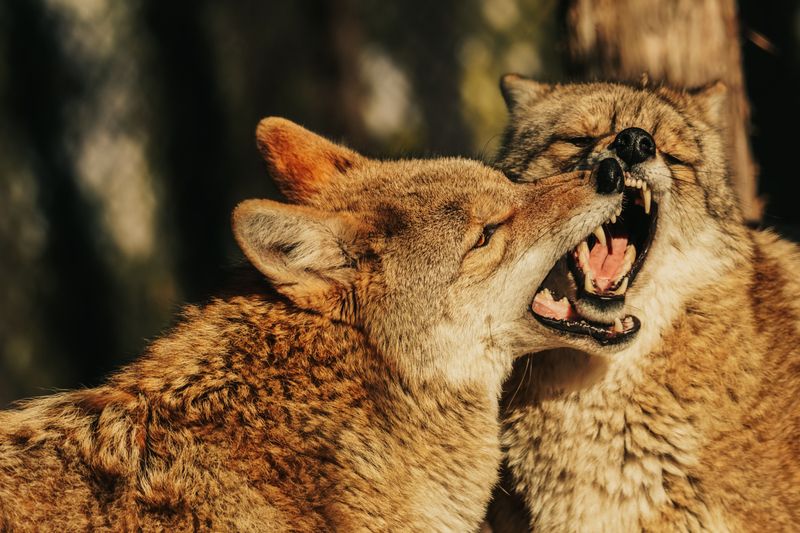
Pointed ears, a narrow muzzle, and a bushy tail offer useful clues. Coyotes commonly have grayish or brownish coats, sometimes with reddish coloring.
Their tails usually hang low when they travel, unlike some dogs’ curled or raised tails.
Size alone is unreliable, especially from a distance or through brush. Foxes and loose dogs can also cause confusion.
Observe from where you are, shorten your dog’s leash, and leave identification photos for moments that do not reduce safety.
5. A Short Leash Gives You Better Control
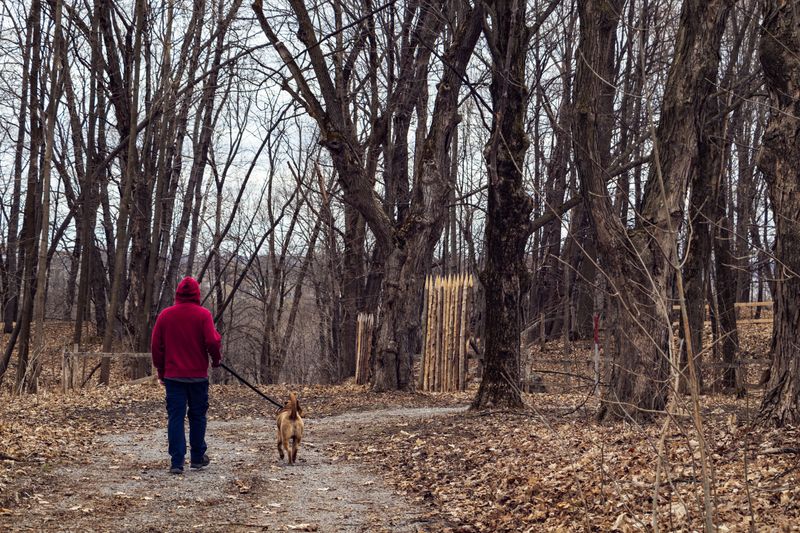
A few feet of leash can prevent a much bigger problem. Use a sturdy leash that keeps your dog beside you near wildlife habitat.
Avoid allowing a retractable line to extend into shrubs or around blind bends.
Practice turning around together before you need that skill outdoors. A comfortable harness or secure collar should fit correctly and resist slipping.
Follow posted leash limits, which can vary by property, and never treat an empty trail as permission for roaming.
6. Give a Distant Coyote Room to Leave
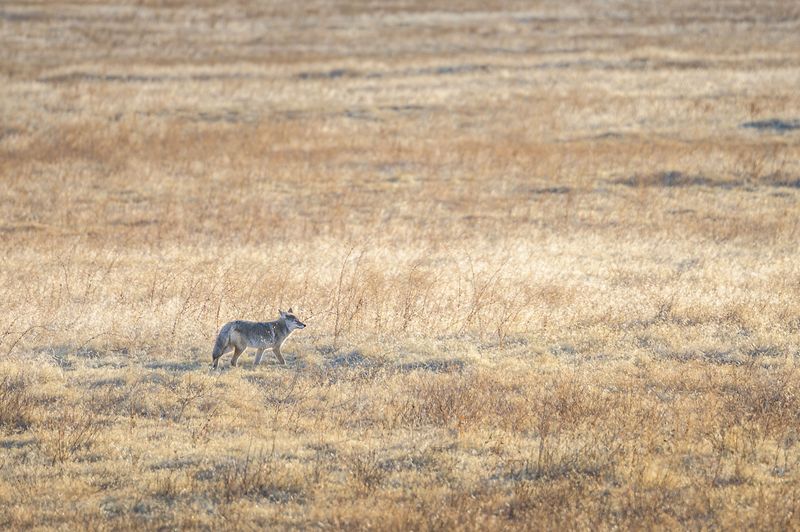
Spotting a coyote across a field usually calls for space, not a confrontation. Stop your dog from moving toward it, and keep the leash secure.
Let the animal travel away without blocking its route or following for photographs.
If your path would bring you closer, turn around or take a wide detour. Stay calm and avoid running, which may encourage pursuit.
Watch until you have comfortable distance, then continue only where the trail remains clear ahead of you.
7. Respond Firmly When One Approaches
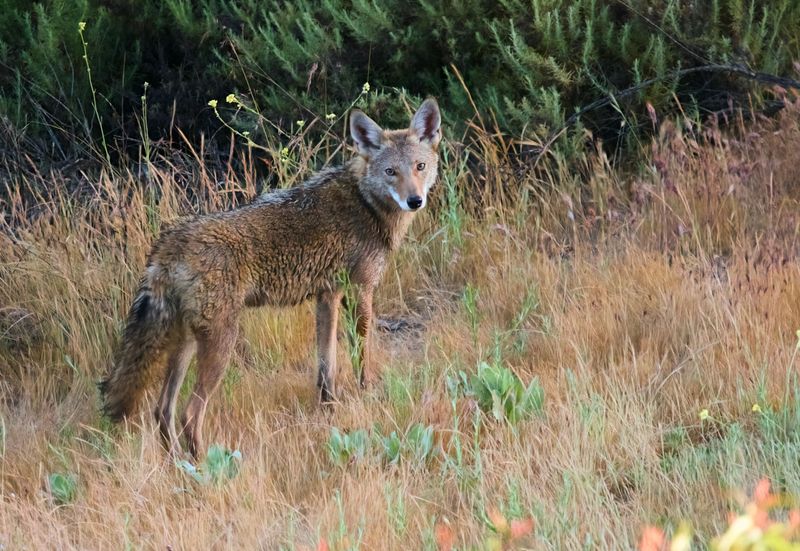
An approaching coyote needs a different response than one passing far away. Face it, stand tall, and keep your dog close beside you.
Speak firmly, wave your arms, and make noise to discourage further approach.
Back away slowly toward an open area without running or turning your back. Never corner the animal or move closer to test its reaction.
If it continues approaching, seek shelter when possible and contact animal control once you reach a safe place.
8. Chasing Wildlife Is Never a Safe Game
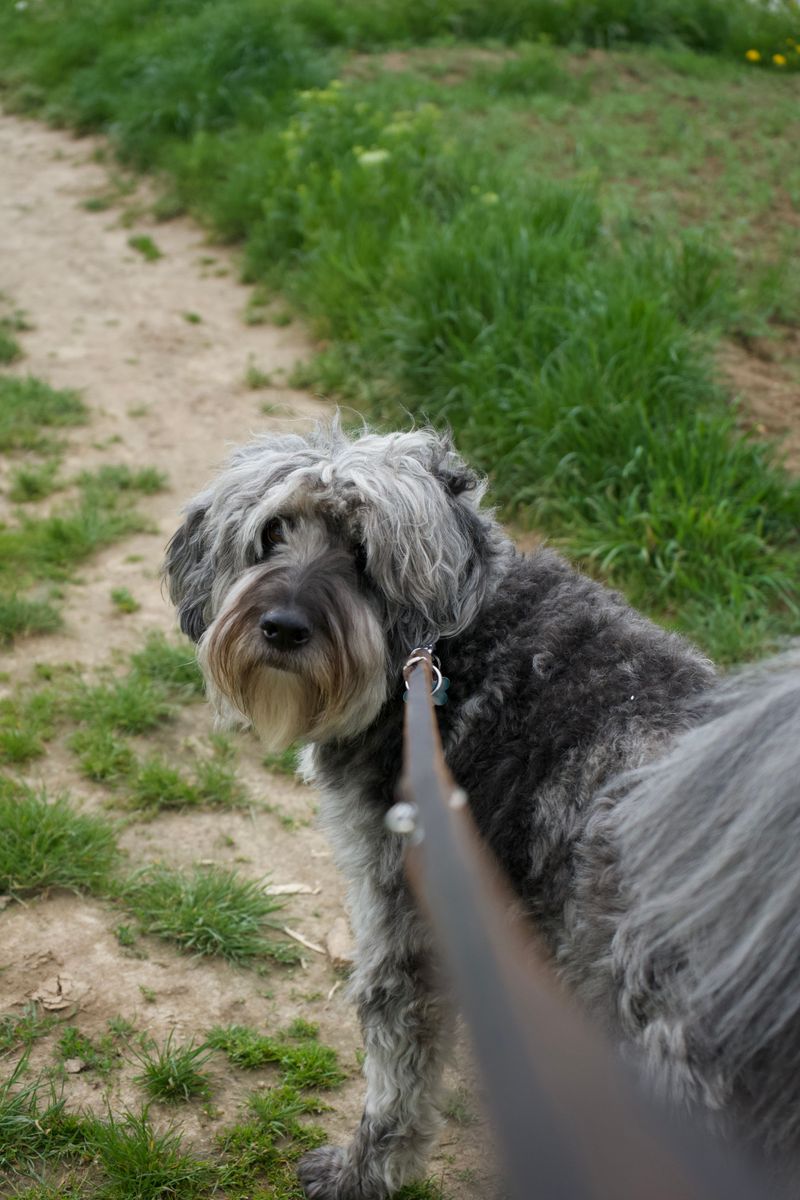
Even a playful dash can turn a quiet walk into an uncertain situation. A dog chasing wildlife may disappear into brush or draw a defensive response.
Good recall helps, but it does not replace a leash where one is required.
Reward your dog for looking back at you when animals appear. Practice leaving squirrels and other distractions alone during ordinary walks.
If excitement builds, create distance early rather than waiting for barking, lunging, or a sudden chase attempt.
9. Small Dogs Need Especially Close Supervision
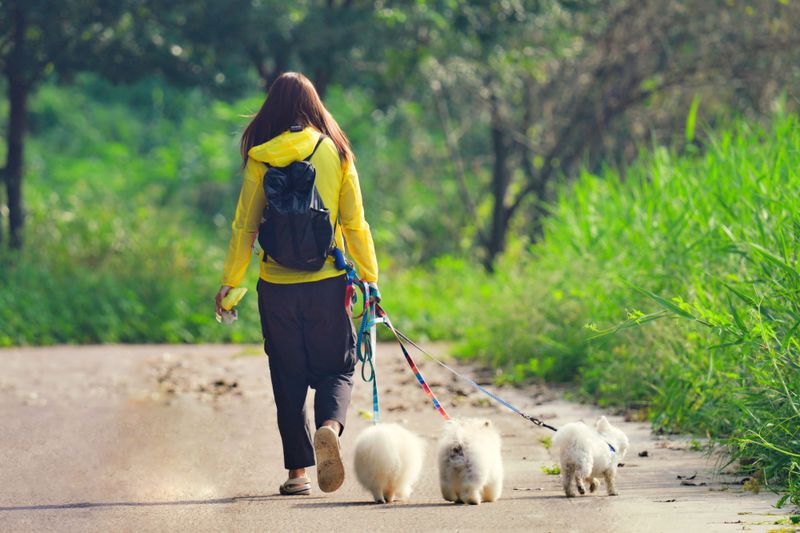
Little dogs can vanish behind grass that barely reaches your knees. Keep them close enough to see clearly, especially near dense cover.
Small pets can be vulnerable around coyotes, so avoid letting them trail behind or investigate brush alone.
If an encounter develops, pick up your dog only when you can do so safely. Avoid bending toward a nearby coyote or losing balance.
Holding a pet does not guarantee protection, so continue creating distance and seek shelter.
10. Denning Season Can Change Trail Behavior
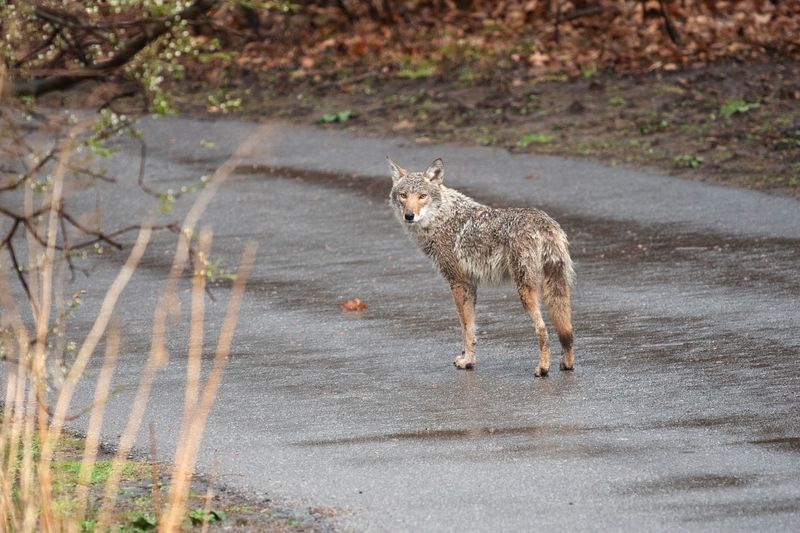
Spring and early summer can bring extra caution around places where coyotes raise pups. Adults may watch, follow, or act defensively when dogs approach a den.
Following alone does not prove an animal is stalking you for food.
Leave the area calmly instead of stopping to investigate nearby holes or pups. Choose another route and tell park staff about repeated encounters.
Never approach a suspected den, and follow closures that protect both visitors and wildlife during sensitive periods.
11. Look Around Before Every Sniff Stop
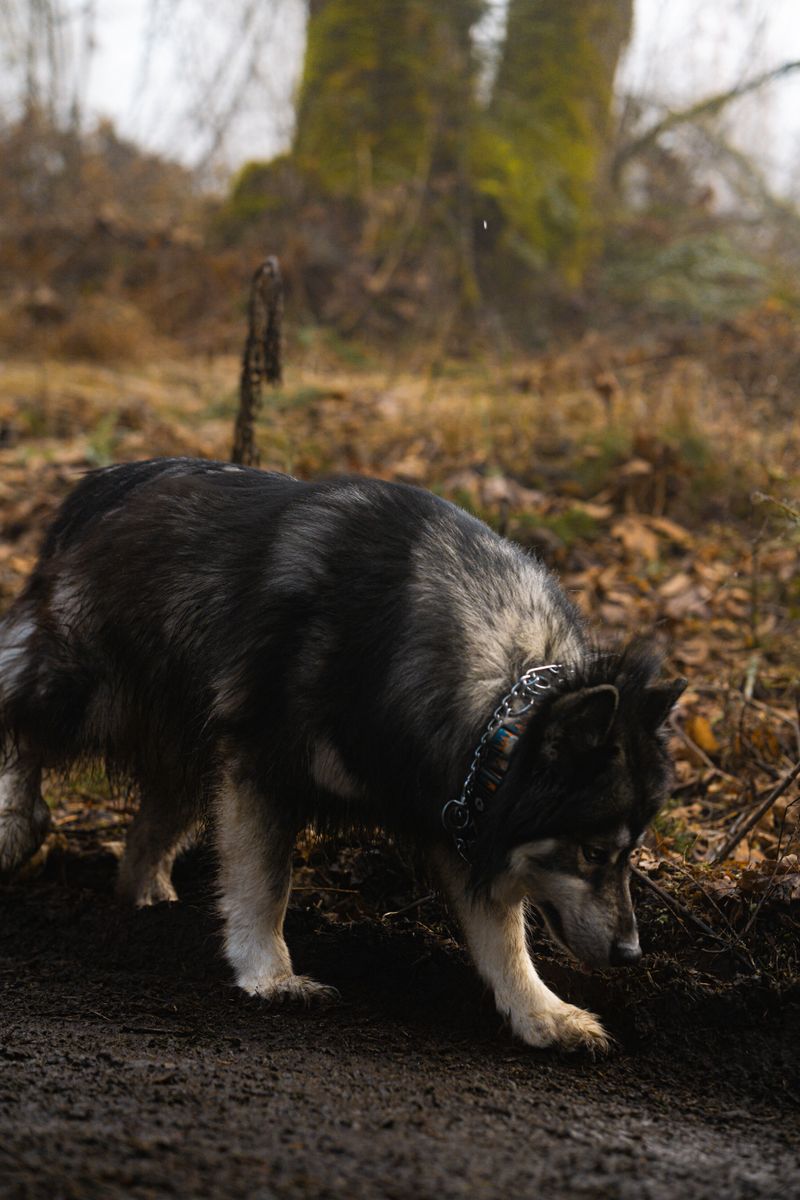
Your dog’s favorite sniffing spot may hide more than interesting smells. Tall grass, fallen branches, and creek banks can block your view of nearby animals.
Pause and scan before allowing your dog to linger beside thick cover.
Keep enough leash control to guide your pet away without entering the vegetation yourself. Notice sudden staring, stiff posture, or intense pulling, but remember these signals have many causes.
When visibility feels poor, move the sniff break to a clearer stretch.
12. Food Scraps Can Draw Unwanted Visitors
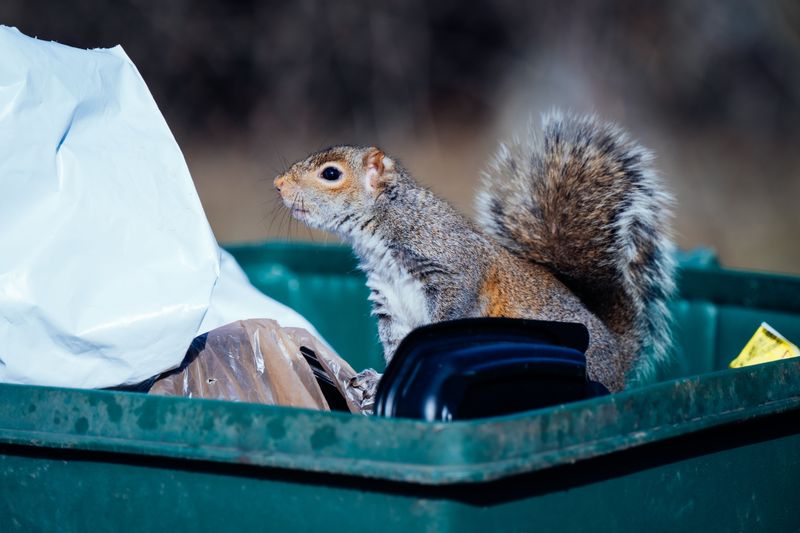
A dropped snack can teach wildlife that people bring easy meals. Never feed coyotes or leave treats, picnic scraps, or pet food along trails.
Pack out leftovers and use secure waste bins when they are available.
Carry training treats in a closed pouch and retrieve spills promptly. At home, secure trash and avoid leaving pet meals outside.
Birdseed and fallen fruit can attract rodents, which may attract coyotes. Small cleanup habits help keep neighborhood wildlife from expecting food.
13. Favor Routes With Clear Sightlines
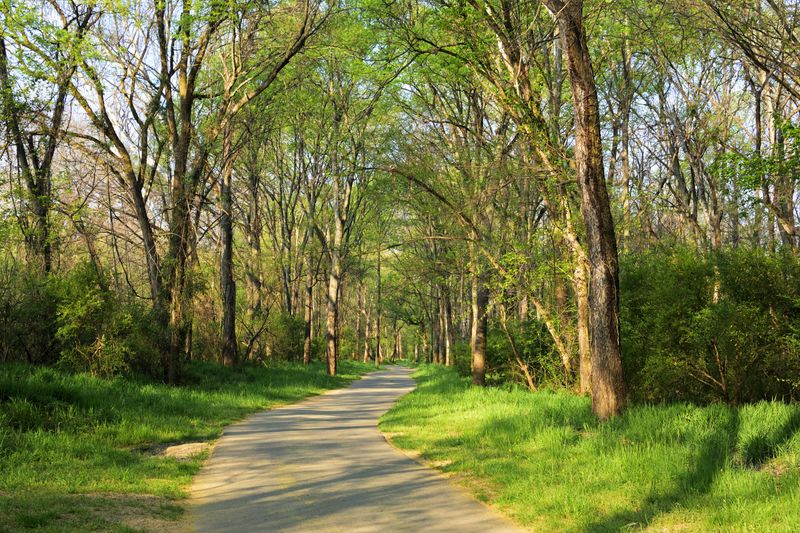
Room to see ahead gives you more time to make calm choices. Wide paths, maintained edges, and open stretches can make wildlife easier to notice.
Narrow trails with sharp bends offer fewer options when an animal appears.
Review maps for alternate loops and easy exits before starting somewhere unfamiliar. After recent sightings, consider a busier route during daylight without assuming crowds guarantee safety.
Ask park staff about vegetation, closures, and current conditions rather than relying on old photographs.
14. Virginia State Parks Have Specific Pet Rules
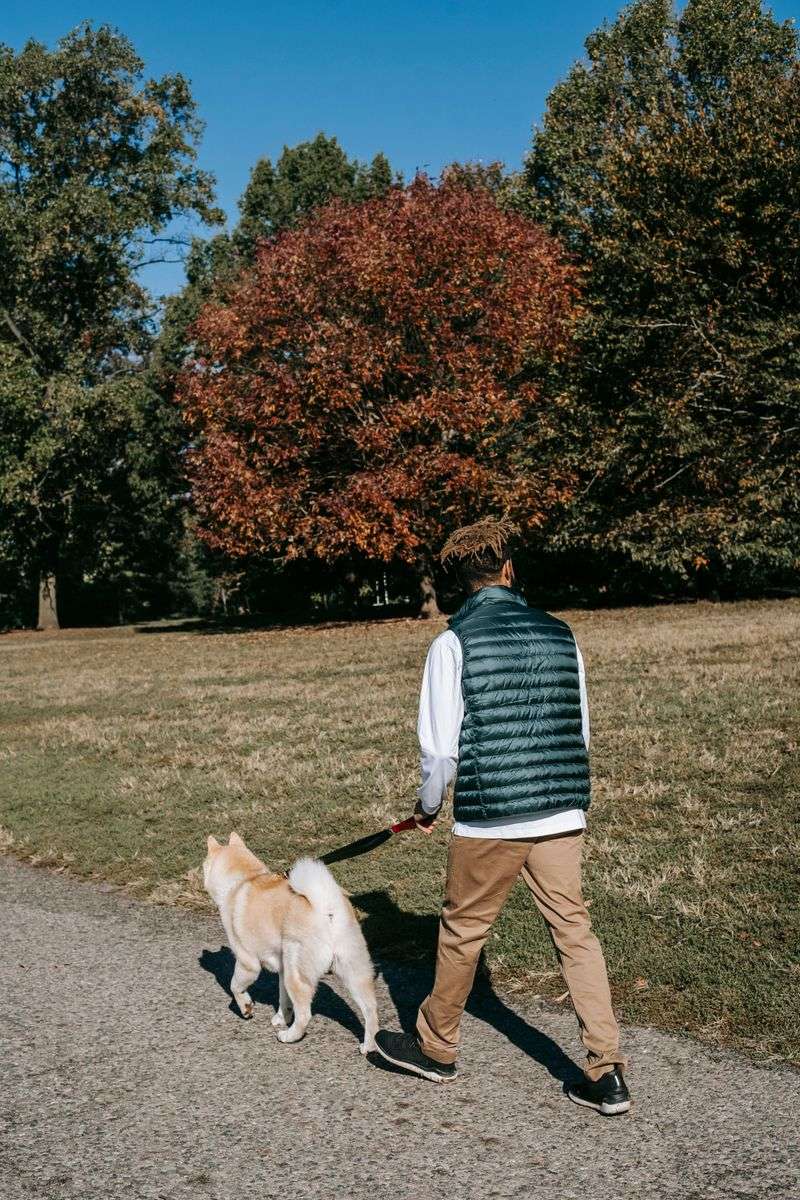
Park rules are part of your wildlife safety plan, not just trail etiquette. Virginia State Parks generally require pets to be on a leash no longer than six feet, but visitors should check the current rules for the specific park and activity.
Owners must maintain control and clean up after their animals.
Pet access also has limits, including restrictions in certain facilities and swimming areas. Check the specific park’s current guidance before leaving home.
County parks, city trails, and federal lands may have different requirements, so never assume one property’s rules apply everywhere else.
15. Report Behavior, Not Just a Sighting
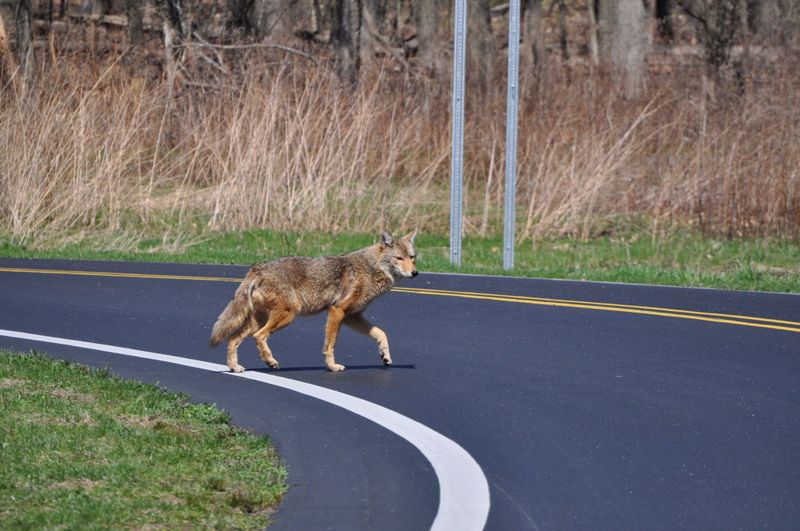
A coyote crossing a path is different from one repeatedly approaching people. Contact local animal control about persistent close approaches or contact with pets.
If a coyote shows signs such as stumbling or poor coordination, contact your local health department for guidance. Daytime activity alone does not establish that a coyote has rabies.
Share the location, time, observed behavior, and whether anyone or any pet had contact. Take photographs only from a safe position.
Virginia’s Department of Wildlife Resources can provide wildlife guidance. For an immediate threat to human safety, call emergency services.
16. Give Children a Simple Response Plan

Kids do better with a short plan they can remember. Teach them to stop, stay upright, and move toward a trusted adult without running.
Explain that coyotes are wild animals, not dogs to greet or feed.
Practice using a strong voice while staying together as a group. Adults should handle the leash during an encounter and guide everyone away calmly.
Remind children never to approach pups or investigate dens. Clear instructions build confidence without making ordinary walks feel frightening.
17. Pack for Calm Decisions Before Leaving
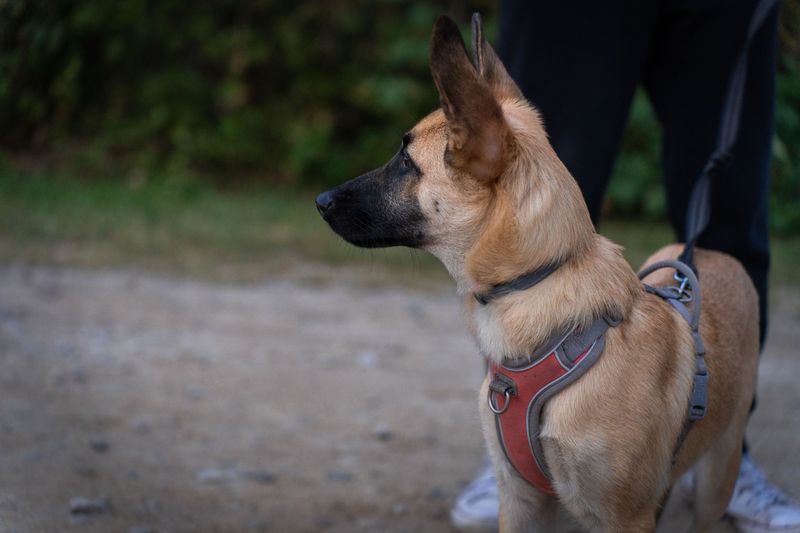
Preparation starts at the door, while your dog is still waiting for the leash. Bring a charged phone, water, waste bags, and a light when needed.
Save local animal control contact details before heading somewhere with unreliable service.
Check your leash clips, harness fit, and identification tags for wear. Review a turn around cue and reward your dog for responding.
Tell someone your route for longer outings. Practical equipment helps most when paired with attention and a flexible plan.
18. Check Your Dog After Possible Contact
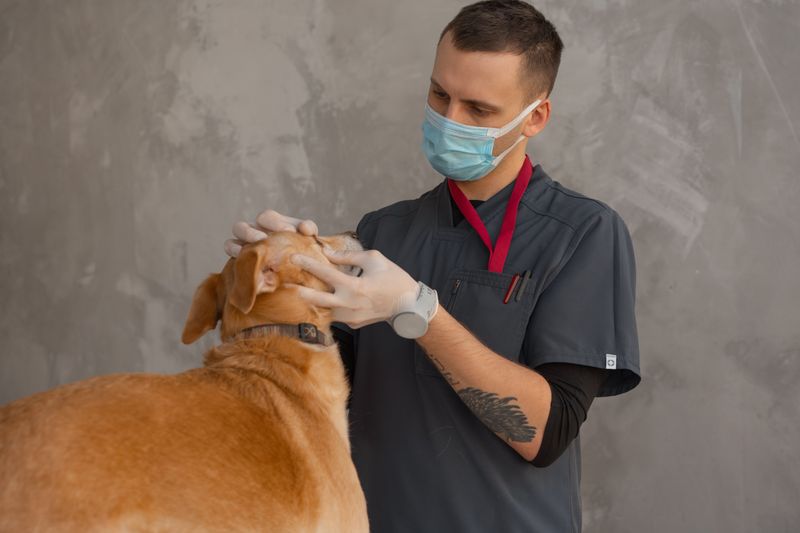
Once you reach safety, look over your dog carefully and calmly. Part the fur to check for punctures, scratches, tenderness, or unusual behavior.
Small wounds can be difficult to see, so contact your veterinarian after any physical encounter.
Keep rabies vaccination current and have records available for your veterinarian or animal control. Avoid touching saliva with bare hands.
If you were bitten or exposed to saliva through broken skin, wash promptly and seek medical advice about next steps.
19. Build Awareness Into Your Everyday Walk
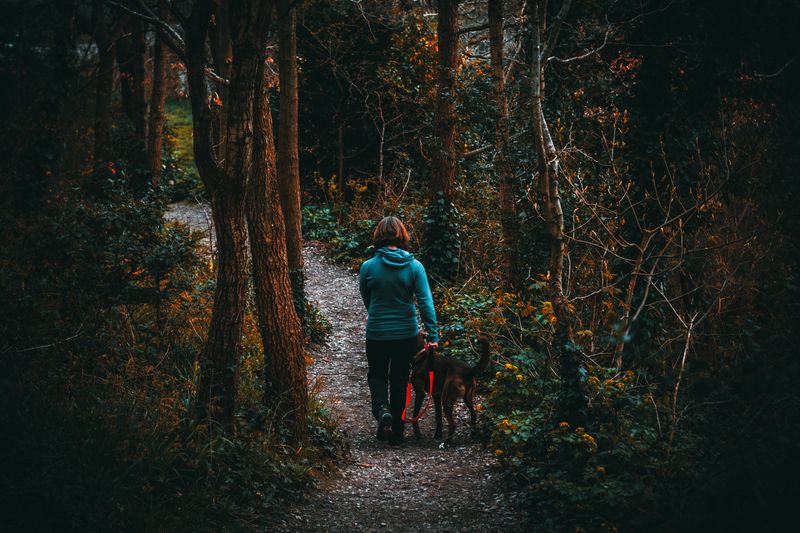
Confidence comes from small habits repeated on ordinary days. Keep your dog nearby, scan ahead, and change direction before an encounter becomes close.
Share useful observations with fellow walkers without spreading rumors or treating every sighting as an emergency.
Review local notices as seasons change, and adjust routes when conditions warrant. Most importantly, give wildlife room while keeping your pet under control.
A secure leash, clear eyes, and a calm exit plan make a memorable rule for tomorrow’s walk.