20 High-Rise Emergency Supplies New York Dog Owners Should Keep Ready
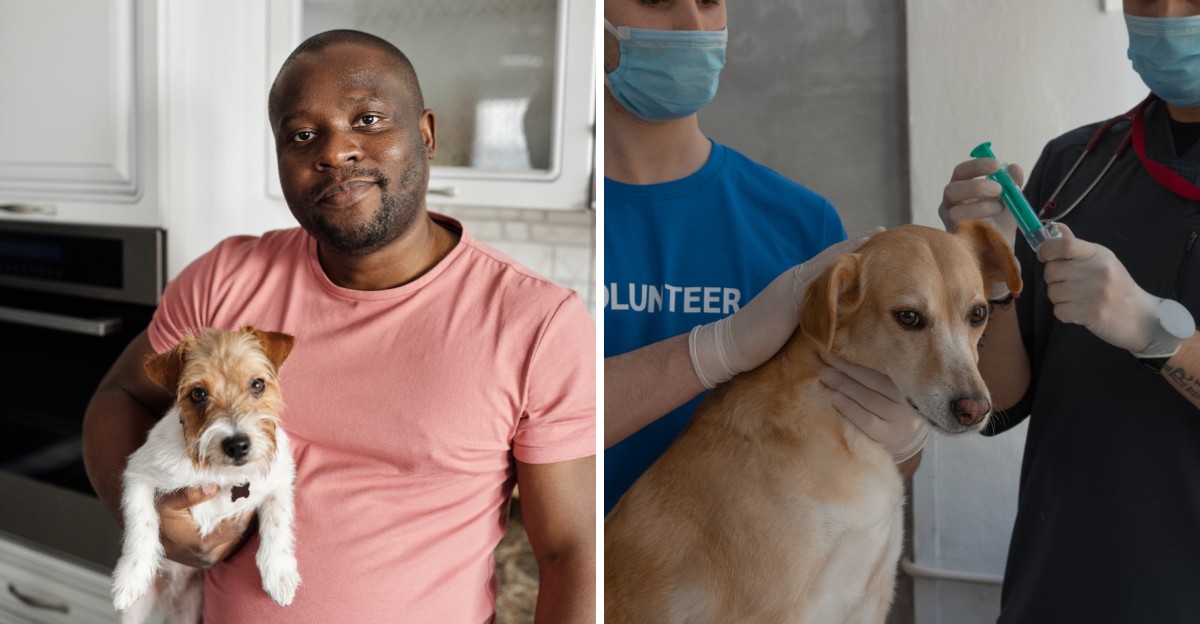
Living high above the city with your dog is a special kind of joy. Still, power outages, broken elevators, and sudden evacuations happen in New York.
A little planning now can make those moments feel calm instead of chaotic. Here is a friendly, practical checklist of supplies that help you and your pup stay safe, comfortable, and ready for anything.
1. A Grab-and-Go Bag by the Door
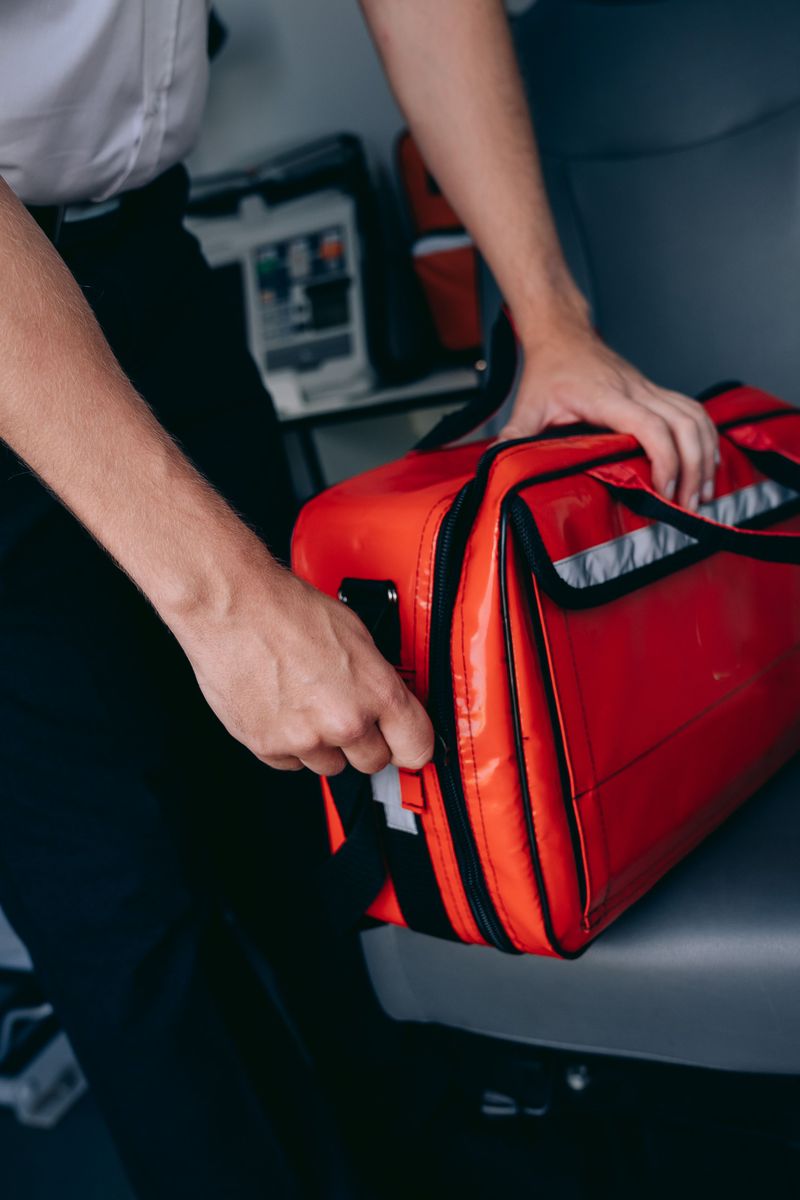
Picture the fire alarm sounding while you hunt for a leash. A ready bag removes that scramble.
NYC Emergency Management suggests a sturdy, easy-to-carry pet go bag, such as a backpack or rolling suitcase.
Keep it on a hook or shelf near your front door. Choose something light enough to carry down many flights of stairs.
Label it clearly, so a neighbor or pet sitter can grab it too if you are away.
2. Enough Food to Cover the Days Ahead
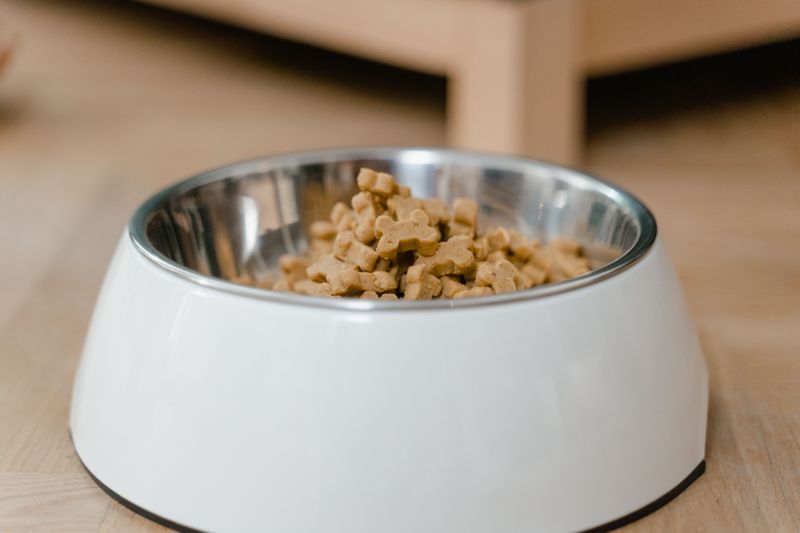
Grocery runs get tricky when storms close stores or stairs are your only exit. Preparedness groups recommend at least three days of food in the go bag.
NYCEM also suggests a home kit that covers up to seven days.
Use airtight containers to keep kibble fresh. Wet food fans should pick pop-top cans or pack a manual opener.
Rotate supplies about every six months, and feed the older food first.
3. Bottled Water Set Aside Just for Your Pup
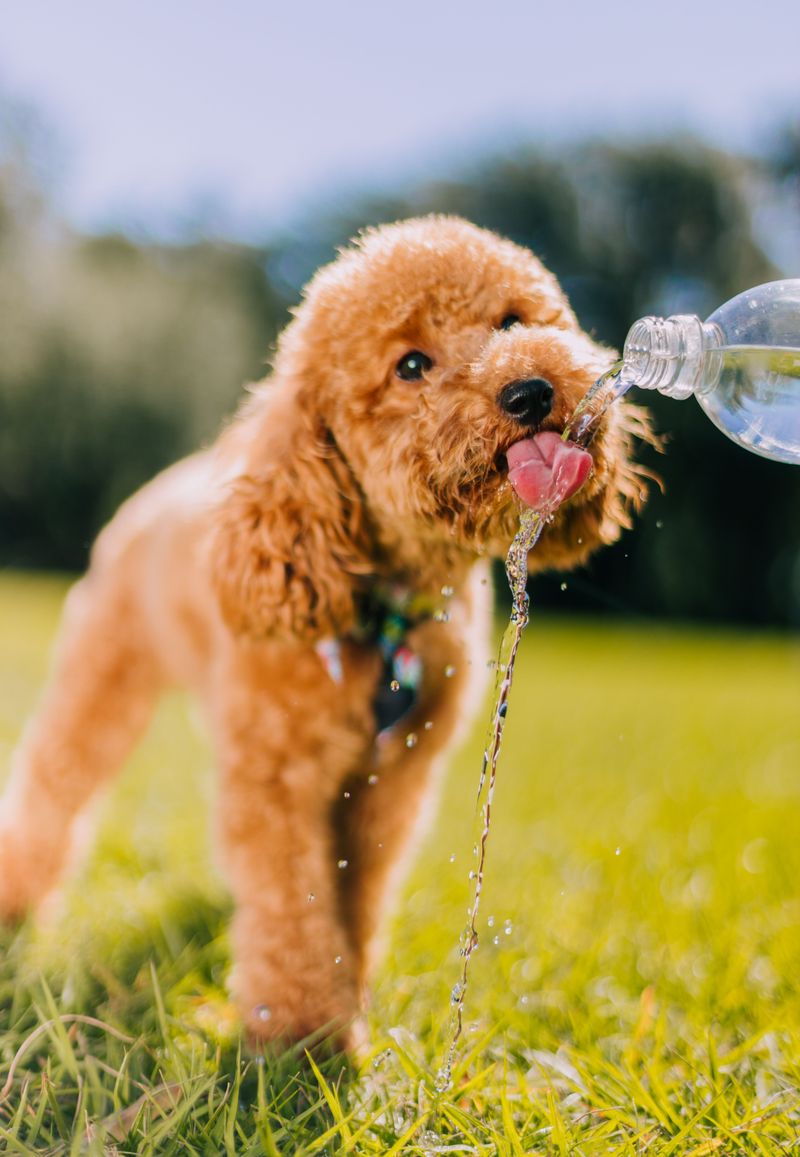
Building water can shut off during repairs, pump failures, or citywide outages. Your dog still needs fresh drinking water every day.
Store bottled water for at least three days, and keep extra at home for longer disruptions.
Bigger and more active dogs drink more, so plan generously. Your veterinarian can help estimate daily needs.
Like food, rotate water every six months so it stays fresh and ready.
4. Collapsible Bowls That Pack Flat
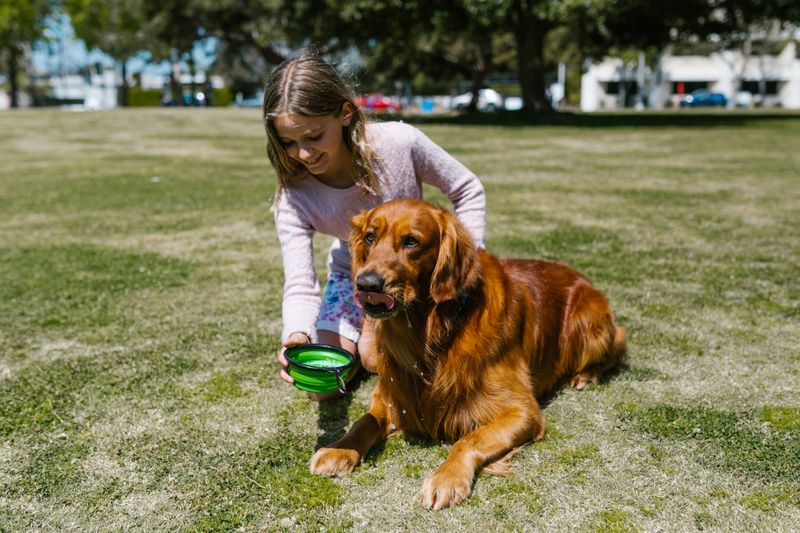
Small things matter in a crowded shelter or a friend’s apartment. Collapsible silicone bowls fold nearly flat, weigh almost nothing, and slip into a side pocket.
Preparedness organizations list them as kit essentials for good reason.
Pack two, one for food and one for water. Some clip right onto a leash or bag strap.
Give them a quick wash after each use, so they stay clean for the next time.
5. A Week of Medications, Clearly Labeled

Pharmacies and vet offices may close for days after a major event. If your dog takes daily medicine, aim to keep at least a week’s supply when possible.
Ask your vet whether an extra refill is allowed.
Write down each drug, its dose, timing, and purpose. NYCEM and other groups recommend this list.
Check expiration dates often, and store medications as directed, especially items needing refrigeration.
6. Health Records in a Waterproof Pouch
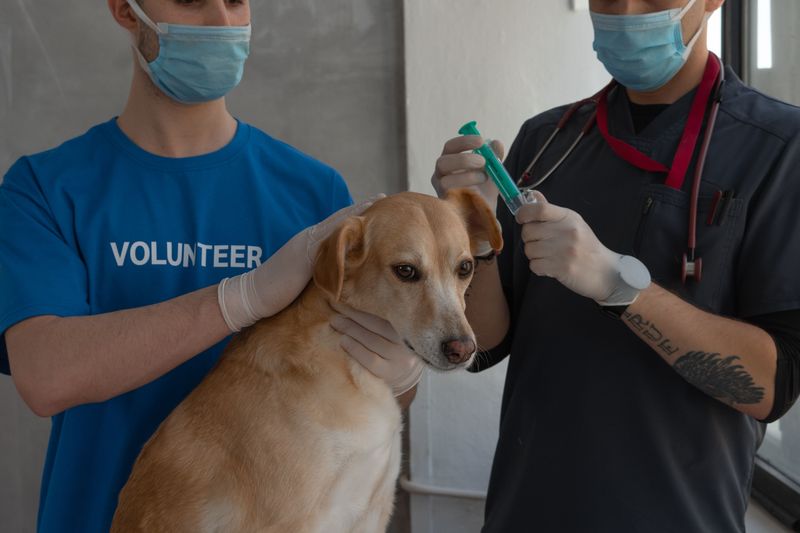
Many shelters and boarding facilities ask for proof of vaccines before accepting pets. Having copies on hand saves stress at check-in.
Gather vaccination certificates, recent vet records, and prescription details.
Seal them in a waterproof pouch, since rain and spills happen. A photo of each page on your phone makes a smart backup.
Update the pouch after every vet visit, so nothing goes stale.
7. License, Microchip, and Proof of Ownership
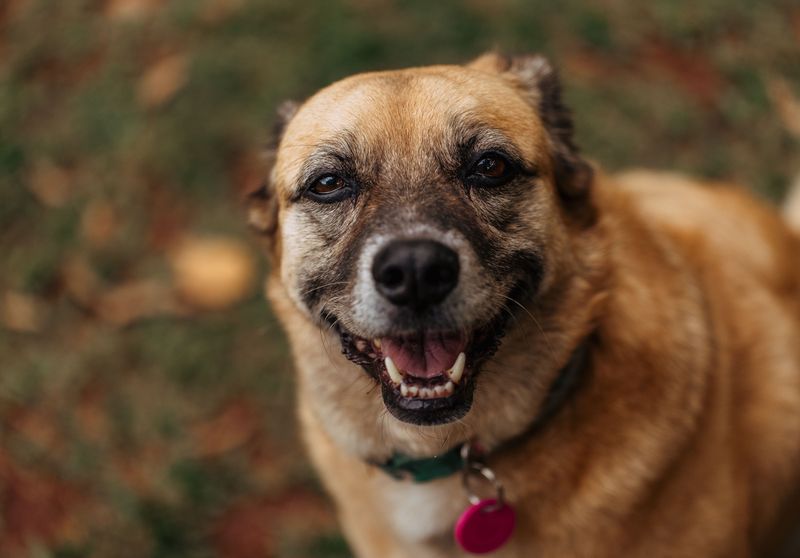
New York City law requires dogs to be licensed, with the tag worn on their collar in public. That small tag helps reunite lost dogs with families.
Call 311 or visit the city website for licensing details.
Add microchip registration info and proof of ownership, like adoption papers or purchase receipts. Confirm your chip contact details are current.
A quick online check takes only minutes.
8. Recent Photos and a Written Description
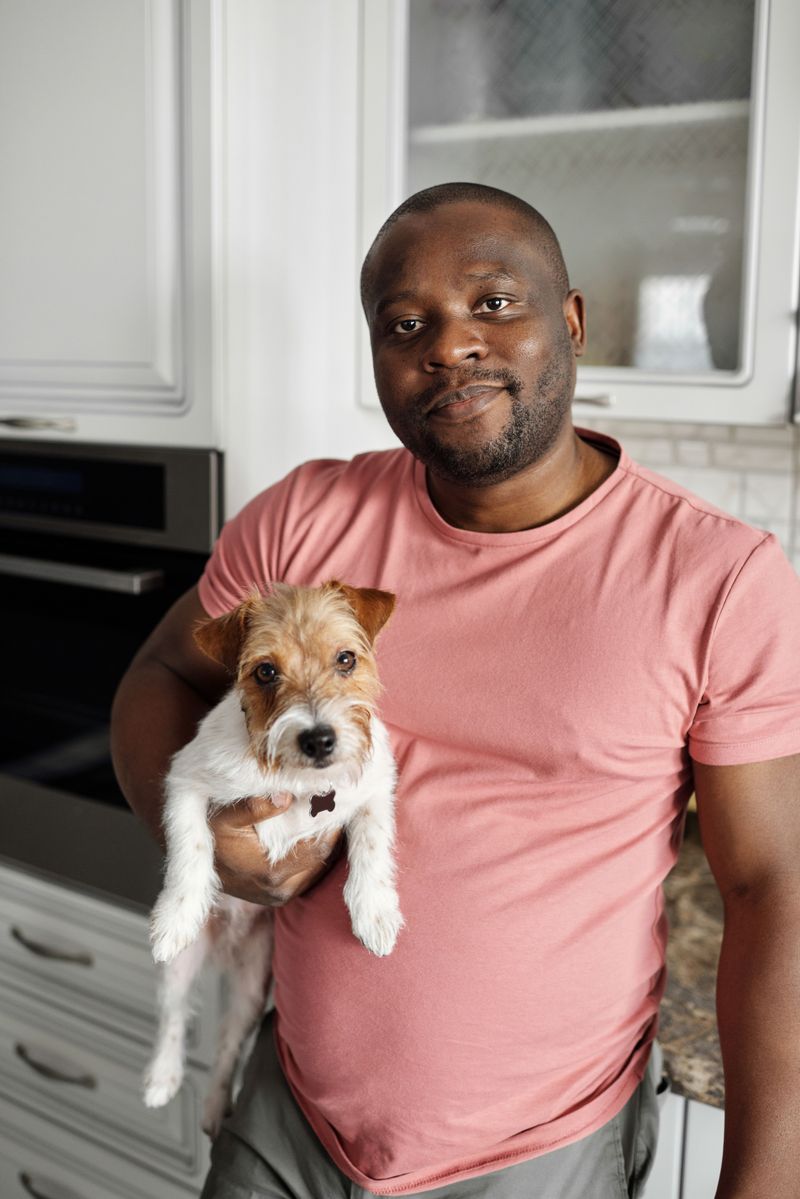
Honestly, describing your dog under stress is harder than it sounds. A printed color photo solves that fast.
Experts suggest including a picture of you and your dog together, which also helps prove ownership.
Write a short description too. Note breed, age, sex, color, weight, and special markings.
Swap in a new photo every year, because puppies grow and older faces change.
9. A Printed Contact List
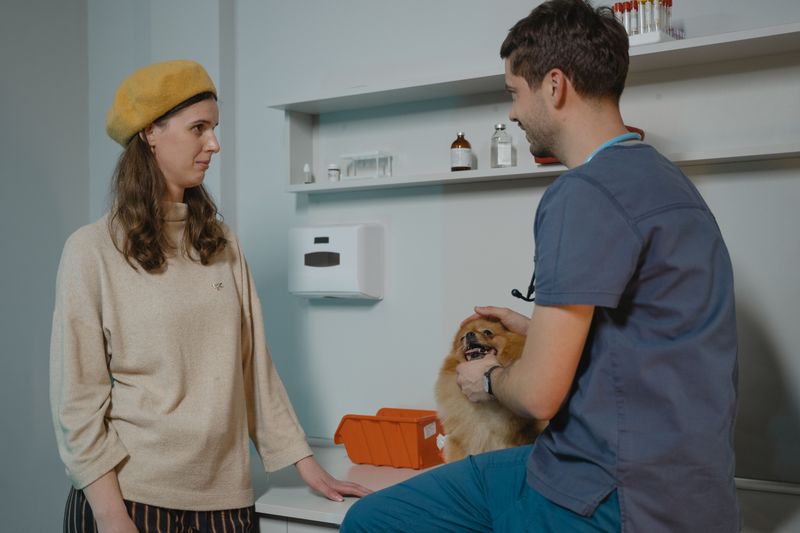
Phones lose power, and memory gets fuzzy in a rush. Paper never runs out of battery.
Print a list with your vet, a nearby after-hours animal hospital, and trusted friends who could care for your dog.
NYCEM suggests asking your vet, kennel, or groomer about safe places to stay. Include a pet-friendly contact outside your borough.
Keep one copy in the bag and another on your fridge.
10. Harness, Leash, and a Spare Collar
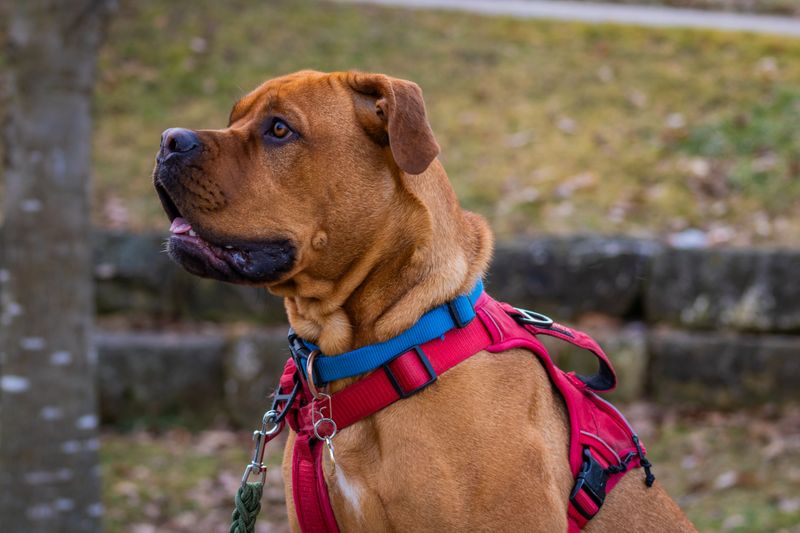
Crowded stairwells and busy sidewalks are no place for a slipped collar. A snug, escape-resistant harness offers better control.
Pair it with a sturdy leash, never a retractable one, during evacuations.
Pack a backup collar with ID and rabies tags. Tags should show your name, phone number, and an emergency contact.
Test the harness fit now, since a nervous dog may wiggle more than usual.
11. A Carrier or Collapsible Crate
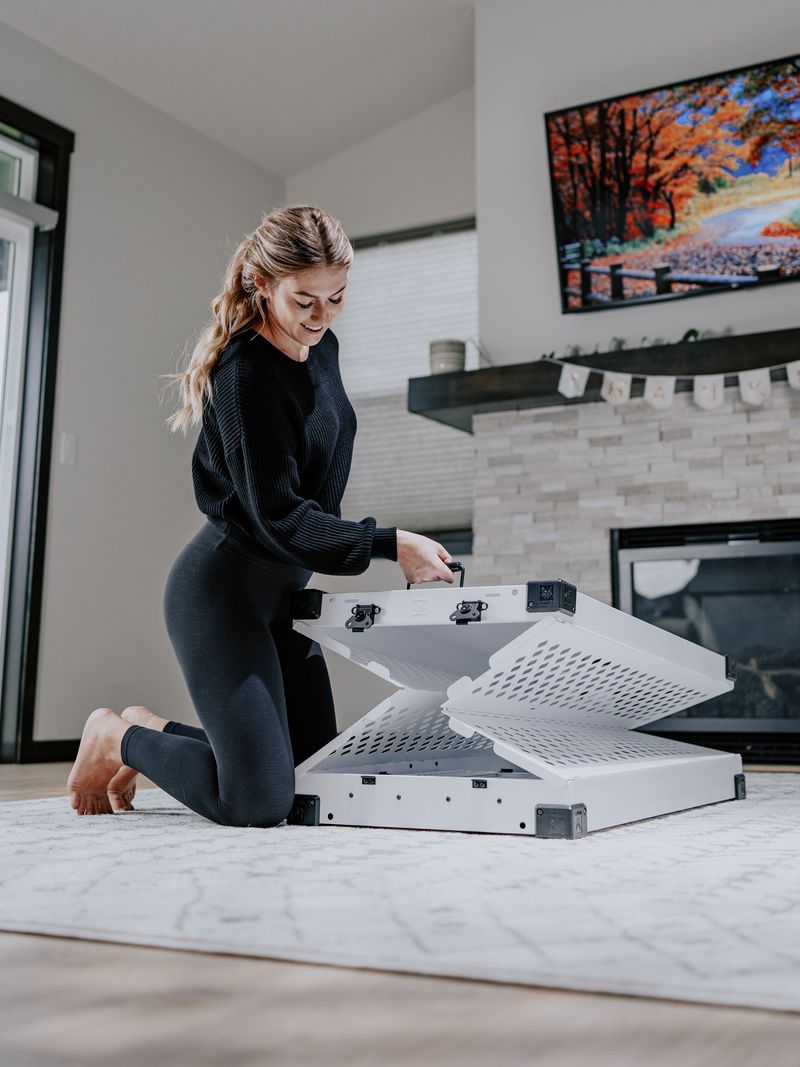
Getting across town matters as much as getting downstairs. NYCEM notes that pets in carriers can ride MTA subways, buses, and trains.
During declared evacuations, larger leashed pets may also be allowed if controlled.
A crate gives your dog a safe den in shelters too. Choose a size that lets your pup stand and turn around.
Practice short crate sessions at home to build comfort.
12. A Lifting Harness or Evacuation Sling
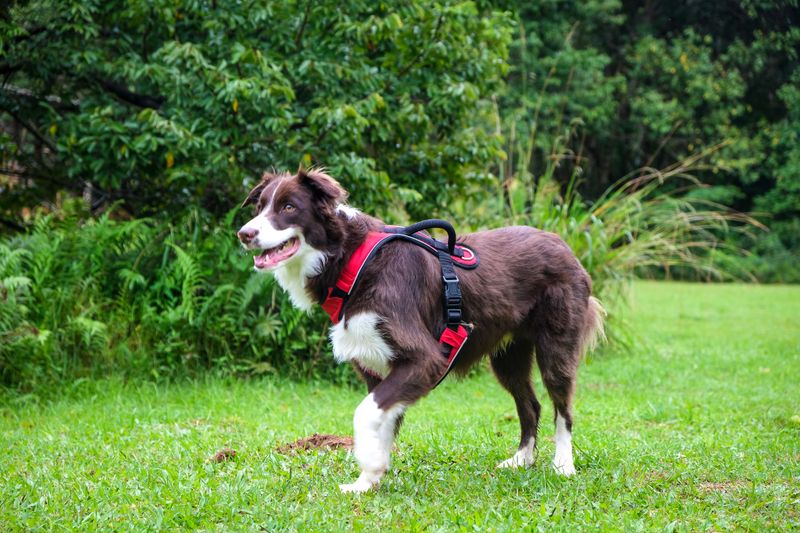
Thirty flights is a long way for a senior dog or one with sore hips. When elevators stop, a lifting harness or evacuation sling can help.
Some designs pair with a vest worn by the owner.
These tools support short carries, not marathon hauls. Practice at home so your dog stays relaxed.
Ask your vet which style suits your dog’s size and health needs.
13. A Well-Fitted Basket Muzzle
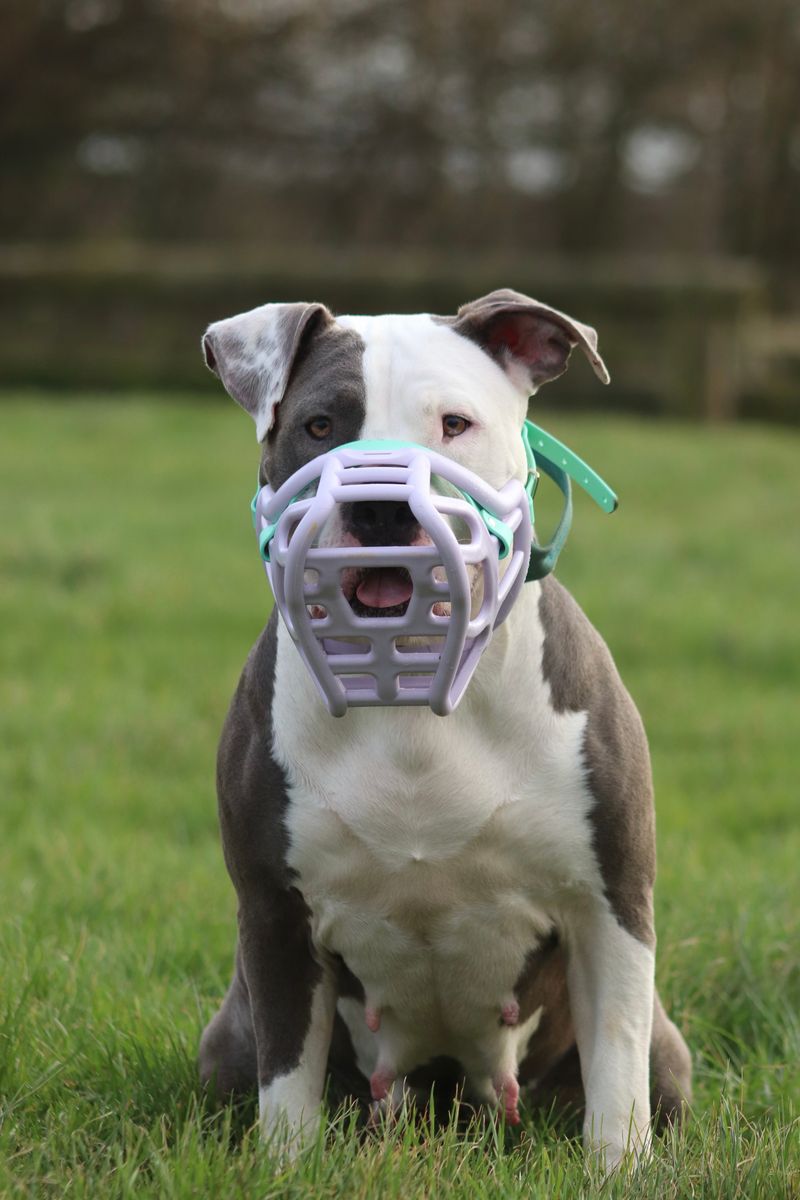
Even the sweetest dog can act out of character when frightened. Loud alarms and strangers add pressure.
A basket muzzle keeps everyone safe while still letting your dog pant, drink, and take treats.
Fabric muzzles restrict the mouth and are meant only for brief use. Introduce the basket style slowly with rewards.
Soon your dog may see it as a normal, even happy, accessory.
14. A Canine First Aid Kit
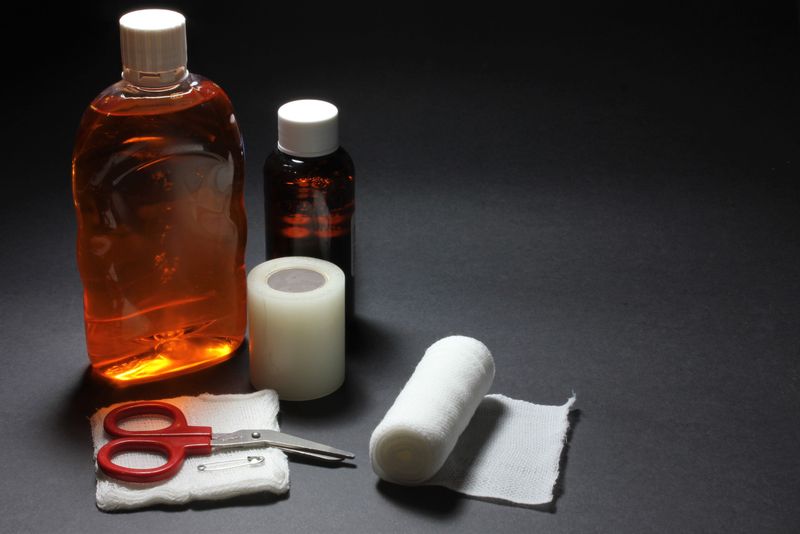
Scraped paws and small cuts are common during hurried exits. A dedicated kit lets you handle minor issues calmly.
Stock gauze, bandages, elastic cling wrap, antiseptic wipes, saline, small scissors, and tweezers.
Ask your veterinarian what else your dog may need. Never give human medicine without vet approval.
A pet first aid class can also boost your confidence in using each item.
15. Protective Dog Booties
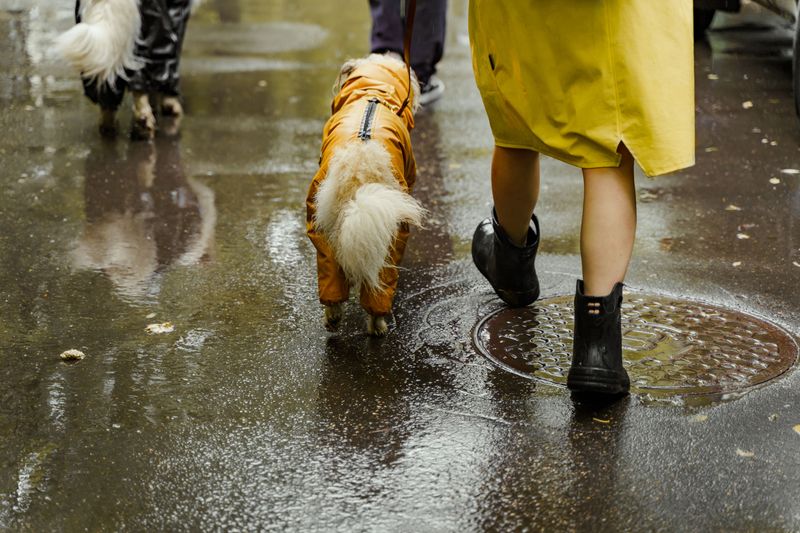
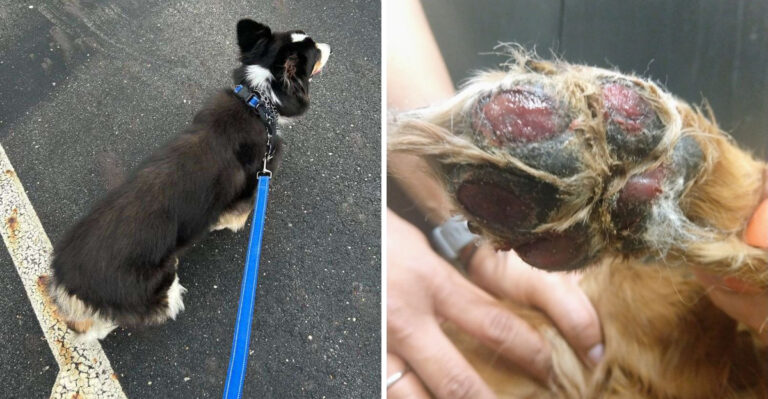
City sidewalks can be tough on paws. After a storm or incident, streets may hold broken glass and debris.
Summer asphalt gets hot, and winter brings ice and salt.
Booties create a simple barrier against all of it. Look for nonslip soles and secure straps.
Many dogs walk funny at first, which is adorable. Short practice walks help them adjust quickly.
16. Training Pads or an Indoor Potty
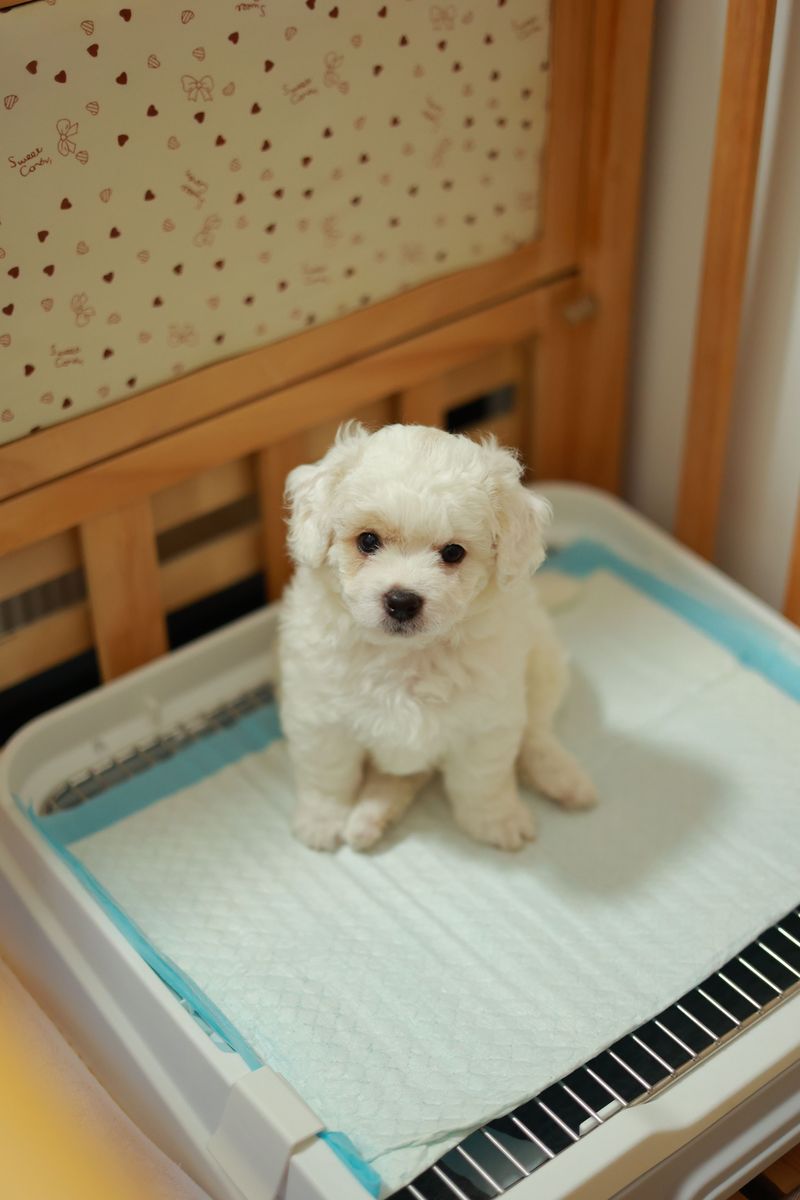
Long elevator outages can make bathroom breaks a real puzzle. Absorbent training pads or a portable indoor dog toilet offer a backup plan.
They also help when sheltering indoors for longer stretches.
Teach your dog to use them before you ever need them. Place one in a quiet, easy-to-clean spot.
Praise success warmly, because new habits take patience for many dogs.
17. Cleanup Essentials
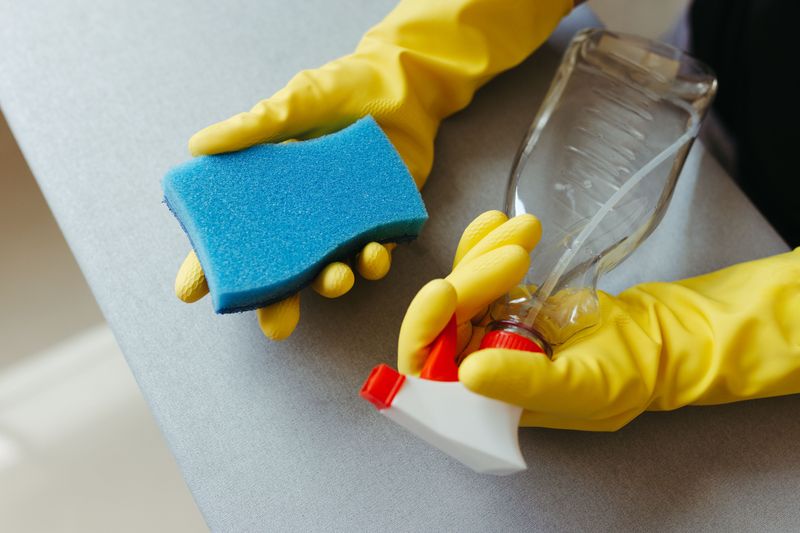
Accidents happen, especially in unfamiliar places. Shelters and friends will appreciate a tidy guest.
Pack plenty of waste bags, disposable gloves, and a roll of paper towels.
Add pet-safe cleaning wipes or spray. Harsh chemicals can irritate sensitive noses and paws.
A few sealable bags also help store soiled items until you find a proper bin.
18. Flashlight or Headlamp With Spare Batteries

Stairwells can turn dark fast when the power goes out. A headlamp keeps both hands free for the leash and railing.
A sturdy flashlight works well too.
Pack extra batteries and check them every few months. A small clip-on light for your dog’s collar helps others spot you both.
Steady light also keeps your pup calmer on unfamiliar steps.
19. A Charged Portable Phone Battery

Your phone holds maps, contacts, vet records, and photos of your dog. Losing power cuts off a lot.
A fully charged power bank and matching cable keep you connected.
Recharge it every month or two, since batteries slowly drain. Save key numbers and digital records offline too.
Staying reachable helps sitters, family, and shelters coordinate with you smoothly.
20. Comfort Items From Home

Familiar smells work like a hug for dogs. A worn blanket, favorite toy, or special treats can ease stress in strange places.
These small comforts help your pup settle and rest.
NYCEM also suggests a cotton sheet to drape over a carrier, which can calm nerves. Pack a chew to keep busy.
Then take a breath, you are prepared, and your dog will feel it.