19 Sporting Dog Breeds For Ohio’s Woods, Wetlands, And Upland Fields
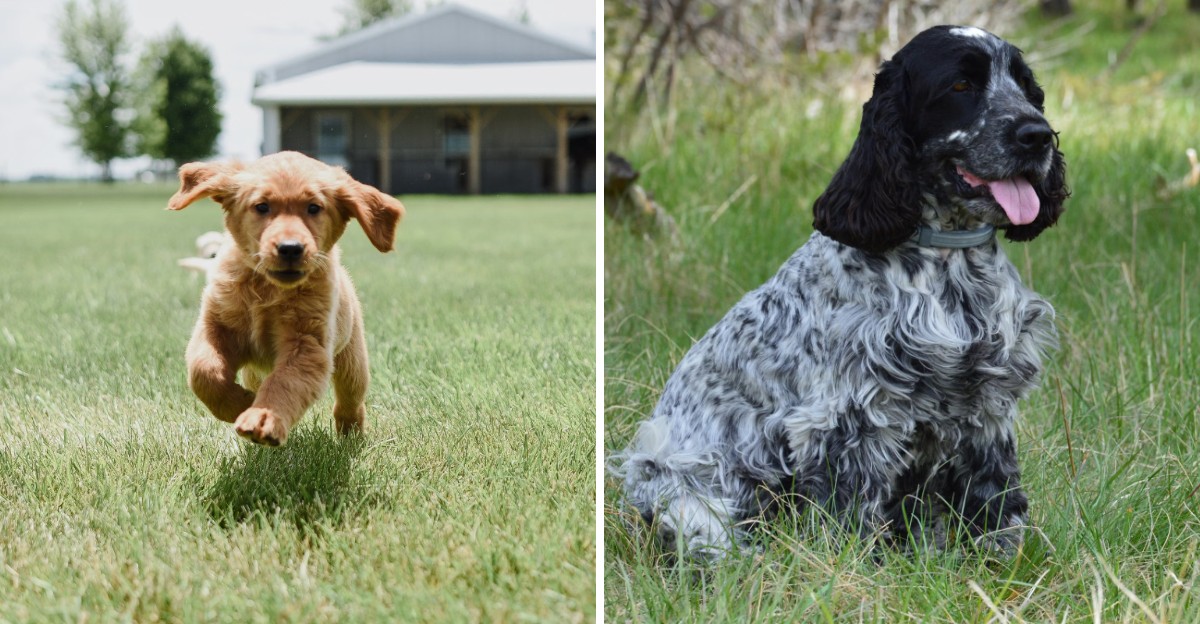
Ohio packs a surprising mix of hunting ground into one state. A single weekend can mean cattail marshes near Lake Erie, briar-choked grouse woods in the southeast, and golden pheasant fields in between.
No single dog was built for all of it, but some breeds come awfully close. The trick is matching the right nose, coat, and drive to the cover you love most.
Here are the bird finders, water lovers, and brush busters that shine in Buckeye country.
1. Labrador Retriever: The Marsh Machine
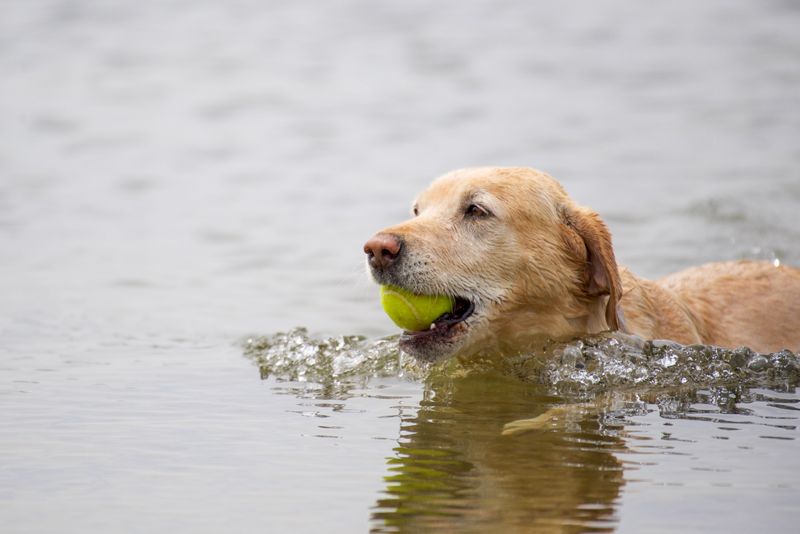
Fun fact: Labs actually come from Newfoundland, not Labrador. Their ancestors hauled nets and runaway fish from icy Canadian water for fishermen.
That history explains the webbed feet, otter tail, and water-shedding double coat. Labs love chilly Lake Erie marshes and still flush pheasants with gusto on dry land.
Their soft mouth brings birds back unmarked. Add a friendly, steady temperament, and you get a hunting buddy who naps happily on the couch afterward.
2. Golden Retriever: Sunshine With a Purpose
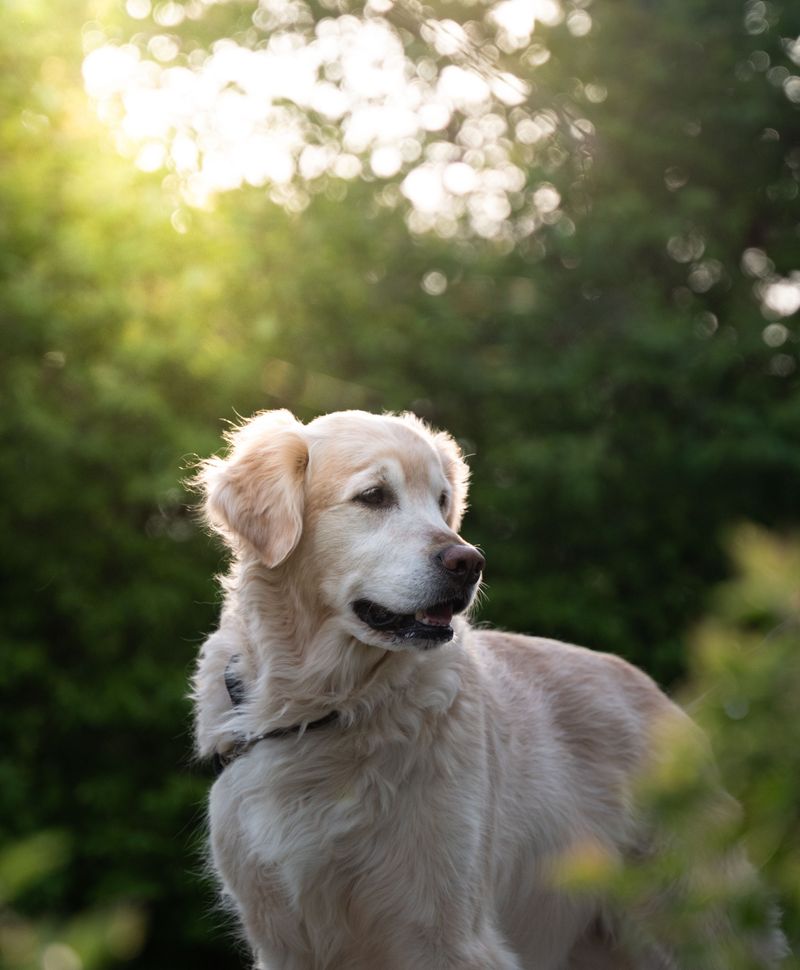
Picture a puppy proudly parading a sock around the kitchen. That carrying urge was bred on purpose in the Scottish Highlands during the 1800s.
Field-bred Goldens are leaner and quicker than show lines. Their thick undercoat handles cold water, and partly webbed feet grip slick mud.
They learn blind retrieves with ease, especially with praise and treats. Ohio breeders, like one in Miamisburg, keep those working instincts sharp and shiny.
3. Chesapeake Bay Retriever: Built for Brutal Water
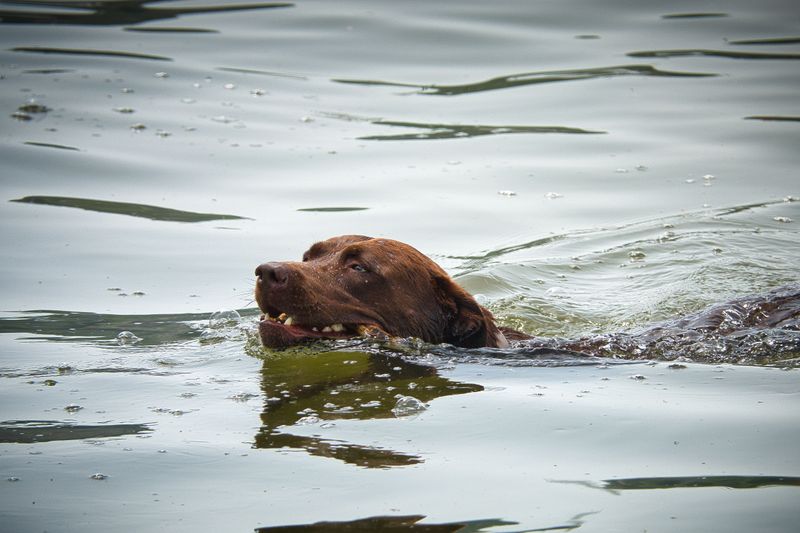
Market hunters on Maryland’s Chesapeake Bay once needed a dog for hundreds of retrieves a day. The Chessie was their tough answer.
An oily, wavy coat sheds water like a raincoat and dries fast. Powerful hindquarters and strong jaws handle heavy Canada geese along Ohio reservoirs.
Chessies are deeply loyal and a bit reserved with strangers. Start obedience early and stay consistent.
You will earn a determined, cheerful partner for life.
4. Flat-Coated Retriever: The Forever Puppy
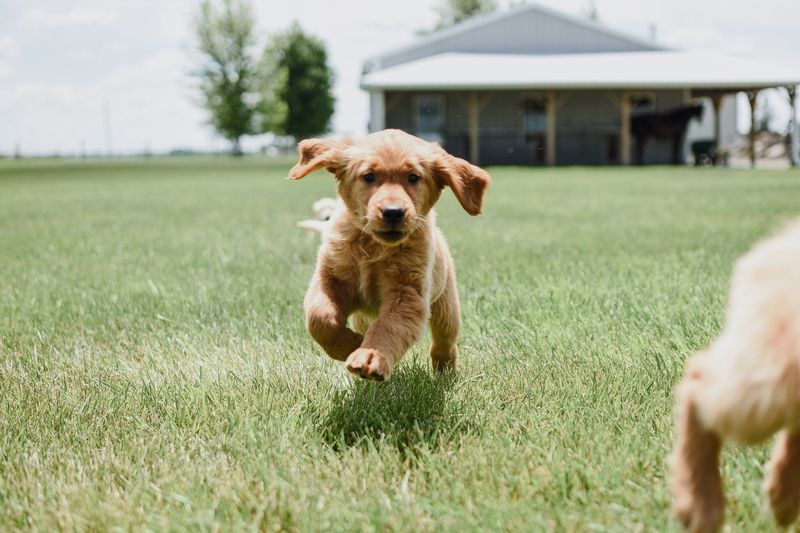
Owners lovingly call the Flat-Coat the Peter Pan of dogs. That bouncy, puppy-like joy often lasts well into its senior years.
Bred by British gamekeepers in the 1800s, it handles double duty. Flat-Coats flush pheasants in brushy fields, then splash boldly after ducks.
Their quick minds get bored with repetitive drills, so keep sessions fun and varied. Give them plenty of attention, and they will repay you with endless enthusiasm.
5. Nova Scotia Duck Tolling Retriever: The Foxy Trickster
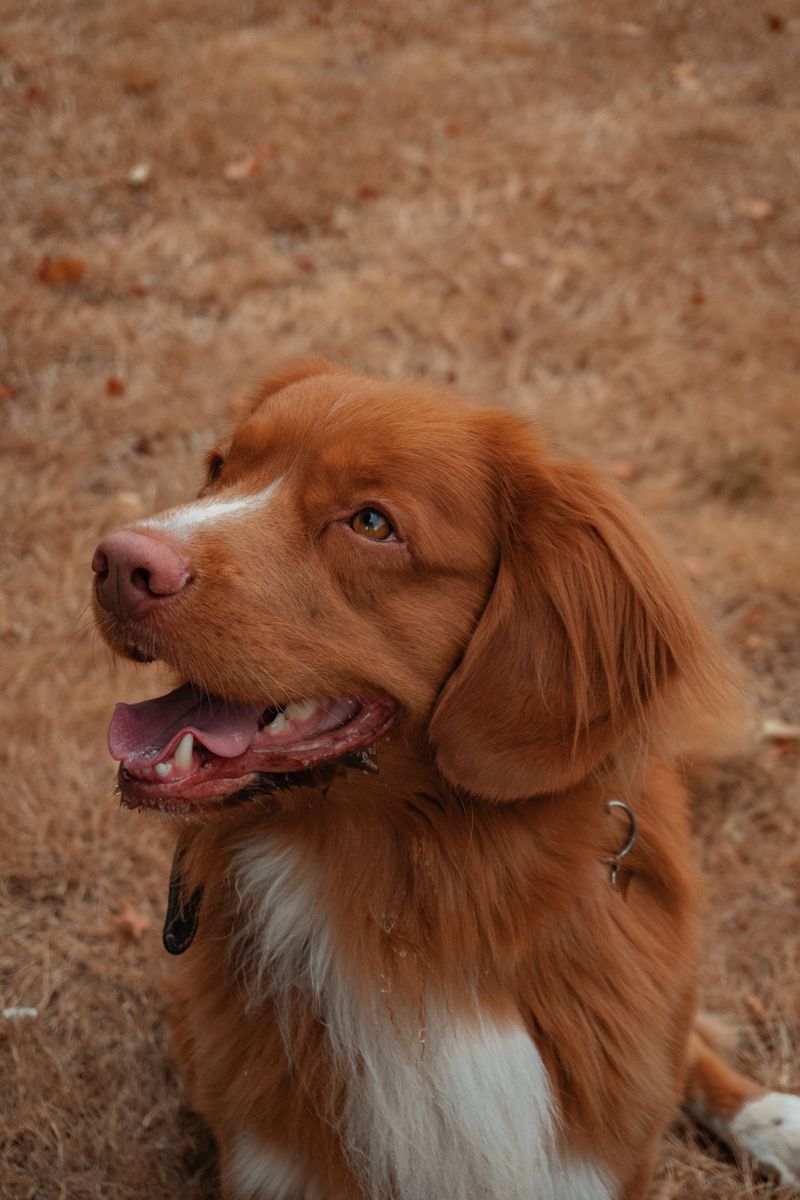
Some dogs wait for ducks. Tollers go out and invite them over.
Developed in Nova Scotia, these small retrievers frolic on shore like a playful fox. Curious ducks swim closer to watch the show.
Then the Toller fetches the fallen birds.
At 35 to 50 pounds, they also flush upland birds with flashy style. They need serious daily activity.
A breeder in Belmont, Ohio, raises them for hunting and family life.
6. American Water Spaniel: A Great Lakes Original
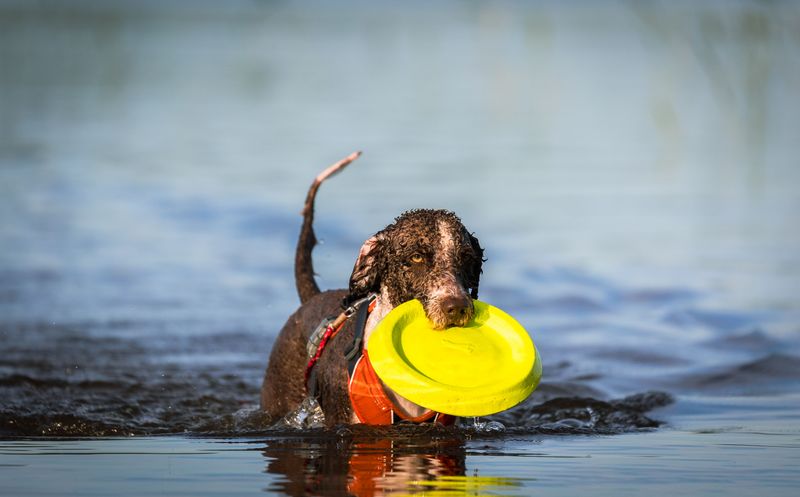
Homegrown talent alert! The American Water Spaniel was developed in the Great Lakes region during the 1800s, right in Ohio’s neighborhood.
Weighing 25 to 45 pounds, it fits neatly in a canoe or skiff. A curly, chocolate coat shrugs off cold water and scratchy brush.
On land, it gently flushes grouse and pheasant. The breed’s national club even held its 2026 hunt test in Newark, Ohio.
Talk about home-field advantage.
7. Boykin Spaniel: The Little Brown Dynamo
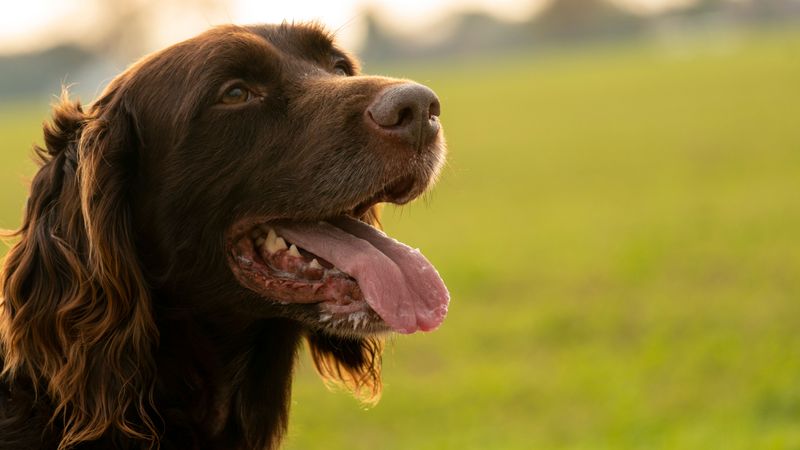
Back in the early 1900s, South Carolina hunters wanted a dog that fit in a tiny boat. The Boykin Spaniel was born.
Webbed toes make it a natural swimmer, and it handles warm September dove hunts well. Late-season ice?
Many Boykins happily break through it.
In thick cover, they bounce and weave with joyful energy. At home, they switch to snuggle mode.
A kennel in southern Ohio raises these pocket-sized powerhouses.
8. Irish Water Spaniel: The Clown in Curls
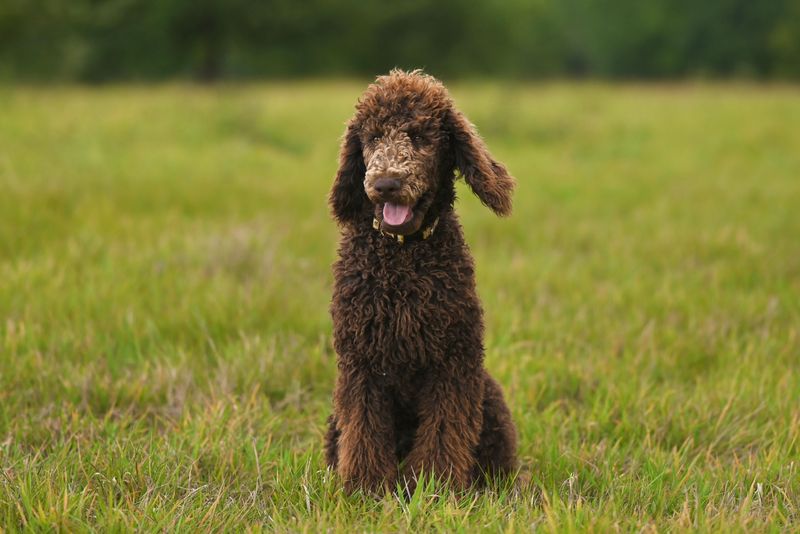
A curly topknot, a skinny rat tail, and a twinkle in the eye. The Irish Water Spaniel looks like a comedian, but it works like a pro.
As one of the largest spaniels, it was bred in 1830s Ireland for cold marshes. Its oily liver curls keep water out and warmth in.
It flushes upland birds with a determined nose too. Smart but strong-willed, it learns best from a confident, upbeat trainer.
9. English Springer Spaniel: Spring Into Action
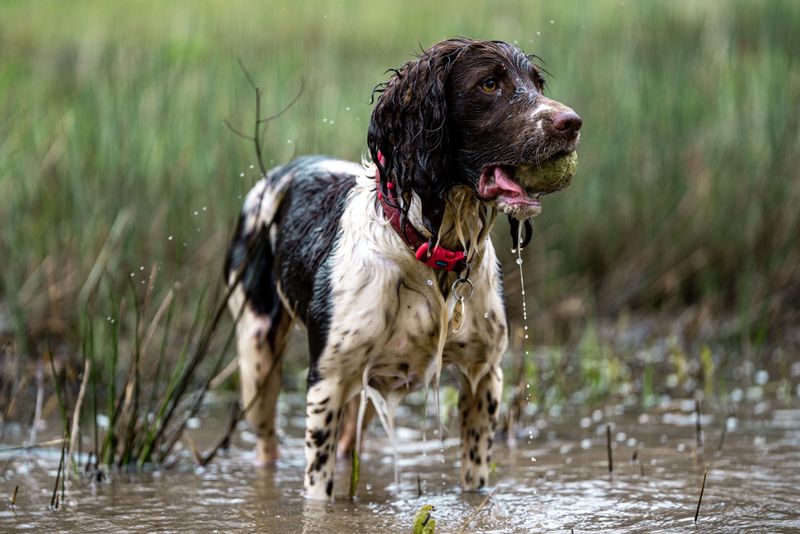
The name says it all. Springers spring birds into the air, a job they have done in England since the 1500s.
They quarter back and forth within gun range, nose down, tail going. Pheasant, grouse, and woodcock in Ohio’s hedgerows do not stand a chance of hiding.
Field-bred lines are lighter and keener. Their coat is thinner than a Lab’s, so limit long icy swims.
A Tiffin breeder raises excellent working Springers.
10. Welsh Springer Spaniel: The Red and White Shadow
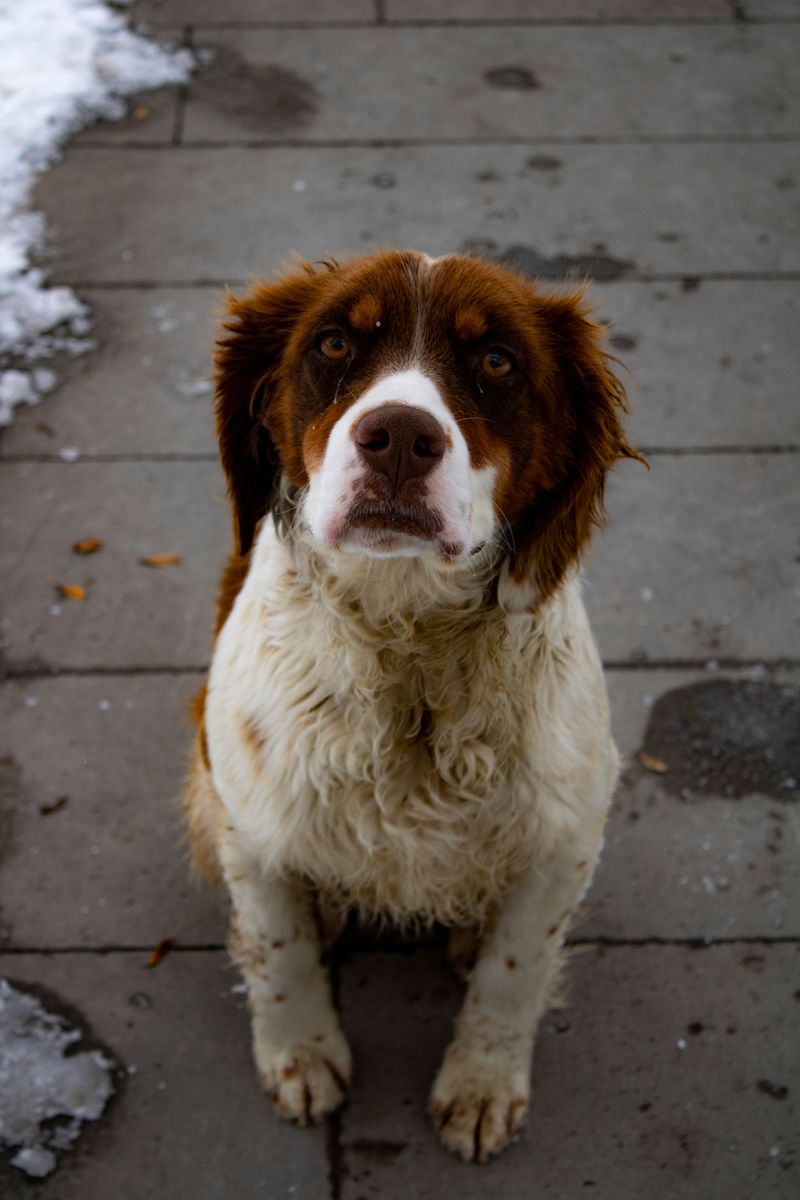
Many historians call it Britain’s original spaniel. Long before shotguns, Welsh hunters used it to flush game for nets and falcons.
Its silky red and white coat repels rain and thorns. A superb nose rarely loses a wounded bird, even in thick Ohio briars.
Owners call them Velcro dogs because they stick close. Use positive training for that independent streak.
A breeder in Bellefontaine keeps this charming breed going strong.
11. English Cocker Spaniel: Small Dog, Big Briars
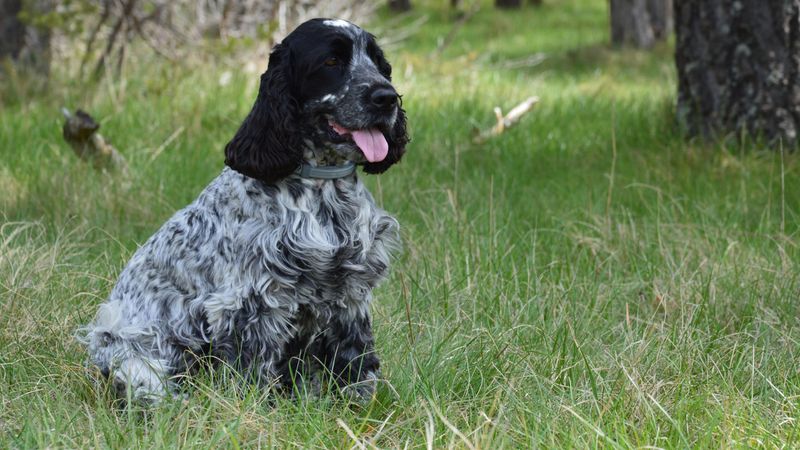
Here is a sneaky secret: the cocker got its name from flushing woodcock. Those twisty little birds love Ohio’s young forests.
Compact and sturdy, English Cockers squeeze into cattails and briar tangles bigger dogs avoid. Tails wag nonstop when they catch scent, which is pretty adorable.
They retrieve on land and water alike. Brush out burrs after each hunt.
Daily play keeps this merry little hunter happy and well-behaved.
12. German Shorthaired Pointer: The Swiss Army Knife
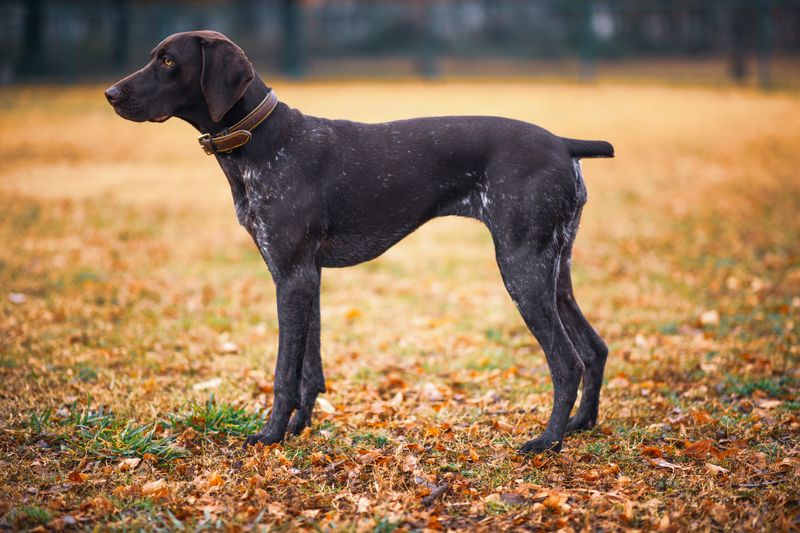
Point, retrieve, track, swim. Nineteenth-century German hunters wanted one dog for every job, and the GSP delivered.
Its short coat is easy to care for and handles warm early seasons nicely. Webbed feet turn it into a strong swimmer for marsh work.
Expect one to two hours of hard exercise daily, or mischief follows. Ohio preserves and a Cridersville breeder put these sleek athletes to work on birds.
13. German Wirehaired Pointer: Bearded and Bold
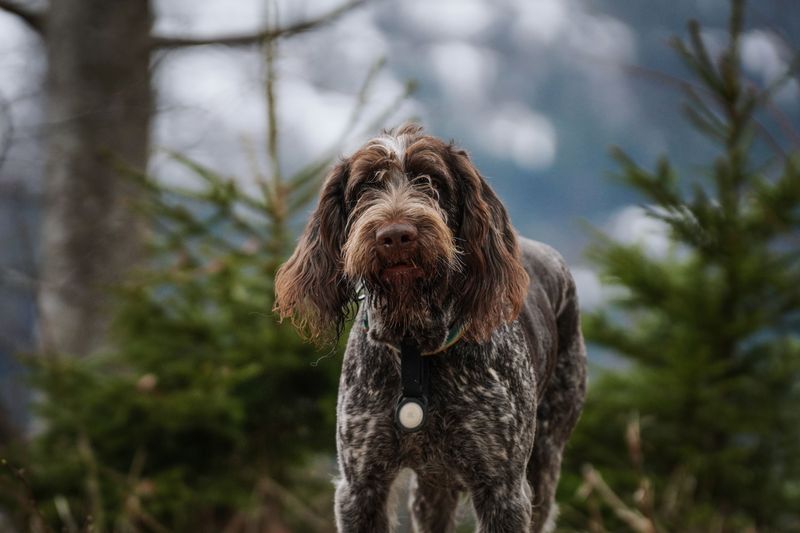
Those bushy eyebrows and scruffy beard are not just for looks. The GWP’s wiry coat acts like armor against brambles and freezing water.
Bred in late 1800s Germany, it points with style and retrieves from land or water. It even tracks wounded game with impressive skill.
GWPs crave a job and can be strong-willed. They also make alert watchdogs.
Ohio kennels offer quality pups for every kind of outdoor outing.
14. Wirehaired Pointing Griffon: Shaggy Supreme Gundog
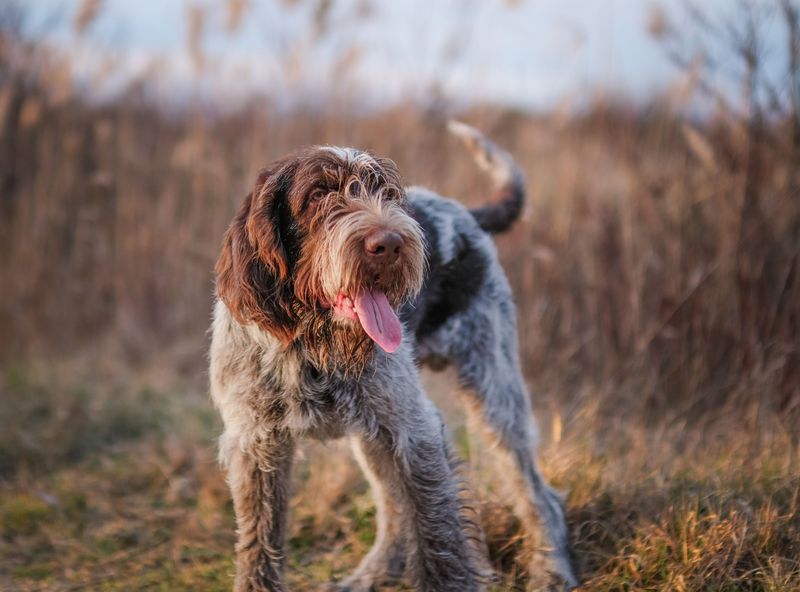
Fans proudly call it the Supreme Gundog. A Dutch sportsman designed it in the late 1800s for hunters on foot.
Griffs work close and steady, staying connected to you in thick cover. Their harsh double coat handles cold ponds and prickly brush equally well.
They are friendly with kids and other dogs. Daily exercise keeps boredom away.
A Middlefield, Ohio, breeder raises these shaggy charmers for local hunters.
15. Vizsla: The Golden-Rust Velcro Dog
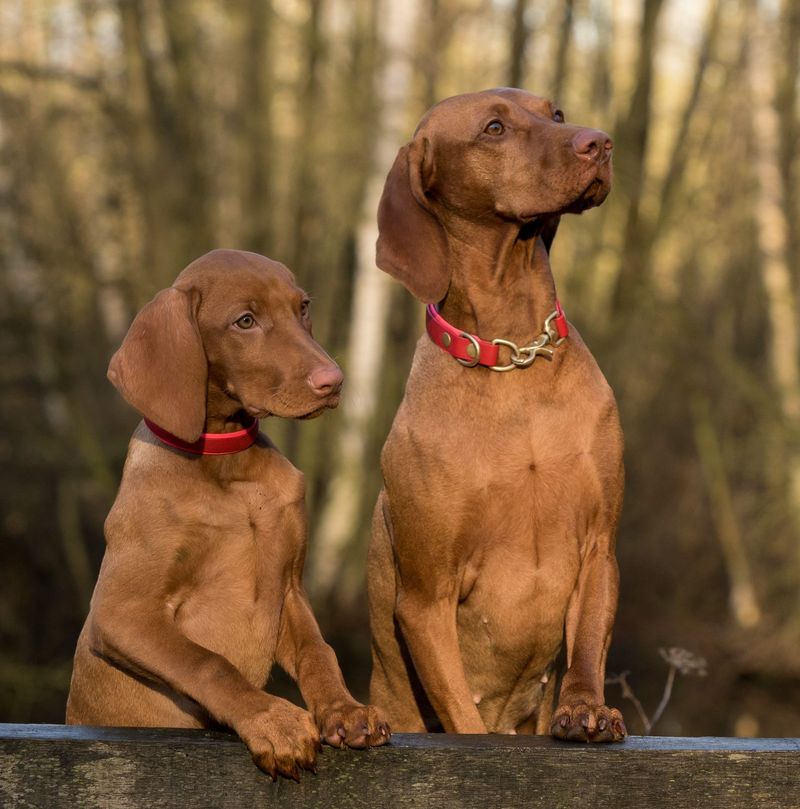
Hungarian nobles once guarded this golden-rust breed like treasure. Its roots stretch back to Magyar hunting tribes over a thousand years ago.
Vizsla puppies often point at just 8 to 12 weeks old. Their sleek coat needs little grooming and has almost no doggy smell.
Expect a shadow that follows you room to room. They need hours of daily activity.
A central Ohio breeder focuses on dual-quality red dogs.
16. Weimaraner: The Grey Ghost
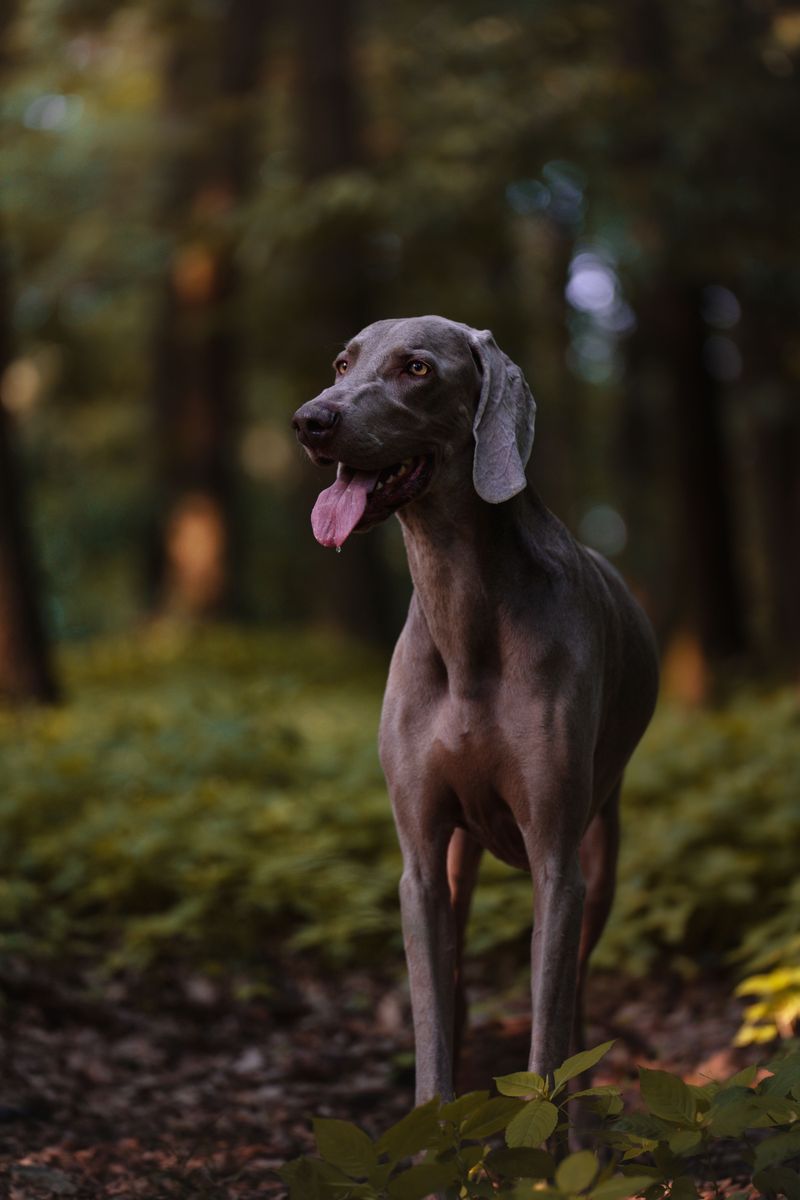
Silver coat, amber eyes, and a nickname straight from a mystery novel. Meet the Grey Ghost.
A German duke first bred Weimaraners for boar and deer. Later they became versatile bird dogs that point, track, and retrieve on land or water.
Patient, positive training tames their stubborn streak. Ohio hunting preserves, like one in Seville, give these athletic dogs room to show off their impressive range of skills.
17. English Setter: The Gentleman of Grouse Woods
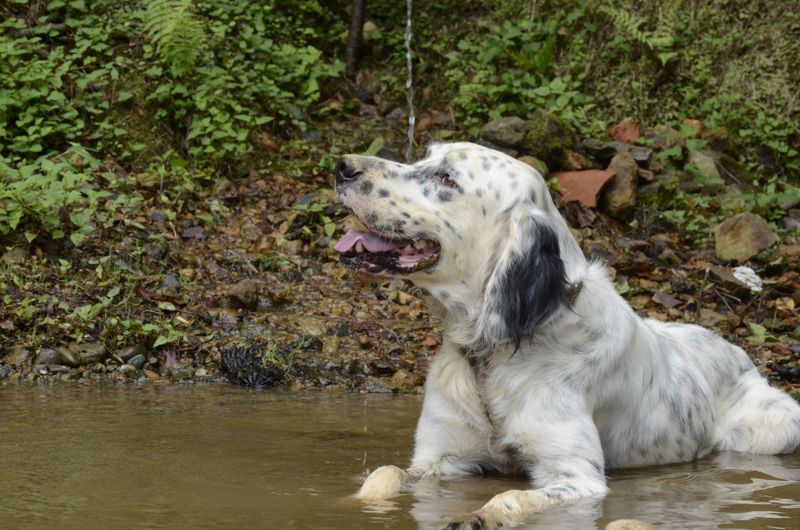
Centuries ago, setters crouched low to show hunters where birds hid. Today’s English Setter stands tall instead, in a picture-perfect point.
Its white coat flecked with orange, black, or liver is called belton. Field lines run lighter, gliding through Ohio’s grouse and woodcock cover.
Sweet and gentle, setters adore family life. A fenced yard helps burn energy.
A central Ohio kennel breeds Ryman-type setters for foot hunters.
18. Gordon Setter: Highland Royalty
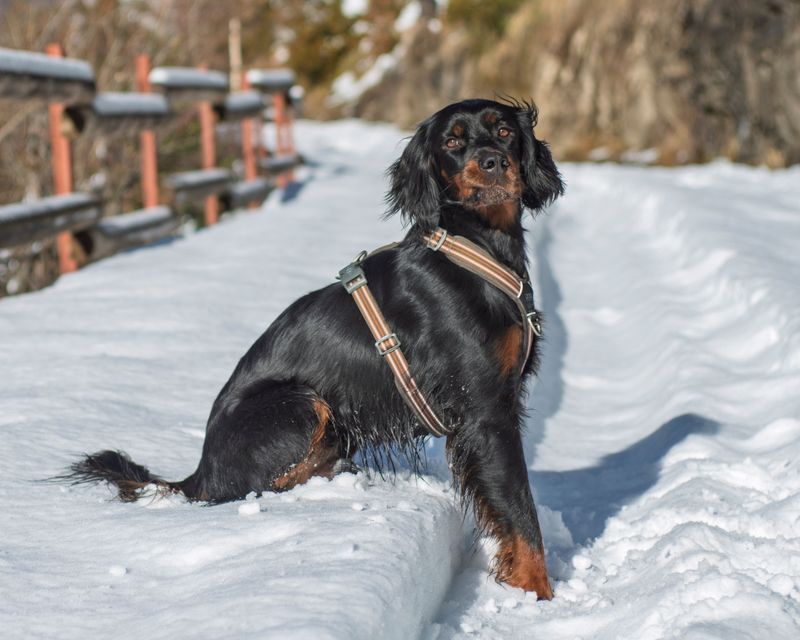
Glossy black and tan, the Gordon Setter looks dressed for a royal ball. It is actually ready for a long, muddy hike.
Named after a Scottish duke, it is the largest setter breed. Gordons hunt thoroughly and patiently, pointing grouse and pheasant with steady focus.
Puppies are rambunctious, so bring patience. Adults mellow into loyal companions who love resting at your feet after a big day afield.
19. Pointer: The Original Statue
Long before cameras, Pointers were striking poses. They were among the first dogs to freeze and aim their noses at hidden birds.
Lean and fast, they cover huge open fields. Their short coat handles heat well and needs barely any grooming.
Some need retrieve training, but they learn quickly. Ohio’s many upland preserves offer pheasant and quail hunts where Pointers truly shine.
Grab the leash, and go find some birds.