15 Horse-Trail Etiquette Rules Virginia Dog Owners Should Practice
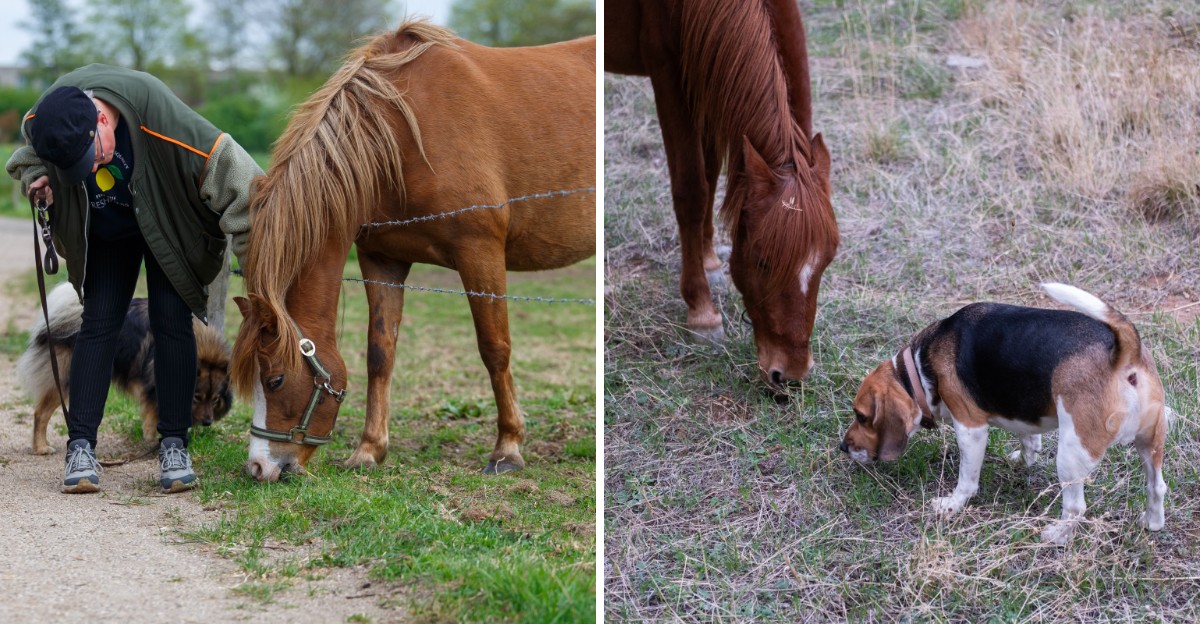
Sharing a Virginia trail with horses can be a rewarding part of walking your dog. A little planning helps everyone enjoy the woods, from curious pups to riders guiding their horses around bends.
You do not need horse experience to be a thoughtful trail neighbor, just clear habits and good timing. Before your next outing, use these practical rules to make passing, pausing, and exploring feel easier for everyone.
1. Check Whether Dogs Are Allowed on the Horse Trail
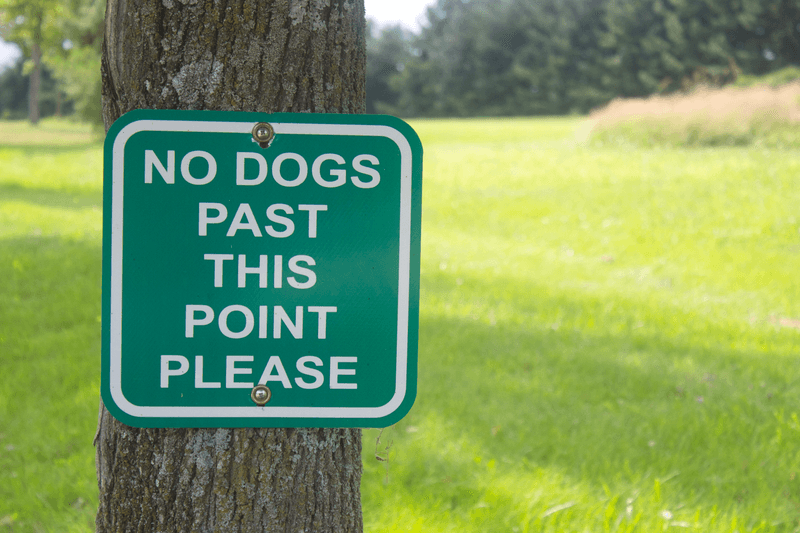
A welcoming trailhead does not always mean dogs can enter every route. Check the land manager’s website before leaving home, then read posted signs when you arrive.
Dog access, leash limits, and seasonal closures can differ between Virginia parks.
Call the park office if information seems unclear or outdated. Ask specifically about shared horse trails, not just general pet access.
Choosing an approved route prevents surprises and gives your outing a much smoother start today.
2. Keep Your Dog on a Short Leash
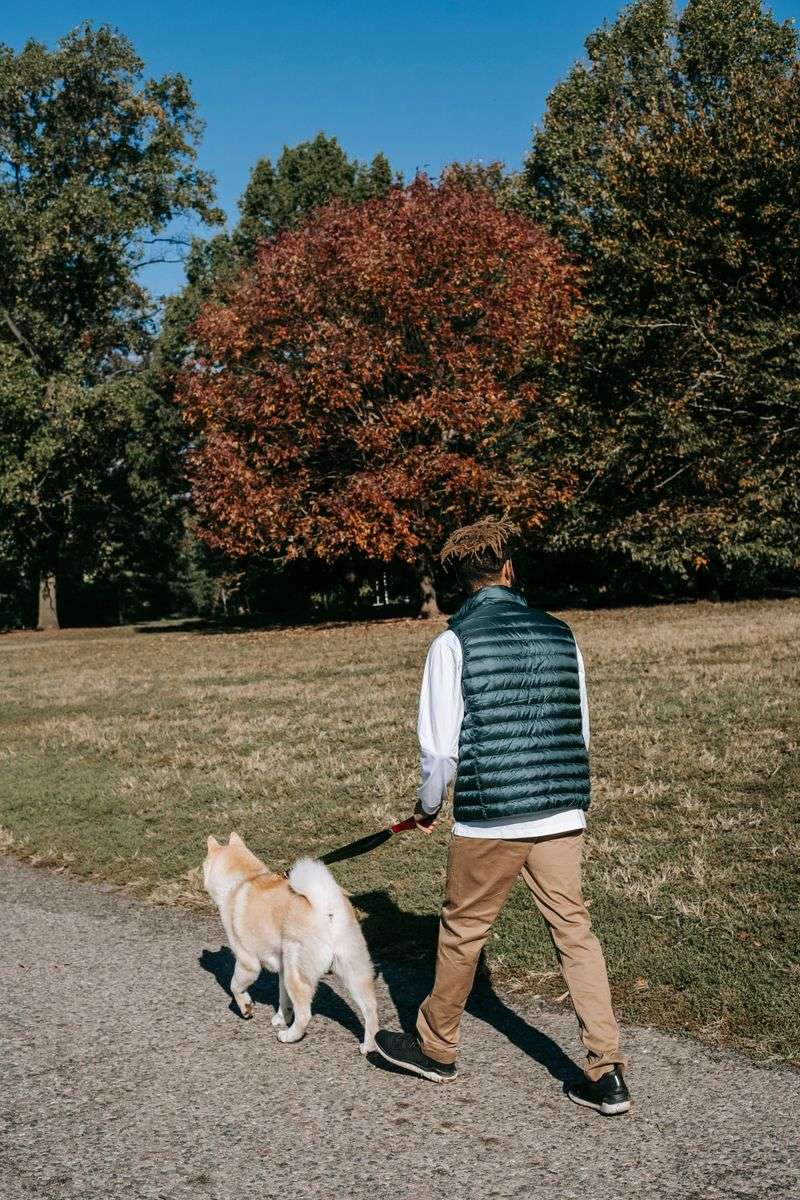
A loose leash should not mean a wandering dog when horses approach. Use a sturdy leash that keeps your dog close without constant pulling.
Avoid letting a retractable line stretch across the path.
Virginia leash requirements vary by locality and property, so confirm the posted rule rather than assuming one statewide limit. Before a horse passes, shorten your hold while leaving comfortable slack.
Keep the leash secure, and never wrap it tightly around your hand.
3. Give Horses Plenty of Room to Pass
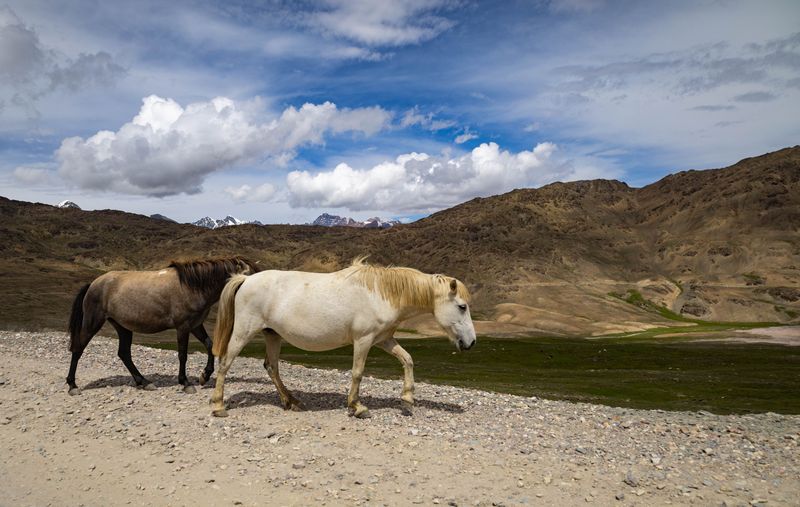
Extra space makes a passing horse easier for your dog to understand. Move well away from the horse’s path wherever the ground safely allows.
Keep your dog beside you, preferably on the side farthest from the horse.
No single distance works for every trail or animal. Ask the rider whether your position gives enough room.
If space remains tight, wait at a wider spot instead of squeezing past shoulders, hooves, or low hanging trail gear.
4. Always Yield to Horses
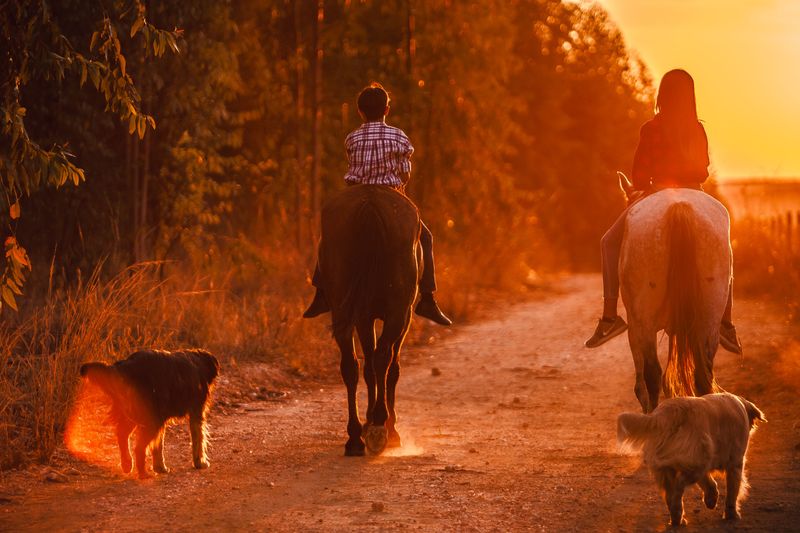
On shared trails, the usual courtesy is for hikers and dogs to yield to horses. Follow posted right of way instructions and any directions from trail staff.
Stop early instead of making the rider guess your next move.
Find a stable place outside the travel lane and hold your dog close. Allow the entire riding group to pass before stepping back.
A brief pause keeps traffic predictable and makes the encounter more comfortable for everyone.
5. Let Riders Know You Are There
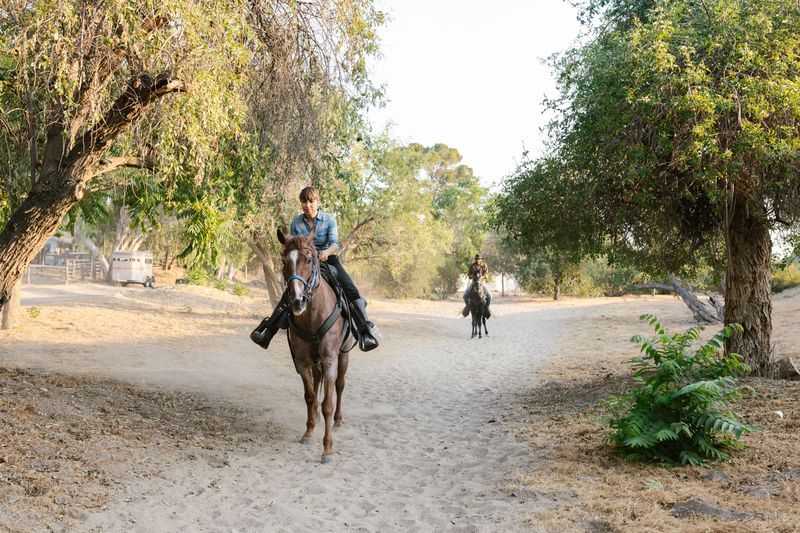
A friendly voice can prevent an awkward surprise around a wooded bend. Speak calmly as soon as you notice a rider approaching.
A simple greeting helps identify you as a person rather than an unfamiliar shape.
Mention that you have a dog, especially when brush blocks the rider’s view. Ask where they would prefer you to wait.
Avoid shouting, sudden waving, or stepping from cover at the last moment. Clear communication gives everyone time to adjust.
6. Never Let Your Dog Chase Horses
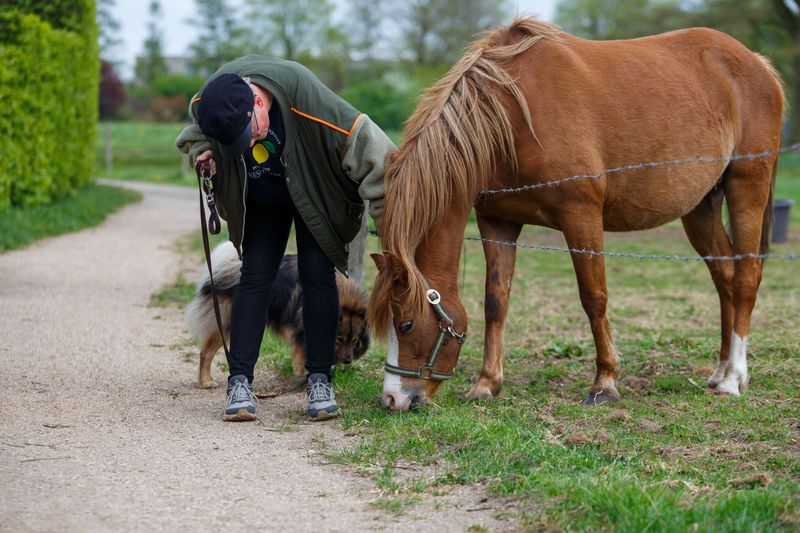
Even playful chasing can unsettle a horse and create trouble on a narrow path. Keep your dog physically secured before horses come close.
Recall skills are helpful, but they do not replace a leash during these encounters.
Watch for staring, crouching, or sudden forward pulling. Increase distance before that interest becomes movement.
Reward your dog for turning toward you instead. If chasing seems likely, choose another route and work with a qualified reward based trainer first.
7. Practice Calm Behavior Around Large Animals
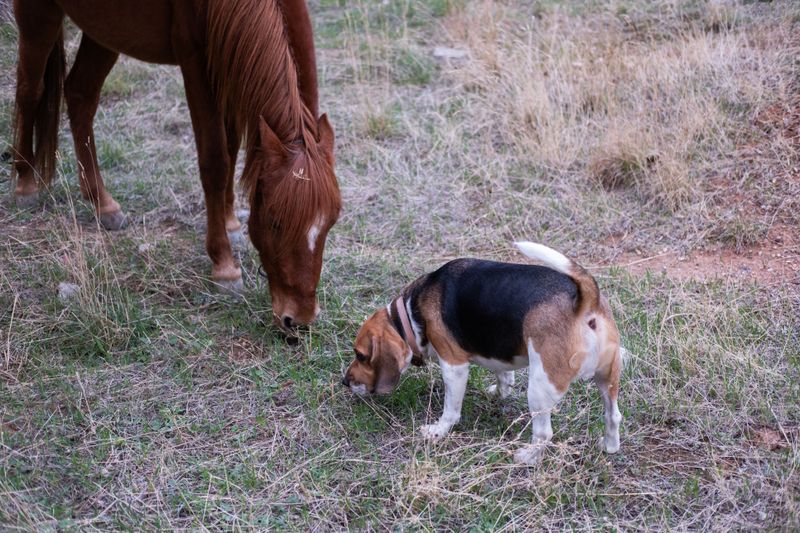
Good trail manners begin somewhere quieter than a busy horse crossing. Practice attention, waiting, and walking beside you before adding large animals.
Start far enough away that your dog can notice horses without becoming tense.
Reward relaxed behavior with small treats, then leave while things still feel easy. Never use an unfamiliar horse as a close training partner without permission.
Short, successful sessions build useful habits. Progress should follow your dog’s comfort, not a fixed schedule.
8. Step Off Narrow Trails Safely
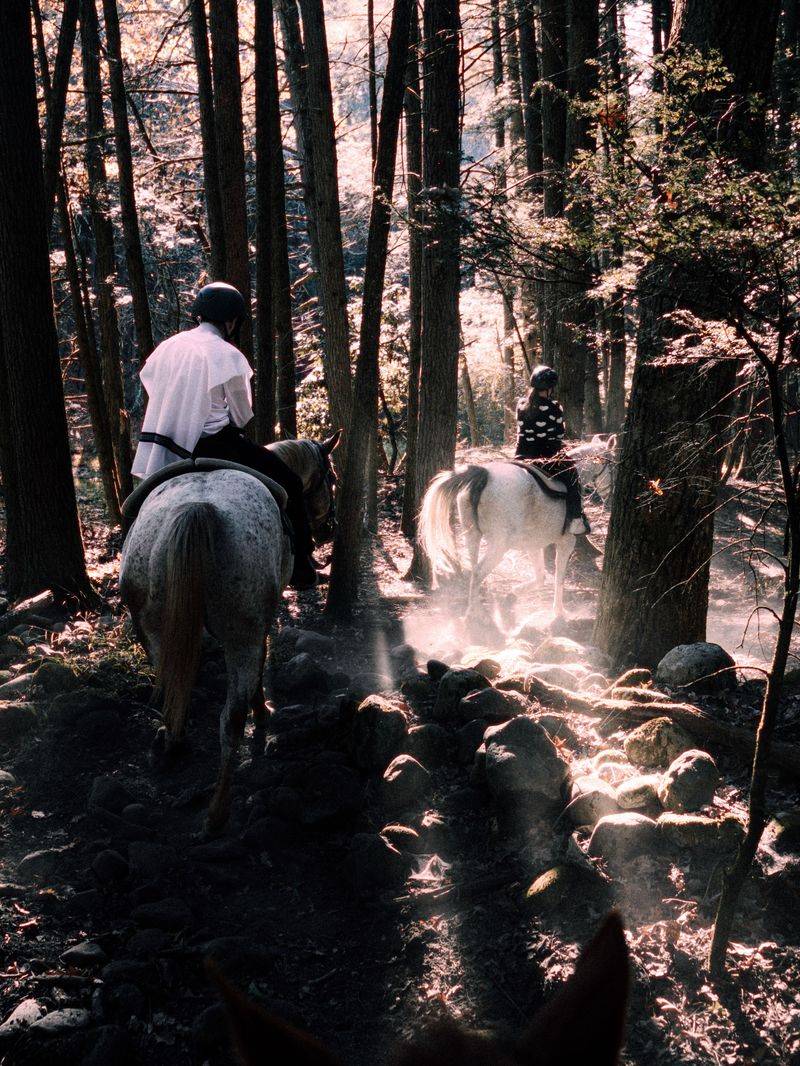
A narrow stretch calls for planning, not a quick scramble into brush. Look ahead for firm, open ground where you and your dog can wait.
Ask the rider which side works best when slopes or obstacles complicate passing.
Avoid unstable edges, hidden holes, and sensitive plants. Do not climb above a horse or duck beneath vegetation without discussing your position.
If no safe turnout exists, calmly coordinate a retreat to wider ground before either party advances.
9. Avoid Standing Directly Behind a Horse
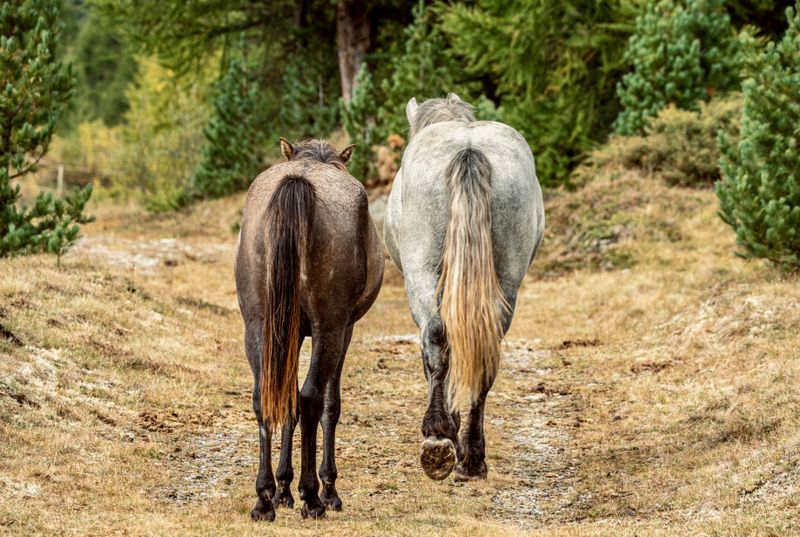
The space behind a horse is not a good waiting spot. Horses have areas they cannot see clearly, including directly behind them.
An unexpected dog nearby may startle them, and hooves can move quickly.
Keep a generous gap and remain where the rider knows your location. Never let your dog sniff a horse’s back legs or tail.
When following riders, slow down rather than crowding them. Ask before passing, and wait for clear guidance from ahead.
10. Ask Before Approaching Horses
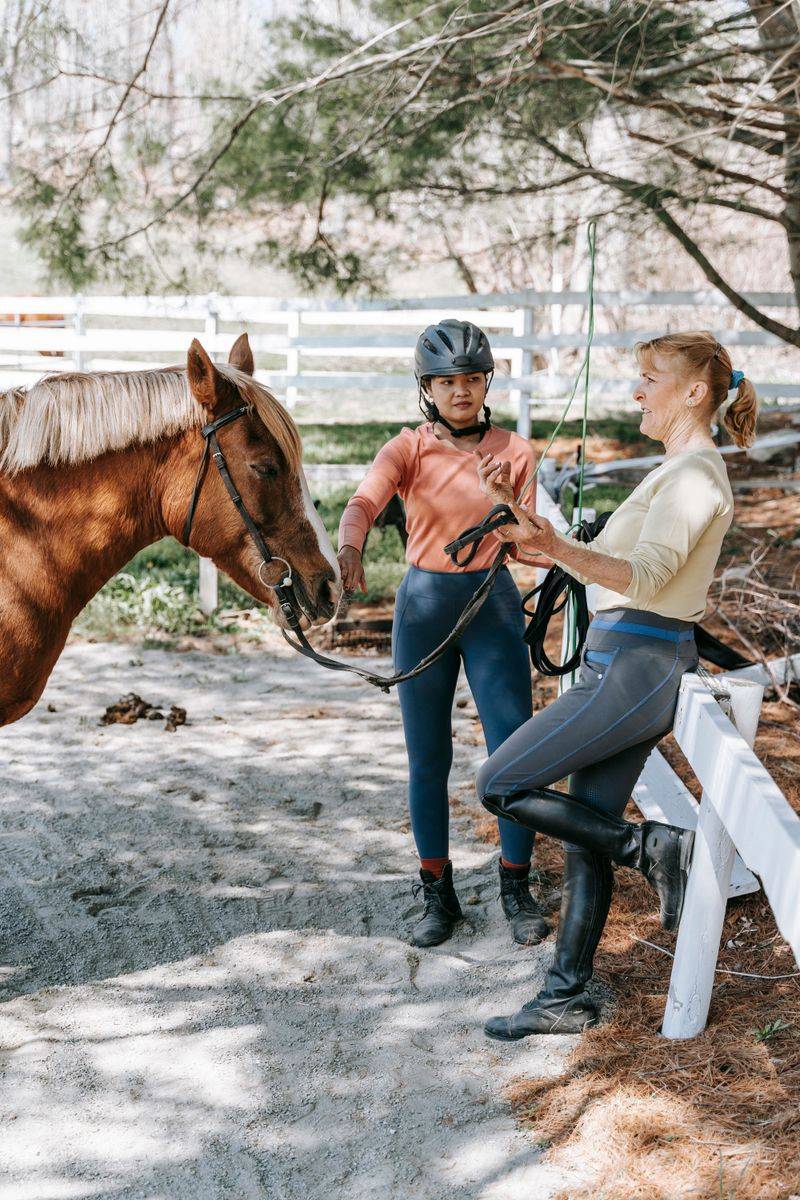
A friendly looking horse is still someone else’s animal with individual needs. Ask the rider before moving closer, offering food, or reaching out.
Permission to pet the horse does not automatically include permission for your dog to approach.
Many riders will prefer a quiet pass without introductions, and that is perfectly reasonable. Keep children beside you while discussing any greeting.
If permission is given, follow the rider’s instructions closely. Skipping contact is always an acceptable choice.
11. Keep Your Dog Away From Horse Manure
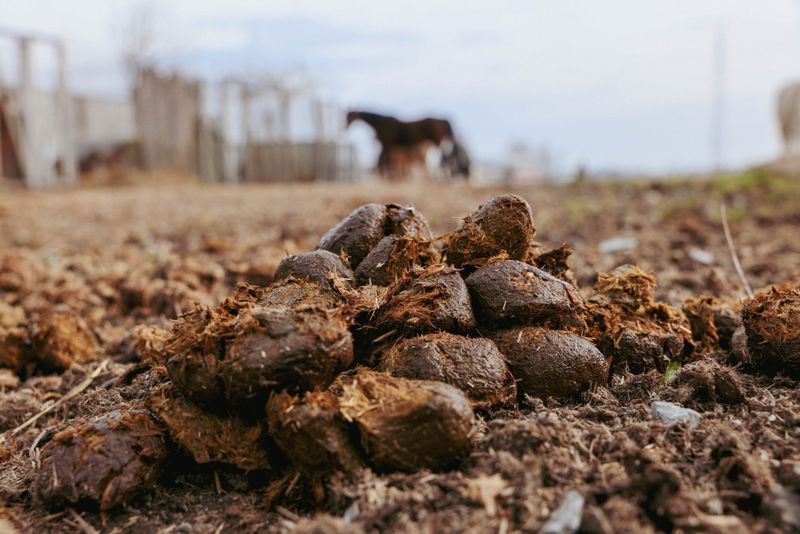
To a curious dog, a manure pile may seem worth investigating. Guide your dog around it and practice a reliable leave it cue.
Eating manure can cause stomach upset and may expose dogs to parasites or medication residues.
The level of concern depends on what was eaten and your dog’s health. Contact your veterinarian if ingestion happens, especially when symptoms appear.
Never assume every pile is dangerous, but preventing snacking is the simplest practical habit here.
12. Check Trail Conditions Before You Go
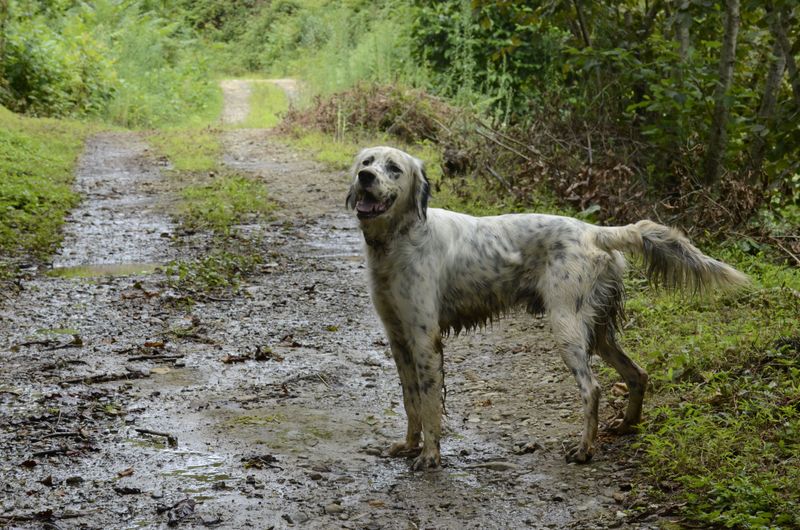
Yesterday’s rain can change today’s walking plan, especially on heavily used shared trails. Check official park updates for closures, muddy sections, storm damage, and scheduled events.
A route open to hikers may have different rules for horses.
Respect barriers even when the path ahead looks passable. Wet ground can be easily damaged, and slippery footing complicates close encounters.
Review the forecast too. Choose a firmer alternative when conditions would make yielding difficult for you or your dog.
13. Bring Water for Your Dog
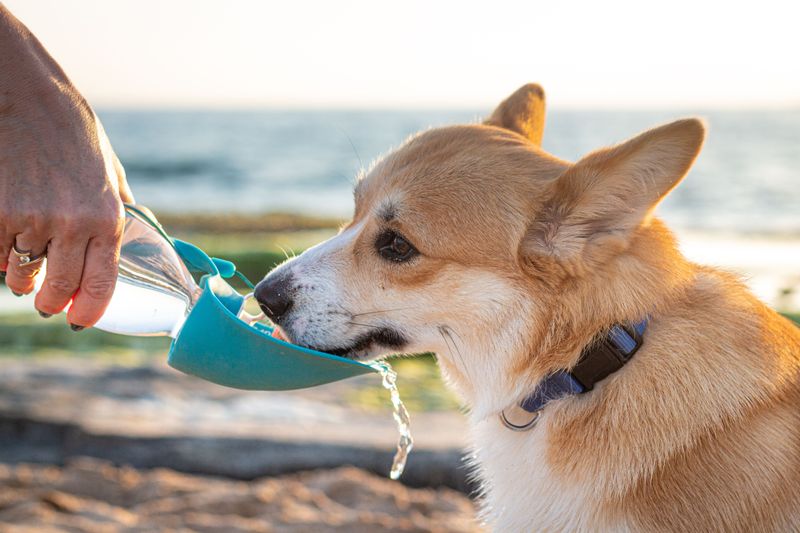
A thirsty dog has less patience for waiting beside a busy trail. Pack clean drinking water and a bowl, even on shorter outings.
Virginia’s warm, humid weather can make regular breaks especially helpful.
Offer water in a shaded place away from passing horses. Do not rely on streams, puddles, or shared troughs as your only supply.
Watch for heavy panting or slowing down, and shorten the walk when needed. Ask your veterinarian about individual hydration needs.
14. Watch for Wildlife Along the Trail
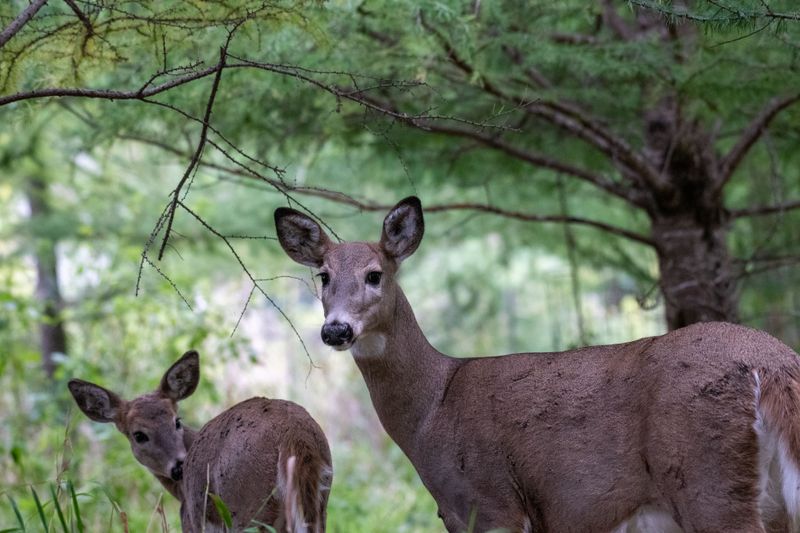
A squirrel crossing the path can quickly redirect your dog’s attention. Scan ahead for wildlife, especially near brush, water, and quieter trail sections.
Keep your grip secure without holding constant tension on the leash.
When your dog notices an animal, create distance and reward attention toward you. Do not allow chasing, even away from horses.
Sudden movement can affect nearby riders too. Give wildlife space to leave, and avoid cornering animals while trying to continue your walk.
15. Leave Room for Other Trail Users
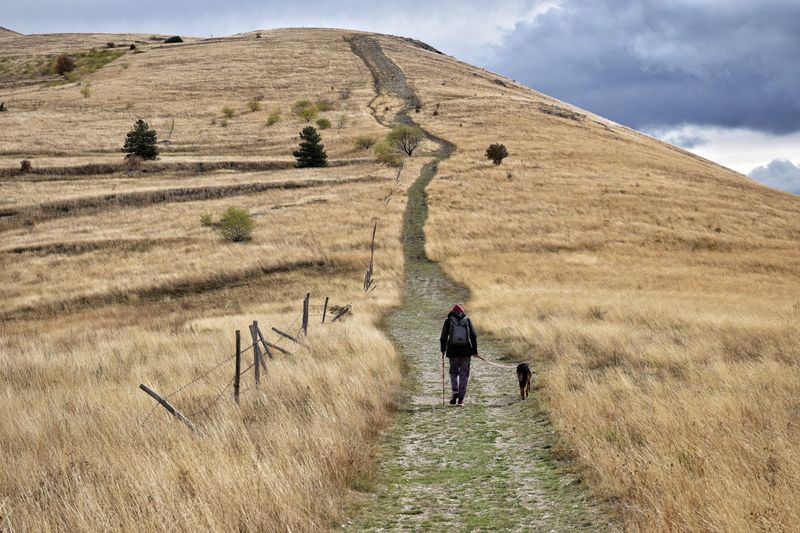
Shared trails work best when everyone can read the space ahead. Keep your group compact rather than spreading across the full path.
Move conversations and snack stops to suitable areas outside the main travel lane.
Prevent leashes from stretching across passing routes, and stay alert when bikes or runners approach. Posted rules determine local access and yielding expectations.
Let horses clear the area before inviting others through. Small adjustments reduce crowding without turning every meeting into a negotiation.