What Indiana Law Says When One Dog Injures Another

A walk around your Indiana neighborhood can bring unexpected questions when one dog injures another. You may wonder who pays the vet bill, whether leash rules matter, and what steps protect your dog.
Indiana law treats these situations differently from bites involving people, so the details deserve careful attention. Knowing what to document, where to report concerns, and when to seek legal advice can help you move forward calmly.
1. Start With the Difference Between Human and Dog Injuries
A familiar phrase like dog bite law can hide an important difference. Indiana has specific rules for certain bites involving people.
Those rules do not automatically decide cases involving an injured dog.
Pets generally count as personal property under Indiana law. A claim may instead involve negligence or other legal principles.
Start by recording how the injury happened and who controlled each dog. Those details help identify which rules actually fit your particular situation before proceeding.
2. Veterinary Bills Depend on Legal Responsibility
An unexpected vet bill does not automatically become the other owner’s debt. Their responsibility depends on evidence supporting a legal claim.
The fact that their dog caused an injury matters, but it may not settle everything.
Keep treatment records and explain the incident clearly when requesting payment. Avoid guessing about costs that your veterinarian has not confirmed.
If responsibility remains disputed, an Indiana attorney can help assess whether the facts support seeking reimbursement through legal action.
3. Read Indiana’s Dog-Bite Statute Carefully
The statute’s actual wording matters more than its nickname. Indiana Code § 15-20-1-3 concerns qualifying dog bites to people.
Its coverage includes people acting peaceably where legally permitted, including certain officials performing required duties.
Under its conditions, liability can apply without prior knowledge of vicious behavior. However, that protection does not automatically extend to another dog.
Avoid treating this section as a universal payment rule for animal injuries. Have an attorney evaluate the appropriate legal basis instead.
4. Reasonable Care Can Shape a Negligence Claim

A loose gate can become more than a household nuisance. Negligence generally involves failing to use reasonable care and causing harm.
An injured dog’s owner must connect that failure to the injury and resulting losses.
Knowingly letting a dog with concerning behavior roam could provide relevant evidence. Broken fencing, ignored warnings, and poor handling may also matter.
No single detail guarantees a successful claim. Preserve facts showing what precautions were reasonable under the circumstances that day.
5. An Escaped Dog Raises Questions About Restraint
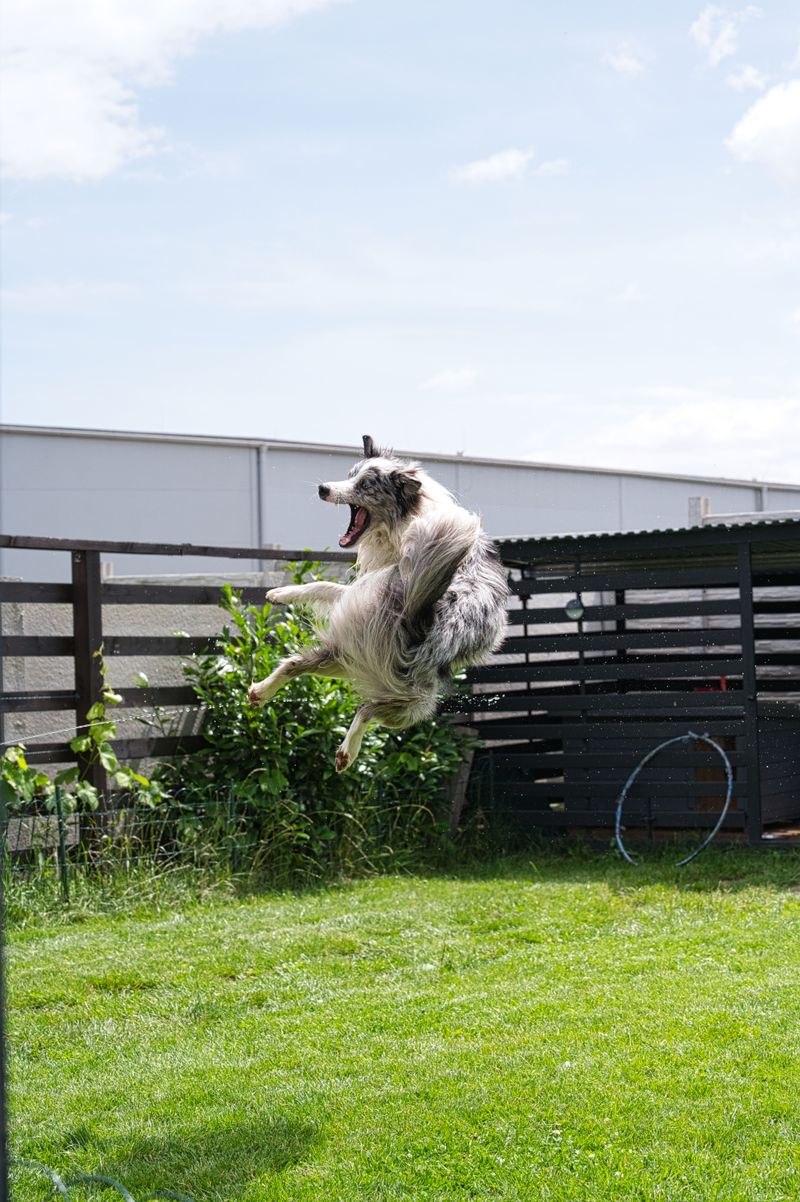
Finding a dog outside its yard does not answer every legal question. Investigators may examine damaged fencing, an open gate, or earlier escapes.
Local rules about roaming dogs may also affect the analysis.
Indiana Code § 15-20-1-4 addresses certain restraint failures involving attacks or bites on people. It does not automatically establish liability for another dog’s injuries.
Photograph escape conditions safely and record what you observed. Separate direct observations from guesses about how the dog got loose.
6. Past Behavior May Show What an Owner Knew
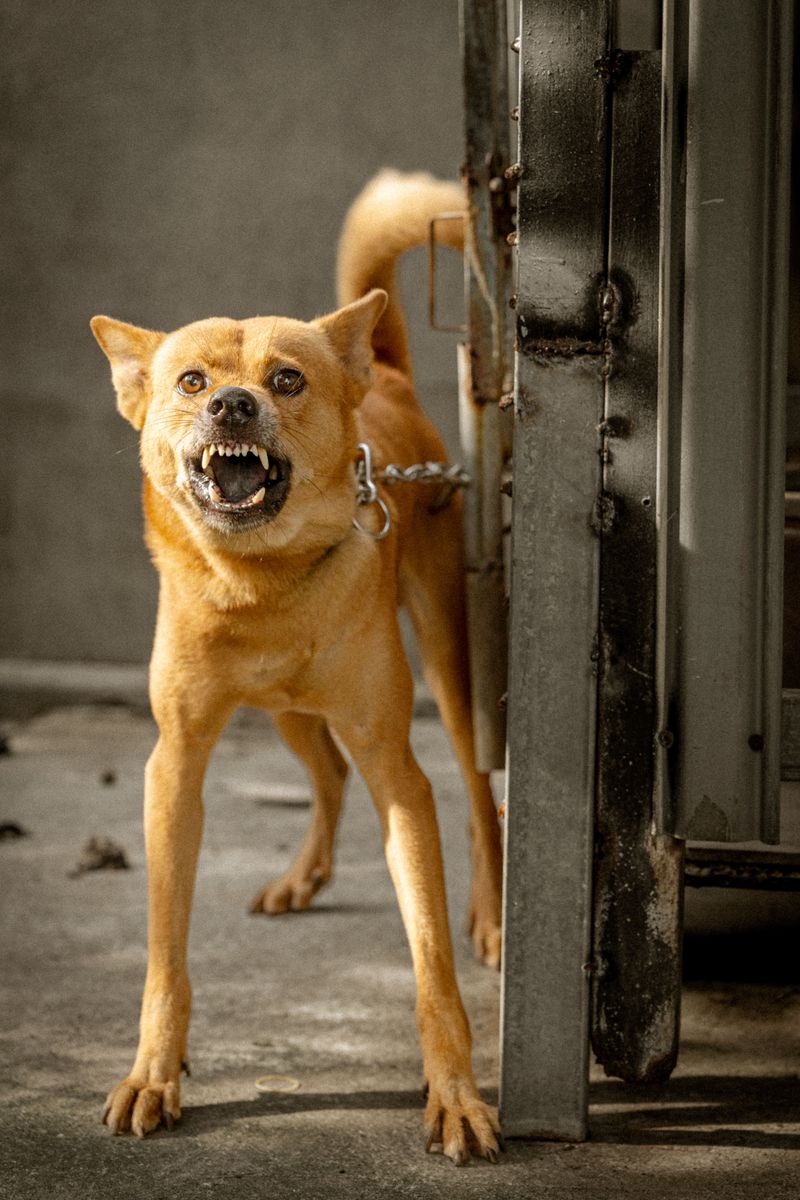
Earlier warnings can help explain whether a risk was foreseeable. Previous attacks, documented lunging, or direct complaints may show what an owner knew.
Relevant behavior need not always involve an earlier bite.
Write down dates, witnesses, and how warnings reached the person responsible. Avoid relying only on neighborhood rumors or broad breed assumptions.
A dog’s history can strengthen an argument, but it does not decide fault alone. The circumstances of the current incident still need careful review.
7. Both Owners’ Actions Can Affect Recovery
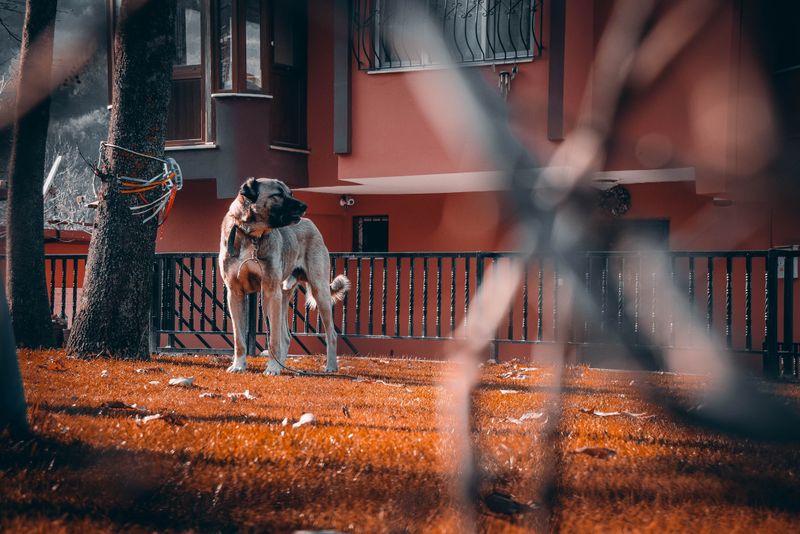
Responsibility may involve more than one person’s choices. Your own handling, supervision, or response could affect a negligence claim.
Indiana’s comparative fault rules can apply to claims involving property damage.
When applicable, shared fault can reduce recovery, and fault exceeding fifty percent can prevent recovery. Exceptions and different legal claims require individual review.
Give your attorney an honest account of both dogs’ behavior. Leaving out inconvenient details can make evaluating the situation harder and resolving disagreements slower.
8. Two Loose Dogs Do Not Mean Equal Fault
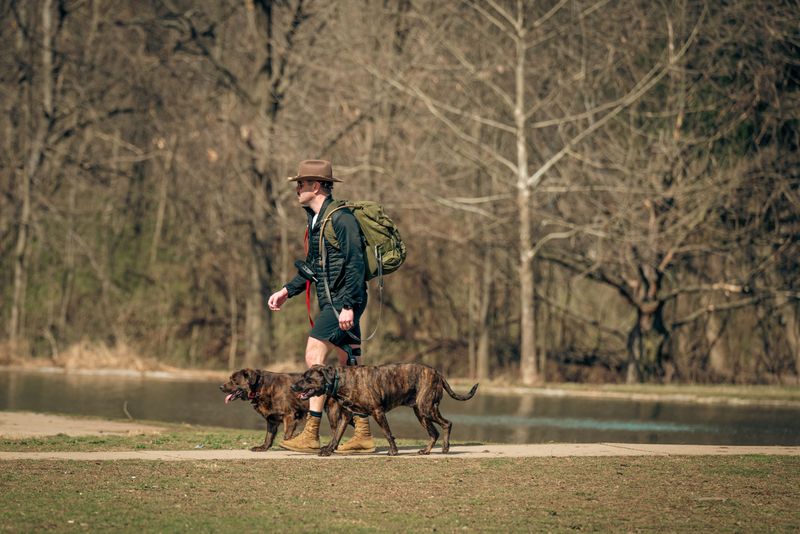
Equal leash status does not necessarily mean equal responsibility. When both dogs were loose, their behavior and each owner’s choices still matter.
Courts may consider where contact began and whether either person ignored a clear risk.
Check whether the location allowed dogs without leashes at that time. A designated exercise area may have different rules from a sidewalk.
Record distances, commands, and attempts to regain control. Evidence should explain events rather than simply label both owners careless.
9. The Person Handling the Dog May Matter
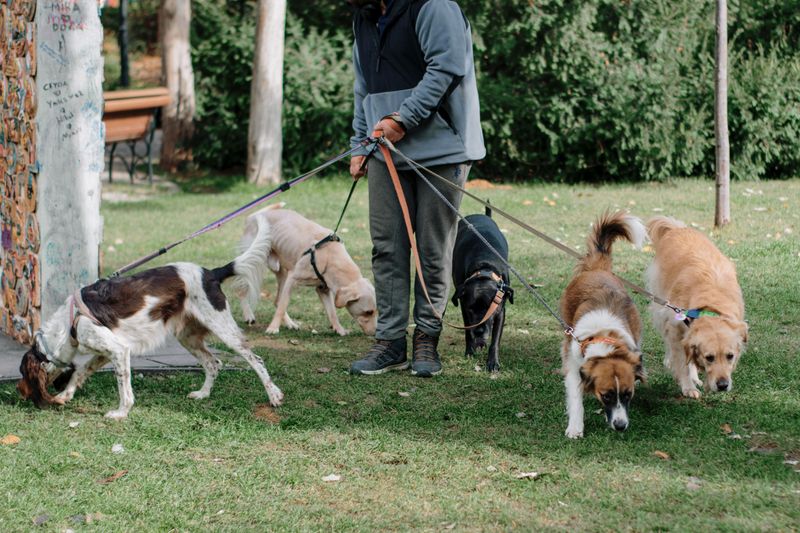
The name on a registration is only a starting point. Indiana Code § 15-20-1-2 includes people who possess, keep, or harbor dogs.
That definition applies within the state’s dog-bite chapter.
A different claim may require a separate analysis of responsibility and control. A sitter, walker, or household member might therefore be relevant.
Record who handled the dog and who controlled its surroundings. Do not assume every caretaker automatically owes payment simply because they were present during the incident.
10. Private Property Does Not Settle the Dispute
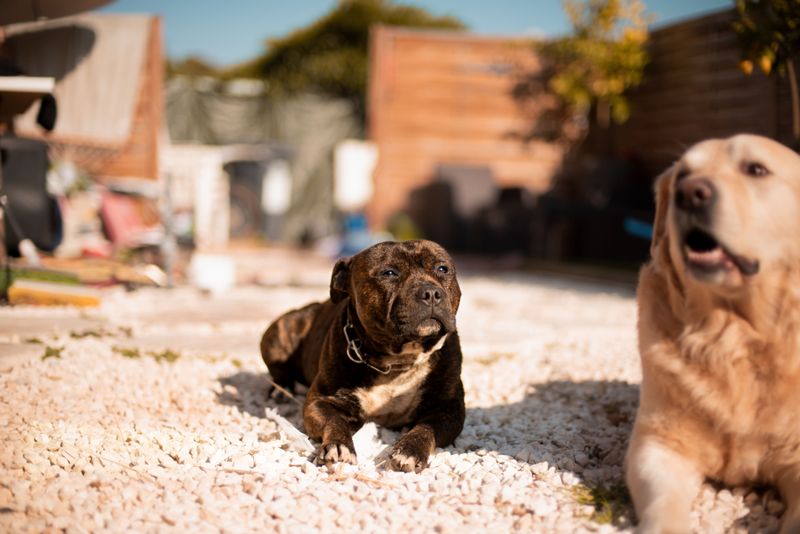
A backyard address does not automatically erase legal responsibility. Permission to enter, the reason for visiting, and the dogs’ behavior may matter.
Property boundaries are relevant, but they are not the entire case.
Save messages arranging visits or giving permission to bring a dog. Photograph gates and any posted notices without entering somewhere unlawfully.
Duties can differ depending on the circumstances and legal claim. Get tailored advice before assuming either trespassing or an invitation resolves every question.
11. Build a Clear Record of Treatment Costs
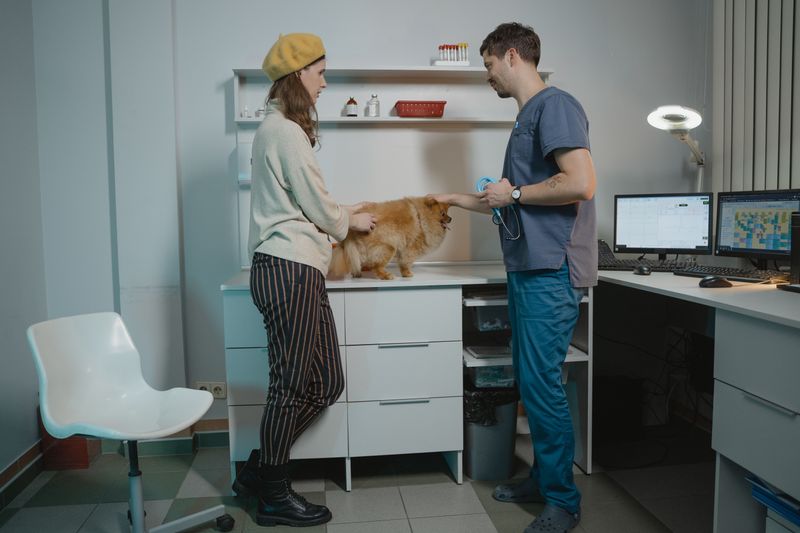
A tidy folder can make a complicated bill easier to explain. Save itemized charges for examinations, tests, medication, and follow-up care.
Ask the veterinarian to connect treatment to the incident in the medical record.
Reasonable related expenses may be recoverable, depending on the claim and applicable damage rules. Payment is not guaranteed for every requested service or future estimate.
Separate existing health costs from injury treatment. Keep receipts showing what you paid and any remaining balance owed.
12. Photos and Witnesses Preserve Useful Details

Small details often fade sooner than people expect. Once everyone is safe, photograph the location, fencing, leash conditions, and visible injuries.
Never delay treatment or approach an unsettled dog to get a picture.
Ask witnesses for contact information and their own account of events. Save original image files and nearby camera footage when available.
Write a timeline while your memory is fresh. Describe what you actually saw, and clearly identify anything you learned later from someone else.
13. Local Animal Control Can Explain Reporting Rules
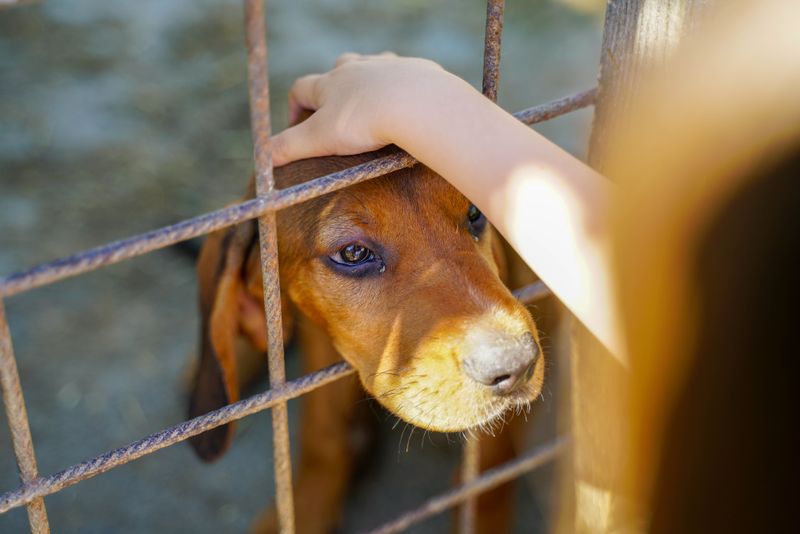
Your local animal control office can clarify the next reporting step. Contact the appropriate agency about roaming dogs, safety concerns, or possible ordinance violations.
Requirements vary across Indiana cities and counties.
Provide accurate details, the location, and available witness information. Ask for a report number and how to obtain a copy.
An agency investigation does not automatically award veterinary expenses or settle civil fault. Its records may still help document events and identify relevant local rules for review.
14. Earlier Complaints Need Careful Checking
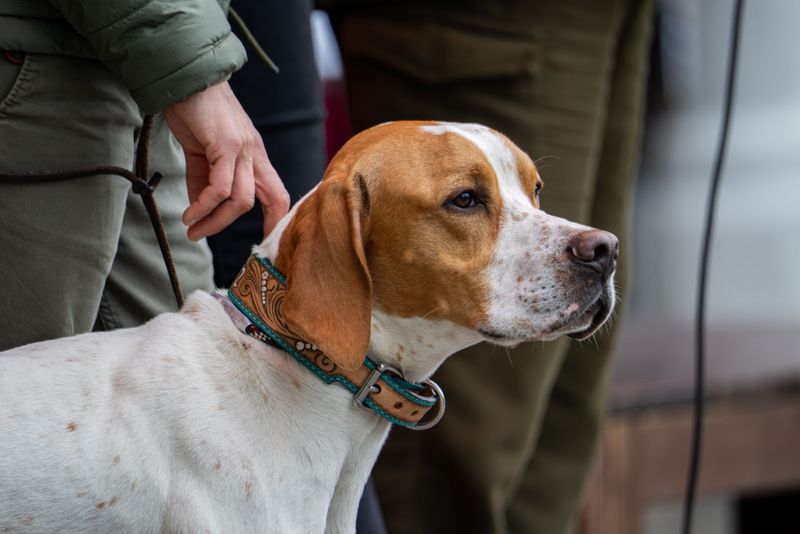
A neighbor mentioning an earlier incident offers a lead, not proof. Official complaints or documented warnings may help establish an owner’s knowledge.
Their usefulness depends on what happened and whether the information is reliable.
Ask the relevant agency about available records and its request process. Some information may be withheld or require additional steps to obtain.
Compare dates, locations, and dog descriptions carefully. An earlier allegation does not establish responsibility for a new incident without supporting evidence.
15. Prompt Veterinary Care Comes Before Payment Debates
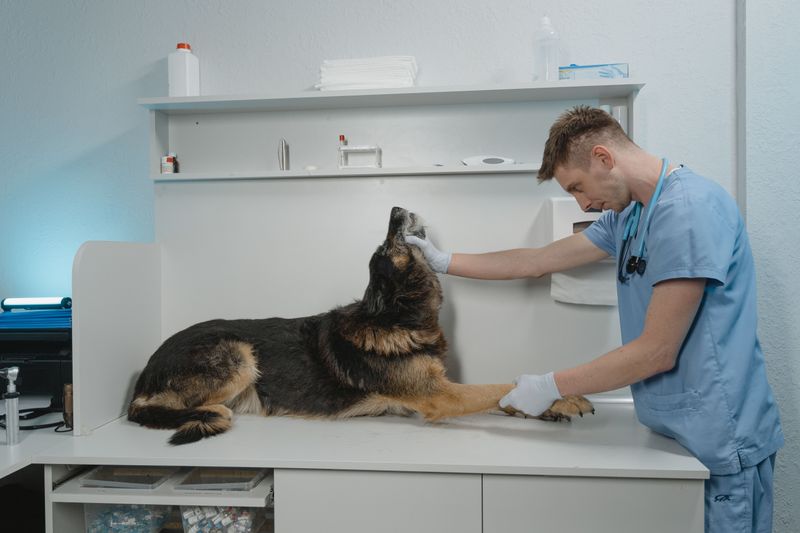
Your dog’s comfort comes before sorting out who owes money. Contact a veterinarian promptly after an injury, even when outward signs seem limited.
Let the clinic assess urgency and recommend appropriate care.
Do not postpone necessary treatment while waiting for another owner’s agreement. Explain what happened and follow the veterinarian’s instructions for monitoring and appointments.
Save discharge papers, prescriptions, and invoices together. Once care is arranged, exchange contact details and ask about insurance without arguing over immediate fault.
16. Insurance Coverage Depends on the Policy
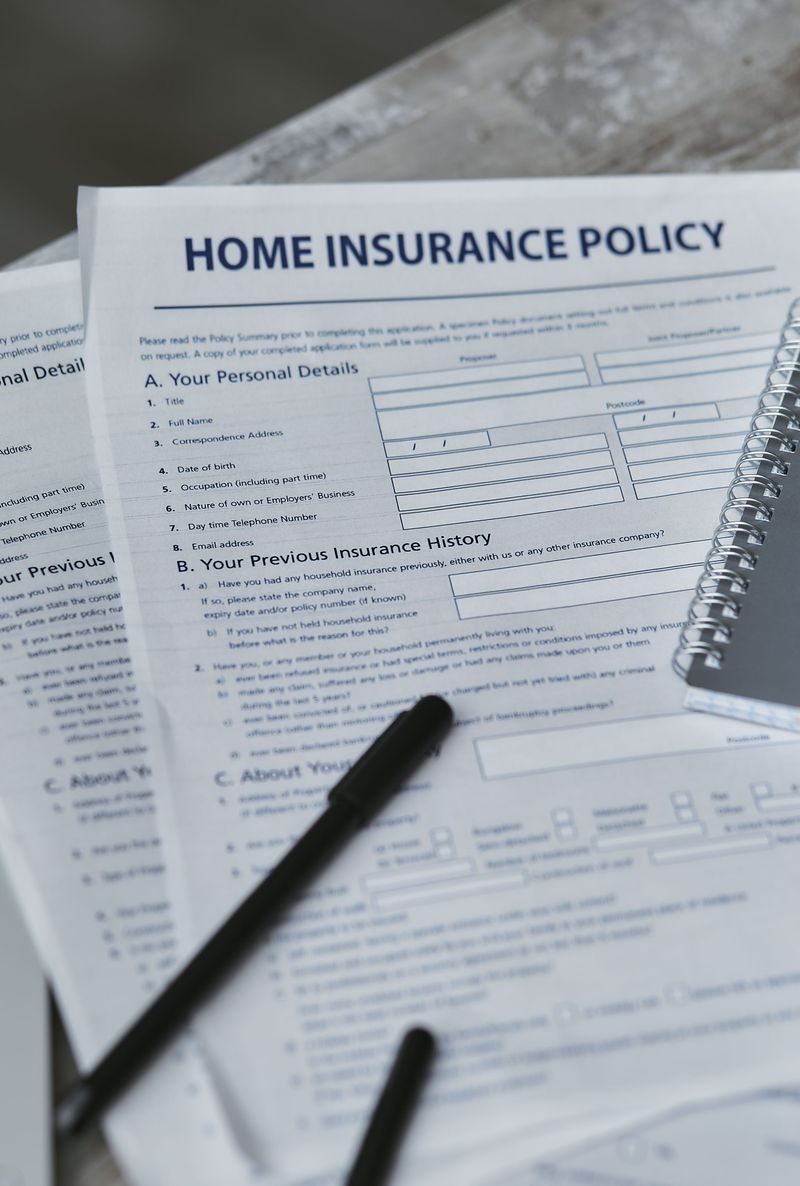
A policy may help, but its terms control the answer. Some homeowners or renters policies cover certain claims involving dogs.
Exclusions, coverage limits, and the incident’s circumstances can affect payment.
Ask the other owner whether applicable liability insurance exists and request claim contact details. Owners facing a claim should notify their insurer promptly.
Keep copies of correspondence and supporting documents. Do not assume a claim number means coverage is approved or every veterinary charge will be paid automatically.
17. Small Claims Court May Offer a Civil Option

Unresolved bills sometimes require a more formal approach. Indiana small claims court may provide an option within its monetary jurisdiction.
Check the current limit, filing rules, and proper court before submitting paperwork.
You generally need evidence of both legal responsibility and the amount requested. Organize bills, photographs, messages, and witness information into a clear timeline.
A documented payment request may help resolve matters beforehand. Court staff can explain procedures, but they cannot provide legal advice about winning.
18. Filing Deadlines Deserve Early Attention
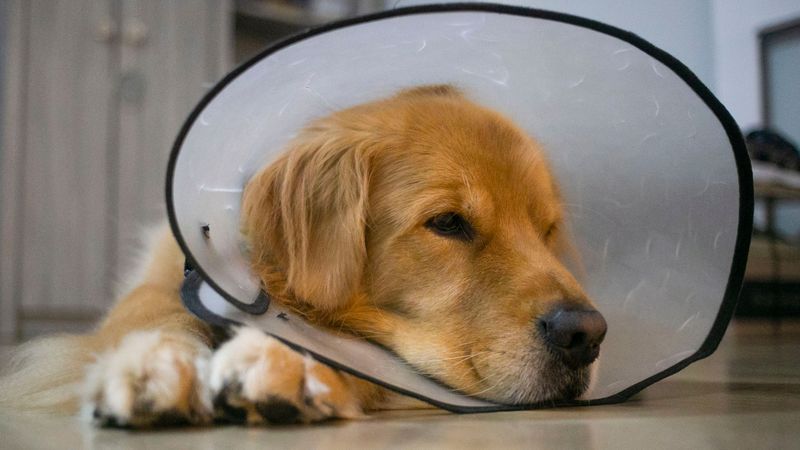
Waiting for a friendly agreement can quietly use valuable time. Civil claims have filing deadlines, which depend on their legal basis.
Indiana generally allows two years for injury to personal property under its limitations statute.
Animals generally fall within that property category, but exceptions and special notice rules may matter. Consult an Indiana attorney promptly rather than calculating a deadline alone.
Do not assume insurance discussions pause the clock. Keep the incident date and all correspondence readily available.
19. Follow a Calm After-Incident Checklist
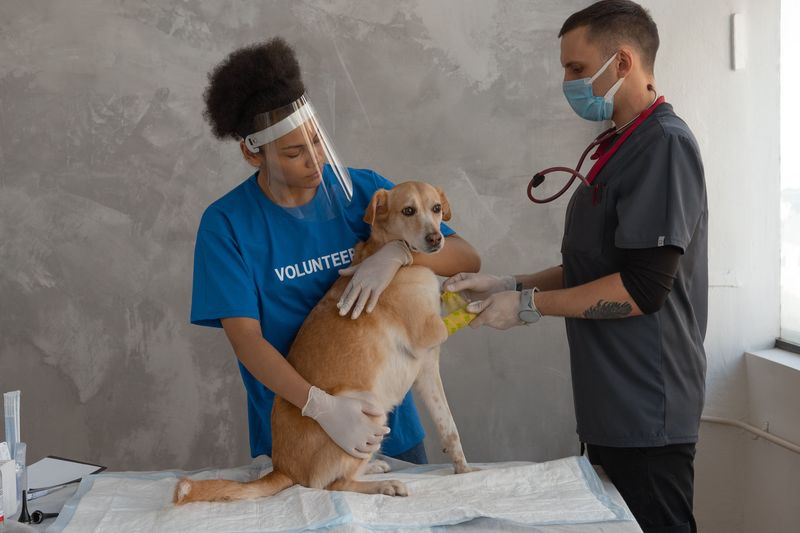
A simple plan helps when the moment feels confusing. Create distance between the dogs without putting your hands between them.
Avoid grabbing collars during active contact, and seek trained assistance when separation is unsafe.
Arrange veterinary care, exchange contact details, and document the location. Speak calmly and avoid guessing about fault or promising specific payments.
Record facts instead of debating them beside the road. Later, organize records, notify relevant insurers, and check whether local reporting requirements apply.
20. Verify State Law and Your Local Rules
Reliable answers start with official sources rather than neighborhood guesses. The Indiana State Board of Animal Health offers links to animal laws.
Read current statutes through the Indiana General Assembly and check local ordinance websites.
Your city or county may add leash, roaming, and dangerous dog requirements. Confirm unclear rules with animal control or an Indiana attorney.
This article provides general information, not personal legal advice. Remember the essentials: seek care, preserve facts, and verify rules before deciding.