15 Sporting Dog Breeds That Match Alabama’s Quail-Country Traditions
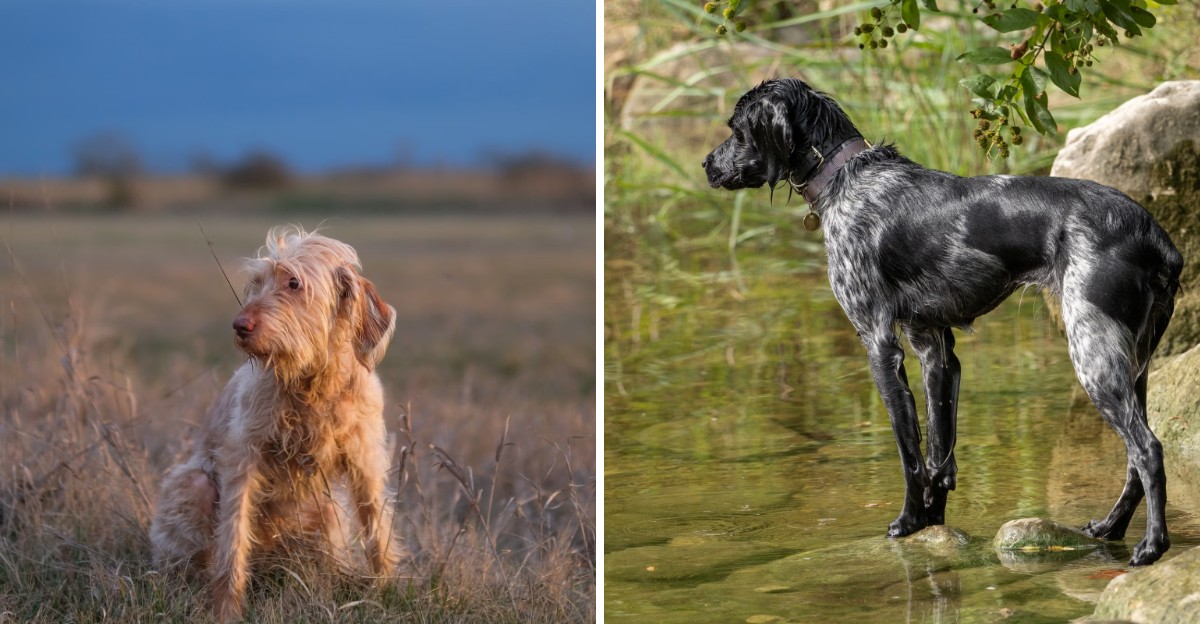
A still dog beside Alabama’s longleaf pines tells a story before a single bobwhite calls. Across quail country, good bird dogs earn their place through sharp noses, steady teamwork, and patient training.
Some cover open ground with sweeping strides, while others work closer through tangled cover. Finding your match means looking beyond tradition to the dog’s pace, coat, and everyday needs.
1. English Pointer: The Classic Quail-Country Silhouette
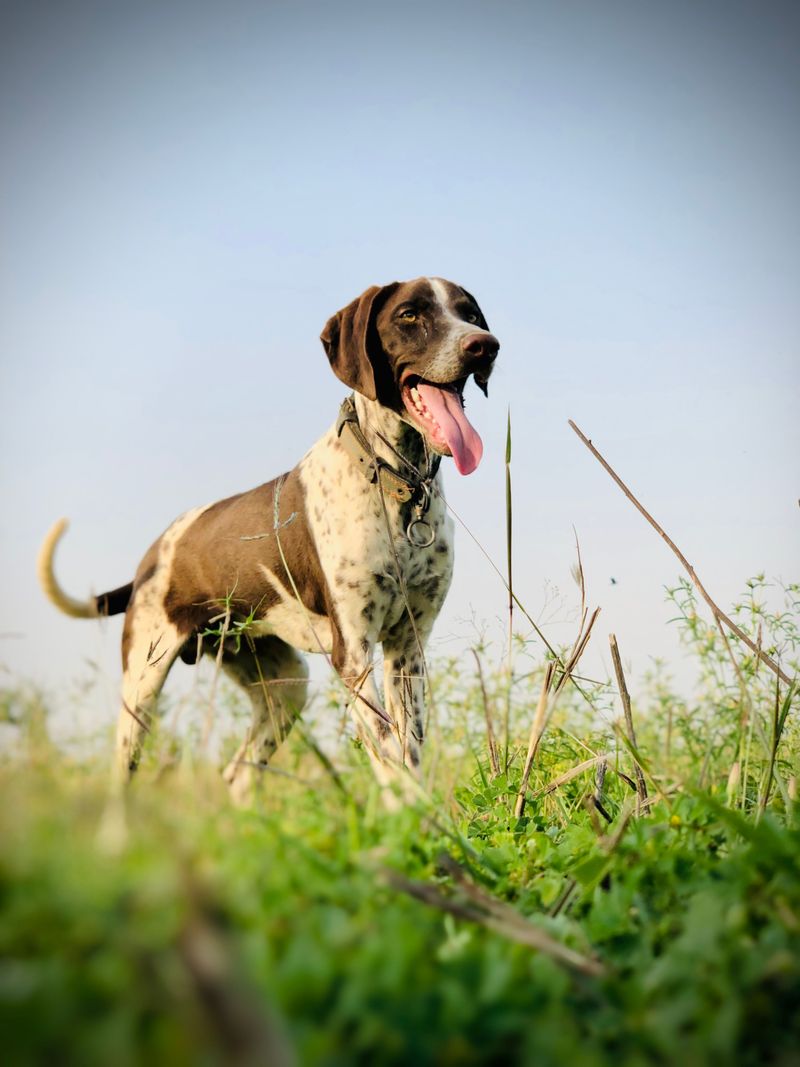
A frozen stance among golden grasses says plenty about this famous bird finder. Often called simply the Pointer, it has deep ties to Southern quail hunting.
Its speed and broad search suit open pine country.
Choose breeding lines carefully, since some dogs range farther than casual handlers expect. Practice recall before adding field distractions, and build fitness gradually.
At home, provide daily exercise and comfortable rest after those energetic outings through Alabama’s rolling countryside together.
2. English Setter: Feathered Style With Field Sense
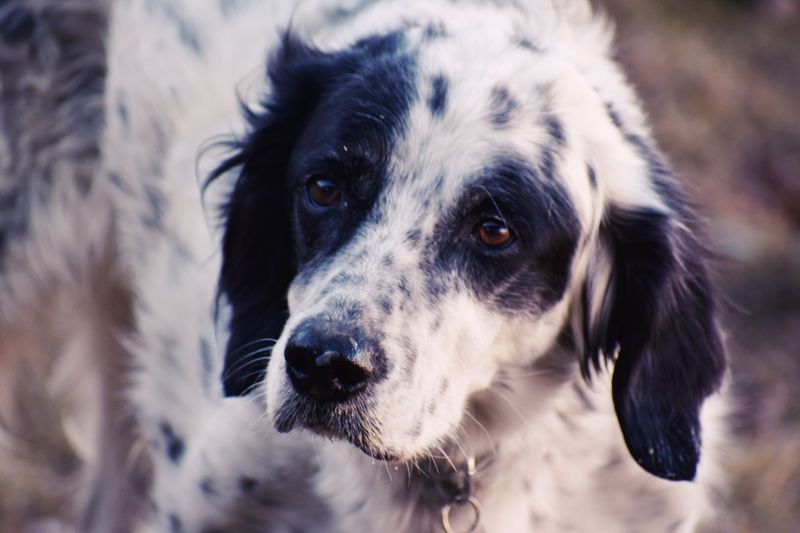
Soft feathering brings a little elegance to dusty fieldwork, but the working ability matters most. Field bred setters often move quickly and search with purpose.
Their pointing heritage fits Alabama’s long association with bobwhite dogs.
Ask breeders about range, coat care, and household temperament before choosing a puppy. Brush behind ears and legs after grassy outings to remove tangles.
Consistent lessons and kind handling help channel enthusiasm without dulling that lively spark in daily life.
3. German Shorthaired Pointer: An Athlete With Extra Gears
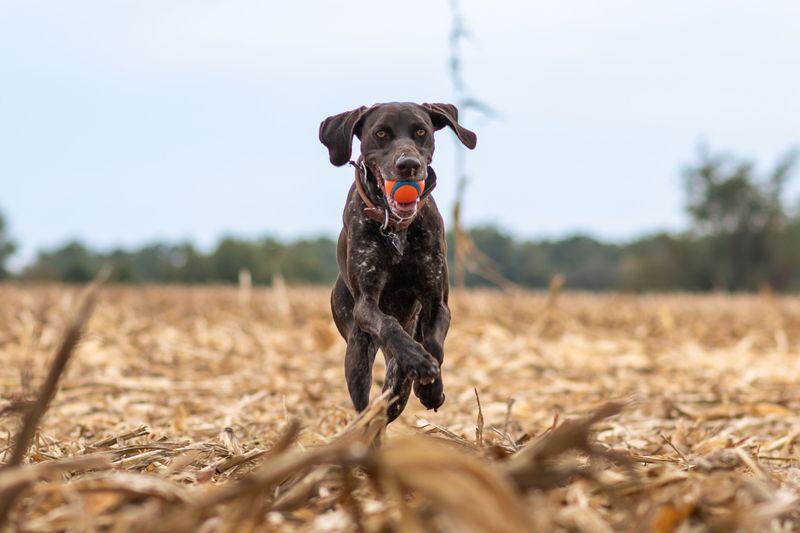
Expect an eager training partner, not a dog satisfied with watching from the porch. Developed for varied hunting tasks, this athlete can point and retrieve.
That flexibility appeals to owners whose interests extend beyond quail.
Give daily exercise a clear purpose through recall games, scent work, and structured field lessons. Short coats simplify brushing but offer limited protection from briars.
During Alabama’s warm spells, shorten sessions and provide frequent water breaks in shaded resting spots.
4. Brittany: A Small Package With Big Plans
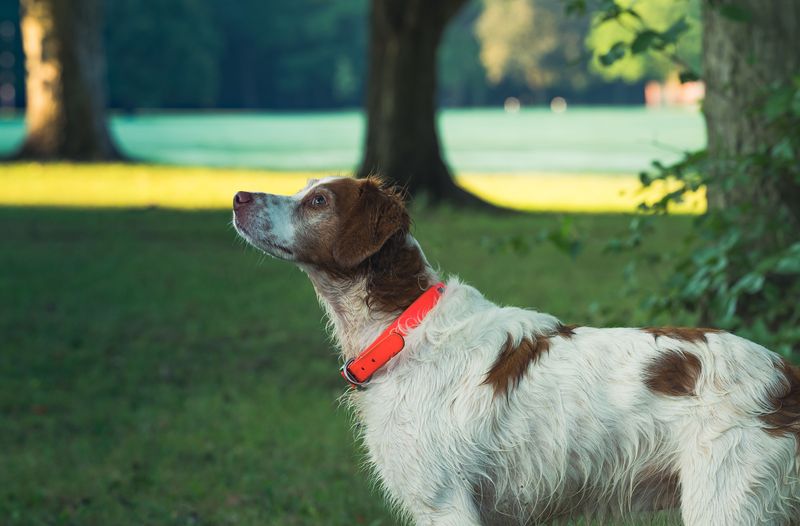
Compact does not mean slow, especially when an interesting scent catches this lively dog’s attention. Originally developed in France, the Brittany is a pointing breed.
Its handy size can appeal to owners wanting less bulk.
Look for parents whose working distance matches your pace, rather than assuming every smaller dog stays close. Reward regular check ins during walks and training.
A busy mind needs daily outlets, even when the quail season is months away again.
5. German Wirehaired Pointer: Built for the Brush
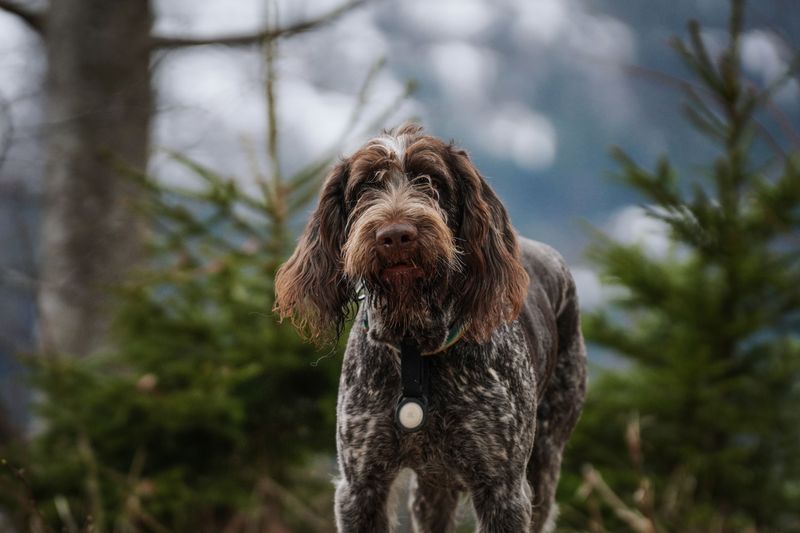
Briars meet their match in a practical coat designed for demanding outdoor work. Beneath those eyebrows sits a versatile dog bred to point, track, and retrieve.
Dense cover can suit its determined working style.
Proper coat texture matters, so discuss grooming with a breeder familiar with working dogs. Check the beard, paws, and ears after outings.
Early socialization and steady boundaries help this independent thinker become a cooperative partner around other dogs and visiting friends.
6. Wirehaired Pointing Griffon: Scruffy Looks, Close Teamwork
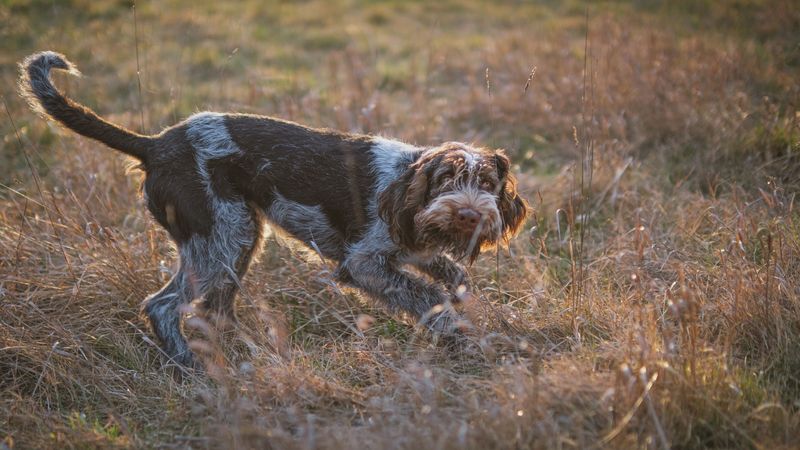
That wonderfully untidy beard belongs to a dog often valued for staying connected with its handler. Many griffons work at a manageable distance, though individuals vary.
Their versatile background includes pointing and retrieving on land.
Meet adult relatives before deciding whether the breed’s pace suits your outings. Maintain the rough coat as recommended, and remove plant debris promptly.
Friendly training sessions work well for dogs that enjoy cooperation more than repeated pressure or endless drills.
7. Vizsla: Golden Energy With a Close Connection
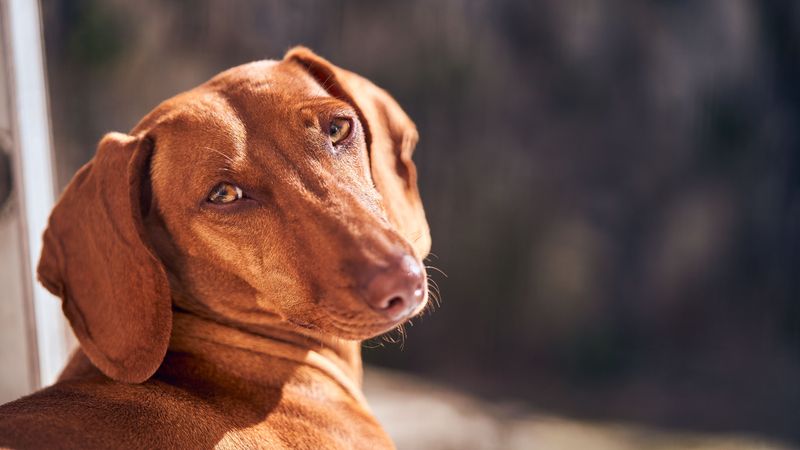
A copper coat catches the morning light, then its owner checks back for your next cue. Hungary’s versatile pointer often forms strong bonds with its people.
That connection can support rewarding teamwork in the field.
Plan for companionship alongside exercise, since long stretches alone may be difficult. Introduce new experiences gently and keep lessons upbeat.
The thin coat offers little insulation, so watch comfort during chilly mornings before Alabama’s sunshine warms the open ground again.
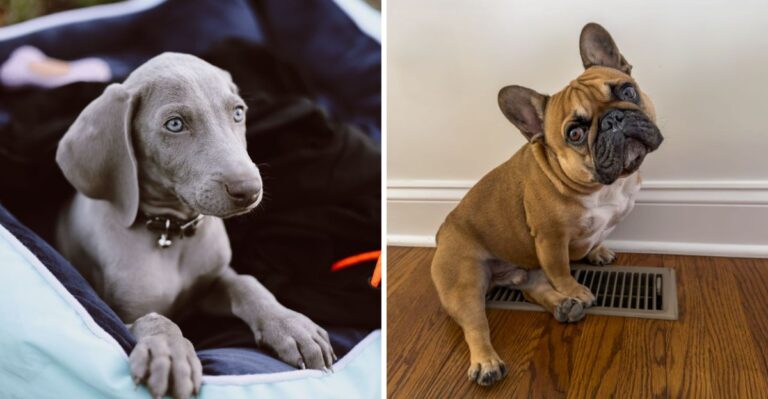
8. Weimaraner: Silver Style Needs a Working Plan
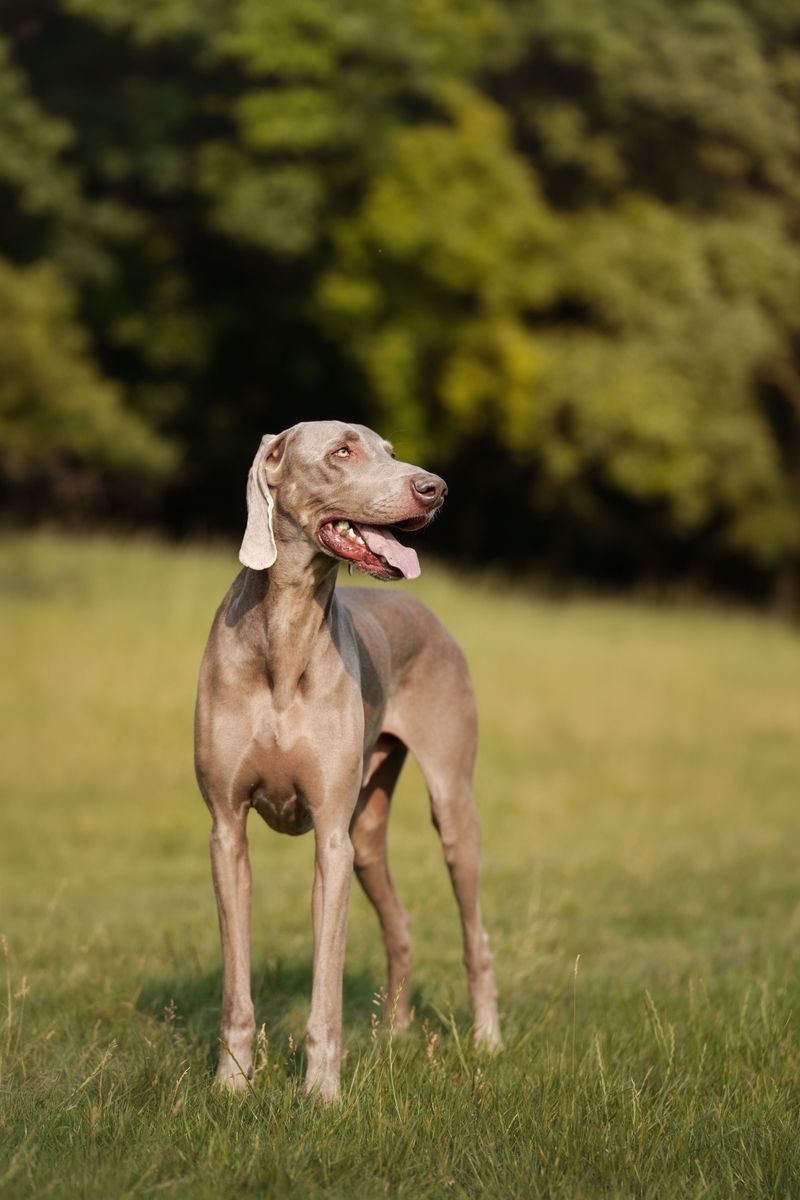
Silver coloring draws attention, but a busy brain determines whether daily life runs smoothly. This German sporting breed needs meaningful activity and patient guidance.
Working lines can offer pointing ability for suitable upland outings.
Ask specifically about proven bird work rather than choosing by appearance alone. Teach calm settling as carefully as recall and retrieving.
Secure fencing also matters, because curiosity travels quickly when an energetic youngster finds an interesting scent beyond the garden gate.
9. Spinone Italiano: A Thoughtful Pace Through Cover
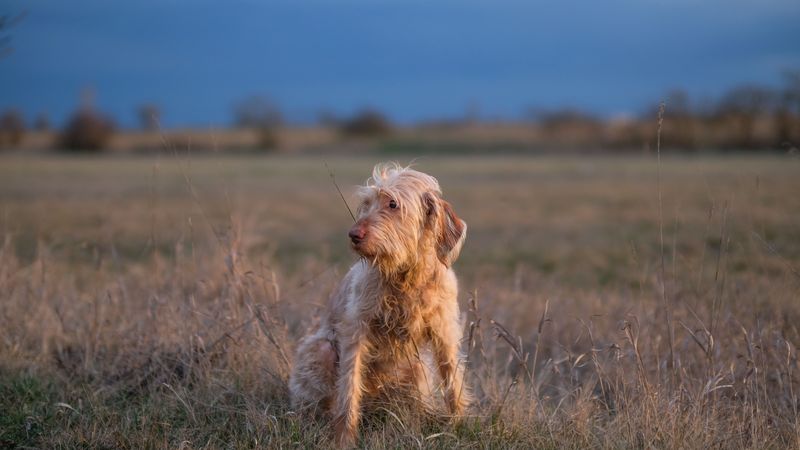
Not every good field day needs a dog moving at top speed. Italy’s rough coated pointer often searches with a deliberate, steady rhythm.
That approach may suit walkers who prefer thoughtful coverage over sweeping runs.
Still, this substantial dog needs conditioning and plenty of outdoor activity. Keep its beard clean, especially after meals and drinks.
Discuss heat management with your veterinarian, and favor cooler Alabama mornings when planning longer training sessions through thicker grassy cover.
10. Irish Setter: Red-Coated Flair With Real Roots
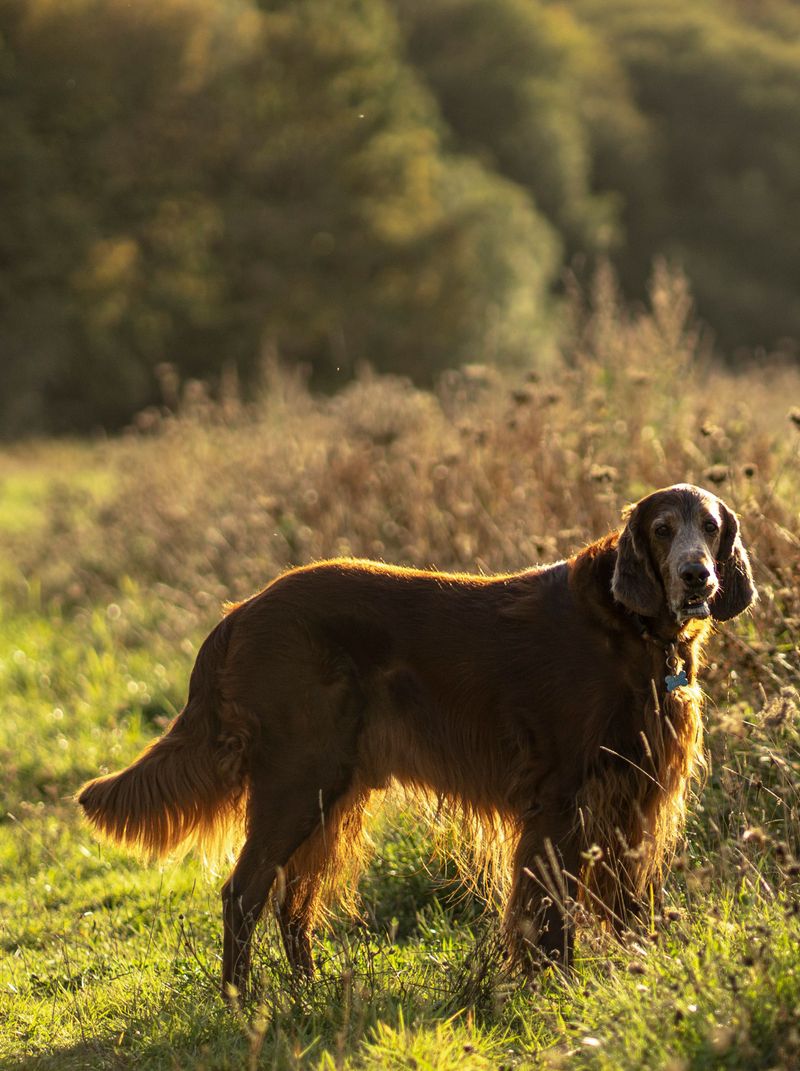
Red feathering looks festive against pale winter grass, yet this breed’s roots are firmly sporting. Irish setters were developed to locate game birds.
Dogs from established working lines can bring genuine ability to quail country.
Seek a breeder who can explain field performance and daily energy honestly. Regular brushing prevents small tangles from becoming bigger chores.
Keep training playful but consistent, since youthful enthusiasm can make a simple lesson feel like a lively comedy routine.
11. Gordon Setter: Steady Presence in Black and Tan
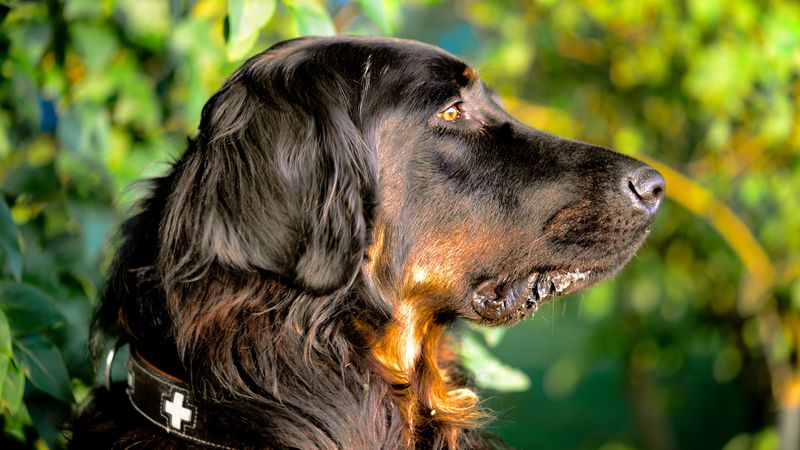
Black and tan markings give this Scottish setter a distinctive look beneath the pines. Often more substantial than other setters, it combines bird finding heritage with stamina.
Individual working style still depends heavily on breeding.
Ask about search range and recovery after exercise when comparing potential dogs. Brush feathering regularly and check for hidden burrs.
In Alabama’s warmer weather, avoid judging endurance by enthusiasm alone, because eager dogs may need you to call the breaks.
12. Small Munsterlander: Versatility in a Handy Size
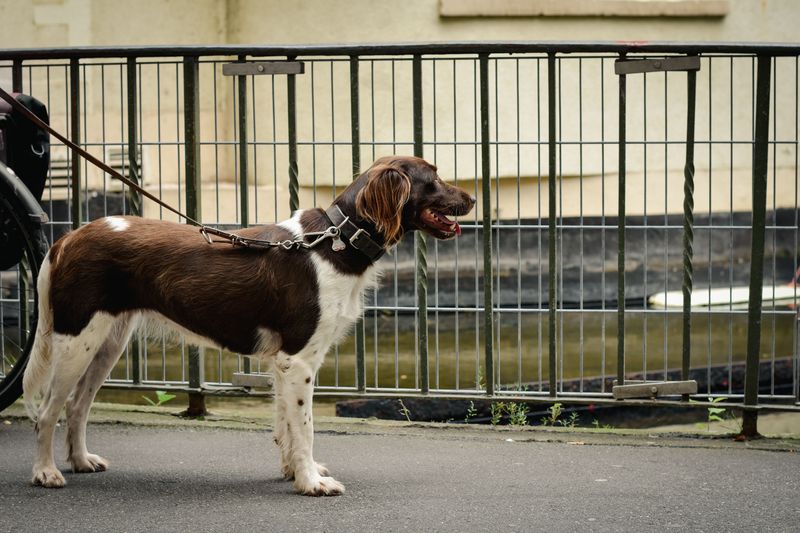
A handy frame holds plenty of ambition in this German pointing breed. Developed for varied work, it can point, retrieve, and follow scent.
Owners who enjoy several outdoor activities may appreciate that broad skill set.
Choose breeders who evaluate health and working ability, then ask how their dogs handle close cover. Practice patient retrieves without rushing formal lessons.
Feathering needs attention after outings, and regular family time helps satisfy this sociable dog between active field days.
13. Large Munsterlander: A Striking Partner Worth Seeking
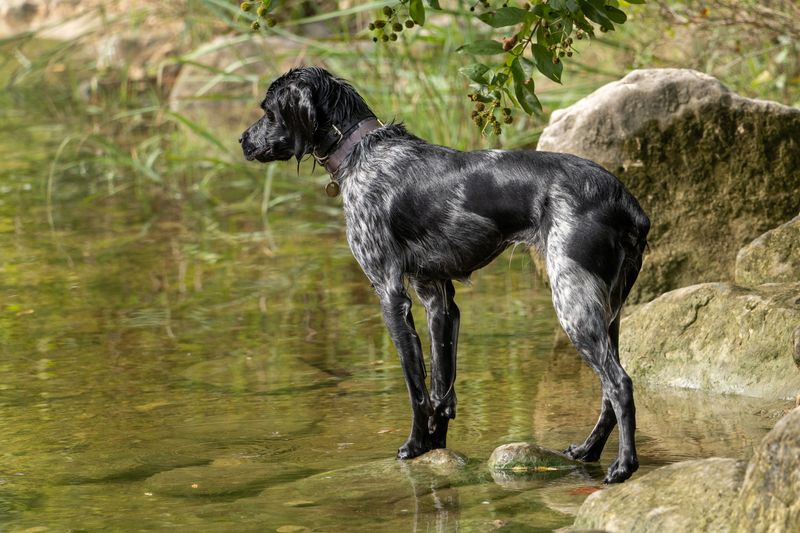
Finding this striking black and white dog may take patience in the United States. The German breed combines pointing with retrieving and other field skills.
Its longer coat adds presence but also requires regular care.
Start your search through established breed organizations and discuss realistic puppy availability. Ask about working distance, health screening, and household behavior.
For Alabama outings, introduce local terrain gradually rather than expecting inherited talent to replace careful training and sensible physical conditioning.
14. English Springer Spaniel: Close Cover, Different Tactics
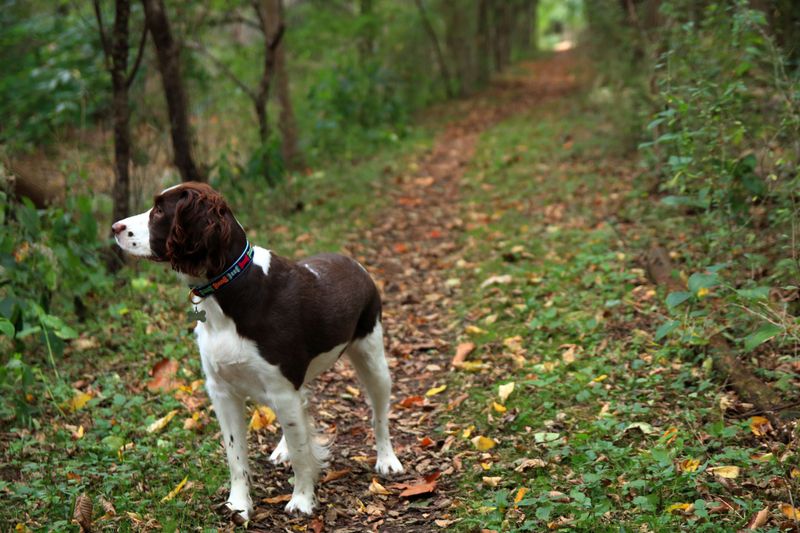
Change the game plan here: a springer flushes birds rather than holding a point. That difference makes close control essential during quail work.
Field bred dogs often bring remarkable energy to brushy ground near handlers.
Teach a reliable stop cue and recall before introducing more exciting distractions. Never let enthusiasm stretch the working distance beyond safe handling.
Clean feathering after cover work, and check ears regularly with guidance from your veterinarian on suitable routine care practices.
15. Labrador Retriever: A Reliable Supporting Player
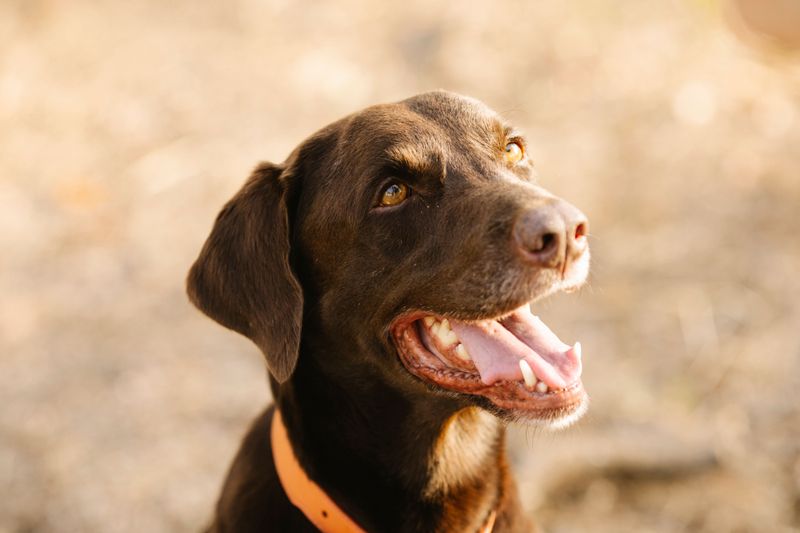
A familiar face rounds out the field, though its traditional role differs from a pointer’s. Labradors primarily retrieve and can also flush with training.
Their usefulness shines when handlers understand those strengths rather than expect pointing.
Choose fit working stock, protect joints through sensible conditioning, and practice calm waiting alongside retrieves. Keep weight healthy throughout the year.
Then grab the leash, choose your pace, and let Alabama’s pine country inspire your next well planned outing together.